TRAVELS IN CHINABiblio.com
3 141 résultats
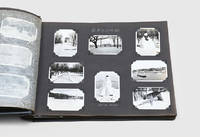
1920152667China: 1920. From palace to park lake to shining sea A collection of 230 vernacular photographs recording a couple's trip to Beijing Jinan and Qingdao a decade after the abdication of the last Qing emperor. Arranged chronologically the album combines landscape and architectural views with candid shots of the travellers and the people they met. The appearance of many easily identifiable landmarks more than compensates for a lack of captions. The travellers begin their holiday in Beijing recently the site of the May Fourth demonstrations. The first 35 images capture the serenity of the Summer Palace once an imperial retreat with images showing the East Palace Gate and the exterior Hall of Joyful Longevity. The visitors strike jaunty individual poses on a stone lion and ride regally on the back of a bronze deer statue. The lady is captured from a distance on a balcony overlooking the Kunming Lake the largest body of water in the palace complex with the famous 17-arch bridge visible in the background. Like many before them these travellers are drawn to such architectural wonders as the Glowing Clouds and Holy Land Archway as well as the full-size marble boat restored by the Empress Cixi in the 19th century using funds allocated for outfitting a real navy. Several vistas of the lake show its solitude and remoteness - qualities accentuated by the palace's transition in 1914 from a working royal residence into a publicly accessible monument to China's imperial past. Until 1924 the Forbidden City remained the private residence of the last emperor Pu Yi and this album thus contains only a few images taken in the accessible outer court. The travellers find more freedom however in nearby Beihai Park climbing up to the imposing White Pagoda and snapping several views of Beijing from on high. Also captured here are two soldiers on duty by one of the bridge archways as well as the classic view of the pagoda looming over the park's picturesque lake. China's rapidly growing network of railway lines afforded travellers conveniences unknown even a couple of decades before. The visitors record their journey on the Beijing-Zhangjiakou line the first stretch of railway built by the Chinese government rather than foreign investors alighting near Nankou. There the lady poses in a sedan chair and later with three young children fascinated by a camera held by one of the couple's acquaintances. Visiting the Ming tombs affords many opportunities to photograph and be photographed with the famous stone animal sculptures while in one image the lady lies comfortably in a tree. Back on the train they travel to the Great Wall near Badaling and Qinglongqiao. A dozen pictures taken on the wall show the brickwork in a state of disrepair as was common with sections of the wall by this time and the travellers take refreshments on a level section with some local children for company. A well-earned rest on the return train refreshes them for a visit to the Jade Peak Pagoda on Jade Spring Hill today the site of residences for top political leaders with the camera capturing several nice landscape views of the pagoda and a temple desecrated inside. Following further excursions to the unmissable Temple of Heaven and the Cishou Pagoda they follow the steel rails to Jinan admiring the Yangtze River and waterfront industries in the company of local perhaps warlord troops. The holiday ends in the Japan-controlled coastal resort of Qingdao its station platform teeming with adult and child passengers and its seafront peppered with colonial architecture including the Grand Hotel. The final photographs commemorate time spent at the beach and climbing a nearby mountain most likely Laoshan - the relaxing denouement to a holiday of considerable excitement. Landscape folio 260 x 335 mm. Original brown pebble-grain leatherette tied with brown chord through punch holes front cover lettered in gilt within blind frame covers lined with black moiré-patterned cloth 52 black card leaves with 230 gelatin silver photographs each c. 75 x 130 mm mounted with silver photo corners first blank with pencilled title "China 1920". With 3 gelatin silver photographs 63 x 40 mm loosely inserted. 2 photographs no longer present. Photographs clear most with silver mirroring and a few with corners lifting image loose from its mount and another partially split vertically a few leaves beginning to split at gutter couple of expertly repaired tears: a very good example. hardcover
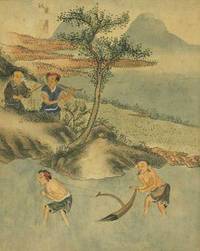
1920218778China Late 19th or early 20th century. 34 scenes on paper each featuring several figures in traditional dress disporting themselves amid landscapes and in a few instances houses all done by the same artist. Each picture is a separate scene; subjects include fishing visiting boating farming wrestling courting harvesting rice and hunting--a particularly effective image shows a tiger hunt and several scenes include wild and domestic animals. 1 vols. Images measure 8-3/4 x 7 inches plus margins bringing the overall page size to 11 x 8 inches. The mounted leaves are linked in the Oriental accordion fashion and contained within two substantial wood covers. Fine condition. 34 scenes on paper each featuring several figures in traditional dress disporting themselves amid landscapes and in a few instances houses all done by the same artist. Each picture is a separate scene; subjects include fishing visiting boating farming wrestling courting harvesting rice and hunting--a particularly effective image shows a tiger hunt and several scenes include wild and domestic animals. 1 vols. Images measure 8-3/4 x 7 inches plus margins bringing the overall page size to 11 x 8 inches. A very interesting and engaging collection of genre scenes. The trees rocks and landscapes are particularly well rendered and the figures are full of life. unknown
180026715Canton 1800. Large 4to. 15 x 12 1/2 inches. 141 watercolours on thin paper nearly all captioned in ink in Chinese in the lower right corner each tipped to a sheet of wove paper. Mid-nineteenth century citron half morocco over marbled paper covered boards spine with raised bands in six compartments lettered in gilt in the second compartment the others with a repeat decoration in gilt marbled edges<br/> <br/> Provenance: Annie Pearson Viscountess Cowdray née Cass 1860-1932 Dunecht House Aberdeenshire.<br/> <br/> An extraordinary album of early Chinese export watercolours of the highest quality.<br/> <br/> Beginning in the late 18th century centred on the treaty port of Canton there existed a thriving trade in ethnographical watercolours executed by local Chinese artists and sold to the western merchants and travellers. The best known result of this trade is William Mason's Costume of China first published in London in 1800 which is illustrated with 60 hand-coloured aquatints adapted from a series of original watercolours by Pu-Qua of Canton. It was common for the local artists including Pu-Qua to work from a set series of models. The present album includes a number of compositions that are from the same set of models as those used by Pu-Qua but they include more detail and more of the trade-associated paraphernalia than are shown in the images as published in Mason's work. This suggests that they were not copied from Mason but were after another more detailed source or were unique compositions by the artist based on a similar series of models. Importantly these watercolours are of a uniformly higher quality than usually encountered and represent not only a wide array of occupations but also members of the highest echelon of Chinese society. The detailing on the costumes worn by these members of the royal court is breathtaking with copious use of gilt. Later collections of Chinese export watercolours were routinely executed on less expensive pith paper whereas the present watercolours are on high quality tissue and are larger in size than those typically encountered. The album represents an earlier more prestigious style of export watercolour paintings specifically meant for wealthy Europeans. These are Chinese watercolours of the highest quality designed and executed to the highest standards. The album was once owned by Annie Pearson Viscountess Cowdray Steward of Colchester and wife of Lord Weetman Dickinson Pearson 1st Viscount Cowdray.<br/> <br/> Cf. Crossman The China Trade Princeton: 1972; cf. Clunas Chinese Export Watercolours London: 1984. unknown
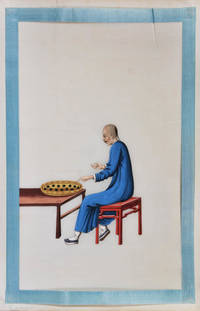
100987c.1830 . 4to album 33 x 26 cml; 24 gouaches on pith paper each one 30.5 x 20.4 cm all mounted on paper and framed with a pale blue silk fabric border; bookplate 3 plates with small tears approx 2 cm length at margins; bound in contemporary patterned decorated silk boards some pencilling on front pastedown ; overall an attractive copy. <br /> An excellent example of rare Chinese album on pith paper on tea cultivation depicting each process in detail. <br /><br />Pith seems not to have been adopted for painting until about 1820. Some European museums claim that their paintings on pith often erroneously called 'rice paper' or 'mulberry pith' come from the end of the eighteenth century but there do not seem to be any dateable examples that are so early. There is a record of the Kaiser Franz of Austria buying some albums from an English Consul-General Watts in 1826. We know of an Italian Count who visited Canton in 1828 and had over 350 paintings on pith in his baggage when he died in Ambon two years later. In the British Library there is a scrap-book containing six pith paintings and a journal entry by a serving British officer who sent them home from India in 1829. These examples and contemporary accounts by visitors to Canton suggest that there was a flourishing trade in pith paintings by the early 1830s.<br /><br />Pith presumably came into use for painting to satisfy the increasing demand for small inexpensive and easily transported souvenirs following the massive growth in the China Trade in the first quarter of the nineteenth century. Paintings in oils on board and canvas were costly and difficult to carry home. Earlier and more prestigious export water-colours had often been on a larger scale and painted on fine Chinese paper or on paper imported from Europe. The albums of pith paintings and later the little glass-fronted boxes were inexpensive light easy to pack and gave the pictures some protection on the long voyage home. Because many were sold in albums and hence protected from the light they retain their bright colours to this day.<br /><br />Pith comes from the central column of spongy cellular tissue in the stem of a small tree called Tetrapanax Papyrifera native to south-west China. It has had a variety of uses some going back many centuries. At the imperial court both men and women wore coloured flowers made from pith in their hair. For use in painting it is cut by hand with a knife into thin sheets from short lengths of the spongy tissue. Cutting is highly skilled and the constraints of the process mean that the finished sheets for painting seldom if ever measure more than about 30 by 20 cm. The sheets are dried trimmed and used for painting without any further processing.<br /><br />Because of the nature of pith and its cellular structure the gouache used by the Chinese sat on the surface and produced a bright and even sparkling effect. Very fine detail could be achieved but pith did not lend itself to the flat wash of colour favoured for European watercolours. <br /><br />Carl Crossman in his book The Decorative Arts of the China Trade originally published under the title The China Trade gives an excellent list of export painters with a note of those known to have painted on pith. These include Tingqua Sunqua and Youqua. From 1757 until 1842 Canton was the only Chinese port open to trade with the west and it is no surprise that of the eight studios identified by Crossman as producing works on pith six were in Canton. <br /><br />It seems that the 1830s and 1840s may have been the heyday of pith painting. The international trading bases the waterfront 'factories' on the 'Hongs' in Canton where they were produced were partially burnt during the First Opium War 1839-41 and totally destroyed in a fire of 1856. The foreign trading companies then moved to Honan and subsequently put up splendid new offices on reclaimed land at Shamian Island a little up river. As the result of the Treaty of Nanking in 1842 additional Chinese ports were opened up for foreign trade and Hong Kong was established as a major trading centre. <br /><br />By 1860 references to China in the Illustrated London News plentiful three years earlier were few and far between. That is not to say that painting on pith ceased. Nicholas the second was given paintings on pith when he visited Canton in 1891 and the last Emperor is said to have sent him a gift which included pith paintings in 1907 though these could have been examples of much earlier work. <br /><br />There are collections of paintings on pith in the Ashmolean the British Museum the Fitzwilliam the Hermitage the Peabody/Essex Museum in Massachusetts and the Hong Kong Museum of Art. However because paintings on pith are not in general regarded as fine art they are usually to be found in ethnographic or specialised collections.<br /> [c.1830] hardcover
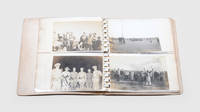
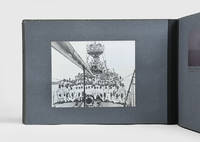
1930189255China: late 1930s. Cruising competition and conflict on the China station A well-preserved collection divided into sections concerning naval life in Weihaiwei and other ports and the Sino-Japanese hostilities. The lead in its class HMS Dorsetshire was launched in 1929 and following refitting served on the China station with the 5th Cruiser Squadron from 1936 until the general outbreak of war in 1939. The album is a combination of personal snapshots and occasional professional compositions. It opens with photographs of Weihaiwei including of the naval canteen the China fleet moored in the bay and the Ah Fong photography studio on main street. Others show the port in winter 1938 several snowmen in evidence fleet and gunnery exercises and the crew's victories in the Weihaiwei football competition and the China station's pulling regattas. One studio image shows their bevy of trophies foremost among them the coveted Yokohama Bowl. In Shanghai Jordan snapped many of the famous vistas and sights. The second half is focused on the Sino-Japanese War which had been raging since 1937. Photographs of ruined Japanese cotton mills in Qingdao are followed by shots of Japanese troops entering the city to consolidate their control and others some perhaps from studios document the 1937 hostilities in Shanghai including the burning city skyline. Material on the final four leaves date from after the ship's departure from China. Landscape post-binder album 280 x 360 mm. With 148 gelatin silver photographs predominantly vernacular snapshots approx. 55 x 90 mm or slightly larger corner-mounted on 11 black card leaves with glassine guards groups or individual photographs neatly captioned in white manuscript 3 other leaves unused. Original blue cloth boards metal posts front cover decorated in blind in relief name of compiler and their vessel in white manuscript on inner front cover. Album lightly worn photographs bright and still fresh on account of guards: an excellent collection. hardcover
1945175494China: 1945. A rare series of photographs taken after Japan's unconditional surrender when the OSS launched eight operational missions to rescue POWS across east and south-east Asia. Two of the images show Lee Beom-Seok a resistance fighter and the first prime minister of South Korea who worked closely with OSS personnel in China. The first images capture a team of US soldiers disembarking from a C47 cargo plane. In one photograph taken at night Lee stands alongside soldiers in the uniform of Chiang Kai-Shek's National Revolution Army. A long series of photographs shows smiling internees and their liberators while two at the end of the album show OSS personnel in discussion. At least one photograph appears to show Clyde Bailey Sargent 1909-1981 a sinologist who joined the OSS as a civilian and undertook intelligence-gathering missions in China and India. Later in the war he served with the Flying Tigers in a military capacity joining the CIA after 1945. His short obituary is pasted on the inner rear cover. Square octavo photo album. Original card covers white plastic spiral binding housing 24 gelatin silver photographs each c. 95 x 105 mm in wallets. Photographs somewhat sunned and toned: very good. unknown
1898178920China Japan and at sea: 1898-99; 1911-13. The "scramble for China" An important visual record of Germany's empire-building in China and naval life in East Asia before the First World War including early views of Qingdao. It was assembled by Hermann Mörsberger a future rear-admiral who served at Kiautschou Bay during the 1897-8 crisis and commanded the East Asia Squadron's SMS Nürnberg between 1911 and 1913. The murder of two missionaries in Shandong in 1897 offered Germany an excuse to deploy troops to Kiautschou Bay and press its case for a concessionary area - and strategically positioned port - on Chinese soil. Attached to the Matrosenartillerie-Detachement Kiautschou as a leutnant zur see Mörsberger 1872-1940 shipped out to China in late 1897 on the screw steamer Darmstadt. The ship's arrival off Qingdao in January 1898 and the rapid deployment of its marines confirmed Germany's de facto control of the territory and left the Qing government with little option but to grant a concession. The first album opens with a photograph of Darmstadt and superb photographs of the cruiser SMS Kaiserin Augusta - ordered to China to brandish its dozen guns - and other powerhouses of the squadron including Cormoran Irene and Prinzess Wilhelm. Images show the parade on 27 January 1898 to welcome the future governor Rear-Admiral Ernst Otto von Diederichs 1843-1918 and Qingdao's artillery dump and yamen. Missionaries were hot on the navy's heels the album containing a group portrait of Joseph Freinademetz and other visiting Catholic missionaries in February 1898 as well as several pieces of red paper with their Chinese and Western signatures. After the legal takeover of the concession Mörsberger transferred to Kaiserin Augusta visiting Shanghai Hong Kong and Tokyo. More standard tourist views of Shanghai including a nicely composed image of a junk moored in the river are arranged alongside photographs of the unveiling of the city's ltis Monument on 21 November 1898. In a more relaxed moment Mörsberger poses playfully with other junior officers. German power did not take long to bed in. Within a decade and a half Mörsberger - now a fregattenkapitän - returned to Qingdao with Nürnberg a Königsberg-class light cruiser and the squadron's newest member. A panorama shows the armoured cruiser SMS Scharnhorst the flagship of squadron commander Count Maximilian von Spee docked in newly built facilities the recently christened Prince Heinrich Hill in the background. Nürnberg moves between ports as part of its Yangtze patrol duties Mörsberger obtaining panoramas taken from the river of Shanghai Zhenjiang Jiujiang Nanjing and Hankou as well as shots of other squadron vessels. Alongside official events including the welcoming of official dignitaries and the parade to celebrate the 25th anniversary of the Kaiser's coronation there is time for tourism parties and an international rowing contest. Four unusual photographs capture the illuminated buildings of Shanghai at night. A small proportion of material concerns Japan Thailand Honolulu and Mexico. Many of the professionally executed photographs concerning China were clearly circulated only within the German military and in small numbers. 2 albums landscape folio. With 195 mounted albumen platinum and gelatin silver photographs including 31 large portraits and views c. 145 x 205 to 205 x 280 mm 26 panoramas c. 90 x 290 to 110 x 340 mm and 138 small photographs c. 55 x 80 to 145 x 210 mm. Together with other laid-down material: 17 items of printed ephemera documents menus etc. 14 ms. items some in Chinese ms. map watercolour 110 x 140 mm. With 4 ms. maps printed map photographic panorama and printed passport loosely inserted. Neat German captions. First album: original black half sheep green cloth sides decorative linings card leaves hinged with black cloth. Second album: original green cloth lettered "S.M.S. Nürnberg" in gilt on front cover decorative linings black cloth rear pocket card leaves hinged with black cloth. Material well preserved occasional offsetting fading and yellowing to some photographs but detail still readily discernible one photograph splitting along old horizontal fold binding of first album worn second sunned and with a few abrasions: very good. hardcover
2017__3110480735De Gruyter 2017. Hardcover. New. 310 pages. 9.44x6.69x0.94 inches. De Gruyter hardcover
2005x-3540241310Springer-Verlag New York Inc 2005. Paperback. New. 1st edition. 935 pages. 9.50x6.50x1.25 inches. Springer-Verlag New York Inc paperback
19802090202120414273Heibonsha 1980. Soft Cover. Fine. Number of books: 1 Heibonsha paperback
2081502111907398Koryo Shosha N.A. Soft Cover. Fine. Size: Hardcover Koryo Shosha paperback
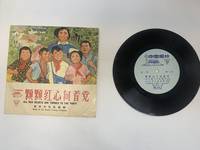
196684712Peking China: China Record Company 1966. Record. Very Good. 7-inch 33 1/3 rpm. Chinese record. Fabulous graphic on the cardboard sleeve depicting six smiling youth several with red party scarves about their necks. The cardboard sleeve is creased in several places. The record shows a bit of grit from the five decades since it was new but no scratches. Side one includes: 1 We Have Put on The Red Scarf; 2 From a Child I Learn to be Like the Peasants; 3 The Young Pioneers Can Paint the Most Beautiful New Pictures 1. Side Two: 3 The Young Pioneers Can Paint The Most Beautiful New Pictures 2 ; 4 I Love My Red-Tasselled Spear; 5; All Red Hearts are Turned to the Party. "Collectively composed by the Suite Composition Group of the Children's Art Theatre of the China Welfare Institute and sung by the "Red Children" Art Troupe of the Shanghai Working People's Palace of Culture with Accompaniment by the Orchestra of the Children's Art Theatre of the China Welfare Institute. Record distributed by the China Publications Centre. China Records Catalog #XM-1018. China Record Company unknown
19762090502113716797Not Available 1976. Soft Cover. Fine. The book is in fine condition. Not Available paperback
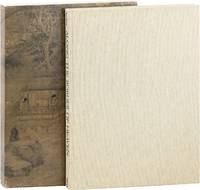
198387481New York: Metropolitan Museum of Art 1983. First American Edition. Folio. 34cm. Publisher's oatmeal colored cloth titled in dark grey to spine. Publisher's Slipcase as called for. 191pp. Sharp and bright very little wear light scuffing at the spine ends; internally clean and fresh lavishly illustrated throughout; in the original publisher's slipcase strong and clean with some light scudding and wear to corners and spine region. A very good clean copy indeed. <br /> <br /> A beautifully produced work on the history of Chinese landscape and nature painting with accounts of the artists and techniques which formed the genre produced to accompany to MMA exhibition. Metropolitan Museum of Art unknown
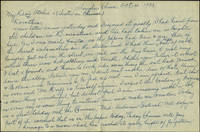
193324472Shanghai 1933. Very good condition. An amusing letter written by Adeline in Shanghai to her sister Dorothea back home in the United States describing Chinese celebrations and rituals and commenting on the Depression and its "direst calamities".<br /> <br /> Adeline vividly describes the Chinese "Mid Autumn Festival" including paying homage to the moon stories from the Tang Dynasty how the Emperor Tang Min-huang traveled to the moon the exchange of moon shaped cakes and moon viewing rituals.<br /> <br /> She also describes in great detail the important seventh week Buddhist memorial services for a deceased Chinese friend. She describes the elaborate Temple altar decorations of dwarf pine and evergreens tea ceremony attendant monks and priests and the burning of large gifts to the deceased made of paper and bamboo.<br /> <br /> Adeline concludes with a lament about the "business situation" and a wish that "Roosevelt will be able to swing things into line soon but think that he has bitten off almost more than he can chew". <br /> <br /> Three sheets writing paper 10 x 6 1/2" the first 2 written in ink on front and back. Original folds flattened. unknown
1985BN253208Stuttgart : Thienemann Edition Erdmann 1985. 1985. Als Kundschafter des Papstes nach China : 1656 - 1664 ; die erste Durchquerung Tibets. Johannes Grueber. Hrsg. von Franz Braumann nach d. Briefen Johannes Gruebers u.d. Berichten seiner Biographen Athanasius Kircher u. Melchisedech Thevenot Alte abenteuerliche Reiseberichte <br/><br/>Als Kundschafter des Papstes nach China : 1656 - 1664 ; die erste Durchquerung Tibets. Johannes Grueber. Hrsg. von Franz Braumann nach d. Briefen Johannes Gruebers u.d. Berichten seiner Biographen Athanasius Kircher u. Melchisedech Thevenot Alte abenteuerliche Reiseberichte China / Tibet / - Grueber Johann und Franz Braumann Stuttgart : Thienemann, Edition Erdmann unknown
192127355China 1921. Very good condition. From "Bub" to brother Philip. Bub is apparently an American assistant or undersecretary to a United States Minister/diplomat based in Peking. <br /> <br /> He mentions the unusually hot summer and the efforts to make headway on the Negotiations "the political situation here goes from bad to worse" however there are very few ministers in town the rest are vacationing. He is tasked to 'write a report on the Sino Japanese Shantung Negotiations.' "and that is as complex as possible and they seem to be getting nowhere."<br /> <br /> He mentions meetings with Edwin Denby Secretary of the Navy as the Minister's special representative entertaining Major General Wright Mr. Warren and Du Wellington Koo the Chinese Minister to Washington then Foreign Minister and Finance Minister. "Du Wellington Koo has been entertained right and left and I have gone to most of the dinners for him - she is one of the prettiest Chinese I have seen." referring to his wife Hui-lan Oei<br /> <br /> The Sino-Japan Shantung Negotiations referred to the treaty between China and Japan settling the dispute over the Shantung Peninsula and its valuable resources including the Shantung Railroad and its connection to the Trans-Siberian Railway. Japan had taken over occupancy after pushing out Germany the original leaseholder. The dispute was mediated by the United States and ultimately the leasehold was returned to China.<br /> <br /> Bub's sister Jeannie wrote him from The Colony Club in New York City regarding Philip's and presumably Papa's trip to Italy. He also mentions the visit of a mutual friend Roger Gratwick and his own intention of returning to the States next Spring. An interesting insight into diplomatic negotiations.<br /> <br /> 2 pages 4 sides 8x10.5" written in pencil original fold marks. unknown
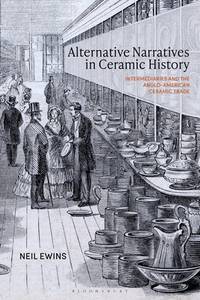
2026__1350538337Bloomsbury Publishing Plc 2026. Hardcover. New. 304 pages. 6.40x0.94x9.45 inches. Bloomsbury Publishing Plc hardcover
25054401China n.d. ca. 1927-1928. Brown simulated alligator cloth covers 37 x 27.5 cm. black pages spine ribbon-tied ca. 400 b.w. photos corner mounted images very good sharp and clear images NOT fadedsolidnicely done. V E R Y R A R E ! . . SUPERB PHOTO ALBUM OF THE CHINESE CIVIL WAR: . . Beginning of The Communist Party led led by Mao Tse-tung . . V.S. the Kuomintang KMT or Chinese Nationalist Party . Led by Chiang Kai Shek. . The United States Supported the KMT. In this album we see how the KMT soldiers hosted the American Army in China using their trains and military bases throughout China. This unusual album contains 400 original b. w. photographs & and is an historic photographic record of American military deployment showing Dough-boys in China probably from the U.S. Army's 2nd. Battalion 15th. infantry per the flag and insignia found on a group formation photograph. A minority are with written captions by and large taken by the person who made the album also enhanced with a small percent of professional Chinese photos some of which have in-negative captions. There are ca. 3 or so photos missing else completely filling 32 pages or 64 sides one on the inside back cover. The inside of the front cover has five attractive period color luggage type adverts from various hotels: Hotel Lankershim & Coast Line Military & Naval Hotel San Francisco Cal; The Court Hotel Tientsin North China; Grand Hotel des Wagons Litz; Astor House Hotel Ltd. Tientsin. The album begins with photos of a Chinese playing a Pi-pa snake skin banjo then there are three other photos: first two show a Chinese military camouflage train engine from which a Yank soldier in his campaign hat descends and a long train of cars with a large howitzer mounted upon one last shows French troops at parade rest with their rifles and white gloves and crested helmets with anchors naval or marines with others in the background with some officers. The next two pages show Chinese coolies swing a basket from the creek top water a field a mother suckling her baby with her family at the farm a large water tower in the wet slums and a group of Doughboys at attention in formation they wear boots leggings chrome World War I type dress helmets a rifle back pack with bayonet cartridge pouch belts with green wool hip-length jackets. The opposite page shows another view of the Chinese military train a pair of large mounted guns on an armored train car. To the right is a Chinese officer pointing to a large pierced hole in the train with a foreign engineer peering out from the small window. The train sports the Republic of China flag with a Chinese military unit flag painted on the side. Another view shows a group of abandoned Chinese coffins that went to the dogs; a group of soldiers in garrison caps at attention with fixed bayonets as the officers salute someone near the person taking the photo some Chinese officers also present. Next 2 pages show Chinese on a wheel barrow some Japanese women by a pond in Kimono and a group of British troops from their colonial Empire: blacks Indians white trumpeter Chinese and others with musical instruments all wear white cork-type pith helmets. A group of Japanese officers mugging for the camera. Photos of the railhead and large number of Chinese troops with rifles and kit at the railway station some on march carrying their flags others in open box cars with touring cars that are on the move another of camouflaged armored train cars one shows a number of foreign soldiers looking out of a train car window some are with tiny embossed stamp at right corner: "Mei Lee Tien Tsin." The album continues with a mixture of images of civilian Chinese Chinese military their trains moving air planes weapons war refugees in tents military views of barbed wire fortifications trenches machine gunners Russian soldiers Chinese officers Chinese air force funerals rickshaw pullers camel trains captured & wounded prisoners foreign soldiers at their sand-bagged posts. Photos of the great wall magnificent Chinese architectural monuments buildings and pagodas religious icons coffins more coffins mortars & Chinese junks and a plethora of others. The American Consulate General's compound in Tientsin American military band welcoming the newly arrived replacement troops. A large photo group shot of the American officers seated for a memorial photograph with their Battalion flag proudly posted on the wall where they pose source of our citation at the top of the unit name; two buglers are at each outside position the commander is ram-rod straight and taller than all others seated in the front & center; he and only two others on his sides wear full leather knee boots probably indicating the highest ranking officers; others are in boots & leggings. Photos of Doughboys aboard a ship showing the Naval officers with one stunning photo of an American high officer with his Japanese & Chinese counter parts posing for the camera. And a photo of the "Mail Boat Gazun Panama" and a few others of Panama giving credence to the fact that some of these soldiers came from the American East coast via Panama to San Francisco then on to China. Nice photo of semi-nude Panamanian family men women children. Doughboys at target practice photos of Chinese poverty coolies pulling great loads and street vendors. More showing Chinese life style street life horse & bullock carts and yet more caskets left in the open unburied and abandoned train cars full of horses Chinese troops smoke rising from a burning city another with "Tian jin" written in Chinese catholic church more parading of American soldiers within the Tientsin American Consulate parade grounds trooping of the colors. And a nice photo of the "U.S. Army Transport Thomas" Chinese junk &c. A U.S. soldier in a necktie his rifle at fixed bayonet at parade-rest before the Consulate General compound with sand bags inside a photo of a U.S. soldier with his Colt-45 on his hip with canteen looking at some communications connections another photo of two mini U.S. tanks and a very long bridge over the water. Photo of the Tientsin downtown with a Sikh Indian policeman directing traffic. Next page shows a public Chinese street execution: the guilty on his knees with the executioner ready to swing a very large sword and another headless corpse is before him the Tientsin YMCA compound opposite which is likely the inside of the American Consulate offices showing very ancient typewriters and three women staff and one other female Navy person. They all mug for the camera with a good number of U.S. Army or Marine officers behind three desks. Chinese hauling "magnum gold" brand ammunition on hand- trucks a U.S. Army band performing before the Consulate's office. At this point we find a few photos with penned captions: "One of China's Department Stores it shows a bird vendor; Peanut Gambler a mountain of P-nuts; Chinese Shimboo photo of the office and maker of the album and his Chinese officer friend ; "A Chinese Taxi" shows him in a Rickshaw "Me and the boy friend 11/3/28" shows a tiny goat cart carrying a child's coffin with a Chinese man. This penned date gives substantial proof of the date range of the entire album which was placed about the center of the whole work. The next page shows two more penned captions: "Chinese cavalry" and "Note mud house and fence" shows two Chinese officers on horse-back and a very very poor house with very starved animals. The next shows six Chinese undercover men two each holding a Chinese being readied for execution; and a very grizzly photo of a Chinese officer actually executing a Chinese man with his pistol who is seated on a rock: the photo captures the action as the shot blows away the mans brains. Behind the execution scene is a crowd of American soldiers in campaign hats and Chinese military officers who are witness to the event. More views of Chinese street life vendors pullers haulers & horse carts religious icons and a stunning Chinese roofed gate more Chinese troops on the move via train with a very horrible view of a large number of dead Chinese in the muddy filthy waters by a bridge. Homeless Chinese at a "soup kitchen" war refugees hauling their belongings house boat street barbers a group of 7 photos by the ocean. They show American soldiers at leisure looking at Chinese fishermen nets naked fishermen hauling in a net of fish to the beach a burning waterfront village the jetty where several large American transport ships are at anchor and a great assembly of Yankee soldiers on the beach with duffel bags and their gear at the railhead. The last photo shows a great number of various whisky bottles lined up for display. More photos show a coffin maker large coffin basket seller and "chow" sellers on the street. A military formation of 100's of either Scottish or Irish soldiers with fixed bayonets marching down the main street before the "RNC Electricity Dept." below which is a very long line of British soldiers on one side of the street opposite from a good number of American soldiers who are on the side of the street a British Union Jack flies over a castle-like structure this is clearly some kind of grand military parade. More photos of the Great Wall the military parade and army chaplains with an Australia flag flying over another castle tower. Chinese river scene with large numbers of native boats in a canal a beggar's camp with straw -mat tents a canal crossing ferry for people a photo of a U.S. officer stand on top a wooden coffin for a closer look. More poverty-stricken Chinese haulers fortune tellers graves tethered horses log sawyers rice haulers electric trolley with English and Chinese language sign on the roof panorama post card of Shanghai's Bund. The album now shifts to photos of the Peking area. Shows the Ming tombs and the camel-lined road; military train the Americans were transported by that train a large bivouac and tent city where the U. S. military troops camped some Chinese "house boys" proudly holding the American troop's unit flag. More photos of two U.S. soldiers posing near Chinese coffins in a wet ditch. A group of very young Chinese boys posed near the railroad; one is so poor that he has no clothes at all and is in nude. A large group of Nationalist Chinese soldiers marching along a street one classic photo of a single American soldier on guard standing at attention as stands vigil on a barbed-wire barrier his rifle at fixed bayonet. A group of five Chinese young "ladies" who pose for the camera who seemed NOT to be bewildered by the photographer they look like "Sing-song girls" hookers who entertained the U.S. troops. Chinese Buddhist priests in white robes with shaved heads a great gate to Peking Shanghai harbor views shanty huts captured Chinese criminal or traitor guarded by Chinese soldiers train car full of rifles more Chinese soldiers on trains marching in formation on the road. And a good photo of several American officers: one with a whip posing for the camera in garrison hat. Chinese bivouac and American soldiers with bullet and pouches for ammo with rifles at parade rest. More barbed-wire barricades Chinese & British soldiers armored train-mounted gun. More Chinese prisoners traitors being executed heads hoisted on power poles in baskets as a form of public warning and display for other would-be traitors. An American tent bivouac camp at the train yard two more public exec executions by beheading at the moment of loosing one's head an executed dead man lying in the street. Photos of Peking's Forbidden City a Chinese hung to death from a tree a Yank soldier in overalls carries a Chinese bamboo "yoke" with two baskets and smokes a pipe while Chinese look on and laugh. Two photos of lines of Rickshaws waiting for passengers. One comic photo with negative caption: "Find the Chinaman;" it shows two American soldiers sitting among Chinese. Nice shot of the Summer Palace Peking and a U.S. soldier riding in a Rickshaw. The very last photo inside the back cover shows the whole battalion dressed up wearing their chrome helmets standing at attention in formation for a classic and most historic memorial photograph. Their commanding officer is front and center; all have their rifles ammo belts and very polished boots with back packs. They could be standing in the Tientsin American Consulate compound grounds. Followed by a few other photos of Chinese a Chinese soldier et al. This work shows the typical things seen in China during this period of political and military chaos. The feuding war lords and political parties at war; the landing of American military to protect American diplomatic interests. Support & assistance given to the Americans and other foreign military groups by the Nationalist Chinese army. The desperate situation of the tragic Chinese people caught in the grips of upheaval and the summary punishment of traitors in a public display of the swift and ruthless law of China. A riveting and most compelling true record of a U.S. military officer's sojourn to and deployment in China. THE PHOTOGRAPHER AND THE SIZE OF PHOTOGRAPHS: This is not a professional group of photographs but there a very small amount which were obviously purchased by the maker of the album and inserted. The vast majority are his personal photographs these again are obvious to anyone who looks at the album. This is an excellent example of private work of an unknown American Army officer stationed in China during a very chaotic period. He was interested in recording for posterity his experiences and the sights that he saw while on duty. We thank him for giving us privy to this slice of American and Chinese military history. SIZE OF THE PHOTOGRAPHS: The size varies considerably sizes in cm.: the smallest are 8 x 5 most are 14 x 9 3 larger photos 24.5 x 18 and the last 30 x 10. CONDITION OF THE PHOTOGRAPHS: These are original period photos they are all very clear sharp images no fading and in excellent condition. They have been corner mounted. RARITY: Photographic albums of this period in China are NOT commonly found; one made by an American Army officer stationed in China at this time is exceptionally unusual and RARE ! This is a charming primary source with a large number of clean & sharp images taken by an actual participant in this historic period of China. The officer and photographer of these photographs shared for posterity his keen insight and view of these events. We thank him for giving us privy to this slice of American & Chinese military history. . unknown
199823979New York: Rizzoli 1998. 1st. Hardcover. Near Fine/Near Fine. 11.9x9.1x1.0in. rubbing to bottom of boards dust jacket with small chip at bottom of back fold. Dust jacket in clear protector. <br>From the world's foremost collector here is the new fully illustrated standard guide to America's first golden age of tile making. American Art Tile presents more than 2000 tiles arranged geographically and chronologically made by more than 100 American potteries and manufacturers from the Civil War to the 1940s. Full-color photographs illustrate these collectible and rare tiles from all regions of the United States as well as historic landmark tile installations from the New York subway to Catalina Island. <br>224pp 3.44lb 11.9x9.1x1.0in Rizzoli hardcover
LFA-N3C-3Q7Paperback. Good. Average external wear and sun-fading pages clean apart from a few creases and small tears binding firm. paperback
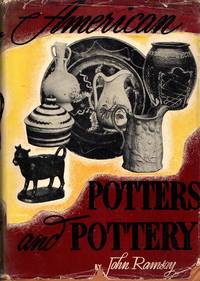
193912250Clinton MA: Hale Cushman & Flint 1939. 1st. Hardcover. Very Good/Good. 10.3x7.3x1.6in. shelf wear bumping to bottom corners dust jacket heavily edge worn with small chipped. Dust jacket in clear protector. <br>Illustrated with 91 plates several with more than one object. Contains a check-list of American potters and several pages of marks. <br>304pp 2.22lb 10.3x7.3x1.6in Hale, Cushman & Flint hardcover
25041601China 1904-1906. Half red leather over marbled boards recent binding gold-stamped very good 35 x 27.5 cm. all edge gilt most gone 18 stiff leaves 166 b.w. photos one pencil drawing one post card one photo cut outvery clean. . . . AMERICAN "DOUGH BOYS" IN CHINA 1927 . . . DURING THE FIRST REVOLUTIONARY WAR . . THE FOUNDING OF THE COMMUNIST PARTY This excellent primary record was begun July 1904 and ended with the last photo caption dated June-August 1906. The work is an exceptionally clean example with meticulous captions clear and bright images of varying sizes. The smallest is 6 x 4.5 cm. ca 10 each up to 23.5 x 17 cm. for the largest. With a large number of intermediary sizes in between. . The captions are in both English & Italian and a mix of both languages carefully identifying the place & person photographed. From the kind of photographs and people in these its is easy to deduce that this album was likely made by an Italian officer assigned as part of the protective foreign force for the Italian Embassy and diplomatic corps as guards. Assigned to China to continue to protect after the Boxer uprising they protected both the foreign diplomatic community and their families. A good number of these are of Peking and of their excursions around China. . Visits to Shan-Fan-Shan temple photos of a friend who was in Seoul Korea riding a rickshaw photos of some American military officers: ie "Lieut. Clark & Capt. Brewster Commandant of the Peking U.S. Delegation guard Lieutenant. Clark" et al. Polo on the Peking Polo grounds Pei-Tai-ho beach one lovely one of "Casa di mia Isabella; next obviously a photo of the album's maker and Italian who freely associated freely with his American counterparts in the military & diplomatic corps. . A lovely pencil sketch of Francesco Rospidliosi perhaps the creator of this album dated August 1903. Peking race track grandstand "Variag" Chemulko Korea: view of a belly-up ship in Korea another dated April 1904 shows various diplomats: "Ministro d'Augustine.Mr. Uchida.do of Peking." dragon boat in Shanghai three great photos of horse-mounted officers with caption and date "Warriors. 1904 Peking & Huang Ts'un" and their horses. . January 1905 the album continues with photos of the soldiers in Peking their pet dog horses wagons Chinese grooms &c. Then a lovely and grand size group photo some in military uniform others in civilian clothes diplomats most with long boots dated "March 1905" most with Italian names except for one penciled at the far right: "Swanton" and two women. Names appear above and below the photo which is 23.5 x 17 cm. Next 2 page show horse racing honor guards in formation "April 1905" going to church photos of Peking race horses and their foreign mounts "May 1905." Next pair of pages show a "September 1905 Trip to the Great Wall with Mrs. Brewster & Miss Brewster at Sha-ho Chinese hotel Nan-ko Pass Mrs. David at Peitai-ho" and along the way to the Great wall with stunning photos of the impressive and grand size "First Gate." Their horse-drawn stage coach-like "wagon" straight out of the old American West ! Photos of three foreign children "Peking 1905." On the next page more of the Great Wall excursion: Capt. & Mrs. Brewster along side the Great Wall & of course photos from on top of the Great wall all nicely dated ! Next set show more on the Great Wall and "Coming back without Toda and a superb photo of the album compiler mounted on horseback with "doggie" standing at attention ! . The next pair shows Shanghai naval officer and horse wagon another of two foreign children in a large Jinriksha in Peking 1905 with another of the children in great fur coats. Postcard of the Wuta-su Temple of Seven Pagodas Peking. More horse-mounted photos Peking race course. . The next page shows some important and spectacular photos. "Miss Roosevelt Eleanor wife of President Franklin D. Roosevelt who held that office from 1933 to 1945 Capt. Diconard Military Attaché USA Mr. Rockhill U.S. Minister please inquire with us to see if we have some of his important books on Tibet in stock Mr. Cooledge First American Legation Miss Roosevelt Chinaman.Peking Sept. 1905. These great people are greeted by a group of Chinese Imperial Mandarins wearing special hats and long white gowns. Another of "Miss Roosevelt M. Mrs. di Almeida Capt. Pringle Peking 1905." . Then a larger and quite stunning photo of Italian Naval officers.and Americans: "Mrs. Brewster Commandant Cipriani Miss Brewster Guardia della Degarione d'Italia.Capitano BrewsterAmerican." all seated before a great Fu Dog for a camera pose. . The album continues then a rather sad photo of the "Portion of the remains of the French Catholic Mission residence of La Varche & Ma-murdered Nan Chang March 1906" & "Kinghams chapel in background.burnt house is right around March 1906." Adjacent to this is "Ring leader of attack on Kingham's house Han Chang March 1906." . Next 2 pages show more ruined church with "corner of house in which Mr. & Mrs. Kingham and the little daughter Gracie .they were beaten to death in this corner-blood stains March 1906." Next shows "Four men who conducted murder torture having taken part in the murder of the Kinghams and burning of their mission March 1906" shows four Chinese handcuffed to a steel ring around their necks. We now learn the true level of danger for foreigners in China and the reason for the foreign troops to give protection to the innocents murdered by Chinese. . The next page shows an inspection of the palace by Capt. Lynne Doct. Dawe H.M. Tripe at Han Chang March 1906. Arrival of the Chinese delegation for the "Han Chang murder of foreign missionaries affair. Next two show a visit to Hankow the race course grand stand Miss Byron A.W. Cross another shows 1st Lieut. F.E.K. Strong playing banjo April 1906. Shipboard travel on the H.M.S. Cadmus. Continue ship travel to Hankow on board the "Calabria" and a nice photo of A.W. Cross Commissioner Hankow another of S.S. Marco Polo at Hankow. Apparently the military group was now moved to Hankow where memorial photos were taken aboard ship with the officers all named around the photo. Next shows "Consulato d'Italia Hankow August 1906." Other pages show H.M.S. Clarity the Han river ."with daddy & Miss Hart June 1906" and other ship and harbor views. Next shows a great French cruiser "Descartes" at Kiukiang Kiukiang Bund Commissioner's garden Festa del Dragones dragon boats country walks with Mrs. Lay et al. The album ends with June-August 1906 dated photos rest at "Bungalow" in Kiu Kiang. Where they visited with British administrators and missionaries. . Rare insight to the diplomatic world of foreigners stationed in China at the turn-of-the century. Fascinating primary resource. There are very few albums that cover this rare aspect of life in China from the higher social structure of foreign diplomats and military people. Keen insights to the life and customs of the privileged people. . . unknown
1911008981London: Printed by Order of the Trustees of the British Museum 1911. Book. Near Fine. Cloth. First Edition. 4to - over 9¾" - 12" tall. Near Fine end papers toned slight fading to rear boards. Original red cloth boards with gilt lettering at spine. xx 100 2 Appendix pages. Interior clean tight and unmarked. Uncommon in lovely condition. Printed by Order of the Trustees of the British Museum Hardcover
1797035987London: G. Nicol 1797. 1st Edition 1st Printing. Hardcover. Very Good . 11 1/8" Tall. Frontispieces Plates And Illustrations. Ii Xxxiv518; Ii Xx 626. The Two Complete Text Volumes In Full Size Text Blocks 10 5/8" Tall; The Plates Were Issued 1796 In A Separate Volume Not Present Here; But The Plate Of The Camellia Sesanqua Is Present Between Pp 466 And 467. Original Quarter Morocco Binding Five Bands Morocco Spine Labels Over Boards Covered With Marbled Paper Original Off-White Endpapers Preliminary And Final Blank In Each Volume. Bindings With Old Wear But Nicely Furbished Morocco Labels Clean With Brilliant Gilt A Little Loss Of Leather At Tops Of Spines And At Top Right Front Spine Edge Paper Frayed Along All Edges Of Boards Hinges Tight Contents Clean Just A Few Tiny Foxing Spots. Small Very Old Booksellers' Label Of The China Times Bookseller 94 Consular Road Tientsin. And Another From Sydney. Former Owner's Signature Dated 1894 Erased In Volume 1 Of George Ernest Morrison And A Few Marginalia Which Appear To Be His; George Ernest "G. E." Morrison 1862 - 1920 Also Known As Morrison Of Peking Or Chinese Morrison Was An Australian Adventurer Appointed In February 1897 As The Times Correspondent In Peking Despite His Lack Of Knowledge In The Chinese Language. He Traveled To Vladivostok And Reported To The Times That Russian Engineers Were Making Preliminary Surveys From Kirin Towards Port Arthur Then Sent A Telegram To Say That Russia Had Presented A Five-Day Ultimatum To China Demanding The Right To Construct A Railway To Port Arthur. This Was A Triumph For The Times And Its Correspondent But He Had Also Shown Prophetic Insight In Another Phrase Of His Dispatch When He Stated That "The Importance Of Japan In Relation To The Future Of Manchuria Cannot Be Disregarded". After A Visit To Siam And England Then To Australia 1899-1900 He Returned To Peking. When The Boxer Uprising Broke Out And During The Siege Of The Legations From June To August Morrison As An Acting-Lieutenant Showed Great Courage Always Ready To Volunteer For Every Service Of Danger. After A Siege Of 55 Days The Legations Were Relieved By A Multinational Force Which Then Ransacked Much Of The Palaces In Peking With Morrison Taking Part In The Looting. There Was Great Uncertainty Regarding The Future Of China In The Following Months And Through The Times Morrison Managed To Depict A Skewed Picture Before The British Public. While Russia And Japan United In Opposing Any Dismemberment Of China The Country Was Nevertheless Punished By The Imposition Of A Heavy Indemnity. In 1904 Morrison Became A Correspondent With The Japanese Army. He Was Present At The Entry Of The Japanese Into Port Arthur Early In 1905 And Represented The Times At The Usa Peace Conference. In 1907 He Crossed China From Peking To The French Border Of Tonkin And In 1910 Rode From Honan Across Asia To Russian Turkestan. From Andijan He Took A Train To St Petersburg And Then Traveled To London Arriving On 29 July 1910. A Great Chinese Physician Dr. Wu Lien-Teh Succeeded In Staying The Spread Of This Mortal Sickness Which Seemed To Threaten The Whole World. Morrison Published A Series Of Articles Advocating The Launching Of A Modern Scientific Public Health Service In China. When The Chinese Revolution Began In 1911 Morrison Took The Side Of The Revolutionaries. In August Morrison Resigned His Position On The Times To Become Political Adviser To The Chinese Government And Immediately Went To London To Assist In Floating A Chinese Loan Of £10 Million. In China During The Following Years He Had An Anxious Time Advising And Endeavoring To Deal With The Political Intrigues That Were Continually Going On. He Visited Australia Again In December 1917 And Returned To Peking In February 1918. He Represented China During The Peace Discussions At Versailles In 1919 But His Health Began To Give Way And He Retired To England Well Aware That He Had Only A Short Time To Live. He Died On 30 May 1920 . A Nice Historical Association. Later Ownership Signatures Of G B Wilson. <br/> <br/> G. Nicol hardcover