171 résultats
1931JP-H3GD-GMMH1931. Hardcover. Very Good. Fifth edition light wear light yellowing to pages firm binding 1931 gift inscription. hardcover
0666186960.Ghardcover. Good. Access codes and supplements are not guaranteed with used items. May be an ex-library book. hardcover
0266919804.Ghardcover. Good. Access codes and supplements are not guaranteed with used items. May be an ex-library book. hardcover
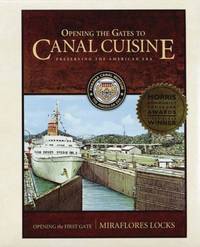
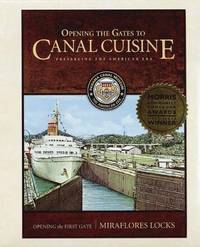
ria9781944455040_inpPaperback. New. New Book; Fast Shipping from UK; Not signed; Not First Edition; The transfer of the Panama Canal to the Republic of Panama at the end of 1999 marked the end of a special and unique relationship between the United States and Panama that endured over 96 years. It is important to note the significant r paperback
B9781944455040Paperback / softback. New. The community of people who contributed to the Panama Canal effort was wide and varied - American and Panamanian French West Indian Spanish European Asian Indian and many other nationalities. This incredible cookbook filled with hundreds of recipes that were used by people of all nationalities during the American Era of the Panama Canal represents the merging of all those cultures. paperback
2017x-1944455043Library Pr at Uf 2017. Paperback. New. reprint edition. 324 pages. 9.00x7.50x1.00 inches. Library Pr at Uf paperback
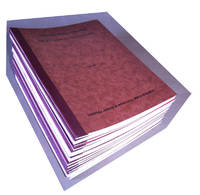
17090Panama Canal Company. 1975. Paperback. Very good. 8 x 10.5 inches with stiff cardboard covers manuals mostly about "Locks Division" canal repairs with frequent pictures. "Strut Arm Assembly Replacement Proceedure Chamber Caissons Installation And Removal Procedures Center Wall Culvert Inlet/Outlet Bulkheads Installation & Removal Procedures Installation Operation And Removal Of Culvert Dewatering Pumps Miter Gate Crank Gear Re0placement Procedures Center Wall Culvert Elevators Split Bevel Gear Assembly Center Wall Bulkheads In Side Wall Culvert Intake Screen slots Side Wall Culvert Intake Screens Chamber Dewatering And Filling Procedures Gatun Locks Installation And Removal Of Lateral Culvert Plugs and Side Wall Adit Drainage Culvert And T-Culvert Bulkheads. Panama Canal Company paperback
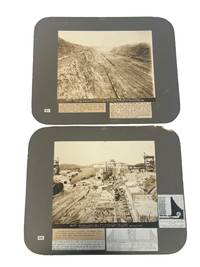
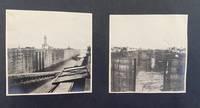
1912201831912. Panama Canal Early Photography Two large albumen photographs of the construction of the Panama Canal 1912. Photographs are pasted down to grey cardstock with captions and articles describing the imagery below. Photos measure 11" x 14". The building of the Panama Canal was not met with ease as the former French owned project was abandoned due to lack of investment and a high worker mortality rate and the grappling of territory between Panama Columbia and the United States. In 1903 Panama gained it's independence and as the United States recognized this Roosevelt used buying power to his advantage to funnel millions of dollars towards Panama and the funding of this project. These two photographs are early large scale displays of the massive amounts of land and infrastructure that went into this long awaited project. One photograph shows the Culebra Cut in June 1912. The article pasted to the front states that "To remove the 105000000 cubicyards of earth from the backbone of the Americas required about 6000000 pounds of high-grade dynamite each year to break up the material.in which time some 19000000 pounds were exploded in Culebra Cut only eight men were killed." The second photograph dated January 1912 shows the Miraflores Upper Locks with a diagram of what the final construction would look like. The photograph shows a partially built sill multiple tracks for hauling material heavy duty cranes and other industrial equipment. Thousands of local men were hired for this dangerous and underpaying job over the course of a decade. These Caribbean workers endured poor working conditions low wages and unbearable temperatures for a government that was not theirs over 5000 becoming casualties. By it's opening ceremony in 1914 The Panama Canal was the most expensive project in US history estimated at $350000000. These early photographs show only a portion of what went into this costly construction. Minor wear to edges of board upper right corner of one is chipped. Images are crisp and clear overall very good condition. unknown
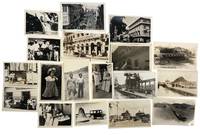
1920217831920. Archive of photographs documenting the Panama Canal and Indigenous communities in Panama in the early twentieth century ranging from the industrial landscape of the canal's construction and operation to the daily lives of Indigenous Panamanian peoples. The photographs reflect two intertwined yet often contrasting aspects of Panamanian history: the rise of industrial imperialism and the endurance of Indigenous culture. Archive of 33 silver gelatin photographs. Each measure between 4.5" x 2.5" to 3.5" x 2.25". <br /> <br /> The series prominently features engineering achievements along the canal route. Images include multiple angles of locks and lift bridges such as the Miraflores Pedro Miguel and Gatun Locks as well as steamships and freighters navigating through the canal and moored along its edges. Several views capture drawbridges in operation mechanical infrastructures like lock control houses and long rail-lined chambers used to elevate ships across Panama's central isthmus. A few aerial or elevated shots emphasize the canal's monumental scale revealing vast water channels and industrial zones carved through jungle terrain. A second subset of photographs focuses on the Welland Ship Canal in Ontario Canada suggesting a comparative or thematic link between North American waterway engineering and the Panama Canal project-possibly compiled by a traveler engineer or canal enthusiast.<br /> <br /> In contrast the ethnographic photographs document Indigenous Panamanian groups-most likely Guna Kuna and Emberá-Wounaan peoples-living in thatched-roof villages dressed in traditional textiles body paint and adornments. Several portraits show children and adults standing in front of woven bamboo huts while others portray groups in ceremonial or communal settings. The camera's perspective suggests a Western possibly touristic or anthropological gaze reflecting the era's colonial attitudes toward Indigenous populations. The Panama Canal completed in 1914 under U.S. control after a failed French attempt was one of the most ambitious engineering projects of the 20th century. It transformed global maritime trade by connecting the Atlantic and Pacific Oceans through Central America. The canal's construction required the displacement of communities massive deforestation and the recruitment of tens of thousands of laborers primarily from the Caribbean who worked under harsh and segregated conditions.<br /> <br /> Indigenous populations in the canal zone and surrounding regions were deeply affected by this transformation. Their lands were often appropriated for canal infrastructure military zones or settler expansion. Cultural disruptions ecological degradation and restricted access to traditional territories became ongoing challenges. At the same time Indigenous communities-especially the Guna-resisted assimilation and maintained distinct cultural practices leading to moments of organized resistance like the 1925 Guna Revolution which asserted political autonomy in the face of Panamanian and U.S. pressures. This archive preserves a multifaceted visual history of Panama at a time of profound transition. The industrial photographs document the ambitions and outcomes of a modern imperial project while the ethnographic images capture Indigenous identities that persisted despite external pressures. Together they offer insight into the tensions between modernization and tradition progress and displacement-narratives that continue to shape Panama's national story today. unknown
1900225611900. Latin America Panama City and the Canal Zone at the beginning of the 20th century photo archive featuring a range of architectural infrastructural and cultural subjects reflecting the western urbanization and colonial history of the area. Archive of 15 sepia toned real photo postcards. Each 3.5" x 5.5". The archive documents the transformation of Panama during the era of U.S. construction and administration of the Panama Canal and the subsequent urban growth of the capital. Many are captioned at the bottom in the negative.<br /> <br /> The collection includes multiple views of the Panama Canal itself such as "Opening Gates Pedro Miguel Locks" "Miraflores Locks Panama Canal" and a wide-angle vista from the Pacific side capturing the engineering marvel that reshaped global commerce. Urban scenes emphasize both civic life and colonial remnants: the "American Cabaret" façade crowded with pedestrians the Panama City railway station with carriages at its entrance and the Cathedral Plaza shown both from street-level and aerial perspectives. Religious heritage appears in the richly photographed "Golden Altar of San José" a baroque altar famously saved from pirate depredation by being painted black. Other views include the Old Spanish Fort tower ruins panoramic shots of the city grid ships moored in Balboa harbor and even the bullfighting ring situating Panama as both modernizing and deeply layered with colonial past. Minor handling wear and faint edge toning to some images remain crisp and clean. Overall very good condition. This archive offers a rich visual record of Panama at a pivotal historical moment combining imagery of U.S. imperial engineering with local cultural life and colonial heritage making it a valuable resource for scholars of Latin American history U.S.-Panama relations and the history of global infrastructure. unknown
1910226891910. Unknown photographers early twentieth-century Panama photo archive circa 1910s to 1920s documents Panama during the decades surrounding the completion and early operation of the Panama Canal supporting research into U.S. engineering influence urban modernization Indigenous representation tourism waterfront labor and the transformation of Panama City and Colón into canal-era commercial spaces. The Panama Canal was completed and opened in 1914 linking the Atlantic and Pacific through one of the period's most consequential engineered waterways and the Gatun Locks formed part of the lock system that lifted vessels to Gatun Lake before lowering them at the opposite end of the route. These photographs record not only canal machinery and civic streets but also the human geography around the canal: tourists workers traders children waterfront activity ruins and leisure businesses appear together in a visual record of Panama's modernization under strong American commercial and infrastructural presence.<br /> <br /> Fifteen pieces comprising fourteen silver gelatin photographs and real photo postcards with one printed business advertisement card Panama circa 1910s to 1920s measuring approximately 2½ x 3¾ inches to 4 x 6 inches. The canal views include "Operating Emergency Dam Gatun Locks Panama Canal" and a view captioned "Gatun Locks" showing massive steel gates and early twentieth-century bridgework. Urban scenes include "Street Scene Panama City on Southern Cruise 1923" with American tourists Model T automobiles and colonial façades and "The Plaza Panama City" showing palm trees streetcar tracks and civic space. Local and historical subjects include a real photo postcard captioned "Circular Stairway in Old Panama ruins of Old Panama standing at the foot and looking directly up" documenting Panama Viejo the site of the original Panama City founded in 1519 and later recognized as part of a UNESCO World Heritage site. Other images include "Panama Water Front at High Tide" with fishing boats and market activity; dockworkers and traders near the canal's edge; and "Children in San Blas Panama" foregrounding Indigenous presence during the Canal era. The San Blas Islands are associated with the Guna an Indigenous people of Panama and Colombia whose communities are strongly identified with Guna Yala and the San Blas archipelago. <br /> <br /> The advertisement card reading "When in Colon Visit the Café Hollywood" places the photographic group within the leisure and service economy that grew around canal traffic tourism and foreign presence. Together the images clarify the different but connected worlds of early twentieth-century Panama: the engineered landscape of Gatun Locks the colonial and modern streets of Panama City the ruins of Old Panama the working waterfront Indigenous children in San Blas and the commercial culture of Colón. Minor corner wear and toning; images sharp and well preserved very good overall. Cohesive Panama Canal era archive documenting the intersection of American engineering urban transformation Indigenous life waterfront labor and tourist commerce in the early decades of the Canal Zone. unknown
1920230431920. Panama City photograph archive ca. 1920s documenting the urban environment of the Panamanian capital and the infrastructure of the Panama Canal during the decades following the canal's opening in 1914. The photographs record the interconnected worlds of canal engineering international commerce tourism and everyday street life that developed as Panama City became a strategic hub of global shipping and American geopolitical influence in the Caribbean basin. Urban scenes depict commercial storefronts streetcars automobiles and pedestrian activity along central avenues while other photographs capture the canal's mechanical landscape of locks spillways and industrial structures. Together the images illustrate the transformation of Panama City into a cosmopolitan port city shaped by canal traffic international trade and the presence of the U.S. Canal Zone administration.<br /> <br /> Archive of eighteen original silver gelatin photographs depicting Panama City and surrounding canal infrastructure. Each measure approximately 3.5 x 5.5 inches. Several images show major canal engineering features including a photograph captioned "Purifying Plant and Spillway - Panama Canal" as well as views of lock systems and canal transport routes where cargo vessels pass through the waterway. Urban photographs record commercial and entertainment districts including a façade marked "American Cabaret" a busy street labeled "Street Scene - Panama City" and a view of the Hotel Central along a principal thoroughfare lined with automobiles and electric streetcars. One photograph bears the caption "264 - President's Palace on day of Riot Panama 2-28-." showing crowds gathered along balconies and streets near the presidential residence during a moment of public unrest. Additional photographs document daily life and local commerce including outdoor market scenes pedestrians and vendors workers posing near canal machinery and residents standing beside storefront displays. Landscapes and travel images appear as well including a waterfall and rural roadside scenes with automobiles indicating the expansion of modern transportation and tourism into the Panamanian countryside during the early twentieth century.<br /> <br /> The photographs collectively capture the layered social and industrial landscape that emerged in Panama after the completion of the Panama Canal when the city became a focal point of hemispheric trade and international transit. The canal drastically shortened maritime routes between the Atlantic and Pacific Oceans and reshaped the economy of the Caribbean and Pacific coasts of the Americas. Panama City consequently developed a complex urban culture combining local Panamanian communities canal workers foreign merchants travelers and U.S. officials connected to canal administration. Light surface wear and minor edge handling visible on several prints overall very good condition. These images document that environment through views of transportation infrastructure entertainment venues commercial streets and civic spaces offering a visual record of Panama City during the formative decades of the canal era. Photographs measure approximately postcard size. unknown
1904182051904. Photograph album circa 1904-1914 documenting maritime activity canal construction and social life in Panama during the period of American engineering control of the Panama Canal project. The images center on a group of American men traveling aboard a small yacht identified in several photographs by the presence of the American yacht ensign indicating a private pleasure vessel rather than a military or commercial ship. Several photographs appear to show large-scale excavation and infrastructure consistent with canal construction situating the album within the decade of intensive labor and engineering that culminated in the canal's completion in 1914. Alongside these scenes are numerous images of local life including Indigenous children and adults along coastal and riverine environments as well as built landscapes featuring plantation-style houses adapted to tropical climates. The album provides visual evidence of the intersection of American presence large-scale infrastructure development and local communities in early twentieth-century Panama.<br /> <br /> Photograph album containing images mounted on black pages within a black leather-bound volume measuring approximately 10 x 7 inches and comprising 86 pages. The photographs depict shipboard life including crew members steering and managing vessels group portraits of men in bathing attire and social gatherings such as shared meals. Additional images show coastal scenes with canoes swimmers and shoreline activity as well as occasional figures in military dress. The composition of the album reflects both travel documentation and informal social photography capturing a range of maritime domestic and environmental subjects.<br /> <br /> 86-page album with photographs mounted throughout; one page partially clipped and one page removed with small tears to several pages not affecting images. Light sunning to some photographs; overall very good condition. A cohesive visual record of American maritime travel and canal-era activity in Panama documenting both infrastructure development and everyday life in the region. unknown
0243217439.Gpaperback. Good. Access codes and supplements are not guaranteed with used items. May be an ex-library book. paperback
0666128715.Ghardcover. Good. Access codes and supplements are not guaranteed with used items. May be an ex-library book. hardcover
0666137951.Ghardcover. Good. Access codes and supplements are not guaranteed with used items. May be an ex-library book. hardcover
1332852181.Gpaperback. Good. Access codes and supplements are not guaranteed with used items. May be an ex-library book. paperback
1991D3S0035205Panama Canal Commission 1991-01-01. Pamphlet. Good. 1982 EDITION! 6 of 11 pages of pencil underlining. First page has minor sticker residue. Cover shows wear with bumped/curling corners. Binding is tight. Panama Canal Commission unknown
ria9781944455033_inpPaperback. New. New Book; Fast Shipping from UK; Not signed; Not First Edition; The building of the Panama Canal by the United States from 1904 to 1914 at the time was the most significant and monumental engineering achievement the world had ever seen. Its completion despite incredible obstacles changed the lives paperback
28789522like new. unknown
2017x-1944455035Library Pr at Uf 2017. Paperback. New. 312 pages. 11.00x8.50x0.75 inches. Library Pr at Uf paperback
200845561Panama Canal Museum. NF. 2008. Hardcover. Hardback in Near Fine condition without dust jacket. . 4to 11" - 13" tall. 288 pages. Quick Shipping All Books Mailed in Boxes Free Tracking Provided . Panama Canal Museum hardcover
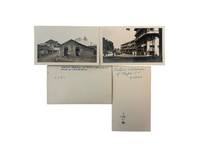
1942221221942. Latin America Panama Life in both urban Panama and the rural town of Chepo during the 1940s photo archive with most prints dated to 1942. Archive of 17 items 16 silver gelatin photographs measure 3.5" x 2.5" with one panoramic photo mounted on cardstock measuring 2.25" x 11". This archive offers a visually rich record of everyday life across class racial and geographic boundaries. Multiple photographs feature captions in ink on the verso providing locations and dates. The archive is split between two geographic zones: the modest rural community of Chepo and a more metropolitan center-likely Panama City-showing large buildings post offices police headquarters cantinas and well-trafficked intersections. In one striking rural image captioned "Dorein sic Indian Mother and Child" a white American tourist likely one of the photo owners stands beside an Indigenous woman and her child on a stilted wooden platform. The Darien likely of either the Emberá Wounaan or Kuna tribes woman wears only a sarong while a toddler stands nude at her feet highlighting the tension between Western spectatorship and traditional village life. In another photo local children gather in front of a wooden building marked "Cantina La Favorita de Chepo" while boys play barefoot on an unpaved road. Women in housedresses stand along porches and Indigenous women in linen skirts and little else are seen emerging from thatched or wooded homes. An image marked "Cantina at Chepo - 3-29-42" shows two white men and a white woman smiling at a table in a roofed structure made of rough wooden beams likely serving as a makeshift bar during their travels. The photos from urban Panama offer a sharp contrast. A modern cantilevered government building identified as the "Police Headquarters" is captioned en verso "Building now has many bullet holes on the sides" possibly a reference to political unrest or postwar violence. Another image shows a broad intersection labeled "6th & 8th St" filled with pedestrians in Western clothing including men in white suits and hats women in modern dresses and a cyclist passing beneath a neocolonial archway connecting civic buildings. Other rural images feature homes elevated on stilts a forested footpath with American visitors walking alongside locals and a panoramic view mounted to board showing a wide aerial view of one of the region's larger towns. Minor wear to edges. Overall very good condition. A rare and intimate archive documenting contrasting experiences of daily life in Panama across rural Indigenous communities and modernizing urban zones in the early 1940s with strong documentary value in the areas of colonial tourism race and hemispheric wartime movement. unknown
1915224481915. Unknown photographer Panama Canal Zone and local life photo archive 1915 documents Panama during the first year after the canal's opening to traffic and supports research into U.S. imperial administration Canal Zone settlement travel photography military protection of infrastructure and the visual ordering of colonial space. The Panama Canal opened to traffic on August 15 1914 after U.S. construction created a strategic interoceanic route administered through the Canal Zone and Balboa Heights became a key administrative and residential center for the U.S.-controlled canal system. These photographs capture the built and natural environment through which American authority was made visible: locks river landscapes official buildings hilltop housing city views and naval practice appear together as evidence of a recently completed engineering project becoming an occupied administrative territory.<br /> <br /> Twenty-four original silver gelatin photographs including two real photo postcards dated 1915 with some undated images several with handwritten inscriptions in English on versos and some with printed captions on rectos. Photographs measure approximately 3½ x 5 inches to 5½ x 7 inches. The archive includes views of the Chagres River the largest river in the Panama Canal drainage basin and a major part of the canal water system together with photographs of the Gatun Locks canal gates aerial views of Panama City the main city plaza a bull ring and Balboa Heights. The Balboa Heights images show American-style bungalows arranged along curving terraced roads with broad verandas raised foundations and landscaped grounds visual evidence of the residential hierarchy attached to U.S. canal administration. Additional images show the Administration Building at Balboa Heights completed in 1914 and positioned above the town as a central administrative landmark while a real photo postcard captioned "Ready to Fire-Division Practice" shows U.S. naval boats in formation off the coast connecting sightseeing views to the military protection of the newly opened canal.<br /> <br /> The archive's research value lies in its combination of personal travel documentation official-looking captioned views urban and infrastructural scenes and military imagery from the early Canal Zone era. Its views of Balboa Heights are especially significant because U.S. canal society was organized through racialized and occupational distinctions including the "gold roll" and "silver roll" labor categories that separated white American workers from largely Black Caribbean and Latin American workers and shaped housing pay and privilege within the zone. Light edge wear legible inscriptions and preserved image surfaces very good overall. Cohesive Panama Canal Zone photo archive documenting the immediate post-opening landscape of U.S. power in Panama through canal infrastructure river systems segregated administrative space urban views and naval readiness. unknown
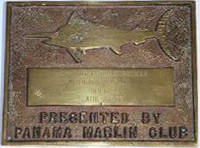
01-1013Panama Marlin Club. Brass Plaque of a Marlin presented to Arthur Oppenheimer for catching a 501 lb. black marlin in 1969. 5.5 x 7 x 9/32 inches. Together with a framed picture of the fisherman and marlin. Panama Marlin Club. unknown