[Cuba] [Havana] [Military & War]Biblio.com
8 résultats
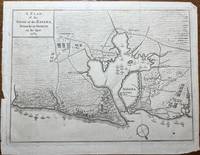
176635128London: Britannia triumphant 1766. Map. Very good. Approx. 8.5" x 11" map. 2 vertical creases where map was folded. Small left edge tear in the margin. Very good condition. The original map is located at the John Carter Brown Library at Brown University. Britannia triumphant unknown
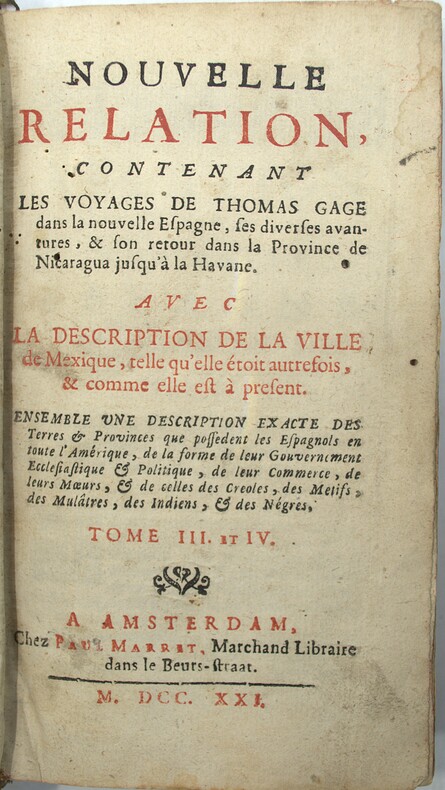
1721PHO-2215Amsterdam, Paul Marret, 1721, in-12, 306pp.-3ff., basane époque, dos à nerfs avec titre et tomaison, petit accroc en pied, défauts d’usage.
178018802genève pellet 1780 -in-4 une carte ancienne gravée sur cuivre (Copper etching) en noir par André, gravée par Arrivet. Format : 31 x 20,5 cm, pour illustrer l'uvre de l'Abbé Guillaume-Thomas Raynal intitulée "l'Histoire philosophique et Politique des Etablissemens et du Commerce des Européens dans les Deux Indes", pli central horizontal normal venant d'un atlas( horizontal centerfold), 1780 Genève Pellet Editeur,
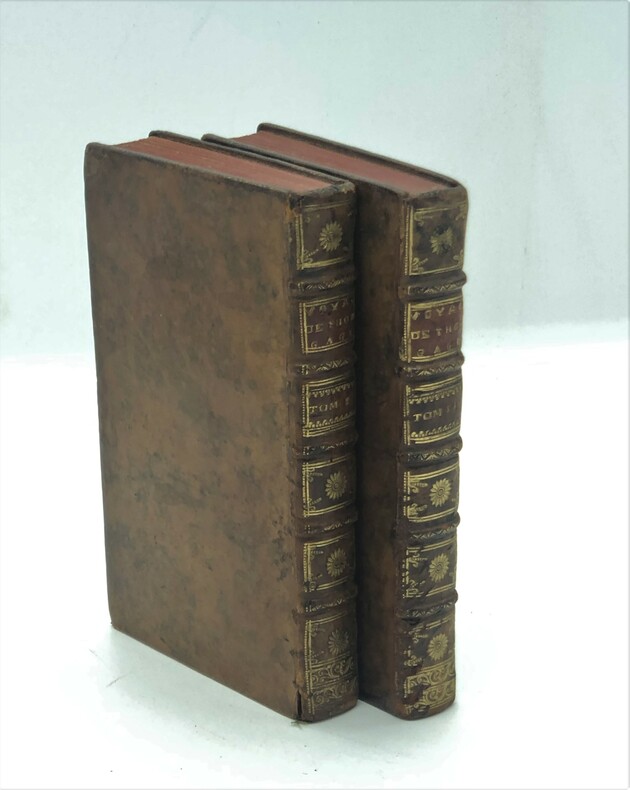
1721PHO-640Amsterdam, Paul Marret, 1721. 4 tomes reliés en 2 volumes in-12, veau marbré, dos à nerfs ornés avec pièces de titre et tomaison, tranches rouges , roulettes sur les bords(reliure de l'époque). [1]-200 pp., 178 pp., [1]-306-[6] pp. (pagination continue pour les tomes 3 & 4).
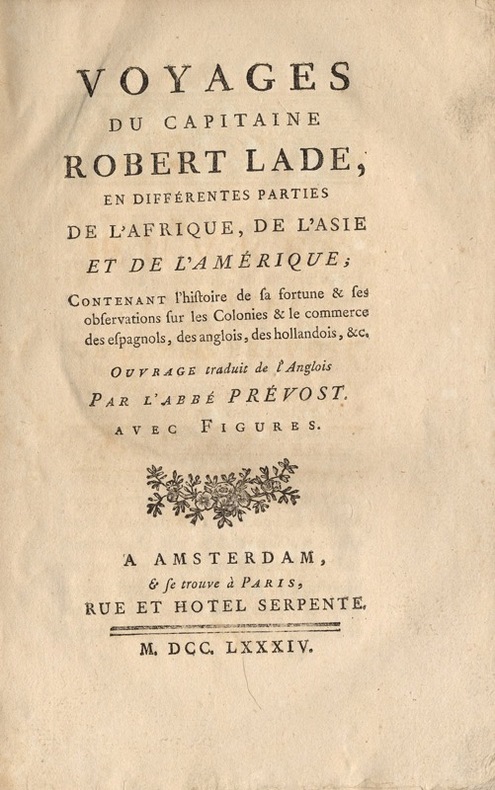
17846495Amsterdam et Paris, 1784 ; in-8 ; cartonnage rigide de papier bleu de l'époque, non rogné ; XVI, 591 pp., 2 gravures hors-texte d'après Marillier.
176235251Boston New England: Printed by John Draper Printer to His Excellency the Governor and the Honourable His Majesty's Council: AND By Edes and Gill Printers to the Honourable House of Representative 1762. First Edition. Wraps. Good. Disbound wraps. 33 1 page blank. Half title present. Light toning and scattered brown spots to the print. <br /> <br /> Evans 9269; Sabin 79430. From wikipedia:<br /> <br /> The siege of Havana was a successful British siege against Spanish-ruled Havana that lasted from March to August 1762 as part of the Seven Years' War. After Spain abandoned its former policy of neutrality by signing the family compact with France resulting in a British declaration of war on Spain in January 1762 the British government decided to mount an attack on the important Spanish fortress and naval base of Havana with the intention of weakening the Spanish presence in the Caribbean and improving the security of its own North American colonies. A strong British naval force consisting of squadrons from Britain and the West Indies and the military force of British and American troops it convoyed were able to approach Havana from a direction that neither the Spanish governor nor the Admiral expected and were able to trap the Spanish fleet in the Havana harbour and land its troops with relatively little resistance.<br /> <br /> The Spanish authorities decided on a strategy of delaying the British attack until the strength of the city's defences and the onset of seasonal rains inflicting tropical diseases would significantly reduce the size of the British force via disease along with the start of hurricane season would force the British fleet to seek a safe anchorage. However the city's main fortress the Morro Castle was overlooked by a hill that the governor had neglected to fortify; the British installed batteries there and bombarded the fortress daily with heavy shelling. The fortress eventually fell after the officer in charge of Morro Castle Luis Vicente de Velasco was mortally wounded by a stray bullet. The capture of Morro Castle led to the eventual fall of the rest of the fortifications and the surrender of the city the remaining garrison and the naval forces present before the hurricane season began.<br /> <br /> The surrender of Havana led to substantial rewards for the British naval and military leaders and smaller amounts of prize money for other officers and men. The Spanish governor Admiral and other military and civil office holders were court-martialled upon their return to Spain and punished for their failures to conduct a better defence and allowing the Spanish fleet present to fall intact into the hands of the British. Havana remained under British occupation until February 1763 when it was returned to Spain under the 1763 Treaty of Paris that formally ended the war. Printed by John Draper, Printer to His Excellency the Governor, and the Honourable His Majesty's Council: AND By Edes and Gill, unknown
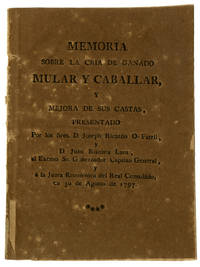
1799WRCAM51487Havana: Imprenta de la CapitanÃÂa 1799. 212pp. Dbd. Loose sheets. Heavily tanned outer leaves slightly chipped. Good. A short tract on equine husbandry with its own titlepage but published as a part of a royal decree entitled "Gracia concedida por S.M. àlos habitantes de esta isla para la introduccion de caballos frisones de ambos sexôs desde las provincias del Norte de América" which approved the importation of horses to Cuba. Initially presented to government officials in 1797 the report by Joseph Ricardo O'Farril and Juan Bautista Lanz laments poor breeding practices in Cuba that have led to weaknesses in the horse stock and recommends the introduction of North American horses and different breeding methods. Until the suggestions of this work were implemented by the decree in 1798 horses were not allowed to be imported from other sources in greater numbers than they were from Spain. According to Trelles this is the first Cuban imprint to address issues related to livestock and animal husbandry. Very rare with OCLC recording only five copies. SABIN 56747. MEDINA HABANA 162. TRELLES pp.177-78. OCLC 19860506. Imprenta de la CapitanÃÂa unknown books
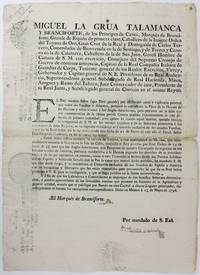
17965074Mexico City: May 13 1796. About very good. Broadside 17 x 12.25 inches. Old fold lines. Slight separation and loss at center fold slightly affecting a few letters. Minor wear else. Proclamation made by the Viceroy of New Spain authorizing trade between Cuba and the United States. The Caribbean was in tumult in the 1790s with Toussaint L'Ouverture overthrowing the French colonial government and outlawing slavery. Likewise in Cuba there was a similar revolt against slavery demanding abolition and equality -- both revolutions were of substantial concern to slaveholders in the American South. Specifically the present decree mentions flour and other vital foodstuffs as a measure against shortages in Cuba intended to prevent further trouble. "Para precaver la escasez de viveres y con especialidad de harinas que verosimilmente causaria la guerra concedio El Rey Permiso por Real Orden de 25 Junio de 93. para que los Anglo-Americanos.pudiesen conducirlos a la Havana pagando los derechos los puertos habilitados de España." The Viceroy at the time was Don Miguel de la Grua Talamanca de Carini y Branciforte First Marques de Branciforte. The Marques was notoriously corrupt even for colonial Spain having gained position through marriage to the Prime Minister's sister. He made sure to make some profit on everything that passed through his hands including taking advantage of the War in Cuba to remove the French from their lands and sell them to his benefit. A rare and interesting decree. We locate a single copy in OCLC at the University of Minnesota. May 13 unknown