FRANZ LISZTLivre Rare Book
Franz LisztBiblio.com
Strafbemessung
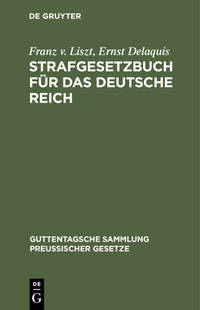
ria9783111173245_inpHardcover. New. New Book; Fast Shipping from UK; Not signed; Not First Edition; N/A hardcover

Ria Christie Collections · Royaume-Uni113,82 £GB≈ 129,96 €
1 186 résultats
1917RO50059842COSTALLAT. 1917. In-4. En feuillets. Etat d'usage, Coins frottés, Dos frotté, Intérieur acceptable. 7 pages de partitions ( clé de sol + clé de fa). Tampon sur le premier plat.. . . . Classification Dewey : 780.26-Partitions
ria9783111173245_inpHardcover. New. New Book; Fast Shipping from UK; Not signed; Not First Edition; N/A hardcover
41589836-nnew. unknown
41589836like new. unknown
ria9783111164564_inpHardback. New. New Book; Fast Shipping from UK; Not signed; Not First Edition; N/A hardcover
ria9783112412732_inpHardcover. New. New Book; Fast Shipping from UK; Not signed; Not First Edition; N/A hardcover
45226508-nnew. unknown
45226508like new. unknown
__311116456XDe Gruyter 1900. Hardcover. New. 24 edition. 495 pages. German language. 9.05x6.10x8.00 inches. De Gruyter hardcover
__3112412737De Gruyter 1928. Hardcover. New. 28 reprint edition. 653 pages. German language. 5.00x1.63x8.00 inches. De Gruyter hardcover
__3112676297De Gruyter Art & Architecture 1920. Hardcover. New. 25 reprint edition. 498 pages. German language. 5.00x1.25x8.00 inches. De Gruyter Art & Architecture hardcover
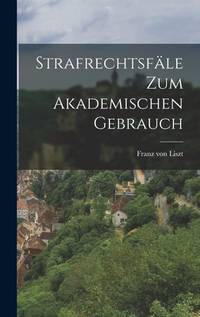
1016916817.Ghardcover. Good. Access codes and supplements are not guaranteed with used items. May be an ex-library book. hardcover
0267745281.Gpaperback. Good. Access codes and supplements are not guaranteed with used items. May be an ex-library book. paperback
0364297980.Ghardcover. Good. Access codes and supplements are not guaranteed with used items. May be an ex-library book. hardcover
vii, 234 S. 8°. HLn. OU aufgezogen. Ehemaliges Bibliotheksexpl. mit Stempeln./Etikett.
vii, 234 S. 8°. Kanten etwas fransig, Rúcken gering schadhaft. Stempel auf Titel.
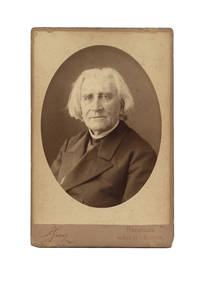
1882Liszt1<p><strong>LISZT Franz 1811-1886</strong></p><p>Original photograph by Julien Ganz Period albumen print 1882 cabinet format 145 x 105 cm Mounted on thick cardboard in the photographer's credit 165 x 108 cm Dark red edge all around "Liszt" annotation on back side from an unknown hand</p><p><strong>Striking and unpublished portrait of the musician</strong></p><p>Several variants taken on the same day are known. However none of them show Liszt staring at the lens. His portrait is all the more intense here.</p><p>Some traces of an old assembly mounting on margins small scratches and small accidents at the lower corners of the cardboard see scans otherwise good condition.</p>
RO50020050Costallat et Cie. XXème. In-4. En feuillets. Bon état, Tâchée, Dos satisfaisant, Intérieur frais. 7 pages. Ornements en couverture. Quelques petites déchirures.. . . . Classification Dewey : 780.26-Partitions
48654Deutsche Grammophon. 463650-2 CD
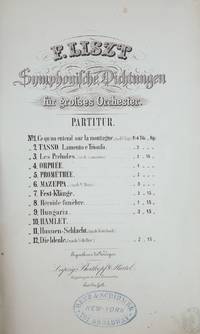
187441065Leipzig: Breitkopf & Härtel PN 9056 1874. Octavo. Original publisher's dark ivory wrappers. 1f. recto title verso blank 1f. recto preface in German verso preface in French 1f. recto composer's note in German on performance practice verso same note in French dated "Weimar Mars 1856" 97 i blank pp. Title preface and note lithographed; music engraved. <br /> <br /> Small B & H stamp to lower outer corner of title.<br /> <br /> With publisher's catalogue to verso of lower wrapper. <br /> <br /> Wrappers slightly worn and soiled; spine lacking. Occasional small stains; dampstaining to lower outer corners of first leaves; one signature partiallky detached. Re-issue from first edition plates. Searle 97. Raabe 414. Sonneck p. 266. <br /> <br /> Liszt was a distinguished Hungarian composer pianist conductor and writer.<br /> <br /> "Sketchbook evidence points to 1846-7 as the years when Liszt began to conceive the idea of a series of programmatic orchestral works. Of the four works he named all based on French poetry Ce qu'on entend sur la montagne and Les Préludes eventually became symphonic poems. . <br /> <br /> Liszt's concentration on the symphonic poem largely coincided with his tenure as Kapellmeister in Weimar where he had an orchestra at his disposal and provided music for performances at the Court Theatre. The Grand Duke commissioned Liszt's 'overtures' to preface specific dramas which thereby determined the subject matter of what were to become a number of his symphonic poems. Cormac F2017 argues that Liszt's approach to the overtures and their transformation into symphonic poems was influenced by his experience of an array of dramatic media opera plays melodramas tableaux vivants and by his interaction with staff and actors involved in the dramatic productions in Weimar. A New German School acolyte Felix Draeseke writing about the symphonic poems in a series of essays from the late 1850s acknowledged the influence of dramatic music especially opera on Liszt's Festklänge. Draeseke also addressed the issue that continues to interest scholars - the symphonic poems' engagement with sonata form. .<br /> <br /> Looking at the 12 Weimar symphonic poems Vande Moortele . views all but three Orpheus Héroide funèbre and Hunnenschlacht as using sonata form as one of the central principles guiding their large-scale organization. Furthermore Liszt seems to have attempted the same merging of sonata form and sonata cycle evident in the B Minor Sonata in Tasso Les préludes and Die Ideale and possibly Ce qu'on entend sur la montagne. .<br /> <br /> Some of the symphonic poems include mimetic representation of scenes and actions such as Hunnenschlacht's depiction of a battle and Prometheus's evocation of a voice followed by a storm. The inclusion of such passages drew criticism that a number of the symphonic poems seemed formless and could not be understood without access to a programme. In other symphonic poems such as Les Préludes and Orpheus Liszt responded to a philosophical programme without compromising musical logic. In these cases critics recognized Liszt the 'tone poet' who could capture a poetic stimulus in an expressive evocative musical flow unified by a single theme that underwent transformations. In general Liszt's sumptuous orchestral colorings were the dominant focus of critics' positive reception of his symphonic poems and programme symphonies." Dolores Pesce Maria Eckhardt and Rena Charnin Mueller in Grove Music Online. Breitkopf & Härtel [PN 9056] unknown
186241066Leipzig: Breitkopf & Härtel PN 9056 1862. Octavo. Original publisher's blue printed wrappers. 1f. recto title verso blank 1f. recto composer's note on performance practice in German verso same note in French dated "Weimar Mars 1856" 1f. recto preface in German verso preface in French 97 iii blank pp. Title note and preface lithographed; music engraved. <br /> <br /> With publisher's catalogue to verso of lower wrapper. <br /> <br /> With Beer & Schirmer New York and Musik-Antiquariat Doblinger handstamps to upper wrapper; Beer and Schirmer and publisher's handstamp to title.<br /> <br /> Wrappers worn soiled chipped and torn; spine reinforced with paper tape with small pieces of same tape to verso of upper wrapper. Minor internal wear. First Edition later issue. Searle 97. Raabe 414. Sonneck Orchestral Music p. 266. <br /> <br /> Liszt was a distinguished Hungarian composer pianist conductor and writer.<br /> <br /> "Sketchbook evidence points to 1846-7 as the years when Liszt began to conceive the idea of a series of programmatic orchestral works. Of the four works he named all based on French poetry Ce qu'on entend sur la montagne and Les Préludes eventually became symphonic poems. . <br /> <br /> Liszt's concentration on the symphonic poem largely coincided with his tenure as Kapellmeister in Weimar where he had an orchestra at his disposal and provided music for performances at the Court Theatre. The Grand Duke commissioned Liszt's 'overtures' to preface specific dramas which thereby determined the subject matter of what were to become a number of his symphonic poems. Cormac F2017 argues that Liszt's approach to the overtures and their transformation into symphonic poems was influenced by his experience of an array of dramatic media opera plays melodramas tableaux vivants and by his interaction with staff and actors involved in the dramatic productions in Weimar. A New German School acolyte Felix Draeseke writing about the symphonic poems in a series of essays from the late 1850s acknowledged the influence of dramatic music especially opera on Liszt's Festklänge. Draeseke also addressed the issue that continues to interest scholars - the symphonic poems' engagement with sonata form. .<br /> <br /> Looking at the 12 Weimar symphonic poems Vande Moortele . views all but three Orpheus Héroide funèbre and Hunnenschlacht as using sonata form as one of the central principles guiding their large-scale organization. Furthermore Liszt seems to have attempted the same merging of sonata form and sonata cycle evident in the B Minor Sonata in Tasso Les préludes and Die Ideale and possibly Ce qu'on entend sur la montagne. .<br /> <br /> Some of the symphonic poems include mimetic representation of scenes and actions such as Hunnenschlacht's depiction of a battle and Prometheus's evocation of a voice followed by a storm. The inclusion of such passages drew criticism that a number of the symphonic poems seemed formless and could not be understood without access to a programme. In other symphonic poems such as Les Préludes and Orpheus Liszt responded to a philosophical programme without compromising musical logic. In these cases critics recognized Liszt the 'tone poet' who could capture a poetic stimulus in an expressive evocative musical flow unified by a single theme that underwent transformations. In general Liszt's sumptuous orchestral colorings were the dominant focus of critics' positive reception of his symphonic poems and programme symphonies." Dolores Pesce Maria Eckhardt and Rena Charnin Mueller in Grove Music Online. Breitkopf & Härtel [PN 9056] unknown
Z1-B-019-01866BREITKOPF. Used - Good. Ships from UK in 48 hours or less usually same day. Your purchase helps support Sri Lankan Children's Charity 'The Rainbow Centre'. Ex-library so some stamps and wear but in good overall condition. 100% money back guarantee. We are a world class secondhand bookstore based in Hertfordshire United Kingdom and specialize in high quality textbooks across an enormous variety of subjects. We aim to provide a vast range of textbooks rare and collectible books at a great price. Our donations to The Rainbow Centre have helped provide an education and a safe haven to hundreds of children who live in appalling conditions. We provide a 100% money back guarantee and are dedicated to providing our customers with the highest standards of service in the bookselling industry. BREITKOPF unknown
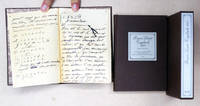
93098Wien Neff 1986. Kl.8° 31 u. 99 S. Kart. in Schmuckschuber. Tadellos. EA. Das Faksimile frz. der Textbd. dt. 010 Wien, Neff, 1986 unknown