907 résultats
Acquaforte misure: mm 217 x 170 Pittore e incisore spagnolo, collezionista e antiquario. Di umili origini restò presto orfano ma ebbe i primi insegnamenti dal nonno modellatore di figure in terracotta. Tentò la fortuna trasferendosi nel 1853 presso l'Escuela de Bellas Artes di Barcellona e grazie alle sue doti artistiche vinse il premio Roma nel 1857 che gli permise di proseguire gli studi a Roma. Qui giunse nel 1858 e iniziò a frequentare gli artisti spagnoli, subì l’influsso delle opere di Domenico Morelli e strinse amicizia con il pittore Attilio Simonetti (1843–1925) che lo portò alla scoperta degli artisti napoletani. Simonetti divenne suo allievo e divise con lui lo studio romano. Con lo scoppiare della guerra ispano-marocchina, Fortuny fu chiamato in Marocco per rappresentare e immortalare i momenti più salienti del combattimento tra il 1860 e il 1861. Durante tale soggiorno Fortuny prese ispirazione per molti suoi dipinti sia raffigurando con occhio documentario scorci o tipi pittoreschi sia rielaborando poi in studio in chiave raffinata e decadente certi altri soggetti più esotici e aderenti al gusto orientalista allora di gran moda. Nel 1862 tornò nuovamente in Italia, viaggiando tra Firenze e Napoli dove incontrò l'amico pittore Domenico Morelli, per poi tornare a Roma e aprire un nuovo studio in Via della Purificazione. Artista perennemente in viaggio fra l’Italia, la Spagna e Londra e Parigi dove divenne sodale dei migliori artisti del suo tempo, fu apprezzato e ricercato a livello internazionale per il suo gusto chiaro e cosmopolita. Sposò nel 1867 Cecilia de Madrazo y Garreta figlia del Direttore del Prado e nipote di un noto pittore spagnolo. Fortuny, il più internazionale e cosmopolita dei pittori spagnoli dell’Ottocento, si è dedicato all’incisione proponendo originali soggetti di genere spagnoleggiante o orientalista. La sua opera tradisce la profonda conoscenza dei maestri del passato quali Goya e Rembrandt. Fortuny impiega un segno minuto che si contraddistingue, nella maggior parte delle lastre, per la ricerca di violenti effetti di luce su ambienti in ombra. Le lastre, come la vita stessa dell’autore, sono state soggette a continui rimaneggiamenti oggi ben ricostruiti nel catalogo ragionato basato sullo studio degli esemplari conservati nei musei pubblici. Si possono perciò oggi ben identificare le varie tirature; le prove di lavoro, le tirature coeve e quelle postume fino al 1916 nonché le varie carte impiegate dall’autore. In questa stampa, la numero 28 del catalogo, come indicato dal numero inciso in alto a destra, viene rappresentato un uomo all'interno di una sala per lo più in ombra. Lo sfondo è scandito da due zone una più chiara a sinistra e in primo piano e una più grande scura a destra che si confonde con il volto dell'uomo. La forte inchiostrazione morbida e modulata e i giochi chiaroscurali ricordano la radice rembrantiana di Fortuny, il segno è libero e mosso; la lastra è uno tipico esempio della ricerca artistica del maestro. L'uomo è rappresentato in piedi frontalmente in abiti di foggia settecentesca, leggermente rivolto a destra ha il capo piegato a sinistra. La postura è solenne, indossa un lungo mantello realizzato con un tratto veloce e incisivo, porta un alto copricapo scuro, sembra indossare una maschera e con la mano sinistra si regge ad un bastone riccamente decorato alla sommità. Impressione eccellente dal tratto deciso, forte inchiostrazione su carta vergellata spessa. Esemplare appartenente alla terza tiratura (1878) con titolo in lastra in basso al centro e timbro riproducente la firma dell'artista in basso a destra. Ottimo stato di conservazione eccetto tracce di foxing. Ampi margini oltre la battuta del rame. Bibliografia: Vives i Pique/Cuenca Garcia, Mariano Fortuny Marsal/Mariano Fortuny Madrazo, Electa, 1994, n.28, pag.137.
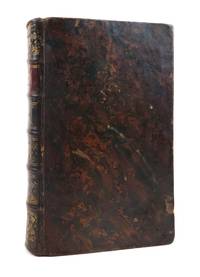
16811381899Amberes Antwerp: Geronymo Verdvssen Hieronymous Verdussen 1681. Hardcover. Volume II only. Sexto 16 674 10 pages plus engraved title page 23 full-page plates and 4 double-page plates. In Good condition. Bound in mottled full brown leather with gilt ornamentation and red leather label bearing gilt titling to spine. Very slight cracking at joints. Light plus rubbing and peeling to board surfaces and bumping to board corners; one small gouge to leather on front board and several instances of insect damage on both boards. Text block shows light plus age toning and scattered foxing throughout. Moderate plus worming in some areas impacting text. Archival repairs to fore edges of several pages; several pages inconsistently trimmed. Non-archival tape repair to verso of one plate. An ex-library copy with several stamps including "Surplus Duplicate" stamp to front free endpaper. STCV ID: c:stcv:12911236. EH Consignment. Shelved Room A Oversized. 1381899. Special Collections. Geronymo Verdvssen [Hieronymous Verdussen] hardcover
76103Very Good. Quarto one and a half pages on one leaf 7 November 1882. Light horizontal and vertical creases where folded for posting; small piece of clear tape to a short split at one end of the crease across the middle on the blank bottom half of the second page well clear of any text; an appealing item in excellent condition. The catalyst for the discord appears to have been Hippeau's biting lampoon of Gounod in the issue of 29 October 1882. Saint-Saëns had hitherto been listed prominently on the covers as an official collaborator of the magazine; his name is absent from the issue of 13 November. His relationship with Hippeau however amicable was already strained. 'The clearly pro-Wagner inclination of the editor quickly created a violent polemic between Hippeau and Saint-Saëns founder of the Société nationale de musique. Saint-Saëns harshly criticized Hippeau's Wagnerian opinions considering them a danger for the future of French music' Doris Pyee: 'La Renaissance musicale 1881-1883' Baltimore 2007. <p>The lengthy letter pulls no punches. After some initial expressions of friendship Saint-Saëns leaves us in no doubt about the strength of his attitude and sentiments. A broad translation of the second part follows: 'Standing back to avoid being hurt is not in my character. I must be forthright and no finessing of details can save my name at the head of a journal like a banner from being associated with it in the eyes of the public. The stance of the journal not being in accordance with my ideas I cannot allow my name to remain attached to it. My decision I have told you and I repeat it again is irrevocable. I do not know what obligations you are under and I am not anxious to know. I only regret in every respect that you have failed to understand the advantage you might have gained in publishing a paper that is truly French as well as truly modern. <p>Now it is too late; you have equivocated too long and if against all probability you wished to take this path it could be only with a new journal and a new organisation. I do not know if you know me well enough to understand what it has cost me to act in this way. I hope you do however and will not cease to count on your friendship and assure you that you may always count on mine in everything that does not do damage to my artistic conscience. Affectionately yours C. Saint-Saëns'. unknown
Pages 185-220 plus 4 pages of ads. Features: Sensational page of six photos, with text, illustrating Dubai, the primary port and one of the most progressive towns in Trucial Oman - includes the Customs Building, the new bridge, Shaikh Rashid Bin Said, a general view of the town, the Al-Gaz Hotel, the old palace, and more; Cover photo of the Queen Mother upon her 63rd birthday; Article on the Moscow Test-Ban Treaty with photo of DeGaulle; Photo of the Vickers Hovertruck in action; Photo of the Corporal missile on parade at Larkhill; Photo of Mr. David Tapp driving his tractor, The Seahorse, across the English Channel; Photo of champion racing driver Graham Hill aboard replica of a Ford Quadricycle, marking the centenary of Henry Ford who is shown separately driving a Quadricycle in 1904; Photo of spectators swarming onto the pitch at Headingley after West Indies triumph in fourth test match; Illustration of the eminent conductor, Mr. Basil Cameron; Page of fascinating text and photos explain war in Yemen between the Royalist and Republican forces; Photo of engine of wrecked WWII British bomber found in Dutch field; Photo of examination of first wreckage recovered from the U.A.R. Comet which crashed in the Indian Ocean on July 28, killing 62 persons including 26 Boy Scouts from the Philippines; Photos of Japanese Emperor Hirohito examining marine life on Hayama Beach, Japan; Dramatic photos of rescue efforts at Skopje, Yugoslavia after earthquake; Photo of Peru's president-elect, Signor Fernando Belaunde Terry; Amazing photo of huge Australian wedge-tailed Eagle named 'Widgie' landing on the arm of young John Ryder who rescued the bird when it fell from its nest in its youth; Photo of the Bishop of Caltagirone blessing and Italian cradle bound for the unborn child of President Kennedy; Photo of disarmament conference at Geneva; Photo of Orville Freeman presenting Indian peace pipe to Khrushchev on July 30; Book review of "Dieppe - The Shame And The Glory", by Terrence Robertson; Page of news and illustrations from 100 years ago includes New York riots, reoccupation of Jackson, Mississippi, by the Confederates, and balloon reconnaissance at Aldershott; One page photo of London Heliolaters (swimmers) at the Oasis Pool, Holborn, during the fifth day of the current heatwave; Delacroix Centennial exhibition in the Louvre; Illustrated article on the highways and houses of Salsisbury before redevelopment; Major coverage of biblical Shechem in Jordan - its history and current excavations; Photo of Chesterfield Cup horserace at Goodwood on July 31; Aerial photo of Eastbourne showing the Devonshire Park lawn tennis courts; Photos of personalities of the week include Dr. Carl Borgward, Lady Hudson, Sir Horace Clark, Sir Robert Chapman, Miss Claudia Mcpherson of Canada (the youngest Channel swimmer), Miss Jane Allday, six railwaymen who have become mayors in South Wales, Harold Philby (granted asylum in Russia), Jazzman Don Aloysius Gordon (freed on appeal of assault charge), John Grigg, Lord Stansgate with his wife (now Mr. Wedgwood Benn and a commoner), and Mr. St. Clair; Four photos and text of 100 foot first century Roman ship discovered in the Blackfriars mud; Two pages of amazing photos and text describe dystopian life inside a communist Chinese agricultural commune - an exclusive glimpse of life behind the bamboo curtain; and more. Unmarked with average wear. A sound copy of this wonderful issue. Magazine
Incisione a bulino ( mm 217x135), datata 1515. La prova, monogrammata e datata, forte di un bell'effetto chiaroscurale, nell'unico stato conosciuto, è impressa su carta databile ai primi decenni del Cinquecento. L'opera, tratta da un disegno di Baccio Bandinelli, si documenta tra le prime opere dell'autore. Cleopatra con l'aspide in mano è raffigurata nuda, risalta su un drappo scuro che scende da un arco, sullo sfondo un villaggio gotico su un lago. Appoggia il piede destro su cubo con l'iscrizione "Bacio Fi/orenti/no/ (invenit)". Le opere di questo breve periodo fiorentino rivelano un graduale superamento dei modi veneti in favore di un più accentuato plasticismo, pienamente conseguito nella presente lastra che anticipa i risultati artistici del periodo romano. Esemplare privo di margini, antico restauro di 2mm visibile al verso dell'estremo angolo superiore bianco. Agostino de Musi detto Veneziano (1490 ca. – Roma, 1540 ca.) dopo un periodo trascorso a Firenze si trasferì a Roma, dove conobbe Marcantonio Raimondi che gli fu maestro (Baldinucci, 1686). Il De Musi che generalmente contrassegnò le sue stampe con il monogramma "A. V." (Agostino Veneziano), in quattro intagli firmò per esteso come "Agustino di Musi" (S. Margherita, B. 119; Il vecchio pastore, B. 409; Gli animali, B. 414; La Vergine dalla scimmia, B. VII, 42) e in un quinto in latino: "Augustinus venetus de Musis ..." (Gli scheletri, B. 424). La sua produzione incisoria - spesso di soggetti inusuali - fu assai vasta, soprattutto se rapportata al breve arco di tempo in cui fu realizzata, all'incirca tra il 1514 e il 1536. Ricevette la sua prima formazione artistica prendendo come modello Campagnola e Dürer. Insieme a Marco Dente da Ravenna, contribuì con grande abilità alla prima vera e propria impresa artistico-commerciale impegnata nella riproduzione di soggetti raffaelleschi. . Bartsch, n. 193; Passavant, n. 33; D'Amico, n. 39.
200873411Philip Wilson Publishers. New. 2008. Hardcover. 0856676519 . FREE UPGRADE to Courier/Priority Shipping Upon Request - IN STOCK AND IMMEDIATELY AVAILABLE FOR SHIPMENT - Flawless copy brand new pristine never opened -- Text in English. 360 pp. With 249 ills. 126 col. . 29 x 26 cm. -- with a bonus offer-- . Philip Wilson Publishers hardcover
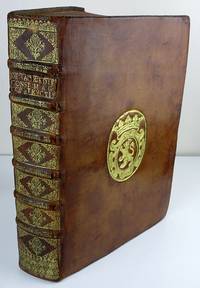
169011041Rome: Giovanni Giacomo Komarek. Good with no dust jacket. 16931690. First Edition. Leather. Xviii 217 iii AND xxiv 276 xxii plus blanks at beginning and end. With arms in gilt on the covers and interior bookplate of noted bibliophile and collector Nicolas-Joseph Foucault 1643-1721 whose library the book is from. Folio. First volume has engraved frontis 35 engraved plates 20 folding 4 double page the Vetera has 76 engraved plates some folding. In very nice condition. Contemporary full calf binding with the gilt coats of arms 6 raised bands with gilt in the compartments leather spine label a bit rumpled but still intact. Boards have some minor rubbing and scuffing a lovely patina red edges. Interior has Foucault's bookplate on the inside front cover then another facing 19th century armorial bookplate of the Earls of Macclesfield's "North Library" at Shirburn Castle with the motto: "Sapere aude" meaning Dare to know. It includes a shelfmark and the year 1860. The first plate and first title page have small embossed coat of arms of the Earl of Macclesfield. Otherwise the paper is clean and unmarked very little to no foxing the plates are spectacular one plate has a short separation at one of the folds. Ciampini was an ecclesiastical archeologist particularly interested in archtiecture. The De Sacris is a history of the ancient churches in the East and West built by Emperor Constantine the Great while the Vetera is a history of the art of mosaics. Both works contain good illustrations of many ancient Christian edifices and mosaics that have since perished or suffered change and deterioration including old St. Peter's and St. John Lateran. A lovely book with spectacular engraved plates with quite wonderful provenance. ; Folio 13" - 23" tall . Giovanni Giacomo Komarek hardcover