57 résultats
197321349New York: Farrar Straus Giroux 1973. 1st ed. Hardcover. Near Fine. Sendak Maurice. 1st ptg. 2 vol. 12mo full brown cloth with the delicate Maurice Sendak drawings. Fine in fine djs and lightly sunned full cloth slipcase with separate chemise of the individual plates. The volumes are not signed having been presumably replaced by the previous owner with the regular 1st ptg. <br/><br/> Farrar Straus Giroux hardcover books
1949216905New York: Limited Editions Club 1949. Limited. hardcover. near fine. Everett Gee Jackson. 3 volumes.The Tale of Ali Baba and the Forty Thieves. Translated by E. Powys Mathers. Illustrated by Edward Ardizzone. The Sleeping Beauty in the Wood. By Charles Perault. Translated by P.H. Muir. Illustrated by Sylvain Sauvage. The Ugly Duckling. By Hans Christian Anderson. Translated by Jean Hersholt. Illustrated by Everett Gee Jackson. Tall slim 4to pictorial cloth slipcase rubbed. New York: The Limited Editions Club 1949. Near Fine.<br/><br/> Limited numbered edition. Last volume signed by Jean Hersholt and the illustrator; first volume signed by the illustrator.<br/><br/> Limited Editions Club unknown books
1893162993NY MCLOUGHLIN 1893 1893. GILT STAMPED NAVY BLUE CLOTH OVER GLAZED BLUE PICTORIAL BOARDS FRONT FREE ENDPAPER DETACHED. VERY GOOD. Hardcover. NY, MCLOUGHLIN, 1893 hardcover books
199314826JNew York: Home Box Office 1993. Original 27 page shooting script printed on yellow and pink pages. Boldly signed on the title page by actress Brooke Shields whose copy this was. In the tale Shields is a hitchhiker who gets picked up and winds up in a murder house. Very good. Home Box Office unknown books
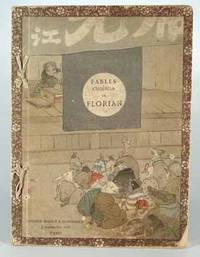
1895830091895. EHON - FAIRY TALES BARBATOU P. FABLES CHOISES DE FLORIAN. The first volume only. Paris: Librairie Marpon & Flammarion; Tokyo: Shueisha Meiji 28 1895. Fukuro toji cord-bound in printed paper covers. This first volume is 26.6 X 19.8 cm with 14 full page color woodcuts by Kano Tomonobu and Kajita Hanko. #167 of 200 from a deluxe edition on Japanese hosho paper. Covers soiled and a bit edgeworn one cvorner chipped. The contents are very good and the impressions and colors are quite lovely. This work despite its French text may be seen as squarely in the tradition of the Japanese ehon and it shares many characteristics of the revival of picture book printing in mid to late Meiji demonstrated by other works: an emerging Nihonga style skilled printed increasingly restrained coloration etc. In that context the large scale of its illustrations renders it particularly interesting. The first volume only of two. unknown books
18992221708<p>ORIGINAL 14 PARTS</p><p>First edition in the original 14 parts. 11" x 8 1/2" circa 400 b/w illustrations by Lemercier and Helen Stratton who gets sole credit on the title page. Original stitched green pictorial wrappers. Part 14 with half title title page contents and list of illustrations 320 pages. No dust jacket. Very good minor rubbing; signs of handling and some light foxing. Scarce.</p><p>Printed by Butler & Tanner The Selwood Printing Works.</p><p>Some illustrations in first two parts are signed "Lemercier" in the plate.</p> George Newnes paperback books
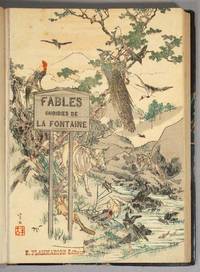
1895389441895. EHON - FAIRY TALES BARBATOU P. CHOIX DE FABLES DE LA FONTAINE. 2 volumes in 1. Tokio: MDCCCXCIV. Imprimerie de Tsoukidji-Tokio. Printer: Kimura Tokutarô; First Series printed September 20th published September 30th; Second Series printed October 10th published October 20th Meiji 27 1894. Large format plain paper book bound with the original covers into a contemporary Western style half leather binding. The first volume is 20 X 30 cm with 14 double page color woodcuts by Kano Tomonobu Kajita Hanko Kawanabe Kyôsui and Okakura Shôsô called for. The "deuxieme serie" is similarly bound 20 x 30 cm with 14 prints by the four previously listed artists along with Eda Sadashiko. This work with its French text and literary origins may be placed in the mainstream of an emerging international style in Japan. Yet it may be still be seen as squarely in the tradition of the Japanese illustrated book. It shares many of the characteristics of the revival of Japanese picture book printing in general at the end of the 19th century: an emerging Nihonga style which was an amalgam of theme and technique from East and West skilled printing increasingly restrained coloration etc. An interesting document of East-West cultural and artistic accommodation which gave rise to such hybrid vigor in world art. The bound-in covers and contents are perfect. However the leather binding is worn and was rebacked at some point. The two volumes complete and bound as one. unknown books