Slim, IcebergBiblio.com
Slim, IcebergBiblio.com
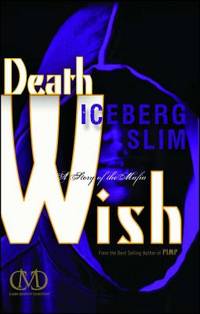
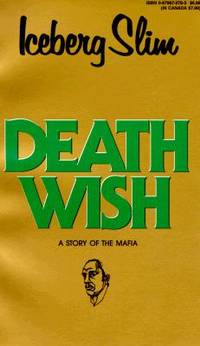
Death Wish
0870679783New. New. Satisfaction Guaranteed or your money back. unknown
SHIMedia · États-Unis99,99 $US≈ 84,60 €
84 résultats
0870678248.Gmass_market. Good. Access codes and supplements are not guaranteed with used items. May be an ex-library book. unknown
0870679783New. New. Satisfaction Guaranteed or your money back. unknown
0870677551.Gpaperback. Good. Access codes and supplements are not guaranteed with used items. May be an ex-library book. paperback
2013Q-1936399172Cash Money Content 2013-01-01. Paperback. New. In shrink wrap. Looks like an interesting title! Cash Money Content paperback
0870679767.Gmass_market. Good. Access codes and supplements are not guaranteed with used items. May be an ex-library book. unknown
1483040399.GaudioCD. Good. Access codes and supplements are not guaranteed with used items. May be an ex-library book. unknown
0870679767New. New. Satisfaction Guaranteed or your money back. unknown
0870679325.Gpaperback. Good. Access codes and supplements are not guaranteed with used items. May be an ex-library book. paperback
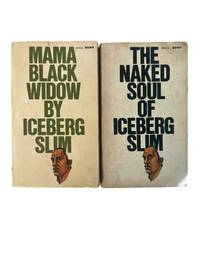
1969204301969. Beck Robert writing as Iceberg Slim Mama Black Widow and The Naked Soul of Iceberg Slim 1969 and 1971 brings together two Holloway House paperbacks central to African American urban literature street fiction Black pulp publishing and queer representation. Beck born Robert Lee Maupin and later known as Iceberg Slim became a major figure in postwar Black popular literature after Pimp: The Story of My Life appeared in 1967; his later books included fiction autobiography essays and social commentary rooted in the language and violence of the urban underworld. Mama Black Widow is especially significant for LGBTQ history because it centers Otis Tilson a Black queer character whose life is shaped by Southern racism Northern migration poverty family collapse and sexual violence placing Black queer experience within the same urban and racial worlds that made Iceberg Slim's work influential in African American literary and popular culture.<br /> <br /> The archive consists of two first edition paperback books published by Holloway House Publishing Co. in Los Angeles each approximately 300 pages and measuring about 4.25 x 7 inches. 1 Beck Robert. Mama Black Widow. Los Angeles: Holloway House Publishing Co. 1969. First edition paperback. The novel follows Otis Tilson and his family from the racial violence and economic restriction of the South into Chicago's urban underworld where poverty prostitution crime and family trauma structure the narrative; later descriptions of the book identify Otis as a Black homosexual character in conflict with pimps police and the racial order around him. 2 Beck Robert. The Naked Soul of Iceberg Slim. Los Angeles: Holloway House Publishing Co. 1971. First edition paperback. Collection of autobiographical and reflective essays in which Beck addresses his life as a pimp drug user prisoner and writer opening with the statement: "I want to say at the outset that I have become ill insane as an inmate of the torture chamber behind America's fake facade of justice and democracy. But I am not as ill as I was and I am getting better all the time."<br /> <br /> Together the books document the cultural force of Holloway House's Black urban paperback list and the tensions in Iceberg Slim's authorship: exploitation-market packaging autobiographical authority carceral critique racial anger misogynistic underworld material and a rare Black queer protagonist in late-1960s pulp fiction. Irvine Welsh has described Iceberg Slim as doing for the pimp what Jean Genet did for the homosexual and thief and William Burroughs did for the junkie a comparison that points to Slim's literary importance as an insider narrator of criminalized and stigmatized social worlds. Minor wear from age and spine use; pages yellowed as expected; both books remain intact and clean; overall very good. Focused African American and LGBTQ literary grouping documenting Black pulp fiction queer urban representation and Iceberg Slim's movement from underworld memoir toward broader social and autobiographical critique. unknown