1 111 résultats
2007R260194820MILAN / ACTIVITES. 2007. In-4. Cartonné. Bon état, Couv. convenable, Dos satisfaisant, Intérieur frais. 121pages augmentées de nombreuses illustrations en couleur dans et hors texte -. . . . Classification Dewey : 597.9-Reptiles
RO20214801Société Herpétologie de France. Non daté. In-4. Broché. Bon état, Couv. convenable, Agraffes rouillées, Intérieur frais. Non paginé. Environ 50 pages. Relié par deux agraffes.. . . . Classification Dewey : 597.9-Reptiles
1937RO80115845PAYOT. 1937. In-8. Relié. Etat d'usage, Couv. légèrement passée, Dos satisfaisant, Intérieur acceptable. 275 pages. Quelques figures en noir et blanc, dans le texte. 1er plat de couverture brochée, conservé. Reliure de bibliothèque : étiquette de code sur la coiffe en-tête et tampons sur la page de titre. Coupes des plats, frottés.. . . . Classification Dewey : 597.9-Reptiles
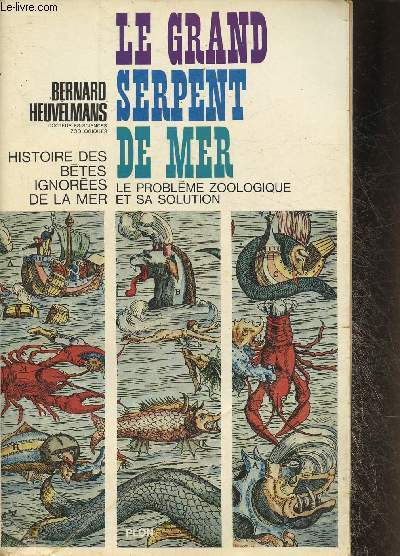
1965RO30328430Plon. 1965. In-8. Broché. Etat d'usage, Couv. défraîchie, Dos plié, Papier jauni. 751 pages. Couverture contrepliée. Nombreuses rousseurs. Ex-dono à l'encre en page de faux titre par M. Soum. Déchirure page de garde. 2 cartes et 212 illustrations en noir et blanc, dans et hors texte.. . . . Classification Dewey : 597.9-Reptiles
1964R320046430HACHETTE. 1964. In-Folio. Relié. Etat d'usage, Couv. convenable, Dos satisfaisant, Intérieur frais. 92 pages augmentées de nombreuses illustrations en couleurs in texte dont 1er plat.. . . . Classification Dewey : 597.9-Reptiles
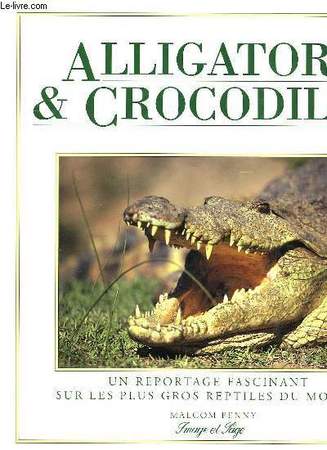
1991RO40104554Image et Page - Flammarion. 1991. In-4. Relié. Très bon état, Couv. fraîche, Dos impeccable, Intérieur frais. 128 pages. Photo en couleur en frontispice. Illustré de nombreuses photos en couleur.. Avec Jaquette. . A l'italienne. Classification Dewey : 597.9-Reptiles
ISBN : 2878780620. Image et Page - Flammarion. 1991. In-4 Carré à l'italienne. Relié, Jaquette. Très bon état. Couv. fraîche. Dos impeccable. Intérieur frais. 128 pages. Photo en couleur en frontispice. Illustré de nombreuses photos en couleur. Un reportage fascinant sur les plus gros reptiles du monde.
1959R240056176HORIZONS DE FRANCE. 1959. In-4. Relié. Etat d'usage, Couv. convenable, Dos satisfaisant, Intérieur acceptable. 206 pages - 80 planches en héliogravure et 16 hors texte en couleurs - jaquette en état d'usage.. Avec Jaquette. . . Classification Dewey : 597.9-Reptiles
1960RO40104636Hachette. 1960. In-4. Relié. Bon état, Couv. convenable, Dos satisfaisant, Intérieur frais. 286 pages. Photo en noir et blanc en frontispice. Illustré de nombreuses photos en couleur et en noir et blanc dans et hors texte. Jaquette d'origine, illustré en couleur, et légèrement abîmée.. Avec Jaquette. . . Classification Dewey : 597.9-Reptiles
1960R320046237HACHETTE. 1960. In-4. Relié. Bon état, Couv. convenable, Dos satisfaisant, Intérieur frais. 285 pages - Augmenté de nombreuses photos couleurs et en noir et blanc in et/ou hors texte - Jaquette satisfaisante et illustée en couleurs.. Avec Jaquette. . . Classification Dewey : 597.9-Reptiles
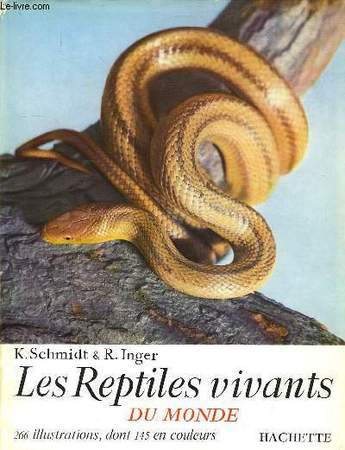
Hachette. 1960. In-4 Carré. Relié, Jaquette. Bon état. Couv. convenable. Dos satisfaisant. Intérieur frais. 286 pages. Photo en noir et blanc en frontispice. Illustré de nombreuses photos en couleur et en noir et blanc dans et hors texte. Jaquette d'origine, illustré en couleur, et légèrement abîmée. Trad. de Michel Chrestien. Sous la dir. de Jean Guibé, prof. au MNHN. 266 illustrations, dont 145 en couleurs.
198064701980 2 fascicules, plaquette éditeur in-octavo, couverture illustrée en couleurs sur le recto, illustrations de lAuteur : figures in-texte + 12 planches en couleurs par fascicules, 47 + 50 pages, sans date Paris Editions N. Bouée et Compagnie,
18902311100197xbvkParis, imprimé par autorisation de M. le Garde de Sceaux, à L'Imprimérie National, M DCCC XC.(1890); Lithograph printed by Charles Germain Becquet. Singleside printed large-paper cardboard-sheet; large-4to.(ca. 32 x 25 cm).
1997VF084281997 213 p., 93 figs, 4to, paperbound. This volume contains 9 papers on the deep-sea fishes from New Caledonia.
Index. 328 pages. Prize label on front pastedown. Front free endpaper almost loose and missing top corner. 30mm split to top of joint of spine and front cover. Top page edges dusty and greyed. Spine worn and bumped top/base.
22210aafJena, (R. Wagner in Weimar für) Gustav Fischer, 1927, in-4°, XVI + 516 S., mit 176 teils farbigen Abbildungen, Original-Broschüre.
1913BL2854Berlin:: R. Friedlander & Sohn 1913. 1913. 8vo. vi 545 pp. Figures plates including color. Gilt-stamped half black cloth over marbled papered boards. Fine copy. Sternfeld's article on "mimicry" in snakes is accompanied by many beautiful plates. "In mimicry a message feature or signal of one organism the mimic resembles some message of another organism which usually belongs to a different species some feature of the environment or a generalization of either of those that is called the model. This resemblance should have some functionality for the mimic by being deceptive for a third participant the receiver whose recognition and response is relevant for the mimic. Some researchers use the notion mimicry system to emphasize the systemic nature of mimicry and the relatedness of the three participants. There is a remarkable variety among mimicry cases in nature. Mimicry exists in most animal classes and also in many plants. Mimetic messages can be transferred in visual auditory chemical tactile and other channels or frequencies that animals use for communication. Mimicry can also be based on many ecological relations such as predation symbiosis parasitism and it can employ different life functions such as foraging reproduction and defense. To organize such high diversity researchers have proposed many mimicry types and typologies. Historically the oldest and best-known mimicry types are Batesian mimicry resemblance of harmless species to some non-edible species that signals their unsuitability to possible predators Mullerian mimicry resemblance of aposematic signals of different non-edible species and aggressive or Peckhamian mimicry resemblance of predators' messages to messages of some species or to some objects that are harmless to their prey. Biologists who have carried out most of the research in mimicry pay much attention to evolutionary aspects of the phenomenon. The main aspects in the mimicry research of modern biology include: dynamics of mimic and model populations in various selective situations and environmental conditions; behavior of signal receivers with respect to mimics and models receivers' abilities to discriminate and learn; variability of mimetic features including genetic and geographical variability of mimics and models. There are also alternative explanations to mimicry that do not rely on evolutionary concepts. Researchers have explained mimicry for instance as coincidence because of limited structural combinations in living organisms or as similarity caused by influences of physical conditions in similar living environment. Also paradigms outside of the natural sciences use the concept of mimicry. For instance in postcolonial studies mimicry has been understood as disruptive imitations that are characteristic of postcolonial cultures. In psychology many authors use mimicry to indicate unconscious imitations between humans especially related to facial gestures and body movements. In a semiotic context several authors Sebeok Noth Deacon have discussed biological mimicry in terms of sign categories and sign processes. There are indeed many directions in mimicry studies where a semiotic approach can be productive. For instance semiotics can be applied in analyzing long and complex mimicry displays. Uexkullian biosemiotics that pays attention to meanings in nature can be successful in analyzing abstract mimicry where abstract features such as ocular shapes movements or body types common to larger groups are imitated rather than species-specific characteristics. The Peircean typology of signs opens up new perspectives for classifying mimicry resemblances. This article was written with the support of Estonian Science Foundation Grant No 6670." - Semiotics Encyclopedia Online. The Natural History Society of Berlin GNF was founded in 1773 and is adjacent to the Gdansk Scientific Society the oldest German private natural history society. She had a number of prominent members in the natural sciences especially the biology influential members. The company still exists today and is currently based at the Institute of Zoology Free University of Berlin. R. Friedlander & Sohn, 1913. hardcover books
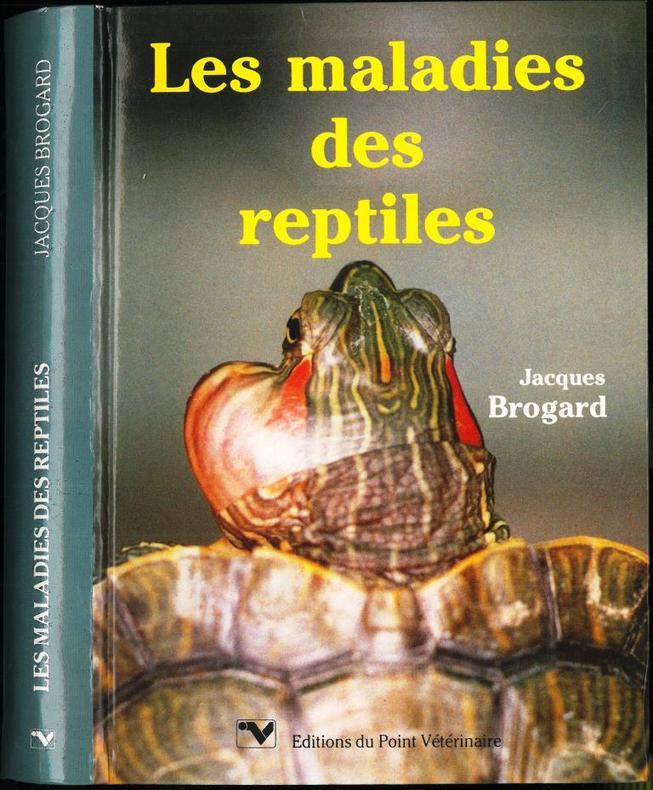
1987VR334641987 Maisons Alfort, Point Vétérinaire, 1987 : In-8 Carré, Cartonnage d'éditeurs. 334 pp., 16 planches de photographies couleurs hors-texte, figures et photos N&B in-texte, un ouvrage très recherché sur la pathologie des reptiles Etat du neuf, Couv. remarquable, Dos impeccable, Intérieur frais.
1988MG368231988-1992 2 volumes (complete). xvi, 111, 135 p., numerous figs (several col.), 36, 40 coloured plates, paperbound. In Indonesian, but plate captions/explanations also in English. With 11 plates depicting land molluscs.
2005VR448462005 168 p., 62 coloured photographs, hardbound. New copy.
1867GITb190Paris Hachette 1867. In-16 294pp. Demi chagrin bleu nuit, dos à nerfs finement orné de cadres de filets et résilles dorés, plats de percaline bleu nuit encadrés à froid, beaux fers dorés du "Lycée Impérial Napoléon" sur le 1er plat, rel époque. Orné de 21 gravures sur bois hors texte de Lançon. Bel exemplaire, reliure décorative.
1872GIT01367Paris Hachette et Cie 1872. In-16 306pp. Cartonnage éditeur percaline bleue ornée, tranches rouges. Illustré de 38 illustrations dont 21 hors texte par Lançon, Melville et autres. Sans rousseurs.
1974VR448791974 313 p., 185 figures, 4to, paperbound. Mémoires du Muséum National d’Histoire Naturelle. Errors in index and contents changed with pen. Some offsetting, else good copy.
1992VR012671992 288 p., num. figs, num. col. photographs, 4to, hardbound. Good copy.
1955VR174511955 xvi, 423 p., 28 figs, 34 pls, hcloth (front cover laid on). Library stamps.