Raschka, ChrisBiblio.com

1 407 résultats
2011005890New York: Schwartz & Wade 2011 Pictorial boards in matching dust jacket. First state jacket without BIB imprint. A wordless picture book about a dog that loses her ball but finds a new one. Illustrated in color on every page. 2012 Caldecott Award Winner. First Printing. As New/As New. Square 4to. Schwartz & Wade hardcover
1932011718New York: Macmillan 1932. Blue hardcover binding has wear at corners some rubbing. Name fep. some staining on endpapers. 214 pages. Scarce copy of third book in Robin series following Robin and Tito and Robin and Angus. This one is about Robin with a pony named Heather and includes Angus the terrier. Author was a professor who helped many young writers get their start and wrote a number of books for children with dogs as many subjects. Size: 8vo - over 7¾" - 9¾" tall. Illus. by Vibberts Eunice. 1st. Hardcover. Good/No Jacket. Macmillan Hardcover
1955013383New York: The Viking Press 1955. Yellow hardcover cloth binding with four black horse shoes on front is square and tight a bit soiled along slightly rubbed edges. Illustrated endpapers. Bookplate removed from front endpaper. Pages slightly yellowing. DJ rubbed along edges with a few closed tears and chips a bit soiled protected from further damage in clean Brodart. Not price-clipped. NOT ex-library. 222 pages. Tim and his new friend Kate buy a donkey and cart to start their horse rental business while Tim investigates the rumor of a gray ghost horse and rider who jump fences while dashing wildly cross-country. Size: 8vo - over 7¾ - 9¾" tall 1st Printing. Illus. by Weaver Jack. 1st Edition. Hardcover. Good/Good. The Viking Press Hardcover
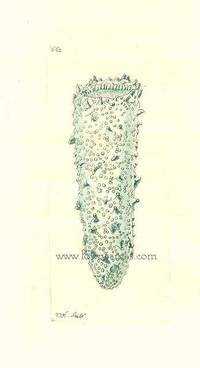
17902263London:: G. Shaw and F.P. & E. Nodder 1790-1813. First edition. Fine in original bright hand-coloring. A Fine and rare original hand-colored copperplate engraving by Frederick Polydore Nodder and/or his son Richard Polydore Nodder from The Naturalist's Miscellany. Octavo 6 x 9.5 inches 15.24 x 24.13 cm. Includes the original text in both English and Latin by George Shaw MD FRS. The Naturalist's Miscellany distinguished by the refined hand-colored copperplate engravings and astute naturalists' observations was aptly named as a diverse naturalists' compendium of the birds mammals reptiles insects fish and crustacean identified by seventeenth and eighteenth century naturalists spanning the globe particularly around the South Seas. Many of nature's most fascinating and unusual creatures were discovered during this period several of which were introduced through The Naturalist's Miscellany. Doctor George Shaw 1751-1813 Fellow of the Royal Society cofounder of the Linnaean Society as well as Zoologist of the British Museum contributed the text. Publication of the Naturalist's Miscellany ceased with his death in 1813. Upon the death of the artist FP Nodder 1770-1800 his wife Elizabeth and their son Richard Polydore Nodder 1793-1820 contributed artistically and editorially to the publication. Indeed a family affair both Frederick Polydore Nodder and his son Richard produced every one of the plates. A gifted and distinguished naturalist Frederick P. Nodder was the preferred Botanical Painter to Her Majesty Queen Charlotte. His early skills as botanical and animal draughtsman and engraver were honed from his association with Sir Joseph Banks who employed Nodder to complete and engrave the drawings from the sketchbooks of the late Sydney Parkinson. Parkinson accompanied Banks as botanical draughtsman aboard Captain James Cook's The Endeavor in 1771. Parkinson died on the return of this South Seas Voyage. These engravings along with the natural history collections of the British Museum were the basis for the mastery of the Naturalist's Miscellany. Frederick's son Richard P. Nodder a gifted animal painter in his own right was distinguished as botanic painter to King George III. At the time of its creation The Naturalist's Miscellany was highly coveted as a definitive natural history offering and as was the custom the work was issued in installments between 1790 and 1813. Each volume was dedicated by permission and dutifully inscribed to the most devoted patrons and contributors of the natural historical pursuits of eighteenth and early nineteenth century Britain: Queen Charlotte Sir Joseph Banks Thomas Pennant Esq. The Universities of Oxford and Cambridge The Trustees of the British Museum to name a few. Andrews1986 Blunt 151Coats 25 Sitwell FBB 142 Wood 482. Copyright: Lowry-James Rare Prints & Books 1/09. G. Shaw and F.P. & E. Nodder, unknown
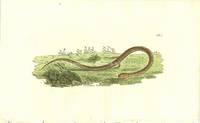
17902262London:: G. Shaw and F.P. & E. Nodder 1790-1813. First edition. Fine in original bright hand-coloring. A Fine and rare original hand-colored copperplate engraving by Frederick Polydore Nodder and/or his son Richard Polydore Nodder from The Naturalist's Miscellany. Octavo 6 x 9.5 inches 15.24 x 24.13 cm. Includes the original text in both English and Latin by George Shaw MD FRS. The Naturalist's Miscellany distinguished by the refined hand-colored copperplate engravings and astute naturalists' observations was aptly named as a diverse naturalists' compendium of the birds mammals reptiles insects fish and crustacean identified by seventeenth and eighteenth century naturalists spanning the globe particularly around the South Seas. Many of nature's most fascinating and unusual creatures were discovered during this period several of which were introduced through The Naturalist's Miscellany. Doctor George Shaw 1751-1813 Fellow of the Royal Society cofounder of the Linnaean Society as well as Zoologist of the British Museum contributed the text. Publication of the Naturalist's Miscellany ceased with his death in 1813. Upon the death of the artist FP Nodder 1770-1800 his wife Elizabeth and their son Richard Polydore Nodder 1793-1820 contributed artistically and editorially to the publication. Indeed a family affair both Frederick Polydore Nodder and his son Richard produced every one of the plates. A gifted and distinguished naturalist Frederick P. Nodder was the preferred Botanical Painter to Her Majesty Queen Charlotte. His early skills as botanical and animal draughtsman and engraver were honed from his association with Sir Joseph Banks who employed Nodder to complete and engrave the drawings from the sketchbooks of the late Sydney Parkinson. Parkinson accompanied Banks as botanical draughtsman aboard Captain James Cook's The Endeavor in 1771. Parkinson died on the return of this South Seas Voyage. These engravings along with the natural history collections of the British Museum were the basis for the mastery of the Naturalist's Miscellany. Frederick's son Richard P. Nodder a gifted animal painter in his own right was distinguished as botanic painter to King George III. At the time of its creation The Naturalist's Miscellany was highly coveted as a definitive natural history offering and as was the custom the work was issued in installments between 1790 and 1813. Each volume was dedicated by permission and dutifully inscribed to the most devoted patrons and contributors of the natural historical pursuits of eighteenth and early nineteenth century Britain: Queen Charlotte Sir Joseph Banks Thomas Pennant Esq. The Universities of Oxford and Cambridge The Trustees of the British Museum to name a few. Andrews1986 Blunt 151Coats 25 Sitwell FBB 142 Wood 482. Copyright: Lowry-James Rare Prints & Books 1/09. G. Shaw and F.P. & E. Nodder, unknown
17903245London:: George Shaw and E. Nodder 1790. First edition. Fine in original bright hand-coloring. A Fine and rare original hand-colored copperplate engraving by Frederick Polydore Nodder and/or his son Richard Polydore Nodder from The Naturalist's Miscellany. Octavo 6 x 9.5 inches 15.24 x 24.13 cm. Includes the original text in both English and Latin by George Shaw MD FRS. The Naturalist's Miscellany distinguished by the refined hand-colored copperplate engravings and astute naturalists' observations was aptly named as a diverse naturalists' compendium of the birds mammals reptiles insects fish and crustacean identified by seventeenth and eighteenth century naturalists spanning the globe particularly around the South Seas. Many of nature's most fascinating and unusual creatures were discovered during this period several of which were introduced through The Naturalist's Miscellany. Doctor George Shaw 1751-1813 Fellow of the Royal Society cofounder of the Linnaean Society as well as Zoologist of the British Museum contributed the text. Publication of the Naturalist's Miscellany ceased with his death in 1813. Upon the death of the artist FP Nodder 1770-1800 his wife Elizabeth and their son Richard Polydore Nodder 1793-1820 contributed artistically and editorially to the publication. Indeed a family affair both Frederick Polydore Nodder and his son Richard produced every one of the plates. A gifted and distinguished naturalist Frederick P. Nodder was the preferred Botanical Painter to Her Majesty Queen Charlotte. His early skills as botanical and animal draughtsman and engraver were honed from his association with Sir Joseph Banks who employed Nodder to complete and engrave the drawings from the sketchbooks of the late Sydney Parkinson. Parkinson accompanied Banks as botanical draughtsman aboard Captain James Cook's The Endeavor in 1771. Parkinson died on the return of this South Seas Voyage. These engravings along with the natural history collections of the British Museum were the basis for the mastery of the Naturalist's Miscellany. Frederick's son Richard P. Nodder a gifted animal painter in his own right was distinguished as botanic painter to King George III. At the time of its creation The Naturalist's Miscellany was highly coveted as a definitive natural history offering and as was the custom the work was issued in installments between 1790 and 1813. Each volume was dedicated by permission and dutifully inscribed to the most devoted patrons and contributors of the natural historical pursuits of eighteenth and early nineteenth century Britain: Queen Charlotte Sir Joseph Banks Thomas Pennant Esq. The Universities of Oxford and Cambridge The Trustees of the British Museum to name a few. Andrews1986 Blunt 151Coats 25 Sitwell FBB 142 Wood 482. Copyright: Lowry-James Rare Prints & Books 1/09. George Shaw and E. Nodder, unknown
17901955London:: G. Shaw and F.P. & E. Nodder 1790-1813. First edition. Fine in original bright hand-coloring. A Fine and rare original hand-colored copperplate engraving by Frederick Polydore Nodder and/or his son Richard Polydore Nodder from The Naturalist's Miscellany. Octavo 6 x 9.5 inches 15.24 x 24.13 cm. Includes the original text in both English and Latin by George Shaw MD FRS. The Naturalist's Miscellany distinguished by the refined hand-colored copperplate engravings and astute naturalists' observations was aptly named as a diverse naturalists' compendium of the birds mammals reptiles insects fish and crustacean identified by seventeenth and eighteenth century naturalists spanning the globe particularly around the South Seas. Many of nature's most fascinating and unusual creatures were discovered during this period several of which were introduced through The Naturalist's Miscellany. Doctor George Shaw 1751-1813 Fellow of the Royal Society cofounder of the Linnaean Society as well as Zoologist of the British Museum contributed the text. Publication of the Naturalist's Miscellany ceased with his death in 1813. Upon the death of the artist FP Nodder 1770-1800 his wife Elizabeth and their son Richard Polydore Nodder 1793-1820 contributed artistically and editorially to the publication. Indeed a family affair both Frederick Polydore Nodder and his son Richard produced every one of the plates. A gifted and distinguished naturalist Frederick P. Nodder was the preferred Botanical Painter to Her Majesty Queen Charlotte. His early skills as botanical and animal draughtsman and engraver were honed from his association with Sir Joseph Banks who employed Nodder to complete and engrave the drawings from the sketchbooks of the late Sydney Parkinson. Parkinson accompanied Banks as botanical draughtsman aboard Captain James Cook's The Endeavor in 1771. Parkinson died on the return of this South Seas Voyage. These engravings along with the natural history collections of the British Museum were the basis for the mastery of the Naturalist's Miscellany. Frederick's son Richard P. Nodder a gifted animal painter in his own right was distinguished as botanic painter to King George III. At the time of its creation The Naturalist's Miscellany was highly coveted as a definitive natural history offering and as was the custom the work was issued in installments between 1790 and 1813. Each volume was dedicated by permission and dutifully inscribed to the most devoted patrons and contributors of the natural historical pursuits of eighteenth and early nineteenth century Britain: Queen Charlotte Sir Joseph Banks Thomas Pennant Esq. The Universities of Oxford and Cambridge The Trustees of the British Museum to name a few. Andrews1986 Blunt 151Coats 25 Sitwell FBB 142 Wood 482. Copyright: Lowry-James Rare Prints & Books 1/09. G. Shaw and F.P. & E. Nodder, unknown
17902266London:: G. Shaw and F.P. & E. Nodder 1790-1813. First edition. Fine in original bright hand-coloring. A Fine and rare original hand-colored copperplate engraving by Frederick Polydore Nodder and/or his son Richard Polydore Nodder from The Naturalist's Miscellany. Octavo 6 x 9.5 inches 15.24 x 24.13 cm. Includes the original text in both English and Latin by George Shaw MD FRS. The Naturalist's Miscellany distinguished by the refined hand-colored copperplate engravings and astute naturalists' observations was aptly named as a diverse naturalists' compendium of the birds mammals reptiles insects fish and crustacean identified by seventeenth and eighteenth century naturalists spanning the globe particularly around the South Seas. Many of nature's most fascinating and unusual creatures were discovered during this period several of which were introduced through The Naturalist's Miscellany. Doctor George Shaw 1751-1813 Fellow of the Royal Society cofounder of the Linnaean Society as well as Zoologist of the British Museum contributed the text. Publication of the Naturalist's Miscellany ceased with his death in 1813. Upon the death of the artist FP Nodder 1770-1800 his wife Elizabeth and their son Richard Polydore Nodder 1793-1820 contributed artistically and editorially to the publication. Indeed a family affair both Frederick Polydore Nodder and his son Richard produced every one of the plates. A gifted and distinguished naturalist Frederick P. Nodder was the preferred Botanical Painter to Her Majesty Queen Charlotte. His early skills as botanical and animal draughtsman and engraver were honed from his association with Sir Joseph Banks who employed Nodder to complete and engrave the drawings from the sketchbooks of the late Sydney Parkinson. Parkinson accompanied Banks as botanical draughtsman aboard Captain James Cook's The Endeavor in 1771. Parkinson died on the return of this South Seas Voyage. These engravings along with the natural history collections of the British Museum were the basis for the mastery of the Naturalist's Miscellany. Frederick's son Richard P. Nodder a gifted animal painter in his own right was distinguished as botanic painter to King George III. At the time of its creation The Naturalist's Miscellany was highly coveted as a definitive natural history offering and as was the custom the work was issued in installments between 1790 and 1813. Each volume was dedicated by permission and dutifully inscribed to the most devoted patrons and contributors of the natural historical pursuits of eighteenth and early nineteenth century Britain: Queen Charlotte Sir Joseph Banks Thomas Pennant Esq. The Universities of Oxford and Cambridge The Trustees of the British Museum to name a few. Andrews1986 Blunt 151Coats 25 Sitwell FBB 142 Wood 482. Copyright: Lowry-James Rare Prints & Books 1/09. G. Shaw and F.P. & E. Nodder, unknown
18093175London:: George Shaw and E. Nodder 1809. First edition. Fine condition with original bright hand-coloring. . A Fine and rare original hand-colored copperplate engraving by Frederick Polydore Nodder and/or his son Richard Polydore Nodder from The Naturalist's Miscellany. Octavo 6 x 9.5 inches 15.24 x 24.13 cm. Includes the original text in both English and Latin by George Shaw MD FRS. The Naturalist's Miscellany distinguished by the refined hand-colored copperplate engravings and astute naturalists' observations was aptly named as a diverse naturalists' compendium of the birds mammals reptiles insects fish and crustacean identified by seventeenth and eighteenth century naturalists spanning the globe particularly around the South Seas. Many of nature's most fascinating and unusual creatures were discovered during this period several of which were introduced through The Naturalist's Miscellany. Doctor George Shaw 1751-1813 Fellow of the Royal Society cofounder of the Linnaean Society as well as Zoologist of the British Museum contributed the text. Publication of the Naturalist's Miscellany ceased with his death in 1813. Upon the death of the artist FP Nodder 1770-1800 his wife Elizabeth and their son Richard Polydore Nodder 1793-1820 contributed artistically and editorially to the publication. Indeed a family affair both Frederick Polydore Nodder and his son Richard produced every one of the plates. A gifted and distinguished naturalist Frederick P. Nodder was the preferred Botanical Painter to Her Majesty Queen Charlotte. His early skills as botanical and animal draughtsman and engraver were honed from his association with Sir Joseph Banks who employed Nodder to complete and engrave the drawings from the sketchbooks of the late Sydney Parkinson. Parkinson accompanied Banks as botanical draughtsman aboard Captain James Cook's The Endeavor in 1771. Parkinson died on the return of this South Seas Voyage. These engravings along with the natural history collections of the British Museum were the basis for the mastery of the Naturalist's Miscellany. Frederick's son Richard P. Nodder a gifted animal painter in his own right was distinguished as botanic painter to King George III. At the time of its creation The Naturalist's Miscellany was highly coveted as a definitive natural history offering and as was the custom the work was issued in installments between 1790 and 1813. Each volume was dedicated by permission and dutifully inscribed to the most devoted patrons and contributors of the natural historical pursuits of eighteenth and early nineteenth century Britain: Queen Charlotte Sir Joseph Banks Thomas Pennant Esq. The Universities of Oxford and Cambridge The Trustees of the British Museum to name a few. Andrews1986 Blunt 151Coats 25 Sitwell FBB 142 Wood 482. Copyright: Lowry-James Rare Prints & Books 1/09. George Shaw and E. Nodder, unknown
17901983London:: G. Shaw and F.P. & E. Nodder 1790-1813. First edition. Fine in original bright hand-coloring. A Fine and rare original hand-colored copperplate engraving by Frederick Polydore Nodder and/or his son Richard Polydore Nodder from The Naturalist's Miscellany. Octavo 6 x 9.5 inches 15.24 x 24.13 cm. Includes the original text in both English and Latin by George Shaw MD FRS. The Naturalist's Miscellany distinguished by the refined hand-colored copperplate engravings and astute naturalists' observations was aptly named as a diverse naturalists' compendium of the birds mammals reptiles insects fish and crustacean identified by seventeenth and eighteenth century naturalists spanning the globe particularly around the South Seas. Many of nature's most fascinating and unusual creatures were discovered during this period several of which were introduced through The Naturalist's Miscellany. Doctor George Shaw 1751-1813 Fellow of the Royal Society cofounder of the Linnaean Society as well as Zoologist of the British Museum contributed the text. Publication of the Naturalist's Miscellany ceased with his death in 1813. Upon the death of the artist FP Nodder 1770-1800 his wife Elizabeth and their son Richard Polydore Nodder 1793-1820 contributed artistically and editorially to the publication. Indeed a family affair both Frederick Polydore Nodder and his son Richard produced every one of the plates. A gifted and distinguished naturalist Frederick P. Nodder was the preferred Botanical Painter to Her Majesty Queen Charlotte. His early skills as botanical and animal draughtsman and engraver were honed from his association with Sir Joseph Banks who employed Nodder to complete and engrave the drawings from the sketchbooks of the late Sydney Parkinson. Parkinson accompanied Banks as botanical draughtsman aboard Captain James Cook's The Endeavor in 1771. Parkinson died on the return of this South Seas Voyage. These engravings along with the natural history collections of the British Museum were the basis for the mastery of the Naturalist's Miscellany. Frederick's son Richard P. Nodder a gifted animal painter in his own right was distinguished as botanic painter to King George III. At the time of its creation The Naturalist's Miscellany was highly coveted as a definitive natural history offering and as was the custom the work was issued in installments between 1790 and 1813. Each volume was dedicated by permission and dutifully inscribed to the most devoted patrons and contributors of the natural historical pursuits of eighteenth and early nineteenth century Britain: Queen Charlotte Sir Joseph Banks Thomas Pennant Esq. The Universities of Oxford and Cambridge The Trustees of the British Museum to name a few. Andrews1986 Blunt 151Coats 25 Sitwell FBB 142 Wood 482. Copyright: Lowry-James Rare Prints & Books 1/09. G. Shaw and F.P. & E. Nodder, unknown
17902268London:: G. Shaw and F.P. & E. Nodder 1790-1813. First edition. Fine in original bright hand-coloring. A Fine and rare original hand-colored copperplate engraving by Frederick Polydore Nodder and/or his son Richard Polydore Nodder from The Naturalist's Miscellany. Octavo 6 x 9.5 inches 15.24 x 24.13 cm. Includes the original text in both English and Latin by George Shaw MD FRS. The Naturalist's Miscellany distinguished by the refined hand-colored copperplate engravings and astute naturalists' observations was aptly named as a diverse naturalists' compendium of the birds mammals reptiles insects fish and crustacean identified by seventeenth and eighteenth century naturalists spanning the globe particularly around the South Seas. Many of nature's most fascinating and unusual creatures were discovered during this period several of which were introduced through The Naturalist's Miscellany. Doctor George Shaw 1751-1813 Fellow of the Royal Society cofounder of the Linnaean Society as well as Zoologist of the British Museum contributed the text. Publication of the Naturalist's Miscellany ceased with his death in 1813. Upon the death of the artist FP Nodder 1770-1800 his wife Elizabeth and their son Richard Polydore Nodder 1793-1820 contributed artistically and editorially to the publication. Indeed a family affair both Frederick Polydore Nodder and his son Richard produced every one of the plates. A gifted and distinguished naturalist Frederick P. Nodder was the preferred Botanical Painter to Her Majesty Queen Charlotte. His early skills as botanical and animal draughtsman and engraver were honed from his association with Sir Joseph Banks who employed Nodder to complete and engrave the drawings from the sketchbooks of the late Sydney Parkinson. Parkinson accompanied Banks as botanical draughtsman aboard Captain James Cook's The Endeavor in 1771. Parkinson died on the return of this South Seas Voyage. These engravings along with the natural history collections of the British Museum were the basis for the mastery of the Naturalist's Miscellany. Frederick's son Richard P. Nodder a gifted animal painter in his own right was distinguished as botanic painter to King George III. At the time of its creation The Naturalist's Miscellany was highly coveted as a definitive natural history offering and as was the custom the work was issued in installments between 1790 and 1813. Each volume was dedicated by permission and dutifully inscribed to the most devoted patrons and contributors of the natural historical pursuits of eighteenth and early nineteenth century Britain: Queen Charlotte Sir Joseph Banks Thomas Pennant Esq. The Universities of Oxford and Cambridge The Trustees of the British Museum to name a few. Andrews1986 Blunt 151Coats 25 Sitwell FBB 142 Wood 482. Copyright: Lowry-James Rare Prints & Books 1/09. G. Shaw and F.P. & E. Nodder, unknown
17903239London:: G. Shaw and F.P. & E. Nodder 1790-1813. First edition. Fine in original bright hand-coloring. A Fine and rare original hand-colored copperplate engraving by Frederick Polydore Nodder and/or his son Richard Polydore Nodder from The Naturalist's Miscellany. Octavo 6 x 9.5 inches 15.24 x 24.13 cm. Includes the original text in both English and Latin by George Shaw MD FRS. The Naturalist's Miscellany distinguished by the refined hand-colored copperplate engravings and astute naturalists' observations was aptly named as a diverse naturalists' compendium of the birds mammals reptiles insects fish and crustacean identified by seventeenth and eighteenth century naturalists spanning the globe particularly around the South Seas. Many of nature's most fascinating and unusual creatures were discovered during this period several of which were introduced through The Naturalist's Miscellany. Doctor George Shaw 1751-1813 Fellow of the Royal Society cofounder of the Linnaean Society as well as Zoologist of the British Museum contributed the text. Publication of the Naturalist's Miscellany ceased with his death in 1813. Upon the death of the artist FP Nodder 1770-1800 his wife Elizabeth and their son Richard Polydore Nodder 1793-1820 contributed artistically and editorially to the publication. Indeed a family affair both Frederick Polydore Nodder and his son Richard produced every one of the plates. A gifted and distinguished naturalist Frederick P. Nodder was the preferred Botanical Painter to Her Majesty Queen Charlotte. His early skills as botanical and animal draughtsman and engraver were honed from his association with Sir Joseph Banks who employed Nodder to complete and engrave the drawings from the sketchbooks of the late Sydney Parkinson. Parkinson accompanied Banks as botanical draughtsman aboard Captain James Cook's The Endeavor in 1771. Parkinson died on the return of this South Seas Voyage. These engravings along with the natural history collections of the British Museum were the basis for the mastery of the Naturalist's Miscellany. Frederick's son Richard P. Nodder a gifted animal painter in his own right was distinguished as botanic painter to King George III. At the time of its creation The Naturalist's Miscellany was highly coveted as a definitive natural history offering and as was the custom the work was issued in installments between 1790 and 1813. Each volume was dedicated by permission and dutifully inscribed to the most devoted patrons and contributors of the natural historical pursuits of eighteenth and early nineteenth century Britain: Queen Charlotte Sir Joseph Banks Thomas Pennant Esq. The Universities of Oxford and Cambridge The Trustees of the British Museum to name a few. Andrews1986 Blunt 151Coats 25 Sitwell FBB 142 Wood 482. Copyright: Lowry-James Rare Prints & Books 1/09. G. Shaw and F.P. & E. Nodder, unknown
17901981London:: G. Shaw and F.P. & E. Nodder 1790-1813. First edition. Fine in original bright hand-coloring. A Fine and rare original hand-colored copperplate engraving by Frederick Polydore Nodder and/or his son Richard Polydore Nodder from The Naturalist's Miscellany. Octavo 6 x 9.5 inches 15.24 x 24.13 cm. Includes the original text in both English and Latin by George Shaw MD FRS. The Naturalist's Miscellany distinguished by the refined hand-colored copperplate engravings and astute naturalists' observations was aptly named as a diverse naturalists' compendium of the birds mammals reptiles insects fish and crustacean identified by seventeenth and eighteenth century naturalists spanning the globe particularly around the South Seas. Many of nature's most fascinating and unusual creatures were discovered during this period several of which were introduced through The Naturalist's Miscellany. Doctor George Shaw 1751-1813 Fellow of the Royal Society cofounder of the Linnaean Society as well as Zoologist of the British Museum contributed the text. Publication of the Naturalist's Miscellany ceased with his death in 1813. Upon the death of the artist FP Nodder 1770-1800 his wife Elizabeth and their son Richard Polydore Nodder 1793-1820 contributed artistically and editorially to the publication. Indeed a family affair both Frederick Polydore Nodder and his son Richard produced every one of the plates. A gifted and distinguished naturalist Frederick P. Nodder was the preferred Botanical Painter to Her Majesty Queen Charlotte. His early skills as botanical and animal draughtsman and engraver were honed from his association with Sir Joseph Banks who employed Nodder to complete and engrave the drawings from the sketchbooks of the late Sydney Parkinson. Parkinson accompanied Banks as botanical draughtsman aboard Captain James Cook's The Endeavor in 1771. Parkinson died on the return of this South Seas Voyage. These engravings along with the natural history collections of the British Museum were the basis for the mastery of the Naturalist's Miscellany. Frederick's son Richard P. Nodder a gifted animal painter in his own right was distinguished as botanic painter to King George III. At the time of its creation The Naturalist's Miscellany was highly coveted as a definitive natural history offering and as was the custom the work was issued in installments between 1790 and 1813. Each volume was dedicated by permission and dutifully inscribed to the most devoted patrons and contributors of the natural historical pursuits of eighteenth and early nineteenth century Britain: Queen Charlotte Sir Joseph Banks Thomas Pennant Esq. The Universities of Oxford and Cambridge The Trustees of the British Museum to name a few. Andrews1986 Blunt 151Coats 25 Sitwell FBB 142 Wood 482. Copyright: Lowry-James Rare Prints & Books 1/09. G. Shaw and F.P. & E. Nodder, unknown
17904350London:: G. Shaw and F.P. & E. Nodder 1790-1813. First edition. Fine in original bright hand-coloring. A Fine and rare original hand-colored copperplate engraving by Frederick Polydore Nodder and/or his son Richard Polydore Nodder from The Naturalist's Miscellany. Octavo 6 x 9.5 inches 15.24 x 24.13 cm. Includes the original text in both English and Latin by George Shaw MD FRS. The Naturalist's Miscellany distinguished by the refined hand-colored copperplate engravings and astute naturalists' observations was aptly named as a diverse naturalists' compendium of the birds mammals reptiles insects fish and crustacean identified by seventeenth and eighteenth century naturalists spanning the globe particularly around the South Seas. Many of nature's most fascinating and unusual creatures were discovered during this period several of which were introduced through The Naturalist's Miscellany. Doctor George Shaw 1751-1813 Fellow of the Royal Society cofounder of the Linnaean Society as well as Zoologist of the British Museum contributed the text. Publication of the Naturalist's Miscellany ceased with his death in 1813. Upon the death of the artist FP Nodder 1770-1800 his wife Elizabeth and their son Richard Polydore Nodder 1793-1820 contributed artistically and editorially to the publication. Indeed a family affair both Frederick Polydore Nodder and his son Richard produced every one of the plates. A gifted and distinguished naturalist Frederick P. Nodder was the preferred Botanical Painter to Her Majesty Queen Charlotte. His early skills as botanical and animal draughtsman and engraver were honed from his association with Sir Joseph Banks who employed Nodder to complete and engrave the drawings from the sketchbooks of the late Sydney Parkinson. Parkinson accompanied Banks as botanical draughtsman aboard Captain James Cook's The Endeavor in 1771. Parkinson died on the return of this South Seas Voyage. These engravings along with the natural history collections of the British Museum were the basis for the mastery of the Naturalist's Miscellany. Frederick's son Richard P. Nodder a gifted animal painter in his own right was distinguished as botanic painter to King George III. At the time of its creation The Naturalist's Miscellany was highly coveted as a definitive natural history offering and as was the custom the work was issued in installments between 1790 and 1813. Each volume was dedicated by permission and dutifully inscribed to the most devoted patrons and contributors of the natural historical pursuits of eighteenth and early nineteenth century Britain: Queen Charlotte Sir Joseph Banks Thomas Pennant Esq. The Universities of Oxford and Cambridge The Trustees of the British Museum to name a few. Andrews1986 Blunt 151Coats 25 Sitwell FBB 142 Wood 482. Copyright: Lowry-James Rare Prints & Books 1/09. G. Shaw and F.P. & E. Nodder, unknown
17904345London:: G. Shaw and F.P. & E. Nodder 1790-1813. First edition. Fine in original bright hand-coloring. A Fine and rare original hand-colored copperplate engraving by Frederick Polydore Nodder and/or his son Richard Polydore Nodder from The Naturalist's Miscellany. Octavo 6 x 9.5 inches 15.24 x 24.13 cm. Includes the original text in both English and Latin by George Shaw MD FRS. The Naturalist's Miscellany distinguished by the refined hand-colored copperplate engravings and astute naturalists' observations was aptly named as a diverse naturalists' compendium of the birds mammals reptiles insects fish and crustacean identified by seventeenth and eighteenth century naturalists spanning the globe particularly around the South Seas. Many of nature's most fascinating and unusual creatures were discovered during this period several of which were introduced through The Naturalist's Miscellany. Doctor George Shaw 1751-1813 Fellow of the Royal Society cofounder of the Linnaean Society as well as Zoologist of the British Museum contributed the text. Publication of the Naturalist's Miscellany ceased with his death in 1813. Upon the death of the artist FP Nodder 1770-1800 his wife Elizabeth and their son Richard Polydore Nodder 1793-1820 contributed artistically and editorially to the publication. Indeed a family affair both Frederick Polydore Nodder and his son Richard produced every one of the plates. A gifted and distinguished naturalist Frederick P. Nodder was the preferred Botanical Painter to Her Majesty Queen Charlotte. His early skills as botanical and animal draughtsman and engraver were honed from his association with Sir Joseph Banks who employed Nodder to complete and engrave the drawings from the sketchbooks of the late Sydney Parkinson. Parkinson accompanied Banks as botanical draughtsman aboard Captain James Cook's The Endeavor in 1771. Parkinson died on the return of this South Seas Voyage. These engravings along with the natural history collections of the British Museum were the basis for the mastery of the Naturalist's Miscellany. Frederick's son Richard P. Nodder a gifted animal painter in his own right was distinguished as botanic painter to King George III. At the time of its creation The Naturalist's Miscellany was highly coveted as a definitive natural history offering and as was the custom the work was issued in installments between 1790 and 1813. Each volume was dedicated by permission and dutifully inscribed to the most devoted patrons and contributors of the natural historical pursuits of eighteenth and early nineteenth century Britain: Queen Charlotte Sir Joseph Banks Thomas Pennant Esq. The Universities of Oxford and Cambridge The Trustees of the British Museum to name a few. Andrews1986 Blunt 151Coats 25 Sitwell FBB 142 Wood 482. Copyright: Lowry-James Rare Prints & Books 1/09. G. Shaw and F.P. & E. Nodder, unknown
17901989London:: G. Shaw and F.P. & E. Nodder 1790-1813. First edition. Fine in original bright hand-coloring. A Fine and rare original hand-colored copperplate engraving by Frederick Polydore Nodder and/or his son Richard Polydore Nodder from The Naturalist's Miscellany. Octavo 6 x 9.5 inches 15.24 x 24.13 cm. Includes the original text in both English and Latin by George Shaw MD FRS. The Naturalist's Miscellany distinguished by the refined hand-colored copperplate engravings and astute naturalists' observations was aptly named as a diverse naturalists' compendium of the birds mammals reptiles insects fish and crustacean identified by seventeenth and eighteenth century naturalists spanning the globe particularly around the South Seas. Many of nature's most fascinating and unusual creatures were discovered during this period several of which were introduced through The Naturalist's Miscellany. Doctor George Shaw 1751-1813 Fellow of the Royal Society cofounder of the Linnaean Society as well as Zoologist of the British Museum contributed the text. Publication of the Naturalist's Miscellany ceased with his death in 1813. Upon the death of the artist FP Nodder 1770-1800 his wife Elizabeth and their son Richard Polydore Nodder 1793-1820 contributed artistically and editorially to the publication. Indeed a family affair both Frederick Polydore Nodder and his son Richard produced every one of the plates. A gifted and distinguished naturalist Frederick P. Nodder was the preferred Botanical Painter to Her Majesty Queen Charlotte. His early skills as botanical and animal draughtsman and engraver were honed from his association with Sir Joseph Banks who employed Nodder to complete and engrave the drawings from the sketchbooks of the late Sydney Parkinson. Parkinson accompanied Banks as botanical draughtsman aboard Captain James Cook's The Endeavor in 1771. Parkinson died on the return of this South Seas Voyage. These engravings along with the natural history collections of the British Museum were the basis for the mastery of the Naturalist's Miscellany. Frederick's son Richard P. Nodder a gifted animal painter in his own right was distinguished as botanic painter to King George III. At the time of its creation The Naturalist's Miscellany was highly coveted as a definitive natural history offering and as was the custom the work was issued in installments between 1790 and 1813. Each volume was dedicated by permission and dutifully inscribed to the most devoted patrons and contributors of the natural historical pursuits of eighteenth and early nineteenth century Britain: Queen Charlotte Sir Joseph Banks Thomas Pennant Esq. The Universities of Oxford and Cambridge The Trustees of the British Museum to name a few. Andrews1986 Blunt 151Coats 25 Sitwell FBB 142 Wood 482. Copyright: Lowry-James Rare Prints & Books 1/09. G. Shaw and F.P. & E. Nodder, unknown
17904357London:: G. Shaw and F.P. & E. Nodder 1790-1813. First edition. Fine in original bright hand-coloring. A Fine and rare original hand-colored copperplate engraving by Frederick Polydore Nodder and/or his son Richard Polydore Nodder from The Naturalist's Miscellany. Octavo 6 x 9.5 inches 15.24 x 24.13 cm. Includes the original text in both English and Latin by George Shaw MD FRS. The Naturalist's Miscellany distinguished by the refined hand-colored copperplate engravings and astute naturalists' observations was aptly named as a diverse naturalists' compendium of the birds mammals reptiles insects fish and crustacean identified by seventeenth and eighteenth century naturalists spanning the globe particularly around the South Seas. Many of nature's most fascinating and unusual creatures were discovered during this period several of which were introduced through The Naturalist's Miscellany. Doctor George Shaw 1751-1813 Fellow of the Royal Society cofounder of the Linnaean Society as well as Zoologist of the British Museum contributed the text. Publication of the Naturalist's Miscellany ceased with his death in 1813. Upon the death of the artist FP Nodder 1770-1800 his wife Elizabeth and their son Richard Polydore Nodder 1793-1820 contributed artistically and editorially to the publication. Indeed a family affair both Frederick Polydore Nodder and his son Richard produced every one of the plates. A gifted and distinguished naturalist Frederick P. Nodder was the preferred Botanical Painter to Her Majesty Queen Charlotte. His early skills as botanical and animal draughtsman and engraver were honed from his association with Sir Joseph Banks who employed Nodder to complete and engrave the drawings from the sketchbooks of the late Sydney Parkinson. Parkinson accompanied Banks as botanical draughtsman aboard Captain James Cook's The Endeavor in 1771. Parkinson died on the return of this South Seas Voyage. These engravings along with the natural history collections of the British Museum were the basis for the mastery of the Naturalist's Miscellany. Frederick's son Richard P. Nodder a gifted animal painter in his own right was distinguished as botanic painter to King George III. At the time of its creation The Naturalist's Miscellany was highly coveted as a definitive natural history offering and as was the custom the work was issued in installments between 1790 and 1813. Each volume was dedicated by permission and dutifully inscribed to the most devoted patrons and contributors of the natural historical pursuits of eighteenth and early nineteenth century Britain: Queen Charlotte Sir Joseph Banks Thomas Pennant Esq. The Universities of Oxford and Cambridge The Trustees of the British Museum to name a few. Andrews1986 Blunt 151Coats 25 Sitwell FBB 142 Wood 482. Copyright: Lowry-James Rare Prints & Books 1/09. G. Shaw and F.P. & E. Nodder, unknown
17904346London:: G. Shaw and F.P. & E. Nodder 1790-1813. First edition. Fine in original bright hand-coloring. A Fine and rare original hand-colored copperplate engraving by Frederick Polydore Nodder and/or his son Richard Polydore Nodder from The Naturalist's Miscellany. Octavo 6 x 9.5 inches 15.24 x 24.13 cm. Includes the original text in both English and Latin by George Shaw MD FRS. The Naturalist's Miscellany distinguished by the refined hand-colored copperplate engravings and astute naturalists' observations was aptly named as a diverse naturalists' compendium of the birds mammals reptiles insects fish and crustacean identified by seventeenth and eighteenth century naturalists spanning the globe particularly around the South Seas. Many of nature's most fascinating and unusual creatures were discovered during this period several of which were introduced through The Naturalist's Miscellany. Doctor George Shaw 1751-1813 Fellow of the Royal Society cofounder of the Linnaean Society as well as Zoologist of the British Museum contributed the text. Publication of the Naturalist's Miscellany ceased with his death in 1813. Upon the death of the artist FP Nodder 1770-1800 his wife Elizabeth and their son Richard Polydore Nodder 1793-1820 contributed artistically and editorially to the publication. Indeed a family affair both Frederick Polydore Nodder and his son Richard produced every one of the plates. A gifted and distinguished naturalist Frederick P. Nodder was the preferred Botanical Painter to Her Majesty Queen Charlotte. His early skills as botanical and animal draughtsman and engraver were honed from his association with Sir Joseph Banks who employed Nodder to complete and engrave the drawings from the sketchbooks of the late Sydney Parkinson. Parkinson accompanied Banks as botanical draughtsman aboard Captain James Cook's The Endeavor in 1771. Parkinson died on the return of this South Seas Voyage. These engravings along with the natural history collections of the British Museum were the basis for the mastery of the Naturalist's Miscellany. Frederick's son Richard P. Nodder a gifted animal painter in his own right was distinguished as botanic painter to King George III. At the time of its creation The Naturalist's Miscellany was highly coveted as a definitive natural history offering and as was the custom the work was issued in installments between 1790 and 1813. Each volume was dedicated by permission and dutifully inscribed to the most devoted patrons and contributors of the natural historical pursuits of eighteenth and early nineteenth century Britain: Queen Charlotte Sir Joseph Banks Thomas Pennant Esq. The Universities of Oxford and Cambridge The Trustees of the British Museum to name a few. Andrews1986 Blunt 151Coats 25 Sitwell FBB 142 Wood 482. Copyright: Lowry-James Rare Prints & Books 1/09. G. Shaw and F.P. & E. Nodder, unknown
17904354London:: G. Shaw and F.P. & E. Nodder 1790-1813. First edition. Fine in original bright hand-coloring. A Fine and rare original hand-colored copperplate engraving by Frederick Polydore Nodder and/or his son Richard Polydore Nodder from The Naturalist's Miscellany. Octavo 6 x 9.5 inches 15.24 x 24.13 cm. Includes the original text in both English and Latin by George Shaw MD FRS. The Naturalist's Miscellany distinguished by the refined hand-colored copperplate engravings and astute naturalists' observations was aptly named as a diverse naturalists' compendium of the birds mammals reptiles insects fish and crustacean identified by seventeenth and eighteenth century naturalists spanning the globe particularly around the South Seas. Many of nature's most fascinating and unusual creatures were discovered during this period several of which were introduced through The Naturalist's Miscellany. Doctor George Shaw 1751-1813 Fellow of the Royal Society cofounder of the Linnaean Society as well as Zoologist of the British Museum contributed the text. Publication of the Naturalist's Miscellany ceased with his death in 1813. Upon the death of the artist FP Nodder 1770-1800 his wife Elizabeth and their son Richard Polydore Nodder 1793-1820 contributed artistically and editorially to the publication. Indeed a family affair both Frederick Polydore Nodder and his son Richard produced every one of the plates. A gifted and distinguished naturalist Frederick P. Nodder was the preferred Botanical Painter to Her Majesty Queen Charlotte. His early skills as botanical and animal draughtsman and engraver were honed from his association with Sir Joseph Banks who employed Nodder to complete and engrave the drawings from the sketchbooks of the late Sydney Parkinson. Parkinson accompanied Banks as botanical draughtsman aboard Captain James Cook's The Endeavor in 1771. Parkinson died on the return of this South Seas Voyage. These engravings along with the natural history collections of the British Museum were the basis for the mastery of the Naturalist's Miscellany. Frederick's son Richard P. Nodder a gifted animal painter in his own right was distinguished as botanic painter to King George III. At the time of its creation The Naturalist's Miscellany was highly coveted as a definitive natural history offering and as was the custom the work was issued in installments between 1790 and 1813. Each volume was dedicated by permission and dutifully inscribed to the most devoted patrons and contributors of the natural historical pursuits of eighteenth and early nineteenth century Britain: Queen Charlotte Sir Joseph Banks Thomas Pennant Esq. The Universities of Oxford and Cambridge The Trustees of the British Museum to name a few. Andrews1986 Blunt 151Coats 25 Sitwell FBB 142 Wood 482. Copyright: Lowry-James Rare Prints & Books 1/09. G. Shaw and F.P. & E. Nodder, unknown
17901926London:: G. Shaw and F.P. & E. Nodder 1790-1813. First edition. Fine in original bright hand-coloring. A Fine and rare original hand-colored copperplate engraving by Frederick Polydore Nodder and/or his son Richard Polydore Nodder from The Naturalist's Miscellany. Octavo 6 x 9.5 inches 15.24 x 24.13 cm. Includes the original text in both English and Latin by George Shaw MD FRS. The Naturalist's Miscellany distinguished by the refined hand-colored copperplate engravings and astute naturalists' observations was aptly named as a diverse naturalists' compendium of the birds mammals reptiles insects fish and crustacean identified by seventeenth and eighteenth century naturalists spanning the globe particularly around the South Seas. Many of nature's most fascinating and unusual creatures were discovered during this period several of which were introduced through The Naturalist's Miscellany. Doctor George Shaw 1751-1813 Fellow of the Royal Society cofounder of the Linnaean Society as well as Zoologist of the British Museum contributed the text. Publication of the Naturalist's Miscellany ceased with his death in 1813. Upon the death of the artist FP Nodder 1770-1800 his wife Elizabeth and their son Richard Polydore Nodder 1793-1820 contributed artistically and editorially to the publication. Indeed a family affair both Frederick Polydore Nodder and his son Richard produced every one of the plates. A gifted and distinguished naturalist Frederick P. Nodder was the preferred Botanical Painter to Her Majesty Queen Charlotte. His early skills as botanical and animal draughtsman and engraver were honed from his association with Sir Joseph Banks who employed Nodder to complete and engrave the drawings from the sketchbooks of the late Sydney Parkinson. Parkinson accompanied Banks as botanical draughtsman aboard Captain James Cook's The Endeavor in 1771. Parkinson died on the return of this South Seas Voyage. These engravings along with the natural history collections of the British Museum were the basis for the mastery of the Naturalist's Miscellany. Frederick's son Richard P. Nodder a gifted animal painter in his own right was distinguished as botanic painter to King George III. At the time of its creation The Naturalist's Miscellany was highly coveted as a definitive natural history offering and as was the custom the work was issued in installments between 1790 and 1813. Each volume was dedicated by permission and dutifully inscribed to the most devoted patrons and contributors of the natural historical pursuits of eighteenth and early nineteenth century Britain: Queen Charlotte Sir Joseph Banks Thomas Pennant Esq. The Universities of Oxford and Cambridge The Trustees of the British Museum to name a few. Andrews1986 Blunt 151Coats 25 Sitwell FBB 142 Wood 482. Copyright: Lowry-James Rare Prints & Books 1/09. G. Shaw and F.P. & E. Nodder, unknown
17902180London:: G. Shaw and F.P. & E. Nodder 1790-1813. First edition. Fine in original bright hand-coloring. A Fine and rare original hand-colored copperplate engraving by Frederick Polydore Nodder and/or his son Richard Polydore Nodder from The Naturalist's Miscellany. Octavo 6 x 9.5 inches 15.24 x 24.13 cm. Includes the original text in both English and Latin by George Shaw MD FRS. The Naturalist's Miscellany distinguished by the refined hand-colored copperplate engravings and astute naturalists' observations was aptly named as a diverse naturalists' compendium of the birds mammals reptiles insects fish and crustacean identified by seventeenth and eighteenth century naturalists spanning the globe particularly around the South Seas. Many of nature's most fascinating and unusual creatures were discovered during this period several of which were introduced through The Naturalist's Miscellany. Doctor George Shaw 1751-1813 Fellow of the Royal Society cofounder of the Linnaean Society as well as Zoologist of the British Museum contributed the text. Publication of the Naturalist's Miscellany ceased with his death in 1813. Upon the death of the artist FP Nodder 1770-1800 his wife Elizabeth and their son Richard Polydore Nodder 1793-1820 contributed artistically and editorially to the publication. Indeed a family affair both Frederick Polydore Nodder and his son Richard produced every one of the plates. A gifted and distinguished naturalist Frederick P. Nodder was the preferred Botanical Painter to Her Majesty Queen Charlotte. His early skills as botanical and animal draughtsman and engraver were honed from his association with Sir Joseph Banks who employed Nodder to complete and engrave the drawings from the sketchbooks of the late Sydney Parkinson. Parkinson accompanied Banks as botanical draughtsman aboard Captain James Cook's The Endeavor in 1771. Parkinson died on the return of this South Seas Voyage. These engravings along with the natural history collections of the British Museum were the basis for the mastery of the Naturalist's Miscellany. Frederick's son Richard P. Nodder a gifted animal painter in his own right was distinguished as botanic painter to King George III. At the time of its creation The Naturalist's Miscellany was highly coveted as a definitive natural history offering and as was the custom the work was issued in installments between 1790 and 1813. Each volume was dedicated by permission and dutifully inscribed to the most devoted patrons and contributors of the natural historical pursuits of eighteenth and early nineteenth century Britain: Queen Charlotte Sir Joseph Banks Thomas Pennant Esq. The Universities of Oxford and Cambridge The Trustees of the British Museum to name a few. Andrews1986 Blunt 151Coats 25 Sitwell FBB 142 Wood 482. Copyright: Lowry-James Rare Prints & Books 1/09. Matted in Rag Board G. Shaw and F.P. & E. Nodder, unknown
17902181London:: G. Shaw and F.P. & E. Nodder 1790-1813. First edition. Fine in original bright hand-coloring. A Fine and rare original hand-colored copperplate engraving by Frederick Polydore Nodder and/or his son Richard Polydore Nodder from The Naturalist's Miscellany. Octavo 6 x 9.5 inches 15.24 x 24.13 cm. Includes the original text in both English and Latin by George Shaw MD FRS. The Naturalist's Miscellany distinguished by the refined hand-colored copperplate engravings and astute naturalists' observations was aptly named as a diverse naturalists' compendium of the birds mammals reptiles insects fish and crustacean identified by seventeenth and eighteenth century naturalists spanning the globe particularly around the South Seas. Many of nature's most fascinating and unusual creatures were discovered during this period several of which were introduced through The Naturalist's Miscellany. Doctor George Shaw 1751-1813 Fellow of the Royal Society cofounder of the Linnaean Society as well as Zoologist of the British Museum contributed the text. Publication of the Naturalist's Miscellany ceased with his death in 1813. Upon the death of the artist FP Nodder 1770-1800 his wife Elizabeth and their son Richard Polydore Nodder 1793-1820 contributed artistically and editorially to the publication. Indeed a family affair both Frederick Polydore Nodder and his son Richard produced every one of the plates. A gifted and distinguished naturalist Frederick P. Nodder was the preferred Botanical Painter to Her Majesty Queen Charlotte. His early skills as botanical and animal draughtsman and engraver were honed from his association with Sir Joseph Banks who employed Nodder to complete and engrave the drawings from the sketchbooks of the late Sydney Parkinson. Parkinson accompanied Banks as botanical draughtsman aboard Captain James Cook's The Endeavor in 1771. Parkinson died on the return of this South Seas Voyage. These engravings along with the natural history collections of the British Museum were the basis for the mastery of the Naturalist's Miscellany. Frederick's son Richard P. Nodder a gifted animal painter in his own right was distinguished as botanic painter to King George III. At the time of its creation The Naturalist's Miscellany was highly coveted as a definitive natural history offering and as was the custom the work was issued in installments between 1790 and 1813. Each volume was dedicated by permission and dutifully inscribed to the most devoted patrons and contributors of the natural historical pursuits of eighteenth and early nineteenth century Britain: Queen Charlotte Sir Joseph Banks Thomas Pennant Esq. The Universities of Oxford and Cambridge The Trustees of the British Museum to name a few. Andrews1986 Blunt 151Coats 25 Sitwell FBB 142 Wood 482. Copyright: Lowry-James Rare Prints & Books 1/09. Matted in Rag Board G. Shaw and F.P. & E. Nodder, unknown
17902174London:: G. Shaw and F.P. & E. Nodder 1790-1813. First edition. Fine in original bright hand-coloring. A Fine and rare original hand-colored copperplate engraving by Frederick Polydore Nodder and/or his son Richard Polydore Nodder from The Naturalist's Miscellany. Octavo 6 x 9.5 inches 15.24 x 24.13 cm. Includes the original text in both English and Latin by George Shaw MD FRS. The Naturalist's Miscellany distinguished by the refined hand-colored copperplate engravings and astute naturalists' observations was aptly named as a diverse naturalists' compendium of the birds mammals reptiles insects fish and crustacean identified by seventeenth and eighteenth century naturalists spanning the globe particularly around the South Seas. Many of nature's most fascinating and unusual creatures were discovered during this period several of which were introduced through The Naturalist's Miscellany. Doctor George Shaw 1751-1813 Fellow of the Royal Society cofounder of the Linnaean Society as well as Zoologist of the British Museum contributed the text. Publication of the Naturalist's Miscellany ceased with his death in 1813. Upon the death of the artist FP Nodder 1770-1800 his wife Elizabeth and their son Richard Polydore Nodder 1793-1820 contributed artistically and editorially to the publication. Indeed a family affair both Frederick Polydore Nodder and his son Richard produced every one of the plates. A gifted and distinguished naturalist Frederick P. Nodder was the preferred Botanical Painter to Her Majesty Queen Charlotte. His early skills as botanical and animal draughtsman and engraver were honed from his association with Sir Joseph Banks who employed Nodder to complete and engrave the drawings from the sketchbooks of the late Sydney Parkinson. Parkinson accompanied Banks as botanical draughtsman aboard Captain James Cook's The Endeavor in 1771. Parkinson died on the return of this South Seas Voyage. These engravings along with the natural history collections of the British Museum were the basis for the mastery of the Naturalist's Miscellany. Frederick's son Richard P. Nodder a gifted animal painter in his own right was distinguished as botanic painter to King George III. At the time of its creation The Naturalist's Miscellany was highly coveted as a definitive natural history offering and as was the custom the work was issued in installments between 1790 and 1813. Each volume was dedicated by permission and dutifully inscribed to the most devoted patrons and contributors of the natural historical pursuits of eighteenth and early nineteenth century Britain: Queen Charlotte Sir Joseph Banks Thomas Pennant Esq. The Universities of Oxford and Cambridge The Trustees of the British Museum to name a few. Andrews1986 Blunt 151Coats 25 Sitwell FBB 142 Wood 482. Copyright: Lowry-James Rare Prints & Books 1/09. Matted in Rag Board G. Shaw and F.P. & E. Nodder, unknown
17905497London:: G. Shaw and F.P. & E. Nodder 1790-1813. First edition. Fine in original bright hand-coloring. A Fine and rare original hand-colored copperplate engraving by Frederick Polydore Nodder and/or his son Richard Polydore Nodder from The Naturalist's Miscellany. Octavo 6 x 9.5 inches 15.24 x 24.13 cm. Includes the original text in both English and Latin by George Shaw MD FRS. The Naturalist's Miscellany distinguished by the refined hand-colored copperplate engravings and astute naturalists' observations was aptly named as a diverse naturalists' compendium of the birds mammals reptiles insects fish and crustacean identified by seventeenth and eighteenth century naturalists spanning the globe particularly around the South Seas. Many of nature's most fascinating and unusual creatures were discovered during this period several of which were introduced through The Naturalist's Miscellany. Doctor George Shaw 1751-1813 Fellow of the Royal Society cofounder of the Linnaean Society as well as Zoologist of the British Museum contributed the text. Publication of the Naturalist's Miscellany ceased with his death in 1813. Upon the death of the artist FP Nodder 1770-1800 his wife Elizabeth and their son Richard Polydore Nodder 1793-1820 contributed artistically and editorially to the publication. Indeed a family affair both Frederick Polydore Nodder and his son Richard produced every one of the plates. A gifted and distinguished naturalist Frederick P. Nodder was the preferred Botanical Painter to Her Majesty Queen Charlotte. His early skills as botanical and animal draughtsman and engraver were honed from his association with Sir Joseph Banks who employed Nodder to complete and engrave the drawings from the sketchbooks of the late Sydney Parkinson. Parkinson accompanied Banks as botanical draughtsman aboard Captain James Cook's The Endeavor in 1771. Parkinson died on the return of this South Seas Voyage. These engravings along with the natural history collections of the British Museum were the basis for the mastery of the Naturalist's Miscellany. Frederick's son Richard P. Nodder a gifted animal painter in his own right was distinguished as botanic painter to King George III. At the time of its creation The Naturalist's Miscellany was highly coveted as a definitive natural history offering and as was the custom the work was issued in installments between 1790 and 1813. Each volume was dedicated by permission and dutifully inscribed to the most devoted patrons and contributors of the natural historical pursuits of eighteenth and early nineteenth century Britain: Queen Charlotte Sir Joseph Banks Thomas Pennant Esq. The Universities of Oxford and Cambridge The Trustees of the British Museum to name a few. Andrews1986 Blunt 151Coats 25 Sitwell FBB 142 Wood 482. Copyright: Lowry-James Rare Prints & Books 1/09. G. Shaw and F.P. & E. Nodder, unknown
17905498London:: G. Shaw and F.P. & E. Nodder 1790-1813. First edition. Fine in original bright hand-coloring. A Fine and rare original hand-colored copperplate engraving by Frederick Polydore Nodder and/or his son Richard Polydore Nodder from The Naturalist's Miscellany. Octavo 6 x 9.5 inches 15.24 x 24.13 cm. Includes the original text in both English and Latin by George Shaw MD FRS. The Naturalist's Miscellany distinguished by the refined hand-colored copperplate engravings and astute naturalists' observations was aptly named as a diverse naturalists' compendium of the birds mammals reptiles insects fish and crustacean identified by seventeenth and eighteenth century naturalists spanning the globe particularly around the South Seas. Many of nature's most fascinating and unusual creatures were discovered during this period several of which were introduced through The Naturalist's Miscellany. Doctor George Shaw 1751-1813 Fellow of the Royal Society cofounder of the Linnaean Society as well as Zoologist of the British Museum contributed the text. Publication of the Naturalist's Miscellany ceased with his death in 1813. Upon the death of the artist FP Nodder 1770-1800 his wife Elizabeth and their son Richard Polydore Nodder 1793-1820 contributed artistically and editorially to the publication. Indeed a family affair both Frederick Polydore Nodder and his son Richard produced every one of the plates. A gifted and distinguished naturalist Frederick P. Nodder was the preferred Botanical Painter to Her Majesty Queen Charlotte. His early skills as botanical and animal draughtsman and engraver were honed from his association with Sir Joseph Banks who employed Nodder to complete and engrave the drawings from the sketchbooks of the late Sydney Parkinson. Parkinson accompanied Banks as botanical draughtsman aboard Captain James Cook's The Endeavor in 1771. Parkinson died on the return of this South Seas Voyage. These engravings along with the natural history collections of the British Museum were the basis for the mastery of the Naturalist's Miscellany. Frederick's son Richard P. Nodder a gifted animal painter in his own right was distinguished as botanic painter to King George III. At the time of its creation The Naturalist's Miscellany was highly coveted as a definitive natural history offering and as was the custom the work was issued in installments between 1790 and 1813. Each volume was dedicated by permission and dutifully inscribed to the most devoted patrons and contributors of the natural historical pursuits of eighteenth and early nineteenth century Britain: Queen Charlotte Sir Joseph Banks Thomas Pennant Esq. The Universities of Oxford and Cambridge The Trustees of the British Museum to name a few. Andrews1986 Blunt 151Coats 25 Sitwell FBB 142 Wood 482. Copyright: Lowry-James Rare Prints & Books 1/09. G. Shaw and F.P. & E. Nodder, unknown