1 407 résultats
18093197London:: George Shaw and E. Nodder 1809. First edition. Fine condition with original bright hand-coloring. . A Fine and rare original hand-colored copperplate engraving by Frederick Polydore Nodder and/or his son Richard Polydore Nodder from The Naturalist's Miscellany. Octavo 6 x 9.5 inches 15.24 x 24.13 cm. Includes the original text in both English and Latin by George Shaw MD FRS. The Naturalist's Miscellany distinguished by the refined hand-colored copperplate engravings and astute naturalists' observations was aptly named as a diverse naturalists' compendium of the birds mammals reptiles insects fish and crustacean identified by seventeenth and eighteenth century naturalists spanning the globe particularly around the South Seas. Many of nature's most fascinating and unusual creatures were discovered during this period several of which were introduced through The Naturalist's Miscellany. Doctor George Shaw 1751-1813 Fellow of the Royal Society cofounder of the Linnaean Society as well as Zoologist of the British Museum contributed the text. Publication of the Naturalist's Miscellany ceased with his death in 1813. Upon the death of the artist FP Nodder 1770-1800 his wife Elizabeth and their son Richard Polydore Nodder 1793-1820 contributed artistically and editorially to the publication. Indeed a family affair both Frederick Polydore Nodder and his son Richard produced every one of the plates. A gifted and distinguished naturalist Frederick P. Nodder was the preferred Botanical Painter to Her Majesty Queen Charlotte. His early skills as botanical and animal draughtsman and engraver were honed from his association with Sir Joseph Banks who employed Nodder to complete and engrave the drawings from the sketchbooks of the late Sydney Parkinson. Parkinson accompanied Banks as botanical draughtsman aboard Captain James Cook's The Endeavor in 1771. Parkinson died on the return of this South Seas Voyage. These engravings along with the natural history collections of the British Museum were the basis for the mastery of the Naturalist's Miscellany. Frederick's son Richard P. Nodder a gifted animal painter in his own right was distinguished as botanic painter to King George III. At the time of its creation The Naturalist's Miscellany was highly coveted as a definitive natural history offering and as was the custom the work was issued in installments between 1790 and 1813. Each volume was dedicated by permission and dutifully inscribed to the most devoted patrons and contributors of the natural historical pursuits of eighteenth and early nineteenth century Britain: Queen Charlotte Sir Joseph Banks Thomas Pennant Esq. The Universities of Oxford and Cambridge The Trustees of the British Museum to name a few. Andrews1986 Blunt 151Coats 25 Sitwell FBB 142 Wood 482. Copyright: Lowry-James Rare Prints & Books 1/09. George Shaw and E. Nodder, unknown
18093191London:: George Shaw and E. Nodder 1809. First edition. Fine condition with original bright hand-coloring. . A Fine and rare original hand-colored copperplate engraving by Frederick Polydore Nodder and/or his son Richard Polydore Nodder from The Naturalist's Miscellany. Octavo 6 x 9.5 inches 15.24 x 24.13 cm. Includes the original text in both English and Latin by George Shaw MD FRS. The Naturalist's Miscellany distinguished by the refined hand-colored copperplate engravings and astute naturalists' observations was aptly named as a diverse naturalists' compendium of the birds mammals reptiles insects fish and crustacean identified by seventeenth and eighteenth century naturalists spanning the globe particularly around the South Seas. Many of nature's most fascinating and unusual creatures were discovered during this period several of which were introduced through The Naturalist's Miscellany. Doctor George Shaw 1751-1813 Fellow of the Royal Society cofounder of the Linnaean Society as well as Zoologist of the British Museum contributed the text. Publication of the Naturalist's Miscellany ceased with his death in 1813. Upon the death of the artist FP Nodder 1770-1800 his wife Elizabeth and their son Richard Polydore Nodder 1793-1820 contributed artistically and editorially to the publication. Indeed a family affair both Frederick Polydore Nodder and his son Richard produced every one of the plates. A gifted and distinguished naturalist Frederick P. Nodder was the preferred Botanical Painter to Her Majesty Queen Charlotte. His early skills as botanical and animal draughtsman and engraver were honed from his association with Sir Joseph Banks who employed Nodder to complete and engrave the drawings from the sketchbooks of the late Sydney Parkinson. Parkinson accompanied Banks as botanical draughtsman aboard Captain James Cook's The Endeavor in 1771. Parkinson died on the return of this South Seas Voyage. These engravings along with the natural history collections of the British Museum were the basis for the mastery of the Naturalist's Miscellany. Frederick's son Richard P. Nodder a gifted animal painter in his own right was distinguished as botanic painter to King George III. At the time of its creation The Naturalist's Miscellany was highly coveted as a definitive natural history offering and as was the custom the work was issued in installments between 1790 and 1813. Each volume was dedicated by permission and dutifully inscribed to the most devoted patrons and contributors of the natural historical pursuits of eighteenth and early nineteenth century Britain: Queen Charlotte Sir Joseph Banks Thomas Pennant Esq. The Universities of Oxford and Cambridge The Trustees of the British Museum to name a few. Andrews1986 Blunt 151Coats 25 Sitwell FBB 142 Wood 482. Copyright: Lowry-James Rare Prints & Books 1/09. George Shaw and E. Nodder, unknown
18093196London:: George Shaw and E. Nodder 1809. First edition. Fine condition with original bright hand-coloring. . A Fine and rare original hand-colored copperplate engraving by Frederick Polydore Nodder and/or his son Richard Polydore Nodder from The Naturalist's Miscellany. Octavo 6 x 9.5 inches 15.24 x 24.13 cm. Includes the original text in both English and Latin by George Shaw MD FRS. The Naturalist's Miscellany distinguished by the refined hand-colored copperplate engravings and astute naturalists' observations was aptly named as a diverse naturalists' compendium of the birds mammals reptiles insects fish and crustacean identified by seventeenth and eighteenth century naturalists spanning the globe particularly around the South Seas. Many of nature's most fascinating and unusual creatures were discovered during this period several of which were introduced through The Naturalist's Miscellany. Doctor George Shaw 1751-1813 Fellow of the Royal Society cofounder of the Linnaean Society as well as Zoologist of the British Museum contributed the text. Publication of the Naturalist's Miscellany ceased with his death in 1813. Upon the death of the artist FP Nodder 1770-1800 his wife Elizabeth and their son Richard Polydore Nodder 1793-1820 contributed artistically and editorially to the publication. Indeed a family affair both Frederick Polydore Nodder and his son Richard produced every one of the plates. A gifted and distinguished naturalist Frederick P. Nodder was the preferred Botanical Painter to Her Majesty Queen Charlotte. His early skills as botanical and animal draughtsman and engraver were honed from his association with Sir Joseph Banks who employed Nodder to complete and engrave the drawings from the sketchbooks of the late Sydney Parkinson. Parkinson accompanied Banks as botanical draughtsman aboard Captain James Cook's The Endeavor in 1771. Parkinson died on the return of this South Seas Voyage. These engravings along with the natural history collections of the British Museum were the basis for the mastery of the Naturalist's Miscellany. Frederick's son Richard P. Nodder a gifted animal painter in his own right was distinguished as botanic painter to King George III. At the time of its creation The Naturalist's Miscellany was highly coveted as a definitive natural history offering and as was the custom the work was issued in installments between 1790 and 1813. Each volume was dedicated by permission and dutifully inscribed to the most devoted patrons and contributors of the natural historical pursuits of eighteenth and early nineteenth century Britain: Queen Charlotte Sir Joseph Banks Thomas Pennant Esq. The Universities of Oxford and Cambridge The Trustees of the British Museum to name a few. Andrews1986 Blunt 151Coats 25 Sitwell FBB 142 Wood 482. Copyright: Lowry-James Rare Prints & Books 1/09. George Shaw and E. Nodder, unknown
18093195London:: George Shaw and E. Nodder 1809. First edition. Fine condition with original bright hand-coloring. . A Fine and rare original hand-colored copperplate engraving by Frederick Polydore Nodder and/or his son Richard Polydore Nodder from The Naturalist's Miscellany. Octavo 6 x 9.5 inches 15.24 x 24.13 cm. Includes the original text in both English and Latin by George Shaw MD FRS. The Naturalist's Miscellany distinguished by the refined hand-colored copperplate engravings and astute naturalists' observations was aptly named as a diverse naturalists' compendium of the birds mammals reptiles insects fish and crustacean identified by seventeenth and eighteenth century naturalists spanning the globe particularly around the South Seas. Many of nature's most fascinating and unusual creatures were discovered during this period several of which were introduced through The Naturalist's Miscellany. Doctor George Shaw 1751-1813 Fellow of the Royal Society cofounder of the Linnaean Society as well as Zoologist of the British Museum contributed the text. Publication of the Naturalist's Miscellany ceased with his death in 1813. Upon the death of the artist FP Nodder 1770-1800 his wife Elizabeth and their son Richard Polydore Nodder 1793-1820 contributed artistically and editorially to the publication. Indeed a family affair both Frederick Polydore Nodder and his son Richard produced every one of the plates. A gifted and distinguished naturalist Frederick P. Nodder was the preferred Botanical Painter to Her Majesty Queen Charlotte. His early skills as botanical and animal draughtsman and engraver were honed from his association with Sir Joseph Banks who employed Nodder to complete and engrave the drawings from the sketchbooks of the late Sydney Parkinson. Parkinson accompanied Banks as botanical draughtsman aboard Captain James Cook's The Endeavor in 1771. Parkinson died on the return of this South Seas Voyage. These engravings along with the natural history collections of the British Museum were the basis for the mastery of the Naturalist's Miscellany. Frederick's son Richard P. Nodder a gifted animal painter in his own right was distinguished as botanic painter to King George III. At the time of its creation The Naturalist's Miscellany was highly coveted as a definitive natural history offering and as was the custom the work was issued in installments between 1790 and 1813. Each volume was dedicated by permission and dutifully inscribed to the most devoted patrons and contributors of the natural historical pursuits of eighteenth and early nineteenth century Britain: Queen Charlotte Sir Joseph Banks Thomas Pennant Esq. The Universities of Oxford and Cambridge The Trustees of the British Museum to name a few. Andrews1986 Blunt 151Coats 25 Sitwell FBB 142 Wood 482. Copyright: Lowry-James Rare Prints & Books 1/09. George Shaw and E. Nodder, unknown
17905499London:: G. Shaw and F.P. & E. Nodder 1790-1813. First edition. Fine in original bright hand-coloring. A Fine and rare original hand-colored copperplate engraving by Frederick Polydore Nodder and/or his son Richard Polydore Nodder from The Naturalist's Miscellany. Octavo 6 x 9.5 inches 15.24 x 24.13 cm. Includes the original text in both English and Latin by George Shaw MD FRS. The Naturalist's Miscellany distinguished by the refined hand-colored copperplate engravings and astute naturalists' observations was aptly named as a diverse naturalists' compendium of the birds mammals reptiles insects fish and crustacean identified by seventeenth and eighteenth century naturalists spanning the globe particularly around the South Seas. Many of nature's most fascinating and unusual creatures were discovered during this period several of which were introduced through The Naturalist's Miscellany. Doctor George Shaw 1751-1813 Fellow of the Royal Society cofounder of the Linnaean Society as well as Zoologist of the British Museum contributed the text. Publication of the Naturalist's Miscellany ceased with his death in 1813. Upon the death of the artist FP Nodder 1770-1800 his wife Elizabeth and their son Richard Polydore Nodder 1793-1820 contributed artistically and editorially to the publication. Indeed a family affair both Frederick Polydore Nodder and his son Richard produced every one of the plates. A gifted and distinguished naturalist Frederick P. Nodder was the preferred Botanical Painter to Her Majesty Queen Charlotte. His early skills as botanical and animal draughtsman and engraver were honed from his association with Sir Joseph Banks who employed Nodder to complete and engrave the drawings from the sketchbooks of the late Sydney Parkinson. Parkinson accompanied Banks as botanical draughtsman aboard Captain James Cook's The Endeavor in 1771. Parkinson died on the return of this South Seas Voyage. These engravings along with the natural history collections of the British Museum were the basis for the mastery of the Naturalist's Miscellany. Frederick's son Richard P. Nodder a gifted animal painter in his own right was distinguished as botanic painter to King George III. At the time of its creation The Naturalist's Miscellany was highly coveted as a definitive natural history offering and as was the custom the work was issued in installments between 1790 and 1813. Each volume was dedicated by permission and dutifully inscribed to the most devoted patrons and contributors of the natural historical pursuits of eighteenth and early nineteenth century Britain: Queen Charlotte Sir Joseph Banks Thomas Pennant Esq. The Universities of Oxford and Cambridge The Trustees of the British Museum to name a few. Andrews1986 Blunt 151Coats 25 Sitwell FBB 142 Wood 482. Copyright: Lowry-James Rare Prints & Books 1/09. G. Shaw and F.P. & E. Nodder, unknown
17902172London:: G. Shaw and F.P. & E. Nodder 1790-1813. First edition. Fine in original bright hand-coloring. A Fine and rare original hand-colored copperplate engraving by Frederick Polydore Nodder and/or his son Richard Polydore Nodder from The Naturalist's Miscellany. Octavo 6 x 9.5 inches 15.24 x 24.13 cm. Includes the original text in both English and Latin by George Shaw MD FRS. The Naturalist's Miscellany distinguished by the refined hand-colored copperplate engravings and astute naturalists' observations was aptly named as a diverse naturalists' compendium of the birds mammals reptiles insects fish and crustacean identified by seventeenth and eighteenth century naturalists spanning the globe particularly around the South Seas. Many of nature's most fascinating and unusual creatures were discovered during this period several of which were introduced through The Naturalist's Miscellany. Doctor George Shaw 1751-1813 Fellow of the Royal Society cofounder of the Linnaean Society as well as Zoologist of the British Museum contributed the text. Publication of the Naturalist's Miscellany ceased with his death in 1813. Upon the death of the artist FP Nodder 1770-1800 his wife Elizabeth and their son Richard Polydore Nodder 1793-1820 contributed artistically and editorially to the publication. Indeed a family affair both Frederick Polydore Nodder and his son Richard produced every one of the plates. A gifted and distinguished naturalist Frederick P. Nodder was the preferred Botanical Painter to Her Majesty Queen Charlotte. His early skills as botanical and animal draughtsman and engraver were honed from his association with Sir Joseph Banks who employed Nodder to complete and engrave the drawings from the sketchbooks of the late Sydney Parkinson. Parkinson accompanied Banks as botanical draughtsman aboard Captain James Cook's The Endeavor in 1771. Parkinson died on the return of this South Seas Voyage. These engravings along with the natural history collections of the British Museum were the basis for the mastery of the Naturalist's Miscellany. Frederick's son Richard P. Nodder a gifted animal painter in his own right was distinguished as botanic painter to King George III. At the time of its creation The Naturalist's Miscellany was highly coveted as a definitive natural history offering and as was the custom the work was issued in installments between 1790 and 1813. Each volume was dedicated by permission and dutifully inscribed to the most devoted patrons and contributors of the natural historical pursuits of eighteenth and early nineteenth century Britain: Queen Charlotte Sir Joseph Banks Thomas Pennant Esq. The Universities of Oxford and Cambridge The Trustees of the British Museum to name a few. Andrews1986 Blunt 151Coats 25 Sitwell FBB 142 Wood 482. Copyright: Lowry-James Rare Prints & Books 1/09. Matted in Rag Board G. Shaw and F.P. & E. Nodder, unknown
190807682Chicago: Reilly & Lee and Reilly & Britton 1908. Scarce title. Red hardcover boards binding with woman and Black Beauty on front very rubbed worn at edges some paper missing along spine pencil scribbles on back cover. Binding is good. Lots of pencil scribbles on illustrated endpapers name on rear endpaper name and gift inscription on the "This Book Belongs To" page. Otherwise the binding and interior are square and tight. Interior pages have a few smudges and foxing marks but no writing or tears. No hinge cracks. First 33 pages is the story of Black Beauty pages 37-58 is The Little Lame Prince. Fabulous color illustrations throughout. Complete list of titles in the Children's Red Books series on front endpaper - this title is Vol IV of XIV. List of Oz titles in back of book. Size: 16mo - over 5¾" - 6¾" tall. Illus. by Neill John R. Hardcover. Fair/No Jacket. Reilly & Lee and Reilly & Britton Hardcover
19576529New York: Random House 1957 . Second printing. Hardcover. Good. 8vo glossy boards inked name on free endpaper; dj nicked creased but substantially complete. <br/><br/>Later dj priced 195/195 with "B-1" at heel of dj bound with three signatures or gatherings. Arguably the most loved children's book of the Baby Boomers era. A reader that made readers. It contains only 223 words. Younger & Hirsch 7; notes by Stan Zelinski; See also 2012 exhibition at the Library of Congress: "Books That Shaped America". Random House hardcover
1957DEMO016108INew York : Random House 1957 . First edition. Hardcover. Good. Dr. Seuss. Octavo 61pp. flat or matte boards scuffed edgeworn front hinge cracking. Deborah we have your copy see pencilled inscription at front from Uncle Paul and Aunt Bettie. <br/><br/>Arguably the most loved children's book of the Baby Boomers era. A reader that made readers. It contains only 223 words. Lacking the dust jacket it is not possible to unquestionably identify this book; however on the dust jacket this copy has only four recommendations under the blackboard on the rear cover; the top cover has a red circle around "For Beginning Readers"' the covers are flat or matte not glossy. Younger & Hirsch 7; See also 2012 exhibition at the Library of Congress: "Books That Shaped America". Random House hardcover
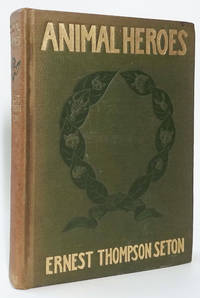
1905009031New York: Charles Scribners Sons 1905 363 pgs. Green cloth titled in gilt pictorially stamped in dark green spine and edges sunned occasional foxing previous owner's name on endpaper all plates present. Tales of a cat a dog a pigeon a lynx two wolves and a reindeer. Illustrated in line and 18 full-page halftone plates. Stated First Impression. Pictorial Cloth. Very Good/No Jacket. Illus. by Ernest Thompson Seton. 8vo. Charles Scribners Sons hardcover
20944Hardcover. Very Good. Boards with light rubbing to extremities. ; Hutchinson's new nature pockets. Two volumes bound in 1/4 cloth and red matching marbled paper. Profusely illustrated and immensely detailed. Original title page bound-in. Nd. 1940s ; 12mo 7" - 7½" tall; 1212 pages . hardcover
200116814<p>New York: Scholastic Press 2001.<i><b> Signed by Brian Selznick on the title pag</b></i>e. First edition / First printing. Illustrated laminated boards. Fine in about fine dust jacket. <i><b>2002 Caldecott Honor Book.</b></i></p> Scholastic Press, hardcover
19670061171967. Hardcover. Good. Publisher: Dover Publications 1967 Good HB 239 pp EX-LIB cover wear/rubbed. corners slightly bumped. hardcover
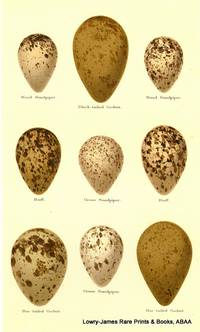
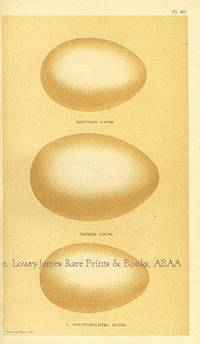
18966637Sheffield:: Pawson and Brailsford 1896. First edition. Near Fine Condition. Minor foxing to edge of plate not effecting the image. A Fine Original Chromolithograph. Octavo 5.75 x 10 inches. Presented in a neutral rag mat: 12 x 16 inches. In recognition of the complete order of Ornithology the nineteenth century naturalist's collection would contain at least one Oology; a collection or study of eggs. Henry Seebohm's Eggs of British Birds are among the finest. Organized by type; Shorebird Songbird Gamebird or Bird of Prey and systematically arranged by size these original chromolithographs are richly printed from multiple stones allowing for a subtle variation of color and texture not commonly found in many egg prints of this period. Historical text documentation accompanies the plate. Wood 561. Matted in neutral rag mat sized to 12 x 16 inches. Pawson and Brailsford, unknown
18966643Sheffield:: Pawson and Brailsford 1896. First edition. Near Fine Condition. Minor foxing to edge of plate not effecting the image. . A Fine Original Chromolithograph. Octavo 5.75 x 10 inches. Presented in a neutral rag mat: 12 x 16 inches. In recognition of the complete order of Ornithology the nineteenth century naturalist's collection would contain at least one Oology; a collection or study of eggs. Henry Seebohm's Eggs of British Birds are among the finest. Organized by type; Shorebird Songbird Gamebird or Bird of Prey and systematically arranged by size these original chromolithographs are richly printed from multiple stones allowing for a subtle variation of color and texture not commonly found in many egg prints of this period. Historical text documentation accompanies the plate. Wood 561. Matted in neutral rag mat sized to 12 x 16 inches. Pawson and Brailsford, unknown
18963984Sheffield:: Pawson and Brailsford 1896. First edition. Near Fine Condition. Minor foxing to edge of plate not effecting the image. . A Fine Original Chromolithograph. Octavo 5.75 x 10 inches. Presented in a neutral rag mat: 12 x 16 inches. In recognition of the complete order of Ornithology the nineteenth century naturalist's collection would contain at least one Oology; a collection or study of eggs. Henry Seebohm's Eggs of British Birds are among the finest. Organized by type; Shorebird Songbird Gamebird or Bird of Prey and systematically arranged by size these original chromolithographs are richly printed from multiple stones allowing for a subtle variation of color and texture not commonly found in many egg prints of this period. Historical text documentation accompanies the plate. Wood 561. Matted in neutral rag mat sized to 12 x 16 inches. Pawson and Brailsford, unknown
18836640London:: Porter & Dulau 1883-85. First edition. Fine Condition. . A Fine Original Chromolithograph. Octavo 5.75 x 10 inches. Presented in a neutral rag mat: 12 x 16 inches. In recognition of the complete order of Ornithology the nineteenth century naturalist's collection would contain at least one Oology; a collection or study of eggs. Henry Seebohm's Eggs of British Birds are among the finest. Organized by type; Shorebird Songbird Gamebird or Bird of Prey and systematically arranged by size these original chromolithographs are richly printed from multiple stones allowing for a subtle variation of color and texture not commonly found in many egg prints of this period. Historical text documentation accompanies the plate. Wood 561. Matted in neutral rag mat sized to 12 x 16 inches. Porter & Dulau, unknown
18966635Sheffield:: Pawson and Brailsford 1896. First edition. Near Fine Condition. Minor foxing to edge of plate not effecting the image. A Fine Original Chromolithograph. Octavo 5.75 x 10 inches. Presented in a neutral rag mat: 12 x 16 inches. In recognition of the complete order of Ornithology the nineteenth century naturalist's collection would contain at least one Oology; a collection or study of eggs. Henry Seebohm's Eggs of British Birds are among the finest. Organized by type; Shorebird Songbird Gamebird or Bird of Prey and systematically arranged by size these original chromolithographs are richly printed from multiple stones allowing for a subtle variation of color and texture not commonly found in many egg prints of this period. Historical text documentation accompanies the plate. Wood 561. Matted in neutral rag mat sized to 12 x 16 inches. Pawson and Brailsford, unknown
18963968Sheffield:: Pawson and Brailsford 1896. First edition. Near Fine Condition. Minor foxing to edge of plate not effecting the image. . A Fine Original Chromolithograph. Octavo 5.75 x 10 inches. Presented in a neutral rag mat: 12 x 16 inches. In recognition of the complete order of Ornithology the nineteenth century naturalist's collection would contain at least one Oology; a collection or study of eggs. Henry Seebohm's Eggs of British Birds are among the finest. Organized by type; Shorebird Songbird Gamebird or Bird of Prey and systematically arranged by size these original chromolithographs are richly printed from multiple stones allowing for a subtle variation of color and texture not commonly found in many egg prints of this period. Historical text documentation accompanies the plate. Wood 561. Matted in neutral rag mat sized to 12 x 16 inches. Pawson and Brailsford, unknown
18966634Sheffield:: Pawson and Brailsford 1896. First. Near Fine Condition. Light foxing to paper edges not effecting the image. . A Fine Original Chromolithograph. Octavo 5.75 x 10 inches. Presented in a neutral rag mat: 12 x 16 inches. In recognition of the complete order of Ornithology the nineteenth century naturalist's collection would contain at least one Oology; a collection or study of eggs. Henry Seebohm's Eggs of British Birds are among the finest. Organized by type; Shorebird Songbird Gamebird or Bird of Prey and systematically arranged by size these original chromolithographs are richly printed from multiple stones allowing for a subtle variation of color and texture not commonly found in many egg prints of this period. Historical text documentation accompanies the plate. Wood 561. Matted in neutral rag mat sized to 12 x 16 inches. Pawson and Brailsford, unknown
18966641Sheffield:: Pawson and Brailsford 1896. First edition. Near Fine Condition. Minor foxing to edge of plate not effecting the image. . A Fine Original Chromolithograph. Octavo 5.75 x 10 inches. Presented in a neutral rag mat: 12 x 16 inches. In recognition of the complete order of Ornithology the nineteenth century naturalist's collection would contain at least one Oology; a collection or study of eggs. Henry Seebohm's Eggs of British Birds are among the finest. Organized by type; Shorebird Songbird Gamebird or Bird of Prey and systematically arranged by size these original chromolithographs are richly printed from multiple stones allowing for a subtle variation of color and texture not commonly found in many egg prints of this period. Historical text documentation accompanies the plate. Wood 561. Matted in neutral rag mat sized to 12 x 16 inches. Pawson and Brailsford, unknown
18833591London:: Porter & Dulau 1883-85. First edition. Fine Condition. . A Fine Original Chromolithograph. Octavo 5.75 x 10 inches. Presented in a neutral rag mat: 12 x 16 inches. In recognition of the complete order of Ornithology the nineteenth century naturalist's collection would contain at least one Oology; a collection or study of eggs. Henry Seebohm's Eggs of British Birds are among the finest. Organized by type; Shorebird Songbird Gamebird or Bird of Prey and systematically arranged by size these original chromolithographs are richly printed from multiple stones allowing for a subtle variation of color and texture not commonly found in many egg prints of this period. Historical text documentation accompanies the plate. Wood 561. Matted in neutral rag mat sized to 12 x 16 inches. Porter & Dulau, unknown
18833596London:: Porter & Dulau 1883-85. First edition. Fine Condition. . A Fine Original Chromolithograph. Octavo 5.75 x 10 inches. Presented in a neutral rag mat: 12 x 16 inches. In recognition of the complete order of Ornithology the nineteenth century naturalist's collection would contain at least one Oology; a collection or study of eggs. Henry Seebohm's Eggs of British Birds are among the finest. Organized by type; Shorebird Songbird Gamebird or Bird of Prey and systematically arranged by size these original chromolithographs are richly printed from multiple stones allowing for a subtle variation of color and texture not commonly found in many egg prints of this period. Historical text documentation accompanies the plate. Wood 561. Matted in neutral rag mat sized to 12 x 16 inches. Porter & Dulau, unknown
18963961Sheffield:: Pawson and Brailsford 1896. First edition. Fine Condition. . A Fine Original Chromolithograph. Octavo 5.75 x 10 inches. Presented in a neutral rag mat: 12 x 16 inches. In recognition of the complete order of Ornithology the nineteenth century naturalist's collection would contain at least one Oology; a collection or study of eggs. Henry Seebohm's Eggs of British Birds are among the finest. Organized by type; Shorebird Songbird Gamebird or Bird of Prey and systematically arranged by size these original chromolithographs are richly printed from multiple stones allowing for a subtle variation of color and texture not commonly found in many egg prints of this period. Historical text documentation accompanies the plate. Wood 561. Matted in neutral rag mat sized to 12 x 16 inches. Pawson and Brailsford, unknown
18833600London:: Porter & Dulau 1883-85. First edition. Fine Condition. . A Fine Original Chromolithograph. Octavo 5.75 x 10 inches. Presented in a neutral rag mat: 12 x 16 inches. In recognition of the complete order of Ornithology the nineteenth century naturalist's collection would contain at least one Oology; a collection or study of eggs. Henry Seebohm's Eggs of British Birds are among the finest. Organized by type; Shorebird Songbird Gamebird or Bird of Prey and systematically arranged by size these original chromolithographs are richly printed from multiple stones allowing for a subtle variation of color and texture not commonly found in many egg prints of this period. Historical text documentation accompanies the plate. Wood 561. Matted in neutral rag mat sized to 12 x 16 inches. Porter & Dulau, unknown