LIGER (Louis).Livre Rare Book
68 résultats
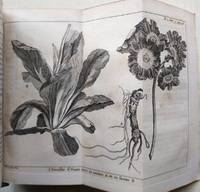
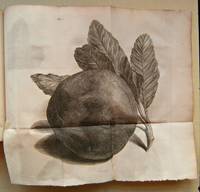
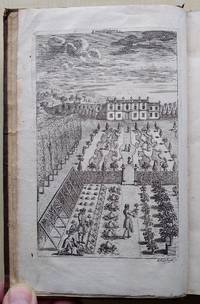
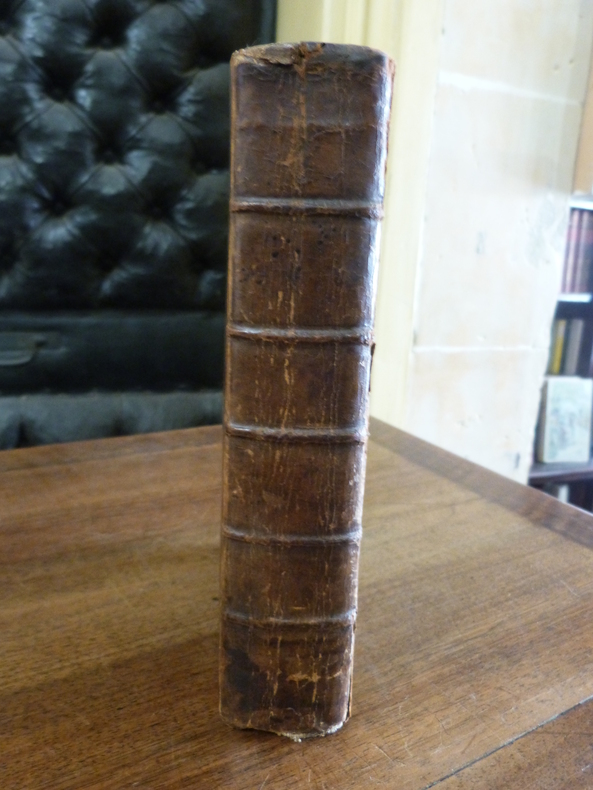
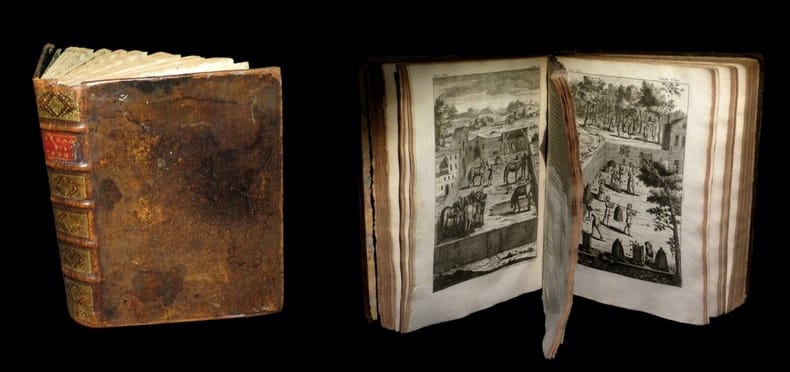
172321374A Paris, chez Damien Beugnié, 1723. Un fort vol. au format in-4 (252 x 190 mm) de 10 ff. n.fol., 740 pp. et 1 f. bl. Reliure de l'époque de plein veau glacé et moucheté brun, double filet à froid encadrant les plats, dos à nerfs richement orné de filets gras à froid, caissons et caissons en pointillés d'encadrement dorés, large décor fleuronné doré, semis de fleurettes et de pointillés dorés, pièce de titre de maroquin cerise, titre doré, palette dorée en queue, roulette dorée sur les coupes, toutes tranches mouchetées.
1735020847Autrecht: Etienne Neaulme 1735. Illustrated with an engraved frontispiece 17 charming engraved plates a vignette title page printed in red and black 12mo pp xviii 214 a little age-toned and a few blemished internall;y but otherwise in good condition contemporary panelled sprinkled calf sympathetically re-backed with a recent spine. A multi-volume work of which this is devoted to various garden plants and garden plans. An attractive copy with the armorial bookplate of Lord Viscount Montague. Full Leather. Very Good. Etienne Neaulme Hardcover
1750015882Leyden & Amsterdam: Samuel Luchtmans & Meynard Uytwerf 1750. Illustrated with 13 finely engraved plates one with a tear and one with tears along the folds one full page plan within the text small quarto pp xxiv 6 412 32 contents a little age-toned but otherwise remarkably clean pages unpressed lacking the half-title contemporary full calf rather worn particularly at the corners joints cracked lacking the lower panel of the spine and a small piece at the head original marbled endpapers. LACKING one plate. "French edition of the first treatise in Dutch to provide a theoretical basis for garden design. It also addressed various practical issues including the cultivation of plants propagation and stove and hothouse technology the latter presumably embodying the knowledge held within the family - the author's father having grown the first pineapple at Meerburg in 1658" - Patrick Taylor . Full-Leather. Good. Samuel Luchtmans & Meynard Uytwerf Hardcover
176513412DBNürnberg, Verlegts Wolfgang Schwarzkopf, 1765. Klein-8°. 17,5 x 11,0 cm. Gestochenes Frontispiz, Titelblatt, [6] Blatt, 158 Seiten, 8 Blatt Kupfer. 45 Seiten, 32 und 24 Seiten. Einfacher Pappband der Zeit, gebunden.
17961108361Wien, Doll, 1796. 173, (3); 102 S., 2 Bl., 3 Bl. Verlagsanzeigen. Hldrbd d. Zeit m. Rverg. (St. a. T.).
1731018259Paternoster Row & St Paul's Churchyard London: J & J Knapton; A Bettesworth & C. Hitch; J. Pemberton & D. Browne 1731. Sixth edition. The title pages to parts II and III are dated 1730 as is Hereforshire Orchards;the title page to the appendix is 1731. Thick octavo pp xiv 608 25 with an engraved frontispiece and thirteen engraved plates of which eight are folding several plates are folded awkwardly and several have frayed margins but only one has very slight loss of the engraved surface and it is this one which protrudes slightly from the fore-edge some age-toning occasional small splash marks a little wear throughout light early manuscript notes on the front endpapers contemporary full calf a bit worn and marked but perfectly sound lacking tiny pieces at head and tail of the spine the remains of a contemporary manuscript label on the spine. A reasonably good copy of one of the most influential of eighteenth century gardening books. Blanche Henrey 503. Little is known about Bradley's childhood aside from an early interest in gardening and the fact that he lived in the vicinity of London a city at the time with many amateur naturalists. Though Bradley lacked a university education his first publication Treatise of Succulent Plants gained him traction with influential patrons like James Petiver and later Hans Sloane. With their support he was proposed and elected a Fellow of the Royal Society in 1712 at the age of 24. Two years later Bradley visited the Netherlands and took an interest in horticulture. He spent the next decade back in England writing treatises on topics related to this central interest like weather fertiliser productivity and plant hybridisation. In recognition of his work in the field and with the thereafter unfulfilled promise that he would found and fund a university botanical garden the University of Cambridge named Bradley its first professor of botany in 1724 a position he would hold until his death. As Bradley was not a wealthy man in his later life and as this was an unsalaried position the newly minted academic continued to focus most of his efforts on making a living through publishing. According to his rival and successor John Martyn as well as his successor son Thomas Martyn Bradley did this at the expense of his students whom he reportedly neglected to even lecture to. Bradley made notable innovations and discoveries across a wide array of disciplines. For example this work included directions for the making and use of a rudimentary kaleidoscope to aid in formal garden design and layout. He also wrote about cooking and was the first to publish recipes in the English language using the then-exotic pineapple as the main ingredient. His History of Succulent plants was the seminal treatise on the topic and his studies of tulips and auriculas helped further accurate theories of plant reproduction. Bradley was also a pioneer in the examining of fungal spore germination and the pollination of plants by insects. His publications additionally contained information on how to build and use greenhouses early theories regarding agricultural productivity and pond ecology. . Sixth edition. Half-Leather. Fair. J & J Knapton; A Bettesworth & C. Hitch; J. Pemberton & D. Browne Hardcover
1726DEZ-8995London, W. Mears, 1726. In-8, plein veau époque, reliure anglaise, dos à nerfs muet, plats encadrés de deux doubles filet estampés à froid et ornés de motifs floraux estampés à froid. Titre, 7 ff non chiffrés, 608 pp, 12 ff non chiffrés. Ouvrage illustré d'un frontispice et de 13 planches, dont 10 dépliantes. Coiffe inférieure manquante, coiffe supérieure abimée, mors supérieur fendu (mais toujours solide, mors inférieur partiellement fendu, coins émoussés, tache sur les plats, rousseurs, papier roussi, tache d'encre et mouillure sur les pages d'index.
1787168218Lübeck, Donatius, 1787-88. 9 Bl., 572 S. Spät. Hlwdbd. m. Rsch. Teils m. Fehlpagin., aber komplett. St. a. Tit. Gebräunt.
17504823DBGöttingen, Vandenhoeck, 1750. 8°. 16, 410 (recte 393) S., (1) Bl. Halblederband der Zeit mit verg. Rückentitel. + Wichtig: Für unsere Kunden in der EU erfolgt der Versand alle 14 Tage verzollt ab Deutschland / Postbank-Konto in Deutschland vorhanden +, 4823DB|4823DB_2 [2 Warenabbildungen] Aus der achten englischen Ausgabe übersetzt.
17504823DBAus der achten englischen Ausgabe übersetzt. Göttingen, Vandenhoeck, 1750. 8°. 16, 410 (recte 393) S., (1) Bl. Halblederband der Zeit mit verg. Rückentitel.
1796017752London: G. Nicol; G.G.& J. Robinson; J. Debrett 1796. Two volumes octavo pp xxxii 408 8; xx454 4 2 page publisher's advertisement some age-toning throughout otherwise tight and sound contemporary half calf and boards rubbed the boards a bit spotted and marked the second volume has been neatly recased with the original spine laid down. John Whitehall Dod's copy with his engraved crest label in each book. Two neat later signatures also on the endpapers. Published anonymously. Blanche Henrey 1229. "An eminent writer on agriculture and rural economy. This enlarged edition contains additional information on the laying out of grounds and descriptions of some noted estates visited by the author together with his critical remarks and suggested improvements. Second edition. Half Leather. Good. G. Nicol; G.G.& J. Robinson; J. Debrett Hardcover
1728015566The Cross-Keys between temple Gates Fleet Street: Bernard Lintot 1728. Third edition. An engraved portrait frontispiece four engraved allegorical plates one folding engraved garden plan small octavo pp liii i 200 8 a two-page publisher's list the frontispiece is a little marked in the inner margin possibly from sellotape residue and both this and the title page are a bit age-toned the verso of the frontispiece has some late Victorian inscriptions otherwise the contents are quite clean bound in fairly recent boards with a paper spine label the upper boards a little marked. Blanche Henrey 1255 devoting a page of text and three illustrations to it - "long remained popular and quotations from it are to be found in many 17th and 18th century books on English gardening". This third English editiuon is the only one to include the extra plate. It was originally published in France in 1665. The translator was Subdean of Lincoln Cathedral and Switzer describes him as "a great lover of gardening". Boards. Good. Bernard Lintot Hardcover
175419820Gottingue & Leide Elie Luzac Fils 1754 in-4 plein-veau un volume, reliure plein veau havane marbré (binding full calfskin) in-quarto (21 x 25,5 cm), Reliure d'époque, dos long (spine without raised bands), dos décoré or (gilt decoration), titre frappé or, pièce de titre sur fond havane avec double filets or en encadrement, roulettes or "vague" en place des nerfs et en tête et en pied (fillets on the place of raised bands and top and at the foot of spine), plats légèrement épidermés (light scratches), toutes tranches lisses jaunes, titre imprimé en rouge et noir, orné d'une vignette gravée sur la page de titre par J. Wandelaar + 31 une planches dépliantes gravées sur bois en noir par J. Wandelaar, J. van der Schley après les dessins de Soubeyran ,VIII + 343 + (1) pages, 1754 à Gottingue & Leide, chez Elie Luzac Fils Imprimeur-Libraire Editeur,
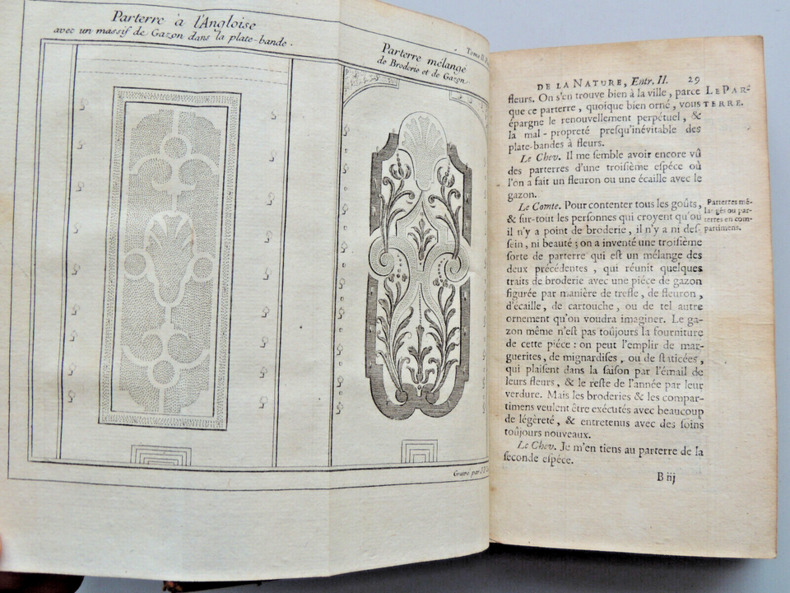
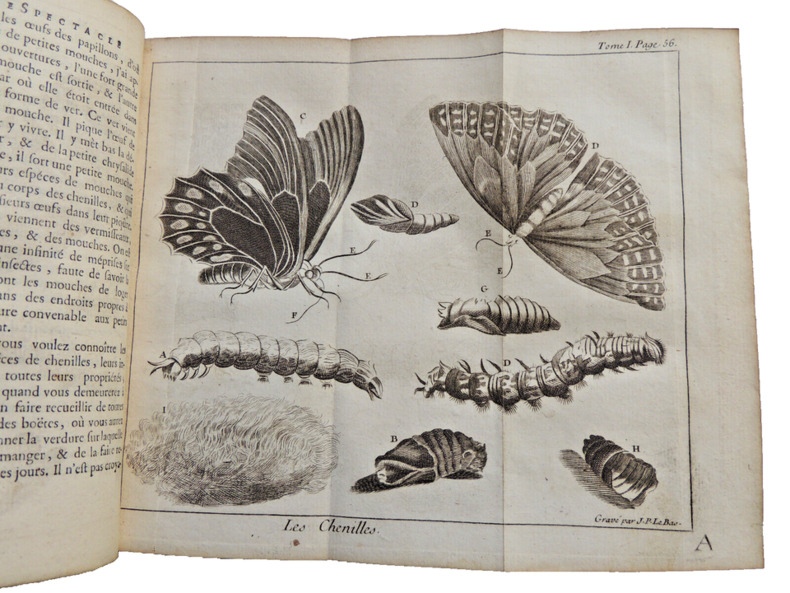
1748CZC-12640Le spectacle de la nature, ou entretiens sur les particularités de l'histoire naturelle qui ont paru les plus propres à rendre les jeunes gens curieux et à leur former l'esprit. Un des plus importants ouvrages de vulgarisation des sciences naturelles du XVIIIe siècle, qui cependant en dépasse le cadre. D'esprit encyclopédique, il est rédigé sous forme d'entretien, et s'intéresse à tout ce qui concerne également l'homme. Il aborde et développe des passages sur l'éducation, le logement, les différentes formes de gouvernement, la religion, l'habillement, l'astrologie, la marine. Tome II, seconde partie, contenant ce qui regarde les dehors & l'intérieur de la Terre. (36 planches + frontispice en taille douce gravées par Lebas). vol in-12, 180x120, relié pleine basane époque, accrocs, solidement relié, 468pp, bon exemplaire Paris, Chez les Frères Estienne 1748 ref/26
1748CZC-12640Le spectacle de la nature, ou entretiens sur les particularités de l'histoire naturelle qui ont paru les plus propres à rendre les jeunes gens curieux et à leur former l'esprit. Un des plus importants ouvrages de vulgarisation des sciences naturelles du XVIIIe siècle, qui cependant en dépasse le cadre. D'esprit encyclopédique, il est rédigé sous forme d'entretien, et s'intéresse à tout ce qui concerne également l'homme. Il aborde et développe des passages sur l'éducation, le logement, les différentes formes de gouvernement, la religion, l'habillement, l'astrologie, la marine. Tome II, seconde partie, contenant ce qui regarde les dehors & l'intérieur de la Terre. (36 planches + frontispice en taille douce gravées par Lebas). vol in-12, 180x120, relié pleine basane époque, accrocs, solidement relié, 468pp, bon exemplaire Paris, Chez les Frères Estienne 1748 ref/26
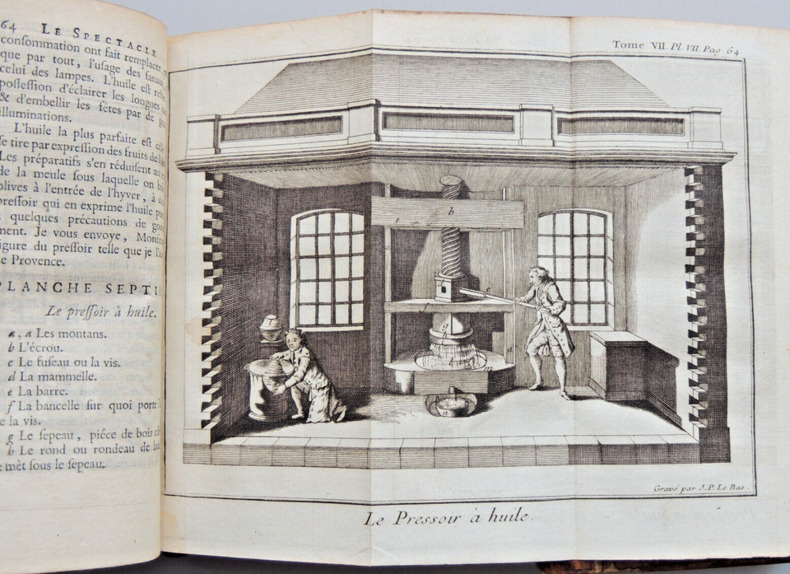
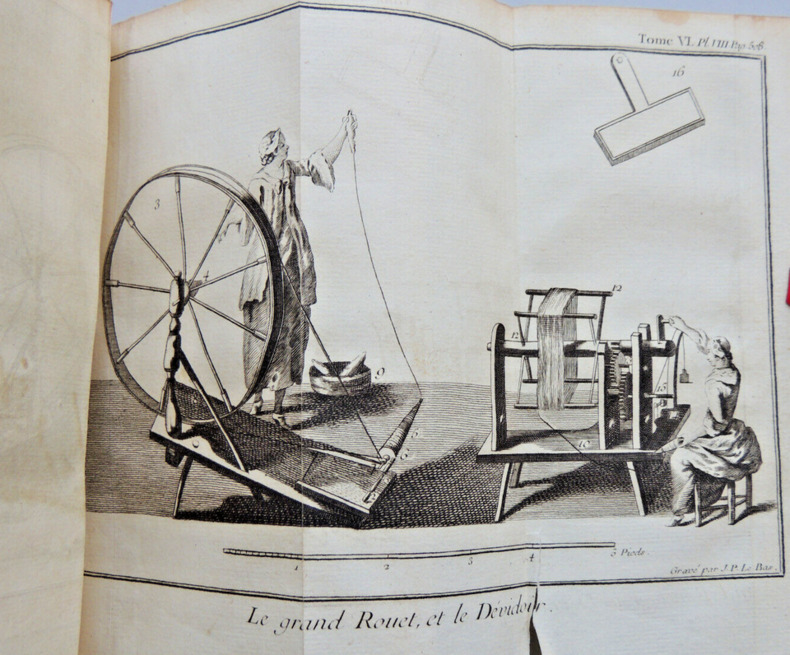
1748CZC-12641Le spectacle de la nature, ou entretiens sur les particularités de l'histoire naturelle qui ont paru les plus propres à rendre les jeunes gens curieux et à leur former l'esprit. Un des plus importants ouvrages de vulgarisation des sciences naturelles du XVIIIe siècle, qui cependant en dépasse le cadre. D'esprit encyclopédique, il est rédigé sous forme d'entretien, et s'intéresse à tout ce qui concerne également l'homme. Il aborde et développe des passages sur l'éducation, le logement, les différentes formes de gouvernement, la religion, l'habillement, l'astrologie, la marine. Tome VI, Contenant ce qui regarde l'Homme en Société. 30 planches + frontispice en taille douce gravées par Lebas). vol in-12, 180x120, relié pleine basane époque, accrocs, solidement relié, 600pp, bon exemplaire Paris, Chez les Frères Estienne 1747 ref/24
1748CZC-12641Le spectacle de la nature, ou entretiens sur les particularités de l'histoire naturelle qui ont paru les plus propres à rendre les jeunes gens curieux et à leur former l'esprit. Un des plus importants ouvrages de vulgarisation des sciences naturelles du XVIIIe siècle, qui cependant en dépasse le cadre. D'esprit encyclopédique, il est rédigé sous forme d'entretien, et s'intéresse à tout ce qui concerne également l'homme. Il aborde et développe des passages sur l'éducation, le logement, les différentes formes de gouvernement, la religion, l'habillement, l'astrologie, la marine. Tome VI, Contenant ce qui regarde l'Homme en Société. 30 planches + frontispice en taille douce gravées par Lebas). vol in-12, 180x120, relié pleine basane époque, accrocs, solidement relié, 600pp, bon exemplaire Paris, Chez les Frères Estienne 1747 ref/24
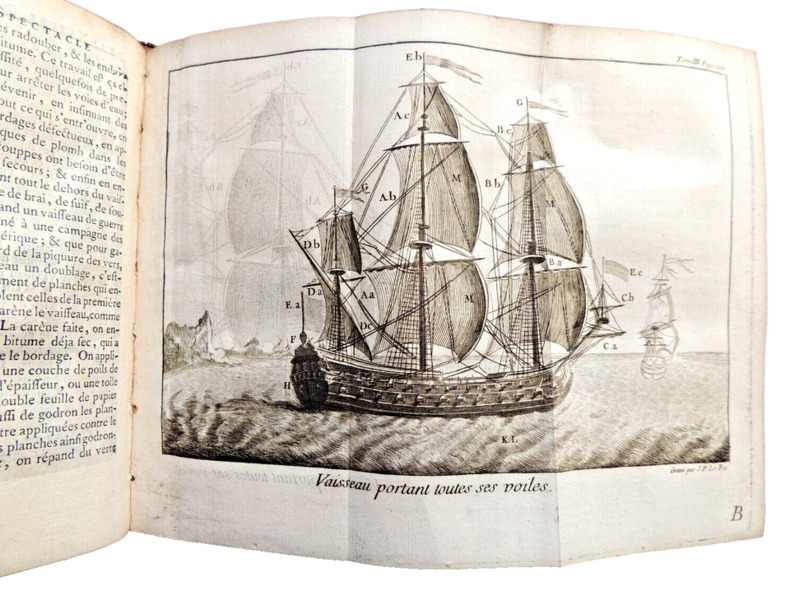
1768CZC-12644Le spectacle de la nature, ou entretiens sur les particularités de l'histoire naturelle qui ont paru les plus propres à rendre les jeunes gens curieux et à leur former l'esprit. Un des plus importants ouvrages de vulgarisation des sciences naturelles du XVIIIe siècle, qui cependant en dépasse le cadre. D'esprit encyclopédique, il est rédigé sous forme d'entretien, et s'intéresse à tout ce qui concerne également l'homme. Il aborde et développe des passages sur l'éducation, le logement, les différentes formes de gouvernement, la religion, l'habillement, l'astrologie, la marine. Tome III, . Contenant ce qui regarde les dehors & l'intérieur de la Terre, suite de la seconde partie. 31 planches + frontispice en taille douce gravées par Lebas). vol in-12, 180x120, relié pleine basane époque, accrocs, solidement relié, 575pp, bon exemplaire Amsterdam, au dépens de la Compagnie, 1741 ref/26
1768CZC-12644Le spectacle de la nature, ou entretiens sur les particularités de l'histoire naturelle qui ont paru les plus propres à rendre les jeunes gens curieux et à leur former l'esprit. Un des plus importants ouvrages de vulgarisation des sciences naturelles du XVIIIe siècle, qui cependant en dépasse le cadre. D'esprit encyclopédique, il est rédigé sous forme d'entretien, et s'intéresse à tout ce qui concerne également l'homme. Il aborde et développe des passages sur l'éducation, le logement, les différentes formes de gouvernement, la religion, l'habillement, l'astrologie, la marine. Tome III, . Contenant ce qui regarde les dehors & l'intérieur de la Terre, suite de la seconde partie. 31 planches + frontispice en taille douce gravées par Lebas). vol in-12, 180x120, relié pleine basane époque, accrocs, solidement relié, 575pp, bon exemplaire Amsterdam, au dépens de la Compagnie, 1741 ref/26
1748CZC-12645Le spectacle de la nature, ou entretiens sur les particularités de l'histoire naturelle qui ont paru les plus propres à rendre les jeunes gens curieux et à leur former l'esprit. Tome VI, Contenant ce qui regarde l'Homme en Société. 30 planches + frontispice en taille douce gravées par Lebas). vol in-12, 180x120, relié pleine basane époque, accrocs, solidement relié, 600pp, bon exemplaire Paris, Chez les Frères Estienne 1747 ref/24
1748CZC-12645Le spectacle de la nature, ou entretiens sur les particularités de l'histoire naturelle qui ont paru les plus propres à rendre les jeunes gens curieux et à leur former l'esprit. Tome VI, Contenant ce qui regarde l'Homme en Société. 30 planches + frontispice en taille douce gravées par Lebas). vol in-12, 180x120, relié pleine basane époque, accrocs, solidement relié, 600pp, bon exemplaire Paris, Chez les Frères Estienne 1747 ref/24
1768CZC-12643Le spectacle de la nature, ou entretiens sur les particularités de l'histoire naturelle qui ont paru les plus propres à rendre les jeunes gens curieux et à leur former l'esprit. Un des plus importants ouvrages de vulgarisation des sciences naturelles du XVIIIe siècle, qui cependant en dépasse le cadre. D'esprit encyclopédique, il est rédigé sous forme d'entretien, et s'intéresse à tout ce qui concerne également l'homme. Il aborde et développe des passages sur l'éducation, le logement, les différentes formes de gouvernement, la religion, l'habillement, l'astrologie, la marine. Tome III, . Contenant ce qui regarde les dehors & l'intérieur de la Terre, suite de la seconde partie. 31 planches + frontispice en taille douce gravées par Lebas). vol in-12, 180x120, relié pleine basane époque, accrocs, solidement relié, 575pp, bon exemplaire Paris, Chez la Veuve Estienne 1768 ref/26
1768CZC-12643Le spectacle de la nature, ou entretiens sur les particularités de l'histoire naturelle qui ont paru les plus propres à rendre les jeunes gens curieux et à leur former l'esprit. Un des plus importants ouvrages de vulgarisation des sciences naturelles du XVIIIe siècle, qui cependant en dépasse le cadre. D'esprit encyclopédique, il est rédigé sous forme d'entretien, et s'intéresse à tout ce qui concerne également l'homme. Il aborde et développe des passages sur l'éducation, le logement, les différentes formes de gouvernement, la religion, l'habillement, l'astrologie, la marine. Tome III, . Contenant ce qui regarde les dehors & l'intérieur de la Terre, suite de la seconde partie. 31 planches + frontispice en taille douce gravées par Lebas). vol in-12, 180x120, relié pleine basane époque, accrocs, solidement relié, 575pp, bon exemplaire Paris, Chez la Veuve Estienne 1768 ref/26
17976782EBTübingen, J. K. Cotta'sche Buchhandlung, [1797]. 12°. 11,5 cm. Titelblatt, 1 Blatt, 212 Seiten, 2 Blatt. Illustrierte Original-Broschur. [5 Warenabbildungen]
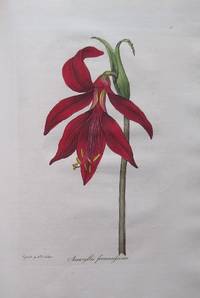
1791017068St Paul's Churchyard London: J. Johnson 1791. Two volumes bound in one. Volume 1 - Second edition 1791. Volume 2 - Third edition 1791. Blanche Henrey 470 . Illustrated with two engraved allegorical frontispieces 18 engraved plates one of them folding - the Cypripedium plate which is often lacking - and two hand-coloured quarto pp xii 214 126 ii; x 197 both frontispieces and title pages browned and with some offsetting from plate to title the plates of the Portland Vase and the Fertilisation of Egypt similar this last plate by Blake after Fuseli; the remaining botanical plates clean lacking the corner of page 171/2 a relevant pencilled note at the base of one page a few pages with foxing but otherwise very clean and sound internally with the armorial bookplate of the Dowdeswell family Pull Court Worcestershire on the front endpaper together with a shelf label and a small newspaper clipping; the hand-colouring on the two plates is particularly attractive and there is also an extra engraved plate fixed to the verso of the first titlepage - a portrait of Darwin engraved by Haughton after Rawlinson - this has caused a little waving of the paper; contemporary full calf a little rubbed and scuffed rebacked the old spine laid down and with some wrinkling. Still a good sound copy. The first poem The Economy of Vegetation celebrates technological innovation scientific discovery and offers theories concerning contemporary scientific questions such as the history of the cosmos. The more popular Loves of the Plants promotes revises and illustrates Linnaeus's classification scheme for plants. One of the first popular science books the intent of The Botanic Garden is to pique readers' interest in science while educating them at the same time. By embracing Linnaeus's sexualized language which anthropomorphizes plants Darwin intended to make botany interesting and relevant to the readers of his time. Darwin emphasizes the connections between humanity and plants arguing that they are all part of the same natural world and that sexual reproduction is at the heart of evolution ideas that his grandson Charles Darwin would later turn into a full-fledged theory of evolution. This evolutionary theme continues in The Economy of Vegetation which contends that scientific progress is part of evolution and urges its readers to celebrate inventors and scientific discoveries in a language usually reserved for heroes or artistic geniuses. Darwin's attempt to popularize science and to convey the wonders of scientific discovery and technological innovation through poetry helped initiate a tradition of popular science writing that continues to the present day. Full Leather. Good. J. Johnson Hardcover