St Amour, BillBiblio.com

4 800 résultats
1490727949.Ghardcover. Good. Access codes and supplements are not guaranteed with used items. May be an ex-library book. hardcover
1466995661.Gpaperback. Good. Access codes and supplements are not guaranteed with used items. May be an ex-library book. paperback
1426991282.Ghardcover. Good. Access codes and supplements are not guaranteed with used items. May be an ex-library book. hardcover
1773022636.Ghardcover. Good. Access codes and supplements are not guaranteed with used items. May be an ex-library book. hardcover
2001Q-1565231511Fox Chapel Publishing Co 2001-01-01. Paperback. New. In shrink wrap. Looks like an interesting title! Fox Chapel Publishing Co paperback
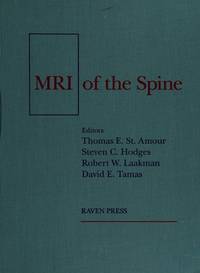
BN78809Hardcover. MRI of the Spine <br/><br/> hardcover
1997x-0807846821Univ of North Carolina Pr 1997. Paperback. New. reprint edition. 400 pages. 9.25x7.00x1.00 inches. Univ of North Carolina Pr paperback
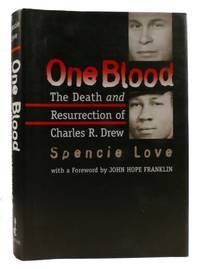
B9780807846827Paperback / softback. New. This work traces the life of Charles R. Drew and the legacy of his death after a road accident in North Carolina April 1950. Within hours rumours spread that the man who had helped create the American Red Cross blood bank had bled to death because a whites-only hospital refused to treat him. paperback
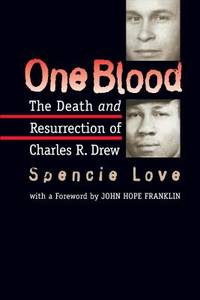
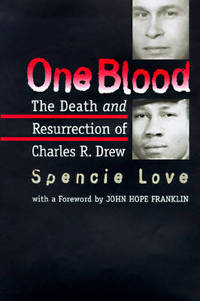
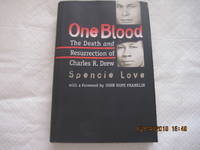
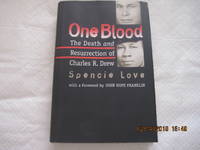
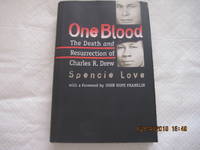
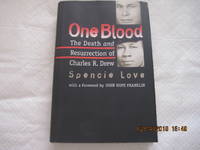
1996#2229-22019<p>One Blood traces both the life of the famous black surgeon and blood plasma pioneer Dr. Charles Drew and the well-known legend about his death. On April 1 1950 Drew died after an auto accident in rural North Carolina. Within hours rumors spread: the man who helped create the first American Red Cross blood bank had bled to death because a whites-only hospital refused to treat him. Drew was in fact treated in the emergency room of the small segregated Alamance General Hospital. Two white surgeons worked hard to save him but he died after about an hour. In her compelling chronicle of Drew's life and death Spencie Love shows that in a generic sense the Drew legend is true: throughout the segregated era African Americans were turned away at hospital doors either because the hospitals were whites-only or because the 'black beds' were full. Love describes the fate of a young black World War II veteran who died after being turned away from Duke Hospital following an auto accident that occurred in the same year and the same county as Drew's. African Americans are shown to have figuratively 'bled to death' at white hands from the time they were first brought to this country as slaves. By preserving their own stories Love says they have proven the enduring value of oral history.</p><p><strong>Insurance & handling is included free. Extra Charges/Fees apply on Shipments Outside The U.S. and Expedited Shipments. Oversize and/or heavy books may require additional fees. Will advise Updated 2.23.2025 Biblio #2229-22019 </strong></p> University of North Carolina Press hardcover
1996#2230-22019<p>One Blood traces both the life of the famous black surgeon and blood plasma pioneer Dr. Charles Drew and the well-known legend about his death. On April 1 1950 Drew died after an auto accident in rural North Carolina. Within hours rumors spread: the man who helped create the first American Red Cross blood bank had bled to death because a whites-only hospital refused to treat him. Drew was in fact treated in the emergency room of the small segregated Alamance General Hospital. Two white surgeons worked hard to save him but he died after about an hour. In her compelling chronicle of Drew's life and death Spencie Love shows that in a generic sense the Drew legend is true: throughout the segregated era African Americans were turned away at hospital doors either because the hospitals were whites-only or because the 'black beds' were full. Love describes the fate of a young black World War II veteran who died after being turned away from Duke Hospital following an auto accident that occurred in the same year and the same county as Drew's. African Americans are shown to have figuratively 'bled to death' at white hands from the time they were first brought to this country as slaves. By preserving their own stories Love says they have proven the enduring value of oral history. General Interest/Race Relations.</p><p><strong>Insurance & handling is included free. Extra Charges/Fees apply on Shipments Outside The U.S. and Expedited Shipments. Oversize and/or heavy books may require additional fees. Will advise Updated 2.23.2025 Biblio #2230-22019</strong></p> University of North Carolina Press hardcover
1996#2231-22019<p><strong>One tiny chip on edge</strong>. One Blood traces both the life of the famous black surgeon and blood plasma pioneer Dr. Charles Drew and the well-known legend about his death. On April 1 1950 Drew died after an auto accident in rural North Carolina. Within hours rumors spread: the man who helped create the first American Red Cross blood bank had bled to death because a whites-only hospital refused to treat him. Drew was in fact treated in the emergency room of the small segregated Alamance General Hospital. Two white surgeons worked hard to save him but he died after about an hour. In her compelling chronicle of Drew's life and death Spencie Love shows that in a generic sense the Drew legend is true: throughout the segregated era African Americans were turned away at hospital doors either because the hospitals were whites-only or because the 'black beds' were full. Love describes the fate of a young black World War II veteran who died after being turned away from Duke Hospital following an auto accident that occurred in the same year and the same county as Drew's. African Americans are shown to have figuratively 'bled to death' at white hands from the time they were first brought to this country as slaves. By preserving their own stories Love says they have proven the enduring value of oral history. General Interest/Race Relations.</p><p>I<strong>nsurance & handling is included free. Extra Charges/Fees apply on Shipments Outside The U.S. and Expedited Shipments. Oversize and/or heavy books may require additional fees. Will advise</strong> Updated 2.25.2025 #2231-22019 Biblio 9.16.2020 4 copies </p> University of North Carolina Press hardcover
1996#2232-22019<p>One Blood traces both the life of the famous black surgeon and blood plasma pioneer Dr. Charles Drew and the well-known legend about his death. On April 1 1950 Drew died after an auto accident in rural North Carolina. Within hours rumors spread: the man who helped create the first American Red Cross blood bank had bled to death because a whites-only hospital refused to treat him. Drew was in fact treated in the emergency room of the small segregated Alamance General Hospital. Two white surgeons worked hard to save him but he died after about an hour. In her compelling chronicle of Drew's life and death Spencie Love shows that in a generic sense the Drew legend is true: throughout the segregated era African Americans were turned away at hospital doors either because the hospitals were whites-only or because the 'black beds' were full. Love describes the fate of a young black World War II veteran who died after being turned away from Duke Hospital following an auto accident that occurred in the same year and the same county as Drew's. African Americans are shown to have figuratively 'bled to death' at white hands from the time they were first brought to this country as slaves. By preserving their own stories Love says they have proven the enduring value of oral history. General Interest/Race Relations</p><p><strong>Insurance & handling is included free. Extra Charges/Fees apply on Shipments Outside The U.S. and Expedited Shipments. Oversize and/or heavy books may require additional fees. Will advise Updated 2.23.2025 Biblio </strong> #2232-22019 Biblio 9.16.2020 4 copies</p> University of North Carolina Press hardcover
1996320169North Carolina: University of North Carolina Press 1996. First Edition; First Printing. Hardcover. Near Fine in a Near Fine dust jacket.; 400 pages. University of North Carolina Press hardcover
19932090202118200150Not Available 1993. Soft Cover. Fine. The book is in fine condition. Not Available paperback
19802090502113717674Not Available 1980. Soft Cover. Fine. The book is in fine condition. Not Available paperback
19892090502113712583Not Available 1989. Soft Cover. Fine. The book is in fine condition. Not Available paperback
19922090502113715300Not Available 1992. Soft Cover. Fine. The book is in fine condition. Not Available paperback
19962090502113711023Not Available 1996. Soft Cover. Fine. The book is in fine condition. Not Available paperback
19832090502113713870Not Available 1983. Soft Cover. Fine. The book is in fine condition. Not Available paperback
19882090502113703717Not Available 1988. Soft Cover. Fine. The book is in fine condition. Not Available paperback
19892090502113707231Not Available 1989. Soft Cover. Fine. The book is in fine condition. Not Available paperback
19882090502113700850Not Available 1988. Soft Cover. Fine. The book is in fine condition. Not Available paperback
19922090502113709566Not Available 1992. Soft Cover. Fine. The book is in fine condition. Not Available paperback
19962090502113717081Not Available 1996. Soft Cover. Fine. The book is in fine condition. Not Available paperback
19892090502113715922Not Available 1989. Soft Cover. Fine. The book is in fine condition. Not Available paperback