135 résultats
D16616Geneva: Robert Estienne. Hardcover. Very Good. M.D.LVII 1556 -1557 Calend. Marti.. 3 volumes folio 385 x 242 mm. Pagination: I 480 leaves: 10 1188 1281 1; II 468 leaves: 1 287316 2 436; III 433 of 434 leaves lacking final blank: 1336 55 1 41pp. Collation: I: <br /><br />10 a-v8 x-z6 aa6 bb4 aaa-zzz8 aaaa-iiii8 kkkk6 llll8 mmmm-nnnn6; II: oooo-qqqq8 rrrr6 A10 B-Z8 AA-ZZ8 AAA-GGG8 HHH-III6; III: Aa-Zz8 AAa-TTt8 aa-gg8 Aa-Dd8 Ee9 of10. Volumes 1 and 3 with woodcut printers device of Robert Estienne on title page: an olive tree entwined with serpent and man with branches falling to ground around him and excerpt of Romans 11:20 NOLI ALTUM SAPERE SED TIME Be not high-minded but fear first word of title Biblia within woodcut cartouche frame with pastoral scene and grapevines. 20 woodcut text illustrations some full page based on the detailed descriptions of the Tabernacle Solomons Temple implements and architecture including a menorah fol. 75r vestments of the high priest f. 80r also Hirams laver f. 109v and Ezekiels Vision p. 275 several woodcut criblé initials throughout. Text in Latin and Hebrew. 17th-century Dutch vellum embossed with central lozenge design green silk ties; light marginal soiling or staining not severe some light intermittent browning underlining in first few leaves of first volume lacking final blank in third volume light edgewear on the extremities otherwise good and rather exemplary copies of this important publication. This copy formerly in the Shirburn Castle library of The Earl of Macclesfield their North Library bookplate marked '1.H.57'. In 2006 sold at Sothebys London 11 April 2006 lot 2312. <br/><br/>Fifth folio edition of the Latin Bible as Biblia Utriusque Testamenti published by Robert Estienne 15031559 in 1556 but with the original edition of the new Latin translation and commentary on the New Testament by Theodore Beza 15191605; notably this edition appeared contemporaneously with the printing of John Calvins Psalms Commentary. Theodore Beza a French Reformed Protestant theologian and Calvinist produced one Latin and four Greek-Latin editions of the New Testament in his lifetime working carefully through extant Greek manuscript sources. Estiennes great glossed Latin Bible of 1556/57 thus contained the translation of the Old Testament by Dominican philologist Sante Pagnini or Pagninus 14701536 first printed in 1528. Based on the Hebrew Pagninis text is in the center of each page and Bezas translation from the Greek is in smaller type to the side with commentary and alternate readings underneath. The Estienne-Beza Latin Bible with its copious notes and ties to Calvinist theology was of considerable importance in the early modern era. The 20 woodcut biblical illustrations were first used in an Estienne edition of the Bible printed in Paris in 1540. This copy beautifully bound in a Dutch vellum enjoyed placement in one of the finest libraries in Britain from around the mid-18th century. See also Renouard 'Estienne' p. 87; cf. Schreiber 'Estienne' 113. Robert Estienne hardcover books
1919006581Paris: Collection Pierre Corrard. Chez Meynial 1919. First Limited Edition. Folio. . Near Fine. No. 285 of 300 copies. Printed on Japon from the Manufacture Asidzuoka. Folio. 48.5 by 33.5 cm. 4 leaves 8 numbered leaves followed by eight large pochoir plates. Pochoir artwork on top title page. Two title pages and uncertain that either qualifies as half title. The pochoirs are feasts of brilliant seductive color; we would consider this work one of the true high points of the pochoir printing movement from the early 20th century. The artwork can be categorized with equal claim as Impressionist Post-Impressionist or Art Deco. Condition: ribbon tie gone. A touch of light soiling on cover. Otherwise clean fresh with all tissue guards preserved as well. <br /><br /> Collection Pierre Corrard. Chez Meynial books

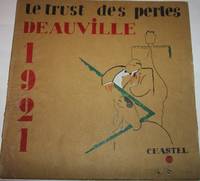
1921006579Chez Jacoub Aulard & Cie. 1921. Limp Card. Paper pastedown on card. . Very Good. No. 58 of 300 copies on "Grande Fibre de Bambou de Cochin-Chine". Folio 38 cm square. 24 pochoir plates 3 of which are double pages with a brief introductory page and a limitation page at the end. Scarce with only two institutional holdings reflected on OCLC First Search both in France. Caricatures bear a superficial resemblance to those of Sem. The subject matter -- the rich pampered louche effete -- come in for gentle drubbing by both artists. But Chastel's caricatures strike us as more cutting edge more modernist and compositionally quite virtuosic in the manner that they can somehow incorporate cubist aesthetics all the time rendering likenesses that we suspect would have been instantly recognizable by contemporaries. And without being strictly speaking realistic Chastel recreates convincingly the atmosphere and spirit of scenes depicted. This being an album about the fashionable channel resort of Deauville we here are shown people at the gaming tables at the race track sur la plage and engaged in drinking dancing smoking and almost always peacocking -- looking to see and be seen! Condition: chipping of the paper along the spine as virtually inevitable given the material. Light soiling on the paper pastedown. Some gentle edge creasing of the leaves within a result of their not having the the exact same measurements and their never having been together. <br /><br /> Chez Jacoub Aulard & Cie. books
6021This item is currently on reserve; please contact dealer for more details. <p>Etching 285mm x 390mm. Trimmed to neatline with insignificant restoration to the upper right corner. Generally very good.<br /><br /></p><p>Very rare no US copy fascinating illustrated broadside sold in Rome during the pandemic of 1656-57 presenting through a series of "snapshots" of the city at this dramatic moment in time a rich and varied iconography of its response to the plague. Printed by Giacomo Molinari and sold in the Strada Nuova behind the church of the Giesu close to Piazza Navona the print is composed of 15 vignettes of different sizes and perspectives along with 20 short explanatory captions alphabetized from A to X at the base of the print keyed to guide the reader to a fuller grasp of the situation. Taken together these scenes were meant to capture the city through the measures taken to contain the spread of the disease cure the afflicted and dispose of the dead.</p><p>Eight are views of civic religious and private resources- some bird's eye encompassing a panorama others close up of specific recognizable buildings- depicting basilicas churches a convent a prison and private residences to give the viewer the scope of the city's repurposed infrastructure. Medieval and modern structures were converted into lazarettos used as temporary quarantine and purgation centers for the afflicted according to the seriousness of their contamination. Two of the views depict the<i> lazaretto brutto </i>leper colony dedicated to the worst cases: the Isola Tiberina and the Convent and Hospital of Santa Maria della Consolazione run by the brothers Hospitallers of Saint John. The Isola Tiberina one of the poorest areas of Rome and close to the Trastevere district with its Jewish ghetto has gates and fences at its perimeter capturing the isolation of the seriously contaminated within its bounds. A depiction of a special boat to ferry the dead Jews and the domestic animals which were tossed live in the Tiber add dramatic macabre details. Three other views are of the <i>lazaretto netto </i>the churches of San Pancras San Eusebio and the private residence of Pius V dedicated to patients with milder cases. In addition there is a representation of a <i>lazzaretto netto e pulito</i> located at the new jail recently built by Pope Innocent X which was used as a <i>stufa</i> something between a Roman bath and a modern sauna where those who were in quarantine in San Pancrazio and San Eusebio were washed and sterilized. The Villa Sandesio is dedicated to the burning of the contaminated clothing. The Basilica of San Paolo le Mure which in fact was the last stop for the afflicted where the deceased received their last sacraments and buried in the mass graves close by is prominently illustrated in the upper left corner.</p><p>Beneath the views 7 smaller vignettes vividly render social scenes during the pandemic: the images include ecclesiastical dignitaries confessors doctors surgeons all actively moving around the city to alleviate the physical and psychological burden of the sick. Guards omnipresent in the images were responsible for transporting the infected by carriage or by foot to their assigned destinations as well as disposing of the dead and of the contaminated clothing and furniture -- often tossing them in a bonfire in the street as shown by the image in the lower right of the print. Such images recorded and served to emphasize the severe laws of "social distancing" between the sick and the healthy then in place. Additionally along the bottom of the print are 20 short explanatory captions alphabetized from A to X and keyed to the views and vignettes to guide the reader to a better understanding of the situation.</p><p>"The management of the Rome plague of 1656-57 was a great success. Its mastermind was the cleric Girolamo Gastaldi who at the start of the outbreak was serving both as the Commissario Generale dei Lazzaretti the Chief Administrator of the epidemic hospitals and the Commissario generale di Sanità per lo Stato della Chiesa… Only 4500 died in Rome about 8% of the population compared to the 150000 who died in Naples and 50000 in Genoa representing over half of their respective populations."—See Michael Widener's comments on Gastaldi's <i>Tractatus</i>… Bologna 1684: https://library.law.yale.edu/news/epidemics-and-quarantines-17th-century-rome. "The well-thought-out measures devised by Cardinal Gastaldi for the control of the plague of 1656 in the Eternal City represent the most logical development of eradicative anti-contagionist practice before the twentieth century and could still serve as a model for action against any truly contagious disease" Hirst pp. 408-9 .</p><p>The print was engraved by Giovan Battista Gallestruzzi 1615-1669 a painter and engraver member of the Accademia di San Luca in Rome. For more on this artist see https://www.treccani.it/enciclopedia/giovanni-battista-galestruzzi_Dizionario-Biografico/ It is very rare: Both OCLC and ICCU list only one copy at the Biblioteca Nazionale Centrale in Rome under Gallestruzzi. Rose Marie San Juan in her book<i> Rome a city out of print </i>p. 233-34 attributes the print also illustrated in her book to Johann Friedrich Greuter active in Rome at that time. Nevertheless the monogram of Gallestruzzi illustrated in his Benezit entry vol. IV p. 588 is identical to the one on the print and all indications lead us to believe that the designer of the print is Gallestruzzi.</p>L. F. Hirst The conquest of the Plague pp.408-09: Rose Marie San Juan Rome a city out of Print p.233-34: Benezit vol. IV: p.588: Laura Volpe for the DSB vol. 51. Rome, Giacomo Molinari, n. d. books
1963182419Northhampton Mass: Gehenna Press 1963. Signed and numbered. Hardcover. VG/VG rubbed spot to leather spine & edge. slipcase has scuffing to back & side panels; rubbing to to lower corner; small black pen-like mark to front; illustration & signature unaffected. quarter leather spine w/ grey paper boards. unpaginated w/ 13 leaves. back cover pastedown pocket of 13 engravings. illustrated slipcase signed by the artist. A wonderful copy of this limited set produced by Leonard Baskin's Gehenna Press. This is copy 4 of 30 with quarter leather binding. Back cover pastedown has a pocket with 13 additional wood engravings printed on Japanese Moriki hand made paper. Each copy is signed by Sante Graziani. Slipcase illustrated is also signed by Sante Graziani. Sante Graziani was known for his public building murals. Gehenna Press hardcover books
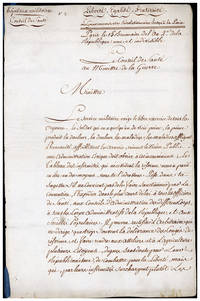
179346096Paris 1793. <p>France. Conseil de Santé. Tableau des infirmités qui nécessitent la réforme et doivent empêcher l'admission au service militaire title on leaf 2. Manuscript document addressed to the Minister of War signed by nine members of the Conseil de Santé including Antoine-Auguste Parmentier 1737-1813 Antoine Dubois 1756-1837 Guillaume Daignan 1732-1812 Nicolas Heurteloup 1750-1812 Pierre Bayen 1725-98 and Vincent Jean Paul Biron 1758-1817. 4ff. 2 bifolia the last leaf blank fastened along central fold with silk ties. Paris 15 brumaire de l'an 2 de la République 5 November 1793. 318 x 206 mm. Light soiling and spotting first bifolium partially split along central fold but very good. </p> <p>Elegantly written official document from the French revolutionary government's Conseil de Santé to the Minister of War Jean Baptiste Noël Bouchotte 1754-1840 calling for the need to reform the French army's medical regulations and providing a tabulated list of infirmities disqualifying soldiers and prospective recruits from serving in the military. "The list will be able to rectify the arbitrariness that too often governs the issuance of sick leave and will restore to workplaces and farms the many citizens who are no doubt worthy by virtue of their Republicanism to fight for liberty but who because of their infirmities overload the armies rather than increase their strength" f. 1; our translation. The "Tableau des infirmités" includes blindness in one or both eyes deafness goiter pulmonary disease hernia hemorrhoids sciatica loss or paralysis of a limb lameness leprosy scurvy epilepsy and bad incisor or canine teeth—this last because soldiers used their front teeth to tear open gunpowder cartridges. </p> <p> Among the signers of this document were Antoine-Auguste Parmentier best known for promoting the potato as a food source in France; Nicolas Heurteloup chief surgeon of the Grande Armée under Napoleon; Guillaume Daignan author of one of the earliest studies of puberty among Europeans see Garrison-Morton.com 7806; Antoine Dubois head of maternity services to Napoleon and his wife Marie Louise; Pierre Bayen chemist and member of the Académie des Sciences; and Vincent Jean Paul Biron secretary of the Commission de Santé. </p> . unknown books
19092291N.P.: W.E. Scull 1909. First Thus. Near Fine copy in contemporary quarter calf over green cloth with bright gilt to spine; some bumping to crown of spine and corners. All edges marbled. Hinges professionally strengthened. Collating xxii 1 manikin 469 p.: complete including all manikin flaps functional and intact. Some offsetting to pastedowns front and rear. Internally a clean and pleasing copy else with multiple illustrations to guide women in the management of their own health and that of their families. While the two later editions of the same year contained a variant front plate and title page with publisher's information this first edition first issue was released without it. No institutions report holdings of this version; similarly there are no other copies of this edition on the market.<br/><br/>Initially released in 1906 under the title "Woman in Girlhood Wifehood Motherhood" this educational guide was updated and revised in 1909 to reflect improved medical knowledge and to put emphasis in particular on maternity. "The young mother commits many grave errors when caring for her baby by too often relying solely upon her own intuition or or upon the advice of ignorant friends." To help young mothers fill the gap in their reproductive educations Life Knowledge provides extensive illustrations and accompanying explanations to increase transparency. "Great care has been used in the selection of illustrations that they be both appropriate and sufficient in number to elucidate the text.a manikin drawn colored and put together with great exactness and explained in a descriptive key accompanies each book.any unavoidable medical terms requiring elucidation are fully explained in a glossary." An important detailed medical guide for young mothers at the turn of the century. W.E. Scull unknown books
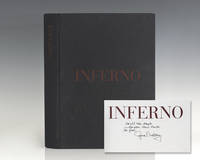
199947465New York: Phaidon Press 1999. First edition of the photojournalist's second book a searing chronicle of global conflict by "the leading war photographer of today" Parr & Badger II. Thick folio original black cloth illustrated throughout with 382 photographs. Signed by photographer on the title page as follows "To all the people who open up their hearts to feel James Nachtwey." Introduction by Luc Sante. In fine condition. Laid in is an original lecture notice given by the photographer. Five-time recipient of the Robert Capa Gold Medal Magnum photographer James Nachtwey "must be considered the leading war photographer of today and not simply because he has covered so many of the world's recent conflicts. Nachtwey's reputation is due not simply to his longevity but because of the quality of his brutally compassionate photographs" Parr & Badger II:254. Inferno Nachtwey's second book and his first in over ten years presents unforgettable images of war famine and loss in areas such as Romania Bosnia Rwanda and Kosovo. To Richard Avedon Inferno is undeniably "the most painful and beautiful book in the history of photography." "In Nachtwey's photographs the boundary between living and dead is slim. The line between ecstasy and grief is almost invisible. You have to look very closely at these photographs" New York Times. Phaidon Press hardcover books
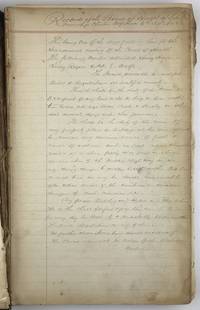
19181716Toronto Ia. 1918. Good plus. 224pp. Folio. Original black half calf and cloth spine gilt. Corners and spine ends a bit worn. Text block separating from spine but still sound. Several leaves loose lightly soiled. Large folio ledger recording thirty-five years of health data for Clinton County Iowa comprising the minutes of the meetings of the Board of Health as well as a "Record of Cases of Disease Dangerous to Public Health." Clinton County is located just north of Davenport on the border with Illinois. Names of doctors patients and board members are all recorded providing an interesting glimpse into the life of the county over a significant span of time and a period of substantial growth in knowledge in the field of public health.<br/><br/>The opening leaf contains local health regulations such as burning or burying dead animals and livestock within ten hours and removing "nuisance sources of filth or sickness" from one's premises within twenty-four hours. The next item in the ledger is an emergency meeting dated January 24 1883 discussing an outbreak of diphtheria and the measures taken to quarantine and contain it. The first two-thirds of the volume is comprised of such meeting minutes. There is also a record of accounts paid and receivable for the county's Board of Health for the period covered. Some of the funds were spent on activities such as improving the cemetery April 1904. Interestingly part of the activity recorded is also for highway maintenance. The final section of the volume contains pre-printed ledger space for recording cases of disease deemed dangerous to the public health. Part of the space has been used to record births and deaths in 1905. Final pages record minutes of special meetings concerning outbreaks and quarantines in 1917 and 1918 particularly of scarlet fever diphtheria and measles. A wonderful record of public health in one rural county of Iowa. unknown books
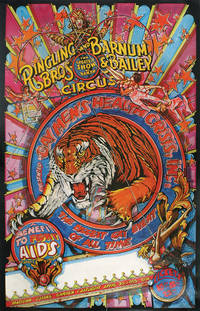
1983CAT0129BNew York: Gay Men's Health Crisis Inc 1983. Poster 35 x 23 inches. Poersch Enno. A scarce poster for an important early AIDS benefit one of the first AIDS benefits organized by GMHC taking place a few months earlier than the Rodeo event. GHMC bought all of the tickets from Barnum and Bailey and sold them off for donation prices ranging from $10 to $500. All 17600 seats sold out. Leonard Bernstein conducted the circus orchestra in a rendition of "The Star-Spangled Banner" which Larry Kramer GMHC founder and playwright described as "one of the most moving moments he had ever experienced." David Roman in Acts of Intervention: Performance Gay Culture and AIDS describes the event as "unquestionably the most galvanizing early AIDS fundraiser." The event did much to change attitudes about the crisis though the event was not covered by The New York Times or other mainstream media outlets. Enno Poersch designed the poster. <br /> <br /> Quite scarce with no examples shown in OCLC. Some light wear excellent condition overall. Gay Men's Health Crisis, Inc unknown books
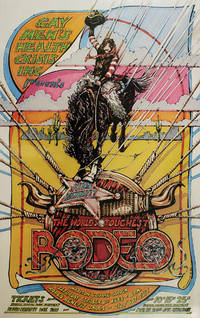
1983CAT0129ANew York: Gay Men's Health Crisis Inc 1983. First Edition. Posterboard 36 x 23 inches. Poersch Enno. A promotional poster for an early AIDS benefit at Madison Square Garden sponsored by the Gay Men's Health Crisis organization. GMHC which still exists played a very important role in raising awareness for the epidemic in its early years in New York City. The group first met in 1982 in the apartment of playwright Larry Kramer. Enno Poersch one of the group's founding members designed this poster. GMHC was one of the earliest organizations to distribute information about the disease. In 1982 they organized "Showers: A Benefit to Aid Gay Men with Kaposi's Sarcoma and Other Gay Related Immunodeficiencies." A Barnum and Bailey Circus benefit and the World's Toughest Rodeo event followed in 1983. <br /> <br /> The owner of World's Toughest Rodeo a traditional rodeo which had a normal primary sponsor of Miller Beer sold the show to the GHMC without realizing it would be an AIDS Benefit. After the show's owner panicked - he was worried about offending his conservative fanbase - the benefit was referred to only as "The Rodeo." The rest of the ads for the event outside of the New York City metropolitan area showed the traditional advertisement listing Miller as the show's primary sponsor. A fine example quite scarce. OCLC lists two copies with a third shown in the University of Rochester's special collections. Gay Men's Health Crisis, Inc unknown books
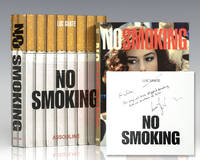
200438221New York: Assouline Publishing 2004. First edition of this comical book regarding smoking. Octavo original illustrated cardstock illustrated throughout. Presentation copy inscribed by the author on the title page "For John We may all have stopped smoking but we continue to burn. Luc Sante." Fine in a fine slipcase with the plastic packaging still present on the lower half of the box. Can you imagine Groucho Marx without a cigar Do you remember that a few years ago smoking was allowed in airplanes Can you tell when New York stopped smoking In the not so distant past posing seductively with a cigarette was de rigueur for Hollywood types. How many celebrities today dare to even hold one No Smoking is a tribute to the 20th century a century that created promoted and glorified the cigarette and then suddenly declared war on it. Assouline Publishing unknown books
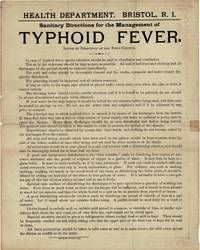
189456695Providence: printed by J. A. and R. A. Reid n.d. 1894. Broadside approx. 12" x 9½" previous folds several old tape repairs on the verso; good or better. Not in OCLC. <br/><br/> printed by J. A. and R. A. Reid, n.d. unknown books
16050Le Rebours Marie Angelique Anel. Advice for Mothers Wishing to Nurse their Children. Paris. 1783. In French. Hardcover. Brown Morocco boards. Binding is decorated with gilt flower motifs and gilded stamp of French title "avis aux mères." Third Edition of Le Rebours bestselling book first published in 1770. No first edition has ever come to auction and only one second edition within the last 40 years. No editions whatsoever of this book published within the 18th century are available on the market today. <br/><br/>This piece of work placed Rebours in a small and early group of women whose published works sold rapidly and went into multiple printings. Written at a time of staggeringly high infant mortality this book promoted the multiple health benefits that immediate breastfeeding provides to both mothers and babies. Very good condition with thin separation on joint. Faint pencil marks and stains on endsheet and first few pages though all text remains legible. This is a very rare early edition of Le Rebours' book. unknown books
2000118350N.P.: The Stinehour Press 2000. leather title gilt-stamped on spine marbled endpapers paper-covered slipcase. Miniature Books. miniature book 8.7 x 6.9 cm. leather title gilt-stamped on spine marbled endpapers paper-covered slipcase. unpaginated. Printed as a keepsake for Grand Conclave XVIII of the Miniature Book Society 2000. Essay on the meaning of books and their potential. Specially bound by Jen and Joy Tonkin-Roberts and signed on colophon. Sliipcase lightly worn at edges. The Stinehour Press unknown books
16443Four early 20th century documents on contraception. At the beginning of the 20th century the demand for safe and reliable birth control was growing. Pioneers like Margaret Sanger and her good friend Adolphus Knopf author of included pamphlet founded the American Birth Center League became Planned Parenthood with the goal of providing safe family planning services to counter the poverty and health issues associated with large families. Public health workers distributed information on contraception by hand or illegally through the mail and they held lectures and seminars to educate women and men on different health and hygiene issues.<br/><br/>Includes 3 rare pamphlets which cover various contraception methods and devices. "Aspects of Birth Control" 1918 by Adolphus Knopf "Birth Control: Plain Medical Information" 1929 and "Natural Birth Control: Sane Safe and Legal Method" 1935. Comes with ticket to a 1935 health lecture for women that promises to cover topics such as "Sex Hygiene" and answer questions "What is Birth Control" Birth Control 1929 depicts several contraception devices; Natural Birth Control 1935 includes 4 graphs on fertility. Chipped spine to Aspects of Birth Control. All in very good condition. unknown books
1923259560Paris: Stamperia Libertaria 1923. Unpaginated paperback spine panel has chips at ends many pages uncut at top. Numerous illustrations by the author. A collection of works that had been published over the two previous decades by the Italian-born anarchist poet polemicist and printer active in Italy and France. Stamperia Libertaria unknown books
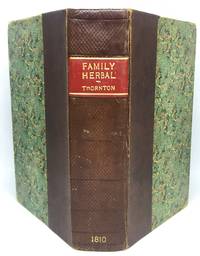
18102525London: Richard Phillips 1810. Hardcover. 19th Centruy diced leather spine over marbled boards newer label. Very good. 901 pages. 22 x 13.5 cm. 261 engravings. Although Thornton studied medicine his passion was botany. Thornton was best known for the unique collection of illustrations of the sexual system of Carolus von Linnaeus - titled the Temple of flora. Lacks 1/2 title page and portrait present in some copies. Rebound in boards and half leather. Some foxing and toning but overall clean - images are generally not foxed. <br /> Richard Phillips hardcover books
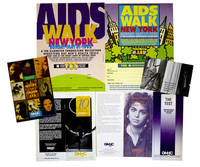
19983375New York: GMHC Inc 1998. Very good . All items measuring between 6" x 4" and 11" x 8½". Two fliers printed recto and verso four brochures and one postcard. Generally very good plus or better: one flier with corner creases and minor stain on verso; minor corner crease on inner leaves of one brochure; two brochures stored opened to center pages so fold no longer sharp. These AIDS-related educational materials were published by the Gay Men's Health Crisis organization the long running group with a mission to help eradicate AIDS and improve the lives of those affected by it. Founded in 1982 and now known simply as "GMHC" they spread their life-saving messages through informative and nonjudgmental publications such as those offered here. There's an attractive brochure sponsored by the United Colors of Benetton and one entitled "10 Minutes That Can Change Your Life." Other pamphlets discuss taking "The Test" and alerting women that they too are at risk. Two vibrantly illustrated fliers promoted the 1992 and 1998 AIDS Walks the proceeds of which would benefit GMHC and help them pursue their mission. One of the brochures located on OCLC the rest of the items do not appear. A fine group of AIDS educational materials from an organization that still addresses AIDS issues through education care and advocacy. GMHC, Inc unknown books
1851WB16357Boston: C.C.P. Moody 1851. Hardcover. Very Good. Small 8vo. Original gilt stamped cloth. pp. 36. A nice copy of an uncommon title. <br/><br/> C.C.P. Moody hardcover books
45877New York NY: U.S. Cadet Nurse Corps n. d. Buff paper printed in color. Light age-toning. Horizontal & vertical fold lines. A VG copy. Single poster printed recto only. Large color half-tone illustration by Edmundson of a hopeful and beautiful Cadet Nurse looking off into the distance in uniform. 20" x 14-1/8" <br/><br/>The Cadet Nurse Corps program was passed by Congress unanimously and became effective in July of 1943. The Corps was supervised by the United States Public Health Service to train hopefully 124000 young women as nurses during World War II. The plan was to subsidize over 1000 nursing schools for a three-year training program after which they graduates could if they so desired become commissioned officers in the Army or Navy nurse corps. The war ended before the first Cadets graduated and only a few entered the military. In its lifetime 1943-48 it was the largest training program in the history of nursing in the United States. U.S. Cadet Nurse Corps unknown books
1997261364New York: GMHC 1997. Forty-five issue broken run various pagination 8.5x11 inches articles reports drug information events services and resources some three-hole-punched issues a few pen marks light wear else good newsletters in stapled wraps. Includes two issues AIDS Medical Glossary. Numbers included are 3:6; 6:17; 7:4-12; 8:26-11; 9:1-12; 10:1 & 2 two versions 3-11; 11:1-3 & 6 a Glossary issue. GMHC unknown books
1982135134Harare: Ministry of Health 1982. 14p. 23p. 20p. 19p. and 39p. 8.25x11.75 inches tables cheap paperstock construction paper stapled in faded blue report covers. First five issues. Ministry of Health unknown books
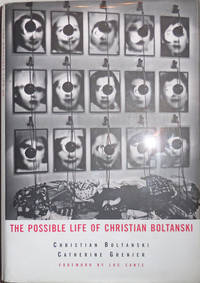
200922968Boston: Museum of Fine Arts 2009. First American edition. Hardcover. Near Fine/near fine. First American edition. 239 pp. An artfully constructed memoir of the life of conceptual artist Christian Boltanski told in the form of a book-length interview with Catherine Grenier. A near fine copy in dustwrapper. Foreword by Luc Sante. Translated from the French by Marc Lowenthal. This copy INSCRIBED by Boltanski on the front endpaper. <br/><br/> Museum of Fine Arts hardcover books
19161689Battle Creek Michigan: Good Health Publishing Co 1916. Wraps. Original tan wraps. Good. 71 pages. 16 x 10.5 cm. Originally named Western Health Reform Institute John Harvey and his brother W.K. Kellogg built an new structure and took the word "sanatorium" and changed two letters transforming and adding a new word to the English language. 11 paper label/addenda are stapled to the front cover. Chipped creased and rubbed. <br/><br/> Good Health Publishing, Co paperback books