BTLivre Rare Book
13 résultats
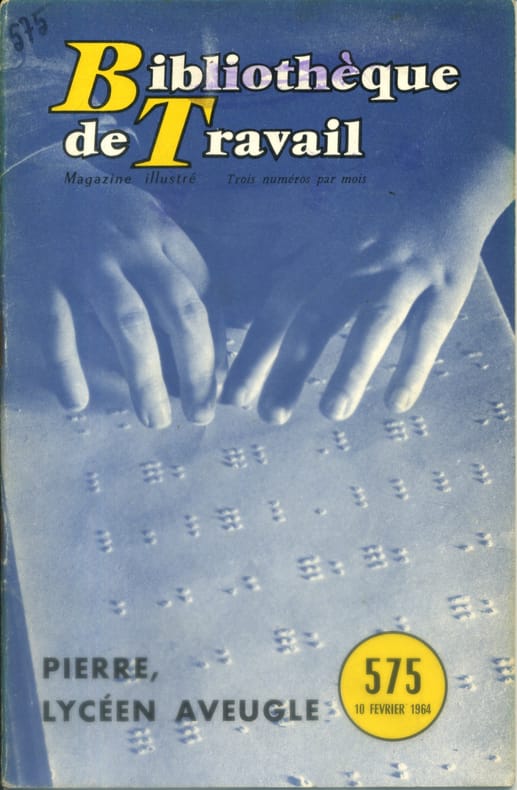
1964141554Couverture souple. Brochure de 40 pages.
1972240971972 in-8 broché avec jaquette illustrée part Catherine Folâtre - 1972 - 310p - Ed. nrf. Gallimard - coll. Du Monde Entier
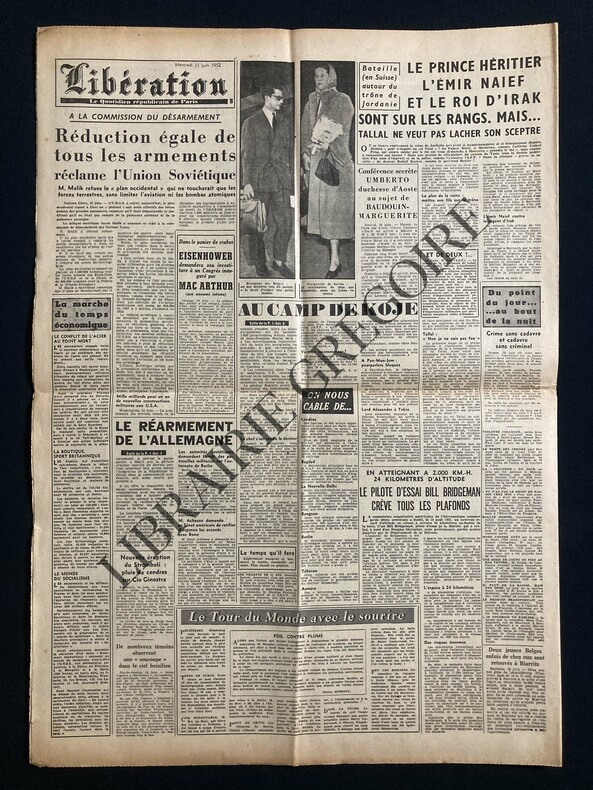
1952ABE-17151967243156 PAGES-43 CM X 60 CM-ADENAUER A-T-IL LE DROIT DE REARMER L'ALLEMAGNE?-EN UNE: L'ETONNANTE RESSEMBLANCE DE CLAIRE BLOOM LA VEDETTE DE "LIMELIGHT" ET DE CHARLIE CHAPLIN FAIT JASER TOUT LONDRES, 2 PHOTOS-EN UNE: UNE CORRECTIONNELLE BIEN PARISIENNE MARTHE RICHARD AUX PRISES AVEC LE "CRAPOUILLOT" QUI OUTRAGEA SA VERTU, 2 PHOTOS (MARTHE RICHARD-JEAN GALTIER BOISSIERE)-JEAN MARAIS DEMISSIONNE DE LA COMEDIE FRANCAISE-UN AN APRES SA MORT QUATRE JOURS "AVEC" H.-P.GASSIER DANS SON PARADOU DE LA SEYNE, 3 DESSINS-MARTHE RICHARD, SUITE-LE CENTENAIRE DE LA MORT DE LOUIS BRAILLE, 1/4 PAGE, PHOTO MAISON NATALE-BATAILLE (EN SUISSE) AUTOUR DU TRONE DE JORDANIE-(BC24)
1952750041952 Association Les Amis de Louis Braille, 1952, 1 plaquette in-8 de 44 pages, reliée par 2 agrafes sur le dos.
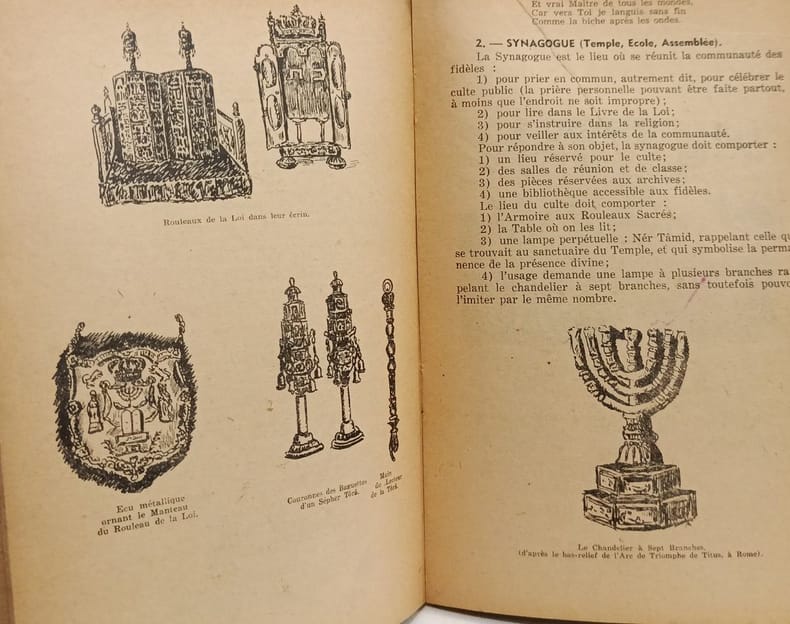
1947100150869Secrétariat de la communauté israélite 1947 in8. 1947. Broché. Ce livre intitulé 'Initiation au judaïsme' de David Berman publié en 1947 par le Secrétariat de la communauté israélite est un ouvrage d'introduction au judaïsme destiné à un public adulte. Il est disponible en braille et en version papier avec 329 pages et quelques illustrations en noir et blanc
192580771925 reliure demi-velin marbré (binding half calfskin) in-octavo, dos 4 nerfs (spine with raised bands) - entre-nerfs à fleuron (floweret) - pièce de titre à filets sur fond grenat (piece of title) et filets simples, papier marbré aux plats (cover with marbled paper), tranches jaspées (marbled edges), couverture conservée (cover preserved), illustrations : 2 pages de braille en frontispice, 263 pages, 1925 à Caen Imprimerie Caennaise,
1931ABE-177474220003424,5 CM X 31 CM-(DG24)
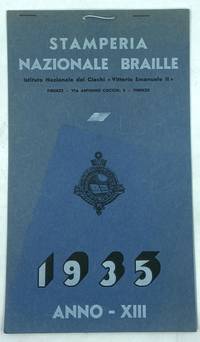
193412765Firenze: Pieri 1934. Lieve scoloritura sul piatto anteriore ma ben conservato. Calendario pubblicitario cm 34x20 copertina in cartoncino e 12 pagine in carta azzurra stampate in nero e rosso con i giorni del mese e una piccola fotografia dell’istituto. Pieri unknown
196620288Paris, Association Valentin Haüy, 1966. Grand in-4 de 43 pages, couverture muette. En belle condition. L'intégralité du volume comporte l'écriture en Braille sous le texte imprimé.
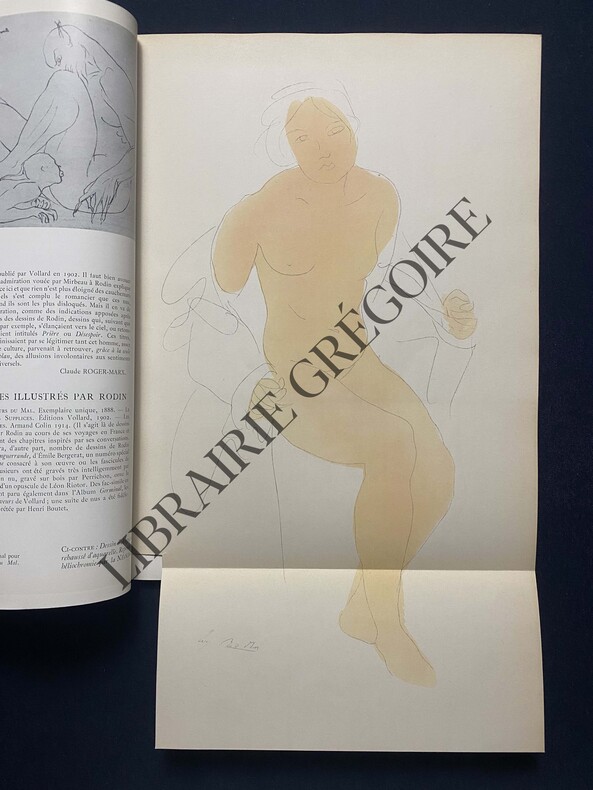
193419836Paris Editions Vincent, Fréal et Cie 1934 in-8 demi-chagrin 1 volume, reliure demi-chagrin marron foncé in-quarto (binding half shagreen in-octavo ) (22,2 x 27,5 cm), dos à nerfs (spine with raised bands) décoré or (gilt decoration) filets or (gilt line) et à froid (blind-stamping decoration), titre vertical frappé or (gilt title), filet or en place des nerfs avec filet à froid de part et d'autre des nerfs, 1er plat recouvert d'une percale bleue à plaques spéciales or (special covers editor for the front cover) : Etablissement Braille - Manu Lux illustré en doré en haut à gauche + titre or au centre + noté en bas en lettres or : relié par l'atelier départemental de Montreuil, gardes moirées blanche avec titre doré, orné de trés nombreuses photographies, gravures, tableaux in et hors-texte en noir , 77 pages + (1) ff de tables, 1899 Paris Imprimerie Larousse Editeur,
1992mon0000090947RNIB 1992-01-01. Paperback. Good. in x in x in. Ex-Library Book with usual markings. Clean copy sound binding. RNIB paperback
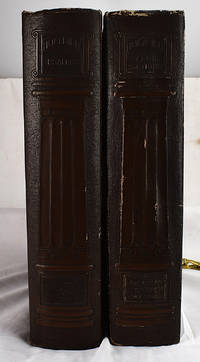
19242602200046Printed and bound by Universal Braille Press Los Angeles CA 1924. Hardcover. Very Good. The First Braille Edition of the Bible: This work was a pioneering publication for the blind produced by John Robert Atkinson 2 volume set. Large Bible; 35 cm. Bound in publisher's cloth. Hardcover. Good binding and cover. Clean unmarked pages. A rare early Bible printed entirely in Revised Braille Alphabet. For reference see the California Historical Society Collection CHS-41155. <br> This is an oversized or heavy book which requires additional postage for international delivery outside the US. Printed and bound by Universal Braille Press, Los Angeles, CA hardcover
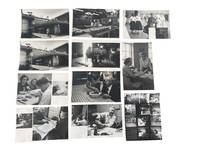
1960234021960. Disability RightsDisability Activism Braille Institute of America photo archive documenting blind and low-vision adults at the Institute's Los Angeles facility recording the everyday work of disability education before the Americans with Disabilities Act made access and public accommodation a national civil-rights mandate. J. Robert Atkinson founded the Universal Braille Press in Los Angeles in 1919 after losing his sight in 1912; the organization later became the Braille Institute of America moved to Vermont Avenue in 1939 and expanded into a new William Pereira designed facility that opened in 1974. The Institute's early work also helped shape national access to reading: Atkinson's lobbying preceded the 1931 Pratt-Smoot Act which placed federal funds under the Library of Congress to provide books for blind adult readers. The activities shown here matter because literacy handwork movement performance and social gathering were not secondary amenities; they were the practical means by which blind and low-vision people gained public presence skill confidence and community in a city built overwhelmingly for sighted people.<br /> Photo archive of 26 total images printed across 11 silver gelatin prints Los Angeles California circa 1960s to 1970s. Images show the outside of the building with the sign "Braille Institute of America Inc." while a man stands with a guide dog and later walks toward the entrance under the covered walkway. Interior scenes include adults reading braille at tables visitors talking together around tables and a smiling man sculpting clay at a worktable. Weaving instruction appears at a tabletop loom; other scenes show clay or tactile craft work and participants gathered around tables with guide dogs resting beside their handlers. Several images show black and white participants on a dance floor One sheet is a print of 12 enlarged film strip cells and four sheets contain two images printed on a single sheet.<br /> The archive belongs to a longer twentieth-century history in which blind Americans fought for access not only to books but to streets schools workrooms libraries and ordinary public life. White cane laws including early municipal ordinances in the 1930s and later state protections made the cane and guide dog public signals of mobility and right of way while federal braille and talking-book programs made reading a public responsibility rather than a private burden. The Braille Institute provided adults in the Los Angeles area a resource to read by touch shape clay work at looms dance with partners move with guide dogs and participate in many other activities where disability was not an obstacle for culture learning or socializing. All sheets complete with light handling wear only; overall in very good condition. unknown