CONTE - BERTHAULT (sculpsit)Biblio.com

141 résultats
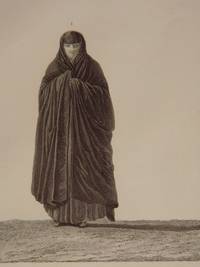
180926294Paris: Imprimerie Impériale 1809. Fine. Imprimerie Impériale Paris 1809-1829 71 x 53.50 cm une feuille Original unshaved full-page etching from the Imperial edition of the Description de l'Égypte or Recueil des observations et recherches faites en Égypte pendant l'expédition française publié par les ordres de Sa Majesté l'Empereur Napoléon le Grand A Collection of the observations and research carried out in Egypt during the French expedition published on the orders of his Majesty the Emperor Napoleon the Great'.Produced between February 1802 and 1830 on the orders of Naopleon Bonaparte and published between 1809 and 1828 1000 copies were printed and distributed to institutions on vergé paper with an 'Égypte ancienne et moderne' watermark visible when held up to the light. Light marginal spotting not touching image otherwise in very fresh fine condition. An engraving from the Description de l'Egypte one of the masterpieces of French printing and the birth of a new field: Egyptology. A gigantic survey of Egypt at the time of Bonaparte's conquests in 1798 and 1799 the work is divided into 13 volumes of engravings making up 892 plates of which 72 colored as well as presenting the splendors of the Egypt of the Pharaohs in 9 volumes. The other volumes discuss natural history and present a fascinating portrait of Coptic and Islamic Egypt as it was seen by Bonaparte's Eastern Armies. The Egyptian campaign' militarily a disaster demonstrates through the engravings of the Description d'Egypte the scientific success it nonetheless became thanks to the 167 expert members of the Commission of the Sciences and Arts of the Institut d'Egypte Egyptian Institute who followed Napoleon's army. The Institut gathered together in Egypt the mathematician Monge the chemist Berthollet the naturalist Geoffroy Saint-Hilaire as well as numerous artists engineers architects and doctors. They were tasked with re-discovering modern and ancient Egypt and displaying its natural treasures as well as the know-how of its inhabitants.This edition the so-called Imperial edition of the plates for the Description de l'Egypte was printed in four large formats two of which were specially created for it and christened Moyen-Egypte and Grand-Egypte. A special press was built to print it the process extending over 20 years from 1809 to 1829. The Imperial edition proved so popular that a second edition this time in black and white and without the Egypte ancienne et moderne watermark known as the Royal Edition was published during the Restoration by the printing house of C.-L.-F. Panckoucke Paris.The engravings of the Description d'Egypte owe a great deal to Baron Dominique-Vivant Denon illustrator diplomat collector and later Director of the Musée Napoléon the Louvre. His exploration of the South of Egypt gave Bonaparte the idea of sending the experts of the Institut there thus creating a faithful and complete portrait of the area. This was the research gathered together from 1802 in the mammoth Description de L'Egypte.Denon embarked on this story of archeological exploration at the age of 51 reaching first Alexandria and then Cairo before exploring Upper Egypt. Along with the members of the Institut d'Egypte the Natural History Museum's painter H.J. Redouté brother of Pierre-Joseph Redouté author of Roses the mineralogist Dolomiue and the draughtsman Joly Denon then explored the Nile Delta and Lower Egypt. When however he joined the 21st Light Infantry Regiment as it marched across Upper Egypt in pursuit of the retreating Mameluks in November 1798 he found himself the only civilian. In the very midst of the battle itself he reeled off sketches of the works of art that peppered his path right up to the threshold of the Sudan. He said that he had crossed a country that is apart from its name entirely unknown to Europeans and therefore everything was worth describing Voyages dans la Basse et la Haute Egypte pendant les campagnes Imprimerie Impériale unknown
180925348Paris: Imprimerie Impériale 1809. Fine. Imprimerie Impériale Paris 1809-1829 53.50 x 70.50 cm une feuille Original unshaved full-page etching from the Imperial edition of the Description de l'Égypte or Recueil des observations et recherches faites en Égypte pendant l'expédition française publié par les ordres de Sa Majesté l'Empereur Napoléon le Grand A Collection of the observations and research carried out in Egypt during the French expedition published on the orders of his Majesty the Emperor Napoleon the Great'.Produced between February 1802 and 1830 on the orders of Naopleon Bonaparte and published between 1809 and 1828 1000 copies were printed and distributed to institutions on vergé paper with an 'Égypte ancienne et moderne' watermark visible when held up to the light. Light marginal spotting not touching image otherwise in very fresh fine condition. An engraving from the Description de l'Egypte one of the masterpieces of French printing and the birth of a new field: Egyptology. A gigantic survey of Egypt at the time of Bonaparte's conquests in 1798 and 1799 the work is divided into 13 volumes of engravings making up 892 plates of which 72 colored as well as presenting the splendors of the Egypt of the Pharaohs in 9 volumes. The other volumes discuss natural history and present a fascinating portrait of Coptic and Islamic Egypt as it was seen by Bonaparte's Eastern Armies. The Egyptian campaign' militarily a disaster demonstrates through the engravings of the Description d'Egypte the scientific success it nonetheless became thanks to the 167 expert members of the Commission of the Sciences and Arts of the Institut d'Egypte Egyptian Institute who followed Napoleon's army. The Institut gathered together in Egypt the mathematician Monge the chemist Berthollet the naturalist Geoffroy Saint-Hilaire as well as numerous artists engineers architects and doctors. They were tasked with re-discovering modern and ancient Egypt and displaying its natural treasures as well as the know-how of its inhabitants.This edition the so-called Imperial edition of the plates for the Description de l'Egypte was printed in four large formats two of which were specially created for it and christened Moyen-Egypte and Grand-Egypte. A special press was built to print it the process extending over 20 years from 1809 to 1829. The Imperial edition proved so popular that a second edition this time in black and white and without the Egypte ancienne et moderne watermark known as the Royal Edition was published during the Restoration by the printing house of C.-L.-F. Panckoucke Paris.The engravings of the Description d'Egypte owe a great deal to Baron Dominique-Vivant Denon illustrator diplomat collector and later Director of the Musée Napoléon the Louvre. His exploration of the South of Egypt gave Bonaparte the idea of sending the experts of the Institut there thus creating a faithful and complete portrait of the area. This was the research gathered together from 1802 in the mammoth Description de L'Egypte.Denon embarked on this story of archeological exploration at the age of 51 reaching first Alexandria and then Cairo before exploring Upper Egypt. Along with the members of the Institut d'Egypte the Natural History Museum's painter H.J. Redouté brother of Pierre-Joseph Redouté author of Roses the mineralogist Dolomiue and the draughtsman Joly Denon then explored the Nile Delta and Lower Egypt. When however he joined the 21st Light Infantry Regiment as it marched across Upper Egypt in pursuit of the retreating Mameluks in November 1798 he found himself the only civilian. In the very midst of the battle itself he reeled off sketches of the works of art that peppered his path right up to the threshold of the Sudan. He said that he had crossed a country that is apart from its name entirely unknown to Europeans and therefore everything was worth describing Voyages dans la Basse et la Haute Egypte pendant les campag Imprimerie Impériale unknown
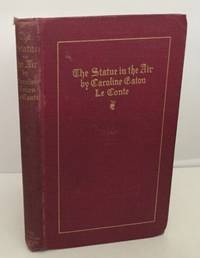
1897A36120New York: MacMillan Company. Very Good. 1897. 1st Edition; 1st Printing. Hardcover. SIGNED EDITION. This copy has been signed by the author with a short inscription on the front endpaper. This book is in Very Good condition and is lacking a dust jacket. The book and its contents are in generally clean bright condition. The spine ends and corners have some bumping rubbing and light fraying. The text pages pages are clean and bright. Both front and rear endpapers have spots of toning. This copy has been signed by the author with a short inscription on the front endpaper. "Bleiler 1978 p. 120. Not in Reginald 1979; 1992. Wright III 3244." "It is a weird allegory of the power of love to overcome all the forces of darkness" from Overland Monthly 1897 The author uses Greek Mythology to people a heroic fantasy romance imperiled by the Underworld. ; Signed by Author . MacMillan Company hardcover
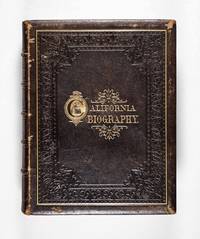
188247510San Francisco: A. L. Bancroft and Company 1882. First edition. Hardcover. vg- to vg. Folio. 5 leaves 5-417pp. plates with tissue guards. Original brown morocco leather with gilt vignette and decor on cover gilt ruling on cover and spine elaborate blind-stamped decorative ruling on covers; raised bands and dentelles. Gilt edges. Decorative endpapers. The entirely separate volume on was published in 1881. "To gather into a compendium for preservation and reference the lives and portraits of those who have labored side by side in laying the foundations of human greatness upon the shores of the Pacific is the object of this work." Preface. This biographical directory or "mugbook" is illustrated with more than eighty full page steel-engraved portraits with a total of one hundred and seven biographies of distinguished Californians. The editor especially commissioned for this work three essays: "The Glaciers and Snow-banners of California" by John Muir "The Lakes of the Pacific Coast" by John Le Conte and "Alaska" by Caleb T. Fay. Binding with some wear scuffing along edges and joints of spine some foxing. some tissue guards with creasing. Binding in overall very good- interior in very good condition. A. L. Bancroft and Company hardcover
180925342Paris: Imprimerie Impériale 1809. Fine. Imprimerie Impériale Paris 1809-1829 53.50 x 70 cm une feuille Original unshaved full-page etching from the Imperial edition of the Description de l'Égypte or Recueil des observations et recherches faites en Égypte pendant l'expédition française publié par les ordres de Sa Majesté l'Empereur Napoléon le Grand A Collection of the observations and research carried out in Egypt during the French expedition published on the orders of his Majesty the Emperor Napoleon the Great. Produced between February 1802 and 1830 on the orders of Naopleon Bonaparte and published between 1809 and 1828 1000 copies were printed and distributed to institutions on vergé paper with an 'Égypte ancienne et moderne' watermark visible when held up to the light. Light marginal spotting not touching image otherwise in very fresh fine condition. An engraving from the Description de lEgypte one of the masterpieces of French printing and the birth of a new field: Egyptology. A gigantic survey of Egypt at the time of Bonapartes conquests in 1798 and 1799 the work is divided into 13 volumes of engravings making up 892 plates of which 72 colored as well as presenting the splendors of the Egypt of the Pharaohs in 9 volumes. The other volumes discuss natural history and present a fascinating portrait of Coptic and Islamic Egypt as it was seen by Bonapartes Eastern Armies. The Egyptian campaign militarily a disaster demonstrates through the engravings of the Description dEgypte the scientific success it nonetheless became thanks to the 167 expert members of the Commission of the Sciences and Arts of the Institut dEgypte Egyptian Institute who followed Napoleons army. The Institut gathered together in Egypt the mathematician Monge the chemist Berthollet the naturalist Geoffroy Saint-Hilaire as well as numerous artists engineers architects and doctors. They were tasked with re-discovering modern and ancient Egypt and displaying its natural treasures as well as the know-how of its inhabitants. This edition the so-called Imperial edition of the plates for the Description de lEgypte was printed in four large formats two of which were specially created for it and christened Moyen-Egypte and Grand-Egypte. A special press was built to print it the process extending over 20 years from 1809 to 1829. The Imperial edition proved so popular that a second edition this time in black and white and without the Egypte ancienne et moderne watermark known as the Royal Edition was published during the Restoration by the printing house of C.-L.-F. Panckoucke Paris. The engravings of the Description dEgypte owe a great deal to Baron Dominique-Vivant Denon illustrator diplomat collector and later Director of the Musée Napoléon the Louvre. His exploration of the South of Egypt gave Bonaparte the idea of sending the experts of the Institut there thus creating a faithful and complete portrait of the area. This was the research gathered together from 1802 in the mammoth Description de LEgypte. Denon embarked on this story of archeological exploration at the age of 51 reaching first Alexandria and then Cairo before exploring Upper Egypt. Along with the members of the Institut dEgypte the Natural History Museums painter H.J. Redouté brother of Pierre-Joseph Redouté author of Roses the mineralogist Dolomiue and the draughtsman Joly Denon then explored the Nile Delta and Lower Egypt. When however he joined the 21st Light Infantry Regiment as it marched across Upper Egypt in pursuit of the retreating Mameluks in November 1798 he found himself the only civilian. In the very midst of the battle itself he reeled off sketches of the works of art that peppered his path right up to the threshold of the Sudan. He said that he had crossed a country that is apart from its name entirely unknown to Europeans and therefore everything was worth describing Voyages dans la Basse et la Haute Egypte pendant les c Imprimerie Impériale unknown
180935783Paris: Imprimerie Impériale 1809. Fine. Imprimerie Impériale Paris 1809-1829 53.50 x 71 cm une feuille Original etching in plano untrimmed extracted from the so-called ""Imperial"" edition of the Description de l'Égypte ou Recueil des observations et recherches faites en Égypte pendant l'expédition française publié par les ordres de Sa Majesté l'Empereur Napoléon le Grand. Created between February 1802 and 1829 by order of Napoleon Bonaparte and published from 1809 actually 1810 it was printed in 1000 copies on laid paper watermarked ""Égypte ancienne et moderne"" and offered to institutions. Light fold mark in upper right corner otherwise excellent freshness and condition. Volume MODERN STATE II: The genius of the scholars of the Institute is particularly revealed through the plates of the section called Modern Egypt. Architecture industry social structures sanitary conditions water management music and craftsmanship are presented with exceptional precision and graphic quality. The spirit of Diderot and d'Alembert's Encyclopedia remains underlying in the approach of the draftsmen of the Description of Egypt who accompany the text volumes with numerous detailed plates endeavoring to create a portrait of the populations imbued with beauty and respect. Wealthy pashas or simple potter artisans are represented with sensitivity going about their occupations amidst aesthetic compositions without falling into idealism or caricature. THE DESCRIPTION OF EGYPT IMPERIAL edition 1809-1829: The Description of Egypt is one of the masterpieces of French publishing and the starting point of a new science: Egyptology. A titanic exposition of Egypt during Bonaparte's conquests between 1798 and 1799 it is divided into 23 volumes including 13 volumes of engravings gathering nearly 1000 plates in black and 72 in color. The 6 volumes of plates entitled Antiquities are devoted to the splendors of Pharaonic Egypt. Natural History is divided into 3 volumes of engravings. One volume is devoted to Geographical and topographical maps while the 3 volumes : Modern State present a striking portrait of Coptic and Islamic Egypt as it was seen by Bonaparte's Army of the Orient. The ""Egyptian campaign"" a military disaster reveals through the engravings of the Description of Egypt the scientific success it became thanks to the some 167 scholars members of the Commission of Sciences and Arts of the Institute of Egypt who followed Napoleon's army. The Institute brought together in Egypt the mathematician Monge the chemist Berthollet the naturalist Geoffroy Saint-Hilaire as well as numerous artists engineers architects doctors. They were charged with rediscovering modern and ancient Egypt showing its natural riches and the know-how of its inhabitants. The first edition called ""Imperial"" of the Description of Egypt was created in four large formats two of them specially created for it and named ""Middle-Egypt"" and ""Grand-Egypt"" formats. A specific press was built for its printing which stretched over twenty years between 1809 and 1829. The Imperial edition proved so popular that a second edition in 37 volumes entirely in black and without the ""ancient and modern Egypt"" watermark called the ""Panckoucke"" edition was published from 1821 by the C.-L.-F. Panckoucke printing house Paris. The realization of this monument of erudition owes much to Baron Dominique Vivant Denon illustrator diplomat collector and later director of Napoleon's Louvre museum who accompanied Napoleon to Egypt with many other scholars but decided alone to venture into the South of the country while the other invited scientists remained confined to the Cairo region. The fabulous sketches brought back by Denon from his romantic ride gave Bonaparte the idea to send the other members of the Institute there and thus create a faithful and complete portrait of the territory. Following Denon it was therefore the greatest French scientists and artists who ventured along the Nile as far as Imprimerie Impériale unknown
1816L764bx51Firenze: Nella Stamperia Di Guglielmo Piatti 1816. Ex-Library. Poor. Half-Leather. 8vo - over 7" - 9" tall. 1816. Ex-Library Book In Brown Boards With Leather Spine. In Poor Condition. Rub Wear On Boards. Wear On Hinges Front Hinge Cracked Front Board Loose From Binding. Wrap On Spine Loose From Front Hinge. Dust On Top Edge Of Pages. Edge Wear On Spine. Light Foxing Throughout Interior Light Wrinkling On Pages. Front End Page Loose From Bidning. Size 8Vo. 277 Pages In Part 1 505 Pages In Part 2. Text Is In Italian. Includes Fold Out Figures. This Book Is Part Of The Archibald Church Library Collection Northwestern University Medical School. . Nella Stamperia Di Guglielmo Piatti Hardcover
1816L762bx51Firenze: Nella Stamperia Di Guglielmo Piatti 1816. Ex-Library. Fair. Half-Leather. 8vo - over 7" - 9" tall. 1816. Ex-Library Book In Brown Boards With Leather Spine. In Fair Condition. Rub Wear On Boards. Wear On Hinges Front Board Loosening From Binding. Dust On Top Edge Of Pages. Top Edge Of Front Board Nicked. Edge Wear On Spine. Light Foxing Throughout Interior Light Wrinkling On Pages Otherwise Tight Clean Copy And Very Good Condition. Size 8Vo. 268 Pages In Part 1 302 Pages In Part 2. Volume 2. Text Is In Italian. Includes Fold Out Figures. This Book Is Part Of The Archibald Church Library Collection Northwestern University Medical School. . Nella Stamperia Di Guglielmo Piatti Hardcover
1816L763bx51Firenze: Nella Stamperia Di Guglielmo Piatti 1816. Ex-Library. Good. Half-Leather. 8vo - over 7" - 9" tall. 1816. Ex-Library Book In Brown Boards With Leather Spine. In Good Condition. Rub Wear On Boards. Wear On Hinges. Dust On Top Edge Of Pages. Edge Wear On Spine. Light Foxing Throughout Interior Light Wrinkling On Pages Otherwise Tight Clean Copy And Very Good Condition. Size 8Vo. 387 Pages. Text Is In Italian. Includes Fold Out Figures. Volume 3. This Book Is Part Of The Archibald Church Library Collection Northwestern University Medical School. . Nella Stamperia Di Guglielmo Piatti Hardcover
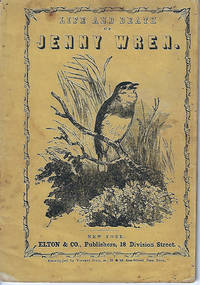
1851008553New York: Elton & Co Publishers 18 Division Street 1851 Pictorial yellow paper wraps overall wear light soil and foxing uncolored. The familiar and sad verse about Jenny Wren with 8 engravings after Harrison Weir followed by 4 pages of the text of The Frog Who Would A-Wooing Go. This copy makes no mention of John McLoughlin and the publisher was located at 18 Division St in 1851 only. Scarce. Original Wraps. Good/No Jacket. Illus. by Harrison Weir . 16mo. Elton & Co, Publishers, 18 Division Street paperback
180926376Paris: Imprimerie Impériale 1809. Fine. Imprimerie Impériale Paris 1809-1829 71 x 53.50 cm une feuille Original unshaved full-page etching from the Imperial edition of the Description de l'Égypte or Recueil des observations et recherches faites en Égypte pendant l'expédition française publié par les ordres de Sa Majesté l'Empereur Napoléon le Grand A Collection of the observations and research carried out in Egypt during the French expedition published on the orders of his Majesty the Emperor Napoleon the Great'.Produced between February 1802 and 1830 on the orders of Naopleon Bonaparte and published between 1809 and 1828 1000 copies were printed and distributed to institutions on vergé paper with an 'Égypte ancienne et moderne' watermark visible when held up to the light. Light marginal spotting not touching image otherwise in very fresh fine condition. An engraving from the Description de l'Egypte one of the masterpieces of French printing and the birth of a new field: Egyptology. A gigantic survey of Egypt at the time of Bonaparte's conquests in 1798 and 1799 the work is divided into 13 volumes of engravings making up 892 plates of which 72 colored as well as presenting the splendors of the Egypt of the Pharaohs in 9 volumes. The other volumes discuss natural history and present a fascinating portrait of Coptic and Islamic Egypt as it was seen by Bonaparte's Eastern Armies. The Egyptian campaign' militarily a disaster demonstrates through the engravings of the Description d'Egypte the scientific success it nonetheless became thanks to the 167 expert members of the Commission of the Sciences and Arts of the Institut d'Egypte Egyptian Institute who followed Napoleon's army. The Institut gathered together in Egypt the mathematician Monge the chemist Berthollet the naturalist Geoffroy Saint-Hilaire as well as numerous artists engineers architects and doctors. They were tasked with re-discovering modern and ancient Egypt and displaying its natural treasures as well as the know-how of its inhabitants.This edition the so-called Imperial edition of the plates for the Description de l'Egypte was printed in four large formats two of which were specially created for it and christened Moyen-Egypte and Grand-Egypte. A special press was built to print it the process extending over 20 years from 1809 to 1829. The Imperial edition proved so popular that a second edition this time in black and white and without the Egypte ancienne et moderne watermark known as the Royal Edition was published during the Restoration by the printing house of C.-L.-F. Panckoucke Paris.The engravings of the Description d'Egypte owe a great deal to Baron Dominique-Vivant Denon illustrator diplomat collector and later Director of the Musée Napoléon the Louvre. His exploration of the South of Egypt gave Bonaparte the idea of sending the experts of the Institut there thus creating a faithful and complete portrait of the area. This was the research gathered together from 1802 in the mammoth Description de L'Egypte.Denon embarked on this story of archeological exploration at the age of 51 reaching first Alexandria and then Cairo before exploring Upper Egypt. Along with the members of the Institut d'Egypte the Natural History Museum's painter H.J. Redouté brother of Pierre-Joseph Redouté author of Roses the mineralogist Dolomiue and the draughtsman Joly Denon then explored the Nile Delta and Lower Egypt. When however he joined the 21st Light Infantry Regiment as it marched across Upper Egypt in pursuit of the retreating Mameluks in November 1798 he found himself the only civilian. In the very midst of the battle itself he reeled off sketches of the works of art that peppered his path right up to the threshold of the Sudan. He said that he had crossed a country that is apart from its name entirely unknown to Europeans and therefore everything was worth describing Voyages dans la Basse et la Haute Egypte pendant les campagnes Imprimerie Impériale unknown
180926337Paris: Imprimerie Impériale 1809. Fine. Imprimerie Impériale Paris 1809-1829 71 x 53.50 cm une feuille Original etching in plano untrimmed extracted from the so-called ""Imperial"" edition of the Description de l'Égypte ou Recueil des observations et recherches faites en Égypte pendant l'expédition française publié par les ordres de Sa Majesté l'Empereur Napoléon le Grand. Created between February 1802 and 1829 by order of Napoleon Bonaparte and published from 1809 actually 1810 it was printed in 1000 copies on watermarked laid paper ""Égypte ancienne et moderne"" and offered to institutions. Light and marginal foxing not affecting the engraving otherwise very fine condition and preservation. Volume ETAT MODERNE II: The genius of the Institute's scholars is particularly revealed through the plates of the section called Egypte Moderne. Architecture industry social structures health conditions water management music and craftsmanship are presented with exceptional precision and graphic quality. The spirit of Diderot and d'Alembert's L'Encyclopédie remains underlying in the approach of the Description de L'Egypte draftsmen who accompany the text volumes with numerous detailed plates endeavoring to create a portrait of the populations imbued with beauty and respect. Wealthy pashas or simple potter artisans are represented with sensitivity going about their occupations amid aesthetic compositions without falling into idealism or caricature. LA DESCRIPTION DE L'EGYPTE IMPERIAL edition 1809-1829: La Description de l'Egypte is one of the masterpieces of French publishing and the starting point of a new science: Egyptology. A titanic exposition of Egypt during Bonaparte's conquests between 1798 and 1799 it is divided into 23 volumes including 13 volumes of engravings gathering nearly 1000 plates in black and 72 in color. The 6 volumes of plates entitled Antiquités are devoted to the splendors of Pharaonic Egypt. L'Histoire naturelle is divided into 3 volumes of engravings. One volume is devoted to Cartes géographiques et topographiques while the 3 volumes : Etat Moderne present a striking portrait of Coptic and Islamic Egypt as it was seen by Bonaparte's armies of the Orient. The ""Egyptian campaign"" a military disaster reveals through the engravings of the Description de l'Egypte the scientific success it became thanks to the approximately 167 scholars members of the Commission of Sciences and Arts of the Institute of Egypt who followed Napoleon's army. The Institute brought together in Egypt the mathematician Monge the chemist Berthollet the naturalist Geoffroy Saint-Hilaire as well as numerous artists engineers architects doctors. They were charged with rediscovering modern and ancient Egypt showing its natural riches and the expertise of its inhabitants. The first edition called ""Imperial"" of the Description de l'Egypte was produced in four large formats two of them specially created for it and named ""Moyen-Egypte"" and ""Grand-Egypte"" formats. A specific press was built for its printing which stretched over twenty years between 1809 and 1829. The Imperial edition proved so popular that a second edition in 37 volumes entirely in black and without the ""Egypte ancienne et moderne"" watermark called the ""Panckoucke"" edition was published from 1821 by the C.-L.-F. Panckoucke printing house Paris. The realization of this monument of erudition owes much to Baron Dominique Vivant Denon illustrator diplomat collector and later director of the Napoleon Museum at the Louvre who accompanied Napoleon to Egypt with many other scholars but decided alone to venture into the South of the country while the other invited scientists remained confined to the Cairo region. The fabulous sketches brought back by Denon from his romantic ride gave Bonaparte the idea to send the other members of the Institute there and thus create a faithful and complete portrait of the territory. Following Denon it was therefore the greatest French scientis Imprimerie Impériale unknown
180926339Paris: Imprimerie Impériale 1809. Fine. Imprimerie Impériale Paris 1809-1829 71 x 53.50 cm une feuille Original etching in plano untrimmed extracted from the so-called ""Imperial"" edition of the Description de l'Égypte ou Recueil des observations et recherches faites en Égypte pendant l'expédition française publié par les ordres de Sa Majesté l'Empereur Napoléon le Grand. Created between February 1802 and 1829 by order of Napoleon Bonaparte and published from 1809 actually 1810 it was printed in 1000 copies on watermarked laid paper ""Égypte ancienne et moderne"" and offered to institutions. Light and marginal foxing not affecting the engraving otherwise very fine condition and preservation. Volume ETAT MODERNE II: The genius of the Institute's scholars is particularly revealed through the plates of the section called Egypte Moderne. Architecture industry social structures health conditions water management music and craftsmanship are presented with exceptional precision and graphic quality. The spirit of Diderot and d'Alembert's L'Encyclopédie remains underlying in the approach of the Description de L'Egypte draftsmen who accompany the text volumes with numerous detailed plates endeavoring to create a portrait of the populations imbued with beauty and respect. Wealthy pashas or simple potter artisans are represented with sensitivity going about their occupations amid aesthetic compositions without falling into idealism or caricature. LA DESCRIPTION DE L'EGYPTE IMPERIAL edition 1809-1829: La Description de l'Egypte is one of the masterpieces of French publishing and the starting point of a new science: Egyptology. A titanic exposition of Egypt during Bonaparte's conquests between 1798 and 1799 it is divided into 23 volumes including 13 volumes of engravings gathering nearly 1000 plates in black and 72 in color. The 6 volumes of plates entitled Antiquités are devoted to the splendors of Pharaonic Egypt. L'Histoire naturelle is divided into 3 volumes of engravings. One volume is devoted to Cartes géographiques et topographiques while the 3 volumes : Etat Moderne present a striking portrait of Coptic and Islamic Egypt as it was seen by Bonaparte's armies of the Orient. The ""Egyptian campaign"" a military disaster reveals through the engravings of the Description de l'Egypte the scientific success it became thanks to the approximately 167 scholars members of the Commission of Sciences and Arts of the Institute of Egypt who followed Napoleon's army. The Institute brought together in Egypt the mathematician Monge the chemist Berthollet the naturalist Geoffroy Saint-Hilaire as well as numerous artists engineers architects doctors. They were charged with rediscovering modern and ancient Egypt showing its natural riches and the expertise of its inhabitants. The first edition called ""Imperial"" of the Description de l'Egypte was produced in four large formats two of them specially created for it and named ""Moyen-Egypte"" and ""Grand-Egypte"" formats. A specific press was built for its printing which stretched over twenty years between 1809 and 1829. The Imperial edition proved so popular that a second edition in 37 volumes entirely in black and without the ""Egypte ancienne et moderne"" watermark called the ""Panckoucke"" edition was published from 1821 by the C.-L.-F. Panckoucke printing house Paris. The realization of this monument of erudition owes much to Baron Dominique Vivant Denon illustrator diplomat collector and later director of the Napoleon Museum at the Louvre who accompanied Napoleon to Egypt with many other scholars but decided alone to venture into the South of the country while the other invited scientists remained confined to the Cairo region. The fabulous sketches brought back by Denon from his romantic ride gave Bonaparte the idea to send the other members of the Institute there and thus create a faithful and complete portrait of the territory. Following Denon it was therefore the greatest French scientis Imprimerie Impériale unknown
180926388Paris: Imprimerie Impériale 1809. Fine. Imprimerie Impériale Paris 1809-1829 71 x 53.50 cm une feuille Original etching in plano untrimmed extracted from the so-called ""Imperial"" edition of the Description de l'Égypte ou Recueil des observations et recherches faites en Égypte pendant l'expédition française publié par les ordres de Sa Majesté l'Empereur Napoléon le Grand. Executed between February 1802 and 1829 by order of Napoleon Bonaparte and published from 1809 actually 1810 it was printed in 1000 copies on watermarked laid paper ""Égypte ancienne et moderne"" and offered to institutions. Light and marginal foxing not affecting the engraving otherwise in very fine fresh condition and preservation. Volume MODERN STATE II: The genius of the scholars of the Institute is particularly revealed through the plates of the section called Modern Egypt. Architecture industry social structures health conditions water systems music crafts are displayed with exceptional precision and graphic quality. The spirit of Diderot and d'Alembert's Encyclopédie remains underlying in the approach of the draftsmen of the Description de L'Egypte who accompany the text volumes with numerous detailed plates endeavoring to create a portrait of the populations imbued with beauty and respect. Wealthy pachas or simple potter craftsmen are represented with sensitivity going about their occupations amid aesthetic compositions without falling into idealism or caricature. THE DESCRIPTION DE L'EGYPTE IMPERIAL edition 1809-1829: La Description de l'Egypte is one of the masterpieces of French publishing and the starting point of a new science: Egyptology. A titanic exposition of Egypt at the time of Bonaparte's conquests between 1798 and 1799 it is divided into 23 volumes including 13 volumes of engravings gathering nearly 1000 plates in black and 72 in color. The 6 volumes of plates titled Antiquités are devoted to the splendors of Pharaonic Egypt. Natural History is divided into 3 volumes of engravings. One volume is devoted to Geographic and topographic maps while the 3 volumes : Modern State present a striking portrait of Coptic and Islamic Egypt as it was seen by Bonaparte's Army of the Orient. The ""Egyptian campaign"" a military disaster reveals through the engravings of the Description de l'Egypte the scientific success it became thanks to the some 167 scholars members of the Commission of Sciences and Arts of the Institute of Egypt who followed Napoleon's army. The Institute brought together in Egypt the mathematician Monge the chemist Berthollet the naturalist Geoffroy Saint-Hilaire as well as numerous artists engineers architects physicians. They were charged with rediscovering modern and ancient Egypt showing its natural riches and the know-how of its inhabitants. The first edition called ""Imperial"" of the Description de l'Egypte was executed in four large formats two of them specially created for it and named ""Middle-Egypt"" and ""Grand-Egypt"" formats. A specific press was built for its printing which extended over twenty years between 1809 and 1829. The Imperial edition proved so popular that a second edition in 37 volumes entirely in black and without the ""Ancient and modern Egypt"" watermark called the ""Panckoucke"" edition was published from 1821 by the C.-L.-F. Panckoucke printing house Paris. The realization of this monument of erudition owes much to Baron Dominique Vivant Denon illustrator diplomat collector and subsequently director of the Napoléon Museum at the Louvre who accompanied Napoleon to Egypt with numerous other scholars but decided alone to venture into the South of the country while the other invited scientists remained confined to the Cairo region. The fabulous sketches brought back by Denon from his romantic ride gave Bonaparte the idea to send the other members of the Institute there and thus create a faithful and complete portrait of the territory. Following Denon it was therefore the greatest French scientis Imprimerie Impériale unknown
189313006London: Lawrence & Bullen 1893. Limited ed. Hardcover. Weguelin J.R. #123 of 150 numbered copies 4to imitation parchment stamped in gilt. Translated by R. Nisbet Bain. J.R. Weguelin's illustrations were printed on tissue and mounted to the page then protected with tissue guards. Owner's name and date to front pastedown lightly edgeworn with soiling to cover and mild foxing to preliminaries else a very good copy of an uncommon collection of classic tales. Lawrence & Bullen hardcover
189448612No Place: National Academy 1894. First Separate Edition. Original wraps. Good. 22p octavo Very dusty affecting the covers and a few pages. Very scarce memoir of the Georgia Botanist <br/><br/> National Academy paperback
189956593Chicago: University of Chicago Press. Near Fine. 1899. Hardcover. Stapled printed wraps. Offprint from the Journal of Geology Vol. VII no. 6 September-October 1899. Pp. 525-544. Near fine trace thumbing. Inscribed to the front cover by Le Conte. PO stamp to cover of John C. Merriam American paleontologist. ; 8vo 8" - 9" tall; Signed by Author . University of Chicago Press hardcover
189401809New York and London: Harper & Brothers Publishers 1894. First edition. Twelvemo. Brown pictorial cloth stamped in gilt; v 437 1 pp.; illustrations. The scarce first edition of Twilight Land a collection of fairy tales written and illustrated by Howard Pyle and the result of Pyle's "untrammelled imagination an inexhaustible vocabulary and a long-practised pencil." Illustrated with black & white illustrations profusely throughout. A Very Good copy with some rubbing to cloth; gilt to spine rubbed and dulled; corners bumped; owner's penciled name to front endpaper bookseller's ticket to rear pastedown else clean throughout. We find no other copies of this first edition in commerce 2015. Harper & Brothers Publishers hardcover
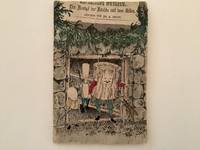
1865biblio268<p>"The Old Blacksmith Jacob's Stories" in 19th century German an excellent copy from a prolific story teller. A treasure.</p><p>Photo on request.</p> Robler hardcover
18794999253Madrid: Gaspar 1879. Bound in 1/4 leather with red pebbled boards sunning to both panels. Endpapers professionally reatored and book tightened. Ex-college library with one faint stamp at bottom of title page. 365 pp. A very early copy of this book of fairy tales by Andersen printed in Spanish of course. Only five 5 copies on OCLC. Exceedingly scarce. . Early Reprint. Hard Cover. Very Good/No Jacket. Illus. by Con Grabados. 8vo - over 7¾" - 9¾" tall. Gaspar Hardcover
1893162993NY MCLOUGHLIN 1893 1893. GILT STAMPED NAVY BLUE CLOTH OVER GLAZED BLUE PICTORIAL BOARDS FRONT FREE ENDPAPER DETACHED. VERY GOOD. Hardcover. NY, MCLOUGHLIN, 1893 hardcover
180926326Paris: Imprimerie Impériale 1809. Fine. Imprimerie Impériale Paris 1809-1829 71 x 53.50 cm une feuille Original etching in plano untrimmed extracted from the so-called ""Imperial"" edition of the Description de l'Égypte ou Recueil des observations et recherches faites en Égypte pendant l'expédition française publié par les ordres de Sa Majesté l'Empereur Napoléon le Grand. Executed between February 1802 and 1829 by order of Napoleon Bonaparte and published from 1809 actually 1810 it was printed in 1000 copies on watermarked laid paper ""Égypte ancienne et moderne"" and presented to institutions. Slight marginal foxing not affecting the engraving otherwise very fine condition and preservation. Volume ETAT MODERNE II: The genius of the Institute's scholars is particularly revealed through the plates of the section called Egypte Moderne. Architecture industry social structures health conditions water management music and craftsmanship are presented with exceptional precision and graphic quality. The spirit of Diderot and d'Alembert's Encyclopédie remains underlying in the approach of the Description de L'Egypte draftsmen who accompany the text volumes with numerous detailed plates endeavoring to create a portrait of the populations imbued with beauty and respect. Wealthy pashas or simple pottery craftsmen are represented with sensitivity going about their occupations amid aesthetic compositions without falling into idealism or caricature. LA DESCRIPTION DE L'EGYPTE IMPERIAL edition 1809-1829: La Description de l'Egypte is one of the masterpieces of French publishing and the starting point of a new science: Egyptology. A titanic exposition of Egypt at the time of Bonaparte's conquests between 1798 and 1799 it is divided into 23 volumes including 13 volumes of engravings gathering nearly 1000 plates in black and 72 in color. The 6 volumes of plates entitled Antiquités are devoted to the splendors of pharaonic Egypt. L'Histoire naturelle is divided into 3 volumes of engravings. One volume is devoted to Cartes géographiques et topographiques while the 3 volumes : Etat Moderne present a striking portrait of Coptic and Islamic Egypt as it was seen by Bonaparte's Eastern armies. The ""Egyptian campaign"" a military disaster reveals through the engravings of the Description de l'Egypte the scientific success it became thanks to the 167 scholars who were members of the Commission of Sciences and Arts of the Institute of Egypt who followed Napoleon's army. The Institute brought together in Egypt the mathematician Monge the chemist Berthollet the naturalist Geoffroy Saint-Hilaire as well as numerous artists engineers architects doctors. They were charged with rediscovering modern and ancient Egypt showing its natural riches and the expertise of its inhabitants. The first edition called ""Imperial"" of the Description de l'Egypte was produced in four large formats two of them specially created for it and named ""Moyen-Egypte"" and ""Grand-Egypte"" formats. A specific press was built for its printing which stretched over twenty years between 1809 and 1829. The Imperial edition proved so popular that a second edition in 37 volumes entirely in black and without the ""Egypte ancienne et moderne"" watermark called the ""Panckoucke"" edition was published from 1821 by the C.-L.-F. Panckoucke printing house Paris. The realization of this monument of erudition owes much to Baron Dominique Vivant Denon illustrator diplomat collector and later director of the Napoleon Museum at the Louvre who accompanied Napoleon to Egypt with many other scholars but decided alone to venture into the South of the country while the other invited scientists remained confined to the Cairo region. The fabulous sketches brought back by Denon during his romantic ride gave Bonaparte the idea to send the other members of the Institute there and thus create a faithful and complete portrait of the territory. Following Denon the greatest French scientists and artists ve Imprimerie Impériale unknown
1852379901London : R. Bentley 1852. First Edition. Hardcover. Provenance: Initialed bookplate. Spine bands worn. Good copy in the original gilt-blocked cloth. Slight suggestion only of dust-dulling to the spine bands and panel edges. Remains particularly well-preserved overall; tight bright clean and strong. Physical description : 2 volumes 20 cm. Notes : ""I have here and there omitted some passages which did not appear essential to the narrative.""--Pref. p. viii.""I have here and there omitted some passages which did not appear essential to the narrative.""--Pref. p. viii. Donated by John Forster. Includes bibliographical references. Contents : Vol. 1 -- Vol. 2. Subjects :Dante Alighieri 1265-1321 Biography. Italy. Homes and haunts Italy. London : R. Bentley hardcover
188512496AB1885. Tokyo Hasegawa 1885. 15 : 105 cm. 9 leaves With many coloured illustrations by Eitaku Kobayashi. Coloured illustrated original wrappers. First German edition. - Japanische Märchen. - Printed on crepe-paper. - Catallogue Crepe-Paper Books and Woodblock Prints no. 132. unknown
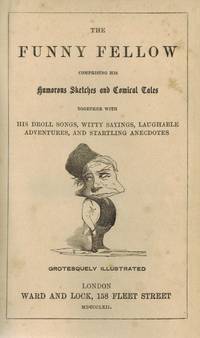
186241698AB1862. First Edition of a comic-style publication. London Ward And Lock 158 Fleet Street / Printed by Levey Robson and Franklyn 1862. 11 x 17cm. IV 220 pages with numerous grotesque illustrations. Original Hardcover with patterned cloth. Binding slightly shaky only. Otherwise in very good condition with only minor signs of external wear. With illustrations in "Punch - Style". Includes for example the following chapters: The Opium Dream / Hippodrollery / Speculations Upon Masquerades / Shakesperian Fancies / Shakesperian Fancies / etc. hardcover