Leumann, Manu & Joh. Bapt. HofmannMareMagnum
Spokil Langue Internationale
1390025829.Gpaperback. Good. Access codes and supplements are not guaranteed with used items. May be an ex-library book. paperback
Bonita · États-Unis55,33 $US≈ 46,81 €
5 134 résultats
Scholar's name to ffep (R. E. Fantham née Crosthwaite). Inner hinges weakening and starting to crack. Small tear to top of spine (1 cm). Corner a little bumped. Light pencil to a couple of pages. Light spotting to boards. Foxing to inner covers. ; Handbuch Der Altertumswissenschaft. Zweite Abteilung. Zweiter Teil; 924 pages; Heavy volume. May require extra shipping.
585156Damstadt, Wissenschaftliche Buchgesellschaft, 1961. 2 Bände, Editor Bindung, XIII-294, 592 S. Personnen Verzeichnis, Sachregister, Wortregister. Nachdruck der erste Auflage, München 1928.
23x15.5 cm. 65 pages. Hardcover. Includes Black&White plats. Notes on few pages. Else in good condition.
599285Groningen, Bouma's Boekhuis, 1967. In-8, rel. éd. pleine-toile bleue enduite, titre doré, 130 pp., texte en allemand, indices. Qq. rares annotations au crayon.
1390025829.Gpaperback. Good. Access codes and supplements are not guaranteed with used items. May be an ex-library book. paperback
2009144670Couverture souple. Broché. 159 pages. Graffitis sur la page de garde.
18070Paris, De Boccard, 1969. In-8 broché de XVI - 346 p. Livre en excellent état général.
First Edition, [2], vj, 246 pp., contemporary panelled calf, upper hinge detached, lacks label, a good copy. Alston, III, 222.
23x15.5cm. XIV+267 pages. Softcover. In good condition.
19802081002108701174Seibun-do 1980. Soft Cover. Fine. Number of pages: 388 Size: A5 Number of books: 1 Seibun-do paperback
VOLUME I ONLY. 22.5x16.5 cm. 720 pages. Hardcover. Text on cover faded. Spine slightly rubbed. Binding visible between several pages. Binding duct-taped between pages 706-707. Pages slightly yellowing. Else in good condition. PLEASE NOTE: This item is overweight. We may ask for extra shipping costs.
4to., First Edition, on India Paper, with 6 fine copper-engraved plates, small tide-mark in blank margins (nowhere affecting engraved surfaces); ORIGINAL PRINTED WRAPPERS, sewed as issued, uncut, a remarkably well-preserved, crisp, clean copy. The first part [only] of Buckler's notable series of copper views of the nation's eminent grammar schools. Here he depicts Banbury School (Oxfordshire), The King's School (Canterbury), Mercers' School (London), The Close School (Salisbury), Free Grammar School (Stamford), Free Grammar School (Wakefield). EXTREMELY SCARCE IN THE ORIGINAL WRAPPERS.
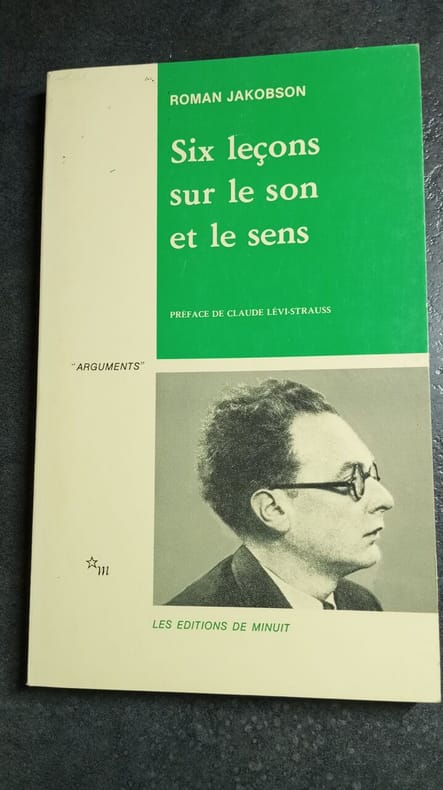
1984500171920ED DU MINUIT 1984 125 pages 13 6x1 4x21 2cm. 1984. Broché. 125 pages.
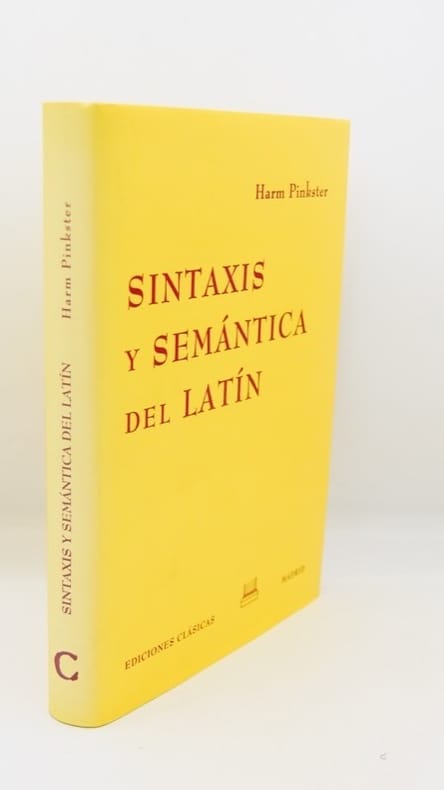
583968Madrid, Ediciones Clásicas, 1995. In-8, cartonnage d'édition, jaquette, XIV-397pp, index, table des matières.
82621Paris, Librairie Hachette, 1932. 11 x 14, 190 pp., broché, partiellement coupé, bon état.
2179Cannes. L'Imprimerie à l'Ecole. "Brochures d'Education Nouvelle Populaire" (n° 65). Octobre 1951. Fascicule agrafé. 20 pages.
H. Didier. 1905. In-12 Carré. Broché. Etat d'usage. Couv. défraîchie. Dos abîmé. Intérieur acceptable. 90 pages. Coins frottés. Annotations au crayon dans l'ouvrage. Tampon d'Hommage des auteurs et de l'éditeur en page de titre. 4e édition revue.
18033220563<p><em>16mo 93 x 60mm pp. 64; with engraved frontispiece; original yellow paper boards later paper reback with printed paper label to upper board.</em></p><p>Scarce work for children providing them with 'short and easy rules for attaining a knowledge of English grammar'. Although issued separately the work was also designed to be included as part of Wallis's 'Bookcase of Knowledge' which comprised ten works on a variety of subjects such as Arithmetic Astronomy Botany Geography History Mythology and Natural History all housed in a custom made miniature wooden bookcase to form a juvenile library.</p><p>'During the 1790s Ellenor Fenn was a force to be reckoned with in the promotion of what might be called home-reading-without-tears. A number of her books from this period mention or advertise boxes of letters and other equipment which were designed to help children learn through play. These experiments culminated in a series of brilliantly conceived "miniature libraries" initiated by her publisher John Marshall. They were sets of tiny books planned around themes and housed in wooden boxes whose lids were made to resemble the front of a bookcase. The first of these was actually the largest gThe Juvenile or Child's Libraryg 1799-1800 but it was quickly followed by the smaller gInfant's Libraryg 1800-1 - sixteen little books in a box - which proved to be the most popular of a whole succession of imitations . Once John Marshall had shown the way other publishers were quick to market alternatives to his Juvenile and Infant's libraries. As might be expected John Wallis with his involvement in maps games puzzles and so on was one of the foremost competitors.' Anderson & Oyens gBe Merry and Wise: Origins of Children's Book Publishing in England 1650-1850g 2006 p. 128.</p><p>In 1800 London publisher John Marshall decided that parents were not the only ones who deserved the pleasure of a book-filled library. Small children should have their own and henceforth gThe Infant's Libraryg was conceived designed and produced: John Wallis immediately copied his idea although he chose to issue the books in 1801 apparently without a wooden cabinet at first which was only supplied modelled on Marshall's in 1803.</p> London: Printed for J. Wallis, Ludgate Street, by T. Gillet, Salisbury-Square.
1903RO60027812Didier. 1903. In-12. Relié. Bon état, Couv. légèrement passée, Dos frotté, Intérieur bon état. 92 pages. Annotation en page de garde et en 1re page.. . . . Classification Dewey : 425-Grammaire anglaise
IN HEBREW. 240x170 mm. 198 pages. Hardcover. Cover faded. Cover corners slightly bumped. Spine edges slightly bumped and rubbed. Ex-libris on front inner cover. Inner cover age stained. Pages yellowing. Else in good condition.
In Hebrew. THIS VOLUME ONLY 240X170 mm. 198 pages. Hardcover. Cover slightly curved. Cover corners slightly worn. Spine edges worn. Few pages slightly age-stained. Pages slightly yellowing. Else in good condition.
Broché. 230 pages.
In-8, plein veau moucheté de l'époque, dos à 5 nerfs orné de compartiments fleuronnés, pièce de titre de maroquin rouge, xxj, (3), 494, (2) p. "Quatrième édition" en deux parties, l'édition définitive suivie du factum concernant une erreur judiciaire: Jacques le Brun domestique injustement accusé d'avoir assassiné sa patronne fut torturé à mort par la justice avant qu'on ne découvre le véritable coupable du meurtre, cause qui permet à l'auteur de protester avec véhémence contre l'iniquité de la justice son temps. Issu d'une famille pauvre originaire de Langres, Barbier d'Aucour devint avocat et précepteur. L’ouvrage prend parti pour les jansénistes sur la question de la langue française, du "bon usage" et du "bel esprit" en réfutant les 'Sentimens de Cléante' du jésuite Bouhours qui critiquait Port-Royal. "Après les 'Lettres provinciales' le seul livre polémique, dit La Harpe, qui ait assuré à son auteur une réputation qui a duré jusqu'à nous et l'ouvrage en est digne. C'est ce que la critique a produit de meilleur dans le XVIIe s. En indiquant l'erreur, il y substitue la vérité (…). Il pense juste et écrit bien. Il varie son ton à proportion des objets et sa plaisanterie est fine autant que sa raison est solide et lumineuse" (Peignot, 'Manuel du bibliophile', p. 186). Très bon exemplaire, frais, bien relié à l'époque.