Cerasi MauriceMareMagnum

445 résultats
8vo, br. ed. senz indicazione di luogo e data, ma Milano 1991. raro.
8vo, hardcover in dj. Lauded as a “great Jew,” excoriated by antisemites, and one of Britain’s most renowned prime ministers, Benjamin Disraeli has been widely celebrated for his role in Jewish history. But is the perception of him as a Jewish hero accurate? In what ways did he contribute to Jewish causes? In this groundbreaking, lucid investigation of Disraeli’s life and accomplishments, David Cesarani draws a new portrait of one of Europe’s leading nineteenth-century statesmen, a complicated, driven, opportunistic man. While acknowledging that Disraeli never denied his Jewish lineage, boasted of Jewish achievements, and argued for Jewish civil rights while serving as MP, Cesarani challenges the assumption that Disraeli truly cared about Jewish issues. Instead, his driving personal ambition required him to confront his Jewishness at the same time as he acted opportunistically. By creating a myth of aristocratic Jewish origins for himself, and by arguing that Jews were a superior race, Disraeli boosted his own career but also contributed to the consolidation of some of the most fundamental stereotypes of modern antisemitism. Book Description: In this groundbreaking, vivid look at Disraeli’s life and accomplishments, David Cesarani draws a new portrait of one of Europe’s leading nineteenth-century statesmen, a complicated, driven, opportunistic man. While acknowledging that Disraeli never denied his Jewish lineage, boasted of Jewish achievements, and argued for Jewish civil rights while serving as MP, Cesarani challenges the assumption that Disraeli truly cared about Jewish issues.
large 8vo, br. 233 x 153 mm. Language: English . Brand New Book. The Holocaust has never been so widely commemorated, but our understanding of the accepted narrative has rarely, if ever, been questioned. David Cesarani s sweeping reappraisal challenges accepted explanations for the anti-Jewish politics of Nazi Germany and the inevitability of the Final Solution . The persecution of the Jews was not always the Nazis central preoccupation, nor was it an inevitable process. Cesarani also reveals that in German-occupied countries it unfolded erratically, often due to local initiatives. Ghettos were improvised while the mass shooting of Jews during the invasion of Russia owed as much to the security situation as to anti-semitism. In this new interpretation, war is critical to the Jewish fate. Military failure denied the Germans opportunities to expel Jews into a distant territory and created a crisis of resources that led to starvation of the ghettos and intensified anti-Jewish measures. It was global war that eventually triggered genocide in Europe. Cesarani disputes the iconic role of railways, deportation trains and even Auschwitz, and reveals that plunder was more a cause of anti-Jewish feeling than a consequence of it. Using diaries and reports written in ghettos and camps, he exposes the extent of sexual violence and abuse of Jewish women by the Germans, their collaborators and, shockingly, by Jews themselves. But Cesarani also reveals the courage and ingenuity of those who struggled to evade capture and fought back wherever they could. And unlike previous histories, he follows the Jews journey to the Displaced Persons camps; camps which have so often been merely a footnote in the story but where Jews languished behind barbed wire for years after liberation . This moving and dramatic account captures the fate of the Jews, the horror and the heroism, in their own words. Resting on decades of scholarship it is compelling, authoritative, and profoundly disturbing.
8vo br. ed. p.246. Come si potrebbe giungere con le proprie forze al Bene o a Dio se essi non avessero un legame incancellabile con il sé umano? Fin dall'antichità greca e biblica si è meditato su questo interrogativo per riflettere sulla conversione. Nel cuore della storia del XX secolo, malgrado l'impotenza del Dio biblico a manifestarsi, i pensatori presi in esame in questo libro hanno continuato a vegliare su questo legame. Convertirsi, in quelle circostanze, fu la loro maniera di resistere alla fatalità del male. Sia che il loro percorso sia stato filosofico (Henri Bergson), sia che sia stato accompagnato dalla meditazione dei libri ebraici (Franz Rosenzweig) e cristiani (Simone Weil, Thomas Merton) o di ambedue (Etty Hillesum), essi a poco a poco percepirono come il più profondo - l'anima o il sé umano - sia abitato dal "più alto".
16mo, br. ed. 2- 75 pagine. Sara, Rebecca, Lea, Rachele - le madri di Israele, le quattro matriarche appaiono, attraverso le righe di Catherine Chalier, nella loro verità biblica: nella loro antichità che è anche viva presenza, nella loro grandezza che è anche estrema prossimità di persone, nel loro mistero che è anche sfavillio e grazia. Mai divengono figure mitologiche, mai si irrigidiscono nei tratti di personaggi, mai si limitano a un particolarismo etnico. Le parole di queste donne, con i loro atti, i loro gesti, i loro passi, dischiudono le dimensioni e il senso dell'umano. Si producono come ancora inattese, come per la prima volta. (dalla prefazione di E. Lévinas)
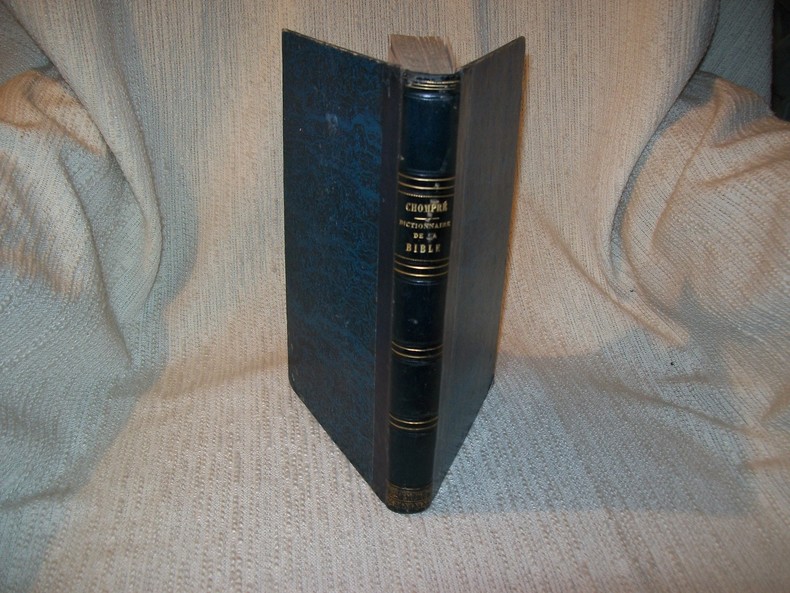
1806GITg418A Paris chez Le Normant 1806. In-8 XXXIII 358pp imprimées sur 2 colonnes. Demi basane bleu nuit, dos lisse orné de fleurons dorés et à froid, frise dorée en queue, relié vers 1840. Bel exemplaire frais, sans rousseurs et bien complet.
41791Editions du Rocher, 1995. 28 x 32, 217 pp., très nombreuses illustrations en couleurs, reliure d'édition carton + jaquette, très bon état.
in-8, 372 p., cartes et tabl. coul. h.t., annexes, br., couv. ill. plast.
199029226Paris Hachette, La Vie Quotidienne 1990 In-8 406 pp
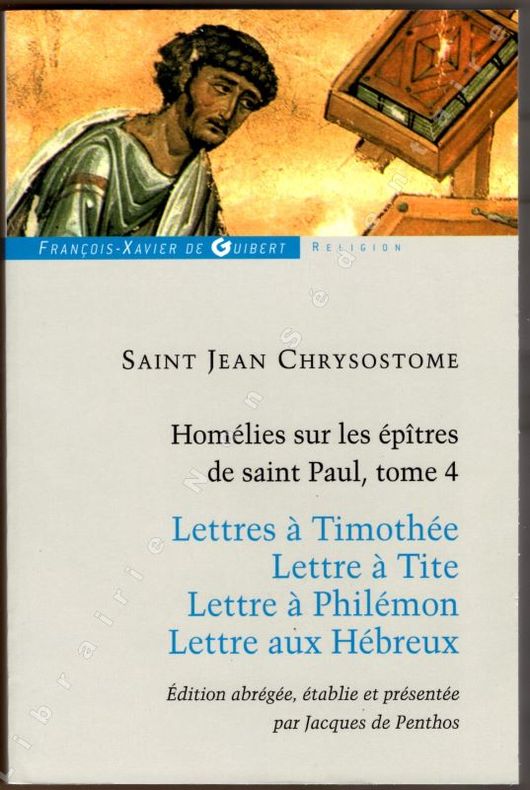
13292François Xavier de Guibert, 2010 - In-8, broché, couverture souple glacée titrée en noir et ill, 270 pages, très bel exemplaire.
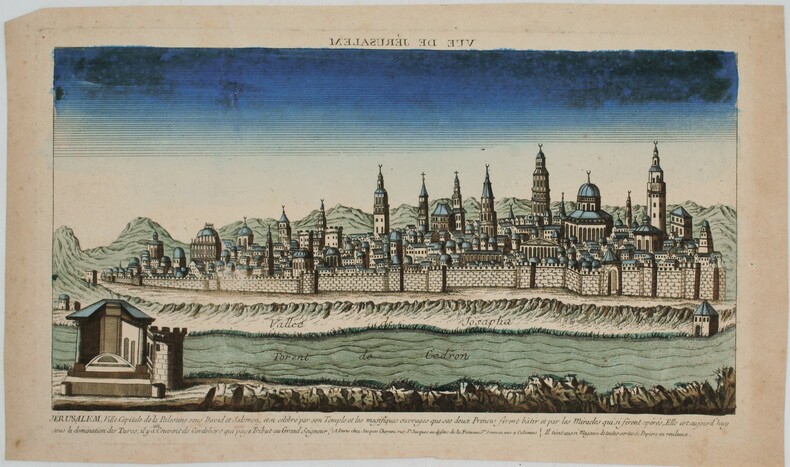
PHO-1298Vue d'optique originale , en colories d’époque , dimension de feuille 450x274mm , de l’impression 410x242mm, titre à l’envers ,verso blanc .
8vo, br., pp. 284, cm 15x21. (I Libri di Viella. 154). Russia, seconda metà dell'Ottocento. La questione ebraica diviene argomento di dibattito pubblico sulle pagine di giornali e riviste. Brafman pubblica "Il libro del kahal", e scatena le fantasie più pericolose dei giudeofobi russi. Kahal, da termine indicante la forma di autogoverno delle comunità ebraiche dell'Europa orientale, acquisisce ora il significato di potenza occulta che, attraverso una cospirazione planetaria, attua il programma di dominazione del mondo, dirige la mano armata del nichilismo nel suo attacco all'Europa, e realizza il progetto di disgregazione fisica e morale dell'Impero russo. A che punto si diffonde in Russia l'idea dell'esistenza di questo kahal segreto? Perché diviene una vera e propria fissazione per un numero crescente d'intellettuali, di letterati, di funzionari, di personalità di governo dell'Impero? In che modo, dunque, la giudeofobia, da sottotesto narrativo, diviene un'accusa reale capace di scatenare terribili pogrom antiebraici? Nel presente saggio l'autore risponde a queste così come ad altre domande esaminando la preistoria dei Protocolli dei Savi di Sion, quel testo che, come scriveva Rollin nel 1939, sarebbe divenuto il più diffuso nel mondo dopo la Bibbia. "L'ombra del kahal" si scosta dai lavori più noti sull'argomento, concentrandosi sulle opere in cui la menzogna diventa realtà e fomenta violenza, disprezzo, politiche antiebraiche, e agisce duramente sul corso delle vite di milioni di sudditi russi di fede mosaica.
8vo. Ril sovracoperta cm 14,5x22,5 pp 273. Raccolta di saggi ebraici e islamici dello prolifico ed eclettiico scrittore. Una ricerca delle scintille divine nella storia dei popoli dl libro
92446Editions du Cosmogone, 1997, 328 p., broché, de petites taches sur le premier plat, coins des plats légèrement émoussés, bon état pour le reste.
8vo, br. ed. bandelle, pp.pp. XX-202, ill. b/n. Giochà è l’eroe, o l’antieroe, di una serie di storie popolari fiorite nel bacino del Mediterraneo e diffuse in particolare nella diaspora giudeo-spagnola e orientale: se le più antiche testimonianze risalgono infatti a racconti arabi anonimi del IX secolo, è nelle famiglie ebraiche di Turchia, Grecia, Jugoslavia, Bulgaria, Israele e Marocco, che si tramandano oralmente, di generazione in generazione, le gesta eroicomiche di questa figura popolare. Giochà è un ragazzo – ma è anche un adulto – che è tutto e il contrario di tutto: intelligente e stupido, furbo e credulone, onesto e disonesto, triste e allegro, povero e ricco, credente e miscredente. Lo si ritrova in ogni situazione possibile: realistica, fantastica, assurda. Non sa comprare nemmeno un pomodoro, ma sa vendere una pecora brutta e magra a un prezzo favoloso. È figlio di un ricco, ma non ha neppure una camicia. Non ha da mangiare, ma nutre gli affamati. Insomma è un saggio, ma di una saggezza che non si riconosce a prima vista. La raccolta di questi racconti, fedelmente trascritti da fonti orali giudeo-spagnole e tradotti in italiano con la cura di conservarne il particolare registro linguistico, ricostruisce il rapporto, tutto speciale, del narratore che parla al suo pubblico, dentificandosi, insieme con lui, nello stesso gruppo, nella stessa etnia, condividendone usi, valori, norme di comportamento.La comicità di queste «storie», spesso basata su fraintendimenti semantici, sull’esecuzione di ordini ricevuti, intesi, scioccamente, nel loro significato letterale, è, a volte, davvero esilarante. Ma Giochà incarna anche il ribelle alle convenzioni sociali, il burlone che si fa gioco di tutto e di tutti, che irride l’autorità, la paura, la morte stessa; e in questa sua incontenibile, clownesca provocazione sta forse l’effetto catartico che contagia il lettore e lo induce a sorridere.
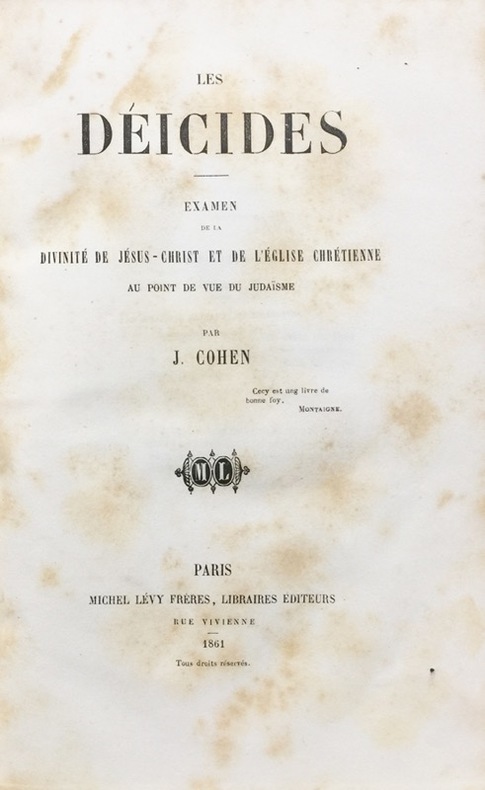
18615184Paris, Michel Lévy Frères, 1861 ; in-8 ; demi-chagrin vert sapin, dos à nerfs, caissons décorés et dorés, titre doré (reliure de l'époque) ; (4), 399 pp.
8vo, 271pp . good and evil in religions, Egypt, Mesopotamia and India, through Iranian and Jewish prophets, to early Christian beliefs.
1988vb1472Arnoldo Mondadori Editore, De Luca Edizioni d'Arte Dos carré collé 1988 In-4 ( 23,5 x 27 cm), dos carré collé avec rabats, 142 pages, iconographie en noir et couleurs in et hors texte, texte en italien ; dos et coin des plats légèrement jaunis, étiquettes de prix au quatrième plat, bavure superficielle sur la page de faux titre, par ailleurs intérieur frais et bon état. Livraison a domicile (La Poste) ou en Mondial Relay sur simple demande.
1996pt55departement oosterse studies Dos carré collé 1996 In-8 broché, dos carré collé, 251 pp. ; très bon état. Livraison a domicile (La Poste) ou en Mondial Relay sur simple demande.
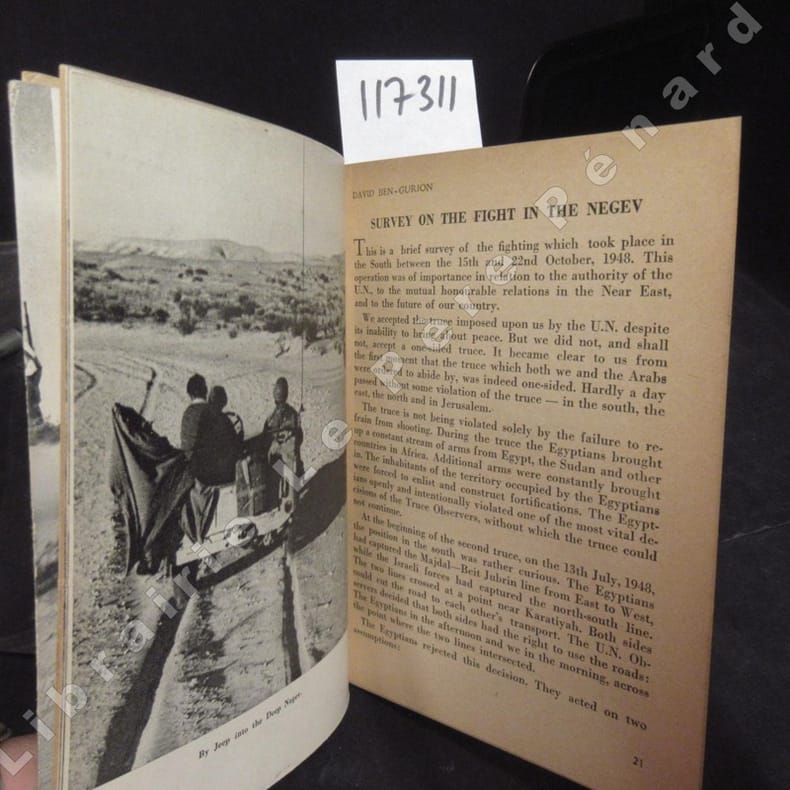
19491173111949 Jerusalem, Keren Hayesod, Head Office / Published by Lion the Printer, Tel Aviv - 1949 - Printed in Israel by the Haaretz Press Ltd. - In-12, broché couverture illustrée à rabats - 91 pages - Illustrations et reproductions photographiques en N&B in et hors texte - Pictures from the Keren Hayesod Archives, Jerusalem - Ouvrage en anglais
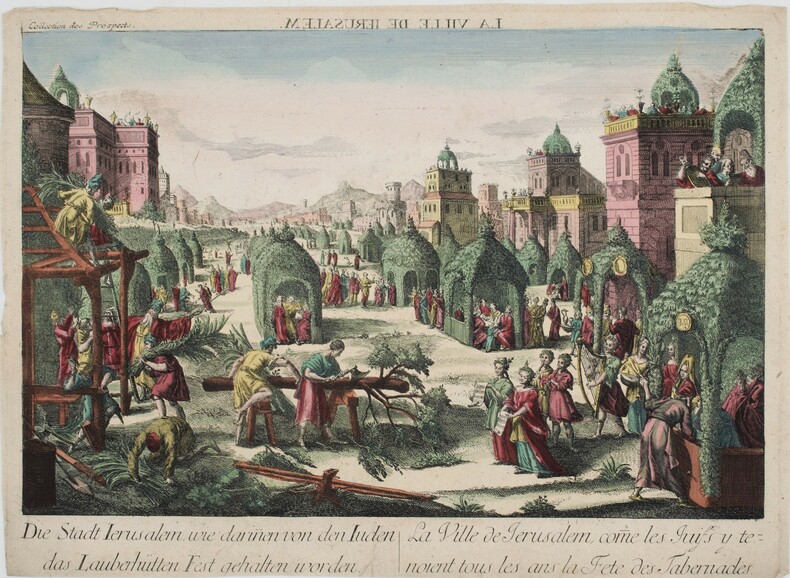
PHO-1301Imprimée à Augsbourg dans la « Collection des Prospects »,430x322mm , gravure en couleurs d’époque , verso blanc . Une belle vue de Jérusalem illustrant Souccot - également connue sous le nom de Fête des Tabernacles ou Fête des Cabanes.
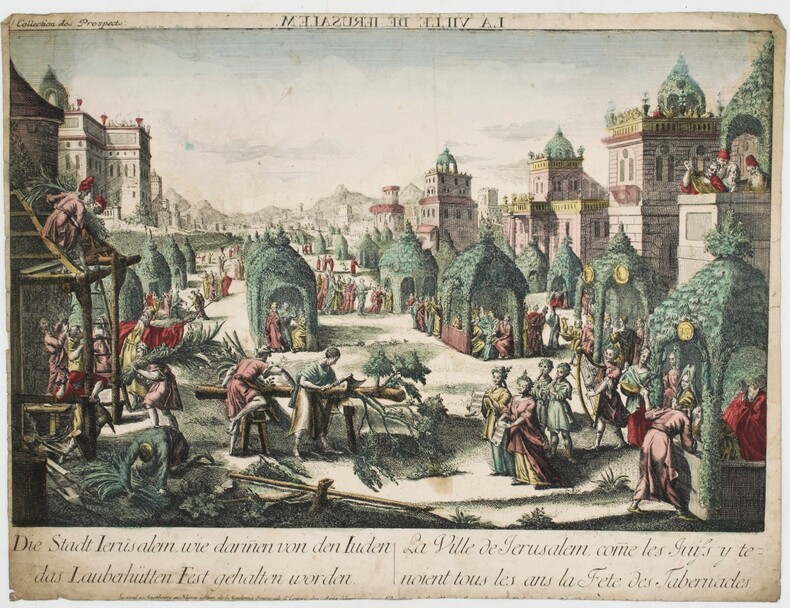
PHO-1300Imprimée à Augsbourg dans la « Collection des Prospects »,430x322mm , gravure en couleurs d’époque , verso blanc, coupes courtes, bords légèrement salis Une belle vue de Jérusalem illustrant Souccot - également connue sous le nom de Fête des Tabernacles ou Fête des Cabanes.
University of Illinois Press, United States, 2008. Paperback. Condition: New. Language: English. Brand new Book. This is the first published edition of the diary of Abraham Plotkin, an American labor leader of immigrant Jewish origin who lived in Berlin between November 1932 and May 1933. A firsthand account of the Weimar Republic's final months and the early rise of Nazi power in Germany, Plotkin's diary focuses on the German working class, the labor movement, and the plight of German Jews. Plotkin investigated Berlin's social conditions with the help of German Social-Democratic leaders whose analyses of the situation he records alongside his own.Most accounts of Hitler's rise to power emphasize political institutions by focusing on the Nazi party's clashes with other political forces. In contrast, Plotkin is especially attentive to socioeconomic factors, providing an alternative view from the left that stems from his access to key German labor and socialist leaders. Chronologically, the diary reports on the moment when Hitler's seizure of power was not yet inevitable and when leaders on the left still believed in a different outcome of the crisis, but it also includes Plotkin's account of the complete destruction of German labor in May 1933.
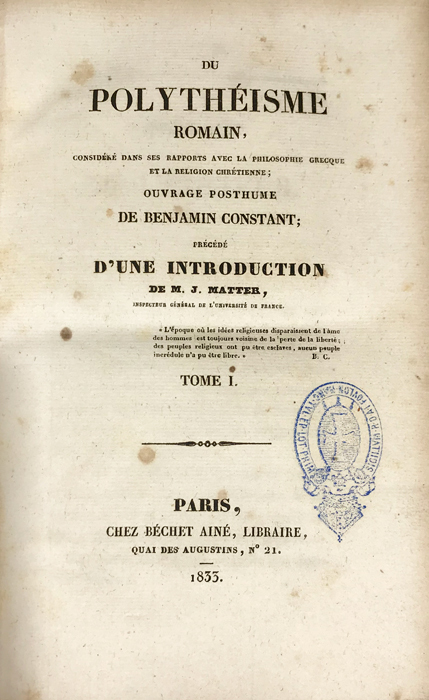
18333556Paris, Béchet Ainé, 1833 ; deux tomes reliés en un volume in-8, demie-basane fauve, dos à nerfs décorés, grandes pièces de titre et tomaison rouges (reliure de l’époque) ; (2) ff., LIX pp., 283 et 384 pp. ; précieuse table alphabétique et analytique.
650In 12 plein cuir fauve à nerfs raciné.titre,fers filets dorés.Faux-titre,titre,252 pages tranches rouges Moutard 1781,une coiffe réparée.Edition originale