52 résultats
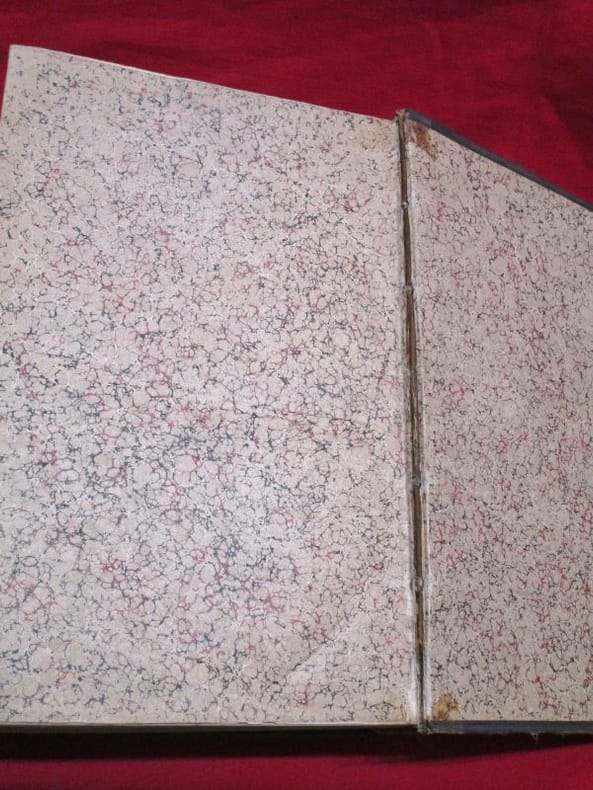
Very Good English In contemporary cloth bdg. with flowers embossing. Some foxing and stains on the first pages. Roy. 8vo. (24 x 16 cm). In Armenian and English. [2], [xxx], 786 p., 1 folded table describes the Armenian alphabet with its letters, sound, and pronunciation. With a parallel title page and additional half-title in Armenian and a list of errata and corrigenda. Double-column text. Preface bilingual in Armenian and English. Following that, the second title is 'Short Armenian grammar'. After abbreviations, the dictionary section begins. In the preface, there is a short history and origin of the Armenian language written by Bedrossian according to the conjuncture of the period, followed by his mentions of the necessity of this dictionary for the literature, etc. Rare first edition of this early Armenian - English dictionary printed in Venice by Venetian Mekhitarists. In 1875, Matthias Bedrossian undertook to update earlier Armenian dictionaries, and he succeeded in producing a completely reworked Armenian-English dictionary. The most flourishing period of Venetian Armenians was in the 16th and 17th centuries, especially when Julfa and New Julfa merchants were based in the city. During the same period, Venice also became one of the most important Armenian publishing centers. It was in Venice (1512) that the first Armenian book was published by Hagop Meghabard. Until the founding of the Mekhiterists' printing press in San Lazzaro, there were 19 Armenian printing presses in Venice. (Source: Keghart). Only two copies in OCLC as printed copy in Bibliothèque nationale et universitaire. OCLC 156112892.
1609112554geneve roviere 1609 Aureliae Allobrogum (Genève), Petrus de la Roviere (Pierre de la Rovière), 1609, 1 volume grand in-folio de 240 x 370 mm environ, (14) ff. (Page de titre, Praefatio) - 183 - 283 - 84 - 203 pages; [suivi de] (4) ff. (Page de titre, Praefatio) - 186 - 134 pages. Complet dans le canon catholique. Demi-chagrin brun postérieur, dos à 5 nerfs portant titre doré. Exemplaire solide mais en modeste condition : reliure abimée (débuts de fente sur les mors externes, mors internes fendus, manques de cuir, plats tachés, coins dénudés), nombreuses rousseurs et pages brunies, des traces de mouillures, quelques déchirures sans manque, travail de vers sur une dizaine de pages du Nouveau testament.