2 346 résultats
cm. 22 x 33, 2 tomi rilegati, raccolti in cofanetto, di 288 pp. pi? 220 pp. di facsimile. 3285 gr. 288 p.
A couple of Corners are lightly bumped. Very light pen notes to ffep and 1 page (word crossed out) with pencil notes and underlining to a couple of pages. Dustsoiling to top of textblock. Dustjacket has minor shelfwear. DJ spine is a little browned. ; 512 pages; How does the funeral oration relate to democracy in ancient Greece? How did the death of an individual citizen-soldier become the occasion to praise the city of Athens? In The Invention of Athens, Nicole Loraux traces the different rhetoric, politics, and ideology of funeral orations--epitaphioi--from Thucydides, Gorgias, Lysias, and Demosthenes to Plato. Arguing that the ceremony of public burial began circa 508-460 BCE, Loraux demonstrates that the institution of the funeral oration developed under Athenian democracy. A secular, not a religious phenomenon, a literary genre with fixed rhetoric effects, the funeral oration was inextricably linked to the epainos--praise of the city--rather than to a ritualized lament for the dead as is commonly assumed. Above all, the funeral oration celebrated the city of Athens and the Athenian citizen. Loraux interprets the speeches from literary, anthropological, and political perspectives. She explains how these acts of secular speech invented an image of Athens often at odds with the presumed ideals of democracy. To die in battle for the city was presented as an act of civic choice--the "fine" death that defined the citizen-soldier's noble, aristocratic ethos. At the same time, the funeral oration cultivated an image of democracy at a time when there was, for example, no formal theory of a respect for law and liberty, the supremacy of the collective and public over the individual and the private, or freedom of speech.
Very minor shelfwear to book. Dustjacket has minor shelfwear. DJ spine is a little browned and faded. ; 512 pages; How does the funeral oration relate to democracy in ancient Greece? How did the death of an individual citizen-soldier become the occasion to praise the city of Athens? In The Invention of Athens, Nicole Loraux traces the different rhetoric, politics, and ideology of funeral orations--epitaphioi--from Thucydides, Gorgias, Lysias, and Demosthenes to Plato. Arguing that the ceremony of public burial began circa 508-460 BCE, Loraux demonstrates that the institution of the funeral oration developed under Athenian democracy. A secular, not a religious phenomenon, a literary genre with fixed rhetoric effects, the funeral oration was inextricably linked to the epainos--praise of the city--rather than to a ritualized lament for the dead as is commonly assumed. Above all, the funeral oration celebrated the city of Athens and the Athenian citizen. Loraux interprets the speeches from literary, anthropological, and political perspectives. She explains how these acts of secular speech invented an image of Athens often at odds with the presumed ideals of democracy. To die in battle for the city was presented as an act of civic choice--the "fine" death that defined the citizen-soldier's noble, aristocratic ethos. At the same time, the funeral oration cultivated an image of democracy at a time when there was, for example, no formal theory of a respect for law and liberty, the supremacy of the collective and public over the individual and the private, or freedom of speech.
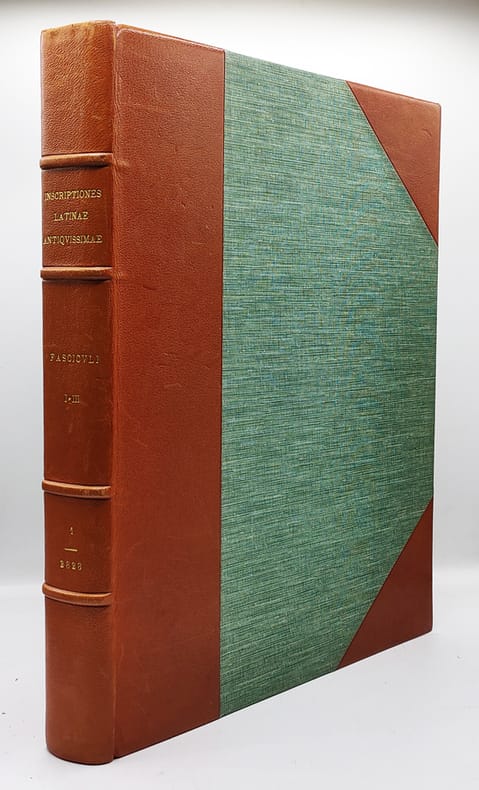
585874Berlin, De Gruyter, 1974-1976. In-folio, demi-chagrin auburn à coins, tranches mouchetées, couvertures conservées, [367]-852 pp., ill. en noir in-t. (Corpus inscriptionum latinarum). Notes de lectures jointes sur des feuillets volants.
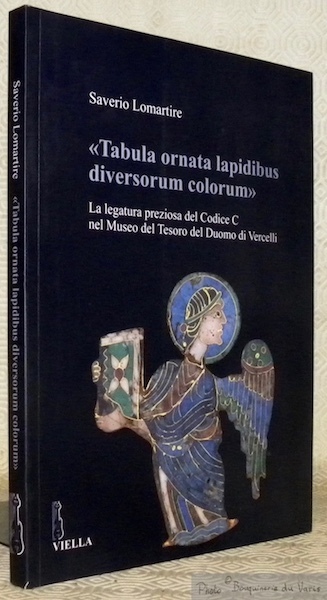
89925Roma, Viella 2015, 240x170mm, 180pagine, in brossura. Copertine con alette. Ottimo stato.
<br/> STATO: USATO, MOLTO BUONO.<br/> NOTE: Mancante di sopracoperta.<br/> TITOLO: Arabic Manuscripts in the Biblioteca Ambrosiana. <br/> AUTORE: Lofgren,Oscar. Traini,Renato.<br/> CURATORE: Vol.II:Nuovo Fondo, Series A-D (Nos.1-830).<br/> EDITORE: Neri Pozza Ed.<br/> DATA ED.: 1981,<br/> COLLANA: Coll.Fontes Ambrosiani in Lucem Editi Cura et Studio Bibl.Ambrosianae, LXVI.<br/>
Small scuffed area to front board. Very light shelfwear. ; Xii, 60pp, 6pls. No. 2878-2891 ; Graeco-Roman Memoirs No. 55; Vol. 39; 60 pages
70061Firenze, Edizioni del Galluzzo - sismel 2003, 300x220mm, XIX- 141pagine, legatura del editore con sovracopperta. Exemplaire à l'état de neuf.
8vo., First Edition; original wrappers printed in red, sewed as issued, a fine copy. Library Publication No. 1. The guide comprises Western MSS (medieval and modern), Oxyrhyncus Papyri and Oriental MSS. SCARCE.
600836Le Caire, IFAO, 2008. Grand in-4 br., XVI-365 pp., bibliogr., nombr. photogr. en noir in-t.
156044Bonn, Habelt, 1974.
55802Amsterdam, Adolf M. Hakkert, 1974.
Pages unopened. Very light shelfwear else fine. ; Collection Latomus Volume 106; 118 pages
Upper sections of some plate pages have water-damage with light water-staining and some rippling to pages. Endpapers browned. Bottom corners edgeworn. Rubbing to spine ends. Spine browned. Pages tanned. Still serviceable. ; 59 pp. And 146 plates; 59 pages
St Andrew University - Oxford University 1923, In-8 broché, 93 pages + 3 planches. Trés bon état. Texte en anglais
192399935534St Andrew University - Oxford St Andrew University - Oxford University 1923, In-8 broché, 93 pages + 3 planches. Trés bon état.
St Andrew University - Oxford University 1927, In-8 broché, 78 pages + 9 planches. Trés bon état. Texte en anglais
192799935535St Andrew University - Oxford St Andrew University - Oxford University 1927, In-8 broché, 78 pages + 9 planches. Trés bon état.
St Andrew University - Oxford University 1927, In-8 broché, 68 pages + 10 planches. Couverture abimée. intérieur en trés bon état. Texte en anglais
192799935536St Andrew University - Oxford St Andrew University - Oxford University 1927, In-8 broché, 68 pages + 10 planches. Couverture abimée. intérieur en trés bon état.
Minor stain to upper edge of front wrap. Else minor shelfwear. ; Skrifter Utgivna Av Svenska Institutet I Athen / Acta Instituti Atheniensis Regni Sueciae, Series in 4°, XIX; 80 pages
Creasing to book near spine. Minor edgewear to wraps. Pages unopened. ; Skrifter Utgivna Av Svenska Institutet I Athen / Acta Instituti Atheniensis Regni Sueciae, Series in 4°, XIX; 4to 11" - 13" tall; 80 pages
610350Ex Offic. Acad. C. G. Fleckeisen Helmstadii 1803 In-4 carré ( 275 X 230 mm ) de 172 pages, demi-basane tabac, dos lisse orné de filets dorés. Planches hors-texte. Edition originale. Reliure frottés bon exemplaire, pur, non rogné.
ill., br. In un'Europa segnata dall'avvento dei fascismi e del nazismo e drammaticamente precipitata nella seconda guerra mondiale, la storiografia contemporanea ha costruito una visione di Augusto e della genesi del principato tanto solida quanto preconcetta e infondata. I saggi raccolti in questo volume forniscono invece una ricostruzione assai diversa, avvalorata soprattutto dai numerosi documenti epigrafici e papirologici di recente rinvenimento. Questi, grazie anche a un serio riesame delle fonti di tradizione manoscritta, contribuiscono alla demolizione dei più radicati luoghi comuni sulle vicende politiche dopo le Idi di marzo del 44 a.C., la persona di Augusto e la sua posizione istituzionale. Ma non solo. La documentazione complessiva mette anche in luce il profondo rapporto tra il princeps e uno dei protagonisti di quella infuocata e tragica fase della storia costituzionale di Roma, Marco Tullio Cicerone, tanto da poter definire il primo come il vero erede politico del secondo e autore di una nuova forma rei publicae in verità delineata nei celeberrimi trattati ciceroniani.