SYMBOLISME FLEURS ANONYMELivre Rare Book

253 535 résultats
897908Cercle Du Livre Précieux Paris 1966 In-16 ( 125 X 75 mm ) pleine basane aubergine, dos lisse orné de fleurons dorés, dentelles dorées d'encadrement sur les plats, tête dorée. Illustrations hors-texte. Charmante édition imprimée sur papier bleu, tirage limité à 3000 exemplaires numérotés ( N°2834 ). Bel exemplaire.
355865Contentum Ltd. Loose sheet. New. High-quality art print based on an original work from the Met. Created in the 19th century 1800. Professionally printed on premium fine-art paper Photo Rag Bright White premium quality in size A2. The artwork is printed with a white border museum-style presentation. Contentum Ltd. unknown
355879Contentum Ltd. Loose sheet. New. High-quality art print based on an original work from the Met. Created in the 19th century 1800. Professionally printed on premium fine-art paper Museum Etching museum quality in size A2. The artwork is printed with a white border museum-style presentation. Contentum Ltd. unknown
355864Contentum Ltd. Loose sheet. New. High-quality art print based on an original work from the Met. Created in the 19th century 1800. Professionally printed on premium fine-art paper Photo Matt Fibre in size A2. The artwork is printed with a white border museum-style presentation. Contentum Ltd. unknown
355878Contentum Ltd. Loose sheet. New. High-quality art print based on an original work from the Met. Created in the 19th century 1800. Professionally printed on premium fine-art paper Photo Rag Bright White premium quality in size A2. The artwork is printed with a white border museum-style presentation. Contentum Ltd. unknown
355863Contentum Ltd. Loose sheet. New. High-quality art print based on an original work from the Met. Created in the 19th century 1800. Professionally printed on premium fine-art paper Museum Etching museum quality in size A3. The artwork is printed with a white border museum-style presentation. Contentum Ltd. unknown
355877Contentum Ltd. Loose sheet. New. High-quality art print based on an original work from the Met. Created in the 19th century 1800. Professionally printed on premium fine-art paper Photo Matt Fibre in size A2. The artwork is printed with a white border museum-style presentation. Contentum Ltd. unknown
355876Contentum Ltd. Loose sheet. New. High-quality art print based on an original work from the Met. Created in the 19th century 1800. Professionally printed on premium fine-art paper Museum Etching museum quality in size A3. The artwork is printed with a white border museum-style presentation. Contentum Ltd. unknown
355866Contentum Ltd. Loose sheet. New. High-quality art print based on an original work from the Met. Created in the 19th century 1800. Professionally printed on premium fine-art paper Museum Etching museum quality in size A2. The artwork is printed with a white border museum-style presentation. Contentum Ltd. unknown
333369LONDON: Printed in the Year M.DCC.XXVII. 1727. A very scarce forged illegitimate third volume of Gulliver's Travels issued in 1727 octavo brown leather boards remnants of gilt lettering & rule with raised bands to spine gilt rule/borders to boards decorative blind stamp to board edges 14 159pp vignette to prelims decorated headers at begininning of new chapter pages G boards & ffep completely detached but present spine heavily crackled with severe rubbing & heavy surface loss heavy scuffing to boards & board edges with age appropriate discolouration heavy tanning & moderate soiling/staining to page edges level of internal tanning & markings at level expected of books this age but text block still very clear multiple prev. owners' names in ink to prelim pgs- historical LONDON: Printed in the Year M.DCC.XXVII. (1727) hardcover
193046404838s. l. n. d. , (vers 1930) ; 16,5 x 11 cm. montées dans des marie-louises et préservées dans une chemise en cartonnage toile in-4, Les 10 planches en noir sont coloriées couleur chair. Elles montrent des scènes de flagellation, lesbianisme, bestialité, etc. Chaque planche est signée P. au crayon, elles sont numérotées 1 à 10 et chacune porte le numéro de la suite (14) à la mine de plomb.
1893557511 vol. in-4 format à l'italienne reliure plein chagrin marron, chasse ornées, toutes tranches dorées, mention "Antoinette 29 juin 1893" au premier plat, avec deux aquarelles anciennes dont une ornée d'une dédicace en russe, et deux belles encres modernes par Michel Suffran, les 64 feuillets suivants sont restés vierges
19193309BZürich, Mayer u. Schulz [Ort u. Verlag fingiert], 1919. Kl.8°. 431 S. HLeinen mit RTitel.
1903R320108082IMP. GOUNOUILHOU. 1903. In-4. Relié demi-cuir. Bon état, Couv. défraîchie, Dos satisfaisant, Intérieur frais. 55 + 416 + 28 pages - Plats et contre-plats jaspés - Titres, filets, fleurons et reliure signée, dorés au dos - Dos à 5 nerfs. 3 PHOTOS DISPONIBLES -. . . . Classification Dewey : 620-Art de l'ingénieur et activités connexes
DN-AYNF-50HPFine. Hardback with dust jacket. Indexed edition red letter no marks in text shipping daily. hardcover
17904138London: Published by Robert Sayer 1790. Hand-coloured mezzotint. State vi/viii. A remarkable portrait of Lord Grosvenor's Pangloss by the master equine painter George Stubbs.<br/> <br/> George Stubbs is considered to be one of the greatest English painters. His ingenious animal and sporting pictures remain unrivalled in their passionate depiction of emotion and their commitment to naturalistic observation. Stubbs was briefly apprenticed to the painter Hamlet Winstanley a relationship that quickly ended leaving the young artist to his own education. In contrast to contemporary academic theory Stubbs attached great importance to the belief that art should imitate nature not the work of other artists. He spent years carefully studying human and equine anatomy so that he could truthfully represent natural form and movement. A result of this study was his famous Anatomy of the Horse which details with beautiful engraving the various elements of a horse's anatomy from skeletal form to muscular definition. By the 1760's Stubbs had developed a considerable reputation as a sporting artist and had attracted a number of distinguished patrons. Continuing in search of innovation Stubbs began experimenting with a myriad of different mediums becoming accomplished in both enamels and printmaking. Through arduous application he became a talented mezzotint engraver and worked with ease in both soft ground and etching techniques. Stubbs' masterful paintings inspired some of the greatest engravers of the day to reproduce his work for publication including his own son George Townly Stubbs who reproduced with faithful accuracy the sublime emotion inherent in his father's exquisite works. Stubbs was elected Director of the Society of Artists and a Royal Academician and today his prized paintings are housed in some of the finest museums in the world. Stubbs was often commissioned to paint accurate portraits of specific racehorses for proud aristocratic patrons who wished to highlight their horses' racing success. This practice is expertly exemplified with this magnificent print of Pangloss Lord Grosvenor's beloved horse. Pangloss was foaled in 1755 and named after a character in Voltaire's Candide; little is known about Lord Grosvenor's horse apart from the fact that his racing career was ended by a broken leg. This print was the second of a series of engraved horse portraits begun by the publisher Ryland in 1771 and extended by Robert Sayer in 1777. Although the inscription on the print establishes Stubbs as the painter the painting has not been identified making this print extremely intriguing since it is the only record of Stubbs' lost work.<br/> <br/> Lennox-Boyd George Stubbs 20 vi/viii; Gilbey Life of George Stubbs no.39; Siltzer The Story of British Sporting Prints p.270. Published by Robert Sayer unknown
17904147London: Published by Robert Sayer 1790. Colour printed mezzotint with additional hand-colouring. State vi/viii with the publication line altered to: ' Printed for ROBERT SAYER Map & Printseller No. 53 Fleet Street London'. A magnificent portrait of Lord Grosvenor's celebrated Arabian horse by the master equine painter George Stubbs.<br/> <br/>George Stubbs is considered one of the greatest English painters. His ingenious animal and sporting pictures remain unrivalled in their passionate depiction of emotion and their commitment to naturalistic observation. Stubbs was briefly apprenticed to the painter Hamlet Winstanley a relationship that quickly ended leaving the young artist to his own tuition. In contrast to contemporary academic theory Stubbs' attached great importance to the belief that art should imitate nature not the work of other artists. He spent years carefully studying human and equine anatomy so that he could truthfully represent natural form and movement. A result of this study was his famous 'Anatomy of the Horse' which details with beautiful engraving the various elements of a horse's anatomy from skeletal form to muscular definition. Continuing in search on innovation Stubbs began experimenting with a myriad of different mediums becoming accomplished in both enamels and printmaking. Through arduous application he became a talented mezzotint engraver and worked with ease in both soft ground and etching techniques. Stubbs' masterful paintings inspired some of the greatest engravers of the day to reproduce his work for publication. Stubbs was elected director of the Society of Artists and a Royal Academician and today his prized paintings are housed in some of the finest museums in the world. Stubbs was often commissioned to paint accurate portraits of specific mares for proud aristocratic patrons who wished to highlight their horses' racing success. This practice is expertly exemplified in this magnificent print. The Arabian horse in this print belonged to the first Lord Grosvenor one of Stubbs' earliest and most important patrons. Lord Grosvenor had two passions horse racing and collecting paintings; by glorifying one passion he was able to indulge the other. In this clever work Stubbs made the Arabian horse the clear center of attention even the groom is made to appear secondary to the horse. The artist's anatomical knowledge is displayed in the musculature of the horse's legs and shoulders and by the veins on the muzzle and right hind leg.<br/> <br/>Lennox-Boyd George Stubbs 21 vi/viii; Gilbey Life of George Stubbs no.28; Siltzer The Story of British Sporting Prints p.270. Published by Robert Sayer unknown books
17904138London: Published by Robert Sayer 1790. Hand-coloured mezzotint. State vi/viii. A remarkable portrait of Lord Grosvenor's Pangloss by the master equine painter George Stubbs.<br/> <br/>George Stubbs is considered to be one of the greatest English painters. His ingenious animal and sporting pictures remain unrivalled in their passionate depiction of emotion and their commitment to naturalistic observation. Stubbs was briefly apprenticed to the painter Hamlet Winstanley a relationship that quickly ended leaving the young artist to his own education. In contrast to contemporary academic theory Stubbs attached great importance to the belief that art should imitate nature not the work of other artists. He spent years carefully studying human and equine anatomy so that he could truthfully represent natural form and movement. A result of this study was his famous Anatomy of the Horse which details with beautiful engraving the various elements of a horse's anatomy from skeletal form to muscular definition. By the 1760's Stubbs had developed a considerable reputation as a sporting artist and had attracted a number of distinguished patrons. Continuing in search of innovation Stubbs began experimenting with a myriad of different mediums becoming accomplished in both enamels and printmaking. Through arduous application he became a talented mezzotint engraver and worked with ease in both soft ground and etching techniques. Stubbs' masterful paintings inspired some of the greatest engravers of the day to reproduce his work for publication including his own son George Townly Stubbs who reproduced with faithful accuracy the sublime emotion inherent in his father's exquisite works. Stubbs was elected Director of the Society of Artists and a Royal Academician and today his prized paintings are housed in some of the finest museums in the world. Stubbs was often commissioned to paint accurate portraits of specific racehorses for proud aristocratic patrons who wished to highlight their horses' racing success. This practice is expertly exemplified with this magnificent print of Pangloss Lord Grosvenor's beloved horse. Pangloss was foaled in 1755 and named after a character in Voltaire's Candide; little is known about Lord Grosvenor's horse apart from the fact that his racing career was ended by a broken leg. This print was the second of a series of engraved horse portraits begun by the publisher Ryland in 1771 and extended by Robert Sayer in 1777. Although the inscription on the print establishes Stubbs as the painter the painting has not been identified making this print extremely intriguing since it is the only record of Stubbs' lost work.<br/> <br/>Lennox-Boyd George Stubbs 20 vi/viii; Gilbey Life of George Stubbs no.39; Siltzer The Story of British Sporting Prints p.270. Published by Robert Sayer unknown books
193441557Eneas Mackay: Sterling Scotland 1934. First edition & 1st printing. Hardcover. ''Streamline'' - ''the author of these stories is a well-known airpilot who served in the R.N.A.S. and R.F.C during the war''. Very uncommon UK hardcover. VG copy in a poor/fair worn and torn dustjacket. Eneas Mackay: Sterling, Scotland hardcover
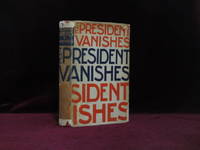
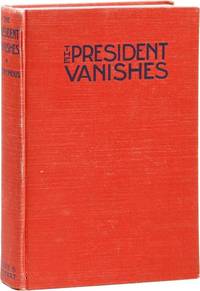
193409257New York: Farrar & Rinehart Inc 1934. Very Good/Very Good-. Octavo 296 pages; publisher's red cloth light off-setting to end papers. Dust jacket with price of $2.00 legible but partly clipped; tape removed from spine ends. First printing with Farrar Rinehart logo on copyright page light off-setting to end papers light stain in upper margin for first 20 leaves not affecting text. <br/><br/> Farrar & Rinehart, Inc hardcover
193409257New York: Farrar & Rinehart Inc 1934. Very Good/Very Good-. Octavo 296 pages; publisher's red cloth light off-setting to end papers. Dust jacket with price of $2.00 legible but partly clipped; tape removed from spine ends. First printing with Farrar Rinehart logo on copyright page light off-setting to end papers light stain in upper margin for first 20 leaves not affecting text. <br/><br/> Farrar & Rinehart, Inc hardcover books
193420859New York: Farrar & Rinehart 1934. First Edition. Octavo 20.5cm.; original red cloth upper cover and spine lettered in blue dark blue topstain; 8296pp.; photographic frontispiece 3 leaves of illus. printed on rectos and versos. Light rubbing to spine ends else a Near Fine unfaded copy albeit lacking the scarce dust jacket. "A fantasy of future politics. When Congress tries to force the nation into a European war the president disappears and a crisis ensues" HANNA 2935. Farrar & Rinehart unknown books
1793026602.Gpaperback. Good. Access codes and supplements are not guaranteed with used items. May be an ex-library book. paperback
1760052729London: D. Chamberlaine 1760. The Third Edition . Hardcover. Good/No Jackets. 16mo - over 5¾" - 6¾" tall. 2vol.set: v1: 136&138pp. v2: 148&170pp. HBs full leather w/red&gilt-5 bands; covers detached ft.coverv1; both coversv2; rubbedscuffed&worn; staining on endpapers; ft.endpaperv2 detached; PON Geo. King 1779; cleantight pgs. Sterne's experimental fiction about fiction writing <br/> <br/> D. Chamberlaine hardcover
8836Bruxelles, De Rycker et Mendel, 1913. In 8 broché, premier plat orné d’un motif en relief, illustré.