Hichens, Robert ( Wilde, Oscar )Biblio.com
303 résultats
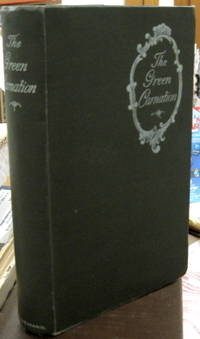
189412350THE GREEN CARNATION Heinemann 1894 first edition just about a fine copy of the authors anonymously published first book. This book was based on the life of Oscar Wilde and at the time did the author some considerable harm. Quite scarce in this condition. Heinemann unknown
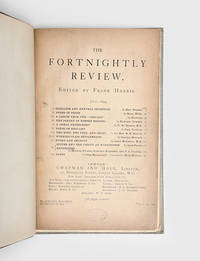
1894191144London: Chapman and Hall Limited July 1894. First edition and first appearance of Wilde's "Poems in Prose". The poems are printed on pages 22-29 and comprises "The Artist" "The Doer of Good" "The Disciple" "The Master" "The House of Judgment" and "The Teacher of Wisdom". Two previously appeared in The Spirit Lamp edited by Lord Alfred Douglas. Octavo. Early 20th-century grey cloth red morocco spine label bound with original wrappers. Red morocco booklabel of Alfred Sutro 1863-1933 English dramatist and translator; bookplate of William Roughead 1870-1952 designed by Robert Home and dated 1907; bookseller's ticket of William Brown Edinburgh; "Butteris" bookseller stamp to front wrapper. Spine ends bumped abrasion to spine label and first ad leaf minor nicks and marks to some pages. A very good copy. Mason 56. hardcover
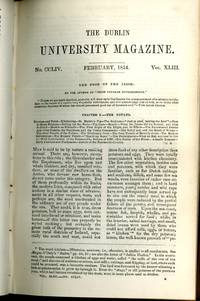
1854CAT0008101854. First Edition. Hardcover Half Leather. Very Good Condition. Original half leather over marbled boards old University Library bookplate inside front cover. Contains January-June of 1854. WIlde's essay leads off the February issue and is pages 127-146. <br /> <br /> "When kitchened with "point" i.e. seasoned mollified with milk or softened by a drop of the crature' the like of the potato will never again be found for ‘rent-paying pig-feeding love-making child-breeding faction-fighting and country-dancing properties". WIlde father of Oscar was a polymath - a doctor census taker folklorist and social commentator. He represents as does this essay a conundrum. He sympathized with the Irish peasantry could see many of their troubles with clarity collected huge amounts of medical data on their suffering yet supported the insupportable English response to the famine. Even this essay filled with admiring prose for the people and culture essentially blames the starving masses for their problems - a lack of imagination culinary ingenuity stupid reliance on the bounty of the potato etc etc. Though while suggesting that the Irish have little imagination or knowledge gastronomically he does mention an impressive number of ways that potato is served. He even comes to the to call it paternalistic is to do an injustice to the concept of paternalism conclusion that " ‘Irish agriculture has been greatly benefited by the famine." An essay filled with interesting dietary anecdotes fine prose insane conclusions erudite observations and condescending digressions. Quantity Available: 1. Shipped Weight: Under 1 kilo. Inventory No: CAT000810. hardcover
1849Embry 183467Hodges and Smith Dublin: 1849. First edition first printing. Foxing to first and last few pages short tears to spine tips spine and edges lightly sunned overall very good with hinges firm. B&W engravings. Brown cloth stamped in gilt and blind. Hodges and Smith, Dublin: 1849. First edition, first printing. hardcover books
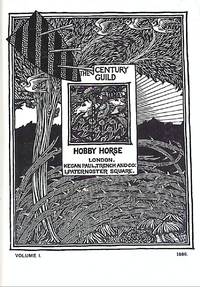
1886d2793bLondon: Kegan Paul Trench & Co. G : in good condition. Cover rubbed and soiled. Eps darkened. Fold-out repaired with archive tape. 1886. First Edition. Blue hardback boards with cream vellum spine. 320mm x 240mm 13" x 9". vi 160pp plates. 9 plates 6 b/w 3 sepia 1 fold-out. With Glasgow Arts Club bookplate. Heavy item - shipping supplement may apply for overseas. . Kegan Paul, Trench & Co hardcover
1886d2793London: Kegan Paul Trench & Co. G : in good condition. Covers rubbed and soiled. Eps darkened. Fold-out repaired with archive tape. 1886. First Edition. Blue hardback boards with cream vellum spines. 320mm x 240mm 13" x 9". vi 160pp; viii 160pp iv; vii 160pp plates. 37 plates 24 b/w 13 sepia 1 fold-out. Published 1886-18878. With Glasgow Arts Club bookplate. Heavy set extra shipping needed for overseas. . Kegan Paul, Trench & Co hardcover
1888649466E.P. Dutton and Company 1888. First Edition. Hardcover. Very Good. A Very Good copy of the First American Edition in original green pictorial cloth stamped in gilt black white red and blue all edges gilt has some darkening and rubbing to cloth; inner hinges tender. Illustrated with 16 fine chromolithograph plates numerous duotone illustrations. PLEASE NOTE: due to the size and weight of this book it will require additional charges for overseas and expedited shipping. E.P. Dutton and Company hardcover
1890231H017818 East 17 St. New York: R.F. Fenno & Company 1890. Book. Good. Paperback. Reprint. 8vo - over 7¾" - 9¾" tall. 19pp plus three blank leaves at back. 20 x 12.5cm. Illustrations on front cover inside each cover and upon title page. Undated but appears to be circa 1890. Unmarked. Binding intact. Average wear. A sound copy. R.F. Fenno & Company Paperback
1879biblio40376New York: Robert Carter and Brothers 1879. 313 pages Ads. NEARFINE Hardcover Embossed IndianRed cloth Gilt spine title no dj. No wear . Clean Unmarked throughout. Strong tight original binding perfect hinges. Very well preserved book. NEARFINE or better. 6.9"x4.75"x1.0". be10199. Robert Carter and Brothers hardcover
18121303260013Portland Maine: Thomas B. Mosher 1812-01-01. Paperback. Very Good. Portland Maine. Softcover. Illustrated cover. Good binding and cover. Minor shelf wear. Clean unmarked pages with minor foxing.<br><br>Thomas Bird Mosher was a publisher out of Portland Maine known for his contributions to the Private Press Movement in the United States. He reprinted various contemporary poetical works and compiled a monthly small literary and political journal known as The Philistine which also contained political cartoons dealing with issues at the time. Portland, Maine: Thomas B. Mosher paperback
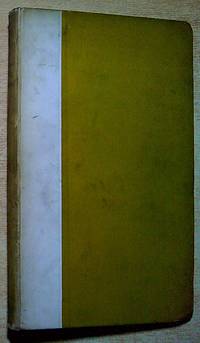
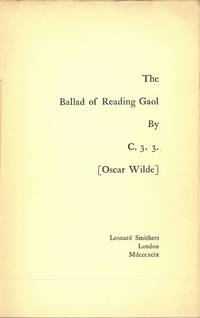
1899284591United Kingdom: Leonard Smithers 1899. Book. Very Good. Hardcover. hardback slim octavo the seventh edition with copyright date facing the half-title and name of Wilde in brackets beneath the title. Bound in quarter white cloth darkened and soiled to spine dark yellow cloth sides shelf soiled. Rubbed at the head and foot of the spine endpapers with some mild foxing the body of text clean and unmarked. . Leonard Smithers Hardcover
1899140938501London: Leonard Smithers 1899. First Edition. Very Good. First Edition first printing. One of 800 copies originally printed which sold out immediately. Very Good. Covers soiled corners and spine ends softened. Endsheets offset from binder's glue. Previous owner name partially effaced from front paste down. Slight odor to pages. Clipping with apparently forged signature of Oscar Wilde tipped in on recto of final blank sheet by no means assumed to be authentic. Leonard Smithers unknown books
1898303630London Leonard Smithers 1898. 1898. Third edition so stated. 8vo. Half white over purple linen gilt stamped spine upper cover with gilt stamped floral design by Charles Ricketts uncut. Very good-fine. 31 pages. Enclosed in a 1/2 brown morocco slipcase with folding chemise. Number 69 of 99 copies printed March 4 1898 signed by Wilde in black ink on limitation page with characteristic paraph to the final "e." Mason #374. Bookplate of Chauncey Lawrence Williams on the front free endpaper and a signed pencil notation by Paul Lemperly noting he received the book from Williams. Williams 1872-1924 former member of Way and Williams publishers and the F.W. Dodge Corp. With his memorial booklet laid in loose. Lemperly 1858-1939 noted American book collector. Signed by Authors. 3rd Edition. Hardcover. Very Good/No Jacket. London, Leonard Smithers, 1898. hardcover books
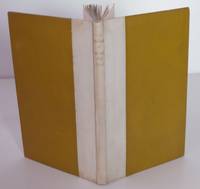
189828830London: Leonard Smithers 1898. First edition one of 800 copies printed on handmade paper. Yellow-brown boards with white cloth spine. Usual discoloration to the endpapers but a fine copy. "Ed. Edmonds / 15. Febry. 1898" signature on first blank page. <br/><br/> Leonard Smithers hardcover books
189954608NY: Benj. R. Tucker 1899. Early US edition. 44 pp. Small tear to the fore-edge of one leaf else very good plus in two part gilt-stamped cloth with darkened spine. NY: Benj. R. Tucker, hardcover books
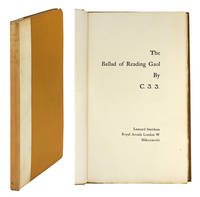
1898109921Slim 8vo. London: Leonard Smithers 1898. Slim 8vo 4. 31ff. Printed on hand-made paper on one side of the page only. Original quarter white buckram mustard boards backstrip lettered in gilt a good copy slightly soiled and backstrip browned. § First edition one of 800 copies on handmade paper. This controversial poem was written by Wilde under the pseudonym of the number he was given in prison. It includes some of Wilde’s most famous lines: “each man kills the thing he lovesâ€; “some love too little some too long some sell while others buyâ€; “every prison that men build is built with bricks of shameâ€. Leonard Smithers hardcover books
1898282548London: Smithers 1898. First. hardcover. very good. Slim 8vo mustard cloth backed in white with gilt lettering. London: Leonard Smithers 1898. Limited First Edition.<br/><br/> One of 800 copies printed on hand-made paper on one side only. Inscribed on title page; "I.O. from F.A.S. Guilsborough Hall." A very good copy with some bubbling of the cloth and light soil. Irene Osgood later the wife of R.H. Sherard author of the life of Oscar Wilde was a novelist. This book was given to her by Sir Frank Athelstane Swettenham Preserved in an attractive1/4 leather slipcase with an elaborately gilt spine.<br/><br/> Smithers unknown books
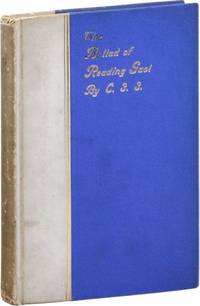
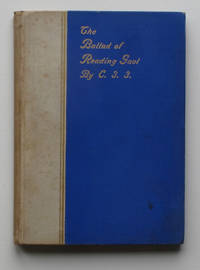
189915144JNew York: Benj. R. Tucker 1899. First American Edition. Three pirated editions of Wilde’s classic poem were issued in America in 1899 the Tucker edition. precedes the other two and is the True First American Edition. Issued in paper wrappers and cloth this copy is the rare hardbound state. Gilt-stamped blue cloth with white cloth spine. Hinges cracked. Some minor foxing to the preliminaries at little darkening at spine very good. Rare. Benj. R. Tucker hardcover books
18999014015London: Leonard Smithers 1899. Seventh Edition. Hardcover. Good condition. One of 2000 copies. Bound in publisher's original quarter tan and orange cloth with the spine stamped in gilt. Uncut. First edition to use Wilde's name. Last authorized edition issued by Smithers. Binding has seperated at page 1 but still intact. Gift inscription in ink on the front free endpaper. Some minor soiling to the covers. <br/><br/> Leonard Smithers hardcover books
189933071New York: Benj. R. Tucker 1899. Second American Edition. 12mo 18.5cm.; publisher's two-toned cloth white over blue upper cover lettered and ruled in gilt unadorned spine; 844pp. Some minor shelf wear white portion of cloth binding rather soiled and toned along spine short closed tear to title page fore-edge not approaching text old ink spot affecting first few leaves else interior fine. Very Good and sound overall. Often considered to be the first American edition this imprint is actually preceded by the Brentano's ca. 1898 edition. This edition was published in two states one in which the text appears on rectos only the second including this copy printed on rectos and versos: "Both editions that printed on one side and that printed on both sides are from the same type. It is therefore clear that they are not.two independent editions but the one-side issue constitutes merely a kind of de-luxe variety while the two-sided is a cheaper popular version of the same edition" HORODISCH pp. 76-77. <br/><br/>Issued by Benjamin R. Tucker the noted anarchist publisher and editor of the journal Liberty in which Tucker published the essay "The Criminal Jailers of Oscar Wilde" in 1895. Tucker and Emma Goldman were two of the few Americans to publicly defend Wilde during his trial George Haggerty Encyclopedia of Gay Histories and Cultures 2013 p. 52. Benj. R. Tucker unknown books
18997568London: Leonard Smithers 1899. Octavo ff 31 62 pp uncut deckled edges. Unauthorized or pirated edition by the printer of the original first edition . The last edition that was authorized by Wilde for Smithers to print was dated 1899 and the numerous later unauthorized editions continued to bear that date. The title page gives Oscar Wilde's name in brackets as well as the pseudonym C.3.3 his cell number at the jail. Mason's bibliography of Wilde identifies this as the 8th printing p. 378. White cloth over mustard colored boards. Minor foxing to endpapers text block unaffected. Very good copy. <br/><br/> Leonard Smithers hardcover books
18982708London: Leonard Smithers 1898. First edition. Fine. One of 800 copies on handmade Van Gelder paper. A Fine copy without the fading or soiling typical of this book. Pages unopened. Housed in a custom case and chemise. Wilde's later work based on his two years hard labor at Reading Gaol for "gross indecency." Published under the pseudonym "C. 3. 3." for his cell block because the publisher feared having his name on the work would adversely affect sales. <br/><br/>The poem is based on a fellow inmate convicted of murdering his wife and generated one of the great lines from Wilde "Yet each man kills the thing he loves." Wilde continued to revise his plays until his death in 1900 but said that he had lost the joy of writing and would write no other new works. An excellent copy housed in a handsome slipcase with chemise. Fine. Leonard Smithers unknown books
18997426New York: Benj. R. Tucker; Blumenberg Press 1899. Duodecimo 18.5 x 13.5 cm. 8 44 pages. Second American Edition. Preceded by the Brentano's edition circa 1898 though often considered the first American edition. This edition was published in two states the first in which the text appears on rectos only and some leaves are untrimmed; in the second the text is printed on rectos and versos: "Both editions that printed on one side and that printed on both sides are from the same type. It is therefore clear that they are not two independent editions but the one-side issue constitutes merely a kind of de-luxe variety while the two-sided is a cheaper popular version of the same edition" Horodisch pages 76-77. This copy comports with the first state with text printed one side only. A printer's binder's issue is extant as at least one leaf is hinged at the top edge. Is it possible that what Horodisch thought a deluxe issue is merely error some of which made it to the wild Issued by Benjamin R. Tucker the noted anarchist publisher and editor of the journal Liberty in which Tucker published the essay "The Criminal Jailers of Oscar Wilde" in 1895. Tucker and Emma Goldman were two of the few Americans to publicly defend Wilde during his trial George Haggerty Encyclopedia of Gay Histories and Cultures 2013 page 52. In publisher's two-toned cloth white over blue upper cover lettered and ruled in gilt unadorned spine. Some minor shelf wear white portion of cloth binding rather soiled and toned along spine short closed tear to title page fore-edge not approaching text old ink spot affecting first few leaves else interior fine. Very Good and sound overall. Benj. R. Tucker; Blumenberg Press hardcover books
189970468Ldn. 1899. Høy 8vo. Originalt shirtingbind. UbeskÃ¥ret. 31 s. VEDLAGT : André Gide : Oscar Wilde. In memoriam Souvenirs. Le “de profundisâ€. Paris. 1947. 8vo. Originalt typografisk omslag. UbeskÃ¥ret og uoppskÃ¥ret. 75 s. Leonard Smithers Engelsk. <br/><br/><em>Hilsen pÃ¥ fribladet. Senere enn 7. utgave men før 1907.Svake indre og ytre falser noe løs. </em> unknown
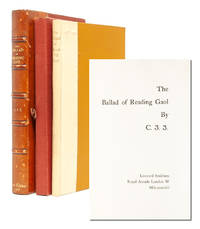
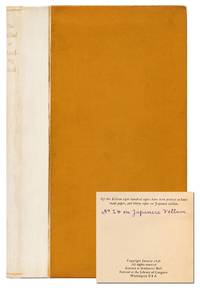
18987848London: Leonard Smithers 1898. First edition. Fine. One of thirty copies printed on Japanese vellum paper this being copy twenty-four. Published under the pseudonym "C.3.3." Wilde's cell number while he was at Reading Gaol in an attempt to separate Wilde's then-notorious name from the publication. A lovely Fine copy.<br /> <br /> Wilde's long poem "The Ballad of Reading Gaol" published just two years before his death draws on the experience of being imprisoned at Reading after his conviction for gross indecency in 1895. Wilde had famously faced a highly publicized trial that ended with a sentence of two years hard labor which he served at Pentonville Prison Wandsworth and finally at Reading. The poem was directly inspired by Charles Thomas Woolridge a fellow inmate who was executed at Reading after being convicted of murdering his wife. The crime was metaphorized by Wilde in his poem which contains one his most famous lines: "Yet each man kills the thing he loves."<br /> <br /> In the last three years of his life which he spent in exile in Naples and then in Paris Wilde continued to edit and publish his plays - the first editions of An Ideal Husband and The Importance of Being Earnest were published during this period - but he wrote very little having "lost the joy of writing" Ellman Oscar Wilde. "The Ballad of Reading Gaol" then was the last new literary work of Wilde's career and perhaps his most haunting. He concludes his poem with the elegiac stanza: "And all men kill the thing they love / By all let this be heard / Some do it with a bitter look / Some with a flattering word / The coward does it with a kiss / The brave man with a sword." Fine. Leonard Smithers unknown