33 résultats
19852091502135408900Showa shubbansha 1985. Soft Cover. Fine. Number of books: 1 Showa shubbansha paperback
20112080502106403680human science company 2011. Soft Cover. Fine. Number of pages: 283p human science company paperback
20032090502124900438Kuresushuppan 2003. Soft Cover. Fine. The book is in fine condition. Kuresushuppan paperback
20062083002115709664Zen Culture Research Institute 2006. Soft Cover. Fine. Number of pages: 373 26p Size: 22cm Number of books: 1 Zen Culture Research Institute paperback
1481764047.Gpaperback. Good. Access codes and supplements are not guaranteed with used items. May be an ex-library book. paperback

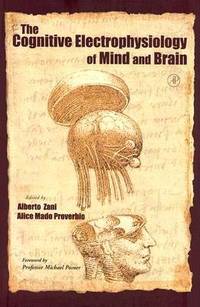
2002__0127754210Academic Pr 2002. Hardcover. New. 1st edition. 432 pages. 10.00x7.00x1.00 inches. Academic Pr hardcover
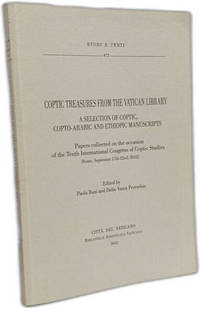
2026100143515Biblioteca Apostolica Vaticana 2026. Très bon état de. in8. 2026. Relié. Antiques vintage and collectables: books manuscripts ephemera and printed matter Biblioteca Apostolica Vaticana unknown
192047900Paris. 1920 - 1921. Single printed folded sheets as issued. 6 issues. 221 x 139 mm. Issue no. 4 with a printed illustration 'Machine de bon mots' after a drawing by Francis Picabia and the printed stamp in red on outer unprinted wrapper: 'PROVERBE / n'existe que pour / justifier les mots.' A rare complete and unsophisticated set of this Paris dada periodical.Edited by poet Paul Eluard the focus of 'Proverbe' is far more seriously linguistic although it retains the playfulness to be expected from dada than many other periodicals of the period. Although the typical elements of dada typography are present - the variable font different register differing colours the ruling and the use of different angles of printing to the plane of the page - here it is the word that reigns. In fact only one of the issues is in any sense illustrated: issue 4 contains a reproduction of a drawing by Picabia the 'Machine de bon mots' but even here Picabia's concern is at least as semantic as visual.The first article of the first issue makes the aim of 'Proverbe' clear: 'Syntaxe' by Jean Paulhan with its urge to reinvigorate language is followed by pieces by Phillipe Soupault Tristan Tzara an aperçu by the Marquis de Sade and an editorial page of aphorisms mottoes advertisements and instructions. Perhaps the most memorable of these latter is the reassuring announcement concerning Picabia's '391': '391 ne contient pas d'arsenic. On peut le prendre en toute sécurité et en secret sans rien changer à ses habitudes.'The second issue saw the arrival of additional contributors and the editorial board of Louis Aragon André Breton Paul Eluard Jean Paulhan Francis Picabia Maurice Raynal and Philippe Soupault was expanded to include Georges Ribemont-Dessaignes. Issue 4 - the only illustrated issue - was printed on the recto only of the sheet but with an excised circular hole Picabia again incorporated into the issue and titled 'Bracelet de la Vie'.The contributions for issue five were published anonymously while issue 6 printed after a delay of nearly a year was titled additionally 'L'Invention' and gives only the initials readily identifiable of each of the contributors. On the final page of issue 6 the contributors are listed as: 'la Canule de verre Rides propres la Nourrice des étoiles le Grand serpent de terre le Mandarin citron l'Homme à vapeur la Pissotière à musique et l'Homme à la tête de perle'.'Je m'appelle maintenant tu. Tzara fou vierge. / Tristan Tzara est un idiote vierge. Francis Picabia. / Et il n'y aura jamais de faux Dada. Paul Eluard.' Proverbe No. 3 1920.' . a delicious melange of quotations from Picabia Paulhan Aragon Dermée and others . '. Ex-Libris Cat. 2. unknown