TheophrastusBiblio.com
606 résultats
1396674535.Ghardcover. Good. Access codes and supplements are not guaranteed with used items. May be an ex-library book. hardcover
1396646361.Gpaperback. Good. Access codes and supplements are not guaranteed with used items. May be an ex-library book. paperback
1391241754.Ghardcover. Good. Access codes and supplements are not guaranteed with used items. May be an ex-library book. hardcover
1390823954.Gpaperback. Good. Access codes and supplements are not guaranteed with used items. May be an ex-library book. paperback
0526701056.Ghardcover. Good. Access codes and supplements are not guaranteed with used items. May be an ex-library book. hardcover
1573622841573. Argentorati = Basel Petrus Perna 1573 2° 12 223 1 28; 2 250 36 pp.; 2 263 5 pp Ledereinband d.Zeit mit Rückenvergoldung; vereinzelt fleckig feines Expl. Erste Ausgabe! PHILIPPI AVREOLI THEOPHRASTI PARACELSI BOMBAST EREMITAE SVMMI INter Germanos Medici & Philosophi. CHIRVRGIA MAGNA in duos tomos digesta. . Nunc recens à IOSQVINO DALHEMIO OSTOFRANCO Medico Latinitate donata. Tomus I : De vulneribus et fracturis libri III. De ulceribus libri III. De tumoribus et aperturis libri III. Tomus II : De Tumoribus Pustulis & Ulceribus / Morbi Gallici Lib. X. De Curatione & Imposturis Morbi / Gallici Lib. Octo. & Aureoli Philippi THEOP. PARACELSI CHYRVRGIA MINOR QVAM ALIAS BERTHEONEAM INTITVLAVIT. CVI ETIAM SEQVENTES TRACTAtus accesserunt eiusdem authoris. De Apostematibus Syronibus & Nodis. De cutis apertionibus. De vulnerum & ulcerum curis. De Vermibus Serpentibus 6c. ac amculis à natiuitrate ortis. Dieser Band enthält die "Chirurgia magna" in zwei Tomi in lateinischer Übersetzung von Josquinus Dalhemius tätig 2. H. 16. Jh. humanistischer Übersetzer paracelsischer Schriften sowie die kürzere "Chirurgia minor" "Bertheonea" in der lateinischen Fassung des flämischen Arztes Alchemisten und Paracelsisten Gerhardus Dorn ca. 1530-ca. 1584. - Gedruckt von dem aus Lucca stammenden seit den 1540er-Jahren in Basel tätigen Humanisten- und Reformationsverleger Petrus Perna ca. 1519-1582. Die Chirurgia magna ist das zentrale chirurgische Werk Paracelsus' und dokumentiert seine praktische Wundarznei ebenso wie seine Reinterpretation traditioneller Krankheitslehren. In ihr treten seine Abkehr von der bloßen Galen Exegese sein empirisches Vorgehen am Krankenbett und sein Einsatz chemischer Präparate deutlich hervor; sie ist für das Verständnis der paracelsischen "Reformation der Medizin" unverzichtbar. Paracelsus betont systematisch die Bedeutung gründlicher Wundreinigung Drainage und Verhinderung von Fäulnis; die "gute Eiterung" der traditionellen Chirurgie wird kritisch relativiert und der Fokus stärker auf rasche "spezifische" Heilung gerichtet. Er beschreibt Trauma Frakturen Ulzera und Tumoren in enger Verbindung mit Umwelt und Stoffeinflüssen; damit wird die spätere Toxikologie vorbereitet Stichwort "Die Dosis macht das Gift" und eine spezifische substanzgebundene Krankheitsauffassung gefördert. Von besonderem Interesse auch für die frühe Geschichte der Neurochirurgie: Paracelsus behandelt in der Chirurgia magna Kopf- und Schädelverletzungen inkl. Indikationen zur Trepanation im Rahmen einer empirisch orientierten Wundchirurgie und verknüpft traumabedingte Lähmungen und Krampfzustände mit lokalen Strukturverletzungen statt ausschließlich mit humoral-systemischen Ursachen. Die Chirurgia minor ist der Teil des paracelsischen chirurgischen Werkes der am ehesten dem späteren Feld der Dermato-chirurgie und der frühen plastisch-rekonstruktiven Bemühungen entspricht - durch ihren Fokus auf Haut Weichteile Wunden Verbrennungen und Narbenführung immer vor dem Hintergrund von Paracelsus' chymischer Pathologie und spezifischer Arzneitherapie. Die Perna-Ausgabe von 1573 ist die erste große lateinische Gesamtausgabe der paracelsischen Chirurgie: Sie überführt die ursprünglich deutschsprachigen Wundarznei-Schriften Große und Kleine Chirurgie in ein gelehrtes europaweit rezipierbares Format und ist damit ein Schlüsselstück der frühen Paracelsus-Rezeption. Chirurgiegeschichtlich markiert der Band den Übergang von handwerklich-zunftgebundener Wundbehandlung zu einer spezifischen substanzgebundenen Therapieauffassung Toxikologie organspezifische Wirkungen Kritik an der "guten Eiterung" und ist für die Geschichte der Chirurgie wie der Pharmakologie gleichermaßen bedeutend. First major Latin edition of Paracelsus' surgical works containing the two tomes of the "Chirurgia magna" and the shorter "Chirurgia minor" in one folio volume. Translated into Latin by Josquinus Dalhemius and Gerard Dorn and printed by the Basel humanist printer Petrus Perna in 1573. Covers wounds fractures ulcers tumours and related conditions combining practical wound surgery with Paracelsus' innovative chymical pathology. Key document in the spread of Paracelsian medicine from German vernacular surgery into the international learned medical world. VD16 P 469; VD16 P 479 Sudhoff "Bibliographia Paracelsica" Nr. 146-148 unknown
1573622821573. Argentorati = Basel Petrus Perna 1573 Folio 10 223 1 28; 2 250 36 pp. alter Halbledereinband; Titelblatt aufgelegt etwas fleckig; mit alten Marginalien; feines Expl. mit ExLibris von Kenneth Harvey Abbott. Erste Ausgabe! PHILIPPI AVREOLI THEOPHRASTI PARACELSI BOMBAST EREMITAE SVMMI INter Germanos Medici & Philosophi. CHIRVRGIA MAGNA in duos tomos digesta. . Nunc recens à IOSQVINO DALHEMIO OSTOFRANCO Medico Latinitate donata. Tomus I : De vulneribus et fracturis libri III. De ulceribus libri III. De tumoribus et aperturis libri III. Tomus II : De Tumoribus Pustulis & Ulceribus / Morbi Gallici Lib. X. De Curatione & Imposturis Morbi / Gallici Lib. Octo. Dieser Band enthält die "Chirurgia magna" in zwei Tomi in lateinischer Übersetzung von Josquinus Dalhemius tätig 2. H. 16. Jh. humanistischer Übersetzer paracelsischer Schriften. - Gedruckt von dem aus Lucca stammenden seit den 1540er-Jahren in Basel tätigen Humanisten- und Reformationsverleger Petrus Perna ca. 1519-1582. Die Chirurgia magna ist das zentrale chirurgische Werk Paracelsus' und dokumentiert seine praktische Wundarznei ebenso wie seine Reinterpretation traditioneller Krankheitslehren. In ihr treten seine Abkehr von der bloßen Galen Exegese sein empirisches Vorgehen am Krankenbett und sein Einsatz chemischer Präparate deutlich hervor; sie ist für das Verständnis der paracelsischen "Reformation der Medizin" unverzichtbar. Paracelsus betont systematisch die Bedeutung gründlicher Wundreinigung Drainage und Verhinderung von Fäulnis; die "gute Eiterung" der traditionellen Chirurgie wird kritisch relativiert und der Fokus stärker auf rasche "spezifische" Heilung gerichtet. Er beschreibt Trauma Frakturen Ulzera und Tumoren in enger Verbindung mit Umwelt und Stoffeinflüssen; damit wird die spätere Toxikologie vorbereitet Stichwort "Die Dosis macht das Gift" und eine spezifische substanzgebundene Krankheitsauffassung gefördert. Von besonderem Interesse auch für die frühe Geschichte der Neurochirurgie: Paracelsus behandelt in der Chirurgia magna Kopf- und Schädelverletzungen inkl. Indikationen zur Trepanation im Rahmen einer empirisch orientierten Wundchirurgie und verknüpft traumabedingte Lähmungen und Krampfzustände mit lokalen Strukturverletzungen statt ausschließlich mit humoral-systemischen Ursachen. Die Perna-Ausgabe von 1573 ist die erste große lateinische Gesamtausgabe der paracelsischen Chirurgie: Sie überführt die ursprünglich deutschsprachigen Wundarznei-Schriften Große und Kleine Chirurgie in ein gelehrtes europaweit rezipierbares Format und ist damit ein Schlüsselstück der frühen Paracelsus-Rezeption. Chirurgiegeschichtlich markiert der Band den Übergang von handwerklich-zunftgebundener Wundbehandlung zu einer spezifischen substanzgebundenen Therapieauffassung Toxikologie organspezifische Wirkungen Kritik an der "guten Eiterung" und ist für die Geschichte der Chirurgie wie der Pharmakologie gleichermaßen bedeutend. First major Latin edition of Paracelsus' surgical works containing the two tomes of the "Chirurgia magna" in one folio volume. Translated into Latin by Josquinus Dalhemius and printed by the Basel humanist printer Petrus Perna in 1573. Covers wounds fractures ulcers tumours and related conditions combining practical wound surgery with Paracelsus' innovative chymical pathology. Key document in the spread of Paracelsian medicine from German vernacular surgery into the international learned medical world. VD16 P 469 Sudhoff "Bibliographia Paracelsica" Nr. 146-147 unknown
92223München, Heimeran, 1974.
159250012Lyon, Franciscus le Preux, 1592. Small 8o. Early 19th century half calf with gilt title-label to spine. A bit of wear to hinges and corners, but fine and tight. Internally exceptionally nice and clean. P. Rubow's owner's signature to front free end-paper. Woodcut vignettes to title-pages and woodcut initials at beginning of both parts. (8), 88" 270 pp, 1 blank leaf, (16 ff. of indexes and errata at end).
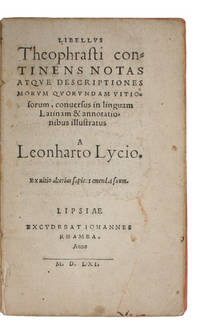
156128328Lipsiae Excudebat Iohannes Rhamba 1561. Small 8vo. Later blue boards ab. 1800. Spine with minor loss and a few cracks. First few leaves with minor soiling but otherwise a nice and clean copy. 19th century owner's inscription to inside of front cover: "Colegii Thomani". Lovely woodcut opening initial. Beautiful Greek script. 48 ff. <br/><br/><em>Extremely scarce first edition thus containing all of Theophrastus' 23 characters in Greek and Latin being the first edition of Auberius' excellent Latin translation and first edition with Lycio's interesting commentaries. "This very rare edition which presents us with the Greek text of H. Stephan Stephanus contains a new Latin version by Claudius Auberius who was scarcely twenty years of age when he composed it. The notes are critical and historical; sometimes bold but always erudite. This version and these notes were republished in Zuinger's edition of Aristotle's "Ethics" at Basil. fol. 1582." Dibdin II:500. This version of Theophrastus' milestone work the first recorded attempt at systematic character writing became hugely influential and is still referred to in modern editions of the text as Auberius' translation is regarded as one of the best and most important interpretations of the text. Claude Aubery or Claudius Auberius ca. 1540-1596 was a noted philosopher and medical doctor professor of Philosophy in Lausanne. He translated several Greek texts into Latin but is best remembered for his excellent version of Theophrastus' "Characters" which was highly influential throughout the Renaissance and which was incorporated into later Renaissance Aristotle-editions as the standard-version of Theophrastus' text. Theophrastus ca. 371- ca. 287 BC Aristotle's successor at the Lyceum and probably the most famous Aristotelian of all times successfully presided over the Peripatetic School for 36 years and here wrote a number of works. The most famous of them is arguably his great moral opus "The Characters" which continues to amaze readers to this day. It introduced the "character sketch" which became the core of the Character as a genre and as such it influenced the entire literay tradition of the Western world. The fabulous very witty astute harsh and insightful characteristics of type characters of the human race have been formative for our understanding of moral virtues and vices and how they come to be expressed in man for our understanding of human nature in general. It is no wonder that the work became so popular and widely read during the Renaissance the era of man as the centre of the universe. "Le texte est le celui de Henri Estienne insére dans l'édition d'Aristote de 1557 mais dans la version il suit pour la plupart ses propres conjectures" Graesse 7: 125. Dibdin II:500 Graesse VII:125. </em> hardcover
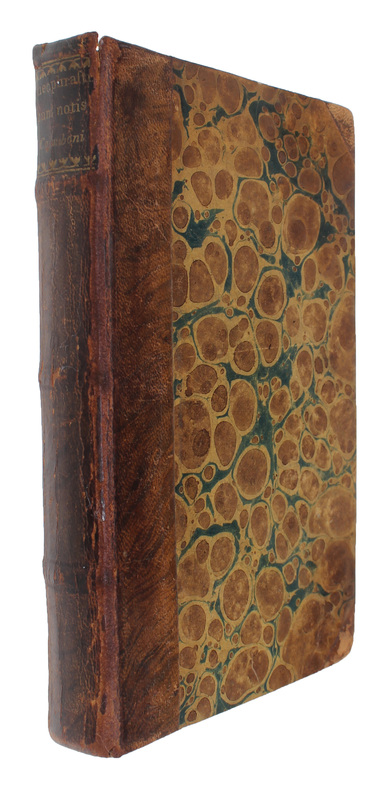
159250012Lyon Franciscus le Preux 1592. Small 8o. Early 19th century half calf with gilt title-label to spine. A bit of wear to hinges and corners but fine and tight. Internally exceptionally nice and clean. P. Rubow's owner's signature to front free end-paper. Woodcut vignettes to title-pages and woodcut initials at beginning of both parts. 8 88; 270 pp 1 blank leaf 16 ff. of indexes and errata at end. <br/><br/><em>Scarce first edition thus being the editio princeps of Casaubon's milestone-edition of the seminal work that is Theophrastus' "Characters" containing apart from the original Greek text and Casaubon's translation of it into Latin also Casaubon's highly important commentary of the text. "This edition which was frequently reprinted 1598-1612-1617-1638 &c. is in every respect worthy of the high reputation of Casaubon. Both the text and the notes have served almost every subsequent editor. The Commentary is a rich mine of Grecian literature. The editor availed himself of the use of four MSS. in the Palatine library". Dibdin.Theophrastus ca. 371- ca. 287 BC Aristotle's successor at the Lyceum and probably the most famous Aristotelian of all times successfully presided over the Peripatetic School for 36 years and here wrote a number of works. The most famous of them is arguably his great moral opus "The Characters" which continues to amaze readers to this day. It introduced the "character sketch" which became the core of the Character as a genre and as such influenced the entire literary tradition of the Western world. The fabulous very witty astute harsh and insightful characteristics of type characters of the human race have been formative for our understanding of moral virtues and vices and for how man expresses them for our understanding of human nature in general. It is no wonder that the work became so popular and widely read during the Renaissance the era of man as the centre of the universe. The French-English classical scholar and philologist Isaac Casaubon 1559 - 1614 was regarded by many of his time as the most learned man in Europe. He is famous for his magnificent commentaries and deep understanding of the texts that he edited translated and commented. His edition of Theophrastus's Characters is considered a work of breakthrough as it constitutes the first example of his peculiar style of illustrative commentary at once apposite and profuse. This work is generally considered to exhibit his most characteristic excellences as a commentator.The present edition came to exercise a profound influence upon the interpretation of Theophrastus' great work. Casaubon's commentary served as the standard commentary for centuries and his translation remains a standard translation of the text. The present work thus remains a primary reference and a primary source when reading the work today.The commentary provided much commentary on Athenian society and the translation popularized the text making it available to modern Renaissance readers. Due to the excellent manner of translation into Latin the first English and French translations of this foundational text were enabled.The work was reprinted numerous times and kept appearing for centuries. "Nouvelle revision du texte sur 4 mss. Palatins accompagnée d'une nouvelle trad. latine et d'un commentaire excellent." Graesse VII:125. Dibdin II:501. </em> unknown
178635101Parmae, Ex Regio Typographeo, 1786. 4to. Orig. blank boards. Spine missing. Bdg. and bookblock tight. Minor occasional soiling"" lacking a small part of corners of some leaves, far from affecting text. An overall good and solid copy. Engr. frontispiece-portrait, engr. title-vignette. Printed on good and thick paper. (10), 128, (6) pp + (1) leaf, errata.
1161879773.Ghardcover. Good. Access codes and supplements are not guaranteed with used items. May be an ex-library book. hardcover
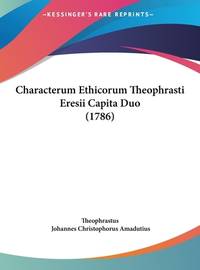
178635101Parmae Ex Regio Typographeo 1786. 4to. Orig. blank boards. Spine missing. Bdg. and bookblock tight. Minor occasional soiling; lacking a small part of corners of some leaves far from affecting text. An overall good and solid copy. Engr. frontispiece-portrait engr. title-vignette. Printed on good and thick paper. 10 128 6 pp 1 leaf errata. <br/><br/><em>The rare editio princeps of Theophrastus' 29th and 30th characters. Greek and Latin text.The work is renowned not only for containing the very first printing of Theophrastus' two last "characteres" but also for the beautiful printing of it and Amadutius' excellent and instructive foreword and notes. "A very splendid edition exhibiting only two chapters cap. 29 and 30 of this work from a Vatican MS. of the eleventh century. It is mentioned in order that the student may consult the very learned prolegomena which it contains." Dibdin II:503. Brunet 5:798. </em> hardcover
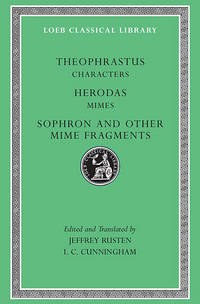
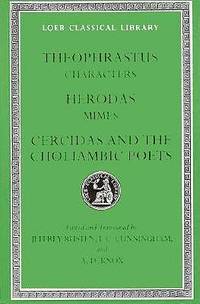
6827439Harvard University Press pp. 608 . Hardback. New. Harvard University Press hardcover
067499244X.Ghardcover. Good. Access codes and supplements are not guaranteed with used items. May be an ex-library book. hardcover
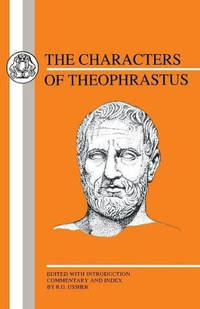
B9781853991882Paperback / softback. New. Edited with Introduction Commentary and Index paperback
0674996038.Ghardcover. Good. Access codes and supplements are not guaranteed with used items. May be an ex-library book. hardcover
1853991880.Gpaperback. Good. Access codes and supplements are not guaranteed with used items. May be an ex-library book. paperback
179348534Coburg, Ioh. Caroli Findeisii, 1793. 8vo. Contemp. full calf. Raised bands, richly gilt spine. Titlelabel with gilt lettering. (56),166,(118)240,(6) pp. Text in Greek and latin.
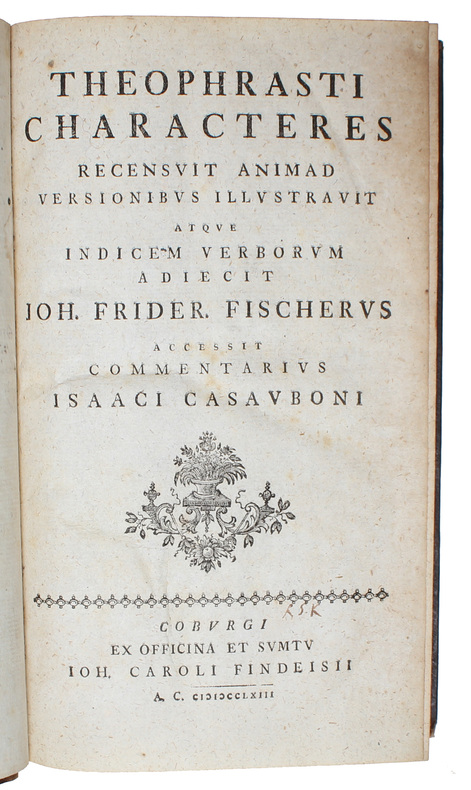
176346668Coburg, Ioh. Caroli Findeisii, 1763. Contemp. full calf. Raised bands, titlelabel with gilt lettering. (56),166 pp. + Index and 240,(10) pp. A small stamp on titlepage. Internally clean and fine.
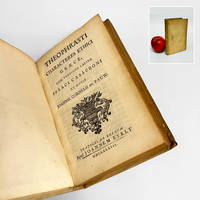
54731Trajecti ad Rhenum Utrecht: apud Joannem Evelt 1737. 8vo. pp. xl 221 iii. Text in Greek with parallel Latin translation final page is 'Corrige in Notis' and colophon. Woodcut ornament to title-page woodcut initials. Small horizontal tear to fore-edge margin 4 just touching text G2 with tiny hole and small loss to bottom corner not affecting text. Contemporary vellum title faintly inked to spine. Spine a little darkened with a few smudges and stains endpapers bit toned very good overall. Translated by Isaac Casaubon 1559-1614 with commentary by Jan Cornelis de Pauw d.1749. Schweiger I 320. Trajecti ad Rhenum [Utrecht]: apud Joannem Evelt, 1737. hardcover
1653ABC_50270Leiden 1653. 24mo. Joannes Maire Contemporary vellum sewn on 2 supports laced through the joints with the manuscript author on the spine. With a vignette on the title page built up from typographical ornaments the work is partly printed in Greek type. 359 1 pp. Miniature edition of the "Moral Characters" a major work of ancient philosophy by Theophrastus ca. 371-287 BCE. The work is published with the Greek and Latin texts on opposite pages to which are added the extensive notes and comments of over 200 pages by Johannes Augustus Werdenhagen 1581-1652 for use of students. The present second Dutch edition is quite rare with only three copies recorded in institutions.Theophrastus was born on the island of Lesbos and was a student of Aristotle. He wrote numerous treatises across all areas of philosophy but the present work is his most well-known and has been imitated many times especially in the 17th century. The work which was already widely read in classical antiquity contains thirty descriptions of moral types which are both humorous and morally instructive. As the first recorded attempt of systematic character writing it paints a vivid picture of various human behaviours and offers insight into universal human weaknesses. Theophrastus' simple and direct style makes the work accessible while offering a profound reflection on the qualities and flaws of human nature.With the armorial bookplate of Edward Shipperdson mounted on the front pastedown and the manuscript initials "RK" on the first free flyleaf. The vellum is somewhat soiled and stained with a tear and small loss at the foot. The leaves are somewhat browned. Otherwise in good condition.l The children's world of learning 208; STCN 113911513 3 copies; USTC 1809102 3 copies; Welsh A bibl. of miniature books 6679; not in Dibdin. hardcover
1104723999.Gpaperback. Good. Access codes and supplements are not guaranteed with used items. May be an ex-library book. paperback
116603979X.Gpaperback. Good. Access codes and supplements are not guaranteed with used items. May be an ex-library book. paperback