ARNAUD, George.Livre Rare Book
1 907 résultats
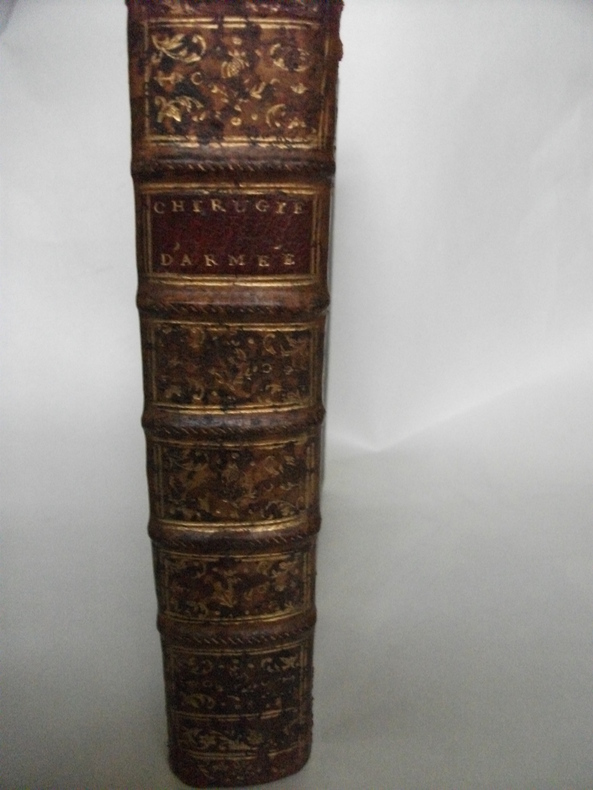
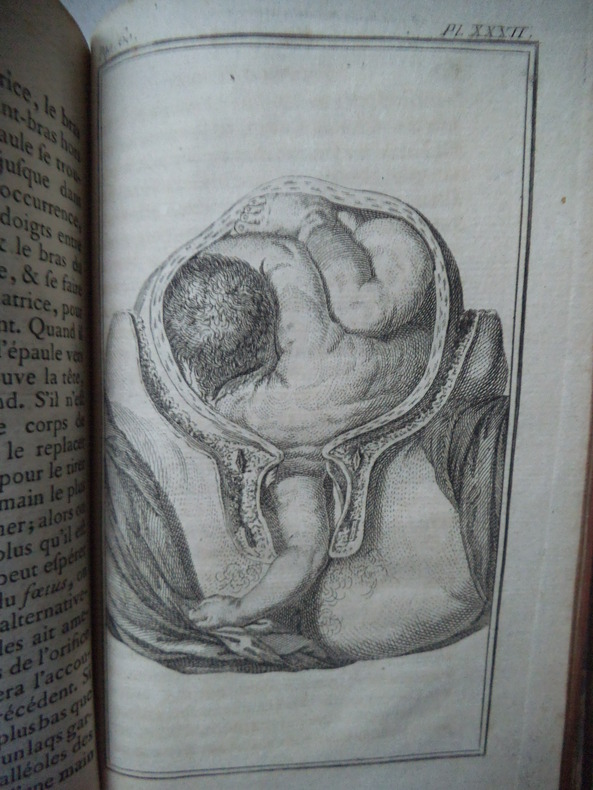
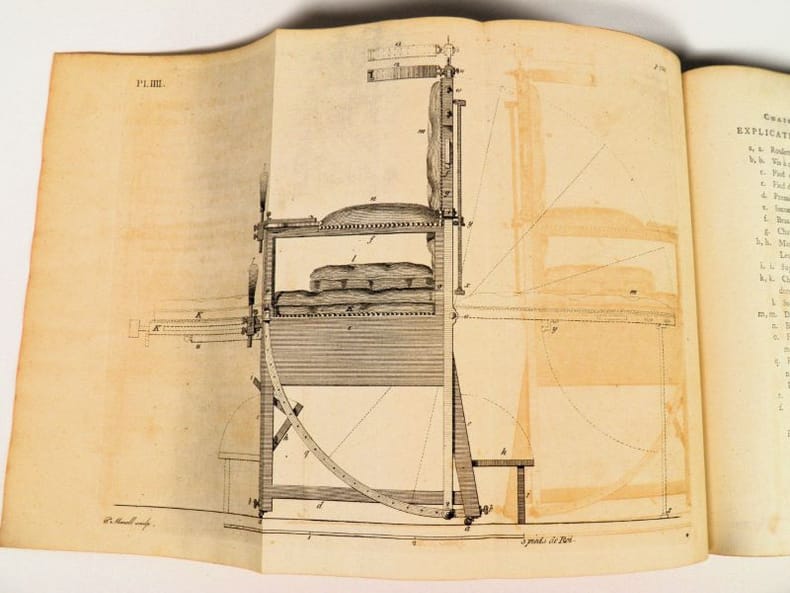
17682394Londres, J. Nourse, 1768. 2 parties reliées en un volume, complet. In-4 – 20,5 x 25,5 cm. Reliure de l’époque en plein veau marbré, dos à 5 nerfs orné de caissons dorés, pièce de titre en maroquin rouge et pièce de tomaison en maroquin olive, doubles filets dorés avec fleurs angulaires en encadrement des plats, « R. Pierot, Chirurg. Major. » frappé à l’or sur le premier plat, dentelle dorée sur les coupes, tranches rouges. 4f., XVII, 2pp, 404pp., 22ff, 4ff., VIII, 1ff., pp. 401 à 828, 14ff., 13pp, 24pl. Edition originale de ce curieux ouvrage qui comprend 11 mémoires sur différents sujets de chirurgie : Vie de Hunter - Hernies - Inconvénients des descentes particulières aux prêtres de la communion romaine - Des différences locales des testicules et de leur nombre indéterminé - Observations sur les anévrismes - Sur l'anévrisme par anostomose - Dissertation sur les hermaphrodites - Hernies de l'epliploon - Description d'une chaise chirurgicale - Description d'un speculum uteri - De l'opération de la hernie crurale dans l'homme - Saphyletome ou instrument propre à couper la luette. Exemplaire bien complet de ses 24 planches, dont 18 représentent de nombreux instruments chirurgicaux, notamment la "chaise chirurgicale", et 6 figurent des hermaphrodites. Ex-libris « Chir. Bibliothèque de F. Fristo (?) Médecin à Sierck Janvier 1813 » encollé au dos de la page de titre. Malgré quelques répétitions de pagination et de numérotation de feuillets entre les deux parties (avis au relieur, fautes à corriger, additions et changemens, etc), cet exemplaire est bien complet. Georges Arnaud de Ronsil (1698-1774), formé à l'Ecole Saint Côme à Paris, s'établit ensuite à Londres où il acquiert une réputation de chirurgien brillant, spécialiste des anévrismes, des malformations des parties génitales (d'où ses recherches sur l'hermaphrodisme), ou encore des hernies. En 1768, c'est en technicien qu'il présente à l'Académie royale de chirurgie de Paris (dont il était membre également), un ingénieux modèle de chaise chirurgicale, laquelle offrait au praticien "le choix d’opérer par devant, par derrière ou sur le côté, sans avoir besoin de personne pour tenir le Malade". Ainsi cet outil innovant se destinait-il à augmenter la précision des opérations, tout en réduisant leur durée et potentiellement, la souffrance des patients. On ignore si la chaise, décrite sur plusieurs dessins, avec cotes de construction et de nombreux accessoires, fut construite et utilisée, mais cette initiative pour éloigner la chirurgie de "l'ancienne barbarie", avant l'invention des anesthésiants au XIXe siècle, reçut alors de nombreuses louanges.
692ou traité des plaies d'armes à feu et d'armes blanches Avec des observations sur ces maladies,les formules,des remèdes qui ont mieux réussi,des méthodes nouvelles pour leur traitement,des instruments pour tirer les les corps étrangers,un moyen assuré pour les réductions des fractures,des luxations..Un volume in 8 plein cuir fauve raciné à nerfs,pièce de titre chagrion rouge,fers dorés,double filet à froid sur les plats,roulette dorée sur coupes.Titre,VIII,686 pages,tranches rouges?Bien complet des 7 planches gravées hors-texte.Didot éditeur 1768.Bel exemplaire
175755793London: Printed for T. Heath and J. Nourse in the Strand: J. Hodges on London-Bridge and J. Fuller in Ave-mary-Lane 1757. 8vo. xx 188 pp. With 1 large folding copper-engraved frontisp. of mathematical instruments 8 copper engraved plates occasional minor closed tears creasing to the fore-edges of the plates couple of the joints starting in the folds. Nineteenth-century half-calf over marbled boards marbled endpapers hinges repaired minor thumbing and darkening to some leaves otherwise a VG copy. Second edition of this well-written mathematics instrument manual incorporating a short history of 44 previous works on mathematical instruments spanning 200 years with specific descriptions of particular instruments and their development. This work which is considered by Erwin Tomash to be “one of the most complete descriptions of a set of portable mathematical instruments extant†was expanded by over a third to detail the use of Gunners Calipers or a Gunter’s scale for navigation purposes into a type of slide rule which were made and sold by Nairne & Blunt in London. Robertson 1716-1776 who is perhaps best remembered for his Elements of Navigation considered one of the finest English-language navigation education manuals of the 18th century Tomash & Williams R100; Cajori A History of the Logarithmic Slide Rule and Allied Instruments pp. 32-33; See: Ellerton & Clements Samuel Pepys Isaac Newton James Hodgson and the Beginnings of Secondary School Mathematics: A History of the Royal Mathematical School within Christ’s Hospital London 1673-1868 2017 pp. 50-52 110 146 218. Printed for T. Heath and J. Nourse in the Strand: J. Hodges on London-Bridge, and J. Fuller in Ave-mary-Lane, hardcover
Very Good Turkish, Ottoman (1500-1928) Original decorative 1/4 leather bdg. Demy 8vo. (22 x 15 cm). In Ottoman script. 13, 2, 362 p., 1 plate, 17 numerous ills. [RARE OTTOMAN EDITION of COSMOGRAPHY by GILLEMIN & BRIEUX] Kozmografya yahud ilm-i ahvâl-i sema. Prep. and translated by Hasan Bedreddin. Amédée Guillemin was a French science writer and a journalist. Guillemin started his studies at Beaune college before taking his final degree in Paris. From 1850 to 1860 he taught mathematics in a private school while writing articles for the Liberal press criticizing the Second French Empire. In 1860, he moved to Chambéry where he became a junior deputy editor of the weekly political magazine La Savoie. After the annexation of Savoy by the French empire, he returned to Paris where he became the science editor of l'Avenir national (The Nation's Future). Guillemin presently started writing books of physics and astronomy which became very popular. He wrote "The Sky" which was translated into many languages. His major work, "The Physical World", consisted of five large volumes. His publisher, Hachette, encouraged him to write a series of booklets about astronomy and physics under the title "Small popular encyclopaedia", a scientifically sound but accessible collection about sciences and their applications. French astronomer Jacques Crovisier from the Observatoire de Paris suggests he may have been a source of inspiration for Jules Verne's 1865 novel, From the Earth to the Moon. Charles Auguste Briot was a French mathematician who worked on elliptic functions. The Académie des Sciences awarded him the Poncelet Prize in 1882. This is the rare translation of "Ele?ments de cosmographie" by Guillemin & Briot in the Turkish / Ottoman world. Second Edition. Özege 11206.; TBTK 11733.; Only two copies in OCLC: 949501098.
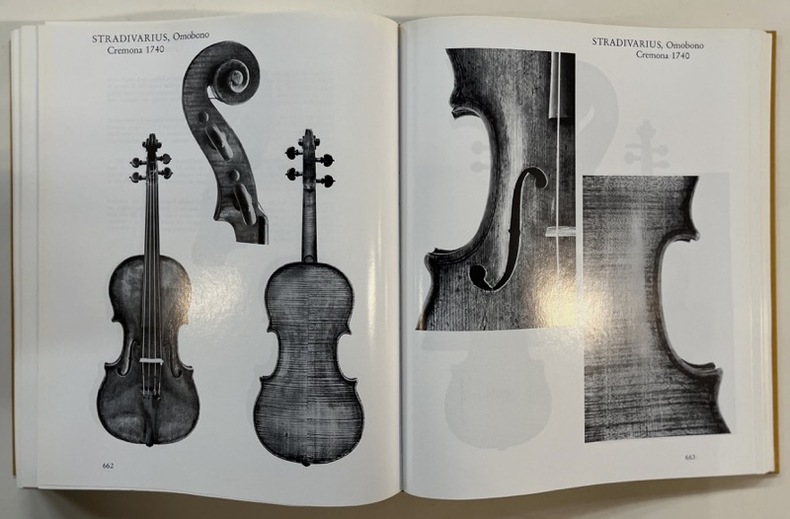
1993130060Wilhelmshaven, Florian Noetzel 1993 In-4 28,5 x 23,5 cm. Reliure éditeur toile orange sous jaquette à l’identique illustrée, pièce de titre cuir havane, 804 pp., avec plus de 1200 illustrations et des descriptions détaillées de plus de 300 violons dont quelques altos et violoncelles de 148 maîtres du 17e siècle jusqu’aux années 30 du XXe siècle. Les grands luthiers tels que Amati, Bergonzi, Guadagnini, Stradivarius et autres sont représentés par de nombreux exemples, mis les instruments de nombreux maîtres moins connus ont également été inclus, index. Exemplaire en très bon état.
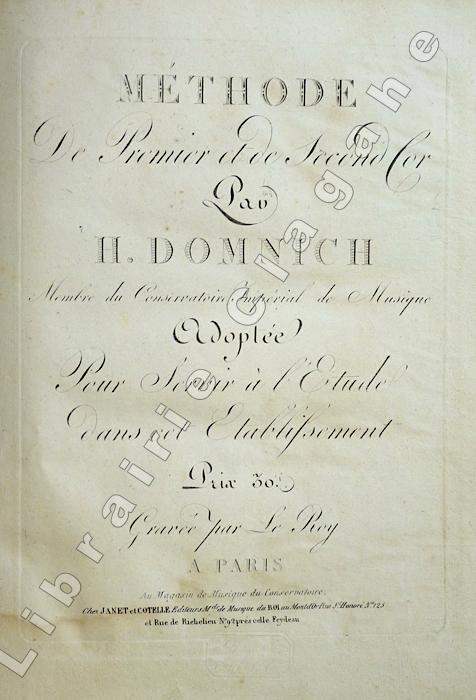
18089239Paris, Au Magasin de Musique du Conservatoire, chez Janet et Cotelle, Imprimerie du Conservatoire de Musique (cachet sec) ; s.d. (certainement 1808, les certificats d'adoption de la la méthode par Gossec, Méhul et Chérubini, inspecteurs et par Sarreste, directeur, sont des 23 et 24 décembre 1807) ; in-folio ; demi-vélin vert pomme à petits coins, dos lisse, pièce de titre grenat (reliure de l'époque) ; (4), VIII (Notice historique sur l'origine et les progrès de cet instrument), 114 (en réalité 116, une page blanche et une 93 bis), (2) pp.
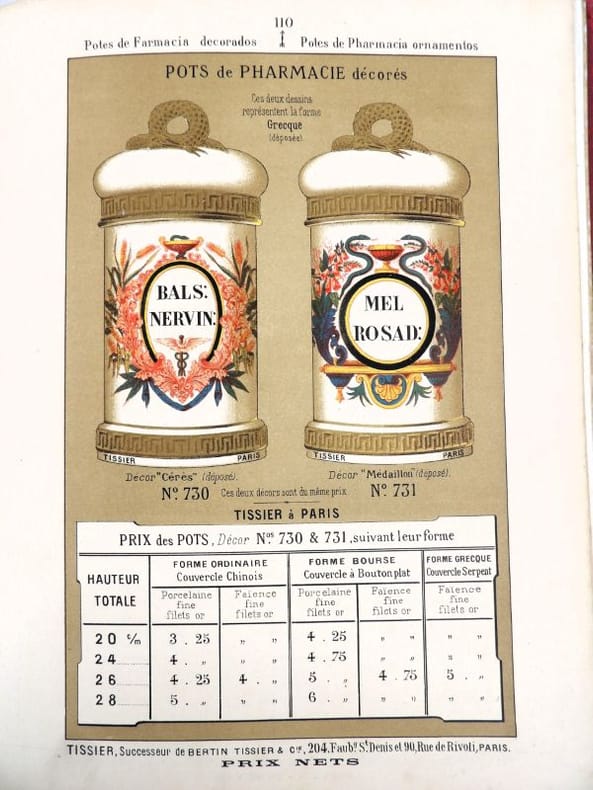
18952644Paris, Tissier, 1895. In-4 - 22 x 28 cm. Reliure éditeur en pleine toile rouge, dos lisse muet, premier plat orné d'un encadrement de six filets noirs avec fleurons angulaires et titre au centre, second plat orné d'un médaillon frappé à froid en son centre, avec triple filet à froid en encadrement. 3 feuillets, 310 pages paginées + pages bis, XXXV. Très rare catalogue pour tout le matériel de pharmacie, orné d'une très riche illustration in-texte, à laquelle s'ajoutent 18 belles planches en chromolithographie. Catalogue destiné à la vente de verrerie (et arts du feu) pour les pharmacies et les laboratoires scientifiques, et envoyé" sur demande spéciale pour installations de Pharmacie". Nom du propriétaire sur le contreplat et tampon du représentant sur les pages de garde. Tarifs en français, espagnol et portugais à la fin de l'ouvrage.
2240452 x 40 mm. With Beham's initials in the plate to upper left. <br /> <br /> A fine impression on laid paper with thread margins. A rare contemporary version in reverse of the print first published in ca. 1537. Pauli: Hans Sebald Beham Ein Kritisches Verzeichnis 191a. Bartsch 190. Kinsky: Music in Pictures p. 80 no. 2 the original version. unknown
53697aafBruxelles, M. Schaerer S. A., s.d., ca 1905, gr. in-4to, XXI + 866 p. richement illustrées + XIII (index), reliure en toile originale, tranches marbrées.
189015909Paris, Georges Chamerot, 1890 ; in-4 ; demi-basane fauve flammée à coins, dos à nerfs, titre doré, couverture conservée, non rogné (reliure de l'époque) ; 238, (2) pp., frontispice gravé tiré en bistre.
1376331Lisboa: Diamang, Museu do Dundo, 1961 - 1967 2 vol. gr. in-4 (41,5 x 30 cm), 296-(6) et 306-(8) pages, illustrations en noir et en couleurs, cartes. Reliure d'éd., mors fendu sur 7,5 cm pour le volume 1, autrement très bon état. Companhia de Diamantes de Angola. Serviços Culturais Dundo, Lunda, Angola. Texte portugais et anglais. Sommaire Tome 1: Chokwe People (Lóvua area) - Lunda District: 1 Explanatory notes. 2 Notes on the Chokwe People and its folklore (Lóvua area). 3 Musical instruments used. 4 Photographic documents. 5 Musical analyses of the Lóvua folklore. 6 Wording of Songs and Comments. Tome 2: Chokwe People (Camissombo area): 1 Explanatory notes. 2 Notes on the Chokwe people and its folklore (Camissombo area). 3 Musical Instruments used. 4 Photographic documents. 5 Musical analyses of the Camissombo folklore. 6 Wording of Songs and Comments. De la bibliothèque de l'anthropologue Auguste Guilherme de Mesquitela Lima (cachet et signature).
175516350Paris, C.A. Jombert, 1755 ; in-8 ; veau fauve marbré, dos lisse à faux-nerfs et décors dorés, pièce de titre grenat, tranches rouges (rel. de l’époque) ; XV, (1 bl.), 114, (2) pp., 24 pl. gravées h.-t., la plupart dépliantes.
5576traduit de l’anglois de M.SMELLIE par M de Préville auquel on a joint le secret de Roonhuisen dans l’Art d’accoucher, traduit du Hollandois.Quatre tomes en quatre volumes in 8 plein cuir fauve raciné,à nerfs,d’époque,titre,tomaison, fers,roulette,palmettes,dorés.Tome 1 faux-titre,titre,XVI 586 pages,2 pages approbation et privilège du Roi Paris F. Didot Le Jeune 1771.Tome 2:Faux-titre,titre,XVI 580 pages.Paris F Didot Le Jeune 1767.Tome 3:faux-titre,titre, XIII,606 pages,Paris Fr Didot Le Jeune 1765.Tome 4,faux titre,titre, contenant les planches relatives à la pratique de cet art avec les observations des figures de chaque planche.VIII,122 pages,39 planches gravées 2 pages de catalogue. A la suite Découverte de l’instrument de ROOHNHUISEN pour les accouchemens 21 pages.1 page explication de la planche dépliante:l’instrument est reproduit en taille réelle,1 page approbation et privilège. Fr Didot 1765 Tranches rouges.L’ensemble en très bon état
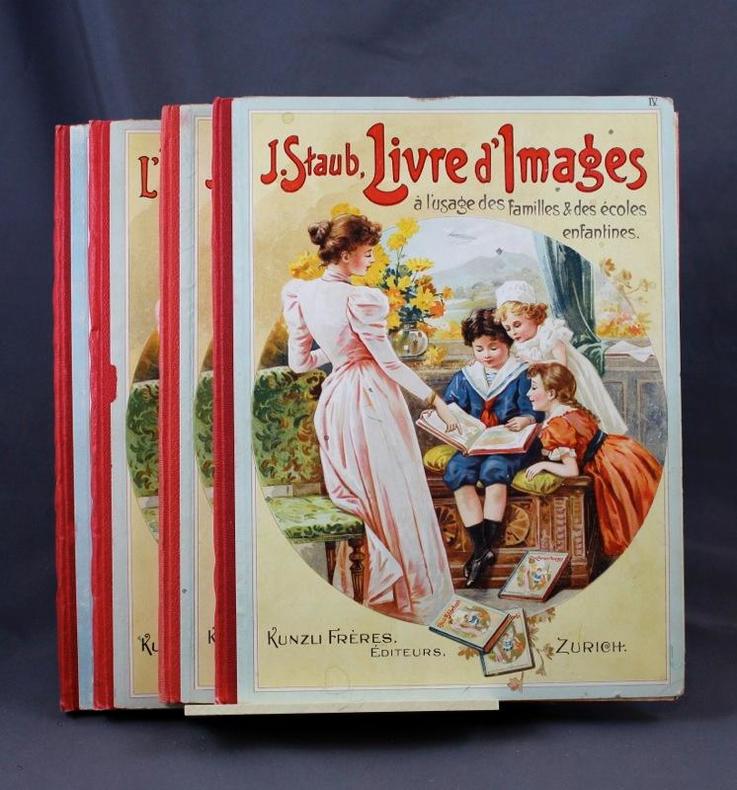
6869Zurich et Paris, Kunzli frères SA, sans date. 4 volumes in-4, chacun composé d'une page de titre, de 12 chromolitho sur double page, et de 8 pages de texte. Plat supérieur illustré. Dos de percaline rouge, coins et coupes partiellement frottés. Le corps des volumes a tendance à se désolidariser de la reliure, toutefois, ensemble bien propre.
199153554Cremona, Editrice Turris, 1991. 4°. Mit 163 tlw. gefalt. bzw. farb. Tafeln. 351 S., OLwd. m. illustr. OUmschlag.
177315530Marseille, Jean Mossy, 1773 ; in-8 ; plein veau fauve marbré, dos à nerfs décoré et doré, pièce de titre fauve, roulette décorative dorée sur les coupes, tranches marbrées (reliure de l'époque) ; X, (2), 460 pp., 5 planches dépliantes représentant 11 figures.
In-8°; pp. 40, al frontespizio monogramma della asocietà di gesù inciso su legno, nel testo testatine e finalini xilografici; studio applicato alla ricerca del diametro del sole e dei pianeti, venere e marte contiene alla fine delle tavole di calcoli. Sommervogel I, 601, n.11. cart. muto. scienza science astronomia astronomy ottica optics società gesù pianeti micrometro strumenti tecnologia Micrometers Instruments Planets Observations Sun Diameters
199755165BBLondon, New York, NY :, Macmillan; Grove's Dictionaries of Music Inc., 1997. 4°. 25,5 cm. XXXVI, 805, XIII, 982 und XIII, 921 Seiten. Original-Leinenbände mit silbergeprägtem Rückentitel und Kopffarbschnitten.
117126grund maguet 18- 6 Paris, Librairie Gründ et Maguet, [sans date], 6 volumes in-8 de 170x250 mm et environ 480 pages chacun. Complet des planches annoncées. Demi-maroquin vert bouteille, dos long portant titres dorés et fers romantiques, tranche de tête dorée, gardes couleur. Dos insolés, rares frottements, intérieur très frais, bel ensemble.
159038903Antwerp: Philip Galle 1590. Solomon takes the Tabernacle into the Temple the Levites singing. 2 Chronicles v 4-6. Plate 9.<br /> <br /> The engraving depicts a biblical scene and incorporates an illustration of trumpets timbrel harp horns drums flute rebec and cymbals with reference in Latin text beneath the image to the musical instruments depicted. Ca. 220 x 285 mm with narrow margins. <br /> <br /> Minor wear; occasional foxing; laid down to mounting paper. In very good condition overall. The Encomium Musices Eulogy of Music is an important set of highly detailed late 16th century engravings published in Antwerp ca. 1590 by Philip Galle 1537-1612 best-known as a publisher of Old Master prints; the engraver of this particular plate Collaert was Galle's son-in-law. The suite of engravings is thought by some to commemorate the rededication of Antwerp's churches to Roman Catholicism following the capture of the city by Alexander Farnese in 1585. Philip Galle unknown
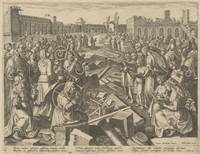
159038907Antwerp: Philip Galle 1590. Inauguration of Jerusalem's Walls by Nehemiah. Nehemiah xii 27-39. Plate 13.<br /> <br /> The engraving depicts a biblical scene and incorporates an illustration of cymbals harps trumpets and horns with reference in Latin text beneath the image to the musical instruments depicted. Ca. 220 x 285 mm with narrow margins. <br /> <br /> Minor wear; occasional foxing; laid down to mounting paper. In very good condition overall. The Encomium Musices Eulogy of Music is an important set of highly detailed late 16th century engravings published in Antwerp ca. 1590 by Philip Galle 1537-1612 best-known as a publisher of Old Master prints; the engraver of this particular plate Collaert was Galle's son-in-law. The suite of engravings is thought by some to commemorate the rededication of Antwerp's churches to Roman Catholicism following the capture of the city by Alexander Farnese in 1585. Philip Galle unknown
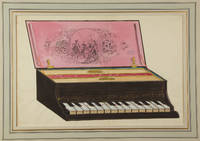
37111Executed in ink pencil and gouache highlighted in gold. 294 x 443 mm. On wove paper.<br /> <br /> The drawing depicts a 2-octave piano in a wooden case the interior of the hinged top decorated with a scene of performing musicians.<br /> <br /> Slightly worn and soiled; creased at central fold. In very good condition overall. <br /> <br /> Most likely of German or Austrian provenance ca. 1860-80. unknown
19972091202133200900Gyosei 1997. Soft Cover. Fine. Volume: 1 Gyosei paperback
650In 12 plein cuir fauve à nerfs raciné.titre,fers filets dorés.Faux-titre,titre,252 pages tranches rouges Moutard 1781,une coiffe réparée.Edition originale
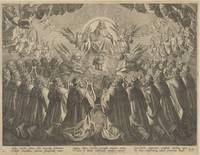
159038909Antwerp: Philip Galle 1590. The Glory of the Lamb. Revelations v 8 and xv 7-8. Plate 18.<br /> <br /> The engraving depicts a biblical scene and incorporates an illustration of multiple harps with reference in Latin text beneath the image to the musical instruments depicted. Ca. 220 x 285 mm with narrow margins. <br /> <br /> Minor wear; occasional foxing; laid down to mounting paper. In very good condition overall. The Encomium Musices Eulogy of Music is an important set of highly detailed late 16th century engravings published in Antwerp ca. 1590 by Philip Galle 1537-1612 best-known as a publisher of Old Master prints; the engraver of this particular plate Collaert was Galle's son-in-law. The suite of engravings is thought by some to commemorate the rededication of Antwerp's churches to Roman Catholicism following the capture of the city by Alexander Farnese in 1585. Philip Galle unknown