Keegan John,Thompson RobertLivre Rare Book
51 359 résultats
1985wa91Orbis Cartonné avec jaquette 1985 In-4 (23,5 x 30,5 cm), cartonné avec jaquette, 336 pages, texte en anglais, iconographie en couleurs et noir et blanc ; pliures et réparation au ruban adhésif sur le bord inférieur de la jaquette, par ailleurs bon état général. Livraison a domicile (La Poste) ou en Mondial Relay sur simple demande.
64724London, Her majesty's stationary office, 1953 Hardcover, Cloth, Library Copy, 425 pages, 25 x 17 cm. with all the maps.
1987100147384William Heinemann Ltd 1987 416 pages 16 2x3 6x23 4cm. 1987. Cartonné jaquette. 416 pages.
1991R240163435Flammarion. 1991. In-8. Broché. Bon état, Couv. convenable, Dos satisfaisant, Intérieur frais. 289 pages.. . . . Classification Dewey : 303.66-Guerre
R240141251J.BRONFMAN & AYAL BOOKS. NON DATE. In-4. Relié. Bon état, Couv. convenable, Dos satisfaisant, Intérieur frais. 130 pages - jaquette en bon état - ouvrage en français, en anglais et en russe - nombreuses illustrations en noir et blanc hors texte légendées - textes sur deux colonnes - ex dono sur la page de garde.. Avec Jaquette. . . Classification Dewey : 303.66-Guerre
1943111790New York, D. Appleton-Century Company, 1943, in-8°, xii-350 pp, 63 planches de photos hors texte (y compris le frontispice), liste des officiers et des pilotes, cartes, tableau des victoires, petit glossaire de l'argot de la RAF (Royal Air Force) et des WAAF (Women's Auxiliary Air Force), reliure éditeur illustrée de l'insigne de l'Eagle Squadron en bleu foncé et argent, gardes illustrées, sans la jaquette, bon état. Edition originale, texte en anglais
NB3228Ulftone ETUI CD 2003 BAD REPUTATION PARFAIT ETAT Photos sur demande.
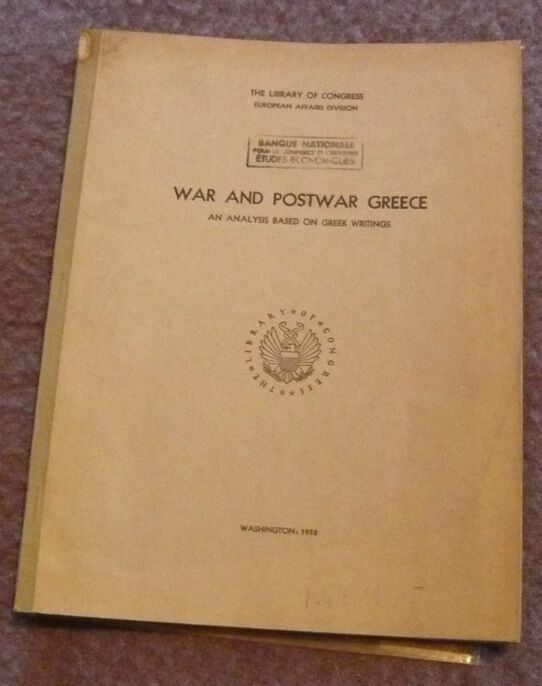
195223321952. Washington Library of Congress european affairs division 1952 - Toilé 20 cm x 26 cm 175 pages - Texte en anglais anonyme introduction de Floyd A. Spencer - Bon état
2007100137282Vintage Classics 2007 1296 pages 16 4x24x5 5cm. 2007. Cartonné. 1296 pages.
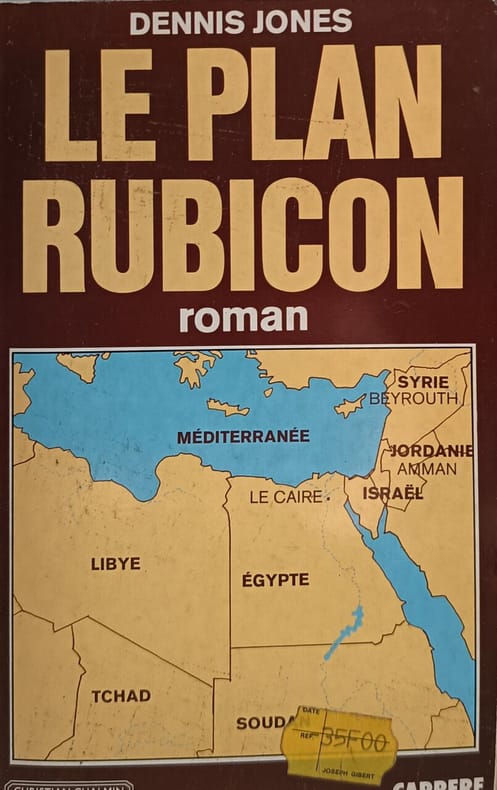
19869141CARRERE CHALMIN 1986 377 pages 381x69x559cm. 1986. Broché. 377 pages. Dans un futur proche (années 1990) le plus puissant ordinateur du monde analysant des données géopolitiques de plus en plus inquiétantes prédit qu'une nouvelle guerre mondiale est inévitable. Pour l'empêcher il conçoit et propose de mettre en œuvre un plan diabolique et radical nommé « le plan Rubicon »
200803164Munchen, Zentralverlag der NSDAP Franz Eher Nachf, 1941 ; grand in-12, 120 pp., cartonnage de l'éditeur.
2004802522004 Neundorf, Editions Krautgarten, 2004, in 8° broché, 551 pages ; nombreuses illustrations ; couverture illustrée ; cachets.
1380238Warszawa (Varsovie): Wydawnictwo Ministerstwa Obrony Narodowej, 1959 in-8, 508 p., nombreuses ill. dans le texte, plan dépliant, index des noms. Broché, exemplaire et couverture défraichis. Texte polonais. Sur le Ghetto de Varsovie.
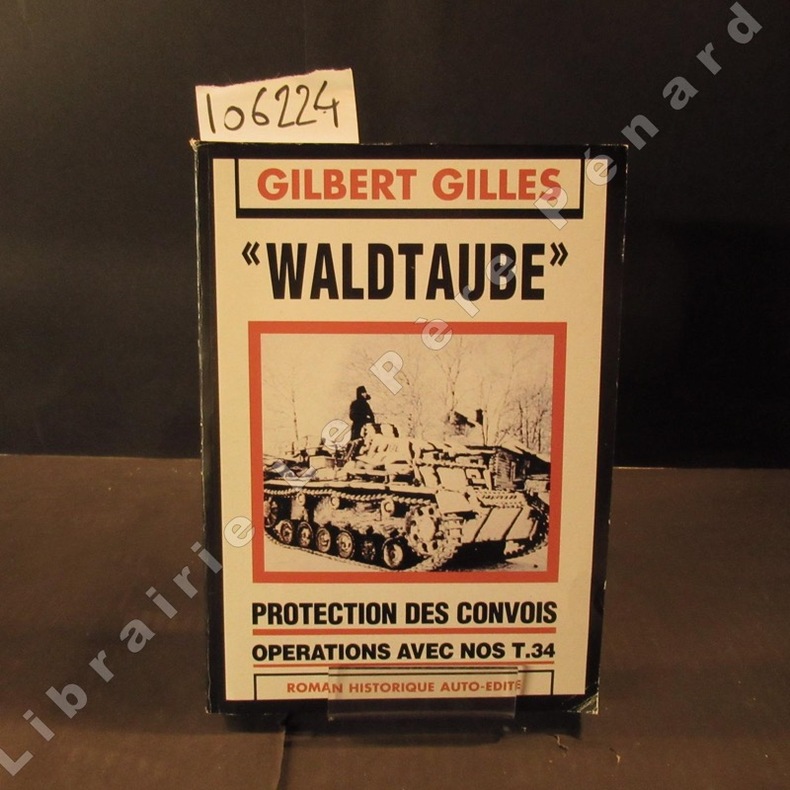
19991066241999 Roman historique auto-édité - 1999 - In-8, broché - 479 p. - Envoi de l'auteur à Robert Froment en page de dédicace - Quelques reproductions photographiques hors texte en N&B
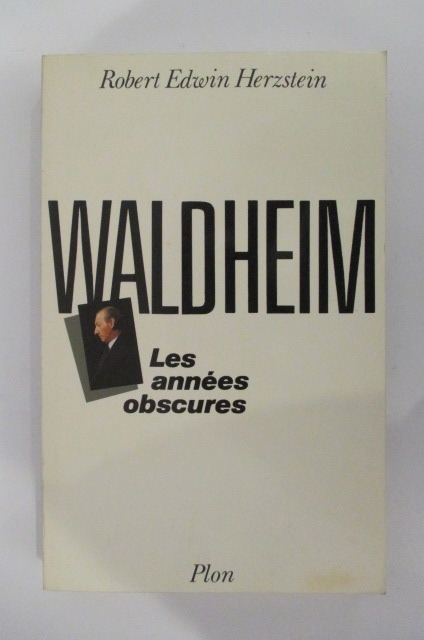
HIS206M1988 / 306 pages. Broché Editions Plon
19882998Plon, 1988, gr. in-8°, 306 pp, traduit de l'américain, 16 pl. de photos hors texte, sources d'archives, notes, broché, bon état
59782, Uitgeverij Pelckmans, 1994 Paperback, 173 pagina's, NL, 220 x 140 mm, in prima staat, met enkele illustraties in z/w. ISBN 9789028920514.
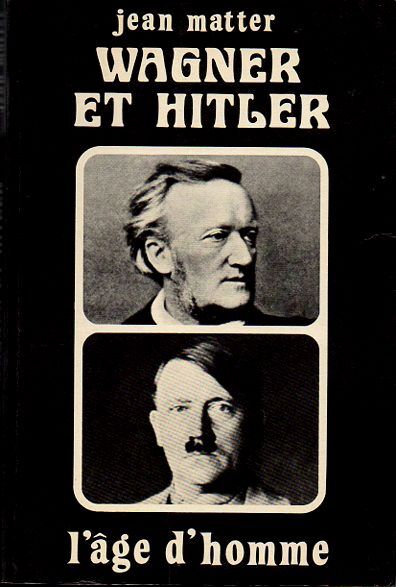
14672L'âge d'homme, 1977 - In-8, broché, couverture souple ill rempliée ( deux photographies en noir ), 182 pages - Ensemble dense et en bon état.
1971fj1507Almark Publishing Co., LTD Cartonné avec jaquette 1971 In-8 (15,4 x 21,7 cm), cartonné avec jaquette, 112 pages, iconographie en noir et blanc et couleur, texte en anglais ; jaquette abîmée (mors frottés réparés au ruban adhésif, taches sur les plats, pliure au quatrième plat), reliure un peu fragilisée, état moyen. Livraison a domicile (La Poste) ou en Mondial Relay sur simple demande.
2002132566Cerberus 2002 Livre en anglais. In-4 cartonnage éditeur sous jaquette 25 cm sur 19. 324 pages. Jaquette en bon état. Bon état d’occasion.
47723, oudheidkundige kring Kortrijk, 2015 softcover, 127 pagina's met afbeeldingen in kleur. tekst in Nederlands en Frans NL + FR.
2001B78366Leuven, 2001 150pp., in-4, onuitgegeven verhandeling tot het behalen van de graad van licentiaat in de geschiedenis (KUL, 2001, promotor: prof.Dr. E.Stols)
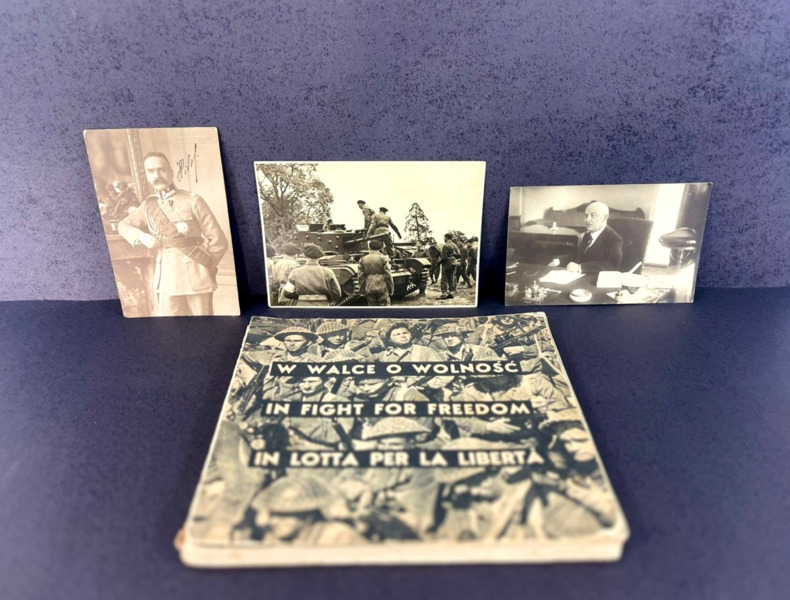
1945517This is a set which belonged to Janusz Gluchowski, a high-ranking Polish military officer at the time of the WW2. The set contains three original B&W pictures. First one: undated postcard showing Marshal Jozef Pilsudski, signed by himself in black ink, 8.5 x 13.5 cm, with two embossed mentions above and below. Second picture: undated postcard showing Poland President Gabriel Narutowicz, with a written mention on the back. Third picture: 11 x 15.5 cm photograph. General Tadeusz Bór-Komorowski inspecting a British Cromwell tank, accompanied by Polish officers of the 3rd Armored Regiment (3 puk pancerny). The image was captured during an official ceremony in the city of Kelso, Scotland, in the immediate post-war period, on June 15, 1945. The scene shows the General in an observation position, climbing onto the tank while surrounded by Polish soldiers. The tank corresponds to a British model widely used by Polish forces in exile during the Western European campaign. On the reverse, the following handwritten inscriptions appear: VI 1945, Kelso. N. Wódz gen. Bór-Komorowski dokonuje inspekcji 3 p. panc. N. Wódz w towarzystwie bryg. puku na czogu." / June 15, 1945, Kelso The book is an illustrated three-languages (Polish, English and Italian) set commemorating the struggles of the Polish II Corps. Edited by Wyda Rererat [Referat] Kultury i Prasy Kresowej Dywizji Piechoty in Rome, 1945. Oblong book of 21 x 19 cm, unpaginated (144 pp.). Cover detached. Endpapers and first page show Janusz Gluchowski's stamp. In publisher's photographically illustrated wrappers. Each page contains a photographic image or a photomontage accompanied with a short text in three languages. Front cover shows some wear and tear, the binding is a bit loose - we would advise having this book bound. The Polish II Corps was a major tactical and operational unit recruited from Polish deportees in the Soviet Gulags in 1943. First they fought in the Middle East, and in 1944 February they were transferred to Italy and as independent part of the British Army to fight in the Italian campaign, in the battles of Monte Cassino and Ancona and also the Battle of Bologna during the final offensive in Italy in 1945. The book goes through the story of Poland and the later established Polish II Corps, starting with the German and Soviet occupation in 1939. It shows the deportation of Poles to forced labour to the Gulag and, after the Polish-Russian Military Agreement in 1941, the establishment of the Polish Army on Soviet soil, also their military training and their fights in various battles. Janusz Julian Gluchowski was a Major General in the Polish Army during the Second Polish Republic. He was born on August 6, 1888, in Bukowa. He fought in the Polish Legions in World War I, the Polish-Ukrainian War, the Polish-Soviet War, and the invasion of Poland by Nazi Germany, Slovakia, and the Soviet Union in 1939, which culminated in the start of World War II. In his adolescence, he attended high school in Czstochowa. In 1905, he became a member of the Combat Organization of the Polish Socialist Party and was wounded in the hand during an attack near Czstochowa. To avoid arrest by the Russian authorities, he left for Belgium, where he studied at the University of Liège. He returned to divided Poland around 1910 and settled in Austrian Galicia. In 1912 he graduated from the Officers' School of the Riflemen's Association in Stroza, near Krakow. In the early hours of August 1914, he commanded a platoon in Oleandria and was Wadysaw Belina-Pramowski's representative during the legendary attack of the so-called Seven Lancers of Belina (Uaska siódemka). On August 6th, together with the First Cadre Company, he left Krakow and marched to Miechów. In October 1914 he was promoted to Lieutenant (Poruchik) and, in November 1916, to Rittmeister (Cavalry Master). Until 1917 he served in the First Uhlan Regiment of the Polish Legions. After the Oath Crisis (Kryzys przysigowy) he was interned first in Fort Beniaminów and later in Werl. Released in October 1918, he went to Lublin, where, in early November, he formed the Third Ulan Regiment (later renamed the Seventh Ulan Regiment of Lublin). Along with his unit, he fought in the Polish-Soviet War. On May 29, 1920, he was promoted to Polkovnik. He was transferred in July 1920 to Eastern Galicia, taking command of the First Cavalry Brigade, fighting against the Soviets in Galicia and Volhynia. After the war, he remained in this position until 1925, when he was transferred to the Fourth Cavalry Brigade. Promoted to Brigadier General on March 16, 1927. Appointed commander of the Center for Higher Military Studies on June 4, 1930, and three years later, after the death of General Stanislaw Tessaro, he was appointed commander of Military District X in Przemyl. In October 1935, he became Deputy Minister of Military Affairs. In the early days of the 1939 invasion of Poland, Gluchowski ordered General Walerian Czuma to prepare the defense of Warsaw. In mid-September 1939, he fled to Romania. After his escape, he managed to travel to the Middle East and, in January 1941, received orders to go to London. In October 1941, he was appointed Commander of the Training Brigade stationed in Scotland. On September 23, 1943, he was appointed commander of all Polish Army units stationed in Great Britain, except the First Independent Parachute Brigade, which remained under the authority of the Commander-in-Chief. He was promoted to Major General on June 1, 1945. He decided not to return to Soviet-occupied Poland and remained in Great Britain. He frequently criticized the Soviet regime and the Soviet occupation authorities in postwar Poland. Furthermore, he was one of the founders and president of the Jozef Pilsudski Institute in London. He was, therefore, an active member of the Polish community in Great Britain. He was president and honorary member of several Polish veterans' organizations. He died on June 11, 1964, in London, England.
1999115503Jean Curutchet 1999 In-8 broché. 283 pages. Dos légèrement écrasé en pied, sinon, bon état d’occasion.
1999460991999 Jean Curutchet. Editions, 1999. Couverture souple - In 8 broché - 283 pages - Très bon état - Envoi rapide et soigné :