Ilsever, MuratBiblio.com

2 488 résultats
2012DADAX1447142543Springer 2012-06-24. 2012. paperback. New. 6.10x0.20x9.25. Buy with confidence. Excellent Customer Service & Return policy. Springer paperback
2012SONG1447142543Springer 2012-06-24. 2012. paperback. Used: Good. 6.10x0.20x9.25. Buy with confidence. Excellent Customer Service & Return policy. Springer paperback
ria9781447142546_inpPaperback. New. New Book; Fast Shipping from UK; Not signed; Not First Edition; Change detection using remotely sensed images has many applications such as urban monitoring land-cover change analysis and disaster management. This work investigates two-dimensional change detection methods. The existing methods in paperback
B9781447142546Paperback / softback. New. Change detection using remotely sensed images has many applications such as urban monitoring land-cover change analysis and disaster management. In addition to testing existing methods four new change detection methods are introduced: fuzzy logic-based shadow detection-based local feature-based and bipartite graph matching-based. paperback
648029789Springer pp. 84 . Papeback. New. Springer unknown
44516Paris, Gallimard, 1993, in-folio carré reliure toile sous jaquette et sous étui, 191 pp. Illustrations. TRES BON ETAT
199389028Editions Gallimard 1993. Relié. Bon état. in-4. Relié jaquette pas d'emboitage. Editions Gallimard unknown
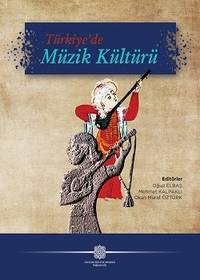
202264<p>Ankara: Ataturk Kultur Merkezi 2022. Hardcover. New. 20x28 cm. In Turkish. 504 p.</p> Ataturk Kultur Merkezi hardcover
2018x-331990163XSpringer 2018. Hardcover. New. 386 pages. 9.25x6.10x1.10 inches. Springer hardcover
1443844691.Ghardcover. Good. Access codes and supplements are not guaranteed with used items. May be an ex-library book. hardcover
20061-9756663804Citlembik Pubns 2006. Paperback. New. 2nd ed edition. 144 pages. 9.75x7.75x0.75 inches. Citlembik Pubns paperback
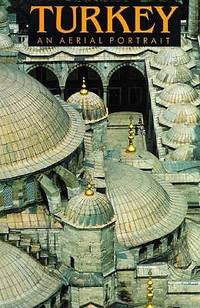
1994209693New York: Harry N. Abrams 1994. First Edition; First Printing. Hardcover. Near Fine in a Near Fine dust jacket. Harry N. Abrams hardcover
1994Q-0810938669Harry N Abrams Inc 1994-04-01. Hardcover. New. In shrink wrap. Looks like an interesting title! Harry N Abrams Inc hardcover
19931001196London: Thames and Hudson 1993 Boards. Large quarto. Color illustrations throughout. Fine in fine d.j. Thames and Hudson, hardcover
20171-3330325348LAP LAMBERT Academic Publishing 2017. Paperback. New. 196 pages. Turkish language. 8.66x5.91x0.45 inches. LAP LAMBERT Academic Publishing paperback
20161-3639812689Tuerkiye Alim Kitaplari 2016. Paperback. New. 208 pages. Turkish language. 8.66x5.91x0.47 inches. Tuerkiye Alim Kitaplari paperback
20161-3639671201Tuerkiye Alim Kitaplari 2016. Paperback. New. 196 pages. Turkish language. 8.66x5.91x0.45 inches. Tuerkiye Alim Kitaplari paperback
20161-3639812549Tuerkiye Alim Kitaplari 2016. Paperback. New. 212 pages. Turkish language. 8.66x5.91x0.48 inches. Tuerkiye Alim Kitaplari paperback
2016x-3319314343Springer 2016. Hardcover. New. 452 pages. 9.25x6.10x1.14 inches. Springer hardcover
1937132065Paris: Vega / Compagnie Francaise Cinematographique 1937. Vintage black-and-white still photograph from the 1937 French film. Mimeograph snipe affixed to the verso French language. Credit for photographer Walter Limot in the lower right corner. <br/><br/>A group of international adventurers decide to try trafficking arms off the coast of Poland. <br/><br/>7 x 9.5 inches. About Near Fine. Vega / Compagnie Francaise Cinematographique unknown books
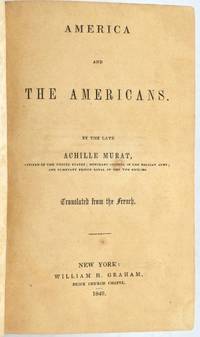
1849295358New York: William H. Graham 1849. First American Edition. Hard Cover. Very Good binding. 8vo.; in the publisher’s brown embossed cloth with titling in gilt to the spine; 2 preliminary leaves vii 9-260 pages; with no ownership or other marks of any kind; the endpapers have been cleaned by a conservator.~~The First Edition in English of Achille Murat’s interesting account of traveling in the Southern States during the first part of the 19th century. ~~“Although Murat considered himself an American he was . so recent an arrival in this country that his work should be be regarded as that of a traveler. As the title would indicate it is a philosophical account of American institutions including political parties the frontier slavery Indians religion law and justice the army and navy finance manners fine arts and literature.No itinerary is mentioned but it is evident that the author’s experiences and contacts had been largely in the South.â€~~An excellent copy of this forthright account of American manners politics and history. This First Edition uncommon in commerce. Clark Travels in the Old South pages 66 67. Very Good binding. William H. Graham unknown
199537718Vernon: Kebzeh 1995. Very good condition. 11" x 8 1/2" comb binding; 51 pages. Kebzeh unknown
2017B2011280Aydin Büyüksehir Belediyesi 2017. New. n/a n/a n/a Aydin Büyüksehir Belediyesi unknown
2017049935Aydin: Aydin Büyüksehir Belediyesi Kültür Yayinlari 2017. Soft cover. As New. 8vo - over 7¾ - 9¾" tall. Paperback. Roy. 8vo. 24 x 17 cm. In Turkish. 335 1 p. 139 numerous color 126 b/w plates tables. Tralleis Güney Nekropolü Terrakotta figürinleri. Terrakotta figurines of Tralleis Necropole. The terracotta figurines in this study were found throughout the South Necropolis of the Tralleis with a large number coming from the barrel vaulted chamber tombs. The figurines were recovered in the earlier salvage excavations by the Aydin Archaeological Museum. The excavators records of objects found in a representative series of graves must form basis for our study of the chronology and styles of the figurines. Thirty three contexts are listed as of interest but not of sharply defined chronological significance. The evidence for dating is derived for the most part from pottery coins and other archaeological remains the cemetery of Tralleis dates from the 2nd century B.C.E. at least through the 2nd century A. C. E. The figurines were each cast in a mold. In the 2nd century B.C.E. however the number of molds used in the creation of a single figurine was increased. The manufacture of terracotta figurines in Roman Imperial Period was an industry. The clay of the Tralleis figurines are rather coarse but homogeneous and contains a fair amount of mica. Yellowish red clay with some mica was used rarely and mostly in 2nd century B.C.E. Reddish yellow clay sometimes burned light red with mica is characteristic of the finest pieces. The commonest clay is reddish yellow usually with mica and often with a light white slim according to Munsell Soil Color Chart. According to the stylistic analysis the influences from Attica Tanagra Boeotia and Myrina also are obvious among the early figurines at Tralleis. Flying figurines as Eros and Nike were prominent in the 2nd century B.C.E. Religious types are also found and include Aphrodite and worshipers. Other representations of deities included an Ariadne Dionysos and his entourage. During the second half of the 2nd century B.C.E. genre groups with animals and standing draped women proliferated. Tralleis was destroyed by an earthquake in 26 B.C.E. and reconstructed with the efforts of Emperor Augustus. The typology repertoire of the 1st century A.C.E. consists of standing draped women and men athletes with quiver masks actors puppets caricatures animals and other mythological and religious types. This type of figurines was commonly found in most of the Mediterranean sites in the Hellenistic and Roman Imperial Period. The works of the coroplasts whose signatures are found in the South Necropolis may be examined here in more detailed. These are Trophimos Simalionos Theodotos AA and the others. The signatures show that workshops were active at Tralleis in the Roman Imperial Period as early as the 1st century B.C.E. and continued to produce figurines until the 2nd century A.C.E. We may therefore assume the fabric of which the coroplasts are made to be a local fabric of its period. Each figurine is introduced by a general commentary that outlines the typology chronology and significance of the class in the catalogue. Catalogue descriptions give factual detail references to previous publications and close parallels. Finally typology and style of these examples can also be compared with the dated finds from the other contemporary sites and contexts. On the whole the evidence presented points to the fact that the 2nd century B.C.E. was the most prosperous ones for the city of Tralleis. <br/> <br/> Aydin Büyüksehir Belediyesi Kültür Yayinlari paperback
2017049934Aydin: Aydin Büyüksehir Belediyesi Kültür Yayinlari 2017. Soft cover. New. 8vo - over 7¾ - 9¾" tall. Paperback. Roy. 8vo. 24 x 17 cm. In Turkish. 335 1 p. 139 numerous color 126 b/w plates tables. Tralleis Güney Nekropolü Terrakotta figürinleri. Terrakotta figurines of Tralleis Necropole. The terracotta figurines in this study were found throughout the South Necropolis of the Tralleis with a large number coming from the barrel vaulted chamber tombs. The figurines were recovered in the earlier salvage excavations by the Aydin Archaeological Museum. The excavators records of objects found in a representative series of graves must form basis for our study of the chronology and styles of the figurines. Thirty three contexts are listed as of interest but not of sharply defined chronological significance. The evidence for dating is derived for the most part from pottery coins and other archaeological remains the cemetery of Tralleis dates from the 2nd century B.C.E. at least through the 2nd century A. C. E. The figurines were each cast in a mold. In the 2nd century B.C.E. however the number of molds used in the creation of a single figurine was increased. The manufacture of terracotta figurines in Roman Imperial Period was an industry. The clay of the Tralleis figurines are rather coarse but homogeneous and contains a fair amount of mica. Yellowish red clay with some mica was used rarely and mostly in 2nd century B.C.E. Reddish yellow clay sometimes burned light red with mica is characteristic of the finest pieces. The commonest clay is reddish yellow usually with mica and often with a light white slim according to Munsell Soil Color Chart. According to the stylistic analysis the influences from Attica Tanagra Boeotia and Myrina also are obvious among the early figurines at Tralleis. Flying figurines as Eros and Nike were prominent in the 2nd century B.C.E. Religious types are also found and include Aphrodite and worshipers. Other representations of deities included an Ariadne Dionysos and his entourage. During the second half of the 2nd century B.C.E. genre groups with animals and standing draped women proliferated. Tralleis was destroyed by an earthquake in 26 B.C.E. and reconstructed with the efforts of Emperor Augustus. The typology repertoire of the 1st century A.C.E. consists of standing draped women and men athletes with quiver masks actors puppets caricatures animals and other mythological and religious types. This type of figurines was commonly found in most of the Mediterranean sites in the Hellenistic and Roman Imperial Period. The works of the coroplasts whose signatures are found in the South Necropolis may be examined here in more detailed. These are Trophimos Simalionos Theodotos AA and the others. The signatures show that workshops were active at Tralleis in the Roman Imperial Period as early as the 1st century B.C.E. and continued to produce figurines until the 2nd century A.C.E. We may therefore assume the fabric of which the coroplasts are made to be a local fabric of its period. Each figurine is introduced by a general commentary that outlines the typology chronology and significance of the class in the catalogue. Catalogue descriptions give factual detail references to previous publications and close parallels. Finally typology and style of these examples can also be compared with the dated finds from the other contemporary sites and contexts. On the whole the evidence presented points to the fact that the 2nd century B.C.E. was the most prosperous ones for the city of Tralleis. <br/> <br/> Aydin Büyüksehir Belediyesi Kültür Yayinlari paperback