FOURIER, Charles.Livre Rare Book
4 227 résultats
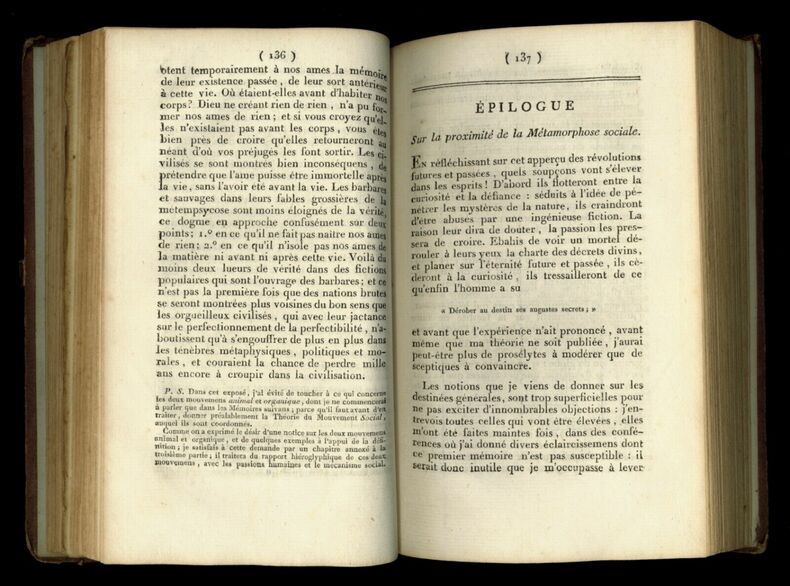
1808AMO-4498A Leipzig [i.e. Lyon], 1808 1 volume in-8 (20 x 12,5 cm) de (4)-425-(3) pages et un grand tableau dépliant (replié relié entre les pages 56 et 57). Reliure strictement de l'époque demi-basane fauve, dos lisse orné de plattes dorées en guise de faux-nerfs, fleurons dorés, pièce de titre de maroquin rouge, plats de papier marron. Quelques usures (coins, plats, coupes, légères fentes en tête des mors, légères marques et éraflures au dos, le tout sans gravité), intérieur frais. Quelques rousseurs peu pregnantes aux premiers et aux derniers feuillets. Quelques annotations manuscrites, corrections et rajouts, notamment sur le grand tableau dépliant. Collationné complet. Edition originale rare du premier livre de Fourier.
194887160s. d. [1948] | 21 x 30 cm | 8 pages et demi sur 9 feuillets
195282356s. l. [Paris] 22 février 1952 | 21 x 27 cm | 3 pages sur 3 feuillets
195087220s. d. [circa 1950] | 21 x 30 cm | une page sur un feuillet
187561169Charles Silvain | Paris 1875 | 13.50 x 22 cm | relié
178911350S.l., s.n., 1789 ; in-8 ; demi-chagrin rouge à petits coins, dos à nerfs, titre doré (reliure moderne) ; 206 pp. y compris le faux-titre et le titre (INED, 578 ; Barbier, I-531).
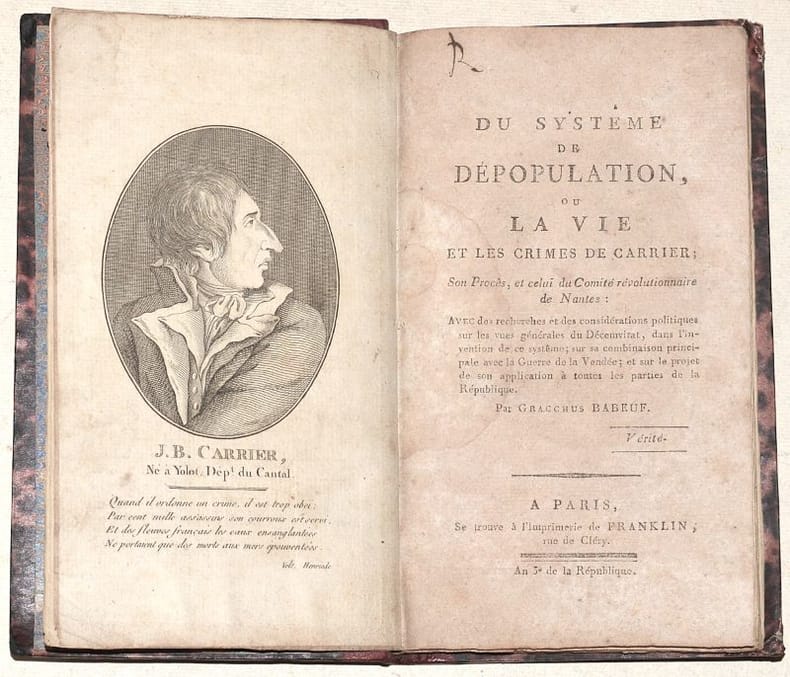
17940057101794 Paris, Imprimerie de Franklin, An 3e de la République [1794]. In-8 (207 X 125 mm) demi-chagrin grenat, dos lisse cloisonné de filets dorés, titre doré (Reliure postérieure) ; portrait-frontispice, 194 pages [i. e. 192 pages, passage de la page 152 à 155 sans manque], dont faux-titre, titre, sommaire et errata. La marge inférieure n'a pas été rognée par le relieur. Cerne de mouillure en marge intérieure des premiers feuillets (faux-titre, titre, sommaire et errata), rousseurs, lettre "R" calligraphiée à l'encre noire en marge supérieure de la page de titre, restauration à un coin de la reliure.
230803Bruxelles, à la Librairie romantique, 1828 2 tomes en 1 vol. in-8, VIII-325 pp. et 327-[5] pp., demi-veau olive, dos lisse orné de filets dorés, de fleurons à froid et de roulettes dorées, tranches marbrées (reliure pastiche). Qqs rousseurs, prononcées sur les pages de faux-titre et de titre.
165791Bruxelles, à la Librairie romantique, 1828 2 tomes en 1 vol. in-8, VIII-325 pp. et 327-[4] pp., demi-chagrin rouge, dos à nerfs orné (reliure postérieure). Rousseurs.
193386772S. n. | Villeneuve (Canton de Vaud) 11 Décembre 1933 | 14 x 21.50 cm | une page recto verso
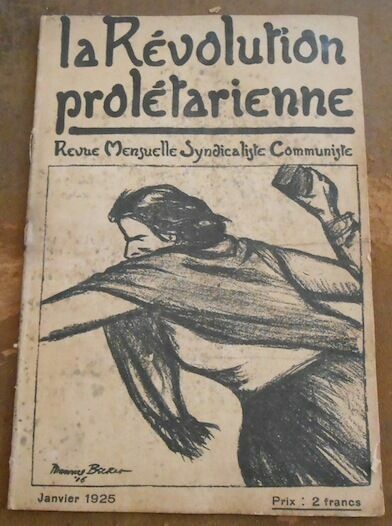
1925124121925. Paris La Révolution Prolétarienne du n°1 (janvier 1925) au n°112 (5 décembre 1930) ; D'abord mensuelle la revue est bimensuelle à partir de 1927 - Brochés 18 cm x 26 5 cm puis 20 5 cm x 26 5 cm à partir du n°49 (1 janvier 1928) 32 pages par numéro puis 16 puis 32 ; seule la couverture du premier numéro est illustrée ; de blanche elle deviendra orange au n°49 - Textes de Pierre Monatte Alfred Rosmer Maurice Chambelland Robert Louzon Léon Trotsky J. Péra R. Mouzeau V. Godonnèche G. Lacoste V. Delagarde Marthe Bigot C. Talès Marcel Martinet Boris Souvarine E. Berth Romain Rolland B. Giauffret Frans Liebaers Fernand Loriot Upton Sinclair Max Eastman etc.. - Etat moyen tous ces numéros ayant été mal reliés avec une toile collée ! mais ils sont complets - Très rare tête de collection
228826Bruxelles, à la Librairie romantique, 1828 2 tomes en 1 vol. in-8, VIII-325 pp. et 327-[5] pp., demi-veau fauve, dos lisse, flets dorés, tranches marbrées (reliure pastiche). Rousseurs, parfois prononcées.
186588031s. n. | Paris s.d. [1865] | 13.50 x 21 cm | deux pages sur un double feuillet
224046Paris, Imprimerie de Bajat, 1842 in-8, 166 pp. en numérotation continue, demi-basane noire, dos lisse orné (reliure de l'époque). Coupes et coins usés. Rousseurs, tache brune aux premiers feuillets.
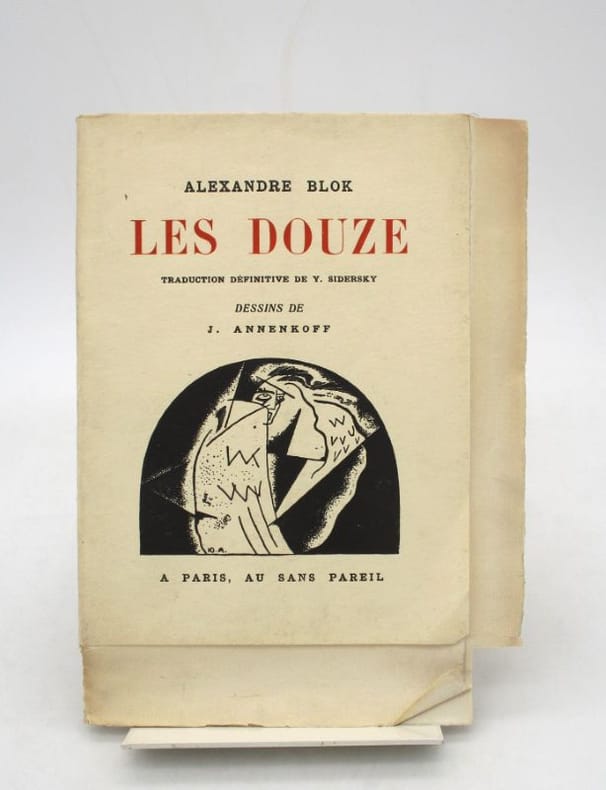
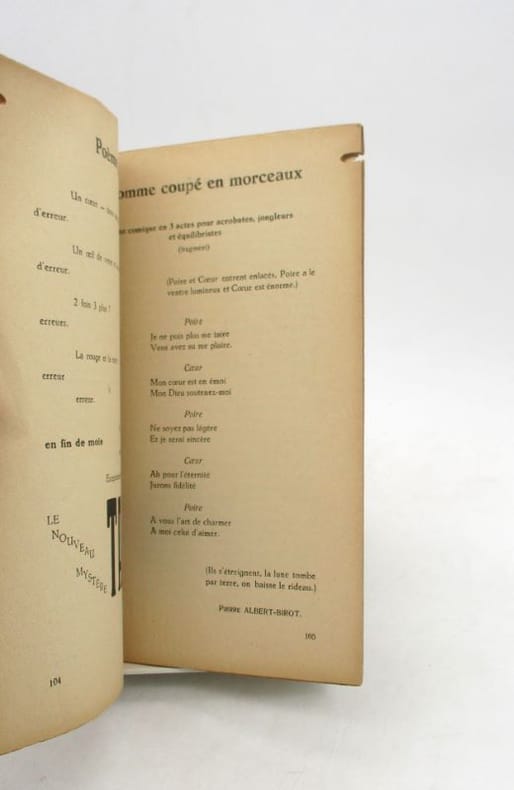
23592Paris, Au sans pareil, 1923. In-8 carré, 45 pp., broché, couverture originale illustrée (quelques taches, décharges, marges et couverture insolées).
193386894S. n. | Lucerne 18 Août1933 | 14 x 21.50 cm | une page recto verso
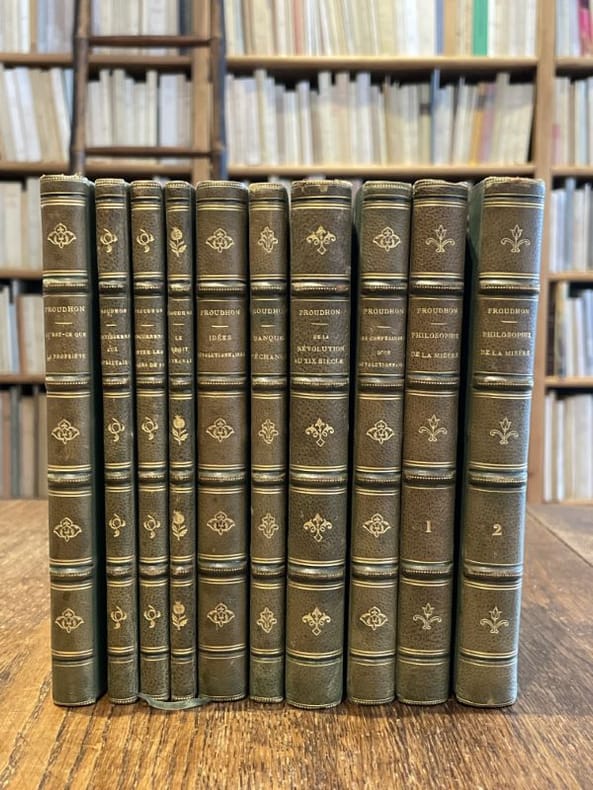
126123Besançon et Paris chez différents éditeurs 1841-1867 10 vol. relié 10 ouvrages reliés en 10 vol. in-12, demi-chagrin vert, dos à nerfs ornés de filets et fleurons dorés, tranches mouchetées. Belle série en reliure uniforme d'époque. Dos légèrement passés et petites rousseurs. - Qu´est-ce-que la propriété ? ou Recherches sur le principe du droit et du gouvernement. Premier mémoire. Prévot, 1841, XX + 314 pp. + 1 f. (table des matières). Premier volume seul de la deuxième édition, parue un an après l'originale très rare. On y retrouve, dès la page 2, la formule lapidaire qui a fait la fortune de ce titre : "La propriété, c'est le vol !"- Avertissement aux propriétaires, ou lettre à M. Considérant, rédacteur de La Phalange, sur une défense de la propriété. Prévot et chez l'auteur, 1841 [1842], 115 pp. Relié à la suite : Explications présentées au ministère public, sur le droit de propriété. Chez l'auteur, 1842, 24 pp. Editions originales.- De la concurrence entre les chemins de fers et les voies navigables. Garnier, 1848, XII + 77 pp. Deuxième édition.- Le droit au travail et le droit de propriété. Garnier, 1848, 60 pp. Edition originale.- Résumé de la question sociale, Banque d'échange. Garnier, 1849, XIX + 146 pp. Edition originale.- Idées révolutionnaires. Avec une préface par Alfred Darimon. Garnier, 1849, XXVII + 268 pp. Edition originale.- Les confessions d'un révolutionnaire pour servir à l'histoire de la Révolution de février. Garnier, 1850, 325 pp. + 1 f. (table des matières). Deuxième édition.- Idée générale de la révolution au XIXe siècle (choix d'études sur la pratique révolutionnaire et industrielle). Garnier, 1851, VII + 352 pp. Edition originale.- Système des contradictions économiques ou philosophie de la misèreLibrairie internationale Lacroix, Verboeckhoven & Cie, 1867, 2 vol., 378 et 418 pp. Troisième édition.
126123Besançon et Paris chez différents éditeurs 1841-1867 10 vol. relié 10 ouvrages reliés en 10 vol. in-12, demi-chagrin vert, dos à nerfs ornés de filets et fleurons dorés, tranches mouchetées. Belle série en reliure uniforme d'époque. Dos légèrement passés et petites rousseurs. - Qu´est-ce-que la propriété ? ou Recherches sur le principe du droit et du gouvernement. Premier mémoire. Prévot, 1841, XX + 314 pp. + 1 f. (table des matières). Premier volume seul de la deuxième édition, parue un an après l'originale très rare. On y retrouve, dès la page 2, la formule lapidaire qui a fait la fortune de ce titre : "La propriété, c'est le vol !"- Avertissement aux propriétaires, ou lettre à M. Considérant, rédacteur de La Phalange, sur une défense de la propriété. Prévot et chez l'auteur, 1841 [1842], 115 pp. Relié à la suite : Explications présentées au ministère public, sur le droit de propriété. Chez l'auteur, 1842, 24 pp. Editions originales.- De la concurrence entre les chemins de fers et les voies navigables. Garnier, 1848, XII + 77 pp. Deuxième édition.- Le droit au travail et le droit de propriété. Garnier, 1848, 60 pp. Edition originale.- Résumé de la question sociale, Banque d'échange. Garnier, 1849, XIX + 146 pp. Edition originale.- Idées révolutionnaires. Avec une préface par Alfred Darimon. Garnier, 1849, XXVII + 268 pp. Edition originale.- Les confessions d'un révolutionnaire pour servir à l'histoire de la Révolution de février. Garnier, 1850, 325 pp. + 1 f. (table des matières). Deuxième édition.- Idée générale de la révolution au XIXe siècle (choix d'études sur la pratique révolutionnaire et industrielle). Garnier, 1851, VII + 352 pp. Edition originale.- Système des contradictions économiques ou philosophie de la misèreLibrairie internationale Lacroix, Verboeckhoven & Cie, 1867, 2 vol., 378 et 418 pp. Troisième édition.
18000040881800 Paris, Grabit, An VIII [1800]. In-8 (133 X 202 mm) demi-chevrette rouge, dos quatre nerfs plats filetés or, caissons dorés ornés aux petits fers, titre doré, tranches dorées (Reliure XIXe) ; (2) ff. de faux-titre et titre, LXXII-524 pages, 120 pages. Taches sombres à la reliure, petite épidermure en tête du plat supérieur, salissures en marge des pages 158/159, quelques rousseurs et feuillets brunis.
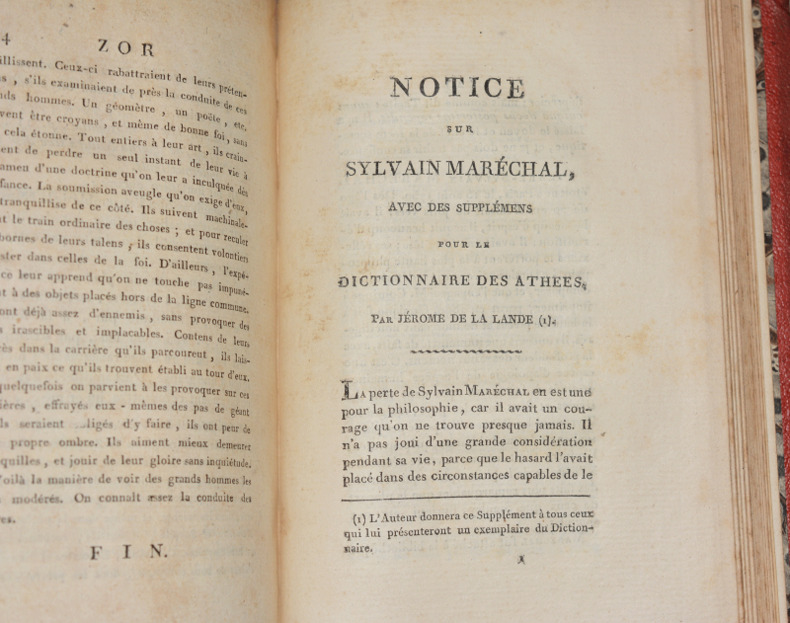
16934Par-tout (Holland), Chez le vrai sage, 1760. 2 works bound in 1 volume. 130 pp.; 211, (5) pp. 12mo. Contemporary marbled calf, spine gilt with raised bands, label with gilt lettering, front cover with repair. First work: Not in Camus; Weller, ii, 129; Conlon 51:635 (listing an edition printed in 'Francfort et Leipsic' in 62 pages only); Holzmann & Bohatta, 11995; INED 1907 & 1872 (for Formey's work). One of at least two editions printed in the year of its first publication.Rare and important treatise on legal reform in which Frederic collaborated with Cujacius. The work is both historical and political and discusses the origins of law in Greece, Rome, France, England and Germany, their structure and classification and how national culture influences the development and adaptation of laws. Formey's treatise covers the pp. 86-130. It argues in favour of interest as long as the interest is "honnête". - Small stamp in blank portion of half-title.Second work: Kress 5457; INED 3318; Goldsmiths 9074; Einaudi 4031 (all listing the first edition); Le Bucher bibliographique, 780; Weller, ii, p. 140. According to Lichtenberger in his Le Socialisme au XVIIIe siècle, this is, if not the most important socialist work of the 18th century, at least one of the most important works, and it is the theoretical foundation of his famous Naufrage des isles flottantes; ou Basiliade .......'Morelly argued that the code of nature was completely communistic. Starting out from the proposition that moral evil, the essence of which was avarice, could be explained by social conditions Morelly portrayed and advocated an ideal communistic society in which it would be 'impossible to be depraved.' (.....) In many respects Morelly's system anticipates the rationalistic utopianism of Fourier' (Kingsley Martin in ESS, vol. xi, pp. 10 ff).Morelly was 'tremendously influential in inspiring utopian socialism, for his theories are reflected in almost every one of the schemes of the Utopian socialists. In fact we must regard him, if not the founder, at least as the most conspicious forerunner of the Utopian Socialists. (.....) Of the writers of his time he was the one who saw most clearly the need of a new system to replace the old; he alone was truly constructive, for he actually outlined a new social structure which he thought would meet the needs should ancient society be overthrown. While others deserve merit as critics and analysts and destroyers, he alone deserves the name of utopianist at this early period' (Hertzler, J.O. The history of Utopian Thought, p. 186 ff). The work was severely prosecuted in France. This edition was apparently printed in Holland and destined for the French market. - A very nice volume with two important texts.
ORD-14073Paris. Au Bureau du Populaire. 1848. In-8 (136 x 212mm) broché, couverture muette moderne, tiré d'un recueil factice. Recueil de 11 discours (de 1 à 11, les 7e et 8e dans le même fascicule) de 14 ou 15 pages chacun, couvertures imprimées conservées. Très bon état. Ensemble de toute rareté, inconnu de Caillet.
189784542Paris s. d. [circa 1897] | 11 x 18 cm | deux pages et demie
197687417Denoël | Paris 1976 | 14 x 22.50 cm | broché
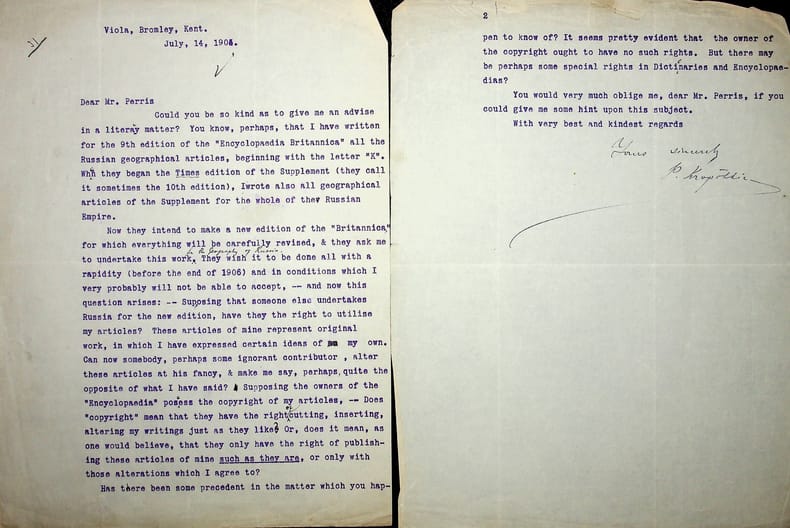
016249Pierre Piotr Kropotkine (1842-1921), prince russe, géographe, anarchiste, théoricien du communisme libertaire. L.S. avec corrections autographes et quelques mots autographes, 14 juillet 1906, 1p 1/2 in-4. Au journaliste et écrivain George Herbert Perris (1866-1920). Belle lettre sur sa participation à l'Encyclopaedia Britannica et ses droits d'auteur. « Dear Mr Perris, Could you be so kind as to give me an advise in a literary matter ? You know, perhaps, that I have written for the 9th edition of the "Encyclopaedia Britannica" all the Russian geographical articles, beginning with the letter "K". When they began the Times edition of the Supplement (they call it sometimes the 10th edition), I wrote also all geographical articles of the Supplement for the whole of the Russian Empire. Now they intend to make a new edition of the "Britannica" for which everythinh will be carefully revised, & they ask me yo undertake this work for the Geography of Russia. They wish it to be done all with a rapidity (before the end of 1906) and in conditions which I very probably will not be able to accept, - and now this question arises : - supposing that someone else undertakes Russia for the new edition, have they the right to utilise my articles ? These articles of mine represent original work, in which I have expressed certain ideas of my own. Can now somebody, perhaps some ignorant contributor, alter these articles at his fancy, & make me say, perhaps, quite the opposite of what I have said ? Supposing the owners of the "Encyclopaedia" possess the copyright of my articles, - Does "copyright" mean that they only have right of publishing these articles of mine such as they are, or only with those alterations which I agree to ? Has there been some precedent in the matter which you happen to know of ? It seems pretty evident that the owner of the copyright ought to have no such rights. But there may be perhaps some special rights in Dictionaries and Encyclopaedias ? You would very much oblige me, dear Mr. Perris, if you could give me some hint upon this subject. With very best and kindest regards. Yours sincerely. P Kropotkine ». Belle lettre. [135]
21352Eeckeren-Anvers, Ça ira, 1921. In-8, 97-117 pp., broché, couverture originale imprimée (minuscules taches et accrocs à la couverture, 1 galerie de ver sans atteinte au texte).