Salazar, LigayaBiblio.com

2 069 résultats
200877392Museum; D. A. P. Distribution. New. 2008. Paperback. 1851775331 . FREE UPGRADE to Courier/Priority Shipping Upon Request - IN STOCK AND IMMEDIATELY AVAILABLE FOR SHIPMENT - Flawless copy brand new pristine never opened -- Text in English. 128 pp. With 130 ills. 109 col. . 28 x 22 cm. -- with a bonus offer-- . Museum; D. A. P. (Distribution) paperback
200881045Museum. New. 2008. Paperback. 1851775331 . FREE UPGRADE to Courier/Priority Shipping Upon Request - IN STOCK AND IMMEDIATELY AVAILABLE FOR SHIPMENT - Flawless copy brand new pristine never opened -- 128 pages 128 illus. 120 in color bibliog. biogs. 4to. -- with a bonus offer-- . Museum paperback
200884216Museum. New. 2008. Paperback. 1851775331 . FREE UPGRADE to Courier/Priority Shipping Upon Request - IN STOCK AND IMMEDIATELY AVAILABLE FOR SHIPMENT - Flawless copy brand new pristine never opened -- 128 pages 128 illustrations most in color; 4to. -- with a bonus offer-- . Museum paperback
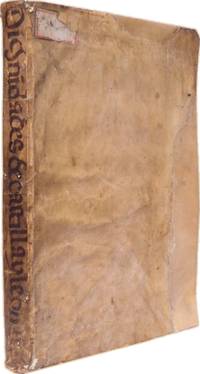
1211CS028<p>COM RELACION Summaria de los Reyes de estos Reynos: de sus actiones: casamientos: hijos: muertes: sepulturas DE LOS QVE HAN CREADO y tenido y de muchos Ricos Homes. Confirmadores de priuilegios &c. PARA EL PRINCIPE DE España don Filipe nuestro Señor. POR EL DOCTOR Salazar de Mendoça. cIc Icc. xviii. COLOFÓN: EN TOLEDO Por Diego Rodriguez de Valdiuielso impressor de el Rey nuestro señor. CIC ICC XVIII 1618.</p>_x000d_<p>In fólio de 30x21 cm com iv 189 i fólios.</p>_x000d_<p>Encadernação da época em pergaminho flexível com guardas interiores restauradas.</p>_x000d_<p>Magnifico frontispício arquitetónico gravado em chapa de metal.</p>_x000d_<p>A obra contém um nobliliário ibérico ou genealogia dos primeiros condes dos primeiros marqueses e duques que existiram em Espanha e também as suas ligações a Portugal com uma exaustiva descrição da origem e da descendência das suas linhagens. Vide paralelo com o Nobiliário de Lavanha e com o de D. Pedro Conde de Barcelos Ref. 1006CS001.</p>_x000d_<p>EN Deep study on the Iberian nobility and aristocracy the genealogy of the first counts the first marquises and the first dukes or earls their links to the Portuguese nobility and the descent of their lineages. Draw parallel with the 'Nobiliario' of Lavaña and that of D. Pedro Conde de Barcelos Ref. 1006CS001.</p>_x000d_<p>Palau 1966 Tomo xviii págs. 362-363 ent. 286867: « En Toledo . 1618 fol. 4h. 189 fol. 1 h. Primera edition 75 a 100 pts 1924; 580 frs. Fouche-Delbosc 1936 100 pts Barbazan 1926 300 pts. Layetana 1941 12 libras Dolphin 1950; 700 pts. Pro-Libris1956; 1000 pts. Mat Ortega 1960; y 2000 el mismo 1965. Como la portada carece de lugar y impresor y las licencias de las preliminares son de Madrid numeros catalogos de prestigiosos libreros han incorrido en el error de asignarla como lugar de impresion Madrid e incluso uno lo ha calificado de segunda edicion creyendo habia dos de 1618 .»</p> M-9-D-18 unknown
17582911700Madrid.: Gabriel Ramírez. 1758. Hardcover. Cubierta deslucida. Firma del anterior propietario. Good. 18 cm. 335 p. Encuadernación en tapa dura artesanal en plena piel con tejuelo. Cubierta deslucida. Firma del anterior propietario. Historia.93 93 Gabriel Ramírez. hardcover
168811970Madrid: Matheo de Llanosy Guzmán 1688. 200x145mm. 7¾x5¾". Madrid Matheo de Llanos y Guzmán 1688. En 4º 200 x 145mm. 20 384 pp. Encuadernación de la época en pergamino tÃtulo rotulado en la lomera. Primera edición de este libro importante para el estudio de la genealogÃa de la nobleza castellana. Luis de Salazar y Castro cronista del reino especializado en obras de genealogÃa estudia los orÃgenes y la historia de las familias españolas corrigiendo a otros tratadistas de su época. Luis Bartolomé de Salazar y Castro llamado por algunos el prÃncipe de los genealogistas es uno de los más citados cronistas españoles. La colección de documentos que reunió a lo largo de toda su vida conservada en la Real Academia de la Historia de España es una de las fuentes básicas para la investigación de los linajes ibéricos. "Salazar y Castro se dedicó plenamente a la investigación en el campo que más le atraÃa: el de los estudios genealógicos en el que llegó a ser al poco tiempo la más importante figura no solamente de España sino de toda Europa" RAH. Buen ejemplar papel ligeramente tostado como es habitual por lo demás perfecto. Matheo de Llanosy Guzmán unknown
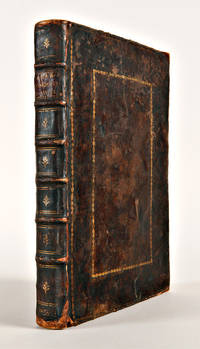
1743WRCAM19690Cordoba 1743. 40474pp. printed in two columns. Folio. Contemporary calf stamped in gilt expertly rebacked with original backstrip fully retained leather label. Moderate edge wear. Some slight worming in upper margins. Lower forecorner of final text leaf torn affecting two words. Rear free endpaper lacking. Overall a very good copy. Although the work is described on the titlepage as the second part this is the scarce first edition complete in itself of Salazar's continuation of Antonio de Solis' history of Mexico. Most agree the present work does scant justice to the original but it does continue where Solis left off. SABIN 75594. PALAU 286883. EUROPEAN AMERICANA 743/197. MEDINA BHA 3339. hardcover books
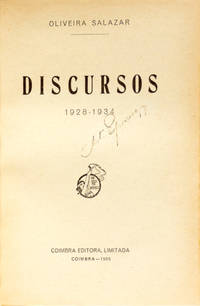
2412PG004<p>Coimbra Editora Limitada. Coimbra. 1935 1937 1943 1951; 1959; 1967 1967.</p>_x000d_<p>7 Volumes de 20x14 cm. Com xxxii viii 388 iv; xxiii 399 i; xv 419; viii 584; iv 530; iv 446 i; iv 243 i págs. Encadernações de grande beleza todas iguais com as lombadas e os cantos em pele verde com dois rótulos em cada volume nervos e elaborados ferros a ouro em casas fechadas nas lombadas. Pastas com ferros a ouro a delimitar a pele e revestidas de papel marmoreado com tons de verde branco e laranja igual ao usado nas folhas de guarda. Cortes das folhas pintados de verde à cabeça. Com fitas marcadoras em veludo verde.</p>_x000d_<p>Ilustrados com retratos de Oliveira Salazar nas capas do 1.º e 6.º volume em extratexto no 4.º volume e com 4 reproduções fac similadas de manuscritos do autor no primeiro volume.</p>_x000d_<p>Exemplar preserva as capas e as lombadas de brochura de todos os volumes.</p>_x000d_<p>Conjunto constituÃdo por primeiras edições de todos os volumes dos discursos e notas polÃticas e com mais um volume preenchido com entrevistas uma circunstância rara que muito valoriza esta obra fundamental do pensamento polÃtico do Século XX.</p>_x000d_<p>Uma das mais importantes fontes para o estudo do Estado Novo e do pensamento e acção de Oliveira Salazar que aqui são expostos com clareza e frontalidade. O historiador António José Saraiva que foi opositor do regime exilado polÃtico e militante comunista refere que quem lê os "Discursos e Notas" de Salazar “fica subjugado pela limpidez e concisão do estilo a mais perfeita e cativante prosa doutrinária que existe em lÃngua portuguesa atravessada por um ritmo afectivo poderoso”. Segundo este autor da "História da Literatura Portuguesa" obra conjunta com Óscar Lopes a prosa de Salazar merece um lugar de relevo na História da Literatura Portuguesa e só considerações polÃticas a arredaram do lugar que lhe compete.</p>_x000d_<p>Esta visão do grande historiador e pensador António José Saraiva é consensual entre os principais estudiosos do Estado Novo e do século XX tais como José Freire Antunes autor de mais de vinte livros sobre história do Século XX o filósofo José Gil Carlos Maria Bobone estudioso do pensamento filosófico e da polÃtica.</p>_x000d_<p>António de Oliveira Salazar Santa Comba Dão 1889 - Lisboa 1970 Professor Catedrático da Universidade de Coimbra e Doutor Honoris Causa pela Universidade de Oxford. Foi a figura dominante de Portugal entre 1928 e 1968 desempenhando durante esse perÃodo as funções de Ministro das Finanças e Presidente do Conselho de Ministro cargo este que acumulou em várias épocas com as funções de Ministro dos Negócios Estrangeiros e várias outras funções ministeriais. As funções descritas foram exercidas num regime autoritário designado por Estado Novo idealizado por ele feito à sua medida e que teve o constante apoio dos militares e de vastos sectores das elites portuguesas que posteriormente se tentaram eximir ao escrutÃnio dessas decisões defendendo narrativas alternativas.</p>_x000d_<p>A forma pormenorizada como exerceu as suas funções tratava directamente de quase tudo a recta intenção sublinhada igualmente por Saraiva o desinteresse e honestidade com que exerceu as suas funções os grandes êxitos da reforma financeira e económica dos anos 30 a forma como influenciou certos aspectos da Guerra Civil de Espanha sem entrar nela o modo como manobrou de forma brilhante a posição de neutralidade de Portugal durante a Segunda Guerra Mundial salvando o paÃs dos piores efeitos de tão terrÃvel conflagração deixaram uma memória marcante que se sobrepõe cada vez mais aos aspectos negativos do regime que no seu tempo obteve um elevado nÃvel de prestÃgio internacional.</p>_x000d_<p>Mesmo depois da sua morte o grande ensaÃsta Eduardo Lourenço lamentava-se do facto que mesmo um jornal de esquerda como o semanário francês Le Monde mostrasse reverência e consideração pelo regime do Estado Novo.</p>_x000d_<p>Actualmente cada livro sobre Salazar e o perÃodo em que governou é muitas vezes um êxito de vendas e os maiores historiadores contemporâneos têm elaborado cada vez mais biografias crÃticas de Salazar que obtêm grande acolhimento público.</p>_x000d_<p>O historiador membro do Partido Comunista Manuel Loff numa recensão polÃtica à biografia crÃtica e académica de Ribeiro de Meneses interroga-se: «por que teve esta biografia tão boa aceitação» pergunta retórica a que o autor parece incapaz de responder.</p>_x000d_<p>Em 6 de Setembro de 1968 foi internado no Hospital da Cruz Vermelha onde foi operado de urgência na madrugada do dia seguinte 7 de Setembro. Na fase pós-operatória foi acometido por um grave acidente vascular cerebral que o incapacitou definitivamente para o exercÃcio do cargo.</p>_x000d_<p>EN 7 volumes. 20×14 cm. xxxii viii 388 iv; xxiii 399 i; xv 419; viii 584; iv 530; iv 446 i; iv 243 i pp. Bindings of great beauty all identical with spines and corners in green leather featuring two labels on each volume raised bands and elaborate gilt tooled designs within closed panels on the spines. Covers with gilt tooled designs bordering the leather and lined with marbled paper in shades of green white and orange matching that used on the endpapers. Green top edges. With green velvet ribbon markers.</p>_x000d_<p>Featuring portraits of Oliveira Salazar on the covers of the first and sixth volumes <em>hors-texte</em> on the fourth volume and four facsimile reproductions of the authorÂ’s manuscripts in the first volume.</p>_x000d_<p>Set retains the covers and spines of all the paperback volumes.</p>_x000d_<p>Collection comprising first editions of all volumes of speeches and political notes plus a further volume of interviews – a rare feature that greatly enhances the value of this seminal work on 20th-century political thought.</p>_x000d_<p>One of the most important sources for the study of the <em>Estado Novo</em> and the thought and actions of Oliveira Salazar which are presented here with clarity and candour. The historian António José Saraiva who was an opponent of the regime a political exile and a communist activist notes that anyone who reads SalazarÂ’s “Discursos e Notas” “is captivated by the clarity and conciseness of the style the most perfect and compelling doctrinal prose to be found in the Portuguese language imbued with a powerful emotional rhythm”. According to this author of “History of Portuguese Literature” a joint work with Óscar Lopes SalazarÂ’s prose deserves a prominent place in the History of Portuguese Literature and only political considerations have deprived it of the place it deserves.</p>_x000d_<p>This view put forward by the great historian and thinker António José Saraiva is widely accepted among leading scholars of the <em>Estado Novo</em> and the 20th century such as José Freire Antunes author of more than twenty books on 20th-century history the philosopher José Gil and Carlos Maria Bobone a scholar of philosophical thought and politics.</p>_x000d_<p>António de Oliveira Salazar Santa Comba Dão 1889 – Lisbon 1970 Full Professor at the University of Coimbra and Doctor Honoris Causa of the University of Oxford. He was the dominant figure in Portugal between 1928 and 1968 serving during that period as Minister of Finance and President of the Council of Ministers a post which he held at various times alongside the roles of Minister for Foreign Affairs and various other ministerial posts. These roles were exercised under an authoritarian regime known as the <em>Estado Novo</em> which he had conceived and tailored to his own needs and which enjoyed the constant support of the military and vast sections of the Portuguese elite who later sought to evade scrutiny of these decisions by promoting alternative narratives.</p>_x000d_<p>The meticulous manner in which he carried out his duties he dealt directly with almost everything his integrity – also highlighted by Saraiva – the selflessness and honesty with which he performed his duties the great successes of the financial and economic reforms of the 1930s the way in which he influenced certain aspects of the Spanish Civil War without becoming involved in it the way in which he brilliantly manoeuvred PortugalÂ’s position of neutrality during the Second World War saving the country from the worst effects of such a terrible conflagration have left a lasting memory which increasingly overshadows the negative aspects of the regime which in its time enjoyed a high level of international prestige.</p>_x000d_<p>Even after his death the great essayist Eduardo Lourenço lamented the fact that even a left-wing newspaper such as the French weekly “Le Monde” showed reverence and respect for the <em>Estado Novo</em> regime.</p>_x000d_<p>Nowadays every book about Salazar and the period during which he ruled is often a bestseller and leading contemporary historians are increasingly producing critical biographies of Salazar which are very well received by the public.</p>_x000d_<p>The historian and member of the Communist Party Manuel Loff in a political review of the critical and academic biography of Ribeiro de Meneses asks: ‘Why was this biography so well receivedÂ’ a rhetorical question to which the author seems unable to answer.</p>_x000d_<p>On 6 September 1968 he was admitted to the Red Cross Hospital where he underwent emergency surgery in the early hours of the following day 7 September. During his post-operative recovery he suffered a severe stroke which left him permanently unable to carry out his duties.</p>_x000d_<p>Referências/References: <br />Yves Léonard - Salazar le dictateur énigmatique. Paris: Perrin 2024<br />Yves Léonard - Salazar: uma biografia. Lisboa: Edições 70 2023<br />Tom Gallagher - Salazar o ditador que se recusa a morrer. Lisboa: D. Quixote 2021<br />Tom Gallagher - Salazar the dictator who refused to die. London: C. Hurst 2020<br />Carlos Maria Bobone - Salazar o prosador desconhecido. Observador 11 de Março de 2017. <br />Fernando Rosas - Salazar e o poder: a arte de saber durar. Lisboa: Edições Tinta da China 2012<br />Manuel Loff - Filipe Ribeiro de Meneses Salazar biografia polÃtica. Lisboa: D. Quixote 2010 recensão. Análise Social vol. xlvi 2.º 2011 <br />Filipe Ribeiro de Meneses - Salazar biografia polÃtica. Lisboa: D. Quixote 2010<br />Horácio Neto Fernandes - Oliveira Salazar: A «missão» pedagógica de «salvar» a pátria. Tese de doutoramento. Santiago de Compostela: Facultade de Ciencias da Educación da Universidade de santiago de Compostela 2006<br />José Martinho Gaspar - Os discursos e o discurso de Salazar; prefácio de LuÃs Reis Torgal. Lisboa: Prefácio 2001<br />José Martinho Gaspar - Os discursos e o discurso de Salazar. Tese de mestrado em História Contemporânea Universidade de Coimbra 2000<br />José Gil - Salazar: a retórica da invisibilidade. Lisboa: Relógio d'Ãgua 1995<br />Moisés de Lemos Martins - O olho de Deus no discurso salazarista. Porto: Afrontamenrto 1990</p> M-9-A-66 paperback
1620614981620. unknown
1914CA0023xxiv843 pages with plates and index. Quarto 10 3/4" x 7 3/4" rebound in half red leather with gilt lettering to spine with original wrappers bound in. From the library of Zelia Nuttal and George M Foster. Limited to 500 copies. First edition. <br /><br />Cervantes de Salazar was one of the principal chroniclers who gathered data on the history and ethnography of Mexico. His most important book <i>Cronica de la Nueva Espana</i> <i>Chronicle of New Spain</i> written at the command of City Council. The manuscript of this work was sent by the author to Spain in 1567 with a request for the post of royal chronicler. This manuscript was uncovered in the early 1900s uncatalogued in the National Library of Madrid as an anonymous manuscript. the first volume was published in 1914 and the second and third in 1936. The <i>Chronicle</i> is fragmentary since the first part which was to include the period up to the conquest of Yucatan either was never written or was lost; and the second part which was to be a history of the conquest breaks off with Columbus sending Villafuerte and Sandoval to the Pacific Ocean. Cervantes de Salazar's sources were the <i>Letters</i> of Cortes; the memoirs of Alonso de Ojeda and Andres de Tapia captains in Cortes' army; the <i>Memoranda</i> of Motilinia; the work of Lopez de Gomara; and the information gathered from others who had taken part in the conquest who were sill living in Mexico City twenty-five years later from whom he received useful information. The <i>Chronicle</i> is valued for its understanding and evaluation of the events it describes.<br /><br /><b>Condition:</b><br /><br />"With compliments of the Hispanic Society" slip tipped in and slip from the Congresso de los Diputados tipped in to copyright page with Nuttall's name as receiving copy number three which is such labeled of 500 copies. Foster's date of acquiry 10/4/44 on title. Original wrappers bound in and soiled some wear to edges of title inner hinge cracked else about very good. Hispanic Society hardcover books
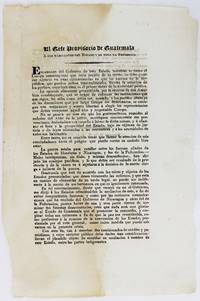
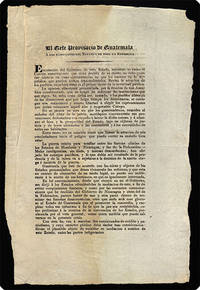
18392764Guatemala: Imprenta de la N.A. de Estudios 1839. About very good. Small broadsheet approximately 12 x 8 inches. Unevenly trimmed small piece of upper right corner torn away. Vertical tideline through center of sheet. Beginning in 1838 the Federal Republic of Central America was torn apart by civil wars pitting Liberal against Conservative forces and factions within the various states with different demands for the central government with constitutional issues at the heart of the controversy. The Liberals installed General Carlos Salazar as provisional president of Guatemala in January 1839 replacing Conservative Mariano Rivera Paz. In this decree dated March 20 1839 and issued during a break in hostilities between the sides Salazar offers to act as mediator in any negotiations for a lasting peace. He ends by clearly stating the demands of the Liberals in Guatemala for a new federal government:<br /> <br /> "La independencia de los Estados en su interior y el que estos se entiendan entre sí sin embarzos para lograr la reunion del cuerpo convencional será el fundamento de las negociones. Por este medio se obtendrá la pronta reorganizacion de la república; y el gobierno federal facilitando su bien éxito se hará sin duda acreedor á la consideracion general. Tales son los deseos que animan sin duda a los guatemaltecos y los sentiminetos que profesa el encargado de su gobierno."<br /> <br /> A clear statement during a very unclear period in Central American politics. Not in OCLC. Imprenta de la N.A. de Estudios unknown
192655114México: Editorial Avante 1926. 4in. tears pp. 213-218 with pages intact; slight stain at bottom margin corners of last 6 pages. b/w plates 2 fldg. ports. pict. wrps. Interesting association INSCRIBED copy from Salazar to R.E. Montes i Bradley in a paragraph of appreciation and friendship while working as journalists for "el Nacional" and the "gran movimiento revolutionario". Dated 1960. Scarce work by Salazar who at the time was a member of the "Liga de Escritores de América" with illustrations from murals by Rivera Orozco and Dr. Atl. Cover illustration by Rivera is a classic. Editorial Avante unknown
1914CA0023<p>xxiv843 pages with plates and index. Quarto 10 3/4" x 7 3/4" rebound in half red leather with gilt lettering to spine with original wrappers bound in. From the library of Zelia Nuttal and George M Foster. Limited to 500 copies. First edition. <br /><br />Cervantes de Salazar was one of the principal chroniclers who gathered data on the history and ethnography of Mexico. His most important book <em>Cronica de la Nueva Espana</em> <em>Chronicle of New Spain</em> written at the command of City Council. The manuscript of this work was sent by the author to Spain in 1567 with a request for the post of royal chronicler. This manuscript was uncovered in the early 1900s uncatalogued in the National Library of Madrid as an anonymous manuscript. the first volume was published in 1914 and the second and third in 1936. The <em>Chronicle</em> is fragmentary since the first part which was to include the period up to the conquest of Yucatan either was never written or was lost; and the second part which was to be a history of the conquest breaks off with Columbus sending Villafuerte and Sandoval to the Pacific Ocean. Cervantes de Salazar's sources were the <em>Letters</em> of Cortes; the memoirs of Alonso de Ojeda and Andres de Tapia captains in Cortes' army; the <em>Memoranda</em> of Motilinia; the work of Lopez de Gomara; and the information gathered from others who had taken part in the conquest who were sill living in Mexico City twenty-five years later from whom he received useful information. The <em>Chronicle</em> is valued for its understanding and evaluation of the events it describes.</p><p><br />Zelia Maria Magdalena Nuttall 1857-1933 was an American archaeologist and anthropologist who specialized in pre-Aztec Mexican cultures and pre-Columbian manuscripts. She discovered two forgotten manuscripts of this type in private collections one of them being the Codex Zouche-Nuttall. She decoded the Aztec calendar stone and was one of the first to identify and recognize artefacts dating back to the pre-Aztec period. Nuttall can also be credited for being first to ever challenge the prevailing theory of a California landing for Francis Drake's circumnavigation in spite of much adversity. She boldly proposed that Drake had sailed further North into the Pacific Northwest. Numerous northern coast researchers reexamined the few available records as a result.</p><p>George McClelland Foster Jr born in Sioux Falls South Dakota on October 9 1913 died on May 18 2006 at his home in the hills above the campus of the University of California Berkeley where he served as a professor from 1953 to his retirement in 1979 when he became professor emeritus. His contributions to anthropological theory and practice still challenge us; in more than 300 publications his writings encompass a wide diversity of topics including acculturation long-term fieldwork peasant economies pottery making public health social structure symbolic systems technological change theories of illness and wellness humoral medicine in Latin America and worldview. The quantity quality and long-term value of his scholarly work led to his election to the National Academy of Sciences in 1976. Virtually all of his major publications have been reprinted and/or translated. Provenance from the executor of Foster's library laid in.<br /><br /><strong>Condition:</strong><br /><br />"With compliments of the Hispanic Society" slip tipped in and slip from the Congresso de los Diputados tipped in to copyright page with Nuttall's name as receiving copy number three which is such labeled of 500 copies. Foster's date of acquiry 10/4/44 on title. Original wrappers bound in and soiled some wear to edges of title inner hinge cracked else about very good.</p> Hispanic Society hardcover
174679598Madrid: Joseph González 1746. Joseph González unknown
179542317Madrid: En la Imprenta de D. Antonio Cruzado 1795.- 5 h. 221 p. 6 h.; Folio 315 cm; Media Piel. Encuadernación muy fatigada faltando algo de piel en la parte superior del lomo asà como en la esquina inferior de la cubierta posterior y algo de papel en la esquina inferior de la tapa anterior. Portada y segunda hoja con los bordes debilitados sobre todo el de abajo. Portada y primeras cuatro hojas con macha de humedad en su mitad superior y siguientes hasta la página 9 con pequeña mancha de humedad en el borde externo que se achica hasta desaparecer. Desde la página 139 hasta el final hay una mancha de humedad en la mitad superior que se va haciendo más notoria a medida que avanzan las páginas. Ultimas dos hojas correspondientes al Ãndice muy debilitadas faltando en la última todo el borde exterior y esquina de abajo afectando parcialmente al texto. En general el cuerpo del libro está en buenas condiciones en su mayor parte. GENEALOGÃA HERÃLDICA NOBILIARIA ÓRDENES MILITARES MEDALLAS BANDERAS. Libro en español En la Imprenta de D. Antonio Cruzado hardcover
183930885Guatemala: Imprenta de la N. A. de Estudios 1839. Folio 30.7 cm;12.125". 1 f. <br><br>Beginning in 1838 The Federal Republic of Central America was torn apart by civil wars pitting Liberals against Conservatives and the desires of the various states against the central government with constitutional issues at the heart of the controversy.<br>Â Â Â Â The Liberals installed Gen. Carlos Salazar in January 1839 as provisional president of Guatemala replacing Conservative Mariano Rivera Paz. This was during a brief period of peace between the two factions. Here in a decree dated 20 March 1839 Salazar offers to act as mediator for any effort at a lasting peace.<br>Â Â Â Â No copy traced via WorldCat COPAC CCILA or METABASE; there is no OPAC at the Biblioteca Nacional de Guatemala to be searched. We do know of one copy in a U.S. library's backlog! Irregular margins tea-colored waterstain running longitudinally top to bottom in one half of the leaf date in faded old ink in top margin. A good copy. Imprenta de la N. A. de Estudios unknown books
1622R108098Coloniae Agrippinae [Cologne], apud Ioannem Kinchium [Johann Kinckius] 1622 [42] + 412 + [68] pp., with printer's device depicting a unicorn on title page, 33x22cm., 19th cy. hardcover binding (marbled boards, spine in brown leather with gilt title), marbled endpapers, text in Latin, main body of text printed in 2 columns, libr. stamp on recto and verso of title page, paper seriously browned (text always well readable though), good condition, weight: 1.4kg., R108098
2023CBS-9781032248615Taylor & Francis Np 2023. New. Taylor & Francis Np unknown
2023CBS-9781032248615Taylor & Francis Np 2023. New. Taylor & Francis Np unknown
SLIVCN-9781608762699NOVA SCIENCE PUBLISHERS INC (7/2010)
19266192México: Editorial Avante 1926. b/w plates 2 fldg. ports. color pict. wrps. Early compilation of murals and social message art. Scarce work by Salazar who at the time was a member of the "Liga de Escritores de América" with illustrations from murals by Rivera Orozco and Dr. Atl. Cover illustration by Rivera is a classic. RARE. Editorial Avante unknown
SLIVCN-9781536139945NOVA SCIENCE PUBLISHERS INC (11/2018)
190081175Casa de la Misericordia 1900. hardcover. Bueno. La Coruña 1900. Imprenta de la Casa de Misericordia. Tela lomo y cantoneras piel . Apuntes gramaticales y vocabulario por Manuel R. Rodriguez. Dedicatoria autográfa de Manuel R. Rodriguez. Ex libris anterior propietario. Facsimil del folio XXVII del códice. Tomo I XVI366 pp. Tomo II 368 pp. 32x23. Casa de la Misericordia hardcover
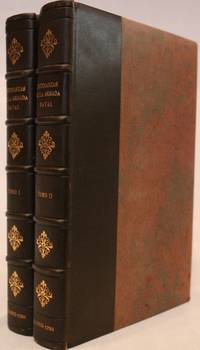
1793MSH072 volumes. 51850 pages with 3 allegorical vignettes engraved by Fernando Selma after Antonio Carnicero and index. 574liv pages with 3 allegorical vignettes engraved by Fernando Selma after Antonio Carnicero and index. Folio 12" x 8 1/4" bound in half leather with five raised spine bands with gilt vignettes and lettering to spine over marbled boards. First edition. <br /><br /> According to Navarrete the editor is the distinguished naval commander Josef de Mazarredo Salazar. Mazarredo was an original theorist. The Spanish Navy entered the American Revolutionary War with a system of tactics devised by him "Teniente de navío de la Real Armada and expounded in Rudimentos de Táctica Naval para Instrucción de los Officiales Subalternos de Marina" printed at Madrid in 1776 dedicated to King Charles III. The code of laws ruling the Spanish navy promulgated 8 March 1793 signed by the royal secretary Don Antonio Valdés for King Charles IV. Volume I deals with command structure ranks and offices: ship surgeon pilot armorer carpenter shipwright sailing master signaler diver and master-gunner; there are sections on naval artillery flags and signals salutes and military honors on board; volume II treats marine infantry and discipline on board quartering military service keeping the watch battle drill harbor policing accounts distribution of food pay and servants. Mazarredo did introduce a new sea-warfare idea the use of fireships by the windward fleet if threatened with doubling as a means of covering its retreat to windward. Salazar also showed himself an innovator in his treatment of breaking the enemy line. He proposed that when the fleet was to windward the center should break through the enemy center.<br /><br /><b>Condition:</b> Corners gently bumped. Volume II with small tear at title some internal soiling else a very attractive set. Viuda de D. Joachin Ibarra hardcover
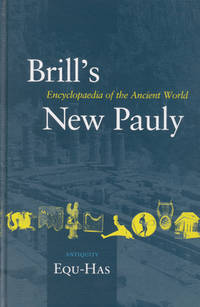
2004x-9004122680Brill Academic Pub 2004. Hardcover. New. 598 pages. 11.00x7.25x2.00 inches. Brill Academic Pub hardcover