AIGNER-FORESTI LUCIANAMareMagnum

163 résultats
In 8°, br. edit., pp. 312 con num. ill. e cartine b/n n.t.; testo in lingua tedesca, ottimo es.. (m096) (La spedizione standard è SEMPRE tracciata con raccomandata - piego di libri, eventuale FATTURA da richiedere all'ordine)
19763130086Lucera: Constantino Catapano 1976. 82 Seiten. Gr. 8° (22,5-25 cm). Orig.-Broschur. [Softcover / Paperback].
9586Paris. Klincksieck 1971. In-4 (24x18). 226 pages. Broché, couverture illustrée.
1931G71400Firenze, Rinascimento del libro 1931 134pp. + 50 plates out-of-text + map, 30cm., softcover, few foxing (mainly on edges), G, G71400
134pp. + 50 plates out-of-text + map, 30cm., softcover, few foxing (mainly on edges), G, G71400
Small closed tear (1 cm) to rear endpaper. Slight wear to corners of wraps. ; The author addresses the question of how Etruscans and Romans themselves, guided by the skill of the sculptor or painter, would have approached a work of art. With over 70 illustrations, including original analytic drawings and schematic tables; 200 pages
Very minor shelfwear to book. Scholar's name to ffep (Jenifer Neils). Tiny tear to DJ. Minor shelfwear to DJ. ; The author addresses the question of how Etruscans and Romans themselves, guided by the skill of the sculptor or painter, would have approached a work of art. With over 70 illustrations, including original analytic drawings and schematic tables; 200 pages
Mm 235x280 Collana "Quaderni di Archeologia dell'Università di Perugia". Volume nella sua brossura originale, 141 pagine con un centinaio di illustrazioni in nero anche a piena pagina. Opera in ottime condizioni, spedizione in 24 ore dalla conferma dell'ordine.
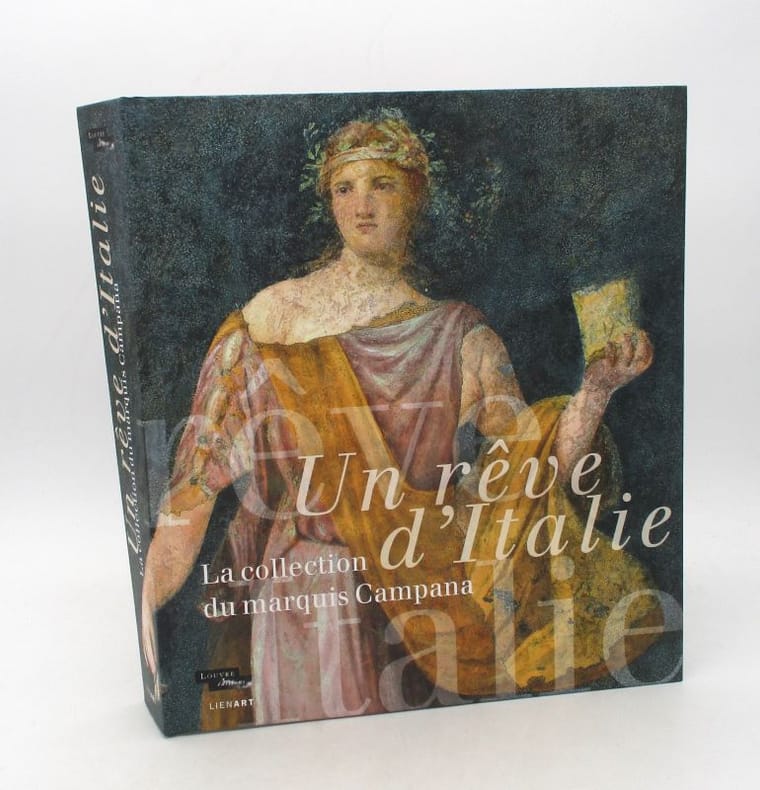
22942Paris, Lienart, 2019. In-folio, 607 pp., cartonnage éditeur illustré (quelques minuscules frottements).
Mm 125x170 Brossura editoriale di pp. 157 con numerose illustrazioni in bianco e nero, in allegato disegno della città di Todi di Alberto Briganti. Opera in buone condizioni.
Features: King Faisal - key new figure in teh near east; UK3 - the first all-British Satellite; York minister appeals for survival; Painters in the forest of Fountainebleau; Major new Etruscan document; Unit Trusts - investment with a safety net; and more. Back cover colour ad for the new Imp Californian, by Hillman Rootes. Clean and unmarked with moderate wear. Quality copy. Magazine
Plastic folder containing [1] An illustrated quide to Etruria and the places associated with the ancient Etruscans (68p.) together with [2] A large, detailed, fold out Road Map [1:275000] Book
Minor shelfwear. Creasing along spine. ; Evergreen Profile Book 25; 192 pages; This historical book is about the rise and fall of the Etruscans.
Small guide to the tomb paintings of the ancient Etruscans. 10p. of text + XXIV coloured plates wuth descriptions Book
cm. 12,5 x 17,5, xii-174 pp. con 29 tavv. f.t. (in inglese). Pocket Library of Studies in Art Inglese 299 gr. xii-174 p.
Light shelfwear; 0.84 x 9.68 x 6.38 Inches; This well-illustrated volume provides the best collection of Etruscan inscriptions and texts currently in print. A substantial archeological introduction sets language and inscriptions in their historical, geographical, and cultural context. Overview of Etruscan grammar, the glossary, and chapters on mythological figures
Scholar's bookplate to inner cover (G. P. Goold). Foxing/dustsoiling to top of textblock. Light shelfwear to DJ. ; 0.84 x 9.68 x 6.38 Inches; 174 pages; This well-illustrated volume provides the best collection of Etruscan inscriptions and texts currently in print. A substantial archeological introduction sets language and inscriptions in their historical, geographical, and cultural context. Overview of Etruscan grammar, the glossary, and chapters on mythological figures
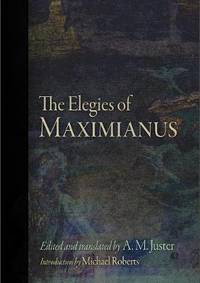
B9780812249798Hardback. New. A. M. Juster presents a faithful poetic translation of the elegies of Maximianus "last of the Roman poets." This comprehensive volume includes an introduction by renowned classicist Michael Roberts the first English translation of an additional six poems attributed to Maximianus and the first commentary in English on the elegies since 1900. hardcover
A9780812249798Hardback. New. A. M. Juster presents a faithful poetic translation of the elegies of Maximianus "last of the Roman poets." This comprehensive volume includes an introduction by renowned classicist Michael Roberts the first English translation of an additional six poems attributed to Maximianus and the first commentary in English on the elegies since 1900. hardcover
Small illustrated handbook on Greek and Etruscan art 158p. plates. col Donor inscription on ffep, else fine. Book
1764ST15125Augustae Vindelicorum Augsburg: Conradum Henricum Stage 1764. Second Edition in Latin. 208 x 160 mm. 8 1/8 x 6 1/4". 9 p.l. 262 pp.Translated from French into Latin by Joseph Claude Destouches. <br/> VERY ATTRACTIVE LATE 18TH CENTURY ETRUSCAN CALF IN THE STYLE OF EDWARDS OF HALIFAX covers with gilt border central panel framed by stencilled palmettes within double gilt rules an Etruscan-style vase at center within a stencilled sunburst raised bands spine panels with blind-stamped Etruscan vase black morocco label gilt-rolled turn-ins all edges gilt. With printer's elaborate engraved device on title page engraved portrait of Elector Maximilian-Joseph of Bavaria at the head of the dedication to him engraved allegorical headpiece at the opening of Book I wood-engraved tailpieces at end of each section. Small wormhole near head of front joint two corners a bit bumped minor foxing to title and final page other trivial imperfections but QUITE A FINE WIDE-MARGINED COPY clean fresh and bright internally and in a binding with only minor defects.<br/> <br/> This beautifully preserved and attractive Neoclassical binding is a fitting cover for a Latin edition of Fénelon's Homeric coming-of-age tale. Edwards of Halifax is credited with developing the process of acid staining calf by using stencils a method known most notably to produce as here their so-called Etruscan calf bindings after the Etruscan vase decoration they resembled. The process was also adopted by binders on the Continent and became a fashionable choice for bindings in the late 19th century when the present binding was surely produced. It is difficult to say whether this binding was done by the Edwards firm or by an imitator but in any case the quality of execution is very high. The popularity of Fénelon's account of the adventures of the son of Odysseus also spread in this case beyond his native France and it became a favorite of schoolboys far removed from the young Dauphin for whom it was originally composed. First printed in 1759 our Latin translation offered an opportunity for young men to practice reading that classical language. The engravings here were newly designed and executed for this edition by German painter and engraver Georg Sigmund Rösch d. 1766. Conradum Henricum Stage unknown
Mm 120x185 Collana "Biblioteca delle Silerchie" - Volume in copertina rigida, 54 pagine con 16 tavole a colori nel testo. Buona copia, spedizione in 24 ore dalla conferma dell'ordine.
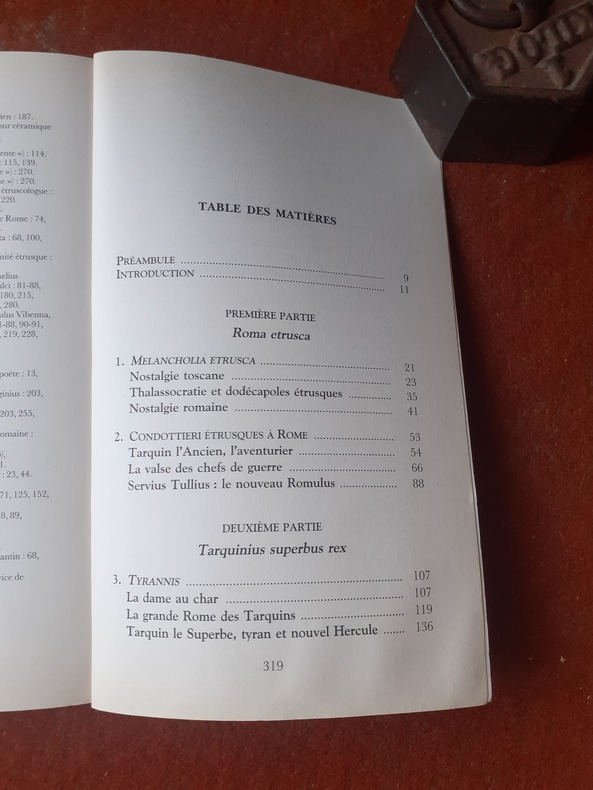
QWA-19096Payot, 2014, in-8 br. (14 x 22,5), 319 p., coll. "Biographie Payot", 10 illustrations h.-t., une carte, très bon état.
In 8°, br. edit. ill., pp. 131,(1); prima ed., buon es.. (T025) (La spedizione standard è SEMPRE tracciata con raccomandata - piego di libri, eventuale FATTURA da richiedere all'ordine)
cm. 19 x 27,5, 152 pp. Istituto Nazionale di Studi Etruschi - Biblioteca di ?Studi Etruschi? Against the background of the two-way lexical traffic between Etruscan and the Indo-European languages of archaic Central Italy, this work comprises case studies for lexical borrowings from Etruscan into Latin. It employs structuralist methods of analysis and draws on recent advances in the understanding of Etruscan grammar and the interpretation of the longer Etruscan texts. In the absence of a plausible Indo-European etymology, each Latin word is examined in the light of the Etruscan lexicon, word formation and phonology. The meaning of the Etruscan source is discussed, and an attempt is made to clarify its transmission and naturalization in Latin. Against the background of the two-way lexical traffic between Etruscan and the Indo-European languages of archaic Central Italy, this work comprises case studies for lexical borrowings from Etruscan into Latin. It employs structuralist methods of analysis and draws on recent advances in the understanding of Etruscan grammar and the interpretation of the longer Etruscan texts. In the absence of a plausible Indo-European etymology, each Latin word is examined in the light of the Etruscan lexicon, word formation and phonology. The meaning of the Etruscan source is discussed, and an attempt is made to clarify its transmission and naturalization in Latin. Inglese 480 gr. 152 p.