2 097 résultats
195450203Sceaux, Jean-Jacques Pauvert 1954 Traduit par Jean COHEN In-8 broché 22 cm sur 14,5. Bon état d’occasion.
1965133373Paris, Jean-Jacques Pauvert 1965 In-8 24 x 15 cm. Broché, couverture rouge, auteur & titre en noir sur le dos et le premier plat de couverture, XXXI-659 pp. Exemplaire en bon état.
in 8°, XXVI-464 pages, broché Bel exemplaire. [LA-3]
200820969Not On Label, 2008. 1 CD CD
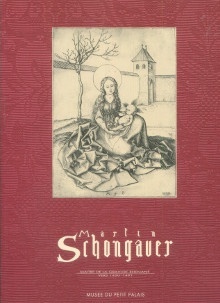
4724Paris-Musées, 1991. In-4, broché sous couverture rempliée et illustrée, 271 pp. Préface, par Thérèse Burollet - Introduction, par Sophie Renouard de Bussierre : L'Europe du Nord au XVe siècle : entre mysticisme et Réforme. - Martin Schongauer : Vie etŒuvre - Catalogue - Bibliographie.
44 vues d'églises, abbayes et cathédrales médiévales "d'une valeur artistique incontestable" (in préface) précédées d'une introduction sur l'art des XIIè et XIIIè siècles, par Jean STOIANOVITCH; bibliographie. Exemplaire bien complet des 44 planches. Français
615Brignoles, imprimerie Perreymond-Dufort et Vian, 1859, 1 br. in-8 de 116-(3) pp. , ex-libris,
538663P., Edit. G. Durassié, 1947. In-4 broché, couv. rempliée ill., 263 pp., CXI planches d'ill. phot., 20 cartes, bibliographie. Edition limitée à 1200 ex. Un des 500 sur Alfa Bouffant.
Mm 230x305 Volume in copertina rigida, sovraccoperta originale, 192 pagine profusamente illustrate in nero e a colori nel testo. Bibliografia in chiusura. Ottima copia pari al nuovo. Spedizione in 24 ore dalla conferma dell'ordine.
545783P., Nilsson, 1891. 2 ouvrages en un volume in-4 reliure de l'époque demi-chagrin rouge, dos lisse, titre, auteur et date dorés en long, couv. conservées, 7 pp., 6 planches en noir et 11 pp., 4 planches en chromolithographie.
7537Tours, Mame, 1842, 1 plein veau, triple filets dorés d'encadrement, dos orné (insolé), tranches marbrées, coins émoussés, coiffes frottées. in-8, f.t., titre, 364 pp., illustrations ;
506570Regensburg, Schnell & Steiner, 2009. In-4 cartonnage éditeur sous jaquette illustrée, 516 pp., 36 ill. en coul., 452 ill; photogr. ou fig. en noir dans le texte, bibliogr., index.
528314P., Picard, 1929-1932. 2 vol. in-8 brochés, XXXVIII-926 pp. en continu, 36 planches d'ill. photogr. en noir in fine, nbr. fig. en noir dans le texte, importante bibliographie, glossaire, index.
20122144202Paris: Picard 2012. 287, (1) Seiten. Mit zahlreichen Abbildungen im Text. 4° (25-35 cm) Orig.-Broschur. [Softcover / Paperback].
518208Mainz, Zabern, 1983. In-4 rel. éditeur pleine toile sous jaquette illustrée en couleurs, étui cart. muet, 367 pp., 10 pl. dépliantes de plans, 53 fig. et 110 ill. phot. en noir dans le texte, bibliogr. (Kölner Forschungen, 2).
Mm 170x270 Collana "Biblioteca di Storia dell'Arte" - Volume rilegato in tela con titolo al dorso, doppia sovraccoperta originale e trasparente con piccole lacune ed un restauro al dorso,, xxx-661 pagine con figure di disegno nel testo e 313 immagini in nero su tavole non comprese nel testo. Copia in buone-ottime condizioni con legature ben salde; spedizione in 24 ore dalla conferma dell'ordine.
9400Bruxelles, 1969. [Extrait de la "Revue belge d'archéologie et d'histoire de l'art", publiée par l'Académie royale d'Archéologie de Belgique, XXXI-XXXII, 1962-1964. In-4, broché, 139 pp. I. En guise d'introduction - II. La nef et le transept : histoire, description, chronologie, altérations - III. La nef, le transept et leur place dans l'histoire de l'architecture - IV. Le chœur - Conclusion - Index des monuments et ...
524344P., Henri Laurens, 1931. In-4, relié pleine toile moderne brune, dos lisse, étiquette de titre, couverture conservée, 314pp., 8 planches d'ill. phot. en noir, 125 figures dans le texte, bibliogr., index.
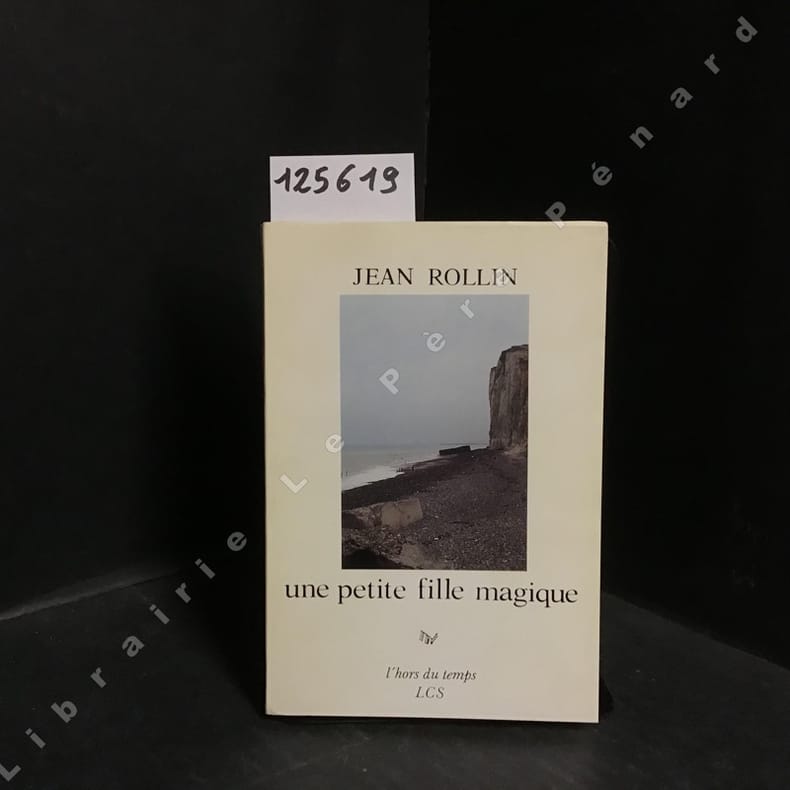
19881256191988 Editions Les Cahiers du Schibboleth, collection "L'hors du temps" - 1988 -In-12 broché, couverture illustrée - 144 pages - L'un des 700 exemplaires sur Centaure ivoire
495453Strasbourg, Publitotal, 1978. Fort in-4 bradel rel. pleine toile éditeur, jaquette ill. en coul., 495 pp., très nbr. cartes, fig. et ill. photogr. en noir et coul., la plupart à pleine page, bibliographie.
504615Marburg, Verlag der Kunstgeschichtlichen Seminars der Universität, 1921. In-4 rel. demi-toile écrue éditeur, titre brun au dos et plat sup., XII-304 pp., frontispice, 205 ill. photogr. en noir dans le texte, bibliographie, index.
Foreword by Walter de la Mare. Index. 16 illustrations and a diagram. viii, 192 pages. Bookplate of Marie Sargant by John Piper on front pastedown. Library stamp on front pastedown. Library label on front free endpaper. Front pastedown gutter cracked but binding sound.
6694, Leuven, Peeters, 1988., Paperback, original wrappers illustrated in color, 20x26cm, 209 pp, Illustrated in color and b/w. ISBN 9789068311303.
A clean, unmarked book with a tight binding. Full brown cloth boards. Previous owner's inscription inside. Slight edge wear to dust jacket. 8 5/8"w x 11 1/4"h. 364 pages.
Dustjacket is protected in mylar. Minor scuffing to boards. ; 1.1 x 9.2 x 6.2 Inches; 379 pages; The names of early Germanic warrior tribes and leaders resound in songs and legends; the real story of the part they played in reshaping the ancient world is no less gripping. Herwig Wolfram's panoramic history spans the great migrations of the Germanic peoples and the rise and fall of their kingdoms between the third and eighth centuries, as they invaded, settled in, and ultimately transformed the Roman Empire. As Germanic military kings and their fighting bands created kingdoms, and won political and military recognition from imperial governments through alternating confrontation and accommodation, the "tribes" lost their shared culture and social structure, and became sharply differentiated. They acquired their own regions and their own histories, which blended with the history of the empire. In Wolfram's words, "the Germanic peoples neither destroyed the Roman world nor restored it; instead, they made a home for themselves within it. " This story is far from the "decline and fall" interpretation that held sway until recent decades. Wolfram's narrative, based on his sweeping grasp of documentary and archaeological evidence, brings new clarity to a poorly understood period of Western history.