CLOCHÉ (Paul).Livre Rare Book
610 résultats
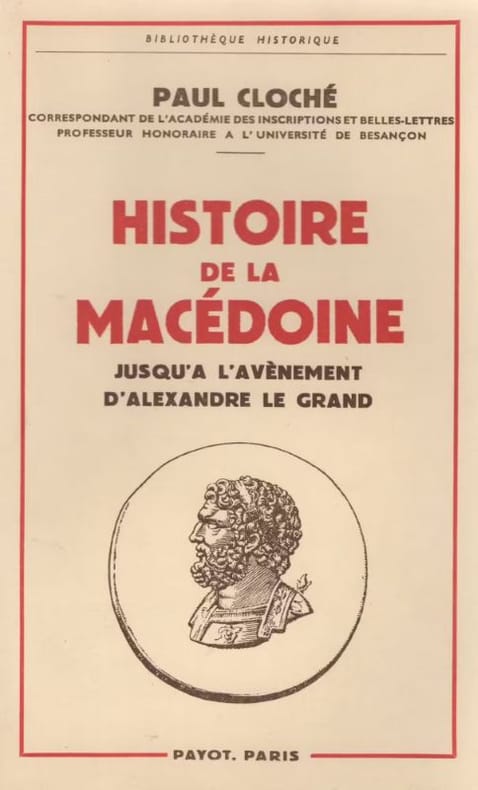
196043533Payot, 1960, in-8°, 269 pp, une carte, biblio, broché, couv. illustrée, bon état (Bibliothèque historique)
191622265En Avant ! Salonique, Éditions du Cocorico, 1916. Broché, 16 cm x 22 cm, 12 pages., Poème de Emile Thomas, adaptation théâtrale de Jean de Nayerhoffen représentée au Cinéma-Pathé de Salonique le 9 mars 1916. Très bon état
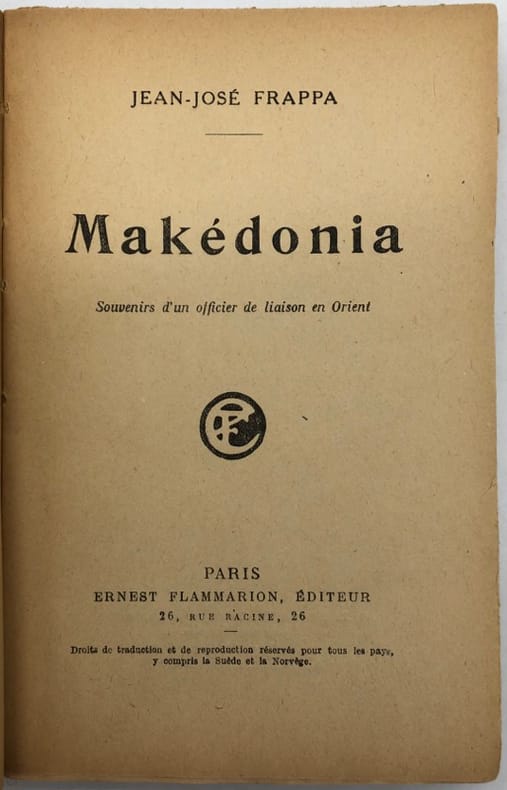
227022Paris, Flammarion, 1921 in-12, 283 pp., broché.
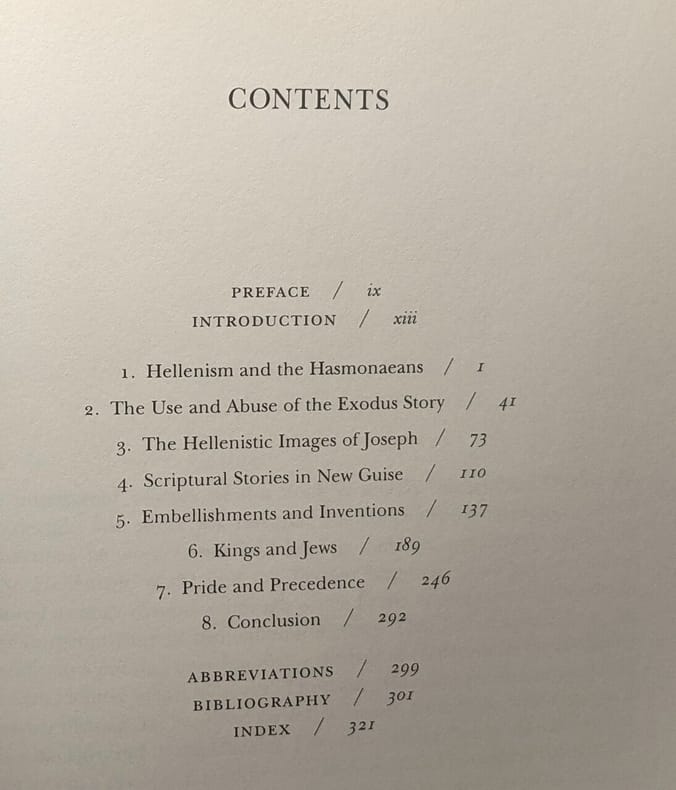
2002100124497University of California Press 2002 362 pages 22 8x2 4x14 6cm. 2002. Broché. 362 pages.
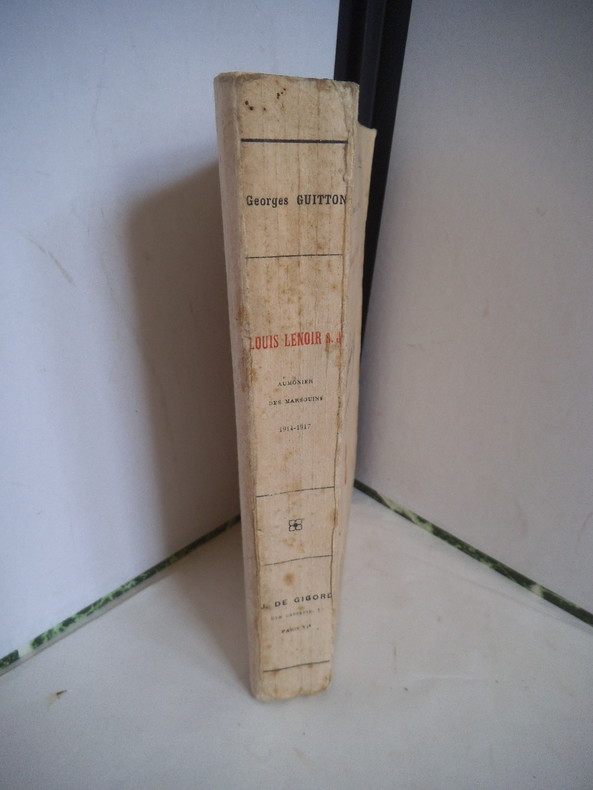
11661In 12 broché, faux-titre, titre, frontispice (portait photos. de Louis LENOIR) titre, 546 pages, 9 cartes, J de Gigord éditeur sans date. La guerre de mouvement, la Champagne, apostolat d’ambulance, la Somme, vers l’orient, la Macédoine,
In-8° (cm. 22,5x14,3), pp. 93, (3b). Bross. edit. Intonso. Mende al ds., ma ben cucito. Risposta a "Remarques sur l'ethnographie de la Macedoine" [1907], di Zvijitch. Movimenti e storia di Serbi e Bulgari in MACEDONIA.
Veduta di un accampamento di combattenti. Testo al retro
Veduta esterna. Testo al retro
Veduta delle truppe turche in difficoltà. Testo al retro
Veduta raffigurante un momento della guerra tra turchi e macedoni. Testo al retro
196113751961 in-12, 279pp., ill., br. Skopje 1961.
Paris, Perrin, 1908. (mm. 200). Mezza percallina verde coeva con titolo impresso e dorato al dorso. pp. (2), XI, 603 con 2 carte geografiche f.t. più volte ripiegate ed un'altra nel testo. Ottimo esemplare.
1809GITa880A Paris chez les Libraires Associés 1809. In-12 453pp. Pleine basane fauve, dos lisse orné de pastilles et frises dorées, pièce de titre rouge et de tomaison bleu nuit, tranches mouchetées, rel époque. Coiffe supérieure usée, manque de cuir sur les coupes supérieures et les coins.
Reliure pleine basane. 616 pages. Déchirure à la carte hors-texte. Couverture frottée.
New French Paperback. Roy. 8vo. (24 x 17 cm). In French. 222 p. I. Introduction Concepts, goals, methods The location General remarks II. The background to the tension and the komitadji phenomenon Conflict types - general overview The escalation of the conflicts Some temporal and spatial patterns of ceta activity Ceta types and their origins The social background and functions of the revolutionary organizations Financial sources Methods of rule III. Violence in Skopje Sanjak Everyday violence The practice of destabilization - other forms of violence IV. Conflict types in Prizren Sanjak General tendenciesTraditional banditry - weakening central power Banditism vs. the state authorities The state treatment of Banditism - a successful solution? Violence as an alternative source of income for Ottoman state officials Conflicts indirectly generated by the competition between the PowersThe case of the Bogoslovie in Prizren (1899-1900) Protests against the opening of new consulates and trade agencies Actions against sacred places during Christian festivals The Albanian village vs. the town Conflicts stemming from border positions V. Local strategies of coexistence and survival, the politics of neighbouring states and the attempts of the Ottoman government and Great Powers to restore peace Scratching the surface: exit strategies - Symptoms of economic breakdown or of collapsing public security? The macroeconomic situation before 1903 and attempts at reform Prevailing agrarian (social) problems after 1903 The response To the challenge I: The central government and local society The ceta problem reloaded Community-level response to the changes II: The strategy of the Serbs in Macedonia Strategies of intimidation and strategies of survival VI. Epilogue Notes in the margin: the limits to Muslim-Christian cooperation The new order Bibliography Index.
Very Good English Original cloth bdg. Roy. 8vo. (23 x 16 cm). Articles in English, French, German, and Bulgarian. B/w plates. 303, [1] p. Etudes historiques Tome XII: A l'occasion du Veme Congres International des Etudes Balkaniques et Sud-Est Europeennes - Belgrade.
Roma, Editrice della "Rassegna Internazionale", 1903, fasc. 2 riuniti in volume unico, cop. fittizia (ma conservate le br. edit.), pp. da 129 a 384 in numerazione continua precedute da 8 pp. pubblicitarie per ogni fasc. Con ill. in b.n. nel testo.
Salonicco, Municipal Art Gallery, 1992, 4to (cm. 27 x 27) brossura con copertina illustrata a colori, pp. 118 con numerose illustrazioni a colori nel testo. testo bilingue greco/inglese.
18834174Kjobenhavn, Forlagt af Broedrene Salmonsen & Andr. Schou, 1883. med illustrationer i traesnit, initialer og vignetter. (mit sehr vielen Textholzstichen + Tafeln sowie Vignetten / many wood engravings in text and on plates + vignettes) OHLdr., 776 S., Gr.8°, 1. Aufl. (orig. half-leather, 776 pp., gr.8°, first edition)
New French Paperback. Roy. 8vo. (24 x 17 cm). In French. 255 p. Foreword Acknowledgments List of Abbreviations Introduction 1. Greek Foreign Policy and the Macedonian Question: 1878-97 I. The Eastern Crisis: 1876-78 II. The Balkan Crisis: 1886 III. The Greek Crisis: 1897 2. 1903: Annus Mirabilis I. The Ministry and the Reforms Before Ilinden II. Ilinden III. The Rhallys Initiative 3. The Macedonian Defence: 1903-07 I. The Dragomises and the Macedonian Defence II. The Ministry After Ilinden: 1903-04 III. The Ministry and the Macedonian Defence 4. The Defence and Greek-Politics I. 1904-1907: Obstacles to the Defence II. 1908-09: The Young Turk and Goudi Revolutions III. Goudi's favourites: Stephanos and Venizelos Conclusion Bibliography.
Dustjacket has edgewear with chipping and small tears. Upper Corners are bumped. ; In autumn 1977 an unplundered royal tomb containing works of art of astounding richness and exquisite craftsmanship was discovered by Professor Manolis Andronicos at Vergina in Macedonia. The excavator's suggestion that the tomb's occupant was probably Philip, son of Amyntas, king of the Macedonians and Captain General of the united Greeks, created an understandable sensation, and aroused world-wide interest in this extraordinary personality: father of Alexander the Great, one of the greatest Macedonian kings, and also one of the most important political figures of antiquity. In response to this interest nine scholars, all eminent specialists in the history of 4th century Greece, describe the tumultuous career of Philip, re-evaluate his personality and re-examine his political achievements in the light of the recent discoveries. The book closes with an account of the excavation of the fabulous treasures of the royal tombs at Vergina by Professor Andronicos. ; 254 pages
Dustjacket has edgewear with light chipping and a couple of small tears. Very light shelfwear to book. Former owner's bookplate on ffep. ; In autumn 1977 an unplundered royal tomb containing works of art of astounding richness and exquisite craftsmanship was discovered by Professor Manolis Andronicos at Vergina in Macedonia. The excavator's suggestion that the tomb's occupant was probably Philip, son of Amyntas, king of the Macedonians and Captain General of the united Greeks, created an understandable sensation, and aroused world-wide interest in this extraordinary personality: father of Alexander the Great, one of the greatest Macedonian kings, and also one of the most important political figures of antiquity. In response to this interest nine scholars, all eminent specialists in the history of 4th century Greece, describe the tumultuous career of Philip, re-evaluate his personality and re-examine his political achievements in the light of the recent discoveries. The book closes with an account of the excavation of the fabulous treasures of the royal tombs at Vergina by Professor Andronicos. ; 254 pages
Scholar's name to ffep (Jenifer Neils). Dustjacket has edgewear with chipping and small tears. ; In autumn 1977 an unplundered royal tomb containing works of art of astounding richness and exquisite craftsmanship was discovered by Professor Manolis Andronicos at Vergina in Macedonia. The excavator's suggestion that the tomb's occupant was probably Philip, son of Amyntas, king of the Macedonians and Captain General of the united Greeks, created an understandable sensation, and aroused world-wide interest in this extraordinary personality: father of Alexander the Great, one of the greatest Macedonian kings, and also one of the most important political figures of antiquity. In response to this interest nine scholars, all eminent specialists in the history of 4th century Greece, describe the tumultuous career of Philip, re-evaluate his personality and re-examine his political achievements in the light of the recent discoveries. The book closes with an account of the excavation of the fabulous treasures of the royal tombs at Vergina by Professor Andronicos. ; 254 pages
Evidence for the Hellenic background of Macedonia in the light of contemporary political difficulties. Winner of the Academy of Athens Prize, 204p. Illus (col.and B & W) [2 copies found in WorldCat] Book