Bard, Allen J (Edited by)Biblio.com

564 résultats
1991x-082478409XMarcel Dekker Inc 1991. Hardcover. New. 1st edition. 416 pages. 8.75x6.00x1.00 inches. Marcel Dekker Inc hardcover
1985CBS-9780824772918Taylor & Francis 1985. New. Taylor & Francis unknown
1985CBS-9780824772918Taylor & Francis 1985. New. Taylor & Francis unknown
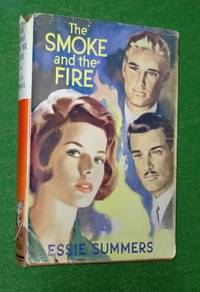
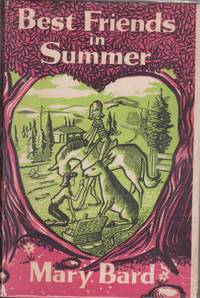
1960013164London: Hammond 1960 extremely scarce title British first edition VG copy spine has a lean to it two pen names to fep with crossing out unclipped DW has some heavy chips to corners with some loss at lower corners and spine tail short edge tears but still fairly complete and tidy dust jacket 185pp 4 pp adverts illustrated in line. First Edition. Hard Cover. Very Good/Good. 8vo - over 7 - 9 tall. Hammond hardcover
1960011708London: Hammond 1960 extremely scarce title. British first edition VG copy a red pencil tick and a few graphite price codes to fep offset brown from the DW flap minimal foxing or browning to the closed edges stunning red boards the DW not price-clipped short tear to tail spine and one short edge tear top of rear panel lower corner of upper panel split at fold overall VG DW with edge rubbing a very nice and very rare title. First Edition. Hard Cover. Very Good/Very Good. 8vo - over 7 - 9 tall. Hammond hardcover
191418990Guthrie OK: Olive Dixon. Very Good. 1914. First Edition; First Printing. Hardcover. Light rubbing to the corners owner's blindstamp on the first 6 pages. ; 8vo 8" - 9" tall; 320 pages . Olive Dixon hardcover
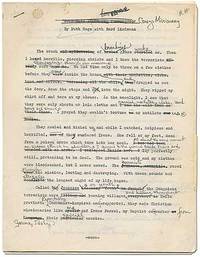
19643245651964. Unbound. Near Fine. Typed manuscript. 16pp. Single sheets typed rectos only stapled at the corner with some wear to the corners a spot on the first sheet and oxidation marks on the rear near fine. The manuscript has extensive holograph corrections throughout including a new title and two stapled yellow sheets replacing paragraphs. The harrowing account of a missionary woman in the turbulent period after Congo's independence in 1960 later expanded by Hege into a full length book We Two Alone. Hege's co-missionary Irene Ferrell was executed by Communist-trained terrorists and Hege barely escaped the same fate. unknown
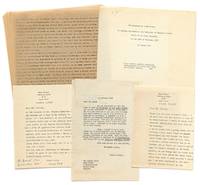
19586139071958. Unbound. Very Good. A small collection of correspondence between Yale professor and Ezra Pound scholar Donald Gallup and writer editor and friend of Pound Joseph Bard including an excerpt of a talk Bard gave involving personal anecdotes of Pound.<br /> <br /> At the center of the collection is a mimeographed excerpt of an address given by Bard at the Institute of Hispanic Studies in Puerto de la Cruz Tenerife on the 28th of February 1957 titled "The Dynamism of a New Poetry"; the excerpt includes the "central section containing reminiscences of Pound from total of 15 numb. leaves" Gallup's typed note. The excerpt contains pages five to nine five leaves each printed on the recto with about a paragraph of text on the versos with the addition of a cover sheet and a page of typed notes only partially related to the address some of the notes here appear in Gallop's bibliography on Pound. This was sent along with a short typed letter dated October 3 1958 "Dear Mr. Gallup at the request of Mr. Charles Hamilton I am sending you a copy of my lecture in Spain on 'New Poetry.' It was discussed on Madrid Radio and . Ezra said in a letter which you probably possess that it was the best introduction to m.p. yet. Sorry about this torn copy but it is the only one I have." The letter is signed by Bard and in his hand is written "N.B. Hurrah! I have found a clean copy!" though this copy is not present here.<br /> <br /> The excerpt speaks of Bard's time spent with Pound and their correspondence. Bard writes "I had an introduction to him from a literary friend but this was never used because on seeing me on the sea-shore he greeted me at once as a long-lost brother.†He goes on to describe how Pound wore a black corduroy suit gifted to him by W.B. Yeats. He briefly describes walks he Pound and Yeats would take in Rapallo and describes Pound's bluntness and passion for intellect "But above all things he Pound was interested in living and dedicated minds and had but contempt for the average commercial man and said with Machiavelli: li uomini vivono in pochi gli altri son pecorelli" which roughly translates to "A few men live the rest are sheep."<br /> <br /> Bard goes on to discuss his correspondence with Pound which began in 1927 shortly after Bard's marriage fell apart Bard describes his mood as "greatly perturbed" and that Pound's advice at the time was simply "Joseph practice polygamy." In another letter Pound writes "‘Oh if only you had translated Frobenius when it was offered to you in 1932 you would have saved the lives of two million human beings†this refers to the work of ethnologist Leo Frobenius who Pound would eventually meet and become "great friends" with. The most colorful anecdote in the talk does not involve Pound but rather someone Pound introduced Bard to the writer Natalie Barney:<br /> <br /> "Such was the introduction to Natalie Barney's salon in the Rue Jacob Paris this Lady being the well-known 'Amazon' the friend of Remy de Gourment's a salon where our Junoesque hostess ruled supreme over the lions and lionesses of art letters and drama—and where we were ceremoniously taken to the 'Temple d’Amour' and where the very sacharin sic was taken out from a book-shaped little etui by chubby Salomon Reinach" Reinach was an influential French archaeologist and religious historian. It's likely that Bard made a mistake here though and was actually referring to Barney's "Temple d’Amitie" which translates to "Temple of Friendship."<br /> <br /> The address continues to quote Bard's correspondence with Pound before getting into Pound's actual work at which point the excerpt cuts off. Included is a copy of Gallup's reply to Bard dated October 14 1958 expressing his delight at receiving a copy and commenting on Pound's recent hospital release "What a relief it is to have Pound out of St. Elizabeth's and at Brunnenburg! The change will of course have a tremendous influence on his work." Also included is a Spanish newspaper clipping discussing Bard's talk and a second letter from Bard dated October 27 1958 asking Gallup if he "could put me in touch with somebody in the U.S.A. who would be interested in the broadcasting of short-stories already produced by the B.B.C. Third." Enclosed is a clipping from Radio Times with the title "A Boyhood by the Danube" discussing the broadcast presentation of Bard's story "The Tale of a Child" which tells of Bard's childhood growing up in Hungary.<br /> <br /> Altogether the collection consists of two short typed letters a one page letter 5¼" x 6¾" and a two-page letter on a single leaf 5¼" x 7" when folded from Joseph Bard both Signed both include newspaper clippings; the mimeographed excerpt 8½" x 11"; a short one-page typed letter from Donald Gallup 5½" x 8½"; two envelopes addressed to Gallup and a typed receipt of the lecture "Gift of Dr. Joseph Bard . for the Ezra Pound Collection in the Y.C.A.L."<br /> <br /> OCLC locates two holdings of this talk under its Spanish title "El Dinamismo de Una Nueva Poesia" at Yale and UT-Austin but they date the conference as being held on March 8 1957. The publication of this talk is listed at B59 in Donald Gallup's bibliography of Pound which states "Published March 1957; number of copies unknown." The entry goes onto describe a reproduction of a letter from Pound to Bard dated December 17 1932 that apparently goes with the published talk; part of that entry is found in the additional page of notes included here in the mimeographed excerpt.<br /> <br /> All of the material has some toning and light wear a paperclip mark and tearing at the top of the mimeograph excerpt overall very good; though it should be noted that towards the bottom of each page is an additional layer of text printed in blue ink upside down and mirrored reproducing a portion of the text found elsewhere on the page.<br /> <br /> An interesting bit of writing concerning Ezra Pound along with the brief correspondence of two men of letters both connected to Pound in different ways. unknown
1974mon0000417684Dekker Marcel Inc 1974-01-01. Hardcover. Very Good. in x in x in. Dekker, Marcel Inc hardcover
199760669Harry Abrams; Et Al. New. 1997. Hardcover. 0810912406 . FREE UPGRADE to Courier/Priority Shipping Upon Request IN STOCK AND IMMEDIATELY AVAILABLE FOR SHIPMENT - Flawless copy brand new pristine never opened -- 176 pp. With 152 ills. 121 col. . 22 x 27 cm. -- with a bonus offer-- . Harry Abrams; Et Al hardcover
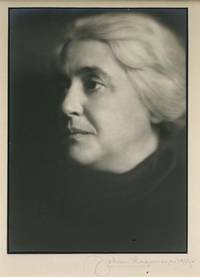
1927225931Carmel Calif 1927. Vintage gelatin silver print bust portrait in profile. Signed and dated in pencil "Johan Hagemeyer 1927" on the mount. 1 vols. 22 x 16.5 cm. 8-3/4 x 6-1/2 inches. Matted. Fine. Docketed on verso of mount in pencil "#3. Vintage gelatin silver print bust portrait in profile. Signed and dated in pencil "Johan Hagemeyer 1927" on the mount. 1 vols. 22 x 16.5 cm. 8-3/4 x 6-1/2 inches. Magnificent portrait of the great suffragist reformer activist free-thinker and poet Sara Bard Field 1882-1974. Field was also the passionate lover of the anarchist C.E.S. Wood and the couple lived together in a celebrated "free union" first in San Francisco then in Los Gatos "where they built a house . that became a gathering place for Bay area writers artists and political activists" American National Biography; and where the famous Bay area photographer Johan Hagemeyer 1884-1962 made this fine indelible portrait in the year her first volume of poems appeared THE PALE WOMAN.<br /> <br /> According to THE BANCROFT LIBRARY'S on line "Guide to the Johan Hagemeyer Photograph Collection":<br /> <br /> "In late 1916 just prior to Hagemeyer's return to California - and despite having had little photographic experience - Hagemeyer visited Stieglitz's 291 salon in New York City. The two developed an immediate rapport and the meeting proved to be decisive for Hagemeyer. "We talked" Hagemeyer later recalled "and he practically by way of speaking made me follow photography. I had already gone overboard for it" OHT 22.<br /> <br /> "Back in California Hagemeyer first apprenticed with a Berkeley-based commercial portrait photographer named McCullagh. Soon afterwards he moved south to Pasadena and in early 1918 met Edward Weston already by then an accomplished photographer based in Tropico now Glendale. The two took an immediate liking to each other and formed a friendship and working partnership that was of mutual benefit: Weston opened his home and studio to the upstart Hagemeyer and Hagemeyer introduced the relatively unschooled Weston to new worlds of intellectual and aesthetic learning. The two would have a profound influence on each others' artistic development for years to come. Arch. see essays by Lorenz and Schaefer<br /> <br /> "Hagemeyer's talent developed rapidly and by the early 1920s he was exhibiting his work in many important photographic salons and garnering much popular and critical acclaim. After moving to San Francisco at the end of World War One Hagemeyer soon discovered the intellectual and artistic colony of Carmel-by-the-Sea. In 1923 he established his first studio in Carmel and would remain anchored there for over 20 years. In 1924 he established the town's first art gallery - based out of his studio - where he exhibited the works of local painters sculptors and photographers and hosted very popular musical performances. Shortly thereafter Hagemeyer opened a second studio in San Francisco whose clientele could be rivaled by that of Carmel only during the smaller town's summer vacation season. In 1927 he was appointed staff photographer of the artistic/literary magazine The San Franciscan . unknown
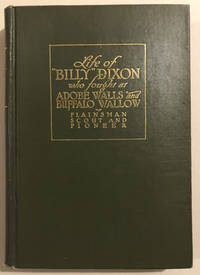
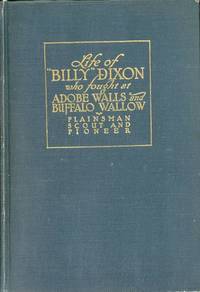
191453297Guthrie Oklahoma: Co-Operative Publishing Co. 1914. 1914. First edition. First Edition. 8vo. Green Cloth 320 pp. Frontis. Preface Illustrations from old photographs. "A narrative in which is described many things relating to the early Southwest with an account of the fight between Indians and buffalo hunters at Adobe Walls and the desperate engagement at Buffalo Wallow for which Congress voted the Medal of Honor to the survivors." Born in West Virginia in 1850 Billy Dixon lived in Missouri from 1862 until 1865 when he took a job with a freight contractor as a bull-whacker and mule-skinner in Kansas. He freighted throughout western Kansas and Nebraska and eastern Colorado for 4 years. In 1869 Dixon joined a hunting and trapping venture in the Saline River Valley northwest of Fort Hays. Billy's excellent marksmanship soon led him to the highly profitable trade in buffalo hides. He invested in a supply store and did quite well until his partner "sold out" and took off with the proceeds during Billy's absence. He hunted the Texas Panhandle in the early and mid 1870's. Billy Dixon was one of 28 men and 1 woman who fought off a large party of hostile Indians in the second Battle of Adobe Walls. He scouted for Gen. Nelson Miles in 1874 when carrying dispatches to Fort Supply Dixon and 5 others were attacked by Indians. Billy Dixon received the Congressional Medal of Honor for his part in the action. Still scouting for General Miles Dixon was present at the rescue of the Germaine sisters from the Cheyenne in November 1874. Dixon saved the Nolan Expedition in 1877 by leading them to water while in pursuit of hostile Comanches on the Staked Plains. Dixon returned to civilian life in 1883. He worked on the Turkey Trot Ranch before homesteading at the site of the original Adobe Walls. Eventually he homesteaded again in Cimarron County Oklahoma where he died in 1913. An excellent biography. An exceptionally clean fine bright copy with only the slightest of rubbing to spine ends and corners. Rare especially in this condition. Protected in a custom clamshell box with title author and year of publication in gilt on leather label on spine. Co-Operative Publishing Co., 1914. hardcover
1927225931Carmel Calif 1927. Vintage gelatin silver print bust portrait in profile. Signed and dated in pencil "Johan Hagemeyer 1927" on the mount. 1 vols. 22 x 16.5 cm. 8-3/4 x 6-1/2 inches. Matted. Fine. Docketed on verso of mount in pencil "#1. Vintage gelatin silver print bust portrait in profile. Signed and dated in pencil "Johan Hagemeyer 1927" on the mount. 1 vols. 22 x 16.5 cm. 8-3/4 x 6-1/2 inches. Hagemeyer Portrait of Suffragist Sara Bard Field. Magnificent portrait of the great suffragist reformer activist free-thinker and poet Sara Bard Field 1882-1974. Field was also the passionate lover of the anarchist C.E.S. Wood and the couple lived together in a celebrated "free union" first in San Francisco then in Los Gatos "where they built a house . that became a gathering place for Bay area writers artists and political activists" American National Biography; and where the famous Bay area photographer Johan Hagemeyer 1884-1962 made this fine indelible portrait in the year her first volume of poems appeared THE PALE WOMAN.<br/><br/>According to THE BANCROFT LIBRARY'S on line "Guide to the Johan Hagemeyer Photograph Collection":<br/><br/>"In late 1916 just prior to Hagemeyer's return to California - and despite having had little photographic experience - Hagemeyer visited Stieglitz's 291 salon in New York City. The two developed an immediate rapport and the meeting proved to be decisive for Hagemeyer. "We talked" Hagemeyer later recalled "and he practically by way of speaking made me follow photography. I had already gone overboard for it" OHT 22.<br/><br/>"Back in California Hagemeyer first apprenticed with a Berkeley-based commercial portrait photographer named McCullagh. Soon afterwards he moved south to Pasadena and in early 1918 met Edward Weston already by then an accomplished photographer based in Tropico now Glendale. The two took an immediate liking to each other and formed a friendship and working partnership that was of mutual benefit: Weston opened his home and studio to the upstart Hagemeyer and Hagemeyer introduced the relatively unschooled Weston to new worlds of intellectual and aesthetic learning. The two would have a profound influence on each others' artistic development for years to come. Arch. see essays by Lorenz and Schaefer<br/><br/>"Hagemeyer's talent developed rapidly and by the early 1920s he was exhibiting his work in many important photographic salons and garnering much popular and critical acclaim. After moving to San Francisco at the end of World War One Hagemeyer soon discovered the intellectual and artistic colony of Carmel-by-the-Sea. In 1923 he established his first studio in Carmel and would remain anchored there for over 20 years. In 1924 he established the town's first art gallery - based out of his studio - where he exhibited the works of local painters sculptors and photographers and hosted very popular musical performances. Shortly thereafter Hagemeyer opened a second studio in San Francisco whose clientele could be rivaled by that of Carmel only during the smaller town's summer vacation season. In 1927 he was appointed staff photographer of the artistic/literary magazine The San Franciscan . unknown books
191453354Guthrie Oklahoma: Co-Operative Publishing Co. 1914. 1914. First Edition. 8vo. Inked inscription on the front free fly leaf "To E. A. Brininstool With Kindest regards and best wishes of the author. Olive K. Dixon Miami Texas Jan. 4 - 1924." Green Cloth 320 pp. Frontis. Preface Illustrations from old photographs. "A narrative in which is described many things relating to the early Southwest with an account of the fight between Indians and buffalo hunters at Adobe Walls and the desperate engagement at Buffalo Wallow for which Congress voted the Medal of Honor to the survivors." Born in West Virginia in 1850 Billy Dixon lived in Missouri from 1862 until 1865 when he took a job with a freight contractor as a bull-whacker and mule-skinner in Kansas. He freighted throughout western Kansas and Nebraska and eastern Colorado for 4 years. In 1869 Dixon joined a hunting and trapping venture in the Saline River Valley northwest of Fort Hays. Billy's excellent marksmanship soon led him to the highly profitable trade in buffalo hides. He invested in a supply store and did quite well until his partner "sold out" and took off with the proceeds during Billy's absence. He hunted the Texas Panhandle in the early and mid 1870's. Billy Dixon was one of 28 men and 1 woman who fought off a large party of hostile Indians in the second Battle of Adobe Walls. He scouted for Gen. Nelson Miles in 1874 when carrying dispatches to Fort Supply Dixon and 5 others were attacked by Indians. Billy Dixon received the Congressional Medal of Honor for his part in the action. Still scouting for General Miles Dixon was present at the rescue of the Germaine sisters from the Cheyenne in November 1874. Dixon saved the Nolan Expedition in 1877 by leading them to water while in pursuit of hostile Comanches on the Staked Plains. Dixon returned to civilian life in 1883. He worked on the Turkey Trot Ranch before homesteading at the site of the original Adobe Walls. Eventually he homesteaded again in Cimarron County Oklahoma where he died in 1913. An excellent biography. An exceptionally clean fine bright copy with only the slightest of rubbing to spine ends and corners. A 2 1/2" x 3 1/2" photograph of Hugh Dixon on the front pastedown sheet and another on a fly leaf of Olive Dixon dated 1932. Pencilled notations by either Brininstool or Dixon at four locations. Rare especially in this condition. Protected in a custom cloth clamshell case with titles in gilt on front cover and leather label on spine. Co-Operative Publishing Co., 1914. hardcover