1 659 résultats
New Turkish Original bdg. HC. 4to. In Turkish. 826 p., ills. Istanbul ve Bogaziçi: Bizans ve Osmanli medeniyetlerinin asar-i bakiyesi. Edited by A. Sait Aykut. [2 volumes in 1].
Fine English Paperback. Roy. 8vo. (24 x 17 cm). In Turkish and abstract in English. [xx], 292, [1] sayfa, 2 folding maps, numerous b/w plts. First Edition. Istanbul'da Osmanli devrindeki su tesisleri.= [Water intakes, water plants in Istanbul during the Ottoman period]. OTTOMANIA Water supply systems Ottoman culture Constantinople - Istanbul Byzantium Urbanization City planning.
1980100134651Cambridge University Press 1980 320 pages 17 272x3 81x24 13cm. 1980. Cartonné jaquette. 320 pages.
95756Recklinghausen, Bongers, (1972).
As New English Paperback. Pbo. Mint. Roy. 8vo. (24 x 17 cm). Articles in German, English, Turkish, and French. 230 p., b/w ills. Contents: Adolf Hoffmann / Perspektiven im Rückblick: deutsch-türkische Kooperation im Bereich der Archäologie.; Mustafa H. Sayar / Toroslardan Akdeniz'e Çukurova Eski Çag Tarihi ve Tarihî-Cografya Arastirmalarina Yeni Katkilar 1990-2005.; Makaleler / Commentationes.; Yildiz Akyay Meriçboyu / Kuyumculuk Merkezi Lampsakos.; Olivier Casabonne / Buffles et zébus au Proche-Orient ancien., Olivier Casabonne - Marcel Gabrielli/ Brèves remarques sur un torque achéménide au musée Miho (Japan).; M. Erkan Fidan / Waffen aus Metall von ihren Anfängen bis zum Ende der Frühen Bronzezeit aus dem inneren Westanatolien.; Emmanuelle Goussé / À propos de trois bas-reliefs de Cilicie Trachée.; Erkan Konyar / An Ethno-Archaeological Approach to the "Monumental Rock Signs" in Eastern Anatolia.; Frédéric Maffre / Phrygie maritime, Phrygie hellespontique, satrapie de Phrygie hellespontique face au Pseudo-Skylax § 93-96.; Nicolò Marchetti / New Results on Middle Bronze Age Urbanism in South-Eastern Anatolia: The 2004 Campaign at Tilmen Höyük.; Thomas Zimmermann / Kult und Prunk im Herzen Hattis - Beobachtungen an frühbronzezeitlichem Zeremonialgerät aus der Nekropole von Kalinkaya/Toptastepe, Provinz Çorum.; Kitap Elestirileri / Recensiones.; Çokay-Kepçe, S., Antalya Karaçalli Nekropolü - The Karaçalli Necropolis Near Antalya, Suna-Inan Kiraç Akdeniz Arastirmalari Enstitüsü, Antalya, 2006. (Bilge Hürmüzlü).
As New English Paperback. Pbo. Mint. Roy. 8vo. (24 x 17 cm). Articles in English, Turkish. 200 p., b/w ills. Contents: Çelgin, A. Vedat / Termessos Örnegi Baglaminda Agon'larin Antik Kent Yasamindaki Yeri ve Son Epigrafik Arastirmalarin Agonistik Yazit Repertuvarina Katkisi.; Dönmez, Sevket - E. Emine Naza-Dönmez / Amasya-Oluz Höyük Kazisi 2007 Dönemi Çalismalari: Ilk Sonuçlar.; Efe, Turan - Murat Türkteki / Keçiçayiri (Seyitgazi-Eskisehir) 2007 Yili Kurtarma Kazilari.; Erdogu, Burçin - Nurcan Kayacan - Ismail Fazlioglu - Nejat Yücel / Material Engagement, Resources and New Discoveries in Central Anatolian Neolithic.; Hürmüzlü, Bilge / Pisidia Bölgesi'nde Ele Geçen Anthemion Tipi Steller.; Sahin, Hamdi / Dogu Daglik Kilikia: Polis-Khora Iliskileri Üzerine Ilk Düsünceler.
As New English Paperback. Pbo. Mint. Roy. 8vo. (24 x 17 cm). Articles in German, English, Turkish, and French. 194 p., b/w ills. Contents: Konferanslar / Colloquia.; UMURTAK, Gülsün / Burdur-Antalya Bölgesi'nde Neolitik Çag Mimarlik Gelenekleri: Gözlemler-Degerlendirmeler.; YAKAR, Jak / Did Anatolia contribute to the Neolithization of Southeast Europe?; FINKBEINER, Uwe / Neue Ausgrabungen in Emar, Syrien: Kampagnen 1996-2002.; Makaleler / Commentationes.; CASABONNE, Olivier / Quelques Remarques et Hypothèses sur Ura et la Cilicie Trachée.; Dinçol, Ali - Belkis Dinçol / Zwei neue hethitische Schriftdokumente aus dem privaten / Haluk Perk Museum.; GODON, Martin / New Results and Remarks about Neolithic Pottery in Central Anatolia: A view from Tepecik-Çiftlik.;KONYAR, Erkan / Grooved Pottery of the Lake Van Basin: A Stratigraphical and Chronological Assessment.; LEBRUN, René / Fragment festif, notamment pour le dieu de l'orage de Hastuwa = KUB LX 147 (Bo 2421).; MOUTON, Alice / Anatomie animale: le festin carné des dieux d'après les textes hittites II / Les membres postérieurs et d'autres parties anatomiques.; RAIMOND, Eric / Etude philologique des inscriptions lyciennes / 1 - Tlôs.; SAKAL, Ferhan / Ein neues Stempelsiegel aus Emar.; Kitap Elestirileri / Recensiones.; BERRENS, S., Sonnenkult und Kaisertum von den Severern bis zu Constantin I. (193-337 n. Chr.), Franz Steiner Verlag, Stuttgart, 2004.(Emre ERTEN).
New English Original bdg. In publisher's special slip-case. 4to. (34 x 23 cm). In English. color and b/w ills. 158, [1] p. The Roman, The Byzantine, The Ottoman Era. / The Republican Era. / The conquest of Istanbul and water. / Incorporation of Istanbul waters. / The ISKI Era. / The capital of water and faith: Istanbul. / Governing water in Istanbul. / The Golden Horn: A blue dream of Istanbul. /
New English Papperback. Pbo. Roy. 8vo. (24 x 17 cm). In English. 429 p., 9 numerous b/w plts. Red and black Byzantium. Komnenian emperors and opposition, (1081-1180). List of Tables List of Diagrams List of Graphs List of Maps List of Illustrations List of Abbreviations Preface Prolegomena The Prologue THE CURTAIN RAISER Introduction Byzantium as a ¿Theater State¿: Power, Ritual, Opposition PART ONE: RED BYZANTIUM Chapter One PEOPLE AND POWER IN BYZANTIUM: THE MAKING AND UNMAKING OF EMPERORS Chapter Two THE RISE OF THE MILITARY ARISTOCRACY Chapter Three THE KOMNENIAN REVOLUTION Chapter Four THE LEADING CLANS UNDER THE KOMNENI Chapter Five THE TRIUMPH OF THE MILITARY ARISTOCRACY DESCRIBED PART TWO BLACK BYZANTIUM Chapter Six MONASTERIES IN KOMNENIAN CONSTANTINOPLE Chapter Seven THE KOMNENI AND THE MONASTERIES Chapter Eight THE MONASTIC OPPOSITION Chapter Nine THE DOGMATIC OPPOSITION Chapter Ten THE HERETICAL OPPOSITION The Epilogue THE CURTAIN DROP Conclusion BIBLIOGRAPHY Appendix One PEOPLE AND POWER IN BYZANTIUM Appendix Two THE LIST OF ALL CHARTERS ISSUED BY THE KOMNENIAN EMPERORS INDEX OF ALL MILITARY HOLDERS IN ANNA KOMNENA¿S ALEXIAD LIST OF TABLES 1.The Making and Unmaking of Emper-ors 2.The Highest Rank 1025-1081, 1081-1118 3.The Highest Rank 1025-1081, 1081-1118 Military v. Civil Aristocracy 4.Byzantine Clans with Top Titles under Alexios I 5.Byzantine Clans Holding the 4th Grade under Alexios I 6.Byzantine Clans Holding the 3rd Grade under Alexios I 7.Byzantine Clans Holding the 2nd Grade under Alexios I 8.Byzantine Clans Holding the Lowest Grade under Alexios I 9.Military and Civil Aristocracy 10. Military and Civil Aristocracy In and Out 11. Aristocracy under Alexios I 12. Military Clans Going Civil under Alex-ios I 13. Military and Civil Aristocracy under Alexios I 14. The Aristo-cratic Mobility under Alexios I 15. Aristocratic Clans 1081-1180 16. Difference between 1081-1118 and 1118-1180 17. Top Clan Officials under Manuel I 18. Top Clans 976-1180 19. The Number of Houses Holding Grades 0-5 20. Total Number of Highest Titles (1-5) 21. Mili-tary and Civil Aristocracy 22. Total Highest Accumulated Points 23. Progression of Highest Titleholders of the Leading Clans under the Komneni (1095-1180) 24. Titleholders under Alexios I 25. Titleholders under Manuel I 26. Top Military Dignitaries under Alexios I 27. Byzan-tine Writers on Aristocracy 28. List of All Monasteries in Komnenian Constantinople 29. Number of Byzantine Scribes, Classified by Status 30. Percentages of Total Number of Byzantine Scribes 31. Lay Officials at the Synod of Blachernae (1094-95) 32. The Church Hierarchy at the Synod of Blachernae (1094-1095) 33. Lay Officials at the Synod of Blachernae (1157) 34. Lay Officials at the Council of 1166 35. The Church Hierarchy at the Council of 1166 36. Lay Officials at the Sec-ond Session of the Council of 1166 37. The Church Hierarchy at the Second Session of the Council of 1166 38. Lay Officials at the Council of 1170 39. The Church Hierarchy at the Council of 1170 40. All the Emperor¿s Men at the Trial of Patriarch Cosmas of Constantinople (1146-1147) LIST OF DIAGRAMS 1. Power and Solidarity 2. Power in Byzantium 3. The Anatomy of Power 4. The Anatomy of Power in Byz-antium 5. Forms of Resistance in Byzantium 6. Accession and Depar-ture of Emperors 7. Accession and End 602-717 8. Accession and End 717-820 9. Accesson and End 820-913 10. Accesson and End 913-1025 11. Accession and End 1025-1118 12. The Gnostic View of the Trinity 13. The Quaternity LIST OF GRAPHS 1. Alexios I¿s Charters 2. Manuel I¿s Charters 3. Accession 602-717 4. End of Rule 602-717 5. Accession 717-820 6. End of Rule 717-820 7. Accession 820-913 8. End of Rule 820-913 9. Accession 913-1025 10. End of Rule 913-1025 11. Accession 1025-1118 12. End of Reign 1025-1118 13. Byzantine Aristocracy: Mobility under Alexios I 14. Aristocracy under Alexios I 15. Aristocracy under Alexios I 16. Aristocratic Mobility under Alexios I 17. Difference between Alexios
1985X113916München, Beck 1985 Band/volume 76 part 2 only (of 2), [243] pp. (i.e. pages 329 to 571), 25cm., original softcover, pages partly still uncut, text is clean and bright, good condition, X113916
104261Paris, Bruxelles, Meddens, 1959.
2011R106036Paderborn, Ferdinand Schöningh 2011 xviii + 262pp., 24cm., in the series "Studien zur Geschichte und Kultur des Altertums. Neue Folge. 2.Reihe: Forschungen zu Gregor von Nazianz" volume 15, softcover, very good condition, R106036
xviii + 262pp., 24cm., in the series "Studien zur Geschichte und Kultur des Altertums. Neue Folge. 2.Reihe: Forschungen zu Gregor von Nazianz" volume 15, softcover, very good condition, R106036
New English Paperback. Pbo. In publisher's special slip-case. Large roy. 8vo. In Turkish. Color and b/w ills. 2 volumes set: (808 p.). Istanbul (Constantinople) monuments with their history. Öyküleriyle Istanbul anitlari. Vol. I: Surlardir kusatan Istanbul'u. Vol: II: Saray'dan Liman'a. 2 volumes set in special slip-case.
Very Good Turkish Paperback. Roy. 8vo. (24 x 17 cm). In Turkish. 30 p. Ilk çagda Antalya bölgesi. Antalya (Adalia) region in the ancient history.
Fine Greek, Modern (post 1453) Paperback. Roy. 8vo. (24 x 17 cm). In Greek (Modern, 1453-). 147, [1] p., 13 b/w plates. Nikolaos Kavasilas Khamaetos. I zoi kai to ergon autou. Analecta Vlatadon 5. Edited by Panayotis C. Christou. Nicholas Kabasilas or Cabasilas, (1319-1392) was a Byzantine mystic and theological writer. Kabasilas is a saint within the Orthodox Church. His feast day is June 20. The Roman Catholic Church uses extracts from his Life in Christ as readings in the Liturgy of the Hours (Tuesday, Wednesday, and Thursday of the Fifth Week of Easter in Year II of the two-year cycle for the Office of Readings). He was on intimate terms with the emperor John VI Kantakouzenos, whom he accompanied in his retirement to a monastery. He was once thought to have succeeded his uncle Neilos Kabasilas as archbishop of Thessalonica; however contemporary records of that see do not show Nicholas as serving in the capacity of archbishop. It is more likely that he served as a priest at the Mangana Monastery at Constantinople. In the Hesychast controversy he took the side of the monks of Mount Athos and Saint Gregory Palamas. Biography of Kavasilas. Scarce.
Very light shelfwear else fine. ; 259pp. ; Mededelingen En Verhandelingen Van Het Vooraziatisch-Egyptisch Genootschap "Ex Oriente Lux" XXXVI; 8vo - over 7¾" - 9¾" tall; 259 pages
As New As New German Original bdg. Dust wrapper. Mint. 4to. (30 x 22 cm). In German. 142 p., ills. Im Folgenden sind zumeist Erstveröffentlichungen von Inschriften gegeben, die beide Autoren im Norden Kleinasiens aufgenommen haben. Dabei handelt es sich einerseits um Funde, die Christian Marek auf seinen epigraphischen Surveys in den neunziger Jahren aufgenommen hat und die teils nicht mehr in die Kataloge des 1993 veröffentlichten Bandes Stadt, Ära und Territorium in Pontus-Bithynia und Nord-Galatia gelangt sind, teils außerhalb der dort behandelten Stadtterritorien gefunden wurden. Einige wenige Texte, die bereits publiziert sind, sind ergänzend hinzugenommen worden, wenn in ihnen Korrekturen, neue Lesungen oder Interpretationen vorgeschlagen werden. Es handelt sich mit wenigen Ausnahmen um kurze Grab-, Weih- und Ehreninschriften sowie Inschriften auf Meilensteinen, die als einzelne Zeugnisse geringen Informationsgehalt besitzen, jedoch in regionalen Sammlungen die epigraphische Quellenbasis einer antiken Landschaft zu bereichern vermögen. Dabei wurden sie auf der Grundlage bisheriger Forschungen und eigener Landeskenntnis den antiken Stadtterritorien zugeordnet, nach denen - von Westen (Bithynien) nach Osten (Pontos) fortschreitend - die Sammlung gegliedert ist. Jede Gruppe ist mit Verweisen auf die bisherigen epigraphischen Publikationen der Region eingeleitet. In Auswahl werden einschlägige literarische Zeugnisse (insbesondere Strabon) zitiert und - bei den kleineren Städten - gelegentlich Illustrationen städtischer Münzen beigefügt. Die Auswahl dieser Testimonia trägt zur Erklärung der behandelten Inschriften nicht unmittelbar bei, sondern ist dazu gedacht, den Leser - auch bildlich - durch die Gliederung dieser Regionen Anatoliens nach ihrer städtischen Geographie zu führen, von denen Louis Robert einmal gesagt hat: texte et illustration pourront donner une idée de leurs charactères spécifiques aux lecteurs, philologues et historiens, qui souvent connaissent presque exclusivement les côtes de l'Égée; c'est l'Asie Mineure profonde.1 Zum vorliegenden Band hat andererseits Mustafa Adak 40 weitere Inschriften geliefert, die aus dem östlichen Territorium Nikaias, aus Prusias ad Hypium, Klaudiupolis und Krateia-Flaviopolis stammen und die teilweise von ihm selbst im letzten Jahrzehnt sowie teilweise von seinem Vorgänger Sencer Sahin bereits in den 1980er Jahren aufgenommen wurden. Es handelt sich um die Inschriften Nr. 1-12, 14-34, 41-42, 61-62, 64 und 66. Die epigraphische Erschließung Nordkleinasiens ist noch immer lückenhaft. Sammlungen, die auf Ausgrabungen von Stadtzentren zurückgehen, existieren hier noch nicht, die vorhandenen beruhen auf Museumsbeständen und Bereisung, doch nur wenigen von diesen liegt eine mehrjährige, systematische Erkundung von Stadtterritorien zugrunde. Kaum eine der hier veröffentlichten Inschriften ist erkennbar älter als die Epoche der römischen Kaiserzeit. Wo Ärendaten oder andere Kriterien wie Kaisertitulaturen fehlen, kann eine engere zeitliche Einordnung nicht erfolgen. Die Datierung begnügt sich mit den Angaben Kaiserzeit, Spätantike bzw. 4. Jh. oder später. Der oft vorkommende Aureliername allein ist bekanntlich keine sichere Scheidelinie für eine Datierung nach 212 n. Chr. Die Bezeichnung Spätantike verweist auf eine Epoche, die mit der diokletianischen Neuordnung beginnt. Für eine Einordnung in diese Epoche geben uns bestimmte Ausdrücke (?????) oder sprachliche Phänomene den Ausschlag, wenn diese auch nicht vollkommen sicher sind. Eindeutig 1 L. Robert, A Travers L'Asie Mineure. Poètes et prosateurs, monnaies grecques, voyageurs et géographie, Paris 1980, 4. christliche Merkmale datieren Inschriften in der Regel als 4. Jh. oder später. Kriterien wie die Formen der Buchstaben sind wegen der relativ geringen Funddichte unzuverlässig und werden nicht herangezogen. Die zahlreichen Neufunde, die zum Gebiet von Pompeiopolis/Paphlagonien gehören, sind hier nicht aufgenommen. Mit Beginn der Grabungen daselbst im Ja
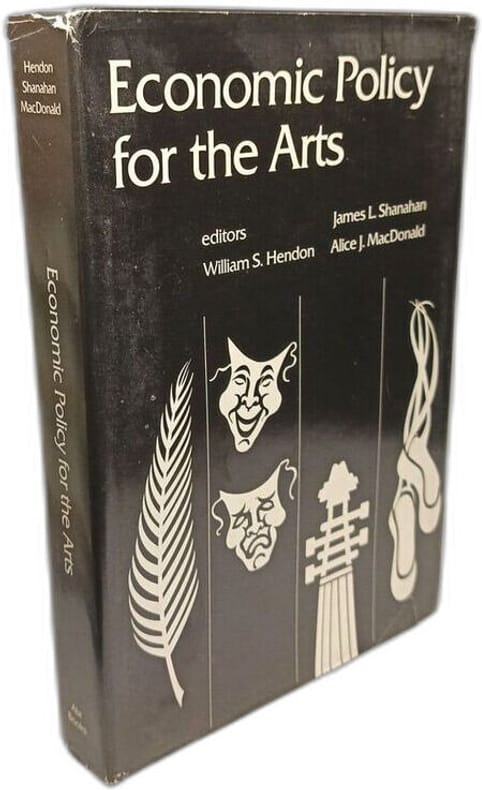
Wear and creases to cover and spines. Interior pages clean and unmarked. The glue in these perfect bound books are over 50 years old and is likely fragile.
Fine Turkish Paperback. Roy. 8vo. (24 x 17 cm). In Turkish. [L], 467 p. Türk edebiyatinda Hz. Alî cenknâmeleri. Ali janknamas (books of war) in the Turkish literature.
New English Paperback. Pbo. 4to. (28 x 22 cm). In Turkish, extended abstract in German. 394 p., color and b/w ills. Adalya Supplementary Series, 10. EINFÜHRUNG.; DIE PAMPHYLISCHE-PERGEISCHE GESCHICHTE UND DIE STADTENTWICKLUNG BIS ZUR RÖMISCHEN KAISERZEIT.; BAUTEN DER RÖMISCHEN KAISERZEIT (1. - 2. Jh. n. Chr.).; Datierte Bauten.; Nordgymnasion/Palästra des Cornutus.; Bogen des Demetrios und Apollonios.; Südthermen.; Baubestand.; Inschriftlich bezeugte Räume.; Aleipterion.; Himatiophylakion.; Laconicum.; Sphairisterion.; Mouseion.; Ovaler Hof mit den runden Türmen (Hellenistisches südliches Stadttor), das Prunktor und der Hadriansbogen., Nymphäum (F3) am Akropolissüdhang., Macellum / Agora.; Bauten ohne sichere Datierung.; Theater.; Stadion.; Nord-südliche Säulenstraße.; Ost-westliche Säulenstraße.; Bauten unsicherer Lokalisation.; Bouleuterion.; Sebaste Agora.; EUERGETAI (FAMILIEN UND PERSONEN), DIE BEI DER BEBAUUNG VON PERGE EINE ROLLE SPIELEN.; Familie der Iulii Cornuti.; Die Brüder Demetrios und Apollonios.; Familie der Plancii Vari.; Personen mit unbekannter Familienangezuhörigkeit.; Apollonios, Sohn des Lysimakhos.; Gnaeus Postumius Cornutus.; Claudius Piso.; Tiberius Claudius Vibianus Tertullus.; DIE VERÄNDERUNGEN IM STADTBILD DES 1.-2. JH. N.CHR IN PERGE UND IHRE BEEINFLUSSENDEN FAKTOREN.; Die Stadtentwicklung im 1. Jh. n. Chr.; Die Stadtentwicklung im 2. Jh. n. Chr.; Sich auf die Stadtentwicklung auswirkenden Faktoren.; ZUSAMMENFASSUNG.; ABKÜRZUNGEN UND BIBLIOGRAPHIE.; ABBILDUNGEN.
New New English Original bdg. Dust wrapper. 4to. (29 x 23 cm). In English. 344 p. Color and b/w ills. 'City of the Caesars Kayseri is devoted to the city of Kayseri, described by Evliyâ Çelebi as the "city of the caesars". This account is not confined to the city's excellent climate, which Evliyâ attributes to "the gentle breezes that blow constantly throughout summer and autumn, since the city lies beneath Mount Erciyes in the centre of Anatolia, open to the north and west but closed to the pernicious southwesterly winds", and to the marvellous cured beef and garlic sausage "sent as gifts to rulers", but seeks to embrace its entire legacy and culture in a broad sweep extending from antiquity to the Seljuks, Ottomans and the present day, including its monumental and vernacular architecture, Mount Erciyes, stuffed dumplings and music. In City of the Caesars Kayseri the reader is taken on a step by step journey tracing the past of the city and province, from Erkilet to Tavlusun, Germir, Talas, Soganli and Gesi, recording all its memorable aspects not just in writing but in lavish illustrations. Fikri Kulakoglu has written about Kültepe/Kanesh, Anatolia's ancient international trading centre; Nilay Çoragan Karakaya about Kayseri's Roman and Byzantine monuments; Mustafa Çayirdag about the Seljuk period; Seyda Güngör Açikgöz about the Ottoman period; and Vacit Imamoglu about daily life and vernacular architecture. This is the latest in the series of city monographs published by Yapi Kredi Publications, following on from Istanbul, Izmir, Ankara, Bursa, Trabzon, Edirne, Diyarbakir, Adana, Konya, Urfa, Balikesir, Mersin, Mardin, Kars, Antep, Kastamonu, Maras, Denizli and Çanakkale. City of the Caesars Kayseri is edited by Filiz Özdem and illustrated with photographs by Hakan Ezilmez'.
Very Good French Paperback. Demy 8vo. (21 x 14 cm). In French and English. 73, [1] p. Communaute et diversite de l'art des pays Balkaniques (XVIe s.- debut du XVIIIe s.). Rapport pour la seance pleniere. Ier Congres International des Etudes Balkaniques et Sud-Est Europennes. Sofia, 26 VIII - 1. IX. 1966. Contents: Avant-propos, M. Chadzidakis.; Considerations sur la peinture postbyzantine en Grece, M. Chadzidakis.; Painting in Serbia, Macedonia and Montenegro from the Middle of the XVth until the end of the XVIIth centuries, S. Petkovic.; Roumanie, V. Vatasianu.; Considerationss generales sur la peinture postbyzantine en Albania, T. Popa.; Les monuments d'art en Bulgarie, A. Bozkov.
New English Paperback. 4to. (28 x 22 cm). In German and Turkish. [x], 335 p., b/w figures, folding plts. Adalya Supplementary Series 9. Die vorliegende Arbeit basiert auf der im Fruhjahr 1997 an der Fakultät fur Raumplanung und Architektur der Technischen Universität Wien vorgelegten Dissertation der Verfasserin. Im Zuge der Bearbeitung wurden jedoch einige Abschnitte der ursprunglichen Fassung zusammen-gefasst oder gänzlich weggelassen, sowie die Literaturangaben zum Teil aktualisiert gemäß dem Vorschlag des AKMED-Forschungsinstituts wurde die Arbeit ins Turkische ubersetzt und wird zweisprachig vorgelegt, was zu einem besonderen und zusätzlichen Ziel geworden ist. Wie bei jeder Arbeit dieser Komplexität, waren auch hier zahlreiche Fachleute, Institutionen und Wegbegleiter beteiligt, ohne deren Unterstutzung es mir nicht moglich gewesen wäre, die Erforschung dieses faszinierenden Gebäudes zu verwirklichen.
Very Good German Paperback. Some underlined sentences. Demy 8vo. (21 x 15 cm). In German. 29 p. Die byzantinische Kultur und das mittelalterliche ungarn.