4 585 résultats
Gutes Exemplar; der Einband geringfügig berieben; Exemplar mit minimalen Lagerspuren. - Die Schutzstaffel (kurz SS) war eine nationalsozialistische Organisation in der Weimarer Republik und der Zeit des Nationalsozialismus, die der NSDAP und Adolf Hitler als Herrschafts- und Unterdrückungsinstrument diente. In ihren Verantwortungsbereich fielen ab 1934 Betrieb und Verwaltung von Konzentrations-, ab 1941 auch von Vernichtungslagern, sie war sowohl an der Planung wie an der Durchführung des Holocausts und anderer Völkermorde vorrangig beteiligt. ... (wiki) // Hermann Kaienburg (* 12. März 1950 in Kapellen (Moers)) ist ein deutscher Historiker und wissenschaftlicher Mitarbeiter der KZ-Gedenkstätte Neuengamme. … Er absolvierte ein Studium der Geschichts- und Politikwissenschaft und promovierte 1989 zum Dr. phil. … Kaienburg war bis 2005 an der Gestaltung der Ausstellung in der KZ-Gedenkstätte Neuengamme beteiligt. Er publizierte zur Geschichte der nationalsozialistischen Konzentrationslager. Seit 2003 habilitiert lehrt er als Privatdozent an der Universität Hamburg Sozial- und Wirtschaftsgeschichte. … (wiki) // Neben eingehenden Recherchen über die wichtigsten Einzelbetriebe der SS bei Konzentrationslagern bietet der Band einen Überblick über alle existierenden SS-Unternehmen sowie vertiefende Detailstudien zu ausgewählten Betätigungsbereichen innerhalb der Wirtschaft des NS-Staates. ... Die Wirtschaftsunternehmen der SS. in denen Zehntausende KZ-Gefangene Zwangsarbeit leisten mussten. sind bis heute nur unzureichend erforscht. Hermann Kaienburg, bekannt durch einschlägige Veröffentlichungen über die Geschichte der Konzentrationslager, legt hier nach sechsjährigen Forschungen und eingehenden Recherchen in vielen Archiven zwischen Washington und Moskau ein umfassendes Werk vor. Die Studie befasst sich ausführlich mit der Geschichte der SS, ihrem Selbstverständnis und ihrer Rolle im nationalsozialistischen Herrschaftssystem. Sie analysiert die ersten dilettantischen wirtschaftlichen Versuche der SS. ihre ab 1938 stark ansteigenden Aktivitäten und die allmähliche Professionalisierung. (Verlagstext) // INHALT (Auszug) : Zur Vorgeschichte ----- I. Die Gründungszeit ----- A. Die Entstehung der SS ----- B. 'Der biografische Werdegang Himmlers und seine ----- Bedeutung für die SS ----- Himmlers Kindheit und Jugend ----- Zur Bedeutung der Person Himmlers für die Entwicklung der SS ----- C. Das Rekrutierungsfeld der SS ----- Die völkisch-nationalistischen Strömungen ----- Ein Beispiel: Die Artamanen ----- II. Die Entwicklung der SS zur Massenorganisation 1929-1934 ----- A. Im Kampf um die Macht 1929-1933 ----- B. Die Rolle der SS bei der Machteroberung und Machtsicherung 193 3/1934 ----- Die Periode 1933-1939 ----- I. Zur Organisationsgeschichte der SS 1934-1939 ----- A. Die organisatorische und politische Verzweigung der SS bis Kriegsbeginn ----- B. Mitgliederentwicklung und Führungsapparat der SS bis 1939 ----- C. Der Aufbau militärischer Verbände ----- Die Verfügungstruppe ----- Die Totenkopfverbände ----- Der Ausbau der bewaffneten Verbände zur Waffen-SS ----- D. Polizei und SD ----- E. Das KZ-System ----- F. Das Rasse- und Siedlungs-Hauptamt ----- G. Die SS-Verwaltung ----- Zur Person Oswald Pohls ----- Der militärische Charakter der SS-Verwaltung ----- Zur Funktion des Verwaltungsapparats in der SS H. Zur Organisation der SS-Wirtschaft 1933-39 ----- II. Wirtschaftsbetriebe und Häftlingsarbeit zum Nutzen der SS bei Konzentrationslagern 1933-1939 ----- A. Der SS-Standort Dachau und seine Wirtschaftsbetriebe ----- Ausbau zum Stützpunkt ----- Die Handwerksbetriebe ----- Die Errichtung eines Gartenbaubetriebs zur Heilkräuter- und Pfeffererzeugung 1937/38 ----- B. Der SS-Standort Oranienburg-Sachsenhausen 1936-1939 ----- C. Handwerksbetriebe bei anderen Konzentrationslagern in den dreißiger Jahren ----- III. Wirtschaftsunternehmen und wirtschaftliche Einrichtungen unter Leitung der SS-Reichsführung und der SS-Verwaltung ----- 1933-1938/1939 ----- A. Einrichtungen für kulturelle und wissenschaftliche Zwecke ----- Die Wewelsburg und die Gründung der Gesellschaft zur Förderung und Pflege deutscher Kulturdenkmäler e.V. ----- Die Suche nach einer Burg ----- Übernahme und Umbau der Burg ----- Die Gründung der Gesellschaft zur Förderung und Pflege deutscher Kulturdenkmäler ----- Der Ausbau der Burg ----- Weitere vom Denkmalsverein geförderte Projekte ----- Die Externsteine-Stiftung ----- Die König Heinrich I. Gedächtnis-Stiftung ----- Die Porzellanmanufaktur Allach ----- Das Ahnenerbe e.V. ----- Die Ahnenerbe-Stiftung ----- Die Verlage der SS ----- Der Nordland-Verlag ----- Der Ahnenerbe-Stiftung-Verlag ----- Die F. F. Bauer GmbH ----- B. Wirtschaftseinrichtungen zur Unterstützung technischer, sozialer und finanzieller Belange der SS ----- Förderung und Auswertung von Erfindungen: Die Anton Loibl GmbH ----- Die Gemeinnützige Wohnungs- und Heimstätten GmbH Dachau ----- Die Deutsche Briefkastenreklame und der "Luftraum über den öffentlichen Straßen" ----- Die Spargemeinschaft SS ----- Die Abteilung "Wirtschaftliche Hilfe" im Persönlichen Stab Reichsführer-SS ----- C. Zwischenbilanz zu den Gründungsjahren der SS-Wirtschaft ----- V. Aufstieg und Fall der Unternehmen des RuSHA-Siedlungsamtes ----- A. Die Siedlungspolitik der SS 193 3-1939 ----- Siedlungspolitische Aktivitäten im Schatten des Reichsnährstandes 193 3-1937 ----- Die Reagrarisierungspolitik des Reichsnährstandes ----- Neubauernsiedlung und Großgrundbesitz ----- Die ersten Siedlungsaktivitäten des RuSHA ----- Die Auswahl von Neubauern und ihre Ansiedlung ----- Die Anfänge einer eigenen SS-Siedlungspolitik ----- Die Neuorientierung unter von Gottberg zu Beginn der territorialen Expansionspolitik ----- Die RuSHA-Siedlungspolitik zu Beginn der Ära von Gottberg 1937/38 ----- "Wehrbauern" - Himmlers Auseinandersetzung mit Darre ----- B. Die Unternehmen des Siedlungsamtes des RuSHA ----- Die beiden Wohnungsbaugesellschaften des Siedlungsamtes ----- Die ALLOD ----- Die Erste Gemeinnützige Baugesellschaft für Kleinwohnungen GmbH, Wien ----- Zwischenbetrachtung zu den Wohnungsbaugesellschaften des Siedlungsamtes 1938-1940 ----- Die Übernahme der Deutschen Ansiedlungsgesellschaft als Trägergesellschaft für die bäuerliche Siedlung ----- Polizei und SD ----- Partisanenbekämpfung ----- Die Konzentrationslager und andere Haftstätten ----- Reichskommissar für die Festigung Deutschen Volkstums B. Organisation von Verwaltung und Wirtschaft ----- im Verantwortungsbereich Pohls ----- Die organisatorische Entwicklung bis zur Gründung des WVHA ----- Relative Selbstständigkeit der IKL ----- Die Leitung der SS-Wirtschaftsunternehmen 1939-1945 ----- Organisatorischer Aufbau ----- Zum Verhältnis von Amtsstrukturen und Unternehmensleitungen ----- Die Gewinnverwendung und die Gründung einer Dachgesellschaft ----- Führungsprobleme und Gründung des Stabes W ----- Finanzangelegenheiten ----- III. Die Zwangsarbeit von KZ-Gefangenen und Juden ----- A. KZ-Häftlingsarbeit im Spannungsfeld von Repression und Wirtschaftsinteresse ----- Die Arbeits- und Dienstordnung vom November 1938 ----- Zentralisierung des Arbeitseinsatzes 1938-1942 ----- Die Wende zum breiteren Einsatz von KZ-Gefangenen in der Kriegswirtschaft ----- Die Planung und Entscheidung über den Einsatz von KZ-Gefangenen ----- Die Modalitäten des Häftlingsverleihs an Wirtschaftsunternehmen und andere Einrichtungen ----- Die starke Ausweitung der Häftlingsarbeit 1944/45 ----- B. Zwangsarbeit von Juden in Arbeits- und Konzentrationslagern ----- Die Einführung des geschlossenen Arbeitseinsatzes in Deutschland ----- Die Zwangsarbeit der Juden im besetzten Polen ----- Die Zwangsarbeit der Juden in den besetzten Gebieten der Sowjetunion ----- Juden als KZ-Gefangene im Reichsgebiet 1944/45 - (u.v.v.a.m.) ISBN 9783936411041
1990V26785Gütersloh ( Bertelsmann Club ) [ca. 1990] (= Lizenzausgabe). 8°, Originalkarton mit illustriertem Originalumschlag (Hardcover) 387 S., 1
197527131blue: I.P.S.T 1975. Hardcover. Good. Condition good clean no dust jacket shelf ware to cover. ref ZKVQ I.P.S.T hardcover
1995138460Reprint um, 1995.
1995216557Reprint um, 1995.
Roy. 8vo., original printed wrappers, a fine copy. Reissue of the first Dienstaltersliste of 1934, listing every SS officer with details of unit, dates of promotion, SS number, NSDAP number etc.
1987137661Berlin, Osnabrück, Biblio Verlag, 1987.
1987216548Osnabrück, Biblio Verlag, 1987.
1987219907Osnabrück, Biblio Verlag, 1987.
1962604034L'Enseignement Mathematique 1962. Text in English and German; cover faintly rubbed/bumped/sunned very faintly soiled very lightly sunned at spine/edges several small tears at spine ends spine very lightly bumped/faintly creased; edges faintly rubbed/bumped lightly sunned; interior lightly age-toned throughout very faint pencil erasure at the top corner of the ffep rear endpaper very faintly soiled; binding tight; cover edges and interior intact and very clean except where noted. paperback. Good. L'Enseignement Mathematique paperback
1971628668<p>New York: Marcel Dekker Inc. 1971. v 120 pp. 25.5 x 18 cm. Stiff paper wrappers printed in dark blue and purple with white and dark blue lettering. Some sunning to spine with some rubbing to covers and spine. Interior is clean and unmarked. Binding sound with no creases or cracks. . Soft Cover. Very Good.</p> Marcel Dekker, Inc. paperback
1997Q-0387947329Springer 1997-06-12. Hardcover. New. New. In shrink wrap. Looks like an interesting title! Springer hardcover
196585200New York: United States Lines S. S. United States 1965. Presumed First Edition First printing thus. Event Program/Menu. Good/No dust jacket issued. Format is approximately 8.5 inches by 11 inches. Cover has some wear and soiling. Decorative front cover has a nice picture of Schloss Neuschwanstein and states United States Lines. Four page insert inside cover. Menu for Sunday October 24 1965. Rear cover has a partial map of Germany and Bavaria and has text on Schloss Neuschwanstein. This is Presentation Number Two of a Series--An Adventurer's Romantic Odyssey. The text and imagery is copyrighted in 1960 as genuine steel engraving by Steelograph Company of New York City. United States Lines was the trade name of an organization of the United States Shipping Board USSB Emergency Fleet Corporation EFC created to operate liners seized by the United States in 1917. The ships were owned by the USSB and all finances of the line were controlled by the EFC. Among the notable ships of this period was Leviathan a contender for largest ship in the world. Eventually the line was sold and went private to continue operating as a transatlantic cargo shipping company from 1921 to 1989 and ocean liners until 1969—most famously United States. The line started with three ships from the tonnage of the failed United States Mail Steamship Company. One of the founders was Kermit Roosevelt son of US President Theodore Roosevelt. Two of the ships America and George Washington were originally German vessels that had been seized during World War I and kept as reparations. Both America and George Washington made New York-Bremen runs while Centennial State ran from New York to London. SS United States is a retired ocean liner built in 1950-51 for the United States Lines at a cost of US$79.4 million equivalent to $829 million in 2021. The ship is the largest ocean liner constructed entirely in the United States and the fastest ocean liner to cross the Atlantic in either direction retaining the Blue Riband for the highest average speed since her maiden voyage in 1952 and still holds title today. She was designed by American naval architect William Francis Gibbs and could be converted into a troopship if required by the Navy in time of war. United States maintained an uninterrupted schedule of transatlantic passenger service until 1969 and was never used as a troopship. The ship has been sold several times since the 1970s with each new owner trying unsuccessfully to make the liner profitable. Eventually the ship's fittings were sold at auction and hazardous wastes including asbestos panels throughout the ship were removed leaving her almost completely stripped by 1994. Two years later she was towed to Pier 82 on the Delaware River in Philadelphia where she remains today. Since 2009 a preservation group called the SS United States Conservancy has been raising funds to save the ship. The group purchased her in 2011 and has drawn up several unrealized plans to restore the ship one of which included turning the ship into a multi-purpose waterfront complex. In 2015 as its funds dwindled the group began accepting bids to scrap the ship; however sufficient donations came in via extended fundraising. Large donations have kept the ship berthed at her Philadelphia dock while the group continues to further investigate restoration plans. United States Lines, S. S. United States unknown
196585198New York: United States Lines S. S. United States 1965. Presumed First Edition First printing thus. Event Program/Menu. Good/No dust jacket issued. Format is approximately 8.5 inches by 11 inches. Cover has some wear and soiling. Decorative front cover has a nice picture of Garmisch-Partenkirchen and states United States Lines. Four page insert inside cover. Menu for Friday October 22 1965. Rear cover has a partial map Bavaria and a crest and has text on Garmisch-Partenkirchen. This is Presentation Number Ten of a Series--An Adventurer's Romantic Odyssey. The text and imagery is copyrighted in 1960 as genuine steel engraving by Steelograph Company of New York City. United States Lines was the trade name of an organization of the United States Shipping Board USSB Emergency Fleet Corporation EFC created to operate liners seized by the United States in 1917. The ships were owned by the USSB and all finances of the line were controlled by the EFC. Among the notable ships of this period was Leviathan a contender for largest ship in the world. Eventually the line was sold and went private to continue operating as a transatlantic cargo shipping company from 1921 to 1989 and ocean liners until 1969—most famously United States. The line started with three ships from the tonnage of the failed United States Mail Steamship Company. One of the founders was Kermit Roosevelt son of US President Theodore Roosevelt. Two of the ships America and George Washington were originally German vessels that had been seized during World War I and kept as reparations. Both America and George Washington made New York-Bremen runs while Centennial State ran from New York to London. SS United States is a retired ocean liner built in 1950-51 for the United States Lines at a cost of US$79.4 million equivalent to $829 million in 2021. The ship is the largest ocean liner constructed entirely in the United States and the fastest ocean liner to cross the Atlantic in either direction retaining the Blue Riband for the highest average speed since her maiden voyage in 1952 and still holds title today. She was designed by American naval architect William Francis Gibbs and could be converted into a troopship if required by the Navy in time of war. United States maintained an uninterrupted schedule of transatlantic passenger service until 1969 and was never used as a troopship. The ship has been sold several times since the 1970s with each new owner trying unsuccessfully to make the liner profitable. Eventually the ship's fittings were sold at auction and hazardous wastes including asbestos panels throughout the ship were removed leaving her almost completely stripped by 1994. Two years later she was towed to Pier 82 on the Delaware River in Philadelphia where she remains today. Since 2009 a preservation group called the SS United States Conservancy has been raising funds to save the ship. The group purchased her in 2011 and has drawn up several unrealized plans to restore the ship one of which included turning the ship into a multi-purpose waterfront complex. In 2015 as its funds dwindled the group began accepting bids to scrap the ship; however sufficient donations came in via extended fundraising. Large donations have kept the ship berthed at her Philadelphia dock while the group continues to further investigate restoration plans. United States Lines, S. S. United States unknown
196585196New York: United States Lines S. S. United States 1965. Presumed First Edition First printing thus. Event Program/Menu. Good/No dust jacket issued. Format is approximately 8.5 inches by 11 inches. Cover has some wear and soiling. Decorative front cover has a nice picture of Mont St. Michel and states United States Lines. Four page insert inside cover. Menu for Thursday October 21 1965. Rear cover has a partial map of the Channel Island and Normandie and has a quarter page of text on Mont St. Michel. This is Presentation Number Four of a Series--An Adventurer's Romantic Odyssey. The text and imagery is copyrighted in 1960 as genuine steel engraving by Steelograph Company of New York City. United States Lines was the trade name of an organization of the United States Shipping Board USSB Emergency Fleet Corporation EFC created to operate liners seized by the United States in 1917. The ships were owned by the USSB and all finances of the line were controlled by the EFC. Among the notable ships of this period was Leviathan a contender for largest ship in the world. Eventually the line was sold and went private to continue operating as a transatlantic cargo shipping company from 1921 to 1989 and ocean liners until 1969—most famously United States. The line started with three ships from the tonnage of the failed United States Mail Steamship Company. One of the founders was Kermit Roosevelt son of US President Theodore Roosevelt. Two of the ships America and George Washington were originally German vessels that had been seized during World War I and kept as reparations. Both America and George Washington made New York-Bremen runs while Centennial State ran from New York to London. SS United States is a retired ocean liner built in 1950-51 for the United States Lines at a cost of US$79.4 million equivalent to $829 million in 2021. The ship is the largest ocean liner constructed entirely in the United States and the fastest ocean liner to cross the Atlantic in either direction retaining the Blue Riband for the highest average speed since her maiden voyage in 1952 and still holds title today. She was designed by American naval architect William Francis Gibbs and could be converted into a troopship if required by the Navy in time of war. United States maintained an uninterrupted schedule of transatlantic passenger service until 1969 and was never used as a troopship. The ship has been sold several times since the 1970s with each new owner trying unsuccessfully to make the liner profitable. Eventually the ship's fittings were sold at auction and hazardous wastes including asbestos panels throughout the ship were removed leaving her almost completely stripped by 1994. Two years later she was towed to Pier 82 on the Delaware River in Philadelphia where she remains today. Since 2009 a preservation group called the SS United States Conservancy has been raising funds to save the ship. The group purchased her in 2011 and has drawn up several unrealized plans to restore the ship one of which included turning the ship into a multi-purpose waterfront complex. In 2015 as its funds dwindled the group began accepting bids to scrap the ship; however sufficient donations came in via extended fundraising. Large donations have kept the ship berthed at her Philadelphia dock while the group continues to further investigate restoration plans. United States Lines, S. S. United States unknown
590321Siracusa, Istituto Nazionale del Dramma Antico, 1987. In-8 broché, 345 pp., 2 pl. en n/b., qq. fig. in t., textes en italien ou anglais.
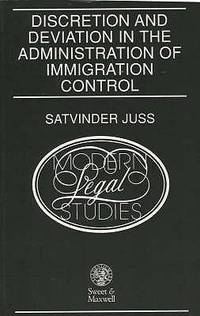
19978625713Sweet & Maxwell 1997. This is an ex-library book and may have the usual library/used-book markings inside.This book has soft covers. In good all round condition. Please note the Image in this listing is a stock photo and may not match the covers of the actual item400grams ISBN:9780421618305 Sweet & Maxwell paperback
166425685Köln, Johann Busäus, 1664. 4°. Mit Holzschn.-Titelvignette u. einigen Holzschn.-Initialen. 4 Bll., 299 (1) S., 24 Bll., Pgmt. d. Zt. m. durchzogenen Bünden u. handschriftl. Rückentitel.
1942175503Lea & Febiger 1942. First Edition. Hardcover. Very Good. First Edition First Printing. Published by Lea & Febiger 1942. Octavo. Book is very good with previous owner name and date on first blank page. An excellent copy of this 20th century book with many illustrations and plates. 100% positive feedback. 30 day money back guarantee. NEXT DAY SHIPPING! Excellent customer service. All books packed carefully and ship with free delivery confirmation/tracking. All books come with free bookmarks. Ships from Sag Harbor New York. Lea & Febiger hardcover
1904R48967Bruxellis et Rolarii Flandrorum, J.de Meester 1904 82pp., text in latin, original softcover, 21cm., "altera editio auctior et accuratior", good condition, R48967
2009ASAP-9789355940926Concept Publishing Company Pvt. Ltd. 2009. New. Concept Publishing Company Pvt. Ltd. unknown
1847Q1799<p>Vol VII No 10 11 12. Vol. VIII Nos. 1 2 3 4 5 6 7 8 9 11 12 skipping no. 10. Title page for Volume VIII with 2p index. Half leather with marbled boards quarto. Heavy wear to extremities with chipping to leather along the spine corners rounded. Persistent but largely unobtrusive dampstaining and foxing. Pencil signature of Seymour Green Osceola Co. with a bonus pencil portrait on the rear endpaper.</p><p>An interesting capsule offering insight into the topics and debates surrounding what and how to teach and the role of education for American children with frequent comparison to the school systems of European nations. It also addresses women's education and actions in the Southern States. Index includes: "Queen's English" "Young Men what have they done" "Teachers one thing at a time" "Odds and Ends by two" "Cholera" and "Dull Boys." The first issue in the volume Jan 1847 reprints the State Constitution of New York adopted Nov 3 1846. Copious advertisements for school books and teaching aids.</p> From the steam press of C. Van Benthuysem
198752106Osnabrück: Munin Vlg. 1987. 288 S. mit s/w Abb. 4° Kart.mS.
1967248100Osnabrück, Munin Verlag, 1967.