TALISMAN BUDDHIST SCROLLSBiblio.com
98 résultats
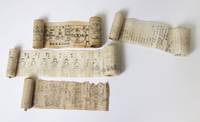
9814Of various heights & lengths ranging from 48 to 80 mm. in height & 4000 to 10500 mm. in length all in very good condition some with silk front endpapers four with orig. core rollers. Japan: mid- to late Edo.<br /> <br> <br> <br /> Ten very rare examples of kokonoe no mamori good luck talismans printed in the form of extremely long and narrow scrolls; because of their ephemeral nature they are rare today. These talisman scrolls were not really meant to be unrolled and studied; instead they were intended to be tightly rolled and kept in a small pouch close to the chest for good luck.<br /> <br> <br> “Such narrow but extremely long handscrolls veritable encyclopedias of Buddhist iconography received the name kokonoe no mamori amulet in nine layers during the Edo period because they begin with a red seal but not always there are many without; we have two with the red seal in the shape of a cauldron containing characters that can be read kokonoe no mamori. All the scrolls start with an image but not always there are many without of Ususama Myoo S: Ucchushma the king who has the power to burn away impurity and evil which is followed by powerful magical syllables J: shingon S: mantra various ‘seed’ mandalas in Sanskrit and sutras in Chinese. Next Buddhist deities including Esoteric icons are depicted along the length of the handscroll; buddhas bodhisattvas the four guardian kings the five great kings of light Yakushi Buddha with sixteen protectors and a thousand-armed Kannon S: Sahasrabhuja with twenty-eight attendants. Many cosmological deities are included: the nine luminaries and Taizanfusei related to the Big Dipper. Such popularized Esoteric icons as Shoten S: Nandikeshvara Dakiniten S: Dakini Idaten S: Skanda Gozu Tenno and Tawara Daikokuten S: Mahakala are also shown. The last section of the scroll contains a series of dharani sutras in Sanskrit magical formulas of knowledge that are composed of syllables with symbolic content…<br /> <br> <br> “Two types of kokonoe no mamori became popular in the Edo period as talismans for journeys and pilgrimages and as a part of the wedding trousseau. One type has at the end of the scroll a portrait of Kukai the founder of Shingon Esoteric Buddhism while the other portrays Saicho the founder of Tendai Esoteric Buddhism.â€â€“Masako Watanabe The Written Image. Japanese Calligraphy and Painting from the Sylvan Barnet and William Burto Collection item 22 pp. 86-88.<br /> <br> <br> As noted these scrolls are in very good to excellent condition. A few have some wear at the beginning. Two of the scrolls are in their original wooden boxes and all of the scrolls are preserved in a modern wooden box. unknown
184366732Wien, Joh. Bapt. Wallishausser, 1843. 8°. Mit einem kolor. Frontispiz. 148 S., Späterer Ldr.-Bd. m. Rückenverg. u. goldgepr. Rückenschild.
Abundant black and white illustrations and reproductions of photos. Features: Retribution - how a worthless son was punished on a ship circa 1902; My Experiences in Uganda - Mrs. Hubert G. Knight describes housekeeping in the heart of Africa where she also accompanied her husband on hunting trips to wild parts of Uganda; The Lost "Luck" - an important family talisman is lost and finally recovered in White Russia; Down the Amazon from Source to Mouth - Part III - J. Campbell Besley continue their dangerous journey, with interesting photos; Pat Ryan's Eldorado - L.W.A. MacArthur, F.G.S., recounts how a gang of rogues imposed upon a credulous Irish farmer; The Wonder-Lake of Trinidad - Pitch Lake - a seemingly bottomless lake of asphalt - article with photos; A Tough Ten Minutes - un uncommonly nasty predicament in River Falls, Wisconsin in 1902 involving Harry Owen; A Pressed Man - an amusing story of the early days of the Australian Light Horse; In Search of Adventure - Part V - the story of a chequered cruise, including photo of ocean graveyard Middleton Reef and 2,000 tons of coal burned by the French to prevent their capture by the Germans; The Fishermen's Republic - a photo-illustrated visit to the tiny Republic of Noli, founded before Rome; "Ways That Are Dark" - Former Straits Settlements public official J.R. Innes describes the cunning and audacity of the Chinese criminal; Photo of a large "Kelek", a raft of inflated goatskins, on the Euphrates; Photo of members of the I.W.W. being water-cannoned in San Diego; and more. pp. 8 [ads], 99-190, 10-32 [ads]. Clean and unmarked with moderate wear. A sound vintage copy. Book
Pages 397-424. Features: (Now) extremely politically incorrect "loose lips sink ships" poster with illustration of African with massively protruding lips is held by young lady as she stands in a gaping hole blasted in the side of U.S. freighter "Absaroka"; Photo of Rear-Admiral P.L. Vian; Photo of Italian battleship "Littorio"; Illustrations of brillian Mediterranean action - the Malta convoy gets through; Photos and maps of the daring attack on St. Nazaire's big dry dock; Four great aerial photos of R.A.F. daylight raids on Le Trait and Le Havre; Photos of numerous people in the news, including General Chiang Kai-Shek and his wife, Captain Guy Dollman, plus the H.M.S. "Trident" which torpedoed the "Prinz Eugen"; Three pages of illustrations of underground war factories where workers labour and live; Armoured Warfare Today - article with photo of British Mark IV.A cruiser tank and the tank transporter truck it can drive onto; One page of photos of specialied aircraft for warfare; Photo of Lord and Lady Elton and son Rodney with dogs at their home; Air photos of R.A.F. bomb damage evidence in Cologne; Elaborate centerfold illustration of a Japanese landing force, supported by warships and airplanes - typical of many since war opened in the Far East; H.M. Submarine "Talisman" flys her own Jolly Roger, as does submarine "Utmost"; Photos of mascots "Butch, M.C." and "Bacchus"; Photo of Russia's Maisky presenting 'Order of Lenin' to R.A.F. fighter pilots, including Wing Commander Ramsbottom Isherwood; Photos of human guinea pigs being used to find an antidote for mustard gas; One-page admiralty chart of Australia's Outer Bastion - Port Moresby and Environs; Photos of clothing and furniture provided to those who've been bombed out; Photos of British Soldiers "Toughening Up" at an "Assault School"; Two pages of great illustrations explaining the deadliest weapon in naval warfare, the torpedo, and its intricate mechanism and modus operandi of firing; Photos of Pigmy Aborigines of the Andaman Isles; Four nice photos of the Andaman Islands which have now been seized by Japan; Five photos of Malta, the most-bombed isle in the British Empire; vintage ads. This issue was never stapled. Contents clean and unmarked with moderate wear. A worthy copy of this great wartime issue. Book
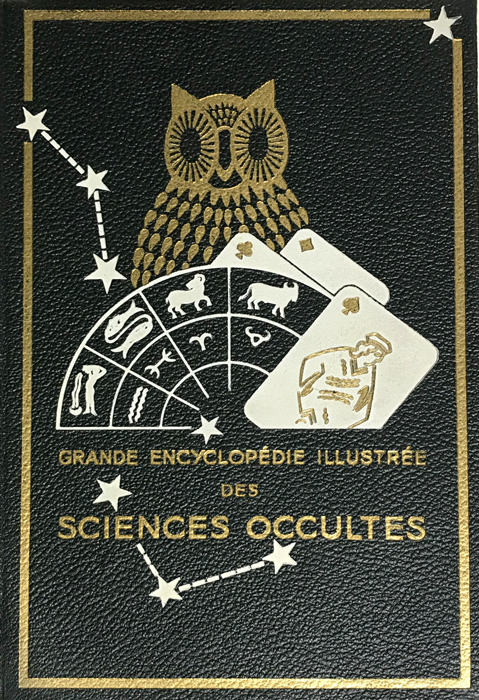
19521071Paris, Editorial Argentor, 1952, deux forts volumes in-8, plein cartonnage décoré d’éditeur ; XXIV-624 pages, 12 planches hors-texte ; 522 pages, 15 planches hors-texte, très nombreuses photographies et figures.
Numerosi reperti egizi: bassorilievi, vasi, amuleti, maschere e una tunica. Tavola incisa all’acquaforte su lastra di rame, inserita nella monumentale opera Description de l’Egypte, II° edizione dal 1820-29 voluta da Luigi XVIII, importante risultato culturale dell’occupazione francese in Egitto per il periodo che va dal 1798 al 1801. Bonaparte decise di invadere queste terre per controllare le vie commerciali verso l’india ed assestare in questo modo un duro colpo all’economia britannica. Durante questa operazione, il Nostro favorì l’attività di numerosi artisti, ingegneri, matematici e naturalisti per registrare e catalogare con estrema precisione le costruzioni e i monumenti egiziani nonché la flora e la fauna. Il risultato di questo immane sforzo, che per la pubblicazione coinvolse quasi duemila tra artisti e tecnici oltre a quattrocento incisori, fu l’opera "Description de l’Egypte, ou recueil des observations et des recherches qui ont été faites en Egypte pendant l’expédition de l’armée française", che offre una globale visione scientifica dell’antico e moderno Egitto, nonché la sua storia naturale. La Description ebbe grande influenza sul movimento orientalista pittorico dell’ottocento e diede un contributo fondamentale alla diffusione dell’Egittologia. Numerosi edifici rappresentati in queste tavole sono stati completamente distrutti nel tempo
Circa 1983. 152 pages plus 5 pages of advertisements and local postal memorabilia. Includes six pages of information copied from the records of the Amulet Cemetery. A point-form diary of local history from 1935 through 1982. Book
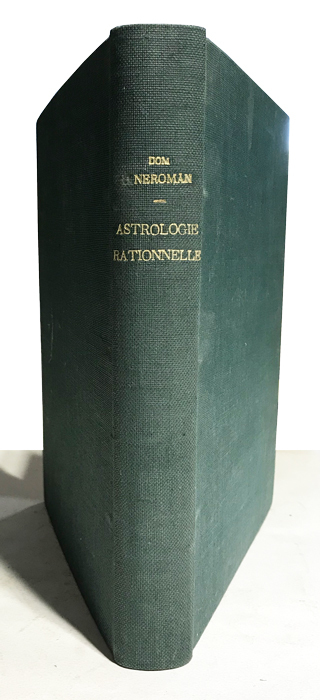
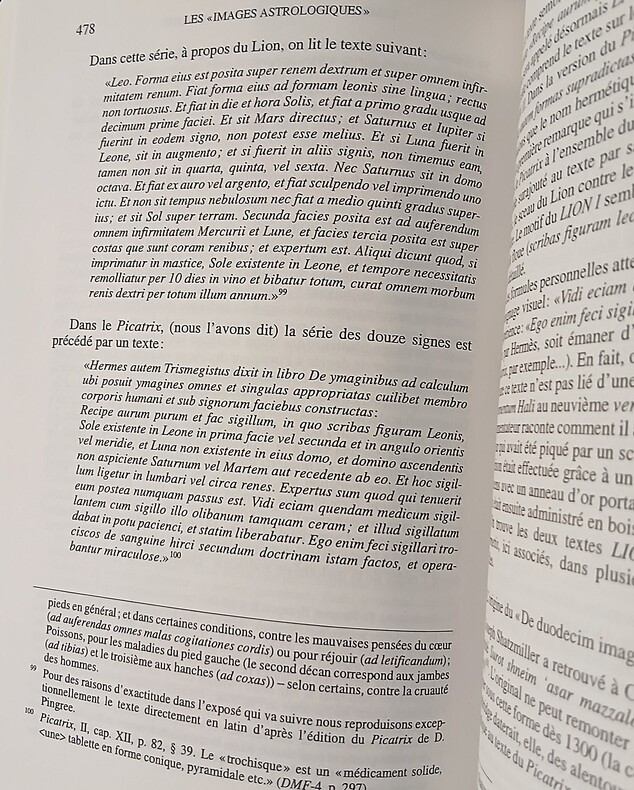
19431074Paris, Editions Sous le Ciel, 1943 ; in-4 ; pleine toile vert-empire, dos lisse, titre doré, premier plat conservé (reliure de l'époque) ; 543 pp. (texte imprimé sur deux colonnes), 2 planches hors-texte en couleurs, 183 figures et 42 tableaux.
Stories: The Nazco Patrol; North for Timber; The Keeper's Tale; The Editor's Post Bag; The Hunting Down of Sultana; Three Dogs; The Grey Shark; Blackmailing a Railway; The Grey Shark; The Blue Grass Amulet; New Zealand Hermits; Missing; The Blue Glass Amulet; Indian Jugglers; Major the Outlaw. Somewhat above-average wear. Book
Numerosi tipi di amuleti, figure e vasi egizi. Tavola incisa all’acquaforte su lastra di rame, inserita nella monumentale opera Description de l’Egypte, II° edizione dal 1820-29 voluta da Luigi XVIII, importante risultato culturale dell’occupazione francese in Egitto per il periodo che va dal 1798 al 1801. Bonaparte decise di invadere queste terre per controllare le vie commerciali verso l’india ed assestare in questo modo un duro colpo all’economia britannica. Durante questa operazione, il Nostro favorì l’attività di numerosi artisti, ingegneri, matematici e naturalisti per registrare e catalogare con estrema precisione le costruzioni e i monumenti egiziani nonché la flora e la fauna. Il risultato di questo immane sforzo, che per la pubblicazione coinvolse quasi duemila tra artisti e tecnici oltre a quattrocento incisori, fu l’opera "Description de l’Egypte, ou recueil des observations et des recherches qui ont été faites en Egypte pendant l’expédition de l’armée française", che offre una globale visione scientifica dell’antico e moderno Egitto, nonché la sua storia naturale. La Description ebbe grande influenza sul movimento orientalista pittorico dell’ottocento e diede un contributo fondamentale alla diffusione dell’Egittologia. Numerosi edifici rappresentati in queste tavole sono stati completamente distrutti nel tempo
Numerosi tipi di amuleti e figure egizie. Tavola incisa all’acquaforte su lastra di rame, inserita nella monumentale opera Description de l’Egypte, II° edizione dal 1820-29 voluta da Luigi XVIII, importante risultato culturale dell’occupazione francese in Egitto per il periodo che va dal 1798 al 1801. Bonaparte decise di invadere queste terre per controllare le vie commerciali verso l’india ed assestare in questo modo un duro colpo all’economia britannica. Durante questa operazione, il Nostro favorì l’attività di numerosi artisti, ingegneri, matematici e naturalisti per registrare e catalogare con estrema precisione le costruzioni e i monumenti egiziani nonché la flora e la fauna. Il risultato di questo immane sforzo, che per la pubblicazione coinvolse quasi duemila tra artisti e tecnici oltre a quattrocento incisori, fu l’opera "Description de l’Egypte, ou recueil des observations et des recherches qui ont été faites en Egypte pendant l’expédition de l’armée française", che offre una globale visione scientifica dell’antico e moderno Egitto, nonché la sua storia naturale. La Description ebbe grande influenza sul movimento orientalista pittorico dell’ottocento e diede un contributo fondamentale alla diffusione dell’Egittologia. Numerosi edifici rappresentati in queste tavole sono stati completamente distrutti nel tempo
14 pages. Circa 1900? NIcely colour-illustrated front cover. Few markings. Above-average wear and soiling. A sound copy. Sheet music
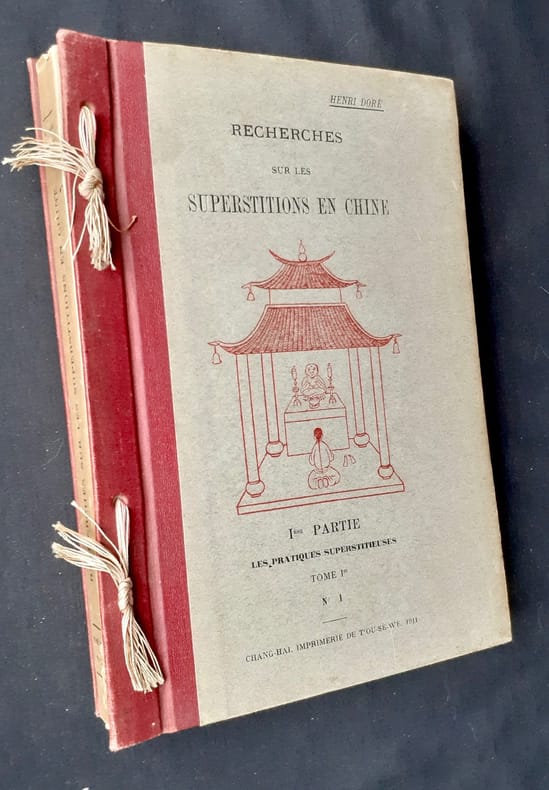
47250Chang-Hai : Imprimerie de la Mission catholique, 1911. Un volume sous couvertures cartonnées, relié à la chinoise au moyen de cordelettes, 146 pages illustrées de 65 planches hors texte en couleurs et des figures dans le texte. Exemplaire en bon état.
1885100146501G. Masson Éditeur 1885 in8. 1885. Relié. Cet ouvrage de Henri Filhol relate les expéditions sous-marines menées par les navires "Travailleur" et "Talisman" documentant la vie marine des grands fonds et l'importance scientifique de ces explorations pour comprendre l'origine de la vie. Il s'agit d'un texte patrimonial du 19ème siècle (1885) faisant partie d'une collection de conservation
Features: The Mac - Chicago to Mackinac Island Race; Blue Horizon; Diavolo; Blitzen; American Eagle; Dora; Comanche; Endurance; Bay Bea; Goblin; Jenny Too; Talisman; Pearson Entry a stand-out in year of the 30-footer; The Compleat Cruiser - Allied's Mistress 39; Nicholson 55 made to varied cruising and racing tastes; Sirensong - an exquisite new fiberglass racer; Two by Tripp; The Ensenada Parade - Beauty on the Water; 5.05 Meters of super planing sailboat - the 5-0-5; and more. Clean and unmarked with moderate wear. A quality copy. Magazine
20023051À Paris, Éditions Honoré Champion, 2002.
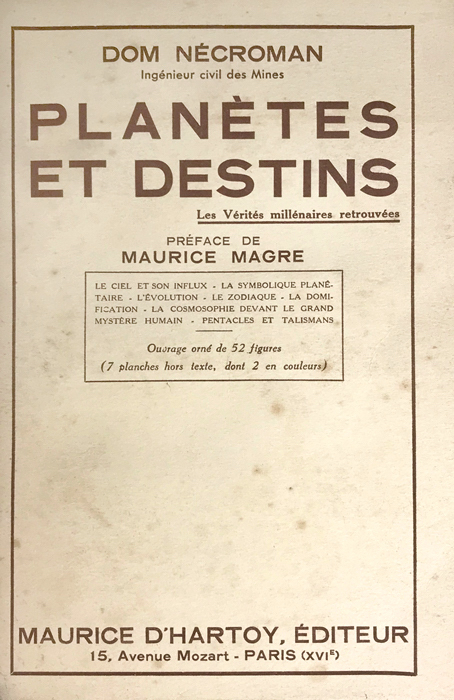
19331070Paris, Maurice d’Hartoy, 1933 ; in-8, broché ; 295 pp., 7 planches hors-texte dépliantes (dont 2 en couleurs).
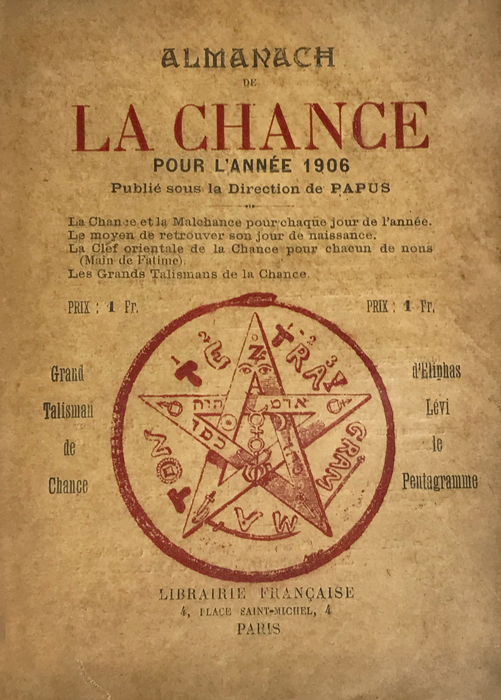
19063510Paris, Librairie Française, 1906 ; in-12, broché ; 63 pp. et couverture illustrée en rouge et noir.
200717198San Francisco: The Book Club of California 2007 One of 350 copies. This is book number 222 of the Book Club of California. Quarto. With eight photographs and illustrations from the author's collection. Designed by Jack W. Stauffacher of the Greenwood Press of San Francisco. Computer layout by Kina Sullivan. Set in Cycles type designed by Summer Stone. Printed by Hatcher Press on Finch Vellum #70 paper under the supervision of Susan Schaefer. Bound by the Roswell Book Bindery. Green cloth boards titled in gilt. Prospectus laid in. A fine copy in the plain white dustjacket. The Book Club of California hardcover
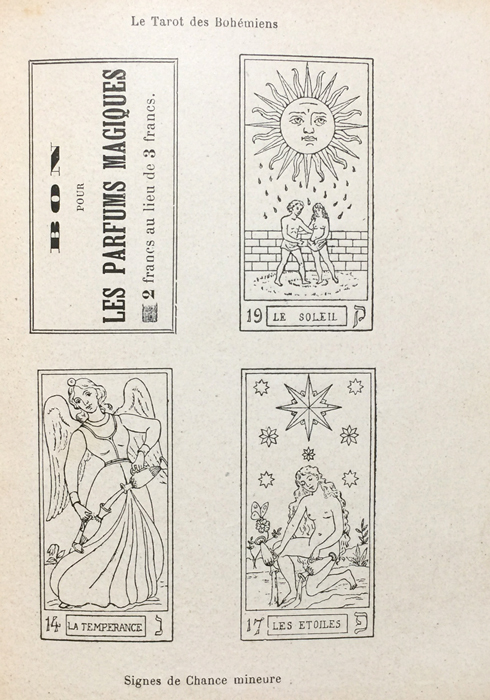
19053598Paris, Librairie Française (Baugé, Maine et Loire, Imp. Dangin) ; in-12 carré, broché ; 64 pp. et 6 planches hors-texte de reproduction du Tarot des Bohémiens, nombreuses illustrations, couverture illustrée.
13971793Madrid: Consejo superior de investigaciones cientificas, Instituto de estudios africanos, 1949 in-8, 142 pages, 6 planches hors texte, 14 figures dans le texte, 11 planches de tatouages. Broché, couverture illustrée, bon état.
19255205Paris, Cité des Livres (Abbeville, F. Paillart), 1925, collection balzacienne N°1 ; in-12, broché ; (2) ff. blancs, 22, (2) pp., (2) ff. blancs, couverture rempliée lie-de-vin.
Amuleti a forma di scarabeo e diverse figure in terracotta, argento ed ematite. Tavola incisa all’acquaforte su lastra di rame, inserita nella monumentale opera Description de l’Egypte, II° edizione dal 1820-29 voluta da Luigi XVIII, importante risultato culturale dell’occupazione francese in Egitto per il periodo che va dal 1798 al 1801. Bonaparte decise di invadere queste terre per controllare le vie commerciali verso l’india ed assestare in questo modo un duro colpo all’economia britannica. Durante questa operazione, il Nostro favorì l’attività di numerosi artisti, ingegneri, matematici e naturalisti per registrare e catalogare con estrema precisione le costruzioni e i monumenti egiziani nonché la flora e la fauna. Il risultato di questo immane sforzo, che per la pubblicazione coinvolse quasi duemila tra artisti e tecnici oltre a quattrocento incisori, fu l’opera "Description de l’Egypte, ou recueil des observations et des recherches qui ont été faites en Egypte pendant l’expédition de l’armée française", che offre una globale visione scientifica dell’antico e moderno Egitto, nonché la sua storia naturale. La Description ebbe grande influenza sul movimento orientalista pittorico dell’ottocento e diede un contributo fondamentale alla diffusione dell’Egittologia. Numerosi edifici rappresentati in queste tavole sono stati completamente distrutti nel tempo
Diversi amuleti e oggetti in terracotta, steatite, bronzo e giada. Tavola incisa all’acquaforte su lastra di rame, inserita nella monumentale opera Description de l’Egypte, II° edizione dal 1820-29 voluta da Luigi XVIII, importante risultato culturale dell’occupazione francese in Egitto per il periodo che va dal 1798 al 1801. Bonaparte decise di invadere queste terre per controllare le vie commerciali verso l’india ed assestare in questo modo un duro colpo all’economia britannica. Durante questa operazione, il Nostro favorì l’attività di numerosi artisti, ingegneri, matematici e naturalisti per registrare e catalogare con estrema precisione le costruzioni e i monumenti egiziani nonché la flora e la fauna. Il risultato di questo immane sforzo, che per la pubblicazione coinvolse quasi duemila tra artisti e tecnici oltre a quattrocento incisori, fu l’opera "Description de l’Egypte, ou recueil des observations et des recherches qui ont été faites en Egypte pendant l’expédition de l’armée française", che offre una globale visione scientifica dell’antico e moderno Egitto, nonché la sua storia naturale. La Description ebbe grande influenza sul movimento orientalista pittorico dell’ottocento e diede un contributo fondamentale alla diffusione dell’Egittologia. Numerosi edifici rappresentati in queste tavole sono stati completamente distrutti nel tempo
198812949Rio de Janeiro, FUNARTE, 1988. Broschiert, 8°, 167 S., zahlreiche s/w Abbildungen; -wenig gebräunt, gutes Exemplar/ soft board, 8vo, 167 pp, numerous b/w illustrations; -very good copy.