4 386 résultats
23333Sotheby & Co, London, 1969
Reliure de l'éditeur. 246 pages.
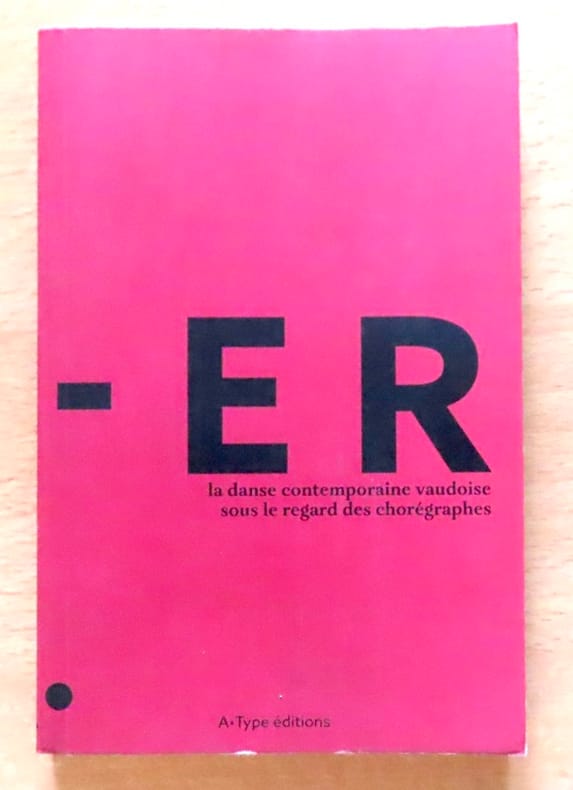
201625840A-Type éditions, 2016. In-12 broché, couverture imprimée. Petite marque au premier plat.
189723395Paris Noble 1897 In-8 303 pp, manque de papier en coiffe sur 3 cm en tête et papier de couverture avec manque en quatrième de couv.
cROU-1639Paris, H.Noble,1897 ;1 volume grand in-8°, broché, couverture beige imprimée en noir et rouge; IVpp., 302pp., 1f.nch.; illustré de gravures dans le texte et à pleine page en noir.
1955RO80148666CERCLE D'ART. 22 déc. 1955. In-4. Cartonné. Etat d'usage, Couv. convenable, Dos satisfaisant, Intérieur frais. Environ 100 / 125 pages. Nombreuses photos en noir et blanc et quelques-unes en couleurs, en planches et dans le texte. Couverture contre-pliée.. . . . Classification Dewey : 793.3-Danse
1429édition cercle d art 1955 in 4 broché 21 pages et tres nombreuses photographies hors texte
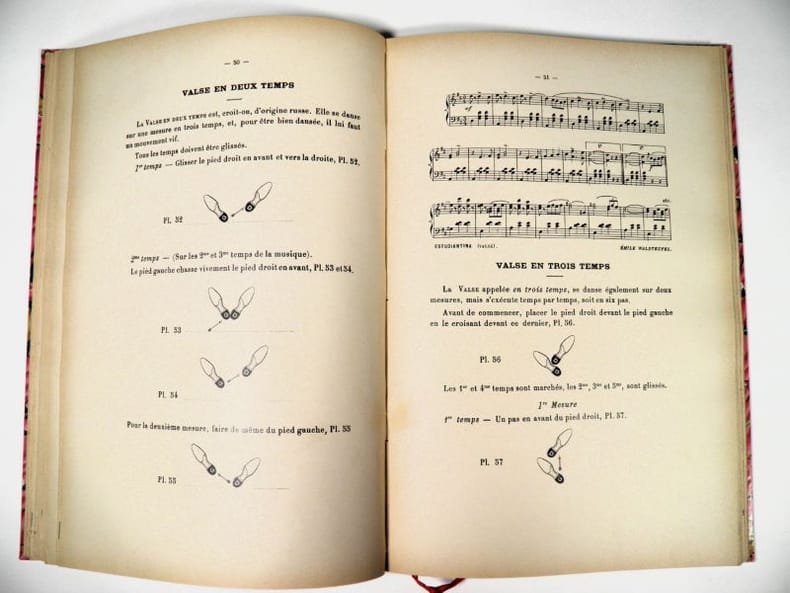
2390Paris, Enoch & Cie, Flammarion, sans date (circa 1896). In-4 – 20,5 x 30 cm. Reliure postérieure à la bradel en demi-toile ocre, pièce de titre en chagrin havane, couvertures en couleurs conservées. 112pp. Edition originale (mention fictive de deuxième édition d’après Derra de Moroda, 2373). Ouvrage orné de 21 planches en couleurs par H. Gray, comprises dans la pagination, et de 121 figures dans le texte donnant les positions des pieds.Provenance : en fin d’ouvrage, ex-libris Gilberte Counant, Librairie – Galerie « La Danse ».
10331Cleveland/New York, World Publishing 1951, 240x160mm, 288pages, frontispice Martha Graham, firts ed. cloth binding, gilt-title in back, dust jacket.
1950R300325817Jacques Vautran. 1950. In-8. Broché. Etat d'usage, Couv. légèrement passée, Dos satisfaisant, Papier jauni. 190 pages - nombreuses illustrations en noir et blanc et monochromes hors texte.. . . . Classification Dewey : 793.3-Danse
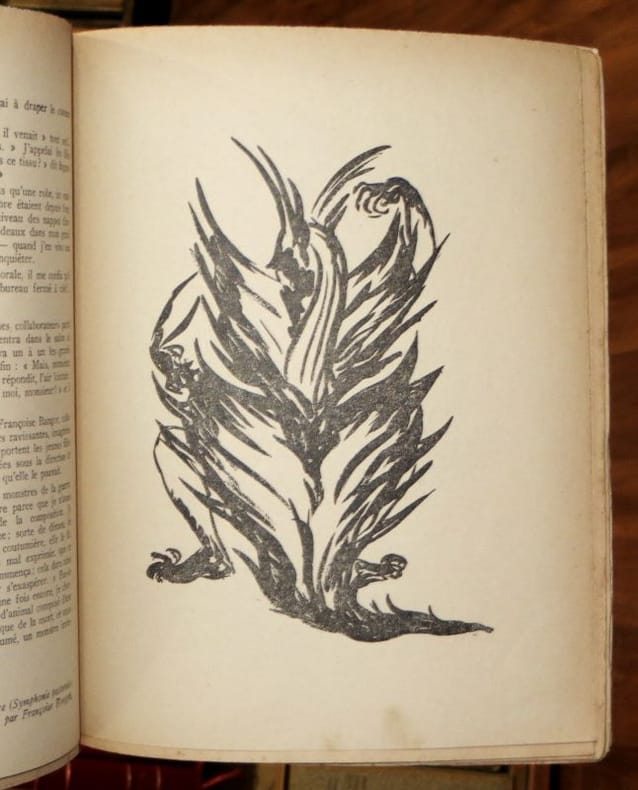
1950186271950 Paris, éditions Jacques Vautrain, 1950. Introduction de Jérôme Bouxviller. Grand in-8 broché de 190 pp., orné de dont 20 sanguines et fusains de G. Vallon hors texte, de 2 dessins de "monstres" Françoise Bangor et de nombreux croquis de positions et mouvements en pleine page. Musique notée. Couverture illustrée. Couverture légèrement usagée. Intérieur en très bon état. Papier de l'époque, uniformément jauni.
2018500039711SOLAR 2018 192 pages 23 37x27 69x1 52cm. 2018. Broché. 192 pages.
2018500039719SOLAR 2018 192 pages 23 37x27 69x1 52cm. 2018. Broché. 192 pages.
- Editions Francis Salabert, Paris 1913, 27,6x35,3cm, une feuille rempliée et une libre. - Edition originale de cette partition pour piano, premier plat illustré en couleurs pas Léon Pousthomis. Agréable exemplaire. [ENGLISH DESCRIPTION ON DEMAND]
198435495Alfred A. Knopf New-york 1984 Cartonné. Jaquette en bon état. Très bon état d’occasion.
2003500249301Editions L'Express 2003 1x18x11cm. 2003. mass_market.
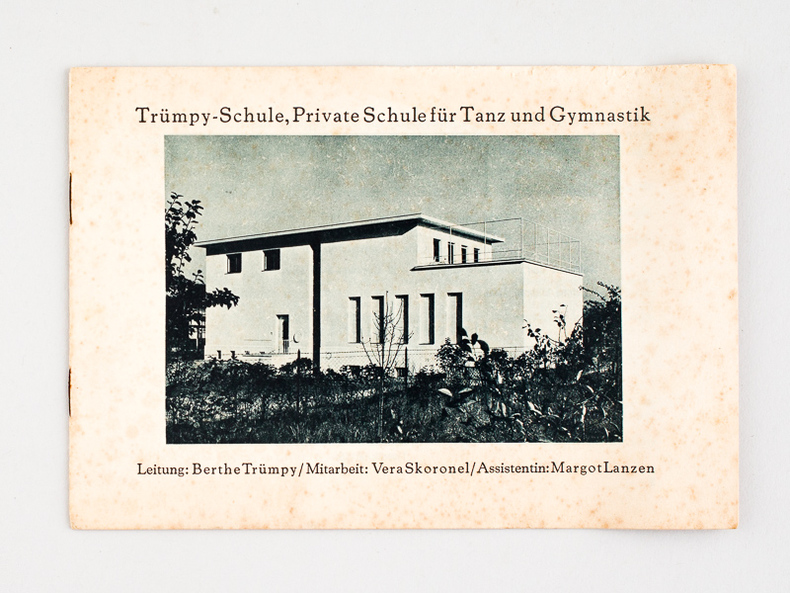
Trümpy-Schule, Private Schule für Tanz und Gymnastik, Leitung : Berthe Trümpy, Mitarbeit :Vera Skoronel, Assistentin : Margot Lanzen, 1 brochure in-8 oblong, Tiefdrück Ant. Kämpfe, Jena, s.d. [circa 1926-1931 ], 8 pp. [We join : ] Dante göttliche Komödie Ubertragungen von Stefan George [ Signed by Vera Skoronel : "Ich wünsche Ihnen alles, alles Gute, Vera Skoronel, 1 Feb 1931" ], Dritte Auflage, 1 vol. in-8 reliure pleine toile éditeur, Georg Bondi, Berlin, 1922 Scarce copy of this booklet, explaining at the beginning that Vera Skoronel "war Meisterschülerin von Mary Wigman". We join a book (translation from Dante by Stefan George) signed by Vera Skoronel, who died one year later ! This set comes from the Raden Mas Jodjana's library (a famous javanese dancer on this time). Fair (booklet rubbed with small lack, otherwise a good set). Allemand
192657808Trümpy-Schule, Private Schule für Tanz und Gymnastik, Leitung : Berthe Trümpy, Mitarbeit :Vera Skoronel, Assistentin : Margot Lanzen, 1 brochure in-8 oblong, Tiefdrück Ant. Kämpfe, Jena, s.d. [circa 1926-1931 ], 8 pp. [We join : ] Dante göttliche Komödie Ubertragungen von Stefan George [ Signed by Vera Skoronel : "Ich wünsche Ihnen alles, alles Gute, Vera Skoronel, 1 Feb 1931" ], Dritte Auflage, 1 vol. in-8 reliure pleine toile éditeur, Georg Bondi, Berlin, 1922
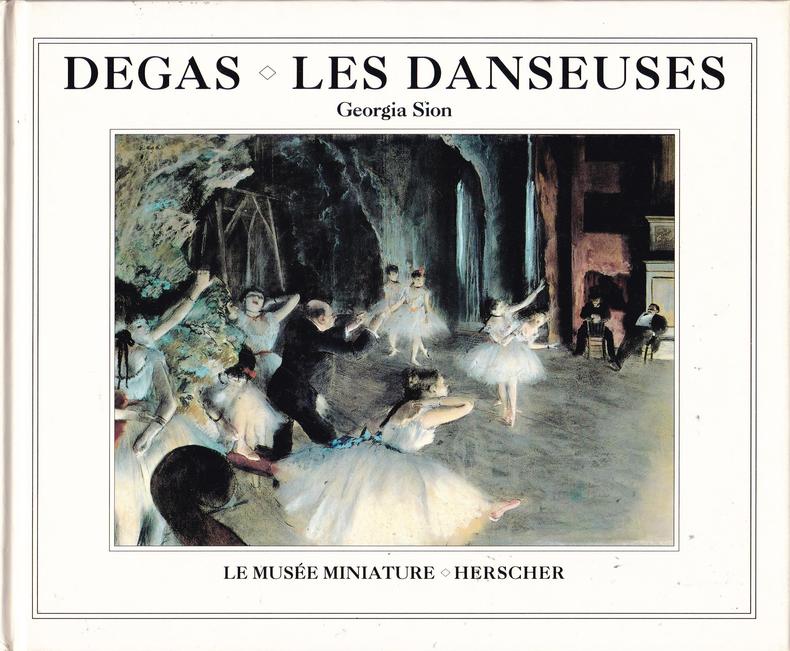
1993MSIODEG1Sl Herscher 1993 In-8 allongé (19x22.5 cm), cartonnage éditeur illustrée, reproductions des tableaux de degas en pleine page, 62 pp.
- Boston s.d. (1920), 12,9x16,6cm, 3 pages sur 1 feuillet remplié. - Autograph letter signed by the American impressionist painter Boston | 12,9 x 16,6 cm 3 pages on one folded leaf Fine autograph letter signed by John Singer Sargent addressed to avant-garde singer Eva Gauthier after their first encounter, enthusiastically sharing his love of Javanese art. A folded sheet on Copley-Plaza Boston stationery, 30 lines on 3 pages. The painter made two charcoal portraits of the singer which "will even become, in the minds of the public, a part of her identity" (Normand Cazelais, Eva Gauthier, la voix de l'audace) widely used by the artist for her concert programmes, and now kept at the New York Public Library and the National Portrait Gallery in Washington. A keen music lover, Sargent was known to interrupt his sessions when working on a portrait of a composer, singer, or musician to rush to the piano and play a few bars. The recipient of the letter Eva Gauthier was considered the "High Priestess of Modern Song" by the Boston Herald. She began her career as an opera singer in Canada and London before moving to Java from 1910 and became the first Western woman to bring Javanese and Malay music into her repertoire. She was also one of the few female singers to bring Western classical music to China, Japan, Singapore, and Malaysia. Tremendously eclectic, she introduced the music of Stravinsky and Gershwin as well as works from the contemporary avant-garde, notably members of the Groupe des Six whom she met in 1920. Sargent had also immersed himself in Java's music and visual culture which inspired him one of his most notable orientalist achievements: the series of Javanese dancers discovered at the Paris Exposition Universelle in 1889. "A renowned painter, John Singer Sargent, who shared her table at a banquet, takes great pleasure in hearing her recount her years in Java" (Normand Cazelais, Eva Gauthier, la voix de l'audace). Following one of these passionate conversations between Sargent and Gauthier, probably around 1919 or 1920, the painter writes her this letter: "it must be about two days since I sent you that javanese music that I had spoken to you about". Fascinated by the rhythmic music of the gamelan to which his models danced, he sent her a recording and a letter of recommendation to a family in London. Beautiful account of the painter and singer's common passion for Javanese culture which inspired Sargent one of his most beautiful series of paintings (Javanese dancer studies, 1889) and whose music was interpreted for the first time in the West by Eva Gauthier. [FRENCH VERSION FOLLOWS] Belle lettre autographe signée du peintre John Singer Sargent adressée à Eva Gauthier. Un feuillet remplié à entête du Copley-Plaza à Boston, 30 lignes sur 3 pages. John Singer Sargent et Eva Gauthier partagent leur amour de la musique javanaise. Le peintre réalisa deux portraits au fusain de la chanteuse qui « deviendront même, dans l'esprit du public, une part de son identité » (Normand Cazelais, Eva Gauthier, la voix de l'audace), aujourd'hui conservés à la New York Public Library et à la National Portrait Gallery de Washington. Sargent, passionné de musique, était connu pour interrompre ses sessions lorsqu'il travaillait sur le portrait d'un compositeur, d'un chanteur ou d'un musicien, pour se précipiter au piano et jouer quelques mesures. La destinataire de la lettre, Eva Gauthier, fut considérée comme la "Grande prêtresse de la chanson moderne" par le Boston Herald. Elle débuta sa carrière de chanteuse lyrique au Canada et à Londres avant de se rendre à Java à partir de 1910 et devint la première femme occidentale à intégrer la musique javanaise et malaise à son répertoire. Elle fut également une des rares cantatrices à faire entendre la musique classique occidentale en Chine, au Japon, à Singapour et en Malaisie. Formidablement éclectique, elle fera connaître la musique de Stravinsky et de Gershwin ainsi que des uvr
162525551625 16X25, 264 pages, pleine reliure toile avec jaquette, très bon état, couverture couleurs de protection à rabats, avec 22 planches de photographies noir et blanc, version anglaise -
- Lucien Vogel éditeur, Paris 1920, 18x24cm, une feuille. - Original color print, printed on vergé paper, non signed. An original print used to illustrate the Gazette du bon ton, one of the most attractive and influential 20th century fashion magazines, featuring the talents of French artists and other contributors from the burgeoning Art Deco movement. A celebrated fashion magazine established in 1912 by Lucien Vogel, La Gazette du bon ton appeared until 1925, with a hiatus from 1915 to 1920 due to the war (the editor-in-chief having been called up for service). It consisted of 69 issues printed in only 2,000 copies each and notably illustrated with 573 color plates and 148 sketches of the models of the great designers. Right from the start, this sumptuous publication "was aimed at bibliophiles and fashionable society," (Françoise Tétart-Vittu, "La Gazette du bon ton", in Dictionnaire de la mode, 2016) and was printed on fine vergé paper using a type cut specially for the magazine by Georges Peignot, known as Cochin, later used (in 1946) by Christian Dior. The prints were made using stencils, heightened in colors, some highlighted in gold or palladium. The story began in 1912, when Lucien Vogel, a man of the world involved in fashion (he had already been part of the fashion magazine Femina) decided, with his wife Cosette de Brunhoff - the sister of Jean, creator of Babar - to set up the Gazette du bon ton, subtitled at the time: "Art, fashion, frivolities." Georges Charensol noted the reasoning of the editor-in-chief: "'In 1910,' he observed, 'there was no really artistic fashion magazine, nothing representative of the spirit of the time. My dream was therefore to make a luxury magazine with truly modern artists...I was assured of success, because when it comes to fashion, no country on earth can compete with France.'" ("Un grand éditeur d'art. Lucien Vogel" in Les Nouvelles littéraires, no. 133, May 1925). The magazine was immediately successful, not only in France but also in the United States and Latin America. At first, Vogel put together a team of seven artists: André-Édouard Marty and Pierre Brissaud, followed by Georges Lepape and Dammicourt, as well as eventually his friends from school and the School of Fine Arts, like George Barbier, Bernard Boutet de Monvel and Charles Martin. Other talented people soon came flocking to join the team: Guy Arnoux, Léon Bakst, Benito, Boutet de Monvel, Umberto Brunelleschi, Chas Laborde, Jean-Gabriel Domergue, Raoul Dufy, Édouard Halouze, Alexandre Iacovleff, Jean Émile Laboureur, Charles Loupot, Chalres Martin, Maggie Salcedo. These artist, mostly unknown when Lucien Vogel sought them out, later became emblematic and sought-after artistic figures. It was also they who worked on the advertising drawings for the Gazette. The plates put the spotlight on, and celebrate, dresses by seven designers of the age: Lanvin, Doeuillet, Paquin, Poiret, Worth, Vionnet and Doucet. The designers provided exclusive models for each issue. Nonetheless, some of the illustrations are not based on real models, but simply on the illustrator's conception of the fashion of the day. The Gazette du bon ton was an important step in the history of fashion. Combining aesthetic demands with the physical whole, it brought together - for the first time - the great talents of the artistic, literary, and fashion worlds; and imposed, through this alchemy, a completely new image of women: slender, independent and daring, which was shared by the new generation of designers, including Coco Chanel, Jean Patou, Marcel Rochas, and so on... Taken over in 1920 by Condé Montrose Nast, the Gazette du bon ton was an important influence on the new layout and aesthetics of that "little dying paper" that Nast had bought a few years earlier: Vogue. [FRENCH VERSION FOLLOWS] Estampe originale en couleur, tirée sur papier vergé, non-signée. Gravure originale réalisée pour l'illustration de La Gazette du bon ton, l'un
500322744Éditions de La Martinière Sans date.
- Editions Francis Salabert, Paris 1923, 27,2x35,3cm, une feuille rempliée. - Edition originale de cette partition chant et piano illustrée sur le premier plat en couleurs par Roger de Valerio. Très bel exemplaire. [ENGLISH DESCRIPTION ON DEMAND]
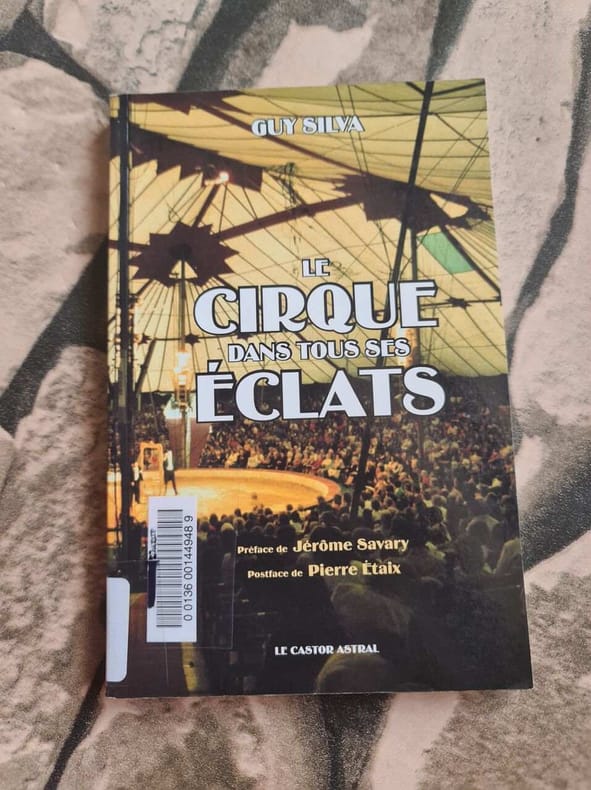
2003500126245CASTOR ASTRAL 2003 160 pages 14x1 2x21 4cm. 2003. Broché. 160 pages.