154 résultats
Silografia (cm 24,5 x 25 e margini) con coloritura a maschere. Titolo in alto a sinistra. La matrice in legno fu con ogni probabilità ripresa da una matrice più antica ormai consunta dall'uso di decine di migliaia di tirature. L'immagine del Cane Barbino, spesso unita a quella del Gatto Domestico, è una delle più note della intera produzione remondiniana, tanto che Achille Bertarelli le dedicò una tavola a colori della sua fondamentale opera del 1929. Tra le più note e ricercate stampe popolari. Perfetto esemplare.. Bertarelli, 1929 tav.II ; Infelise-Marini ,1990 n.42; Zotti Minici, 1996, n. 1570..
Incunabulo litografico di Roberto d'Azeglio (Torino 1770-1862), artista di pluriforme ingegno, scrittore, pittore, caricaturista, fondatore della Pinacoteca Sabauda, illustre consigliere per le belle arti del Re Carlo Alberto. Il foglio a pieni margini misura mm 600x450 (la figura in bianco-nero 400x300): rappresenta in caricatura un mercante ambulante di antichità e oggetti vari, di brutto aspetto, sovraccarico di dipinti, strumenti, sculture, ecc. Straordinario foglio e incunabulo litografico di estrema rarità che non risulta presente nelle raccolte d'arte a Torino. In ottimo stato (alone d'umido nel margine inferiore).. "Scherzo pittorico di Roberto d'Azeglio, caricaturale e ironica raffigurazione di un personaggio preda della passione per le belle arti" (in P.G.Dragone, Pittori-arte-cultura figurativa 1800-1830, p.206 con riproduz. presa dal presente esemplare). Stella, Pittura e scultura in Piemonte pp.6-12..
incisione originale a bulino e acquaforte (cm 393x523 e margini),bellissima colorazione a pennello di mano coeva. Al centro il Monte di Cuccagna è fatto di formaggio grattato su cui bolle una pentola ripiena di maccheroni e ravioli che cadendo rotolano nel fiume di burro fuso e ognuno ne raccoglie a piacere. Domina il tema del ribaltamento dei valori, già individuato nell'iconografia del "mondo alla rovescia", e quello dell'esaltazione del cibo e dell'abbondanza come desiderio di riscatto e di evasione dalla miseria e dagli stenti del vivere quotidiano. La versione remondiniana di questo classico tema delle stampe a larga diffusione riprende,semplificandolo in più punti, lo schema già adottato dagli stampatori veneti e romani della seconda metà del XVI secolo. Bello e rarissimo foglio. . Bertarelli,1929 , p.51 ; Infelise-Marini ,1990 n.2 p.182 ; Zotti Minici,1996 n.241. .
Quattro suggestive stampe, rappresentative del sontuoso gusto barocco dominante in Francia nell'epoca di Luigi XIV, ispirate a celebri fatti della Bibbia, splendidamente colorate, popolate da numerosi personaggi collocati in scenografiche vedute paesaggistiche, ricche di grandi alberi frondosi. Una doppia didascalia, in latino e francese, lungo il margine inferiore, descrive la scena. 1. Noè dressa un autel pour adorer Dieu e conclure le tritté de Paix avec Lui.. Al centro della scena arde su un'ara una gran fiamma sulla quale Noè, circondato da vari personaggi, si appresta al sacrificio degli animali che vengono scelti dagli uomini in primo piano e a destra. Nello sfondo, su un'altura al centro, si scorge l'arca, aureolata da un arcobaleno. 2.Noè cultivant la terre et goutant le fruit de la vigne qu'il avait plantée... La scena è ispirata all'episodio dell'ebbrezza di Noè per il vino ottenuto dall'uva, che significativamente si vede lungo il lato destro. In primo piano, a destra, sembra rimproverare il figlio Cam per averlo deriso nel sonno, come si può capire dalla scena in secondo piano a sinistra, in cui gli altri due figli lo coprono col loro mantello. 3. La mère de Samson, s'estant aprochée de Manué son mari... Al centro la madre e il padre di Sansone e a destra un grande angelo, annunciatore della prossima nascita di Sansonecrificio di ringraziamento in secondo piano a sinistra: con le fiamme sulle quali s'invola l'angelo stesso. 4. Les Philistins, ayant apris que Sanson estit entrè dan la ville de Gaza... Sfuggito ai suoi nemici che lo volevano rinchiuso nella città di Gaza, all'ombra di un grande albero Sansone riposa sui battenti della porta della città da lui strappate e portate via a braccia, come si vede a destra in secondo piano Pierre Mariette (16? - 1678) fu il fondatore della celebre dinastia di stampatori e mercanti d'arte parigini, che per generazioni produsse, oltre ad almanacchi, calendari etc., belle e caratteristiche stampe popolari dai soggetti più vari.
1840145555Verschiedene Techniken (überwiegend Kupferstich, einige Holzstich, wenige Lithographie). Auf 9 Blatt Papier montiert. Frankreich, ca. 1810-1840.
4 fogli senza titoli ma alcuni con una num. ms. nei margini. 1) mm 315x425 e margini, n. 65; 2) n.n., mm 300x400 e margini; 3) n. 66, mm 290x395 e margini; 4) n. 64, mm 305x410 e margini. Silografie con forte coloritura a maschere. Il foglio n. 66 reca la filigrana "GR", ed è databile 1820-1825 mentre gli altri sono in tirature su carta del secondo quarto del XIX secolo. I soldati, singoli o a gruppi, a piedi o a cavallo, sono suddivisi su due o tre strisce ed erano destinati ad essere ritagliati dopo essere stati incollati su fogli di carta o cartoncino di rinforzo. I Remondini produssero altri fogli di soldatini alla fine del XVIII secolo ma da matrici in rame e di formato più piccolo. "Degli esemplari settecenteschi non sembra purtroppo sia rimasta traccia. L'assortimento più ampio di soldatini i Remondini lo offrirono durante le guerre napoleoniche, con serie di fogli degli eserciti: austriaco, inglese, russo e francese, ricavati da matrici in rame. Anche di questi fogli però non risulta si siano conservati esemplari".. Cfr. Infelise-Marini, 1990 nn.13, 14, 15 pp.212/213; Zotti Minici 1996 nn.1576, 1577, 1578..
Silografia colorata con maschere(mm 403 x 285) n. 68 ms. al centro del margine inferiore. L'immagine riunisce due differenti tradizioni devote: quella trasmessa dal Teramano che narra il trasporto miracoloso della casa della Madonna da Nazareth al colle lauretano e l'apparizione della Vergine sopra la chiesa di Santa Maria di Loreto a Paolo della Selva. Perfetto esemplare.. Cfr. Infelise-Marini, 1990 n.15, pp. 157, Zotti Minici, 1996. n. 1493.
2772Kansas City Missouri: Humoristic Publishing Company c. 1880s. Soft cover. Good. Folio. 60 hand-colored lithographs. Printed and hand-colored in France for the Humoristic Publishing Company of Kansas City Missouri by Jean-Charles Perrin's Imagerie d'Epinal printing house founded in 1796. The earliest printed comic strips in the US it predates 'The Yellow Kid' which made its first appearance on February 16 1896 in the Hearst New York American they presage the format used by Hal Foster in his Prince Valiant strips by some fifty years and are the forefunners of the modern-day comic book. In a green cloth box. A few leaves have been repaired and there is the slightest fraying to the edges of a few leaves. Extremely difficult to find a complete set. Most if not all leaves have been silked. <br/> <br/> Kansas City, Missouri: Humoristic Publishing Company, c. 1880s paperback
français In-4 (à pagination multiple) ; broché de l'éditeur. Contient : Hors-texte de Chas Laborde extrait de " Nana " (Editions H. Jonquières), page extraite du catalogue Nicolas imprimée par Draeger Frères, eau-forte d'Alexeïeff pour la " Maison Usher " (Editions Orion), blason de Philippe de Rothschild dessiné par Jean Carlu colorié au pochoir par Saudé, couverture de Cassandre pour " Bijoux modernes " imprimée par Draeger Frères, affiche de Loupot pour la lame Mira imprmée par Chaix, etc. Infimes traces d'humidité et lég. rousseurs sur les bords des feuillets. Bel et rare exemplaire.
français Sans date (circa 1850). Ensemble de 14 lithographies aquarellées et gommées. Dimensions : 19,5 x 29 cm. Avec marges : 31 x 39,5 cm. Station 1. Jésus condamné à mort. Jesus condenado a muerte. Station 2. Jésus chargé de sa croix. Jesus con la cruz a cuestas. Station 3. Jesus tombe la première fois. Primera caida que dio Jesus. Station 4. Jesus rencontre Marie sa mère. Jesus se encuentra con su madre. Station 5. Jésus reçoit l'aide du cyrénéen. El cireneo ayuda a jesus. Station 6. Jésus imprime sa face sur un linge. Jesus impreso su nostro en un pano. Station 7. Jésus tombe la seconde fois. Segunda caida de Jesus. Station 8. Jésus console les filles de Jerusalem. Jesus consuela a las hijas de Jerusalem. Station 9. Jésus tombe la troisième fois. Terceira caida de Jesus. Station 10. Jésus est dépouillé de ses vêtements. Jesus esta despojado de sus vestiduras. Station 11. Jésus est attaché à la croix. Jesus atado a la cruz. Station 12. Jésus élevé sur la croix. Jesus enarbolado en la cruz. Station 13. Jésus est détaché de la croix. Jesus fue bajado de la cruz. Station 14. Jésus mis dans le sépulcre. Jesus puesto en el sepulcro. Quelques cernes claires dans les marges, lég. rousseurs. Bel exemplaire, peu courant.
cm. 65,5 x 42,2 in cornice di legno scuro (cm. 84,0 x 55,0) con riflessi dorati e protetta da vetro. Ottimamente conservata. Per maggiori notizie sulla legenda dell'Ebreo Errante, vedasi "Histoire de l'imagerie populaire" di Champfleury (Paris, Dentu, 1886) che riporta il nostro esemplare a pag. 21.
99 pages. Index of paintings. "The distinctive neo-Pop style of Romero Britto has made a significant impact on the world of art. With clean, bold, and colorful imagery, this young artist subtly delivers strong, poignant messages in a refreshing and upbeat manner. His masterful use of form and color resonate with activism, allowing him to address a variety of social and political issues without any of the harsh preaching found in much contemporary art... This is the first book on Britto and it includes 90 large colour reproductions of his paintings and graphics, as well as a profile of his life and career, plus photos of him with numerous celebrities." - from dust jacket. Negligible wear to clean, bright and unmarked book. One inch opening at top of front hinge and three inch opening at bottom of back hinge - common traits of this work. Several very short tears, one quarter inch or less, to dust jacket which is otherwise bright and attractive. A nice copy of this outstanding compilation. Book
18905524Paris: Pellerin & Cie C1890. First edition. Three beautiful large format sheets making a steam train and wagon carriage together with the tender. These are sheets 159 160 and 161. Scarce individually the group of three together are rare. These prints are cardboard constructions or models on which a pattern was printed. These were then hand coloured as stated on the sheet. This pattern must be cut out and then assembled to construct various objects or scenes of daily life. The Imagerie d'Épinal published several series of models to cut out including the "Large Constructions" in 39 x 49 cm format the "Medium Constructions" and the "Small Constructions." From 1880 to 1908 prints depicting architecture costumes boats and various vehicles were produced. During this same period paper theatres or "home theatres" also enjoyed great success. These three examples are in excellent condition with just fractional creasing / bumping to them. Two of the sheets have stronger creases visible to the blank rear of the print - but these are not really visible to the front. A slight darkening to the sheets. A renowned French printing workshop established in Épinal Vosges in 1796 by Jean-Charles Pellerin celebrated for its vibrant popular images. Originating with stencilled paper substitutes for enamelled clock dials it swiftly developed into a principal source of folk art captivating audiences across Europe and beyond. In its early years the Imagerie catered to the rural populace with devotional subjects suited to the illiterate; by the Napoleonic era output embraced heroic epics patriotic broadsides and instructive tableaux executed first in woodblock and subsequently by lithography. At zenith employing upwards of 150 hands it issued millions of sheets for export spawning imitators throughout the Continent. Images meticulously coloured by stencil atop printed outlines perpetuated traditional craft into contemporary times as the sole surviving imagerie worldwide. Acquired by the municipality in early 2026 it preserves an unrivalled archive exceeding 6000 lithographic stones functioning today as a vital museum of vernacular iconography. . Première édition. Trois magnifiques feuilles grand format permettant de réaliser un train à vapeur et un wagon voiture avec son tender. Il s'agit des feuilles 159 160 et 161. Rares individuellement ces trois feuilles sont encore plus rares lorsqu'elles sont réunies. Ces gravures sont des constructions ou des modèles en carton sur lesquels un motif a été imprimé. Elles ont ensuite été coloriées à la main comme indiqué sur la feuille. Ce motif doit être découpé puis assemblé pour construire divers objets ou scènes de la vie quotidienne. L'Imagerie d'Épinal a publié plusieurs séries de modèles à découper notamment les « Grandes constructions » au format 39 x 49 cm les « Constructions moyennes » et les « Petites constructions ». De 1880 à 1908 des gravures représentant des architectures des costumes des bateaux et divers véhicules ont été produites. Au cours de cette même période les théâtres en papier ou « théâtres domestiques » ont également connu un grand succès. Ces trois exemples sont en excellent état avec seulement quelques plis et bosses mineurs. Deux des feuilles présentent des plis plus marqués visibles au dos de l'impression mais ceux-ci ne sont pas vraiment visibles au recto. Les feuilles sont légèrement noircies. Un célèbre atelier d'impression français fondé à Épinal dans les Vosges en 1796 par Jean-Charles Pellerin célèbre pour ses images populaires et vivantes. À l'origine l'atelier produisait des substituts en papier au pochoir pour les cadrans émaillés des horloges mais il est rapidement devenu une source majeure d'art populaire captivant le public à travers l'Europe et au-delà. À ses débuts l'Imagerie s'adressait à la population rurale avec des sujets religieux adaptés aux analphabètes ; à l'époque napoléonienne sa production comprenait des épopées héroïques des affiches patriotiques et des tableaux instructifs réalisés d'abord en gravure sur bois puis en lithographie. À son apogée employant plus de 150 personnes elle a produit des millions de feuilles destinées à l'exportation suscitant de nombreux imitateurs à travers le continent. Les images minutieusement colorées au pochoir sur des contours imprimés ont perpétué l'artisanat traditionnel jusqu'à l'époque contemporaine en tant que seule imagerie survivante dans le monde. Acquise par la municipalité au début de l'année 2026 elle conserve des archives inégalées comprenant plus de 6 000 pierres lithographiques et fonctionne aujourd'hui comme un musée essentiel de l'iconographie vernaculaire. Pellerin & Cie unknown
français In-4 (à pagination multiple) ; broché de l'éditeur. Contient : poème de Cocteau illustré par Charles Martin tiré sur vélin de cuve du Marais par l'Imprimerie Draeger Frères, reproduction de l'affiche de Jean Carlu pour l'aquarium de Monaco (Editions Robert Lang), couverture de Cassandre pour le catalogue des Galeries Lafayettes, planche de Raoul Dufy " A la Baule " extraite de l'album Pan édité par Paul Poiret, etc. Légères rousseurs plus prononcées sur la première de couverture, infime manque de papier au coin inférieur du premier plat et des premiers feuillets.
Chartres, Imprimerie de Garnier, 1869. In-8 relié demi-chagrin, dos à nerfs, titre doré. 1 feuillet blanc, faux titre, titre, VIII + 450 pages + 12 + 1 feuillet blanc. Suivi de Recherches sur le commerce du colportage des complaintes, canards et chansons de rues. Illustrations dans et hors hors texte, certaines réhaussées en couleurs, 2 en doubles pages, bandeaux, lettrines et vignettes. I. De l'Image et de l'Origine de la Gravure en taille de bois 2 : De l'Imagerie chartraine a la fin du XVIII siecle et au commencement du XIX. 3 : De l'Imagerie de la rue Saint-Jacques, a Paris, dans ses rapports avec l'Imagerie en taille de bois. 4 : Des procedes de fabrication employes pour les images, et de quelques produits accessoires de la Dominoterie chartraine. 5 : Des Cartes a jouer de la fabrique de Chartres. 6 : Des Maitres Imagiers de Chartres. 7 : Des rapports de l'Imagerie Orleanais avec l'Imagerie Chartraine. 8 : Des autres fabriques d'images ayant fonctionne en meme temps que celle de Chartres, et de l'Imagerie actuelle. 9 : Du Colporteur Lorrain et de son commerce. 10 : Canards et Canardiers. 11 : De quelques Chansons des rues oubliees ou inconnues. Edition originale peu courante, tirée à 640 exemplaires ; celui ci ; un des 400 sur vergé d'Angoulême.
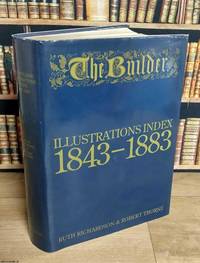
1994375791Hutton & Rostron London 1994. 1st Edition. Hardcover. Fine Condition/Very Good Condition. A monumental reference work by Ruth Richardson and Robert Thorne The Builder: Illustrations Index 1843–1883 catalogues more than 12000 engravings from the journal’s first forty years providing the definitive route into its vast pictorial record. The introductory historical essay offers an invaluable account of George Godwin’s stewardship and the magazine’s visual culture. A folio volume approx. A4 size : 14 pages 832 pages. Original cloth gilt & blind lettered top edge gilt marbled endpapers with dustwrapper. Gavin Stamp's copy with his label and a typed letter from the volume's publisher. Size: 21 x 30 cms. Category: Builder & Building News; Varied Books; New Arrivals; ISBN: 0907101062. ISBN/EAN: 9780907101062. This item may require more postage than the rates shown for delivery outside the UK. If extra postage is required we will contact you before processing your order and you will be given the details and option to decline the extra cost. 9780907101062 Hutton & Rostron hardcover
4-23435Album in-4° mezza tela con 36 tavole colorate a pochoir all'epoca 1918 circa su carta uniformemente brunita : tavole di soldati battaglie ed un gioco di percorso. hardcover
20021-0939837544Paradise Cay Publications 2002. Hardcover. New. illustrated edition. 916 pages. 11.00x8.50x2.00 inches. Paradise Cay Publications hardcover
In folio, leg. orig. in mz. tela edit. ill. a col. contenente una suite di 40 tavole a col. su carta fine che illustrano vivacemente le canzoni da ragazzi, per lo più ronde, allegri e canzonette comiche. Ogni tavola contiene il testo in musica, le parole e le belle illustrazioni a col., tipiche dell'Imagerie: Cadet Rousselle, La Bergère et son chat, Il pleut bergère, Baffrelard, L'Ange gardien, Sur le Pont d'Avignon, Le petit poisson, Frère Jacques...Bell'es. in condizioni quasi perfette (pochi piccoli strappi rimarginati) considerata la fragilità della carta.
309pp.with 183 bl/w illustratios, 29cm., editor's hardcover in brown cloth, illustrated dustwrapper, in editor's cart. slipcase, very good, S88025
300 pages. Index. Bibliography. Illustrated with colour photos, black and white photos and images of the petroglyphs discussed. "Describes, among many other things, the solitary spiritual meditations of young people in the mountains, a form of education once essential to all those who wished to succeed in life with their particular talents... Opens a discussion of some of the issues in rock research that relate to 'notating' and 'writing' on the landscape, around the world and through the millennia. This landmark publication presents a well-researched hypothesis to explain the evolution of symbolic or iconic writing from sign language, trail signs and from the geometric and iconic imagery of the dreams and visions of shamans and neophyte hunters." - from dust jacket. Clean, bright and unmarked with negligible wear. A beautiful copy of this interesting work. Book
1986BN134317Imagerie d´Epinal 1986. 1986. Voyez ici les belles reclames de L´imagerie d´Epinal Recuel n°1 <br/><br/>Voyez ici les belles reclames de L´imagerie d´Epinal Recuel n°1 Imagerie d´Epinal Hrsg. Imagerie d´Epinal unknown
DADAX0939837544Bowditch Nathaniel/ National Imagery and Mapping Agency 2015-12-01. 2002 Bicentennial Edition. hardcover. New. 8.50x2.00x11.00. Buy with confidence. Excellent Customer Service & Return policy. Bowditch, Nathaniel/ National Imagery and Mapping Agency hardcover
Paris, L. Martinet Librairies Imprrimeries réunies, sans date, vers 1890. In-folio cartonnage éditeur illustré, dos toilé rouge. Bien complet des 50 planches en couleurs. Exemplaire en très bel état. Rare dans cette condition.
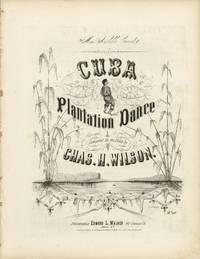
1855List3682Philadelphia: Edward L. Walker 142 Chestnut St. above 6th 1855. Folio sheet music pictorial lithographed cover approximately 13.5 × 10.5 inches. Light edge wear and minor toning; very good with a strong impression of the cover illustration. An antebellum piano dance reflecting the plantation imagery that circulated widely in mid-nineteenth-century American popular music. “Cuba Plantation Dance†was composed by Chas. H. Wilson a little-documented composer whose name appears chiefly in connection with this work and issued in Philadelphia during the early 1850s by Edward L. Walker the predecessor firm to the major publishing house Lee & Walker. A copy is recorded in the Levy Collection at Johns Hopkins which dates the publication to 1855.<br /> <br /> The cover presents a stylized plantation landscape framed by tall stalks of sugar cane with a small central vignette of a dancing Black figure. The use of Cuban plantation imagery reflects contemporary American fascination with the Caribbean sugar economy and with plantation life beyond the United States. During the 1850s Cuba was one of the largest slave societies in the Atlantic world. By the midcentury the island’s sugar plantations relied on hundreds of thousands of enslaved Africans and the enslaved population of Cuba was estimated at roughly 400000 people in the 1840s–1850s working primarily in the rapidly expanding sugar industry. Although Spain formally agreed to end the Atlantic slave trade in 1820 illegal importations of enslaved Africans into Cuba continued for decades supplying labor for the island’s plantations well into the 1850s. American publishers frequently borrowed such imagery for plantation-themed dance music marketed to the parlor trade. Pieces labeled “plantation dances†or “Ethiopian dances†formed part of the broader culture of minstrel and plantation entertainment. The title page bears a dedication to “Miss Arabelle Conrad†typical of mid-century sheet music addressed to amateur pianists. Along with the aforementioned copy in the Levy collection we find copies at Michigan and Temple. Edward L. Walker, 142 Chestnut St., above 6th unknown