Musée des Beaux-Arts de PauLivre Rare Book
15 439 résultats
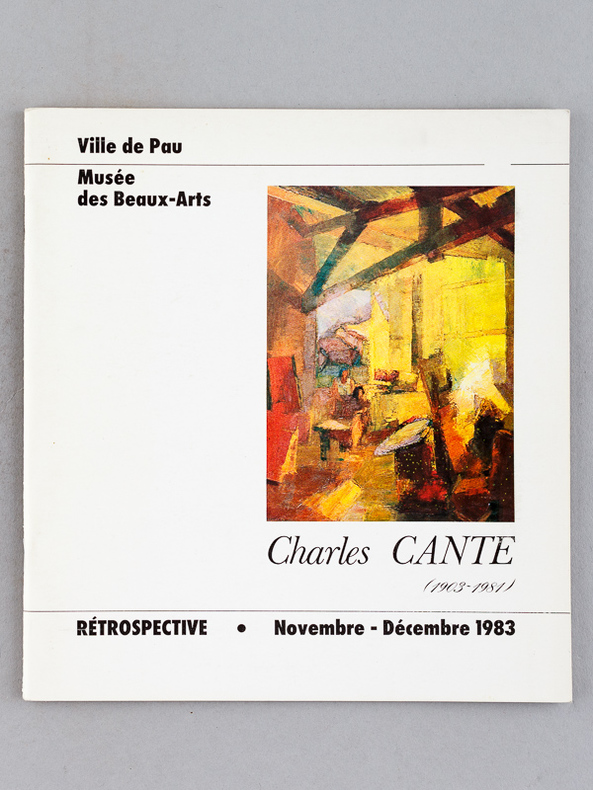
19805737114 vol. in-8 carré br. Musée des Beaux-Arts de Pau. Michel Moy. Japons et toiles écrues 1965-1972 [ Avec : ] Desayes & Mayeur. Tapisseries 1965-1975 [ Avec : ] Claude Santa Frédéric Benrath [ Avec : ] Erpeldinger 1979 [ Avec : ] Alain Laborde Peintures 1976-1979 [ Avec : ] Charles Cante 1903-1981. Rétrospective novembre -décembre 1983 [ Avec : ] ernest gabard 1879-1957. Sculptures. Hiver 1984-1985 [ Avec : ] Cinquantenaire de la mort de Francis Jammes. Francis Jammes ses amis peintres et sculpteurs. Ses illustrateurs Décmbre 1988 [ Avec : ] René Morère 1907-1942. Mars-Avril 1990 [ Avec : ] Poumeyrol Soust Ugarte Eté 1991 [ Avec : ] Raymond Humbert 40 ans de peinture (1950-1990) Etété 1994 [ Avec : ] Pierre Fournel Itinérance (1966-96) Juin-Août 1996 [ Avec : ] Peverelli. Salomé (1977-1988) Septembre -Octobre 1996 [ Avec : ] Trotereau. Totems et Tabous, Février-Mars 1999
14 vol. in-8 carré br. Musée des Beaux-Arts de Pau. Michel Moy. Japons et toiles écrues 1965-1972 [ Avec : ] Desayes & Mayeur. Tapisseries 1965-1975 [ Avec : ] Claude Santa Frédéric Benrath [ Avec : ] Erpeldinger 1979 [ Avec : ] Alain Laborde Peintures 1976-1979 [ Avec : ] Charles Cante 1903-1981. Rétrospective novembre -décembre 1983 [ Avec : ] ernest gabard 1879-1957. Sculptures. Hiver 1984-1985 [ Avec : ] Cinquantenaire de la mort de Francis Jammes. Francis Jammes ses amis peintres et sculpteurs. Ses illustrateurs Décmbre 1988 [ Avec : ] René Morère 1907-1942. Mars-Avril 1990 [ Avec : ] Poumeyrol Soust Ugarte Eté 1991 [ Avec : ] Raymond Humbert 40 ans de peinture (1950-1990) Etété 1994 [ Avec : ] Pierre Fournel Itinérance (1966-96) Juin-Août 1996 [ Avec : ] Peverelli. Salomé (1977-1988) Septembre -Octobre 1996 [ Avec : ] Trotereau. Totems et Tabous, Février-Mars 1999 Bon ensemble réunissant 14 catalogue du Musée des Beaux Arts de Pau. Français
18 vol. gr. in-8 carrés br., couv. noire avec ill. couleurs, nombr. photos couleurs, Versailles Enchères, 2002 à 2008, env. 65 pp. et 200 réf. par catalogue, avec les estimations. Rappel de la liste des catalogues : Tableaux abstraits et contemporains, Sculptures , 30 juin 2002 ; id., 15 décembre 2002 ; id., 27 avril 2003 ; i.d (coll. du Docteur Martineau), 29 juin 2003 ; id., 25 avril 2004 ; id., 27 juin 2004 ; id., 12 décembre 2004 ; id., 24 avril 2005 ; id., 26 juin 2005 ; id. 11 déembre 2005 ; id., 23 avril 2006 ; id., 17 décembre 2006 ; id., 25 juin 2006 , id., 15 avril 2007 ; id., 24 juin 2007 ; id. 16 décembre 2007 ; id., 13 avril 2008 ; id., 6 juillet 2008 Très bon état pour ce bel ensemble de catalogues assortis. Prix pour l'ensemble. Poids de 8 Kg Français
8 vol. in-4 br., couv. ill. couleurs, Millon et associés, Drouot Richelieu, 2007 à 2010, de 45 à 70 pp. et env. 200 réf. avec estimations par catalogue. Liste des catalogues : Verre et céramique contemporains (12 mars 2007) ; Art déco, années 50, verre contemporain [...] (29 juin 2007) ; Art déco, verre & céramique contemporains (21 décembre 2007) ; Verre & céramique contemporains (17 mars 2008) ; Verre & céramique contemporains (27 octobre 2008) ; Céramique, Verre contemporains (1er février 2010) ; Zoritchak, artiste du verre, des racines et des compagnons (25 novembre 2010) ; Verre et céramique contemporains (Millon & Cornette de Saint-Cyr, 6 avril 2009) Très bon état. Prix pour l'ensemble de ces beaux catalogues, établis avec l'expertise de l'historienne de l'histoire du verre Janine Bloch-Dermant, qui a écrit plusieurs ouvrages réputés sur l'art du verre, particulièrement en France. Poids de 3 Kg pour l'ensemble. Français
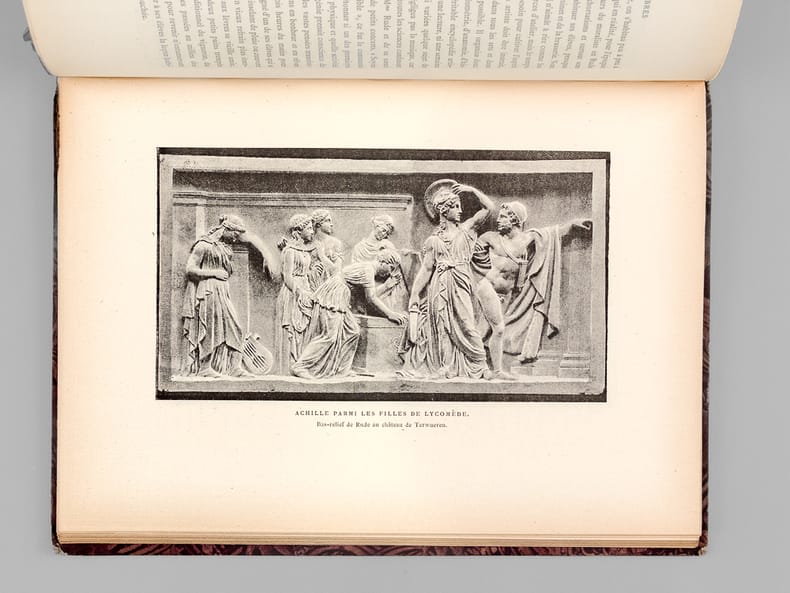
1888647491 vol. in-8 cartonnage bradel imprimé de l'époque, collection Les Artistes Célèbres, Librairie de l'Art, Paris, s.d. [circa 1890 ], 46-86-112-126 pp.
- AMIEL Léon, Paris, New-York 1966, 36x49.5cm, une feuille. - Original color lithograph, one of 15 proofs on Japon impérial paper reserved for the artist and his collaborators, the only printing with 20 more on Japon and 250 on Arches paper. Unsigned proof, as all proofs in this series, other than the frontispiece. A superb proof on Japon paper specially made for The Story of Exodus, published in 1966, for which Chagall made 24 hors-text lithographs printed by Mourlot. An exceedingly rare original proof on Japon paper, the most attractive and best for color lithographs. Fernand Mourlot was undoubtedly the finest lithographic printer of the 20th century and was thus the friend and printer to the leading artists of his day. "Picasso, Matisse, Chagall, Miró, Braque, Dubuffet, Léger, Giacometti...added to their own expression and contemporary art a new field of research. With Mourlot, and thanks to him, lithography acquired both a personality and a future" (Pierre Cabanne, in Cinquante années de lithographie). Having already printed two volumes of the Bible illustrated by Chagall, Mourlot contributed to the artist's lithographic training in the 1950s. It was during this period that Chagall began to visit Mourlot's workshop regularly in order to learn lithographic techniques and that he developed bonds of friendship with the staff of the workshop, most notably Charles Sorlier. It was thus at the peak of his powers that Chagall made this story of Exodus, which coincided with the termination of his immense lithographic and pictoral work on the Bible, undertaken in 1930 at the urging of Ambroise Vollard. This decorative cycle, entitled Le Message Biblique [The Biblical Message] was in fact the basis for the creation of the Chagall Museum, originally called the Musée national du message biblique Marc-Chagall. [FRENCH VERSION FOLLOWS] Lithographie originale en couleur, une des 15 épreuves imprimées sur papier japon impérial et réservées à l'artiste et à ses collaborateurs, seul tirage avec 20 autres japon et 250 Arches. Epreuve non signée, comme toutes les épreuves de cette série, hormis le frontispice. Superbe épreuve sur Japon réalisée spécialement pour The Story of Exodus paru en 1966, dont Chagall réalisa les 24 lithographies hors-texte imprimés par Mourlot. Fernand Mourlot, incontestablement le meilleur artisan lithographe du XXeme siècle, fut naturellement l'imprimeur et l'ami des plus grands artistes de son temps. "Picasso, Matisse, Chagall, Miró, Braque, Dubuffet, Léger, Giacometti...ont enrichi leurs expressions propres et l'art contemporain d'un domaine de recherches nouveau. Avec Mourlot, et grâce à lui, la lithographie a acquis à la fois une personnalité et un avenir." (Pierre Cabanne, in Cinquante années de lithographie). Déjà imprimeur des deux volumes de la Bible illustrée par Chagall, Mourlot contribua à la formation de l'artiste à l'art de la lithographie dans les années 1950. C'est à cette époque que Chagall commence en effet à fréquenter l'atelier de Mourlot afin d'apprendre les procédés lithographiques et qu'il se lie d'amitié avec les artisans de l'imprimerie, notamment Charles Sorlier. Ainsi est-ce au sommet de son art que Chagall réalise cette histoire de l'Exode qui coincide avec l'achèvement de son immense travail lithographique et pictural sur la Bible entamé en 1930 à l'initiative d'Ambroise Vollard. Ce Cycle décoratif intitulé Le Message Biblique sera d'ailleurs à l'origine de la création du Musée Marc Chagall, originellement Musée national du message biblique Marc-Chagall. Rarissime épreuve originale imprimée sur Japon, le plus beau papier et le meilleur pour les gravures en couleur.
- AMIEL Léon, Paris, New-York 1966, 36x49.5cm, une feuille. - Original lithograph in color, one of the 15 prints printed on Imperial Japanese paper and reserved for the artist and his collaborators, only draw with 20 other Japan and 250 Arches paper. Unsigned proof, like all the events of this series, except the frontispiece. Superb test on Japan made especially for The Story of Exodus published in 1966, Chagall realized the 24 inset lithographs printed by Mourlot. Fernand Mourlot, undoubtedly the best artisan lithographer of the XXth century, was naturally the printer and the friend of the greatest artists of his time. "Picasso, Matisse, Chagall, Miró, Braque, Dubuffet, Léger, Giacometti ... have enriched their own expressions and contemporary art with a new area of research.With Mourlot, and thanks to him, lithography has acquired both a personality and a future. " (Pierre Cabanne, in Fifty Years of Lithography ). Already a printer of the two volumes of the Bible illustrated by Chagall, Mourlot contributed to the artist's training in the art of lithography in the 1950s. It was at this time that Chagall began to attend the studio of Mourlot to learn lithographic processes and befriends the artisans of the printing industry, including Charles Sorlier. Thus it is at the peak of his art that Chagall realizes this story of the Exodus which coincides with the completion of his immense lithographic and pictorial work on the Bible begun in 1930 at the initiative of Ambroise Vollard. This decorative cycle, entitled The Biblical Message, is the origin of the creation of the Marc Chagall Museum , originally the National Museum of the Marc - Chagall Biblical Message . Rare, original proof printed on Japan, the most beautiful paper and the best for color engravings. [FRENCH VERSION FOLLOWS] Lithographie originale en couleur, une des 15 épreuves imprimées sur papier japon impérial et réservées à l'artiste et à ses collaborateurs, seul tirage avec 20 autres japon et 250 Arches. Epreuve non signée, comme toutes les épreuves de cette série, hormis le frontispice. Superbe épreuve sur Japon réalisée spécialement pour The Story of Exodus paru en 1966, dont Chagall réalisa les 24 lithographies hors-texte imprimés par Mourlot. Fernand Mourlot, incontestablement le meilleur artisan lithographe du XXeme siècle, fut naturellement l'imprimeur et l'ami des plus grands artistes de son temps. "Picasso, Matisse, Chagall, Miró, Braque, Dubuffet, Léger, Giacometti...ont enrichi leurs expressions propres et l'art contemporain d'un domaine de recherches nouveau. Avec Mourlot, et grâce à lui, la lithographie a acquis à la fois une personnalité et un avenir." (Pierre Cabanne, in Cinquante années de lithographie). Déjà imprimeur des deux volumes de la Bible illustrée par Chagall, Mourlot contribua à la formation de l'artiste à l'art de la lithographie dans les années 1950. C'est à cette époque que Chagall commence en effet à fréquenter l'atelier de Mourlot afin d'apprendre les procédés lithographiques et qu'il se lie d'amitié avec les artisans de l'imprimerie, notamment Charles Sorlier. Ainsi est-ce au sommet de son art que Chagall réalise cette histoire de l'Exode qui coincide avec l'achèvement de son immense travail lithographique et pictural sur la Bible entamé en 1930 à l'initiative d'Ambroise Vollard. Ce Cycle décoratif intitulé Le Message Biblique sera d'ailleurs à l'origine de la création du Musée Marc Chagall, originellement Musée national du message biblique Marc-Chagall. Rarissime épreuve originale imprimée sur Japon, le plus beau papier et le meilleur pour les gravures en couleur.
Very Good English Original artwork in watercolor on paper. 42x30 cm. Signed and dated on the lower left as "Ghulam Seddig, Kabul, 1996". A fine drawing of a street in Afghanistan and two Afghan figures on the street by Postwar & Contemporary Afghan artist Ghulam Seddig.
As New English Paperback. Pbo. Mint. 4to. (28 x 23 cm). In Turkish and Italian. [xxv], 125 p. Several folding plts. [Behçet] Safa. La luce fu su loro leggera.= 1960-1990. Isik vurur üzerlerine hafifçe. 5 Nisan - 5 Mayis 2011 Galeri Tantekin. Translator: Meryem Mine Çilingiroglu. Curated by Jale Durna, Mehmet [Tantekin].
ENGLISH AND HEBREW. 24x22.5cm. 19+45 pages. Softcover. In as new condition.
Roy. 8vo., First Edition, with numerous fine coloured photographs (many full-page) throughout; original wrappers, framed and lettered in gilt, upper board with coloured photograph mounted, backstrip lettered in gilt, a fine copy.
1938Avignon, imp. de Seguin aîné - in-8 : 14 pp. - cousu - sans couverture.
Very Good French Original wrappers. Minor wear on spine, age-toned and foxing on some pages. Overall a very good copy. Demy 8vo. (21 x 15 cm). In French. 446 p. First and only edition of this very scarce book written by the son of Ottoman sadrazam [i.e. prime minister] Küçük Said Pasha, including early critics of socialism. It is the first of the three books of this aristocratic Francophone Turkish intellectual who spent his childhood and youth among books, in his own words, "secluded among books". He wrote his all books in French language. Antoine Zellich, who came from Dalmatia as the manager of the printing house of Henri Cayol, who brought lithography to Istanbul, continued to operate the Cayol Printing House for a while after the death of his master in 1865 due to the cholera epidemic. Zellich, who was honored with the title of "printer of the Vatican" by Pope Leon XIII in 1888, died in Istanbul in 1890. The printing press is inherited by his eldest son, gregoire Zellich, and his brothers. This printing house continued its activities by growing and developing in Istanbul, printed a wide variety of products from books to magazines, calendars to stationery, school books to maps and commercial notebooks, and he sold them in its shops in Pera, Beyoglu. The company "Zeliç Brothers" continued its commercial activities in the republican period until it was closed in the 1960s.
- AMIEL Léon, Paris, New-York 1966, 36x49.5cm, une feuille. - CHAGALL Marc. For the cloude of the Lorde was upon the Tabernacle by day, and fire was in it by night, in the sight of all the house of Israel thorowout all their journeys - The Story of Exodus Amiel Léon, Paris, New-York 1966, 36 x 49.5 cm, one single leaf Original color lithograph, one of 15 proofs on Japon impérial paper reserved for the artist and his collaborators, the only printing with 20 more on Japon and 250 on Arches paper. Unsigned proof, as all proofs in this series, other than the frontispiece. A superb proof on Japon paper specially made for The Story of Exodus, published in 1966, for which Chagall made 24 hors-text lithographs printed by Mourlot. An exceedingly rare original proof on Japon paper, the most attractive and best for color lithographs. Fernand Mourlot was undoubtedly the finest lithographic printer of the 20th century and was thus the friend and printer to the leading artists of his day. "Picasso, Matisse, Chagall, Miró, Braque, Dubuffet, Léger, Giacometti...added to their own expression and contemporary art a new field of research. With Mourlot, and thanks to him, lithography acquired both a personality and a future" (Pierre Cabanne, in Cinquante années de lithographie). Having already printed two volumes of the Bible illustrated by Chagall, Mourlot contributed to the artist's lithographic training in the 1950s. It was during this period that Chagall began to visit Mourlot's workshop regularly in order to learn lithographic techniques and that he developed bonds of friendship with the staff of the workshop, most notably Charles Sorlier. It was thus at the peak of his powers that Chagall made this story of Exodus, which coincided with the termination of his immense lithographic and pictoral work on the Bible, undertaken in 1930 at the urging of Ambroise Vollard. This decorative cycle, entitled Le Message Biblique [The Biblical Message] was in fact the basis for the creation of the Chagall Museum, originally called the Musée national du message biblique Marc-Chagall. [FRENCH VERSION FOLLOWS] Lithographie originale en couleur, une des 15 épreuves imprimées sur papier japon impérial et réservées à l'artiste et à ses collaborateurs, seul tirage avec 20 autres japon et 250 Arches. Epreuve non signée, comme toutes les épreuves de cette série, hormis le frontispice. Superbe épreuve sur Japon réalisée spécialement pour The Story of Exodus paru en 1966, dont Chagall réalisa les 24 lithographies hors-texte imprimés par Mourlot. Fernand Mourlot, incontestablement le meilleur artisan lithographe du XXeme siècle, fut naturellement l'imprimeur et l'ami des plus grands artistes de son temps. "Picasso, Matisse, Chagall, Miró, Braque, Dubuffet, Léger, Giacometti...ont enrichi leurs expressions propres et l'art contemporain d'un domaine de recherches nouveau. Avec Mourlot, et grâce à lui, la lithographie a acquis à la fois une personnalité et un avenir." (Pierre Cabanne, in Cinquante années de lithographie). Déjà imprimeur des deux volumes de la Bible illustrée par Chagall, Mourlot contribua à la formation de l'artiste à l'art de la lithographie dans les années 1950. C'est à cette époque que Chagall commence en effet à fréquenter l'atelier de Mourlot afin d'apprendre les procédés lithographiques et qu'il se lie d'amitié avec les artisans de l'imprimerie, notamment Charles Sorlier. Ainsi est-ce au sommet de son art que Chagall réalise cette histoire de l'Exode qui coincide avec l'achèvement de son immense travail lithographique et pictural sur la Bible entamé en 1930 à l'initiative d'Ambroise Vollard. Ce Cycle décoratif intitulé Le Message Biblique sera d'ailleurs à l'origine de la création du Musée Marc Chagall, originellement Musée national du message biblique Marc-Chagall. Rarissime épreuve originale imprimée sur Japon, le plus beau papier et le meilleur pour les gravures en couleur.
- AMIEL Léon, Paris, New-York 1966, 36x49.5cm, une feuille. - Original color lithograph, one of 15 proofs on Japon impérial paper reserved for the artist and his collaborators, the only printing with 20 more on Japon and 250 on Arches paper. Unsigned proof, as all proofs in this series, other than the frontispiece. A superb proof on Japon paper specially made for The Story of Exodus, published in 1966, for which Chagall made 24 hors-text lithographs printed by Mourlot. An exceedingly rare original proof on Japon paper, the most attractive and best for color lithographs. Fernand Mourlot was undoubtedly the finest lithographic printer of the 20th century and was thus the friend and printer to the leading artists of his day. "Picasso, Matisse, Chagall, Miró, Braque, Dubuffet, Léger, Giacometti...added to their own expression and contemporary art a new field of research. With Mourlot, and thanks to him, lithography acquired both a personality and a future" (Pierre Cabanne, in Cinquante années de lithographie). Having already printed two volumes of the Bible illustrated by Chagall, Mourlot contributed to the artist's lithographic training in the 1950s. It was during this period that Chagall began to visit Mourlot's workshop regularly in order to learn lithographic techniques and that he developed bonds of friendship with the staff of the workshop, most notably Charles Sorlier. It was thus at the peak of his powers that Chagall made this story of Exodus, which coincided with the termination of his immense lithographic and pictoral work on the Bible, undertaken in 1930 at the urging of Ambroise Vollard. This decorative cycle, entitled Le Message Biblique [The Biblical Message] was in fact the basis for the creation of the Chagall Museum, originally called the Musée national du message biblique Marc-Chagall. [FRENCH VERSION FOLLOWS] Lithographie originale en couleur, une des 15 épreuves imprimées sur papier japon impérial et réservées à l'artiste et à ses collaborateurs, seul tirage avec 20 autres japon et 250 Arches. Epreuve non signée, comme toutes les épreuves de cette série, hormis le frontispice. Superbe épreuve sur Japon réalisée spécialement pour The Story of Exodus paru en 1966, dont Chagall réalisa les 24 lithographies hors-texte imprimés par Mourlot. Fernand Mourlot, incontestablement le meilleur artisan lithographe du XXeme siècle, fut naturellement l'imprimeur et l'ami des plus grands artistes de son temps. "Picasso, Matisse, Chagall, Miró, Braque, Dubuffet, Léger, Giacometti...ont enrichi leurs expressions propres et l'art contemporain d'un domaine de recherches nouveau. Avec Mourlot, et grâce à lui, la lithographie a acquis à la fois une personnalité et un avenir." (Pierre Cabanne, in Cinquante années de lithographie). Déjà imprimeur des deux volumes de la Bible illustrée par Chagall, Mourlot contribua à la formation de l'artiste à l'art de la lithographie dans les années 1950. C'est à cette époque que Chagall commence en effet à fréquenter l'atelier de Mourlot afin d'apprendre les procédés lithographiques et qu'il se lie d'amitié avec les artisans de l'imprimerie, notamment Charles Sorlier. Ainsi est-ce au sommet de son art que Chagall réalise cette histoire de l'Exode qui coincide avec l'achèvement de son immense travail lithographique et pictural sur la Bible entamé en 1930 à l'initiative d'Ambroise Vollard. Ce Cycle décoratif intitulé Le Message Biblique sera d'ailleurs à l'origine de la création du Musée Marc Chagall, originellement Musée national du message biblique Marc-Chagall. Rarissime épreuve originale imprimée sur Japon, le plus beau papier et le meilleur pour les gravures en couleur.
- AMIEL Léon, Paris, New-York 1966, 36x49.5cm, une feuille. - Original color lithograph, one of 15 proofs on Japon impérial paper reserved for the artist and his collaborators, the only printing with 20 more on Japon and 250 on Arches paper. Unsigned proof, as all proofs in this series, other than the frontispiece. A superb proof on Japon paper specially made for The Story of Exodus, published in 1966, for which Chagall made 24 hors-text lithographs printed by Mourlot. An exceedingly rare original proof on Japon paper, the most attractive and best for color lithographs. Fernand Mourlot was undoubtedly the finest lithographic printer of the 20th century and was thus the friend and printer to the leading artists of his day. "Picasso, Matisse, Chagall, Miró, Braque, Dubuffet, Léger, Giacometti...added to their own expression and contemporary art a new field of research. With Mourlot, and thanks to him, lithography acquired both a personality and a future" (Pierre Cabanne, in Cinquante années de lithographie). Having already printed two volumes of the Bible illustrated by Chagall, Mourlot contributed to the artist's lithographic training in the 1950s. It was during this period that Chagall began to visit Mourlot's workshop regularly in order to learn lithographic techniques and that he developed bonds of friendship with the staff of the workshop, most notably Charles Sorlier. It was thus at the peak of his powers that Chagall made this story of Exodus, which coincided with the termination of his immense lithographic and pictoral work on the Bible, undertaken in 1930 at the urging of Ambroise Vollard. This decorative cycle, entitled Le Message Biblique [The Biblical Message] was in fact the basis for the creation of the Chagall Museum, originally called the Musée national du message biblique Marc-Chagall. [FRENCH VERSION FOLLOWS] Lithographie originale en couleur, une des 15 épreuves imprimées sur papier japon impérial et réservées à l'artiste et à ses collaborateurs, seul tirage avec 20 autres japon et 250 Arches. Epreuve non signée, comme toutes les épreuves de cette série, hormis le frontispice. Superbe épreuve sur Japon réalisée spécialement pour The Story of Exodus paru en 1966, dont Chagall réalisa les 24 lithographies hors-texte imprimés par Mourlot. Fernand Mourlot, incontestablement le meilleur artisan lithographe du XXeme siècle, fut naturellement l'imprimeur et l'ami des plus grands artistes de son temps. "Picasso, Matisse, Chagall, Miró, Braque, Dubuffet, Léger, Giacometti...ont enrichi leurs expressions propres et l'art contemporain d'un domaine de recherches nouveau. Avec Mourlot, et grâce à lui, la lithographie a acquis à la fois une personnalité et un avenir." (Pierre Cabanne, in Cinquante années de lithographie). Déjà imprimeur des deux volumes de la Bible illustrée par Chagall, Mourlot contribua à la formation de l'artiste à l'art de la lithographie dans les années 1950. C'est à cette époque que Chagall commence en effet à fréquenter l'atelier de Mourlot afin d'apprendre les procédés lithographiques et qu'il se lie d'amitié avec les artisans de l'imprimerie, notamment Charles Sorlier. Ainsi est-ce au sommet de son art que Chagall réalise cette histoire de l'Exode qui coincide avec l'achèvement de son immense travail lithographique et pictural sur la Bible entamé en 1930 à l'initiative d'Ambroise Vollard. Ce Cycle décoratif intitulé Le Message Biblique sera d'ailleurs à l'origine de la création du Musée Marc Chagall, originellement Musée national du message biblique Marc-Chagall. Rarissime épreuve originale imprimée sur Japon, le plus beau papier et le meilleur pour les gravures en couleur.
- AMIEL Léon, Paris, New-York 1966, 36x49.5cm, une feuille. - Original color lithograph, one of 15 proofs on Japon impérial paper reserved for the artist and his collaborators, the only printing with 20 more on Japon and 250 on Arches paper. Unsigned proof, as all proofs in this series, other than the frontispiece. A superb proof on Japon paper specially made for The Story of Exodus, published in 1966, for which Chagall made 24 hors-text lithographs printed by Mourlot. An exceedingly rare original proof on Japon paper, the most attractive and best for color lithographs. Fernand Mourlot was undoubtedly the finest lithographic printer of the 20th century and was thus the friend and printer to the leading artists of his day. "Picasso, Matisse, Chagall, Miró, Braque, Dubuffet, Léger, Giacometti...added to their own expression and contemporary art a new field of research. With Mourlot, and thanks to him, lithography acquired both a personality and a future" (Pierre Cabanne, in Cinquante années de lithographie). Having already printed two volumes of the Bible illustrated by Chagall, Mourlot contributed to the artist's lithographic training in the 1950s. It was during this period that Chagall began to visit Mourlot's workshop regularly in order to learn lithographic techniques and that he developed bonds of friendship with the staff of the workshop, most notably Charles Sorlier. It was thus at the peak of his powers that Chagall made this story of Exodus, which coincided with the termination of his immense lithographic and pictoral work on the Bible, undertaken in 1930 at the urging of Ambroise Vollard. This decorative cycle, entitled Le Message Biblique [The Biblical Message] was in fact the basis for the creation of the Chagall Museum, originally called the Musée national du message biblique Marc-Chagall. [FRENCH VERSION FOLLOWS] Lithographie originale en couleur, une des 15 épreuves imprimées sur papier japon impérial et réservées à l'artiste et à ses collaborateurs, seul tirage avec 20 autres japon et 250 Arches. Epreuve non signée, comme toutes les épreuves de cette série, hormis le frontispice. Superbe épreuve sur Japon réalisée spécialement pour The Story of Exodus paru en 1966, dont Chagall réalisa les 24 lithographies hors-texte imprimés par Mourlot. Fernand Mourlot, incontestablement le meilleur artisan lithographe du XXeme siècle, fut naturellement l'imprimeur et l'ami des plus grands artistes de son temps. "Picasso, Matisse, Chagall, Miró, Braque, Dubuffet, Léger, Giacometti...ont enrichi leurs expressions propres et l'art contemporain d'un domaine de recherches nouveau. Avec Mourlot, et grâce à lui, la lithographie a acquis à la fois une personnalité et un avenir." (Pierre Cabanne, in Cinquante années de lithographie). Déjà imprimeur des deux volumes de la Bible illustrée par Chagall, Mourlot contribua à la formation de l'artiste à l'art de la lithographie dans les années 1950. C'est à cette époque que Chagall commence en effet à fréquenter l'atelier de Mourlot afin d'apprendre les procédés lithographiques et qu'il se lie d'amitié avec les artisans de l'imprimerie, notamment Charles Sorlier. Ainsi est-ce au sommet de son art que Chagall réalise cette histoire de l'Exode qui coincide avec l'achèvement de son immense travail lithographique et pictural sur la Bible entamé en 1930 à l'initiative d'Ambroise Vollard. Ce Cycle décoratif intitulé Le Message Biblique sera d'ailleurs à l'origine de la création du Musée Marc Chagall, originellement Musée national du message biblique Marc-Chagall. Rarissime épreuve originale imprimée sur Japon, le plus beau papier et le meilleur pour les gravures en couleur.
- AMIEL Léon, Paris, New-York 1966, 36x49.5cm, une feuille. - Original color lithograph, one of 15 proofs on Japon impérial paper reserved for the artist and his collaborators, the only printing with 20 more on Japon and 250 on Arches paper. Unsigned proof, as all proofs in this series, other than the frontispiece. A superb proof on Japon paper specially made for The Story of Exodus, published in 1966, for which Chagall made 24 hors-text lithographs printed by Mourlot. An exceedingly rare original proof on Japon paper, the most attractive and best for color lithographs. Fernand Mourlot was undoubtedly the finest lithographic printer of the 20th century and was thus the friend and printer to the leading artists of his day. "Picasso, Matisse, Chagall, Miró, Braque, Dubuffet, Léger, Giacometti...added to their own expression and contemporary art a new field of research. With Mourlot, and thanks to him, lithography acquired both a personality and a future" (Pierre Cabanne, in Cinquante années de lithographie). Having already printed two volumes of the Bible illustrated by Chagall, Mourlot contributed to the artist's lithographic training in the 1950s. It was during this period that Chagall began to visit Mourlot's workshop regularly in order to learn lithographic techniques and that he developed bonds of friendship with the staff of the workshop, most notably Charles Sorlier. It was thus at the peak of his powers that Chagall made this story of Exodus, which coincided with the termination of his immense lithographic and pictoral work on the Bible, undertaken in 1930 at the urging of Ambroise Vollard. This decorative cycle, entitled Le Message Biblique [The Biblical Message] was in fact the basis for the creation of the Chagall Museum, originally called the Musée national du message biblique Marc-Chagall. [FRENCH VERSION FOLLOWS] Lithographie originale en couleur, une des 15 épreuves imprimées sur papier japon impérial et réservées à l'artiste et à ses collaborateurs, seul tirage avec 20 autres japon et 250 Arches. Epreuve non signée, comme toutes les épreuves de cette série, hormis le frontispice. Superbe épreuve sur Japon réalisée spécialement pour The Story of Exodus paru en 1966, dont Chagall réalisa les 24 lithographies hors-texte imprimés par Mourlot. Fernand Mourlot, incontestablement le meilleur artisan lithographe du XXeme siècle, fut naturellement l'imprimeur et l'ami des plus grands artistes de son temps. "Picasso, Matisse, Chagall, Miró, Braque, Dubuffet, Léger, Giacometti...ont enrichi leurs expressions propres et l'art contemporain d'un domaine de recherches nouveau. Avec Mourlot, et grâce à lui, la lithographie a acquis à la fois une personnalité et un avenir." (Pierre Cabanne, in Cinquante années de lithographie). Déjà imprimeur des deux volumes de la Bible illustrée par Chagall, Mourlot contribua à la formation de l'artiste à l'art de la lithographie dans les années 1950. C'est à cette époque que Chagall commence en effet à fréquenter l'atelier de Mourlot afin d'apprendre les procédés lithographiques et qu'il se lie d'amitié avec les artisans de l'imprimerie, notamment Charles Sorlier. Ainsi est-ce au sommet de son art que Chagall réalise cette histoire de l'Exode qui coincide avec l'achèvement de son immense travail lithographique et pictural sur la Bible entamé en 1930 à l'initiative d'Ambroise Vollard. Ce Cycle décoratif intitulé Le Message Biblique sera d'ailleurs à l'origine de la création du Musée Marc Chagall, originellement Musée national du message biblique Marc-Chagall. Rarissime épreuve originale imprimée sur Japon, le plus beau papier et le meilleur pour les gravures en couleur.
- AMIEL Léon, Paris, New-York 1966, 36x49.5cm, une feuille. - Original color lithograph, one of 15 proofs on Japon impérial paper reserved for the artist and his collaborators, the only printing with 20 more on Japon and 250 on Arches paper. Unsigned proof, as all proofs in this series, other than the frontispiece. A superb proof on Japon paper specially made for The Story of Exodus, published in 1966, for which Chagall made 24 hors-text lithographs printed by Mourlot. An exceedingly rare original proof on Japon paper, the most attractive and best for color lithographs. Fernand Mourlot was undoubtedly the finest lithographic printer of the 20th century and was thus the friend and printer to the leading artists of his day. "Picasso, Matisse, Chagall, Miró, Braque, Dubuffet, Léger, Giacometti...added to their own expression and contemporary art a new field of research. With Mourlot, and thanks to him, lithography acquired both a personality and a future" (Pierre Cabanne, in Cinquante années de lithographie). Having already printed two volumes of the Bible illustrated by Chagall, Mourlot contributed to the artist's lithographic training in the 1950s. It was during this period that Chagall began to visit Mourlot's workshop regularly in order to learn lithographic techniques and that he developed bonds of friendship with the staff of the workshop, most notably Charles Sorlier. It was thus at the peak of his powers that Chagall made this story of Exodus, which coincided with the termination of his immense lithographic and pictoral work on the Bible, undertaken in 1930 at the urging of Ambroise Vollard. This decorative cycle, entitled Le Message Biblique [The Biblical Message] was in fact the basis for the creation of the Chagall Museum, originally called the Musée national du message biblique Marc-Chagall. [FRENCH VERSION FOLLOWS] Lithographie originale en couleur, une des 15 épreuves imprimées sur papier japon impérial et réservées à l'artiste et à ses collaborateurs, seul tirage avec 20 autres japon et 250 Arches. Epreuve non signée, comme toutes les épreuves de cette série, hormis le frontispice. Superbe épreuve sur Japon réalisée spécialement pour The Story of Exodus paru en 1966, dont Chagall réalisa les 24 lithographies hors-texte imprimés par Mourlot. Fernand Mourlot, incontestablement le meilleur artisan lithographe du XXeme siècle, fut naturellement l'imprimeur et l'ami des plus grands artistes de son temps. "Picasso, Matisse, Chagall, Miró, Braque, Dubuffet, Léger, Giacometti...ont enrichi leurs expressions propres et l'art contemporain d'un domaine de recherches nouveau. Avec Mourlot, et grâce à lui, la lithographie a acquis à la fois une personnalité et un avenir." (Pierre Cabanne, in Cinquante années de lithographie). Déjà imprimeur des deux volumes de la Bible illustrée par Chagall, Mourlot contribua à la formation de l'artiste à l'art de la lithographie dans les années 1950. C'est à cette époque que Chagall commence en effet à fréquenter l'atelier de Mourlot afin d'apprendre les procédés lithographiques et qu'il se lie d'amitié avec les artisans de l'imprimerie, notamment Charles Sorlier. Ainsi est-ce au sommet de son art que Chagall réalise cette histoire de l'Exode qui coincide avec l'achèvement de son immense travail lithographique et pictural sur la Bible entamé en 1930 à l'initiative d'Ambroise Vollard. Ce Cycle décoratif intitulé Le Message Biblique sera d'ailleurs à l'origine de la création du Musée Marc Chagall, originellement Musée national du message biblique Marc-Chagall. Rarissime épreuve originale imprimée sur Japon, le plus beau papier et le meilleur pour les gravures en couleur.
Fine Turkish Edition of 4/15. Linoleum print on paper. Signed on the lower right, edition number on the lower left. 44x29 cm. No date. One of the early and few printed linoleum prints of the artist, whose paintings have traces of Anatolian culture and have an extremely important place in the history of modern Turkish painting.
198969258ABBath., Artsite Gallery., 1989. 28,7 x 21 cm. 79 S. Illustrierter OKarton., 69258A Erste Auflage. Sehr gutes Exemplar.
- AMIEL Léon, ParisNew-York 1966, 36x49.5cm, une feuille. - Original color lithograph, one of 15 proofs on Japon impérial paper reserved for the artist and his collaborators, the only printing with 20 more on Japon and 250 on Arches paper. Unsigned proof, as all proofs in this series, other than the frontispiece. A superb proof on Japon paper specially made for The Story of Exodus, published in 1966, for which Chagall made 24 hors-text lithographs printed by Mourlot. An exceedingly rare original proof on Japon paper, the most attractive and best for color lithographs. Fernand Mourlot was undoubtedly the finest lithographic printer of the 20th century and was thus the friend and printer to the leading artists of his day. "Picasso, Matisse, Chagall, Miró, Braque, Dubuffet, Léger, Giacometti...added to their own expression and contemporary art a new field of research. With Mourlot, and thanks to him, lithography acquired both a personality and a future" (Pierre Cabanne, in Cinquante années de lithographie). Having already printed two volumes of the Bible illustrated by Chagall, Mourlot contributed to the artist's lithographic training in the 1950s. It was during this period that Chagall began to visit Mourlot's workshop regularly in order to learn lithographic techniques and that he developed bonds of friendship with the staff of the workshop, most notably Charles Sorlier. It was thus at the peak of his powers that Chagall made this story of Exodus, which coincided with the termination of his immense lithographic and pictoral work on the Bible, undertaken in 1930 at the urging of Ambroise Vollard. This decorative cycle, entitled Le Message Biblique [The Biblical Message] was in fact the basis for the creation of the Chagall Museum, originally called the Musée national du message biblique Marc-Chagall. [FRENCH VERSION FOLLOWS] Lithographie originale en couleur, une des 15 épreuves imprimées sur papier japon impérial et réservées à l'artiste et à ses collaborateurs, seul tirage avec 20 autres japon et 250 Arches. Epreuve non signée, comme toutes les épreuves de cette série, hormis le frontispice. Superbe épreuve sur Japon réalisée spécialement pour The Story of Exodus paru en 1966, dont Chagall réalisa les 24 lithographies hors-texte imprimés par Mourlot. Fernand Mourlot, incontestablement le meilleur artisan lithographe du XXeme siècle, fut naturellement l'imprimeur et l'ami des plus grands artistes de son temps. "Picasso, Matisse, Chagall, Miró, Braque, Dubuffet, Léger, Giacometti...ont enrichi leurs expressions propres et l'art contemporain d'un domaine de recherches nouveau. Avec Mourlot, et grâce à lui, la lithographie a acquis à la fois une personnalité et un avenir." (Pierre Cabanne, in Cinquante années de lithographie). Déjà imprimeur des deux volumes de la Bible illustrée par Chagall, Mourlot contribua à la formation de l'artiste à l'art de la lithographie dans les années 1950. C'est à cette époque que Chagall commence en effet à fréquenter l'atelier de Mourlot afin d'apprendre les procédés lithographiques et qu'il se lie d'amitié avec les artisans de l'imprimerie, notamment Charles Sorlier. Ainsi est-ce au sommet de son art que Chagall réalise cette histoire de l'Exode qui coincide avec l'achèvement de son immense travail lithographique et pictural sur la Bible entamé en 1930 à l'initiative d'Ambroise Vollard. Ce Cycle décoratif intitulé Le Message Biblique sera d'ailleurs à l'origine de la création du Musée Marc Chagall, originellement Musée national du message biblique Marc-Chagall. Rarissime épreuve originale imprimée sur Japon, le plus beau papier et le meilleur pour les gravures en couleur.
- AMIEL Léon, Paris, New-York 1966, 36x49.5cm, une feuille. - Original color lithograph, one of 15 proofs on Japon impérial paper reserved for the artist and his collaborators, the only printing with 20 more on Japon and 250 on Arches paper. Unsigned proof, as all proofs in this series, other than the frontispiece. A superb proof on Japon paper specially made for The Story of Exodus, published in 1966, for which Chagall made 24 hors-text lithographs printed by Mourlot. An exceedingly rare original proof on Japon paper, the most attractive and best for color lithographs. Fernand Mourlot was undoubtedly the finest lithographic printer of the 20th century and was thus the friend and printer to the leading artists of his day. "Picasso, Matisse, Chagall, Miró, Braque, Dubuffet, Léger, Giacometti...added to their own expression and contemporary art a new field of research. With Mourlot, and thanks to him, lithography acquired both a personality and a future" (Pierre Cabanne, in Cinquante années de lithographie). Having already printed two volumes of the Bible illustrated by Chagall, Mourlot contributed to the artist's lithographic training in the 1950s. It was during this period that Chagall began to visit Mourlot's workshop regularly in order to learn lithographic techniques and that he developed bonds of friendship with the staff of the workshop, most notably Charles Sorlier. It was thus at the peak of his powers that Chagall made this story of Exodus, which coincided with the termination of his immense lithographic and pictoral work on the Bible, undertaken in 1930 at the urging of Ambroise Vollard. This decorative cycle, entitled Le Message Biblique [The Biblical Message] was in fact the basis for the creation of the Chagall Museum, originally called the Musée national du message biblique Marc-Chagall. [FRENCH VERSION FOLLOWS] Lithographie originale en couleur, une des 15 épreuves imprimées sur papier japon impérial et réservées à l'artiste et à ses collaborateurs, seul tirage avec 20 autres japon et 250 Arches. Epreuve non signée, comme toutes les épreuves de cette série, hormis le frontispice. Superbe épreuve sur Japon réalisée spécialement pour The Story of Exodus paru en 1966, dont Chagall réalisa les 24 lithographies hors-texte imprimés par Mourlot. Fernand Mourlot, incontestablement le meilleur artisan lithographe du XXeme siècle, fut naturellement l'imprimeur et l'ami des plus grands artistes de son temps. "Picasso, Matisse, Chagall, Miró, Braque, Dubuffet, Léger, Giacometti...ont enrichi leurs expressions propres et l'art contemporain d'un domaine de recherches nouveau. Avec Mourlot, et grâce à lui, la lithographie a acquis à la fois une personnalité et un avenir." (Pierre Cabanne, in Cinquante années de lithographie). Déjà imprimeur des deux volumes de la Bible illustrée par Chagall, Mourlot contribua à la formation de l'artiste à l'art de la lithographie dans les années 1950. C'est à cette époque que Chagall commence en effet à fréquenter l'atelier de Mourlot afin d'apprendre les procédés lithographiques et qu'il se lie d'amitié avec les artisans de l'imprimerie, notamment Charles Sorlier. Ainsi est-ce au sommet de son art que Chagall réalise cette histoire de l'Exode qui coincide avec l'achèvement de son immense travail lithographique et pictural sur la Bible entamé en 1930 à l'initiative d'Ambroise Vollard. Ce Cycle décoratif intitulé Le Message Biblique sera d'ailleurs à l'origine de la création du Musée Marc Chagall, originellement Musée national du message biblique Marc-Chagall. Rarissime épreuve originale imprimée sur Japon, le plus beau papier et le meilleur pour les gravures en couleur.
- AMIEL Léon, Paris, New-York 1966, 36x49.5cm, une feuille. - Original color lithograph, one of 15 proofs on Japon impérial paper reserved for the artist and his collaborators, the only printing with 20 more on Japon and 250 on Arches paper. Unsigned proof, as all proofs in this series, other than the frontispiece. A superb proof on Japon paper specially made for The Story of Exodus, published in 1966, for which Chagall made 24 hors-text lithographs printed by Mourlot. An exceedingly rare original proof on Japon paper, the most attractive and best for color lithographs. Fernand Mourlot was undoubtedly the finest lithographic printer of the 20th century and was thus the friend and printer to the leading artists of his day. "Picasso, Matisse, Chagall, Miró, Braque, Dubuffet, Léger, Giacometti...added to their own expression and contemporary art a new field of research. With Mourlot, and thanks to him, lithography acquired both a personality and a future" (Pierre Cabanne, in Cinquante années de lithographie). Having already printed two volumes of the Bible illustrated by Chagall, Mourlot contributed to the artist's lithographic training in the 1950s. It was during this period that Chagall began to visit Mourlot's workshop regularly in order to learn lithographic techniques and that he developed bonds of friendship with the staff of the workshop, most notably Charles Sorlier. It was thus at the peak of his powers that Chagall made this story of Exodus, which coincided with the termination of his immense lithographic and pictoral work on the Bible, undertaken in 1930 at the urging of Ambroise Vollard. This decorative cycle, entitled Le Message Biblique [The Biblical Message] was in fact the basis for the creation of the Chagall Museum, originally called the Musée national du message biblique Marc-Chagall. [FRENCH VERSION FOLLOWS] Lithographie originale en couleur, une des 15 épreuves imprimées sur papier japon impérial et réservées à l'artiste et à ses collaborateurs, seul tirage avec 20 autres japon et 250 Arches. Epreuve non signée, comme toutes les épreuves de cette série, hormis le frontispice. Superbe épreuve sur Japon réalisée spécialement pour The Story of Exodus paru en 1966, dont Chagall réalisa les 24 lithographies hors-texte imprimés par Mourlot. Fernand Mourlot, incontestablement le meilleur artisan lithographe du XXeme siècle, fut naturellement l'imprimeur et l'ami des plus grands artistes de son temps. "Picasso, Matisse, Chagall, Miró, Braque, Dubuffet, Léger, Giacometti...ont enrichi leurs expressions propres et l'art contemporain d'un domaine de recherches nouveau. Avec Mourlot, et grâce à lui, la lithographie a acquis à la fois une personnalité et un avenir." (Pierre Cabanne, in Cinquante années de lithographie). Déjà imprimeur des deux volumes de la Bible illustrée par Chagall, Mourlot contribua à la formation de l'artiste à l'art de la lithographie dans les années 1950. C'est à cette époque que Chagall commence en effet à fréquenter l'atelier de Mourlot afin d'apprendre les procédés lithographiques et qu'il se lie d'amitié avec les artisans de l'imprimerie, notamment Charles Sorlier. Ainsi est-ce au sommet de son art que Chagall réalise cette histoire de l'Exode qui coincide avec l'achèvement de son immense travail lithographique et pictural sur la Bible entamé en 1930 à l'initiative d'Ambroise Vollard. Ce Cycle décoratif intitulé Le Message Biblique sera d'ailleurs à l'origine de la création du Musée Marc Chagall, originellement Musée national du message biblique Marc-Chagall. Rarissime épreuve originale imprimée sur Japon, le plus beau papier et le meilleur pour les gravures en couleur.
- AMIEL Léon, Paris, New-York 1966, 36x49.5cm, une feuille. - CHAGALL Marc. And Moses beheld all the worke, and beholde, they had done it as the Lorde had commanded; and Moses blessed them - The Story of Exodus Amiel Léon, Paris, New-York 1966, 36 x 49,5 cm, one single leaf Original color lithograph, one of 15 proofs on Japon impérial paper reserved for the artist and his collaborators, the only printing with 20 more on Japon and 250 on Arches paper. Unsigned proof, as all proofs in this series, other than the frontispiece. A superb proof on Japon paper specially made for The Story of Exodus, published in 1966, for which Chagall made 24 hors-text lithographs printed by Mourlot. An exceedingly rare original proof on Japon paper, the most attractive and best for color lithographs. Fernand Mourlot was undoubtedly the finest lithographic printer of the 20th century and was thus the friend and printer to the leading artists of his day. "Picasso, Matisse, Chagall, Miró, Braque, Dubuffet, Léger, Giacometti...added to their own expression and contemporary art a new field of research. With Mourlot, and thanks to him, lithography acquired both a personality and a future" (Pierre Cabanne, in Cinquante années de lithographie). Having already printed two volumes of the Bible illustrated by Chagall, Mourlot contributed to the artist's lithographic training in the 1950s. It was during this period that Chagall began to visit Mourlot's workshop regularly in order to learn lithographic techniques and that he developed bonds of friendship with the staff of the workshop, most notably Charles Sorlier. It was thus at the peak of his powers that Chagall made this story of Exodus, which coincided with the termination of his immense lithographic and pictoral work on the Bible, undertaken in 1930 at the urging of Ambroise Vollard. This decorative cycle, entitled Le Message Biblique [The Biblical Message] was in fact the basis for the creation of the Chagall Museum, originally called the Musée national du message biblique Marc-Chagall. [FRENCH VERSION FOLLOWS] Lithographie originale en couleur, une des 15 épreuves imprimées sur papier japon impérial et réservées à l'artiste et à ses collaborateurs, seul tirage avec 20 autres japon et 250 Arches. Epreuve non signée, comme toutes les épreuves de cette série, hormis le frontispice. Superbe épreuve sur Japon réalisée spécialement pour The Story of Exodus paru en 1966, dont Chagall réalisa les 24 lithographies hors-texte imprimés par Mourlot. Fernand Mourlot, incontestablement le meilleur artisan lithographe du XXeme siècle, fut naturellement l'imprimeur et l'ami des plus grands artistes de son temps. "Picasso, Matisse, Chagall, Miró, Braque, Dubuffet, Léger, Giacometti...ont enrichi leurs expressions propres et l'art contemporain d'un domaine de recherches nouveau. Avec Mourlot, et grâce à lui, la lithographie a acquis à la fois une personnalité et un avenir." (Pierre Cabanne, in Cinquante années de lithographie). Déjà imprimeur des deux volumes de la Bible illustrée par Chagall, Mourlot contribua à la formation de l'artiste à l'art de la lithographie dans les années 1950. C'est à cette époque que Chagall commence en effet à fréquenter l'atelier de Mourlot afin d'apprendre les procédés lithographiques et qu'il se lie d'amitié avec les artisans de l'imprimerie, notamment Charles Sorlier. Ainsi est-ce au sommet de son art que Chagall réalise cette histoire de l'Exode qui coincide avec l'achèvement de son immense travail lithographique et pictural sur la Bible entamé en 1930 à l'initiative d'Ambroise Vollard. Ce Cycle décoratif intitulé Le Message Biblique sera d'ailleurs à l'origine de la création du Musée Marc Chagall, originellement Musée national du message biblique Marc-Chagall. Rarissime épreuve originale imprimée sur Japon, le plus beau papier et le meilleur pour les gravures en couleur.