Various ArtistsBiblio.com
2 032 résultats
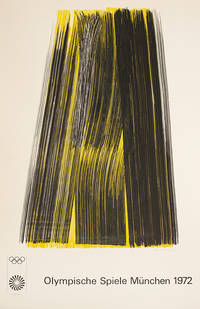
1095151972 . The extremely rare complete collection of 28 artists original graphics the first signed edition before the second poster edition of 4000 with varying edition numbers including Artist's Proofs from the total edition of 200 each hand signed and numbered or inscribed 1969 - 1972 printed on varying papers published by the Organising Committee for the Games of the XXth Olympiad and F. Bruckmann Germany with 2 additional screenprints of the Emblem by Victor Vasarely 1972 signed from the edition of 200 on wove paper each sheet various measurements. 1020 x 640mm 40¼ x 25¼ inches.<br /> <br /> 1972 unknown
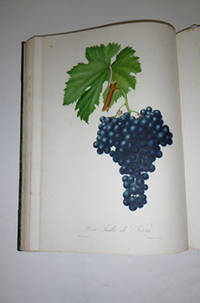
51-5227Pisa: Co’ Caratteri de’ FF. Amoretti Presso Niccoló Capurro 1817- 1839. 4 folio volumes 31 x 44.4 cm. Large paper copy. 19th Century half green morocco with marbled boards. Some pages with stains and foxing. but most very fresh. The plates were printed in colors which was then much more expensive and always more elegant than handcoloring black inked printed pages. With 155 color stipple engravings. The plates are not numbered but some copies have as many as 163 plates.The Italian artists are : Giuseppe CAROCCI Alessandro CONTARDI Francesco CORSI Paolo FUMAGALLI Luigi GARIBBO Luigi GIARRE Carlo LASINIO Tomaso NASI Giuseppe PERA Stefano RINALDI Bernardino ROSASPINA Antonio SERANTONI Antonio VERICO…engraved after A. BASOLI Giuseppe BAZOLI Luigi BISI Carolina & Isabella BOZZOLINI Giuseppe BUCHERELLI D. DELPINO Pellina Piuma GALLESIO Sofia GIORDANO Ferdinando MORI Domenico del PINO Daniele DEL Ré Antonio SERANTONI M. VERNERO…OCLC Number / Unique Identifier:558753573.FIRST EDITION OF THE FINEST ITALIAN WORK ON FRUIT. "It is extremely rare and its interest is enhanced by the knowledge that it is one of the few examples outside of England in which aquatint has been used successfully" Dunthorne. "Before Gallesio began this enormous work published in fourty-one parts from 1817 to 1839 he had already published his Traité du Citrus which explains the reason for the lack of oranges and lemons in a catalogue of Italian fruit. Gallesio's fruit garden in Savona was not his main occupation for he was a lawyer and a civil servant as well as a botanist whose experiments on the development of varieties of fruit were quoted later by Charles Darwin. Gallesio's Pomona was a major contribution to the study of pomology in Italy" Raphael Oak Spring Pomona. Dunthorne 118; Great Flower Books p. 57; Raphael Oak Spring Pomona 52; Nissen BBI 683. 4 volumes in-folio demi-maroquin vert dos à nerfs orné reliure fin XIXe s.Brunet II 1466 « Pour la beauté de l'exécution cet ouvrage ne le cède en rien à ceux du même genre que l'on a publiés en France depuis une cinquantaine d'années » ; Dunthorne 118 « A very fine work » ; Great Flower Books 92-95 ; Oak Spring Pomona 52 ; Nissen BBI 683 3. Pisa: Co’ Caratteri de’ FF. Amoretti, Presso Niccoló Capurro, 1817- [1839] hardcover
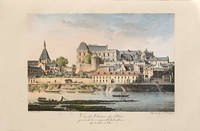
ABAA-75TH-VBF-35<p>Paris plates dated 1818-1820.</p><p>Folio of 86 full-page plates. Blue straight-grained morocco gilt and blind-stamped borders around the covers gilt arms in the center ribbed spine decorated with blind-stamped borders and gilt tools inner border gilt edges. <em>Simier R. du R.</em> signature at foot of spine.</p><p>436 x 295 mm.</p><p><strong>Very beautiful collection of views of castles from the library of the duchess of Berry in a bindings by</strong> <em>Simier</em>.</p><p><strong>86 lithographs in color enhanced with gum Arabic</strong><strong> </strong>by <em>Bourgeois</em> 83 and <em>Thiénon</em> 3 printed by <em>C. de Lasteyrie</em> and <em>F. Delpech</em>.</p><p>Constant Bourgeois 1767-1841 a pupil of David produced several suites of topographical views of Europe. In addition to plates from the <em>Recueil de vues pittoresques de la France</em> Paris 1818-1819 there are some very probably from the <em>Voyage pittoresque à la Grande Chartreuse suivi de quelques vues prises dans les environs de ce monastère</em> Paris 1821.</p><p>Among the castles sites and monuments depicted are the Semur keep the castles of Rambouillet Gisors Frazé Courtalin and Bois-Ruffin Graville abbey views of Voreppe Ville-d'Avray and the Jouy factory etc.</p><p><strong>Copy in exceptional condition contemporary bound by Simier with the arms of Marie-Caroline duchess of Berry</strong> and with the bookplate of the <em>château de Rosny</em> cat. 1837 n°l 905.</p><p>Marie-Caroline-Ferdinande-Louise de Bourbon-Sicile daughter of Ferdinand I King of the Two Sicilies and Marie-Clementine Archduchess of Austria was born in Naples on November 5 1798. On June 17 1816 she married Charles-Ferdinand d'Artois Duke of Berry second son of the future Charles X who was assassinated on February 13 1820. Widowed at the age of 22 the Duchess of Berry devoted herself to the upbringing of her two children Louise-Marie-Thérèse d'Artois and Henri-Charles-Ferdinand-Marie Dieudonné Duke of Bordeaux who was born posthumously. Very courageous in 1832 she tried to foment a failed legitimist uprising in Vendee; betrayed on November 7 of the same year by the Jewish convert Deutz she was imprisoned in the citadel of Blaye where she gave birth to a daughter she had had with Count Hector Lucchesi-Palli whom she had secretly married in 1831; released in June 1833 she was kept apart by the royal family and had the responsibility for her son's education taken away from her. She lived in Venice and died on April 17 1870 at Brunnsee Castle in Styria.</p><p>This princess whose artistic tastes were highly developed had built up a luxurious library in her château at Rosny near Mantes remarkable as much for the choice of editions and the richness of the bindings as for the importance of the manuscripts it contained.</p><p>The Duchess of Berry was not only a renowned bibliophile but also an enthusiastic patron of the arts with a keen interest in the work of contemporaries such as Ambroise-Louis Garneray who depicted views of contemporary life. Her library contained finely illustrated travel books such as Achille Etienne Gigault de la Salle's <em>Voyage pittoresque en Sicile</em> Paris 1822-26 his dedicated copy the Botfield copy Christie's London March 30 1994 lot 64 and an album of 125 engraved plates from Jacques Rigaud's <em>Recueil choisi de plus belles vues des palais châteaux et maisons royales de Paris et des environs </em>Paris: circa 1730-1752 Christie's London. December 9 1983 lot 138 and the present album of views is very typical of her interest and taste for topographical printing.</p><p><strong>Only recorded copy complete with 86 contemporary coloured engravings preserved in its contemporary armorial morocco binding</strong><strong></strong> sold for € 45601 by Sotheby's London on June 13 2002 22 years ago.</p><p>FR</p><p>Paris planches datées 1818-1820.</p><p>In-folio de 86 planches à pleine page. Maroquin bleu à long grain roulettes dorées et à froid en encadrement armes dorées au centre dos à nerfs orné de roulettes à froid et fers dorés roulette intérieure tranches dorées. <em>Simier R. du R. </em>signature en pied du dos.</p><p>436 x 295 mm.</p><p><strong>Tr</strong><strong>ès beau recueil de vues de châteaux provenant de la bibliothèque de la duchesse de Berry dans une reliure de</strong> <em>Simier</em>.</p><p><strong>86 lithographies en couleurs avec rehauts à la gomme arabique</strong><strong></strong> par <em>Bourgeois</em> 83 et <em>Thiénon</em> 3 imprimées par <em>C. de Lasteyrie</em> et <em>F. Delpech</em>.</p><p>Constant Bourgeois 1767-1841 élève de David produisit plusieurs suites de vues topographiques de l'Europe. Aux planches tirées du <em>Recueil de vues pittoresques de la France </em>Paris 1818-1819 s'ajoutent quelques-unes très probablement tirées du <em>Voyage</em> <em>pittoresque à la Grande‑Chartreuse suivi de quelques vues prises dans les environs de ce monastère </em>Paris 1821.</p><p>Parmi les châteaux sites et monuments représentés citons le donjon de Semur les châteaux de Rambouillet Gisors Frazé Courtalin et Bois-Ruffin l'abbaye de Graville des vues de Voreppe de Ville-d'Avray de la manufacture de Jouy etc.</p><p><strong>Exemplaire en condition exceptionnelle relié à l'époque par Simier aux armes de Marie-Caroline Duchesse de Berry et</strong> avec l'ex-libris du <em>Château de Rosny</em> Cat. 1837 n° l 905.</p><p>Marie-Caroline-Ferdinande-Louise de Bourbon-Sicile fille de Ferdinand 1er roi des Deux-Siciles et deMarie-Clémentine archiduchesse d'Autriche née à Naples le 5novembre 1798 épousa le 17 juin 1816 Charles-Ferdinand d'Artois duc de Berry second fils du futur Charles X qui fut assassiné le 13 février 1820. La duchesse de Berry veuve à 22 ans se consacra à l'éducation de ses deux enfants Louise-Marie-Thérèse d'Artois et Henri-Charles-Ferdinand-Marie Dieudonné duc de Bordeaux né posthume ; très courageuse elle essaya en 1832 de fomenter en Vendée un soulèvement légitimiste qui échoua ; trahie le 7 novembre de la même année par le juif converti Deutz elle fut enfermée dans la citadelle de Blaye où elle mit au monde une fille qu'elle avait eue du comte Hector Lucchesi-Palli qu'elle avait épousé secrètement en 1831 ; remise en liberté en juin 1833 elle fut tenue à l'écart par la famille royale et se vit enlever la direction de l'éducation de son fils. Elle vécut à Venise et mourut le 17 avril 1870 au château de Brunnsee en Styrie.</p><p>Cette princesse aux goûts artistiques très développés avait constitué dans son château de Rosny près Mantes une luxueuse bibliothèque remarquable tant par le choix des éditions et la richesse des reliures que par l'importance des manuscrits qu'elle renfermait.</p><p>La duchesse de Berry était non seulement une bibliophile réputée mais aussi une mécène enthousiaste des arts avec un vif intérêt pour le travail de ses contemporains comme Ambroise-Louis Garneray qui dépeint des vues de la vie contemporaine. Sa bibliothèque contenait des livres de voyage finement illustrés tels que le <em>Voyage pittoresque en Sicile</em> d'Achille Etienne Gigault de la Salle Paris 1822-26 son exemplaire dédicacé l'exemplaire Botfield Christie's Londres 30 mars 1994 lot 64 et un album de 125 planches gravées du <em>Recueil choisi de plus belles vues des palais châteaux et maisons royales de Paris et des environs</em> de Jacques Rigaud Paris : vers 1730-1752 Christie's Londres. 9 décembre 1983 lot 138 et le présent album de vues est très typique de son intérêt et de son goût pour l'impression topographique.</p><p><strong>Unique exemplaire répertorié complet des 86 estampes en coloris de l'époque conservé dans sa reliure en maroquin armorié de l'époque</strong><strong> </strong>adjugé 45 601 € par Sotheby's London le 13 juin 2002 il y a 22 ans.</p> hardcover
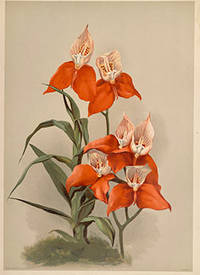
51-3047St. Albans London: F. Sander and J. French for Henry Sothern 1886-1888-1894. Folio 522 x 392. Housed in 4 elegant and massive slipcases of embossed lambskin over linen by the celebrated binder Sasha Mosalov.viii of x 110; viii 106; 8 iii 1 104; viii 24 27-114 pp. 2 Series in 4 volumes; with 192 chromolithograph plates after Henry George Moon W.H. Fitch & A.H. Loch wood-engravings throughout the text. Lacks first volume title page pp. 25/26 in final volume; plates with fresh tissue guards; some toning and edgewear occasional spots more so to verso dampstain in margins of some plates text with occasional foxing and toning some chips and damp staining wrappers with chips around extremities of the text pages which are on brittle pages.OCLC Number: 221762250FIRST EDITION of what Sitwell considers an "important and authoritative work for orchid growers." German-born Sander settled in St. Albans Hertfordshire where he ran a successful nursery specializing in orchids. The above work which was a collaboration with landscape painter Henry G. Moon was named in honor of the renowned German orchidologist Heinrich Gustav Reichenbach. The chromolithographs are among the best of its day with hand-cut blocks and use of up to 20 colors. Great Flower Books p 135.Very Heavy will cost extra for shipping. St. Albans, London: F. Sander and J. French for Henry Sothern, [1886]-1888-1894. unknown
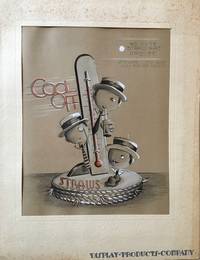
189756093Cuba IL; Chicago IL Topeka KS & St. Louis MO: Raymond Whitnah Display Products Co. Kaye Whitnah Industrial Designs 1897-1970. Fifteen vols. sized 4to. 9.5 x 12 in. up to Folio. 14 x 17 in. Approx. 1414 pp nearly all unpaginated or unnumbered. including 295 silver gelatin & silver print photographs Polaroid and albumen images sized from 2 x 2 in. up to 13 x 15 in. hand-coloured silver prints the majority of the photographs are tipped-in 8 x 10 in. images into albums with thick black paper stock some linen-backed some are hand-coloured many of the silver print designs have been hand-painted or hand-coloured most on glossy photo stock 1 albumen photo mounted on studio card sized 6 x 12 in. many w/ annotations on versos some w/ captions in lettering below or dittoed and/or mimeographed explanatory texts on versos or mounted below the images; the majority of the silver print designs are mounted on beige or black linen hinges; with four of the photo albums still preserving all or at least have of the original binding covers 2 renewed 1 w/ hand-lettered title page and table of contents; many TLS ALS promotional inserts printed catalogues printed mimeographed and dittoed text several telegrams and all preserved in archival mylar sleeves together with the remainder of the archive. With 229 original designs paintings pen & ink pencil and water-coloured drawings artist’s renderings blueprints cyanotype blue-prints ranging in size from 6 x 8 in. up to 17 x 38 in. some framed by studio board others mounted on glossy paper stock and a significant portion on tinted paper stocks of gray brown taupe and tan some loose and others mounted with linen hinges most having either the Display Products Co. printed at lower fore-edges or printed in the explanatory texts below or on versos with some signed by artist at lower edge of the image occasional soiling creasing lifting & chipping to fore-edges of some renderings others with minor creasing or curling still nearly all bright and all preserved in post-binders or portfolio cases with stamping on covers. This incomparable archive of photographs and original advertising art was created by Ray Whitnah his company Display Products Co. and later his son Kaye Whitnah who were innovative commercial artists and industrial designers through the Jazz Age Great Depression World War II and the post-War era. Ray Whitnah’s displays incorporated life-like scenes wax models and often inventive display apparatus and mechanical elements incorporating stunning Art Deco graphics and story telling all heavily influenced by the displays of L. Frank Baum Ernst Goldsman and Gordon Selfridge pioneering window display artists at Marshall Field in Chicago at the beginning of the 20th century. The first volume includes prize-winning letters for displays across the Midwest for the Pugh Store Co. department stores and later for Crosby Bros. Co. department stores in Topeka KS incorporating photos documents announcements and trade journals. Photographs in the second volume reveal how Whitnah created striking sales tableaux for women’s furs hosiery girdles bathing suits Hoover Vacuums Motorola heaters and kitchen ware. Of special interest are the surrealist bathing suit windows superimposed behind a reverse painted clock face featuring undersea flower & shell arrangements and large sea snail. Other images show striking windows for Kotex Sanitary products DeFildiss Perfumizer Eline’s candies and apple bars Nemo-Flex Corsettes Phoenix Hosiery and others. Volume III entitled the “Championship Class†album provides a superb overview of Whitnah’s prize-winning displays including an elaborate Chinese rugs window with Chinese mah jong players; Pyrex ware window featuring four & 20 blackbirds flying from the pie; a mechanical bathing display; toy display featuring paraffin falls imitating frozen water; an elaborate Congoleum flooring display; and his tour-de-force mechanical Nemo Corset Display featuring a large turntable revolving with women’s figures representing seven ages appearing in order within four minutes per revolution and a ribbon to pull the layered photos to recreate the effect in the album. The fourth album incorporates inventive millinery and women’s fashions in minimalist vignettes for the Crosby Bros. Department store with some incorporating Moorish or Oriental inspired designs vivid Art Deco backdrops and historiated scenes reflective of the fashions in the opening years of the Roaring 20s. The fifth volume reflects the increasing creativity and daring of Whitnah including window displays showing flying Hoover vacuums increased storytelling and elaborate displays for Christmas Radiola record players an elaborate fairy tale scene for Hickock belts Maytag washers featuring backdrop of children dancing around the Maypole and series of Santa Fe RR windows celebrating travel on the Honeymoon. Of particular interest in this album is the large elaborate Kotex Sanitary Specialties window entitled “Kotex: A “Justice†to the World†featuring a lady justice on top of a globe Kotex packaging balanced in the scales and other products displayed around the window.The sixth & seventh albums mark the 1930 shift by Ray Whitnah to establish not only his own manufacturing company for window display fixtures and apparatus but also an Automotive Displays Inc. intending to target the burgeoning window display market with automobile dealers across the country producing lithograph posters newspaper camera ready ads catalogues along with flood lights backgrounds finished products no chassis and one-lithograph signs. The company was incorporated in Delaware in 1931 with Whitnah holding 51% of the voting stock. The sixth volume shows many different devices for displaying men’s clothes wooden shirt stands adjustable clothes stands and even their introduction into the Cohn-Storthz men’s shop in St. Louis MO. The famed St. Louis Mart and Terminal Warehouse was a massive Art Deco edifice later named the Robert A. Young Federal Building and designed by Preston Bradshaw who began with McKim Mead & White. Acquired by the U.S. Army in 1941. Volumes VIII thru XIII consist primarily of original artwork and renderings by Whitnah and his Display Products Co. team for a variety of companies and encompassing a broad range of stands risers product displays and mechanical devices to create stunning advertising displays. These include ocean liner stacks for swim togs Easter bunny displays stork displays for infant apparel as well as a striking 4 foot tall hat box display store unit which holds hatboxes. Also included are Art Deco streamline inspired Concert Rotors for Christmas merchandise a custom built beach shop toy & gift displays for toy departments and more. Volume IX & X include large vividly coloured Art Deco Christmas Box and North Pole holiday designs; decorations and metal filigree displays for handkerchiefs and windows; a large giraffe and a firework display unit for toys and of special interest a vivid “Bell-Hop Series’ display pieces of caricature Chinese-American and African-American display holders for Christmas wreaths. In addition Whitnah’s company had developed the “Horizons†display system which included Flexible Wood Panels that could be incorporated into window displays become the window display themselves and served as a kit system to attach other Display Products Co. fittings all executed with an Art Deco modernist aesthetic. The Horizon system also incorporated interchangeable forms to create arresting streamline floor and window displays that would enable the company to come into any department store client’s business and create an entire display system for them right down to the glue and lighting. Volume XI presents artwork of caricature cartoon and humor signs drawing from major cartoonist of the period and created exclusively for the Display Products Co. each mounted as enameled triangle and hanging from stanchions next to the Men’s Department or other Departments employing their display fixtures. Many of the original designs in the last couple volumes reflect an animated whimsey with stylized figurines cartoon-like characters some appearing to draw from Held while others from Pogo or other animators of the 1930s-1950s and many of the drawings with a decided Western inspired cowboy theme. Also appearing in these portfolios are many designs incorporating bamboo and bamboo shapes for stands displays shelving and backdrops. Many of the silver print blueprints and reproduced designs refer to the specific wood finishes on the wood carved and wooden stands created by the company. The final volume is devoted to the seat and interior designs by Kaye Whitnah for the Sabrejet 60 upgrade noted in this design proposal as the Sabre 70 and dated 1970 which would later become the Sabrejet 75 when it went into production at the end of the 1970s. Featuring 5 windows on the fuselage the Sabrejet Series 60A was over 3 feet longer than the original series 40 approved in 1963. The original drawings show window and and window frame assembly units as well as the interior cabin and seats designed by Whitnah along with manufacturing steps and Polaroid photos showing the process. Ray Whitnah 1893-1973 was the son of Arthur Whitnah a general store owner in Cuba IL and later Gardner KS where he worked as a sign painter and letterer until 1909 when he moved to Chicago to take a course in window display at the Chicago School of Window Decorating apprenticed with Jack Cameron -- famed commercial artist and designer at the Harris Emery Co. Department Store in Des Moines IA and later as the display manager for the 35 store Pugh Store Co. chain. After their bankruptcy in 1919 he became the prize-winning display manager for Crosby Bros. and by 1930 had set up his own successful display businesses in St. Louis MO where he would remain for the rest of his life. Kaye Lamoyne Whitnah 1918-1992 worked with father by World War II as an industrial designer and artist with Display Products Co. at 3944 1/2 Olive in St. Louis MO. Also an inventor he patents portable grids for Terrazzo Floor securing plates in displays in 1968 and later became the only manufacturer in the United States for the BMW Isetta parts with a customer list of 350 different Isettas. He was the owner of Whitnah’s Angler’s Isle Resort in Hay Lake MO and by 1989 had accumulated a collection of 13 1/2 Isettas manufacturing gas caps windshields and even hubcaps by creating molds and designs from the original parts. See: Appliances for Pillar Decorations Merchants Record & Show Window 1919 vol. XLV No. 5 p. 28-29. Who’s Who in the Profession R.T. Whitney Crosby Bros. Topeka KS Merchants Record & Show Window 1919 vol. 44 pp. 46-48; Designer Defies “Bubble Car†Parts Blight Pine River Journal Vol. 54 No. 17 July 13 1989. Raymond Whitnah, Display Products Co., Kaye Whitnah, Industrial Designs, hardcover
181946939Tbilisi.: 'Feniks'. December 1918 - 1919 February / March. Stapled as issued in original publisher's printed paper wrappers with titles to front covers in black issue no. 2 in red and black issues 2 and 3 /4 with publisher's vignettes issue 1 with advertisements to rear cover; repair to spine of issue 1 front cover of issue 2 detached. 4 issues in 3. 4to. c.220 x 190 mm. Printed text and verse in Russian throughout no. 1 with 3 mounted monochrome zincograph illustrations by A. N. Geevski no. 2 with monochrome illustrations by Terent'ev and P. Iashvili issue 3 with monochrome illustrations by Goncharova and Kruchenykh. An excellent complete set of the very scarce avant garde periodical 'Kuranty'.The short-lived literary and artistic periodical 'Kuranty' produced in Tbilisi during the Russian Civil War features contributions from many of the most important Russian and Georgian avant garde figures of the time: Alexei Kruchenykh and Igor Terent'ev contributed a large body of material but the contributions of Kyril Zdanevich the editor Boris Korneev Nikolai Sudeikin Tatiana Vechorka Rafalovich and others cannot be overlooked. Natalia Goncharova's 'Portrait of A. Kruchenykh' is reproduced in the final issue together with portraits by Kruchenykh himself.This Tbilisi-produced 'Kuranty' is not to be confused with the review 'Kuranty' published in Kiev in the same year and also of considerable rarity.'Kuranty' is extremely scarce and we can locate no complete sets in libraries although a facsimile is held and Johns Hopkins holds a copy of issue 1; auction records feature one complete copy only that sold at Christie's in 2014 as well asone other incomplete set also Christie's in 2007. 'Feniks'. unknown
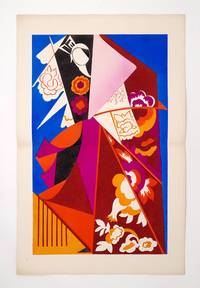
2936<p><strong>Celebrated portfolio reproducing with striking pochoirs Goncharova and Larionov's works for the avant-garde stage and showing a variety of styles on large folding plates.</strong></p><p><strong>First edition limited to a total of 515 copies this one no. 162: a pleasant example complete in its original folder.</strong></p><p>Goncharova and Larionov met at art school in Moscow forming a life-long professional and personal partnership. They were founding members of several radical artistic groupings and in 1913 under the influence of Cubo-Futurism they invented Rayonism which pioneered the movement towards abstractionism in Russian art. On the invitation of Diaghilev they went to Paris in 1914 to work on costume and set design for the Ballets Russes. Like Bakst and Picasso who also designed for Diaghilev Goncharova and Larionov "transcended the frames of their studio paintings to use the theatre as a laboratory of material forms each applying different strategies but all united within what Larionov called a 'universe existing alongside the world of reality'." Bowlt</p><p><strong>"Entre les nouvelles formes que le vingtième siècle a données aux arts l'expression nouvelle de l'art décoratif fut trouvée par la génie de deux peintres – Larionow et Gontcharova.</strong>" From the introduction by Parnakh.</p><p>The present portfolio was published for Larionov and Goncharova's exhibition of theatre designs at the Galerie Barbazanges. It opens with Goncharova's sets for the ballet Le coq d'or her 1914 debut with the Ballets Russes and continues with various costume and make-up designs 'Costume russe' 'Kikomora' etc. before ending with colourful pochoirs stencils including Larionov's cricket costume 'Le Grillon' for the ballet Histoires naturelles with music by Ravel: an outré example of why performers found Larionov's designs a challenge to wear.<br />Also included is Valentin Parnakh's essay discussing Larionov's theories about dance and theatre and singling out the artist as the initiator of new types of choreography including dances based on free movements types of gait animal movements mechanical dance and social dance related to work. His text is embellished with tipped-in illustrations of sets and costumes some in colour on glossy paper.</p><p>"While Larionov and Goncharova recognised the importance of Western art on avant-garde artistic practice their work simultaneously fostered a distinctly Eastern character" Fox something particularly visible in this remarkable publication.</p><p>Description<br />Folio 33.2 x 25.8 cm. 18 pp. incl. limitation leaf title with colour bullseye pochoir and introductory essay with 8 tipped-in illustrations 2 pp. list of illustrations and plates 1 p. limitation 8 colour lithographs incl. 3 tipped-in and 6 pochoir plates including 5 double-page and folded.<br />Binding<br />Loose as issued in original publisher's printed portfolio with flaps upper wrapper with vignette in black by Larionov.<br />Condition<br />Minor staining on wrappers slight offset from title vignette and on a couple of the folded pochoirs minor browning to folds as usual an overall clean crisp example.<br />Bibliography<br />Fox D. " The Transgressive Art of Natalia Goncharova" online; Bowlt J.E. " Léon Bakst Natalia Goncharova and Pablo Picasso" in J. Pritchard ed. Diaghilev and the Ballet Russes: When Art Danced with Music. London: Victoria and Albert Museum 2013. pp. 103-28. ref: 2936</p> Paris, Crété for 'La Cible', 1919.
140938852Portland OR: Nazraeli Press 2017. First Edition. Fine. 124 Volumes 100 titles five multi-volume deluxe sets and duplicates of several titles several labeled AP for Artist's Proof. A complete run of the celebrated series which features 100 uniformly sized books of various colors giving each artist a 16-page canvas to exhibit a cohesive body of work. Each volume is limited to 500 copies and each contains one photographic print tipped in and signed by the artist--hence the name of the series. Conceived in 1998 as a way to make original art more affordable titles were originally released in groups of four generally twice a year beginning in 2000 and ending in 2017 with most copies reserved in advance for subscribers. Complete sets of the 100 titles are uncommon as many volumes are out of print; even more uncommon are those with the deluxe box sets as few were issued toward the beginning of the series. All volumes are Fine to Near Fine. Several volumes with light spine sunning or a slight shelf lean.<p><br /> <br /> The deluxe sets are by John Gossage Four American Photographs Todd Hido Taft Street Eduardo del Valle & Mirta Gomez Four Sections of Time all marked as "AP" or artist's proofs Judy Gelles Beach Boxes and Emi Anrakuji e hakagi<br /> <p><br /> <br /> Comprised of 1. Terri Weifenbach Instruction Manual No. 1: 21. May 1995; 2. John Gossage Four American Photographs 4-volume set in slipcase; 3. Terri Weifenbach Instruction Manual No. 2: 21. April 1996 "Bee"; 4. Terri Weifenbach Instruction Manual No. 3: 25. June 1996 "Blue Sky"; 5. Chan Chao Letter from P.L.F. Burma; 6. Todd Hido Taft Street 4-volume set in slipcase; 7. Ron van Dongen Rosa Ferreus; 8. Susan Hornbeak-Ortiz True; 9. Bill Jay Bill Brandt 2 copies; one signed as usual on limitation line and there the other marked "print signed on verso"; 10. Julien Coulommier Soleil Cou Coupe; 11. Yuki Onodera How to Make a Pearl; 12. Robert Adams Alders; 13. Risaku Suzuki Fire: February 6; 14. Robert Heinecken studiesnineteenseventy; 15. Don Kirby You're not really initiated until your eyes are redder than your lips; 16. Masao Yamamoto The Path of Green Leaves; 17. Martin Parr 7 Communist Still Lifes; 18. Andreas Müller-Pohle Yumiko; 19. Sara Gilbert Cues; 20. Toshio Shibata Type 55; 21. Michael Kenna Boarding School; 22. Eduardo del Valle & Mirta Gómez Four Sections of Time 4-volume set all marked as "AP" or artist's proofs; 23. Weng Fen Sitting on the Wall & Bird's Eye View; 24. Judy Gelles Beach Boxes 1 copy 4-volume set in slipcase; 25. Naoya Hatakeyama River Series / Shadow; 26. Boomoon Kwon On the Clouds; 27. Camille Solyagua Twenty-One Red-Crowned Cranes and One Black Crow; 28. Martin Parr 7 Colonial Still Lifes; 29. Jim Stone Why My Photographs are Good; 30. Stu Levy Cranial Czar Eh; 31. Ken Ohara One; 32. Steve Pyke: Post Partum; 33. Steve Pyke: Post Mortem; 34. Joseph Mills e mars Lilly's Waist; 35. Yuichi Hibi Robert Frank A Weekend with Mr. Frank; 36. Twinkako Ishiwata-Pichler Desperately Seeking Twinka; 37. Ron van Dongen A. angustatum; 38. Junko Takahashi The Receptionist; 39. Daido Moriyama Kuchibiru; 40. Emi Anrakuji e hagaki 7 volumes included with 6 unique prints; no slipcase present perhaps as issued; 41. Michael Kenna Montecito Garden; 42. Tanya Marcuse Fruitless; 43. Stephen Shore Merced River; 44. Jesse Diamond Drum Circle; 45. Nancy Honey Poodle Parlour; 46. Lars Schwander Manuel Ãlvarez Bravo: One Day in April 1999; 47. John Divola Seven Dogs; 48. Masao Yamamoto Fujisan; 49. David Maisel Cascade Effect; 50. Rob McDonald Birth Place; 51. Netta Madahar Sustenance; 52. David Tseklenis Julius Shulman Does His Own House; 53. Joe Deal Indian Bingo; 54. Raymond Meeks Doctrine of an Axe; 55. Mayumi Lake Ex Post Facto; 56. Michael Kenna Heiden Hotel; 57. Eduardo del Valle & Mirta Gómez En Vista; 58. Edward Bateman Mechanical Brides of the Uncanny; 59. Todd Hido: Cracked Trees 2 copies one numbered the other labeled "AP" for Artist's Proof; 60. Todd Hido: Crooked Cracked Tree in Fog 2 copies one numbered the other marked "AP" for Artist's Proof; 61. David H. Gibson: Water Cascade: A Sequence; 62. Eiji Ina: Wacht; 63. Alec Soth: One Mississippi; 64. Mark Steinmetz: Italia: Cronaca di un Amore; 65. Pine & Woods: For Constance; 66. Hiroshi Watanabe: Love Point; 67. Terri Weifenbach: Some Insects; 68. Sally Mann Rob McDonald and Even Rogers: Cy's Rollei; 69. Corey Arnold: Fishing with My Dad 1978-1995; 70. Joni Harbeck & Neil Krug: Indian Girl; 71. Steve Fitch: Motel Signs; 72. Liz Steketee: Dystopia; 73. Stephen Shore: Pet Pictures; 74. Martin Parr: Seven Cups of Tea; 75. Stu Levy: Honk If You Love Stieglitz: Jerry Uelsmann A Grid-Portrait; 76. Leon Borensztein: Portraits ii; 77. Carol E. Richards: Birds Have Wings; 78. Melanie Pullen: Juliette; 79. Martin Usborne: Fox About Town; 80. Risaku Suzuki: Snow Letter; 81. John Divola: Supermarket; 82. Richard Misrach: iPhone Studies: Reverse Scrubs; 83. Dan Solomon: Witness; 84. Jim Goldberg: Polaroids from Haiti 2 copies one marked "AP" for Artist's Proof; 85. Roger Ballen: The Audience; 86. Doug Rickard: All Eyes on Me; 87. Aaron Ruell: Ten Years Too Late; 88. Alec Soth: Bogota Funsaver; 89. Steve Kahn: Corridors; 90. Daido Moriyama: Self 2 copies; 91. Katy Grannan: Lion King; 92. Michael Kenna: Kussharo Lake Tree; 93. Todd Hido: Season Road; 94. Elaine Ling: Habitacion Cubana; 95. Ed Templeton: Memories of the Salt.; 96. Ave Pildas: Bijou; 97. Javier Carrillo: Las Trocas Angelinas con sus Mercancia; 98. Gregori Maiofis: Taste for Russian Balet; 99. Tomoko Sawada: Face; 100. Gloria Katz: Souvenirs. Nazraeli Press unknown
183852830New York:: Bufford's Lithography 1838. First edition thus. stitched and enclosed in unprinted blue paper wrappers as issued; enclosed in a custom cloth folding box. . Some scattered inoffensive foxing; beautiful original condition. Rare. Folio. Ten lithographs and five engraved maps. . Deak Picturing America 477. These views and maps illustrate NYS Assembly Document 200 1838 and were also issued separately. Deak: "This early series of ten lithographic views and fine engraved maps constitutes one of the most important keys to the iconography of the Adirondack region." Bufford's Lithography, hardcover
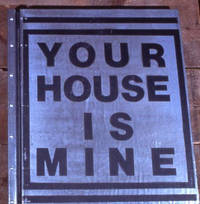
7616New York: Bulletspace etc. 1991. First Edition/Limited Edition. Hardcover. Fine in Fine Rubber Wrapper. First Edition/Limited Edition. Hardcover. "This project is a collection of images and texts defining and expressing the broad and essential issue of housing on the Lower East Side and is a statement of the underlying force of 'art as a means of resistance'. It is both a documentation and expression of social/political issues in our neighborhood and on a larger scale to symbolize similar conflicts in other parts of the world." Bulletspace<br /> Printed at Bullet Space an anarchist squatter community since 1982 The Lower East Side Workshop Black Cat Printshop Cooper Union and the Brandywine Workshop. Funded by Art Matters Artist Space Northstar Fund Andy Warhol Foundation. The work includes 32 silkscreened posters on Mohawk vellum paper all signed by the artists: Paul Castrucci; John Fekner; Stash Two; Tom McGliynn & Emily Carter; Day Gleeson & Dennis Tomas; Nadia Coen; Anton Von Dalen; Juan Sanchez; Martin Wong; Miguel Pinero & Andrew Castrucci; Betzaida Concepcion; Seth Tobocman; Sabrina Jones; Red Rodriquez; Marguerite Van Cooke & James Romberger; Neighborhood News; David Wojnarowicz; Lee Quinones & Eduardo Galleano; Lady Pink; Sebastian Schroeder; Missing Foundation; Salter Sipser; Bruce Witsiepe; Will Sales; Vincent Galgliostro & Avram Finkelstein; Eric Drooker. <br /> "This project is a collection of images and texts concerning the broad and essential issue of housing on the Lower East Side of Manhattan." It presents a series of posters created to bring attention to New York City's campaign of condemning entire blocks of decent low-income housing in order to demolish them and build more taxable high-rise housing. It is a document of an impressive and provocative public art project featuring some of the most well-known artists of this activist art movement centering on housing economics healthcare gay and lesbian and other civil rights.and of the American art world of the time. Many of the artists have become well-known in recent years with their works represented in collections at the Museum of Modern Art the Metropolitan Museum of Art the Whitney Museum of American Art the Museum of the City of New York El Museo del Barrio the Brooklyn Museum etc. Several artist included have emerged as major figures in the Graffiti Art Movement. Several are now faculty at prestigious colleges. <br /> Each of the posters was printed in an edition of approximately 300 half formed the core of this book series the rest were posted in the neighborhood. These posters catalyzed and sometimes escalated the intensity of the dialog around the ongoing issues of gentrification conservation urban development and social justice that is the bedrock of the Lower East Side experience. Beyond that culturally the posters embody a 20th Century movement where artists combined innovative materials design and aesthetics with radical and populist politics that had a great impact on the art world of New York and beyond. The unusual heavy lead-covered binding was designed to convey the feeling of oppression. <br /> The significance of the work.and a reason for its increasingly scarcity.can be seen in an overview of institutions who now hold a copies: Brooklyn Museum NY; Cooper-Hewitt NY; Fogg Museum at Harvard University MA; Getty Institute Los Angeles CA; Gutenberg Bibliotek Germany; Herzon Museum Germany; Mainz Bibliotek Germany; MoMA NY; Museo del Commune di Milan Italy; Offenback Bibliotek Germany; Pesci Museum Italy; Smith College MA; Spencer Collection at Yale University CT; Staadt Museum Germany Stielich Bibliotek Germany; University of Kansas KS; Kohler Art Library at University of Wisconsin WI; Victoria and Albert Museum UK; Wellesley College MA; the Whitney Museum of American Art NY." Bulletspace<br /> The final line of the forward to Your House is Mine reads "We have taken this opportunity to unite the following people in this collaborative project as a statement of 'art as a means of resistance.'" It is a remarkable statement. Very minor shelf/edge wear to spine else tight bright and unmarred. Black rubber sheet wrapper numbered in white ink with the limitation. Wooden boards rubber hinges bolted spine boards/spine covered in lead painted lettering on boards. fo. np. Illus. color and b/w plates. Limited numbered edition this being ___ of 150. All posters signed by the artist. Bulletspace, etc. hardcover
19195245-vitrineDen Haag: Levisson 1919-37. In total 92 issues of De Reclame also De Bedrijfsreclame published between 1919 and 1937. All issues in original illustrated wrappers printed in various colours with various lay-outs by various artists abundantly illustrated with b/w and colour illustrations as well as dozens of tipped in and loose samples and appendices. The series contain hundreds of articles about corporations and artists such as Piet Zwart Cassandre Paul Schuitema Louis Kalff V. Huszar Jac Jongert A.D. Copier O. Wenckebach Majakowski Von Stein etc. Year 1919 no: 10 12 ; 1920: 2 3 4 5 6 7 8 ; 1921: 2 3 ; 1922: 2 3 8 9 10 ; 1923: 4 5 6 7 8 9 10; 1924: 3 6 7 10 12 ; 1925: 2 4 5 6 8 10 12 ; 1926: 1 2 4 8 9 ; 1927: 1 2 4 6 9 10 11 12 ; 1928: 1 2 6 7 8 9 11; 1931: 7 11 ; 1932 weekly: 1 2 3 4 7 8 10 13 14 15 16 17 18 20 21 24 25 27 29 30 31 32 34 36 37 38 39 41 42 43 ; 1934: 2 ; 1935: 4 8 ; 1937: 10 11. All issues are sold seperately as well costing between 50 euro and 400 euro each. De Reclame successor of De Bedrijfsreklame was published between 1922-1937. The first issue appeared in January 1922 under the guidance of B. Knol and Machiel Wilmink. A year later De Vereeniging van de Reclame was established. Printer Levisson from The Hague was also involved with De Reclame. In January 1928 the magazine De Reclame became the organ of the Genootschap voor Reclame established 1927. An interesting set. Levisson unknown
63846Eight large aquatint etchings each approx. 14" x 18" on ca. 17" x 24" sheets; titled as follows: "Pirouette;" "Ballotade;" "Piaffe;" "Spanish Walk;" "Levade;" "Capriole;" "Pasade;" and "Croupade;" each signed in pencil lower right; edition of 50. In the original hinged gallery mats; small areas of discoloration to margins from mounting tape well away from printed area; one mat lacking a portion of border; still close to Fine. Together with an additional 47 related original artworks signed and unsigned including 29 etchings being proofs and preliminary states of the finished prints 15 sheets of pen-and-ink studies and three watercolors. Also present are several offprints of Helen Hill Miller's article "Ballet of the White Stallions: The Lipizzaners of Vienna's Spanish Riding School" published in the December 1960 issue of Esquire for which these prints were originally commissioned; two copies of the printed poster advertising Groth's 1960 exhibition at the Janet Nessler Gallery titled "The Horse in Sport;" the entirety housed in a hand-made art-paper portfolio boldly brush-signed and with a mounted signed ink sketch above the signature. A significant archive demonstrating the legendary illustrator's technique from preliminary sketch to finished etching. Many of the sketches and proofs are heavily marked-up in the artist's hand; others are signed and clearly intended to be finished works. The finished etchings printed in deep maroon ink on a white ground are stunning and apparently rare with no examples having been recorded in the secondary market since their original appearance at the Nessler Gallery in 1960 where they sold for $50 apiece - a princely sum at the time reflecting Groth's lingering fame as a battlefield illustrator during the Second World War; but also indicative of the great refinement of these works which while retaining a good deal of Groth's famously gestural style apparent in his studies and sketches for these works are exquisitely composed balancing the athleticism and the classical elegance of their subjects. Miller's article was one of the first to introduce the Lipizzaner Stallions to a popular American audience. Not until 1970 would the Spanish Riding School perform its first world tour introducing classical dressage in its highest form to a broad and appreciative public. PROVENANCE: from the archive of the artist acquired by us in 2015. unknown
980121 double-page one with a “trick†fold-out & four full-page color-printed woodblock illus. 17; 12; 15 folding leaves. Three vols. 8vo orig. semi-stiff wrappers rubbed orig. block-printed title labels on upper covers not present on the first vol. orig. stitching. Japan: Preface dated 1826.<br /> <br> <br> <br /> <br /> A remarkable and unusual shunga which depicts a hermaphrodite three scenes a ménage à trois scenes of voyeurism and masturbation a childbirth scene a deity with the face of a vagina and a nun having sex with a man two scenes. The color printing and embossing are exquisite throughout fresh and highly detailed.<br /> <br> <br> The third volume begins with two extremely rare images. The first depicts a husband praying for a baby girl while his wife prays for a male child. The following scene depicts a midwife assisting the wife who is bearing a hermaphroditic baby.<br /> <br> <br> There is much to be studied in this book; we have only suggested some of the complex subjects.<br /> <br> <br> There is some debate regarding the artists. WorldCat attributes the images to Utagawa Kuniyoshi and Utagawa Kunisada accession number 1020973371 but the NIJL erotica database Enpon Shiryo database and the Ritsumeikan University ARC database prefer Toyokuni and Kunitora. The author is EnkÅbÅ Tsukinari çŒ¿çŒ´åŠ æœˆæˆ. Kunitora act. 1819-40 a student of Toyokuni seems to have produced very few books including illustrated works of popular fiction as well as erotica.<br /> <br> <br> Fine set with minor thumbing. Minor worming in the first volume. unknown
409515From the Bart Auerbach Collection. Consisting of 188 autograph letters signed and one autograph postcard signed 336 pages 12mo and 8vo plus 25 related items. As below:. Sir Lawrence Alma-Tadema 1836-1912. 38 autograph letters signed 52 pages nearly all 12mo about half in French most signed "L Alma-Tadema" a few signed just with initials one letter with small ink sketch of Deschamps another letter with a fore-edge a bit chipped; docketed by Deschamps and a few with his penciled notes on versos. Written from London Naples and Menton 1872-1888. With six related items: three letters to Alma-Tadema from others regarding his paintings; two letters 1883 & 1910 from his wife and daughter also painters to Deschamps; and a pictorial invitation to an Alma-Tadema exhibition.<br /> <br /> Alma-Tadema writes about: sales of his paintings with some prices – payments for paintings – paintings mentioned are "Sappho" "The Audition" "La Cleopatra" – arranging meetings – portraits – arranging for paintings to go to exhibitions at Knoedler Birmingham Grosvenor Gallery – mentions four paintings leaving for America and their prospective buyers – social news – travels one letter is from Naples two are from Menton. <br /> <br /> <br /> Sir George Clausen 1852-1944. 81 autograph letters signed 158 pages 8vo one letter with two small drawings in the text 18 of the letters with condition problems because of the ink and the inferior dark stationery used fading some margins chipped all perhaps a dozen words lost; nearly all docketed by Deschamps on versos. Written from Cookham Dene in Berks St. Albans and possibly Paris 1881-1887. With eight signed receipts from Deschamps for sales of pictures and one printed Deschamps announcement.<br /> <br /> Clausen writes about: pricing pictures – exhibitions – discusses individual pictures he is working on and selling detailed – much on the Grosvenor Gallery – Royal Academy exhibition getting "The Gleaners" and other paintings ready for – thinking of moving from St. Albans to Cookham Dene – what he finds wrong with one of his pictures – which pictures should be sent to the Grosvenor or to the Royal Academy – going to Paris to paint for the winter Glow international exhibition – also Liverpool and Manchester exhibitions – framing – which pictures they are sending to each other – mentions Alma-Tadema – mentions other art dealers.<br /> <br /> Edward John Gregory 1850-1909. 30 autograph letters signed 50 pages 12mo-8vo a few letters a bit stained. Virtually all written from Maida Vale one letter from Florence 1881-1888. With two signed receipts from Deschamps. Gregory writes about: financial matters – collectors – exhibitions – sales of his pictures – prices for pictures – pictures and watercolors he is working on a few detailed – framing – travels in Italy a six-page letter giving his opinion of Florence – mentions Caldecott. <br /> <br /> John William North 1842-1024. 25 autograph letters signed and one autograph postcard signed 46 pages 8vo including one letter to Mr. Williams of Christie's one of the letters browned. Written from London and Taunton 1881-1888. With six signed receipts from Deschamps for pictures sold and an autograph note signed from the dealer making an offer on a painting with a reply from North on it. <br /> <br /> North writes about: the Grosvenor Gallery and its exhibitions – going to the New Gallery – selling a Gainsborough which Deschamps had on consignment – sales of pictures and prices he wants – other dealers – making arrangements – Deschamps getting involved with the Grosvenor Gallery – mentions the writer Richard Jefferies.<br /> <br /> William Stott of Oldham 1857-1900. 14 autograph letters signed 31 pages 8vo; almost all docketed by Deschamps a few with penciled notes by him. Written from London Cumberland and Paris 1884-1887. With a receipt from Deschamps for payment for a painting. <br /> <br /> Stott writes about: prices he wants for paintings and business dealings over his pictures in detail – names paintings he is working on – arranges appointments – mentions a Whistler painting at a Paris salon. unknown
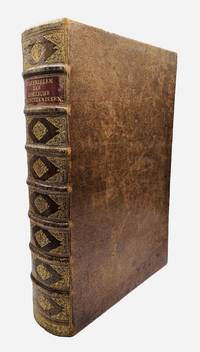
1728365The Hague Netherlands: Pieter de Hondt 1728. First Edition. Contemporary fine mottled full calf. FINE. Gerard Hoet Arnold Houbraken Bernard Picart. One of the most beautiful collections of illustrated scenes from the Bible published in the 1700s. This masterful suite of drawings was initiated by the renowned artist Bernard Picart in 1720 with the assistance of the Dutch painter Gérard Hoet and his protege Arnold Houbraken for what would undoubtedly become the pinnacle of the Figures of the Bible genre. Figures of the Bible engravings represent or signify scripture through cycles of prints covering the entire Bible and was first popularized in the 1500s.<br> <br> Condition: FINE interior for a nearly 300-year-old folio FINE to VERY FINE PLATES. Complete. An exemplary copy.<br> <br> BOOK INFO<br> <br> Translated Title: Figures of the Bible. Scenes of the Principal Histories of the Old and New Testament And Other Books Added to the Holy Scripture Drawn by the Renowned Artists Hoet Houbraken and Picart and Engraved by the Best Masters in Copper and Fully Described. <br> <br> Three volumes bound together. Published in 1728 by Pieter de Hondt in The Hague Netherlands. First edition. Descriptive text of the plates/Bible scenes in Dutch by Jacques Saurin. Second engraved title pages in French. Polyglot plate captions in six languages Dutch English French German Latin and either Hebrew Old Testament and Apocrypha or Greek New Testament. Vignette titles pages in red and black. Bound in contemporary fine mottled full calf: spine with seven gilded raised bands separating compartments richly ruled and tooled in gilt and a gilt-lettered red morocco spine label in compartment two. All board edges with a gilt roll. All page edges speckled. Heavy crown folio 16.5" x 11" x 3.5" thick. Collated and complete: 3 blanks 4 148 i.e. really 150 as 10-11 page numbers repeated twice pp.; 2 149-280 i.e. 151-282 for aforementioned reason 14 pp. 4 160 pp. 3 blanks; 214 copper engraved plates including 2 frontispieces 2 engraved dedication pages and 29 double page; 3 vignette title pages; 2 additional engraved title pages; Hundreds of historiated and decorated engraved initials; hundreds of engraved vignette head- and tail-pieces or exquisite engraved cul-de-lampe chapter ends. Thick high-quality wide-margined paper particularly the stunningly white paper used for the plates. A monumental publication of the highest quality and one of the finest books of engravings of the 18th century.<br> <br> CONDITION REPORT<br> <br> FINE INTERNALLY for a large nearly 300-year-old folio.<br> <br> Exterior and binding: Firm binding hinges and joints. Spine and its gilt work remarkably well preserved heavy volumes such as this are often rebacked or with significant binding strain/issues. Board edge gilt work remarkably well preserved more worn on bottom edge from shelf rubbing. Leather is colorful and supple. Rubbing to boards with some scratches scuffing a few spots of dried white paint on rear board and some splotches of leather darkening. Lightly rubbed edges and corners quite scarce given the size and age. Amazingly the top edge is not darkened caused by layers of dust accumulation over many years in nearly all antiquarian books. This book has clearly been safely stored away from the sun and dust for hundreds of years. Quite beautiful with stunning shelf appeal. Recommend storing book on its side to reduce strain on the binding.<br> <br> Interior: FINE. Very light dust to endpapers quite scarce some toning to endpapers. Pages are white and bright and mostly quite clean aside from some light marginal finger soiling on occasion. Plates are well struck vivid and clean. Nearly all plates are beautifully FINE to VERY FINE VF when the pages are impressively as white as the day they were cut chiefly toward the latter half of the book. Only a few leaves with some toning/modest foxing. No foxing to an infrequent spot of foxing otherwise. A few leaves with small nicks/areas of very small loss to margin not affecting text. A cluster of bent page corner tips in the third part. A hole affecting the page numbers in an Apocrypha related leaf. Some other signs of light handling. No water dampening no worming no writing no ex libris marks no former owner bookplates.<br> <br> All in all a superior remarkably preserved collectible copy of one of the finest illustrated books of the 18th century.<br> <br> ABOUT THE ARTISTS<br> <br> Bernard Picart or Picard 1673 - 1733 was a French draughtsman engraver and book illustrator in Amsterdam who showed an interest in cultural and religious habits. Most of his work was book-illustrations for which he collaborated with local artists like Gerard Hoet and Arnold Houbraken. The illustrations were used in various publications including Taferelen der voornaamste geschiedenissen van het Oude en Nieuwe Testament 1728. <br> <br> Gerard Hoet 1648 - 1733 was a Dutch Golden Age painter and engraver. Gerard Hoet trained with his father and brother who were glass painters. in 1697 he founded a drawing academy in Ultrecht. During this period he painted decorations in leading homes of gentlemen in the Utrecht area. In 1715 he returned to The Hague where he spent the rest of his life often collaborating on drawing projects with Picard.<br> <br> Jacobus Houbraken 1698 - 1780 was a Dutch engraver and the son of the artist and biographer Arnold Houbraken 1660-1719 whom he assisted in producing a published record of the lives of artists from the Dutch Golden Age. Houbraken devoted himself almost entirely to portraiture and became quite famous often dubbed the Dutch Hogarth. Pieter de Hondt unknown
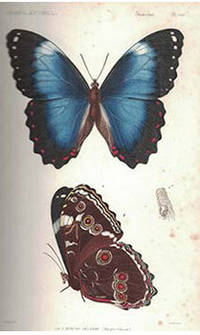
16-3425Paris: Fortin Masson & Co. 1836-1849. 4to. 17 x 26.5 cm. Contemporary morocco-backed boards spines tooled in gilt worn several with detached covers.10 sections bound in 19 vols. additional engraved titles with portrait 994 engraved plates of 995 called for by Nissen lacking one in reptile volume after Deshayes Milne Edwards Oudart E. Travies Werner and others many hand-colored or color-printed several folding one loose tissue guards spotting and occasional browning Anker 111; Nissen 213; Wood p.307 Sitwell Fine Bird Books 1700-1900 p.89.Cuvier's work was the "most influential exposition of the typological approach to animal classification representing the greatest body of zoological facts that had yet been assembled" Norman. This third edition referred to as the "Disciples Edition" as it was edited and arranged by Cuvier's pupils originally appeared in 262 livraisons. Paris: Fortin, Masson, & Co., [1836-1849] hardcover
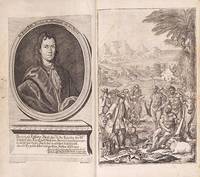
51-5969Nuremberg: Peter Conrad Monath 1719. Folio. 21.5 x 34.3cm. Contemporary catspaw calf rebacked preserving original gilt-tooled spine with red morocco label marbled edges; Dutch patterned endpapers front free endpaper replaced with handmade marbled paper. Half-title engraved portrait of the author engraved frontispiece title printed in red and black 23 engraved plates one double-page engraved map small hole with loss of a few letters to final 4 leaves of index Mendelssohn I p.842 folio 345 x 210mm. .FootnotesSCARCE FIRST EDITION of "one of the first works in German devoted entirely to the Cape region of South Africa. Aware of the conflicting information promulgated by many Europeans Kolb recorded his voyages in part 'to oblige the learned and curious part of the world with a useful and entertaining history of a country and people of whom we have had hitherto such various and uncertain accounts'" Howgego. Kolbe 1675-1726 lived at the Cape from 1705 till 1713 and based his account on first hand experience.FIRST EDITION. Kolbe lived and worked at the Cape from 1705 till 1713 and decribes in his Caput bonae spei hodiernum South Africa and the Cape of Good Hope including its geography climate flora and fauna followed by an interesting and accurate account of the Hottentots based on the author's first hand experience recording their language religion education and customs. This edition was followed by the French edition Description du Cap de Bonne-Esperance. Amsterdam 1742.OCLC Number / Unique Identifier:51407544: Physical Description:18 846 82 pages 17 unnumbered leaves of plates 1 folded : illustrations map portrait ; 34 cmProvenance: Lavington bookplate. Nuremberg: Peter Conrad Monath, 1719. unknown
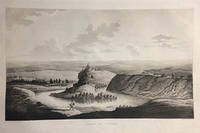
16-3658Stockholm Impr. chez C. Deleen et J. G. Forsgren1801-02. Oblong folio. 44 x 57.5 cm. Old cardboard covers. Engraved half title without publisher's name and 60 aquatint plates with tissue guards. Light marginal foxing but fresh appearance. Armorial bookplate.The drawings are all made by Skjöldebrand and 31 are also engraved by him the others engraved by M. Heland J. F. Martin and C. Agrell. Skjöldebrand travelled together with Acerbi. There are 29 plates showing Norway.Collation: 2 60 leaves. OCLC Number: 458889324; Brunet V-408 / Graesse VI-1er-420; Bring 315a; Schiötz 966a; Library of Congress Control Number04008485.In-plano à l’italienne cartonnage papier de l’époque. /// 1f.-60 pl.Premier tirage de ce recueil de 60 planches dont une carte et 59 planchesdessinées par Skjöldebrand et gravées à l’aquatinte par Skjöldebrand 31Heland 17 Akrel 5 Martin 5 et une non signée. Le recueil est précédé d’unfaux-titre.2 des gravures sont à 2 sujets.Cartonnage usé avec dos manquant. Manque le titre faux-titre détaché etquelques rousseurs marginales.Expertise by :Emmanuel LHERMITTEAssesseur de la Commission de conciliation et d’expertise douanièreMembre de la Compagnie Nationale des ExpertsAssisté de Stéphanie MARTIN Stockholm, Impr. chez C. Deleen et J. G. Forsgren,1801-02 unknown
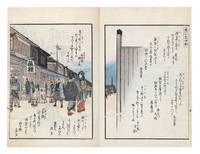
1107625 finely color-printed double-page woodcuts. 25.5; 15; 21.5 folding leaves. Three vols. 8vo orig. semi-stiff wrappers orig. block-printed title-slips on upper covers new stitching. Edo: 1853-54.<br /> <BR> <BR> First edition of this finely illustrated book which rarely appears complete in all three volumes. The “KyÅka Edo Hanabi SenryÅ has sub-titles that show the sort of specialization that was associated with the three leading Utagawa artists. Volume One by Hiroshige entitled ‘Nihonbashi Section’ consists mainly of views of central Edo figures in some prints threading their way through the hanging curtains of calligraphy showing the second floor of a brothel; Volume Two by Kuniyoshi related to the ‘licensed quarter’; and Volume Three by Kunisada = Toyokuni san sei to ‘theatre-land’.â€â€“Hillier The Art of the Japanese Book p. 848 & image 559.<br /> <BR> <BR> At the time of publication these three members of the Utagawa school were at the pinnacles of their careers. The color-printed illustrations depict the fish markets of Nihonbashi the pleasure quarter of Yoshiwara and the backstage preparations in a kabuki theater. The witty and humorous kyÅka poetry appears with the images.<br /> <BR> <BR> Fine and fresh set preserved in an attractive modern chitsu. In the first volume the first 13 leaves have a wormhole maximum 50 mm. in length and becoming shorter as one progresses. This wormhole expertly repaired throughout is present in the woodcuts. unknown
Design by Aud BækkelundIn Pristine Condition. unknown
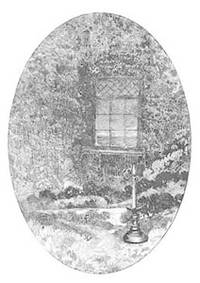
CNAP063bSan Francisco: The Arion Press 2002. First and Limited Edition. Hardcover. New. Conner Bruce. Octavo 10.25 by 7 inches. The type is English Old Style composed and cast in Monotype by Mackenzie & Harris San Francisco. The text paper is Ruysdael an all-cotton machine-made sheet. The paper for the prints is T. H. Saunders buff loan an all-cotton mouldmade sheet. The ink-blot drawings in gray beneath the folios and the rebus on the title page were printed from photopolymer plates. Printing of the type and plates was by letterpress. The book is bound in yellow cloth with an ink-blot pattern in black from a drawing by an anonymous artist that is continuous front to back interrupted by a black cloth spine. The book is enclosed in a black slipcase. Both book and slipcase have yellow spine labels. The six images are photogravures from collages of wood engravings. The original collages are ovals 6.5 by 4.5 inches. The scale of the images for the book is the same as the original collages. Book with suite of six larger photogravures by Conner on handmade paper with prose-poems by Todd. The book is octavo in format 10-1/4 by 7 inches. The six images in the extra suite are 17-1/4 by 12-3/4 inches. The edition of the suite of prints with the book is limited to 30 numbered sets for sale. . "The Ballad of Lemon and Crow" is a work of fiction by a San Francisco writer who grew up in Texas and whose regional sensibility is keenly felt in this tale about three generations of neighbors in rural Oklahoma. This limited edition is its first publication. <br /> <br /> The illustrations are by Bruce Conner a native of Kansas and longtime San Francisco artist whose distinctive vision has won him a large and devoted audience over more than forty years. The artist and author first met in Omaha in 1953 as members of a Midwestern literary and artistic circle that became associated with the Beat Generation. Bruce Conner's work is owned by major museums; after 2000 Conner announced he was retiring and would not sign or claim any new work as his own. Since then anonymous artists have collaborated to create additional work in a manner similar to that of Bruce Conner. <br /> <br /> ___POSTAGE: International customers please note that additional postage may apply as the standard does not always cover costs; please inquire for details. <br /> <br /> ___Swan's Fine Books is pleased to be a member of the ABAA ILAB and IOBA and we stand behind every book we sell. Please contact us with any questions you may have we are here to help. The Arion Press hardcover
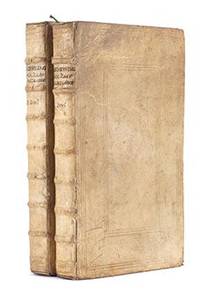
51-5968Amsterdam: Balthazar Lakeman 1727. Folio. 2 vols. 20 x 33.5cm. Contemporary blind-stamped vellum titled in ink on spines soiled. First edition in Dutch half-title title in red and black and additional engraved pictorial title in volume 1 engraved portrait 5 engraved folding maps of 6 46 engraved plates one folding without title in volume 2 one plate with short tear just reaching into image and 4 with trace of worming Mendelssohn I p.843-844; Nissen ZBI 2282 folio 340 x 210mm. .Footnotes:First published in German in 1719 this first edition in Dutch is enlarged with additional engraved plates. The author based his important account of the Cape on the eight years he spent there between 1705 and 1713 providing important information on both the natural history and peoples of the area.OCLC Number / Unique Identifier:84581194Contents:i. pp. 16 529. Port. 5 maps and 24 platesii pp. 4 449 87. Map and 23 plates.Peter Kolb was a German astronomer and mathematician who lived at the Cape from 1705 to 1713. He was initially sponsored by a German baron to make astronomical observations in pursuit of a way to calculate longitude accurately. When this project ended Kolb stayed at the Cape and observed everything else. About three years after his return to Germany he began to compile a book about his experiences based on letters and notes he had written. This book more than 850 large pages was divided into three sections: the first discussed the flora fauna minerals water and topography of the Cape. The second addressed the social life and customs of the Khoikhoi then known as Hottentots. The third discussed the political intrigues of the Dutch colony during the years Kolb was part of it. His ethnographic conclusions are now contested but there is no doubt that his book is an important source for understanding interaction among the various ethnic groups at the Cape in this early period. Although Kolb was not married and had no children he made numerous comments about many different aspects of women’s lives. In the excerpt below he discusses the rearing of children but also offers a glimpse into how closely Europeans Khoikhoi and slaves lived and worked together.Provenance: Percival Ross Frames armorial bookplate: Flying Officer 74348 Percival “Percy†Ross Frames Burton 249 Squadron was born 1917 in the Cape Province South Africa. The son of the Rt. Hon. Henry Burton O.C K.C LL.B and Helen Marie Kannemeyer Henry Burton was a lawyer and sometime minister of finance.Percival was educated at the Diocesan College at Rondebosch Cape Town. From 1938 he attended Oxford University to read Jurisprudence. Whilst there he took an active interest in rowing and was reserve cox for the Oxford team. Amsterdam: Balthazar Lakeman, 1727. hardcover
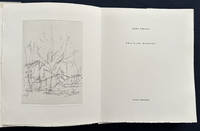
1965N - 2023 - 97<p>Feuilles éparses. Scattered leaves. Rene Crevel. Collection Archives 187 - Volume I Complete book with fourteen unsigned etchings aquatints woodcuts and lithographs the majority in colors hors-texte title page text and justification on Velin de Rives. Total edition of 150 copies this copy is one of 20 numbered in Roman numbers III of XX. All the copies are signed by the artists in pencil in a full sheet with the exception of Dominguez and Wols. Illustrated with one etching by Alberto Giacometti in frontispiece and 13 Aquaforte lithographs and aquatints by the following artists: JEAN ARP HANS BELLMER 2 prints CAMILLE BRYEN OSCAR DOMINGUEZ MAX ERNST STANLEY WILLIAM HAYTER VALENTINE HUGO WIFREDO LAM MAN RAY ANDRE MASSON JOAN MIRO WOLS. Loose as issued in the original soft wrappers hard chemise and slipcase.</p> Louis Border
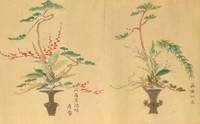
9004217. Ikebana 生ã‘花 - Flower Arranging - Emaki 絵巻 Emaki Handscroll with 34 Flower Arrangements<br /> <br /> RokkakudÅ Ikenobo å…è§’å ‚æ± åŠ et al. artists <br /> <br /> Ikebana 生ã‘花 - Flower Arranging Handscroll - Emaki 絵巻 RokkakudÅ Ikenobo å…è§’å ‚æ± åŠ et al. Emaki Handscroll with 34 Flower Arrangements. <br /> <br /> 27.0 cm high scroll in a brocade cover with bone jiku scroll handles. The flower arrangement examples depicted date back to masters of the late 17th and early 18th century and this rendition seems consistent with a mid to late 18th century production date though it is undated. RokkakudÅ Ikenobo å…è§’å ‚æ± åŠ was the title of a Buddhist priest connected with the RokkakudÅ å…è§’å ‚ ChÅhÅji é ‚æ³•å¯º Temple in Kyoto known as the birthplace of Ikebana. Ikenobu æ± åŠ refers to the pond ike æ± and small hut bo åŠ where the priests live. There is a hexagonal stone in the temple grounds rokkaku å…角 six sided that is said to be the center of Kyoto.<br /> <br /> In lovely condition overall an excellent example of the genre. Examples primarily of rikka 立花 a formal style of Ikebana established in the Muromachi period in which the flowers are embedded in sand in containers. In a deluxe inner and outer wooden and brocade box. unknown
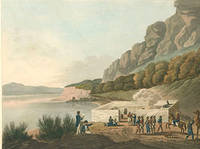
51-3630London: Edward Orme 1803. Folio. 18 x 12.5 inches. 46 x 3.5 cm. Original qtr. red morocco gilt spine rubbed with later marbled boards and matching morocco corners together with a matching slipcase with leather ties housing the aquatints.iv 2 42 2pp. Abbey Travel in Aquatint and Lithography no. 381; Colas 2788; Blackmer 1585; OCLC Number: 458998508.This unique package includes 6 aquatints from Spilsbury and 7 from Luigi Mayer "Views in Palestine" Abbey Travel 369 Vol. II.The Spilsbury aquatints include Abbey 381 nos. 1; 4; 7 stained in lower margin ; 12; 13; 14; three with full margins and three trimmed but with margins. The Mayer aquatints include Abbey 369 nos. 5; 6; 7; 12; 18; 20; 21. Full margins few with remnants of corner hinges; 3 matted. First edition of English naval surgeon Francis Spilsbury's account of his travels in the Holy Land and Syria during the Napoleonic campaigns there.Spilsbury was surgeon on board HMS Tigre during the campaigns of 1799 and 1800. The Tigre brought Sir William Sidney Smith to defend Acre against Napoleon's siege and led a naval force in support of Turkish armies which finally relieved Acre and his text gives some account of the military campaigns and the Turkish dignitaries. In his reminiscences Napoleon accused Smith of making him miss his destiny as Smith's timely appearance thwarted Napoleon's drive to invade Syria and forced him to retreat to Egypt. The magnificent views sadly missing from this book which is reflected in the price are mostly connected with the coastal towns of modern Lebanon and Israel though several are from Spilsbury's travels inland to meet the Grand Vizier in charge of the Turkish army Jezzar Pacha and other dignitaries. London: Edward Orme, 1803. hardcover