George BARBIERBiblio.com
7 802 résultats
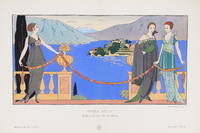
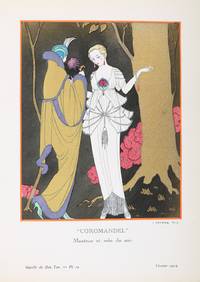
191489405Paris: Lucien Vogel éditeur 1914. Fine. Lucien Vogel éditeur Paris Février 1914 19 x 24.50 cm une feuille Original colour engraving richly heightened with gold printed on laid paper signed in the plate lower right. An original print used to illustrate the Gazette du bon ton one of the most attractive and influential 20th century fashion magazines featuring the talents of French artists and other contributors from the burgeoning Art Deco movement. A celebrated fashion magazine established in 1912 by Lucien Vogel La Gazette du bon ton appeared until 1925 with a hiatus from 1915 to 1920 due to the war the editor-in-chief having been called up for service. It consisted of 69 issues printed in only 2000 copies each and notably illustrated with 573 color plates and 148 sketches of the models of the great designers. Right from the start this sumptuous publication was aimed at bibliophiles and fashionable society Françoise Tétart-Vittu La Gazette du bon ton in Dictionnaire de la mode 2016 and was printed on fine vergé paper using a type cut specially for the magazine by Georges Peignot known as Cochin later used in 1946 by Christian Dior. The prints were made using stencils heightened in colors some highlighted in gold or palladium. The story began in 1912 when Lucien Vogel a man of the world involved in fashion he had already been part of the fashion magazine Femina decided with his wife Cosette de Brunhoff the sister of Jean creator of Babar to set up the Gazette du bon ton subtitled at the time: Art fashion frivolities. Georges Charensol noted the reasoning of the editor-in-chief: In 1910 he observed there was no really artistic fashion magazine nothing representative of the spirit of the time. My dream was therefore to make a luxury magazine with truly modern artists I was assured of success because when it comes to fashion no country on earth can compete with France. Un grand éditeur dart. Lucien Vogel in Les Nouvelles littéraires no. 133 May 1925. The magazine was immediately successful not only in France but also in the United States and Latin America. At first Vogel put together a team of seven artists: André-Édouard Marty and Pierre Brissaud followed by Georges Lepape and Dammicourt as well as eventually his friends from school and the School of Fine Arts like George Barbier Bernard Boutet de Monvel and Charles Martin. Other talented people soon came flocking to join the team: Guy Arnoux Léon Bakst Benito Boutet de Monvel Umberto Brunelleschi Chas Laborde Jean-Gabriel Domergue Raoul Dufy Édouard Halouze Alexandre Iacovleff Jean Émile Laboureur Charles Loupot Chalres Martin Maggie Salcedo. These artist mostly unknown when Lucien Vogel sought them out later became emblematic and sought-after artistic figures. It was also they who worked on the advertising drawings for the Gazette. The plates put the spotlight on and celebrate dresses by seven designers of the age: Lanvin Doeuillet Paquin Poiret Worth Vionnet and Doucet. The designers provided exclusive models for each issue. Nonetheless some of the illustrations are not based on real models but simply on the illustrators conception of the fashion of the day. The Gazette du bon ton was an important step in the history of fashion. Combining aesthetic demands with the physical whole it brought together for the first time the great talents of the artistic literary and fashion worlds; and imposed through this alchemy a completely new image of women: slender independent and daring which was shared by the new generation of designers including Coco Chanel Jean Patou Marcel Rochas and so on Taken over in 1920 by Condé Montrose Nast the Gazette du bon ton was an important influence on the new layout and aesthetics of that little dying paper that Nast had bought a few years earlier: Vogue. Lucien Vogel éditeur unknown
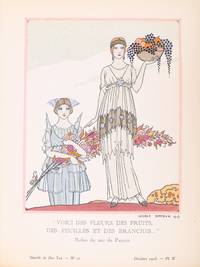
191484745Paris: Lucien Vogel éditeur 1914. Fine. Lucien Vogel éditeur Paris Juin 1914 36.50 x 24 cm une feuille Original double color print heightened with gold and palladium printed on laid paper signed lower left on the plate. Original engraving created for the illustration of La Gazette du bon ton one of the most beautiful and influential fashion magazines of the 20th century celebrating the talent of French creators and artists in the full bloom of Art Deco. Famous fashion magazine founded in 1912 by Lucien Vogel La Gazette du bon ton was published until 1925 with an interruption during the War from 1915 to 1920 due to the mobilization of its editor-in-chief. It consists of 69 issues printed in only 2000 copies and is illustrated notably with 573 color plates and 148 sketches representing models by great couturiers. From their publication these luxurious publications ""address bibliophiles and worldly aesthetes"" Françoise Tétart-Vittu ""La Gazette du bon ton"" in Dictionnaire de la mode 2016. Printed on fine laid paper they use a typeface specially created for the magazine by Georges Peignot the Cochin character adopted in 1946 by Christian Dior. The prints are created using the metal stencil technique heightened in colors and some highlighted with gold or palladium. The adventure begins in 1912 when Lucien Vogel man of the world and fashion - he had already participated in the magazine Femina - decides to found with his wife Cosette de Brunhoff sister of Jean father of Babar the Gazette du bon ton whose subtitle was then ""Art modes et frivolités"". Georges Charensol reports the words of the editor-in-chief: ""In 1910 he observes there existed no fashion journal truly artistic and representative of the spirit of its time. I was therefore thinking of making a luxury magazine with truly modern artists . I was certain of success because for fashion no country can rival France."" ""Un grand éditeur d'art. Lucien Vogel"" in Les Nouvelles littéraires n°133 May 1925. The magazine's success is immediate not only in France but also in the United States and South America. Originally Vogel therefore brings together a group of seven artists: André-Édouard Marty and Pierre Brissaud followed by Georges Lepape and Dammicourt; and finally his friends from the École des beaux-arts who are George Barbier Bernard Boutet de Monvel or Charles Martin. Other talents quickly join the team: Guy Arnoux Léon Bakst Benito Boutet de Monvel Umberto Brunelleschi Chas Laborde Jean-Gabriel Domergue Raoul Dufy Édouard Halouze Alexandre Iacovleff Jean Émile Laboureur Charles Loupot Charles Martin Maggie Salcedo. These artists unknown for the most part when Lucien Vogel calls upon them will subsequently become emblematic and sought-after artistic figures. These same illustrators create the drawings for the Gazette's advertisements. The plates highlight and sublimate the dresses of seven creators of the era: Lanvin Doeuillet Paquin Poiret Worth Vionnet and Doucet. The couturiers provide exclusive models for each issue. Nevertheless some of the illustrations feature no real model but only the idea that the illustrator has of the day's fashion. La Gazette du bon ton is a decisive step in fashion history. Combining aesthetic demand and plastic unity it brings together for the first time the great talents of the worlds of arts letters and fashion and imposes through this alchemy a completely new image of woman slender independent and bold also carried by the new generation of couturiers Coco Chanel Jean Patou Marcel Rochas. Taken over in 1920 by Condé Montrose Nast the Gazette du bon ton would largely inspire the new composition and aesthetic choices of the ""little dying journal"" that Nast had bought a few years earlier: Vogue magazine. Lucien Vogel éditeur unknown
191389500Paris 1913. Fine. Paris Octobre 1913 19 x 24.50 cm une feuille Original colour print heightened in palladium printed on laid paper and signed at the bottom right outside the plate. Original engraving produced for the illustration of La Gazette du Bon Ton one of the most beautiful and influential fashion journals of the 20th century celebrating the talent of French designers and artists at the height of the Art Deco era. A celebrated fashion magazine established in 1912 by Lucien Vogel La Gazette du bon ton appeared until 1925 with a hiatus from 1915 to 1920 due to the war the editor-in-chief having been called up for service. It consisted of 69 issues printed in only 2000 copies each and notably illustrated with 573 color plates and 148 sketches of the models of the great designers. Right from the start this sumptuous publication “was aimed at bibliophiles and fashionable society” Françoise Tétart-Vittu “La Gazette du bon ton” in Dictionnaire de la mode 2016 and was printed on fine vergé paper using a type cut specially for the magazine by Georges Peignot known as Cochin later used in 1946 by Christian Dior. The prints were made using stencils heightened in colors some highlighted in gold or palladium. The story began in 1912 when Lucien Vogel a man of the world involved in fashion he had already been part of the fashion magazine Femina decided with his wife Cosette de Brunhoff – the sister of Jean creator of Babar – to set up the Gazette du bon ton subtitled at the time: “Art fashion frivolities.”  Georges Charensol noted the reasoning of the editor-in-chief: “’In 1910’ he observed ‘there was no really artistic fashion magazine nothing representative of the spirit of the time. My dream was therefore to make a luxury magazine with truly modern artists…I was assured of success because when it comes to fashion no country on earth can compete with France.’” “Un grand éditeur d’art. Lucien Vogel” in Les Nouvelles littéraires no. 133 May 1925. The magazine was immediately successful not only in France but also in the United States and Latin America. At first Vogel put together a team of seven artists: André-Édouard Marty and Pierre Brissaud followed by Georges Lepape and Dammicourt as well as eventually his friends from school and the School of Fine Arts like George Barbier Bernard Boutet de Monvel and Charles Martin. Other talented people soon came flocking to join the team: Guy Arnoux Léon Bakst Benito Boutet de Monvel Umberto Brunelleschi Chas Laborde Jean-Gabriel Domergue Raoul Dufy Édouard Halouze Alexandre Iacovleff Jean Émile Laboureur Charles Loupot Chalres Martin Maggie Salcedo. These artist mostly unknown when Lucien Vogel sought them out later became emblematic and sought-after artistic figures. It was also they who worked on the advertising drawings for the Gazette. The plates put the spotlight on and celebrate dresses by seven designers of the age: Lanvin Doeuillet Paquin Poiret Worth Vionnet and Doucet. The designers provided exclusive models for each issue. Nonetheless some of the illustrations are not based on real models but simply on the illustrator’s conception of the fashion of the day.   The Gazette du bon ton was an important step in the history of fashion. Combining aesthetic demands with the physical whole it brought together – for the first time – the great talents of the artistic literary and fashion worlds; and imposed through this alchemy a completely new image of women: slender independent and daring which was shared by the new generation of designers including Coco Chanel Jean Patou Marcel Rochas and so on… Taken over in 1920 by Condé Montrose Nast the Gazette du bon ton was an important influence on the new layout and aesthetics of that “little dying paper” that Nast had bought a few years earlier: Vogue. unknown
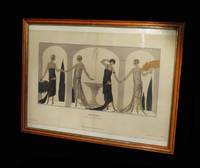
1924289501924. Paris Lucien Vogel 1924 - 1925. Dimensions : 372 x 247 mm. DÂŽlicieuse ÂŽpreuve au pochoir tirÂŽe sur vergÂŽ avec rehauts ˆ la gouache blanche. Planche double extraite du n¡2 de La Gazette du bon ton. SignÂŽe dans la planche Georges Barbier et datÂŽe 1924. ''InfluencÂŽ par ses amis Lesage et de Broca Georges Barbier ÂŽtudia chez J. P. Laurens et exposa ˆ la galerie Boutet de Monvel en 1911. . Il fut l'artiste le plus reprÂŽsentatif de l'Art DÂŽco.'' in Osterwalder. Colas I Bibliographie du costume 1202 - Osterwalder I Dictionnaire des illustrateurs p. 76 - BÂŽnÂŽzit I Dictionnaire des peintres p. 432. Trois trÂs discrÂtes rousseurs sur la composition. Petite cerne en marge gauche. Du reste trÂs belle condition. b42961 unknown
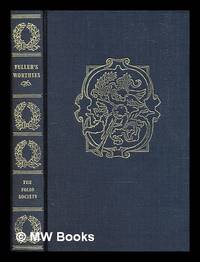
1987304342London : Folio Society 1987. First Folio Edition. Hardcover. Fine copy in the original gilt-blocked cloth in a slip-case. Slightest suggestion only of dust-dulling to the panel edges. Remains particularly well-preserved overall; tight bright clean and strong. Physical description: xxi 441p. 8 plates : ill. coats of arms ports. ; 26cm. Subjects: Authors English -- Early modern 1500-1700 -- Biography. England -- Description and travel. London : Folio Society hardcover
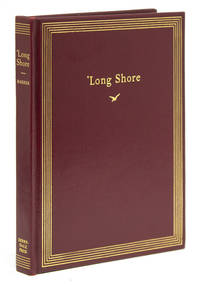
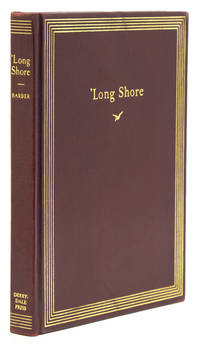
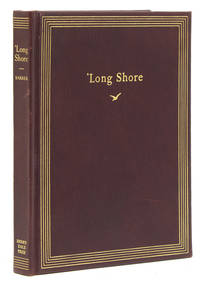
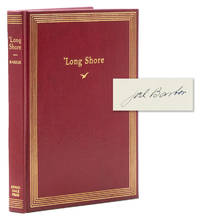
1939242819New York: The Derrydale Press 1939. Limited Edition. Number 568 of 750 numbered copies signed by the author. Frontispiece and six full-page illustrations of ducks decoys and hunters. 1 vols. 12mo. Full red morocco gilt uncut at fore and lower edges a fine copy . Bookplate of M.L. Biscotti. Laid into crimson half morocco drop box with gilt spine with gilt logo of the Derrydale Press and inset crimson morocco leather label on upper cover with Derrydale logo and title and author. Fuller Arthur D. Limited Edition. Number 568 of 750 numbered copies signed by the author. Frontispiece and six full-page illustrations of ducks decoys and hunters. 1 vols. 12mo. Great association. Inscribed "Joel Barber with kindest regards to David Wagstaff." Siegel 151; Frazier B-6-a; Biscotti p. 24 The Derrydale Press unknown
1939242548New York: The Derrydale Press 1939. Limited Edition. Number 526 of 750 numbered copies signed by the author. Frontispiece and six full-page illustrations of ducks decoys and hunters. 1 vols. 12mo. Full red morocco gilt uncut at fore and lower edges a fine copy in original glassine and original numbered publisher's box minor rubbing some faint staining of label. A superior copy. Bookplate of Edward Sands Litchfield. Fuller Arthur D. Limited Edition. Number 526 of 750 numbered copies signed by the author. Frontispiece and six full-page illustrations of ducks decoys and hunters. 1 vols. 12mo. Siegel 151; Frazier B-6-a; Biscotti p. 24 The Derrydale Press unknown
1939253401New York: The Derrydale Press 1939. Limited Edition. Number 160 of 750 numbered copies signed by the author. Frontispiece and six full-page illustrations of ducks decoys and hunters by Arthur Fuller. 108 pp. 1 vols. 12mo. Full red morocco gilt uncut at fore and lower edges almost fine copy. Fuller Arthur D. Limited Edition. Number 160 of 750 numbered copies signed by the author. Frontispiece and six full-page illustrations of ducks decoys and hunters by Arthur Fuller. 108 pp. 1 vols. 12mo. Siegel 151; Frazier B-6-a; Biscotti p. 24 The Derrydale Press unknown
1939253587New York: The Derrydale Press 1939. Limited First Edition. Number 428 of 750 numbered copies signed by the author. Frontispiece and six full-page illustrations of ducks decoys and hunters. xviii ii 108 pp. 1 vols. 12mo 6 x 3-1â„2 inches. Full red morocco gilt uncut at fore and lower edges a fine copy. Fuller Arthur D. Limited First Edition. Number 428 of 750 numbered copies signed by the author. Frontispiece and six full-page illustrations of ducks decoys and hunters. xviii ii 108 pp. 1 vols. 12mo 6 x 3-1â„2 inches. Inscribed on the half-title " Joel Barber with the kindest regards to Robert Winthrop." Siegel 151; Frazier B-6-a; Biscotti p. 24 The Derrydale Press unknown
1939231715New York: The Derrydale Press 1939. Limited edition. Number 612 of 750 numbered copies signed by the author. Frontispiece and six full-page illustrations of ducks decoys and hunters. 1 vols. 12mo. Full red morocco gilt uncut at fore and lower edges a fine copy in original numbered publisher's box minor rubbing some faint staining of label. A superior copy. Fuller Arthur D. Limited edition. Number 612 of 750 numbered copies signed by the author. Frontispiece and six full-page illustrations of ducks decoys and hunters. 1 vols. 12mo. Siegel 151; Frazier B-6-a; Biscotti p. 24 The Derrydale Press unknown
1939186083Derrydale 1939. Limited edition of 750 copies. Fine with bookplate and partially unopened in lightly rubbed original box. Red leather with gilt titles in original box match numbered to book. Signed by author. Derrydale unknown
1357481802.Ghardcover. Good. Access codes and supplements are not guaranteed with used items. May be an ex-library book. hardcover
1086318382.Gpaperback. Good. Access codes and supplements are not guaranteed with used items. May be an ex-library book. paperback
1994Q-0793537096G. Schirmer Inc 1994-07-01. Paperback. New. In shrink wrap. Looks like an interesting title! G. Schirmer, Inc paperback
1071961888.Gpaperback. Good. Access codes and supplements are not guaranteed with used items. May be an ex-library book. paperback
2025SKU1727538Corwin 2025-05-30. paperback. New. 7x0x10. New Book Ships with Tracking Corwin paperback
2025SKU1734280Corwin 2025-05-30. paperback. New. 7x0x10. New Textbook Ships with Tracking Corwin paperback
2025SKU1753649Corwin 2025-05-30. paperback. New. 7x0x10. New Book Ships with Tracking Corwin paperback
2501104056.Gpaperback. Good. Access codes and supplements are not guaranteed with used items. May be an ex-library book. paperback
1991002007First Evangelical Lutheran Church 1991. 1st Edition 1st Printing. Soft cover. Near Fine. About the book: Softcover. First Printing. Book is in near fine condition. Very little wear. Additional photos available upon request. We're not satisfied unless you are. <br/> <br/> First Evangelical Lutheran Church paperback
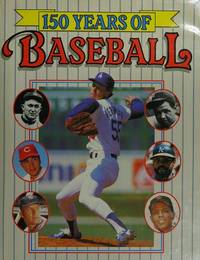
198984538Lincolnwood IL: Publications International Ltd 1989. First Printing Stated. Hardcover. Very good/Good. Mark Rucker Photo researcher. Format is approximately 10.25 inches by 13 inches. 504 pages. Illustrations many in color. Index. DJ is price cut. DJ has some wear and soiling. This is an oversize heavy book that will require additional shipping charges if sent outside of the United States. The narrative is mostly organized by 20th century decades. During four decades as a magazine publisher/editor/writer for a variety of national magazines and websites Stephen Hanks has written about sports politics the media health and nutrition and most recently cabaret and theater. In 1999 Stephen created and edited the multiple award-winning Archaeology magazine for children called DIG. Between 2004-06 Stephen was Publisher and Editorial Director of Energy Times an award-winning health and nutrition publication. From 2012-2016 Stephen was the lead New York Cabaret Editor and Writer for BroadwayWorld and was cited by the website in 2013 as Most Creative Male Editor. Since entering the world of Cabaret in 2010 as a reviewer for Cabaret Scenes Magazine Stephen has also been a producer promoter publicist and performer. Relive baseball's history and evolution through remarkable stories and more than 1000 striking photographs. The most comprehensive baseball book available this colorful volume covers every season of the major leagues since 1876 with intriguing analysis thorough statistics and little-known facts. Baseball's true history comes alive through the marvelous stories and pictures in 150 Years of Baseball an entertaining and thorough volume that is the perfect addition to a sports library. Publications International, Ltd hardcover
1989Q-1561730904Publications International 1989. Hardcover. New. In shrink wrap. Looks like an interesting title! Publications International hardcover
52191298-nnew. unknown
ING9791254632963Marsilio Arte. New. Special order direct from the distributor Marsilio Arte unknown