8 977 résultats
Format (Platte): 375 x 255 mm (bis zum Plattenrand beschnitten). *Louis Ferdinand de Bourbon, Dauphin von Frankreich, (geb. 4. September 1729 in Versailles; gest. 20. Dezember 1765 in Fontainebleau) war der älteste Sohn von König Ludwig XV. und dessen Gattin Maria Leszczynska und damit Thronfolger. Er starb jedoch 1765 bereits mit 36 Jahren in Fontainebleau an Tuberkulose. - Jean Daulle (1703-1763) war ein bedeutender französischer Kupferstecher. - Schöner gratiger Abzug in guter Erhaltung. Graphiken de
Format (Platte): 540 x 380 mm. Blattgröße: 650 x 500 mm. *Die Erzherzogin Maria Antonia Josepha Johanna wurde 1755 als 15. Kind von Maria Theresia und Kaiser Franz I in Wien geboren. Trotz gesundheitlicher Probleme wurde das vierzehnjährige Mädchen aufgrund der Heiratspolitik der Mutter Maria Theresia 1770 mit dem französischen König Louis XIV vermählt. Sie wurde nun in der französischen Sprachweise "Marie Antoinette" genannt. Im Verlauf der französischen Revolution wurde der König Louis XVI festgenommen und nach einem Schauprozeß im Januar 1793 hingerichtet. Marie Antoinette wurde am 16. Oktober 1793 ebenfall durch die Guillotine enthauptet. - Der Stecher Pierre Alexandre Tardieu (1756-1843) Pierre galt nach seiner Ausbildung bei Wille als einer der besten französischen Kupferstecher. Den Auftrag zu diesem Kupferstich in antikisierender Umgebung erhielt er bereits 1789. Durch die Wirren der kurz danach einsetzenden Französischen Revolution wurde die Platte aber nicht fertiggestellt. Als Marie Antoinette dann 1793 hingerichtet wurde, legte Tardieu die Platte beiseite, der Druck wäre politisch gefährlich gewesen. Erst in der französischen Restauration (ab April 1814) konnte Tardieu es wagen, die Platte wieder hervorzuholen und die Arbeit zu beenden. Das Blatt erschien 1814/15 im Selbstverlag Tardieu`s mit einer Druckwidmung an die Herzogin von Angouleme, der einzig überlebenden Tochter Antoinettes. So enthält dieses Blatt sowohl in der Darstellung als auch in der Ungleichzeitigkeit der Entstehungsgeschichte bis zur Drucklegung wesentliche Elemente der französischen Geschichte, es atmet quasi den Geist der wichtigsten historischen Umbrüche in Frankreich. - Tadellos erhaltenes Exemplar in einem gratigen Abzug auf kräftigem Velin, vollrandig (mit den Schöpfrändern). - Nagler 8; Le Blanc 22. Graphiken de
Bildformat: 440 x 375 mm. Blattgröße: 885 x 600 mm. *Maximilian II war der älteste Sohn von König Ludwig I. und dessen Frau Therese von Sachsen-Hildburghausen sowie der ältere Bruder von Otto I von Griechenland. Er war König von 1848 bis 1864. - Vollrandiges Blatt in übergroßem Format in unberührter Erhaltung (Provenienz Haus Wittelsbach). Graphiken de
Bildformat: 535 x 340 mm. Blattgröße: 760 x 550 mm. *Winkler 573.104 (zu Muxel), Nagler Bd. XIX, S.443 (zu Stieler). Ausgezeichneter Druck auf Velin mit Wasserzeichen M.&.I.A. Huber auf dem vollen Bogen mit den originalen Schöpfrändern. Nach dem berühmten lebensgroßen Gemälde von Joseph Stieler, der die 1821 im Alter von 10 Jahren an Typhus verstorbene jüngste Tochter von König Max I. Joseph und der Karoline von Baden allegorisch über der nächtlichen Silhouette der Münchener Residenz mit dem Turm des Kaiserhofes, dessen Uhr die Sterbestunde festhält, zum Himmel emporschweben läßt. Ganz links erkennt man die Kuppel und die Türme der Theatinerkirche, in der 1825 ein monumentales Grabrelief für Maximiliane aufgestellt wurde. (Von Winkler irrtümlich als Porträt der 1796 verstorbenen vierjährigen Prinzessin Amalie über dem Darmstädter Schloß beschrieben). - Vollrandiges Blatt in übergroßem Format in unberührter Erhaltung (Provenienz Haus Wittelsbach). Graphiken de
Format (Platte): 325 x 255 mm. Blattgröße: 450 x 347 mm. *Seltenes Bildnis des berühmten Historienmalers Anton Raphael Mengs, wohl von einem seiner Schüler. Entweder handelt es sich um einen frühen Abzug vor dem Stechernamen oder es ist anonym erschienen. - Nicht in den bekannten Porträt- und Graphiksammlungen, ich konnte lediglich ein einziges Exemplar nachweisen im Bildarchiv Austria (dort ohne weitere Zuschreibung). - Kräftiger präziser Abzug. Ränder etwas angestaubt bez. leicht fleckig, breitrandiges und insgesamt gut erhaltenes Exemplar. Graphiken de
Format: 490 x 420 mm (bis auf die Plattenkante beschnitten). *Nagler, Nr. 23 ("Hauptblatt"), bei Le Blanc nicht bekannt. Recht seltenes großformatiges Blatt des Antwerpener Kupferstechers Cornelius Marinus Vermeulen (1644 - ca. 1709). Vermeulen erhielt seine Ausbildung in Paris und ließ sich später in seiner Heimatstadt Anwerpen nieder. Er schuf zahlreiche Bildnisse, das vorliegende wird von Nagler als "Hauptblatt" bezeichnet. Dargestellt ist der französische Magistrat und hohe Verwaltungsbeamte Jean Antoine de Mesmes (1661-1723), Compte d`Avaux. 1712 wurde er Präsident des "Parlement de Paris". - Schöner Abzug. Leicht gebräunt, rechts am Seitenrand ein kleines Braunfleckchen, insgesamt jedoch gut erhalten. Graphiken de
Format (Bildbereich): 37 x 28 cm (Blattgröße: 41 x 29,5 cm). *Bildnis des Pariser Tänzers und bedeutenden Choreografen Louis Pécour (1653-1729), der aus der Schule des Pierre Beauchamp hervorgegangen war und 1671 sein Debüt in dem Ballett "Psyché" von Jean-Baptiste Molière und Jean-Baptiste Lully gefeiert hatte. Pécour konnte dann seinem Lehrer Beauchamp im Amt des "Compositeur des ballets de l`Académie royale de Musique" folgen. Das eindrucksvolle Porträt des Robert Levrac Tournières (1667-1752) zeigt den schon älteren Tänzer als Choreographen und als Mustertänzer, als „Modèle des plus parfaits danseurs“ (Auger Feuillet) mit der rechten Hand auf einem Buch, in dem eine skizzierte Choreographie aufgeschlagen ist. - Schöner Abzug, das Blatt knapp beschnitten mit kleinem Rand um die Bildkante. An den 4 Ecken je mit Schrägausschnitt unten im weißen Randbereiche, oben bis knapp in die Bildecke. Ansonsten gut erhalten. Graphiken ro
191220934Paris, Goupil et Cie, Manzi, Joyant, 1912 ; grand in-4° (323 mm), large demi-maroquin rouge, dos à nerfs, titre doré, tête dorée sur témoins, couverture et dos conservés, non rogné (reliure de l'époque) ; 171 pp., [1]f., 61 planches dont 57 hors-texte (4 en couleurs).
188913937Très beau portrait gravé du peintre d'après son dernier autoportrait. Épreuve unique tirée sur vélin. Signé au crayon par le graveur et dédicacé par la veuve Meissonier, dont on voit un portrait en remarque. En feuille Très bon Paris 1889 ? 53 x 66 cm
189817642Paris Aux bureaux de La Plume, 1898 1 in-folio Paris, Aux bureaux de La Plume, (1898), in-folio, 10 planches en feuilles, sous porte-folio ocre.
M., Hauser y Menet, 1966-1970, 5 tomos, 24 x 17 cm., VIII – 693 págs. – 1 cuadro plegado = 663 págs. – 2 h. – 52 láminas – 3 h. = 793 págs. – 1 h. = 564 págs. – 1 h. – 48 láminas = 826 págs. – 1 h. (Carecemos del tomo VI y último de esta obra, un atlas con 104 láminas).
1760106159BBHalle, Christoph Peter Francke, 1760. 8°. [13] Bl., 666 (recte 664) S. mit 2 gestoch. Frontisp. u. 22 gestoch. Portraits. Hln. d. 19. Jahrhunderts mit goldgepr. Rückentitel u. Romantikervergoldung. 2 Teile in 1 Band.
1833246869London: Charles Knight Pall-Mall East 1833. 168 engraved portraits. 7 vols. 8vo. Half lavender pebbled morocco. Some rubbing else very good. 7. 168 engraved portraits. 7 vols. 8vo. Charles Knight, Pall-Mall East unknown
1833246869London: Charles Knight Pall-Mall East 1833. 168 engraved portraits. 7 vols. 8vo. Half lavender pebbled morocco. Some rubbing else very good. 7. 168 engraved portraits. 7 vols. 8vo. Charles Knight, Pall-Mall East unknown books
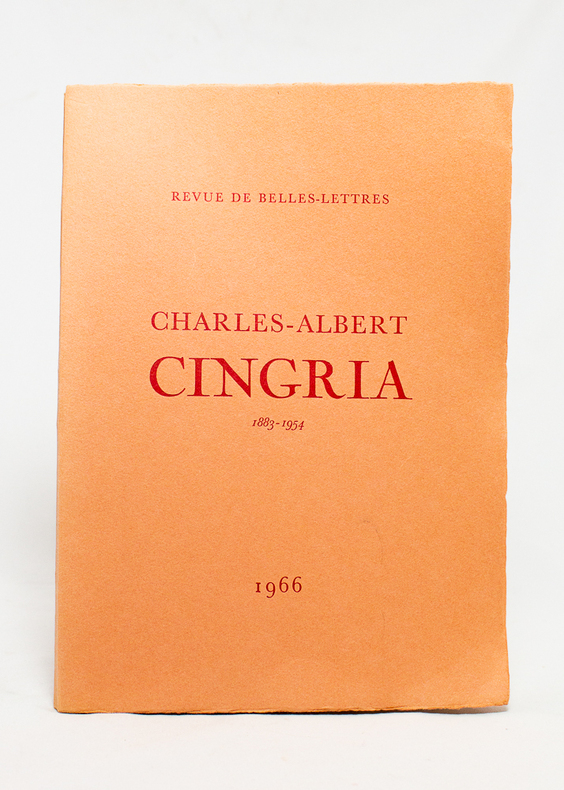
196611573Lausanne, Revue de Belles-Lettres, 1966. In-4 broché de 73-[7] pages, couverture saumon imprimée ton sur ton, dos muet.
1933889DG1933.. Aquarell. 74,5 x 57 cm.
EXE0051c/c3Mainz,Philipp von Zabern, 1974. 2 volumes in-4°, reliure pleine toile de l'édition.
Ritratto di Carlo II di Spagna, firmato da Nicolò Billy “il vecchio”. L’opera appartiene ad una rarissima serie di incisioni di personaggi illustri, probabilmente mai pubblicata come raccolta. Non è noto sapere il numero delle incisioni che compongono la raccolta; sicuramente molto più delle 8 tavole - tra l’altro, erroneamente attribuite a Nicolò Billy “il giovane” - nel catalogo dell’Istituto d'Arte "Duccio di Buoninsegna" di Siena, che apparentemente possiede la collezione più grande di questi bellissimi ritratti. Solo uno dei ritratti è tra gli 11 in nostro possesso. Pertanto, il numero delle lastre conosciute sale, quantomeno, a 18. Nicolò o Nicola Billy “il vecchio” fu incisore, calcografo e mercante di stampe, occasionalmente anche disegnatore. Di origine francese, legato a Giacomo (Jacques Belly) e Vincenzo Billy, a lui affini per attività, fu attivo a Roma dalla fine del Seicento alla prima metà del Settecento. Apparentemente il primo della dinastia; poco chiari i repertori tanto sul genere e sugli estremi cronologici della sua attività, quanto sui rapporti che lo legarono ai figli Antonio e Nicola. Quale "intagliatore e mercante di stampe" sottoscrisse "vicino all'Orologgio della Chiesa Nuova", "a San Salvatore di Lavoro" e "vicino a Pasquino". Quale incisore lavorò per i più abili mercanti di stampe romani, da Giovanni Marco Paluzzi a Vincenzo Billy "alla Chiesa Nuova", dal Komarek ai molti membri della calcografia De Rossi "alla Pace": vasta fu la produzione incisoria, talora dai repertori ignorata o talora (tranne le generiche assegnazioni del Gori Gandellini, 1771, che gli dà come collaboratore il figlio Antonio) confusa con quella del figlio Nicola, anche per l'identità di firma. Il carattere più artigianale che artistico, la resa diseguale, l'incisione a tratti spesso rozzi e sbrigativi, può far attribuire al Billy un gruppo di stampe: soggetti religiosi e ritratti in specie. Come editore ristampò molte delle opere di Pietro Testa. Acquaforte e bulino, 1685 circa firmata in lastra in basso. Magnifica prova, ricca di toni, impressa su carta vergata coeva, con margini, in perfetto stato di conservazione. Molto rara. Bibliografia Fabia Borroni, BILLY, Nicola, il Vecchio in “Dizionario Biografico degli Italiani” - Volume 10 (1968); Ch. Le Blanc, Manuel de l'amateur d'estampes, I, Paris 1854, p. 340, con un elenco di 47 pezzi ascrivibili ai due Nicola Billy. Portrait of Charles II of Spain, signed by Nicolò Billy "the elder". The work belongs to a very rare series of engravings of famous people, probably never published as a collection. It is not known how many engravings compose the collection; certainly, far more than the 8 plates -among other things, erroneously attributed to Nicolò Billy "the younger" - in the catalog of the "Duccio di Buoninsegna" Art Institute in Siena, which apparently own the largest collection of these beautiful portraits. Only one of the portraits is among the 11 in our possession. Therefore, the number of known plates rises, at the very least, to 18. Nicolò or Nicola Billy “the elder” was an engraver, publisher and print dealer, occasionally also a draughtsman. Of French origin, related to Giacomo (Jacques Belly) and Vincenzo Billy, who were related to him in activity, he was active in Rome from the late seventeenth Century to the first half of the eighteenth Century. Apparently the first of the dynasty; unclear repertoires as much on the genre and chronological extremes of his activity as on the relations that bound him to his sons Antonio and Nicola. As an "engraver and merchant of prints," he subscribed near the “Orologgio della Chiesa Nuova”, “in San Salvatore di Lavoro” and “vicino a Pasquino”. As an engraver he worked for the most skilled Roman print dealers, from Giovanni Marco Paluzzi to Vincenzo Billy “alla Chiesa Nuova”, from Komarek to many members of the De Rossi Family “alla Pace”: vast was his engraving production, sometimes ignored by the repertories or sometimes (except for the generic assignments of Gori Gandellini, 1771, which gives him as collaborator his son Antonio) confused with that of his son Nicola, also because of the identity of signature. The more artisanal than artistic character, the uneven rendering, the engraving with often crude and hasty strokes, may attribute a group of prints to Billy: religious subjects and portraits in particular. As a publisher he reprinted many of Pietro Testa's works. Etching and engraving, 1685 circa, signed in plate at the bottom. Magnificent proof, rich in tone, impressed on contemporary laid paper, with margins, in perfect condition. Very rare. Bibliografia Fabia Borroni, BILLY, Nicola, il Vecchio in “Dizionario Biografico degli Italiani” - Volume 10 (1968); Ch. Le Blanc, Manuel de l'amateur d'estampes, I, Paris 1854, p. 340, con un elenco di 47 pezzi ascrivibili ai due Nicola Billy.
Ritratto di Ernst Rüdiger von Starhemberg, firmato da Nicolò Billy “il vecchio”. L’opera appartiene ad una rarissima serie di incisioni di personaggi illustri, probabilmente mai pubblicata come raccolta. Non è noto sapere il numero delle incisioni che compongono la raccolta; sicuramente molto più delle 8 tavole - tra l’altro, erroneamente attribuite a Nicolò Billy “il giovane” - nel catalogo dell’Istituto d'Arte "Duccio di Buoninsegna" di Siena, che apparentemente possiede la collezione più grande di questi bellissimi ritratti. Solo uno dei ritratti è tra gli 11 in nostro possesso. Pertanto, il numero delle lastre conosciute sale, quantomeno, a 18. Nicolò o Nicola Billy “il vecchio” fu incisore, calcografo e mercante di stampe, occasionalmente anche disegnatore. Di origine francese, legato a Giacomo (Jacques Belly) e Vincenzo Billy, a lui affini per attività, fu attivo a Roma dalla fine del Seicento alla prima metà del Settecento. Apparentemente il primo della dinastia; poco chiari i repertori tanto sul genere e sugli estremi cronologici della sua attività, quanto sui rapporti che lo legarono ai figli Antonio e Nicola. Quale "intagliatore e mercante di stampe" sottoscrisse "vicino all'Orologgio della Chiesa Nuova", "a San Salvatore di Lavoro" e "vicino a Pasquino". Quale incisore lavorò per i più abili mercanti di stampe romani, da Giovanni Marco Paluzzi a Vincenzo Billy "alla Chiesa Nuova", dal Komarek ai molti membri della calcografia De Rossi "alla Pace": vasta fu la produzione incisoria, talora dai repertori ignorata o talora (tranne le generiche assegnazioni del Gori Gandellini, 1771, che gli dà come collaboratore il figlio Antonio) confusa con quella del figlio Nicola, anche per l'identità di firma. Il carattere più artigianale che artistico, la resa diseguale, l'incisione a tratti spesso rozzi e sbrigativi, può far attribuire al Billy un gruppo di stampe: soggetti religiosi e ritratti in specie. Come editore ristampò molte delle opere di Pietro Testa. Acquaforte e bulino, 1685 circa, firmata in lastra in basso. Magnifica prova, ricca di toni, impressa su carta vergata coeva, con margini, in perfetto stato di conservazione. Molto rara. Bibliografia Fabia Borroni, BILLY, Nicola, il Vecchio in “Dizionario Biografico degli Italiani” - Volume 10 (1968); Ch. Le Blanc, Manuel de l'amateur d'estampes, I, Paris 1854, p. 340, con un elenco di 47 pezzi ascrivibili ai due Nicola Billy. Portrait of Ernst Rüdiger von Starhemberg, signed by Nicolò Billy "the elder". The work belongs to a very rare series of engravings of famous people, probably never published as a collection. It is not known how many engravings compose the collection; certainly, far more than the 8 plates -among other things, erroneously attributed to Nicolò Billy "the younger" - in the catalog of the "Duccio di Buoninsegna" Art Institute in Siena, which apparently own the largest collection of these beautiful portraits. Only one of the portraits is among the 11 in our possession. Therefore, the number of known plates rises, at the very least, to 18. Nicolò or Nicola Billy “the elder” was an engraver, publisher and print dealer, occasionally also a draughtsman. Of French origin, related to Giacomo (Jacques Belly) and Vincenzo Billy, who were related to him in activity, he was active in Rome from the late seventeenth Century to the first half of the eighteenth Century. Apparently the first of the dynasty; unclear repertoires as much on the genre and chronological extremes of his activity as on the relations that bound him to his sons Antonio and Nicola. As an "engraver and merchant of prints," he subscribed near the “Orologgio della Chiesa Nuova”, “in San Salvatore di Lavoro” and “vicino a Pasquino”. As an engraver he worked for the most skilled Roman print dealers, from Giovanni Marco Paluzzi to Vincenzo Billy “alla Chiesa Nuova”, from Komarek to many members of the De Rossi Family “alla Pace”: vast was his engraving production, sometimes ignored by the repertories or sometimes (except for the generic assignments of Gori Gandellini, 1771, which gives him as collaborator his son Antonio) confused with that of his son Nicola, also because of the identity of signature. The more artisanal than artistic character, the uneven rendering, the engraving with often crude and hasty strokes, may attribute a group of prints to Billy: religious subjects and portraits in particular. As a publisher he reprinted many of Pietro Testa's works. Etching and engraving, 1685 circa, signed in plate at the bottom. Magnificent proof, rich in tone, impressed on contemporary laid paper, with margins, in perfect condition. Very rare. Bibliografia Fabia Borroni, BILLY, Nicola, il Vecchio in “Dizionario Biografico degli Italiani” - Volume 10 (1968); Ch. Le Blanc, Manuel de l'amateur d'estampes, I, Paris 1854, p. 340, con un elenco di 47 pezzi ascrivibili ai due Nicola Billy.
Ritratto di Giacomo II Stuart, firmato da Nicolò Billy “il vecchio”. L’opera appartiene ad una rarissima serie di incisioni di personaggi illustri, probabilmente mai pubblicata come raccolta. Non è noto sapere il numero delle incisioni che compongono la raccolta; sicuramente molto più delle 8 tavole - tra l’altro, erroneamente attribuite a Nicolò Billy “il giovane” - nel catalogo dell’Istituto d'Arte "Duccio di Buoninsegna" di Siena, che apparentemente possiede la collezione più grande di questi bellissimi ritratti. Solo uno dei ritratti è tra gli 11 in nostro possesso. Pertanto, il numero delle lastre conosciute sale, quantomeno, a 18. Nicolò o Nicola Billy “il vecchio” fu incisore, calcografo e mercante di stampe, occasionalmente anche disegnatore. Di origine francese, legato a Giacomo (Jacques Belly) e Vincenzo Billy, a lui affini per attività, fu attivo a Roma dalla fine del Seicento alla prima metà del Settecento. Apparentemente il primo della dinastia; poco chiari i repertori tanto sul genere e sugli estremi cronologici della sua attività, quanto sui rapporti che lo legarono ai figli Antonio e Nicola. Quale "intagliatore e mercante di stampe" sottoscrisse "vicino all'Orologgio della Chiesa Nuova", "a San Salvatore di Lavoro" e "vicino a Pasquino". Quale incisore lavorò per i più abili mercanti di stampe romani, da Giovanni Marco Paluzzi a Vincenzo Billy "alla Chiesa Nuova", dal Komarek ai molti membri della calcografia De Rossi "alla Pace": vasta fu la produzione incisoria, talora dai repertori ignorata o talora (tranne le generiche assegnazioni del Gori Gandellini, 1771, che gli dà come collaboratore il figlio Antonio) confusa con quella del figlio Nicola, anche per l'identità di firma. Il carattere più artigianale che artistico, la resa diseguale, l'incisione a tratti spesso rozzi e sbrigativi, può far attribuire al Billy un gruppo di stampe: soggetti religiosi e ritratti in specie. Come editore ristampò molte delle opere di Pietro Testa. Acquaforte e bulino, 1685 circa, firmata in lastra in basso. Magnifica prova, ricca di toni, impressa su carta vergata coeva, con margini, in perfetto stato di conservazione. Molto rara. Bibliografia Fabia Borroni, BILLY, Nicola, il Vecchio in “Dizionario Biografico degli Italiani” - Volume 10 (1968); Ch. Le Blanc, Manuel de l'amateur d'estampes, I, Paris 1854, p. 340, con un elenco di 47 pezzi ascrivibili ai due Nicola Billy. Portrait of James II of England, signed by Nicolò Billy "the elder". The work belongs to a very rare series of engravings of famous people, probably never published as a collection. It is not known how many engravings compose the collection; certainly, far more than the 8 plates -among other things, erroneously attributed to Nicolò Billy "the younger" - in the catalog of the "Duccio di Buoninsegna" Art Institute in Siena, which apparently own the largest collection of these beautiful portraits. Only one of the portraits is among the 11 in our possession. Therefore, the number of known plates rises, at the very least, to 18. Nicolò or Nicola Billy “the elder” was an engraver, publisher and print dealer, occasionally also a draughtsman. Of French origin, related to Giacomo (Jacques Belly) and Vincenzo Billy, who were related to him in activity, he was active in Rome from the late seventeenth Century to the first half of the eighteenth Century. Apparently the first of the dynasty; unclear repertoires as much on the genre and chronological extremes of his activity as on the relations that bound him to his sons Antonio and Nicola. As an "engraver and merchant of prints," he subscribed near the “Orologgio della Chiesa Nuova”, “in San Salvatore di Lavoro” and “vicino a Pasquino”. As an engraver he worked for the most skilled Roman print dealers, from Giovanni Marco Paluzzi to Vincenzo Billy “alla Chiesa Nuova”, from Komarek to many members of the De Rossi Family “alla Pace”: vast was his engraving production, sometimes ignored by the repertories or sometimes (except for the generic assignments of Gori Gandellini, 1771, which gives him as collaborator his son Antonio) confused with that of his son Nicola, also because of the identity of signature. The more artisanal than artistic character, the uneven rendering, the engraving with often crude and hasty strokes, may attribute a group of prints to Billy: religious subjects and portraits in particular. As a publisher he reprinted many of Pietro Testa's works. Etching and engraving, 1685 circa, signed in plate at the bottom. Magnificent proof, rich in tone, impressed on contemporary laid paper, with margins, in perfect condition. Very rare. Bibliografia Fabia Borroni, BILLY, Nicola, il Vecchio in “Dizionario Biografico degli Italiani” - Volume 10 (1968); Ch. Le Blanc, Manuel de l'amateur d'estampes, I, Paris 1854, p. 340, con un elenco di 47 pezzi ascrivibili ai due Nicola Billy.
Ritratto di Papa Innocenzo XI, firmato da Nicolò Billy “il vecchio”. L’opera appartiene ad una rarissima serie di incisioni di personaggi illustri, probabilmente mai pubblicata come raccolta. Non è noto sapere il numero delle incisioni che compongono la raccolta; sicuramente molto più delle 8 tavole - tra l’altro, erroneamente attribuite a Nicolò Billy “il giovane” - nel catalogo dell’Istituto d'Arte "Duccio di Buoninsegna" di Siena, che apparentemente possiede la collezione più grande di questi bellissimi ritratti. Solo uno dei ritratti è tra gli 11 in nostro possesso. Pertanto, il numero delle lastre conosciute sale, quantomeno, a 18. Nicolò o Nicola Billy “il vecchio” fu incisore, calcografo e mercante di stampe, occasionalmente anche disegnatore. Di origine francese, legato a Giacomo (Jacques Belly) e Vincenzo Billy, a lui affini per attività, fu attivo a Roma dalla fine del Seicento alla prima metà del Settecento. Apparentemente il primo della dinastia; poco chiari i repertori tanto sul genere e sugli estremi cronologici della sua attività, quanto sui rapporti che lo legarono ai figli Antonio e Nicola. Quale "intagliatore e mercante di stampe" sottoscrisse "vicino all'Orologgio della Chiesa Nuova", "a San Salvatore di Lavoro" e "vicino a Pasquino". Quale incisore lavorò per i più abili mercanti di stampe romani, da Giovanni Marco Paluzzi a Vincenzo Billy "alla Chiesa Nuova", dal Komarek ai molti membri della calcografia De Rossi "alla Pace": vasta fu la produzione incisoria, talora dai repertori ignorata o talora (tranne le generiche assegnazioni del Gori Gandellini, 1771, che gli dà come collaboratore il figlio Antonio) confusa con quella del figlio Nicola, anche per l'identità di firma. Il carattere più artigianale che artistico, la resa diseguale, l'incisione a tratti spesso rozzi e sbrigativi, può far attribuire al Billy un gruppo di stampe: soggetti religiosi e ritratti in specie. Come editore ristampò molte delle opere di Pietro Testa. Acquaforte e bulino, 1685 circa, firmata in lastra in basso. Magnifica prova, ricca di toni, impressa su carta vergata coeva, con margini, in perfetto stato di conservazione. Molto rara. Bibliografia Fabia Borroni, BILLY, Nicola, il Vecchio in “Dizionario Biografico degli Italiani” - Volume 10 (1968); Ch. Le Blanc, Manuel de l'amateur d'estampes, I, Paris 1854, p. 340, con un elenco di 47 pezzi ascrivibili ai due Nicola Billy. Portrait of Pope Innocent XI, signed by Nicolò Billy "the elder". The work belongs to a very rare series of engravings of famous people, probably never published as a collection. It is not known how many engravings compose the collection; certainly, far more than the 8 plates -among other things, erroneously attributed to Nicolò Billy "the younger" - in the catalog of the "Duccio di Buoninsegna" Art Institute in Siena, which apparently own the largest collection of these beautiful portraits. Only one of the portraits is among the 11 in our possession. Therefore, the number of known plates rises, at the very least, to 18. Nicolò or Nicola Billy “the elder” was an engraver, publisher and print dealer, occasionally also a draughtsman. Of French origin, related to Giacomo (Jacques Belly) and Vincenzo Billy, who were related to him in activity, he was active in Rome from the late seventeenth Century to the first half of the eighteenth Century. Apparently the first of the dynasty; unclear repertoires as much on the genre and chronological extremes of his activity as on the relations that bound him to his sons Antonio and Nicola. As an "engraver and merchant of prints," he subscribed near the “Orologgio della Chiesa Nuova”, “in San Salvatore di Lavoro” and “vicino a Pasquino”. As an engraver he worked for the most skilled Roman print dealers, from Giovanni Marco Paluzzi to Vincenzo Billy “alla Chiesa Nuova”, from Komarek to many members of the De Rossi Family “alla Pace”: vast was his engraving production, sometimes ignored by the repertories or sometimes (except for the generic assignments of Gori Gandellini, 1771, which gives him as collaborator his son Antonio) confused with that of his son Nicola, also because of the identity of signature. The more artisanal than artistic character, the uneven rendering, the engraving with often crude and hasty strokes, may attribute a group of prints to Billy: religious subjects and portraits in particular. As a publisher he reprinted many of Pietro Testa's works. Etching and engraving, 1683 circa, signed in plate at the bottom. Magnificent proof, rich in tone, impressed on contemporary laid paper, with margins, in perfect condition. Very rare. Bibliografia Fabia Borroni, BILLY, Nicola, il Vecchio in “Dizionario Biografico degli Italiani” - Volume 10 (1968); Ch. Le Blanc, Manuel de l'amateur d'estampes, I, Paris 1854, p. 340, con un elenco di 47 pezzi ascrivibili ai due Nicola Billy.
Ritratto di Giovanni III Sobieski, Re di Polonia, firmato da Nicolò Billy “il vecchio”. L’opera appartiene ad una rarissima serie di incisioni di personaggi illustri, probabilmente mai pubblicata come raccolta. Non è noto sapere il numero delle incisioni che compongono la raccolta; sicuramente molto più delle 8 tavole - tra l’altro, erroneamente attribuite a Nicolò Billy “il giovane” - nel catalogo dell’Istituto d'Arte "Duccio di Buoninsegna" di Siena, che apparentemente possiede la collezione più grande di questi bellissimi ritratti. Solo uno dei ritratti è tra gli 11 in nostro possesso. Pertanto, il numero delle lastre conosciute sale, quantomeno, a 18. Nicolò o Nicola Billy “il vecchio” fu incisore, calcografo e mercante di stampe, occasionalmente anche disegnatore. Di origine francese, legato a Giacomo (Jacques Belly) e Vincenzo Billy, a lui affini per attività, fu attivo a Roma dalla fine del Seicento alla prima metà del Settecento. Apparentemente il primo della dinastia; poco chiari i repertori tanto sul genere e sugli estremi cronologici della sua attività, quanto sui rapporti che lo legarono ai figli Antonio e Nicola. Quale "intagliatore e mercante di stampe" sottoscrisse "vicino all'Orologgio della Chiesa Nuova", "a San Salvatore di Lavoro" e "vicino a Pasquino". Quale incisore lavorò per i più abili mercanti di stampe romani, da Giovanni Marco Paluzzi a Vincenzo Billy "alla Chiesa Nuova", dal Komarek ai molti membri della calcografia De Rossi "alla Pace": vasta fu la produzione incisoria, talora dai repertori ignorata o talora (tranne le generiche assegnazioni del Gori Gandellini, 1771, che gli dà come collaboratore il figlio Antonio) confusa con quella del figlio Nicola, anche per l'identità di firma. Il carattere più artigianale che artistico, la resa diseguale, l'incisione a tratti spesso rozzi e sbrigativi, può far attribuire al Billy un gruppo di stampe: soggetti religiosi e ritratti in specie. Come editore ristampò molte delle opere di Pietro Testa. Acquaforte e bulino, 1685 circa, firmata in lastra in basso. Magnifica prova, ricca di toni, impressa su carta vergata coeva, con margini, in perfetto stato di conservazione. Molto rara. Bibliografia Fabia Borroni, BILLY, Nicola, il Vecchio in “Dizionario Biografico degli Italiani” - Volume 10 (1968); Ch. Le Blanc, Manuel de l'amateur d'estampes, I, Paris 1854, p. 340, con un elenco di 47 pezzi ascrivibili ai due Nicola Billy. Portrait of John III Sobieski, King of Poland, signed by Nicolò Billy "the elder". The work belongs to a very rare series of engravings of famous people, probably never published as a collection. It is not known how many engravings compose the collection; certainly, far more than the 8 plates -among other things, erroneously attributed to Nicolò Billy "the younger" - in the catalog of the "Duccio di Buoninsegna" Art Institute in Siena, which apparently own the largest collection of these beautiful portraits. Only one of the portraits is among the 11 in our possession. Therefore, the number of known plates rises, at the very least, to 18. Nicolò or Nicola Billy “the elder” was an engraver, publisher and print dealer, occasionally also a draughtsman. Of French origin, related to Giacomo (Jacques Belly) and Vincenzo Billy, who were related to him in activity, he was active in Rome from the late seventeenth Century to the first half of the eighteenth Century. Apparently the first of the dynasty; unclear repertoires as much on the genre and chronological extremes of his activity as on the relations that bound him to his sons Antonio and Nicola. As an "engraver and merchant of prints," he subscribed near the “Orologgio della Chiesa Nuova”, “in San Salvatore di Lavoro” and “vicino a Pasquino”. As an engraver he worked for the most skilled Roman print dealers, from Giovanni Marco Paluzzi to Vincenzo Billy “alla Chiesa Nuova”, from Komarek to many members of the De Rossi Family “alla Pace”: vast was his engraving production, sometimes ignored by the repertories or sometimes (except for the generic assignments of Gori Gandellini, 1771, which gives him as collaborator his son Antonio) confused with that of his son Nicola, also because of the identity of signature. The more artisanal than artistic character, the uneven rendering, the engraving with often crude and hasty strokes, may attribute a group of prints to Billy: religious subjects and portraits in particular. As a publisher he reprinted many of Pietro Testa's works. Etching and engraving, 1685 circa, signed in plate at the bottom. Magnificent proof, rich in tone, impressed on contemporary laid paper, with margins, in perfect condition. Very rare. Bibliografia Fabia Borroni, BILLY, Nicola, il Vecchio in “Dizionario Biografico degli Italiani” - Volume 10 (1968); Ch. Le Blanc, Manuel de l'amateur d'estampes, I, Paris 1854, p. 340, con un elenco di 47 pezzi ascrivibili ai due Nicola Billy.
Ritratto di Leopoldo I d'Asburgo, firmato da Nicolò Billy “il vecchio”. L’opera appartiene ad una rarissima serie di incisioni di personaggi illustri, probabilmente mai pubblicata come raccolta. Non è noto sapere il numero delle incisioni che compongono la raccolta; sicuramente molto più delle 8 tavole - tra l’altro, erroneamente attribuite a Nicolò Billy “il giovane” - nel catalogo dell’Istituto d'Arte "Duccio di Buoninsegna" di Siena, che apparentemente possiede la collezione più grande di questi bellissimi ritratti. Solo uno dei ritratti è tra gli 11 in nostro possesso. Pertanto, il numero delle lastre conosciute sale, quantomeno, a 18. Nicolò o Nicola Billy “il vecchio” fu incisore, calcografo e mercante di stampe, occasionalmente anche disegnatore. Di origine francese, legato a Giacomo (Jacques Belly) e Vincenzo Billy, a lui affini per attività, fu attivo a Roma dalla fine del Seicento alla prima metà del Settecento. Apparentemente il primo della dinastia; poco chiari i repertori tanto sul genere e sugli estremi cronologici della sua attività, quanto sui rapporti che lo legarono ai figli Antonio e Nicola. Quale "intagliatore e mercante di stampe" sottoscrisse "vicino all'Orologgio della Chiesa Nuova", "a San Salvatore di Lavoro" e "vicino a Pasquino". Quale incisore lavorò per i più abili mercanti di stampe romani, da Giovanni Marco Paluzzi a Vincenzo Billy "alla Chiesa Nuova", dal Komarek ai molti membri della calcografia De Rossi "alla Pace": vasta fu la produzione incisoria, talora dai repertori ignorata o talora (tranne le generiche assegnazioni del Gori Gandellini, 1771, che gli dà come collaboratore il figlio Antonio) confusa con quella del figlio Nicola, anche per l'identità di firma. Il carattere più artigianale che artistico, la resa diseguale, l'incisione a tratti spesso rozzi e sbrigativi, può far attribuire al Billy un gruppo di stampe: soggetti religiosi e ritratti in specie. Come editore ristampò molte delle opere di Pietro Testa. Acquaforte e bulino, 1685 circa, firmata in lastra in basso. Magnifica prova, ricca di toni, impressa su carta vergata coeva, rifilata al rame, in perfetto stato di conservazione. Molto rara. Bibliografia Fabia Borroni, BILLY, Nicola, il Vecchio in “Dizionario Biografico degli Italiani” - Volume 10 (1968); Ch. Le Blanc, Manuel de l'amateur d'estampes, I, Paris 1854, p. 340, con un elenco di 47 pezzi ascrivibili ai due Nicola Billy. Portrait of Leopold I, Holy Roman Emperor, signed by Nicolò Billy "the elder". The work belongs to a very rare series of engravings of famous people, probably never published as a collection. It is not known how many engravings compose the collection; certainly, far more than the 8 plates -among other things, erroneously attributed to Nicolò Billy "the younger" - in the catalog of the "Duccio di Buoninsegna" Art Institute in Siena, which apparently own the largest collection of these beautiful portraits. Only one of the portraits is among the 11 in our possession. Therefore, the number of known plates rises, at the very least, to 18. Nicolò or Nicola Billy “the elder” was an engraver, publisher and print dealer, occasionally also a draughtsman. Of French origin, related to Giacomo (Jacques Belly) and Vincenzo Billy, who were related to him in activity, he was active in Rome from the late seventeenth Century to the first half of the eighteenth Century. Apparently the first of the dynasty; unclear repertoires as much on the genre and chronological extremes of his activity as on the relations that bound him to his sons Antonio and Nicola. As an "engraver and merchant of prints," he subscribed near the “Orologgio della Chiesa Nuova”, “in San Salvatore di Lavoro” and “vicino a Pasquino”. As an engraver he worked for the most skilled Roman print dealers, from Giovanni Marco Paluzzi to Vincenzo Billy “alla Chiesa Nuova”, from Komarek to many members of the De Rossi Family “alla Pace”: vast was his engraving production, sometimes ignored by the repertories or sometimes (except for the generic assignments of Gori Gandellini, 1771, which gives him as collaborator his son Antonio) confused with that of his son Nicola, also because of the identity of signature. The more artisanal than artistic character, the uneven rendering, the engraving with often crude and hasty strokes, may attribute a group of prints to Billy: religious subjects and portraits in particular. As a publisher he reprinted many of Pietro Testa's works. Etching and engraving, 1685 circa, signed in plate at the bottom. Magnificent proof, rich in tone, impressed on contemporary laid paper, trimmed to the platemark, in perfect condition. Very rare. Bibliografia Fabia Borroni, BILLY, Nicola, il Vecchio in “Dizionario Biografico degli Italiani” - Volume 10 (1968); Ch. Le Blanc, Manuel de l'amateur d'estampes, I, Paris 1854, p. 340, con un elenco di 47 pezzi ascrivibili ai due Nicola Billy.
Ritratto di Luigi XIV di Francia, il Re Sole, firmato da Nicolò Billy “il vecchio”. L’opera appartiene ad una rarissima serie di incisioni di personaggi illustri, probabilmente mai pubblicata come raccolta. Non è noto sapere il numero delle incisioni che compongono la raccolta; sicuramente molto più delle 8 tavole - tra l’altro, erroneamente attribuite a Nicolò Billy “il giovane” - nel catalogo dell’Istituto d'Arte "Duccio di Buoninsegna" di Siena, che apparentemente possiede la collezione più grande di questi bellissimi ritratti. Solo uno dei ritratti è tra gli 11 in nostro possesso. Pertanto, il numero delle lastre conosciute sale, quantomeno, a 18. Nicolò o Nicola Billy “il vecchio” fu incisore, calcografo e mercante di stampe, occasionalmente anche disegnatore. Di origine francese, legato a Giacomo (Jacques Belly) e Vincenzo Billy, a lui affini per attività, fu attivo a Roma dalla fine del Seicento alla prima metà del Settecento. Apparentemente il primo della dinastia; poco chiari i repertori tanto sul genere e sugli estremi cronologici della sua attività, quanto sui rapporti che lo legarono ai figli Antonio e Nicola. Quale "intagliatore e mercante di stampe" sottoscrisse "vicino all'Orologgio della Chiesa Nuova", "a San Salvatore di Lavoro" e "vicino a Pasquino". Quale incisore lavorò per i più abili mercanti di stampe romani, da Giovanni Marco Paluzzi a Vincenzo Billy "alla Chiesa Nuova", dal Komarek ai molti membri della calcografia De Rossi "alla Pace": vasta fu la produzione incisoria, talora dai repertori ignorata o talora (tranne le generiche assegnazioni del Gori Gandellini, 1771, che gli dà come collaboratore il figlio Antonio) confusa con quella del figlio Nicola, anche per l'identità di firma. Il carattere più artigianale che artistico, la resa diseguale, l'incisione a tratti spesso rozzi e sbrigativi, può far attribuire al Billy un gruppo di stampe: soggetti religiosi e ritratti in specie. Come editore ristampò molte delle opere di Pietro Testa. Acquaforte e bulino, 1685 circa, firmata in lastra in basso. Magnifica prova, ricca di toni, impressa su carta vergata coeva, con margini, in perfetto stato di conservazione. Molto rara. Bibliografia Fabia Borroni, BILLY, Nicola, il Vecchio in “Dizionario Biografico degli Italiani” - Volume 10 (1968); Ch. Le Blanc, Manuel de l'amateur d'estampes, I, Paris 1854, p. 340, con un elenco di 47 pezzi ascrivibili ai due Nicola Billy. Portrait of Louis XIV, le Roi Soleil, signed by Nicolò Billy "the elder". The work belongs to a very rare series of engravings of famous people, probably never published as a collection. It is not known how many engravings compose the collection; certainly, far more than the 8 plates -among other things, erroneously attributed to Nicolò Billy "the younger" - in the catalog of the "Duccio di Buoninsegna" Art Institute in Siena, which apparently own the largest collection of these beautiful portraits. Only one of the portraits is among the 11 in our possession. Therefore, the number of known plates rises, at the very least, to 18. Nicolò or Nicola Billy “the elder” was an engraver, publisher and print dealer, occasionally also a draughtsman. Of French origin, related to Giacomo (Jacques Belly) and Vincenzo Billy, who were related to him in activity, he was active in Rome from the late seventeenth Century to the first half of the eighteenth Century. Apparently the first of the dynasty; unclear repertoires as much on the genre and chronological extremes of his activity as on the relations that bound him to his sons Antonio and Nicola. As an "engraver and merchant of prints," he subscribed near the “Orologgio della Chiesa Nuova”, “in San Salvatore di Lavoro” and “vicino a Pasquino”. As an engraver he worked for the most skilled Roman print dealers, from Giovanni Marco Paluzzi to Vincenzo Billy “alla Chiesa Nuova”, from Komarek to many members of the De Rossi Family “alla Pace”: vast was his engraving production, sometimes ignored by the repertories or sometimes (except for the generic assignments of Gori Gandellini, 1771, which gives him as collaborator his son Antonio) confused with that of his son Nicola, also because of the identity of signature. The more artisanal than artistic character, the uneven rendering, the engraving with often crude and hasty strokes, may attribute a group of prints to Billy: religious subjects and portraits in particular. As a publisher he reprinted many of Pietro Testa's works. Etching and engraving, 1685 circa, signed in plate at the bottom. Magnificent proof, rich in tone, impressed on contemporary laid paper, with margins, in perfect condition. Very rare. Bibliografia Fabia Borroni, BILLY, Nicola, il Vecchio in “Dizionario Biografico degli Italiani” - Volume 10 (1968); Ch. Le Blanc, Manuel de l'amateur d'estampes, I, Paris 1854, p. 340, con un elenco di 47 pezzi ascrivibili ai due Nicola Billy.
Ritratto del Doge Marcantonio Giustinian, firmato da Nicolò Billy “il vecchio”. L’opera appartiene ad una rarissima serie di incisioni di personaggi illustri, probabilmente mai pubblicata come raccolta. Non è noto sapere il numero delle incisioni che compongono la raccolta; sicuramente molto più delle 8 tavole - tra l’altro, erroneamente attribuite a Nicolò Billy “il giovane” - nel catalogo dell’Istituto d'Arte "Duccio di Buoninsegna" di Siena, che apparentemente possiede la collezione più grande di questi bellissimi ritratti. Solo uno dei ritratti è tra gli 11 in nostro possesso. Pertanto, il numero delle lastre conosciute sale, quantomeno, a 18. Nicolò o Nicola Billy “il vecchio” fu incisore, calcografo e mercante di stampe, occasionalmente anche disegnatore. Di origine francese, legato a Giacomo (Jacques Belly) e Vincenzo Billy, a lui affini per attività, fu attivo a Roma dalla fine del Seicento alla prima metà del Settecento. Apparentemente il primo della dinastia; poco chiari i repertori tanto sul genere e sugli estremi cronologici della sua attività, quanto sui rapporti che lo legarono ai figli Antonio e Nicola. Quale "intagliatore e mercante di stampe" sottoscrisse "vicino all'Orologgio della Chiesa Nuova", "a San Salvatore di Lavoro" e "vicino a Pasquino". Quale incisore lavorò per i più abili mercanti di stampe romani, da Giovanni Marco Paluzzi a Vincenzo Billy "alla Chiesa Nuova", dal Komarek ai molti membri della calcografia De Rossi "alla Pace": vasta fu la produzione incisoria, talora dai repertori ignorata o talora (tranne le generiche assegnazioni del Gori Gandellini, 1771, che gli dà come collaboratore il figlio Antonio) confusa con quella del figlio Nicola, anche per l'identità di firma. Il carattere più artigianale che artistico, la resa diseguale, l'incisione a tratti spesso rozzi e sbrigativi, può far attribuire al Billy un gruppo di stampe: soggetti religiosi e ritratti in specie. Come editore ristampò molte delle opere di Pietro Testa. Acquaforte e bulino, 1685 circa, firmata in lastra in basso. Magnifica prova, ricca di toni, impressa su carta vergata coeva, con margini, in perfetto stato di conservazione. Molto rara. Bibliografia Fabia Borroni, BILLY, Nicola, il Vecchio in “Dizionario Biografico degli Italiani” - Volume 10 (1968); Ch. Le Blanc, Manuel de l'amateur d'estampes, I, Paris 1854, p. 340, con un elenco di 47 pezzi ascrivibili ai due Nicola Billy. Portrait of Marcantonio Giustinian, Doge of Venice, signed by Nicolò Billy "the elder". The work belongs to a very rare series of engravings of famous people, probably never published as a collection. It is not known how many engravings compose the collection; certainly, far more than the 8 plates -among other things, erroneously attributed to Nicolò Billy "the younger" - in the catalog of the "Duccio di Buoninsegna" Art Institute in Siena, which apparently own the largest collection of these beautiful portraits. Only one of the portraits is among the 11 in our possession. Therefore, the number of known plates rises, at the very least, to 18. Nicolò or Nicola Billy “the elder” was an engraver, publisher and print dealer, occasionally also a draughtsman. Of French origin, related to Giacomo (Jacques Belly) and Vincenzo Billy, who were related to him in activity, he was active in Rome from the late seventeenth Century to the first half of the eighteenth Century. Apparently the first of the dynasty; unclear repertoires as much on the genre and chronological extremes of his activity as on the relations that bound him to his sons Antonio and Nicola. As an "engraver and merchant of prints," he subscribed near the “Orologgio della Chiesa Nuova”, “in San Salvatore di Lavoro” and “vicino a Pasquino”. As an engraver he worked for the most skilled Roman print dealers, from Giovanni Marco Paluzzi to Vincenzo Billy “alla Chiesa Nuova”, from Komarek to many members of the De Rossi Family “alla Pace”: vast was his engraving production, sometimes ignored by the repertories or sometimes (except for the generic assignments of Gori Gandellini, 1771, which gives him as collaborator his son Antonio) confused with that of his son Nicola, also because of the identity of signature. The more artisanal than artistic character, the uneven rendering, the engraving with often crude and hasty strokes, may attribute a group of prints to Billy: religious subjects and portraits in particular. As a publisher he reprinted many of Pietro Testa's works. Etching and engraving, 1685 circa, signed in plate at the bottom. Magnificent proof, rich in tone, impressed on contemporary laid paper, with margins, in perfect condition. Very rare. Bibliografia Fabia Borroni, BILLY, Nicola, il Vecchio in “Dizionario Biografico degli Italiani” - Volume 10 (1968); Ch. Le Blanc, Manuel de l'amateur d'estampes, I, Paris 1854, p. 340, con un elenco di 47 pezzi ascrivibili ai due Nicola Billy.