Livre Rare Book
8 979 résultats
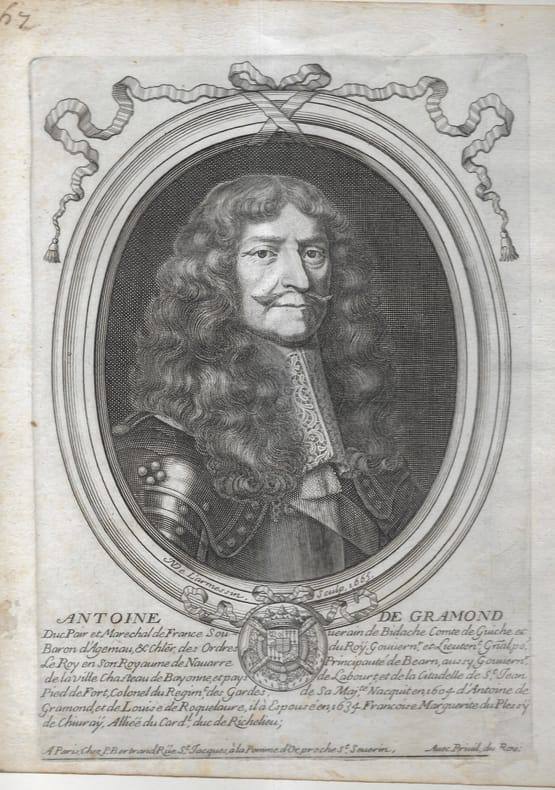
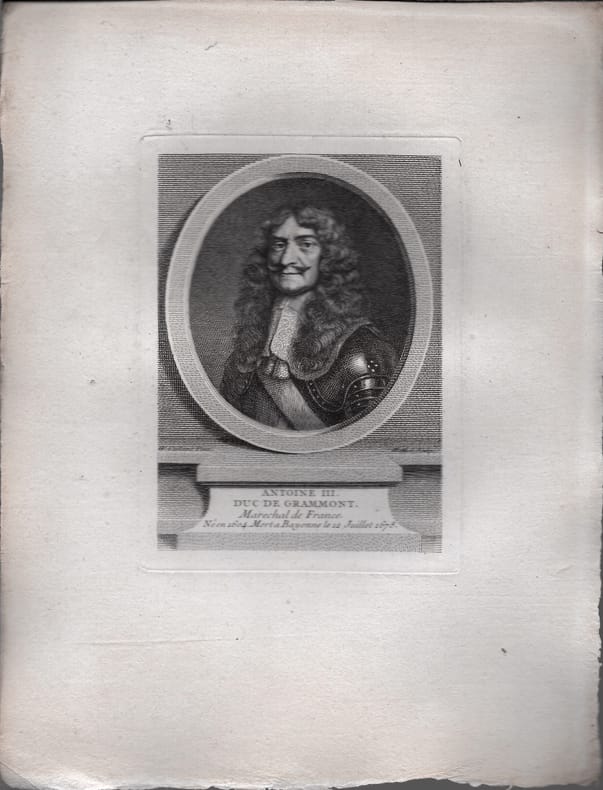
11515Maréchal de France En feuille Très bon XVIIIè Feuille 27 x 21 cm
27153, fonds Mercator/ Mercatorfonds , Pages: 184,Format: 28 x 24 cm,100 illustrations en couleur,Couverture reliee, neuf !!!. Francais (ISBN 978 90 6153 849 3) ISBN 9789061538493.
155471638-1694. Beau portrait. Beau tirage XVIIIè sur vergé. en feuille Très bon 15 x 11 cm
15548Veuve de Guillaume de la Fon de Boisguérin. Beau portrait. Beau tirage XVIIIè sur vergé. en feuille Très bon 15 x 11 cm
165015658Beau portrait. Beau tirage XVIIè sur vergé. en feuille Très bon Paris Balthasar Montcornet 1650 17 x 12,5 cm
5353Provençal, Grand-maître de Malte de 1623 à 1636. D'une suite de 54 pièces "Les Grands Maîtres de l'Ordre de Malte" (LeBlanc 37-90). L'estampe est collée aux angles par des charnières sur un papier fort. circa 1725 21,5 x 15,5
5357Portugais, Grand-maître de Malte de 1722 à 1736. D'une suite de 54 pièces "Les Grands Maîtres de l'Ordre de Malte" (LeBlanc 37-90). L'estampe est collée aux angles par des charnières sur un papier fort. circa 1725 21,5 x 15,5
0023270 217 x 165 mm Pas de couverture
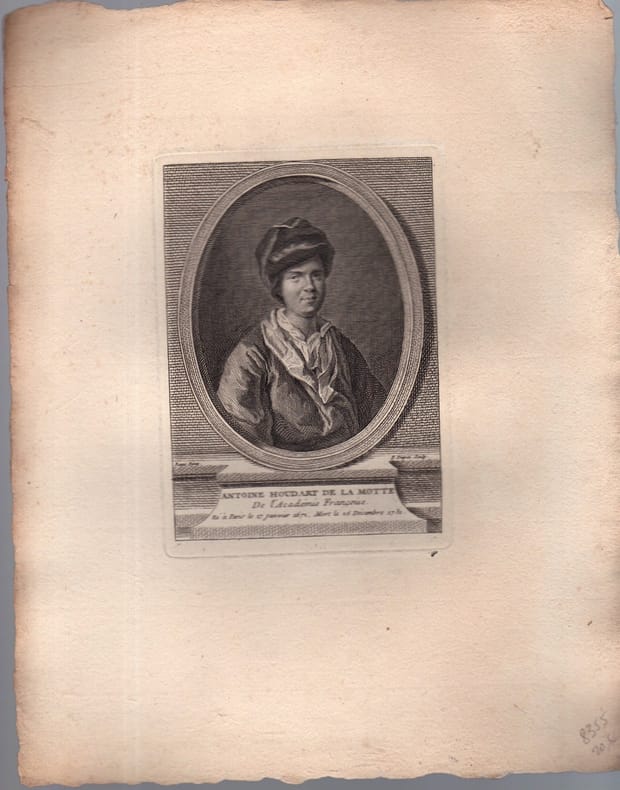
8355Épreuve du tirage d'Odieuvre. en feuille Bon Paris XVIIIè
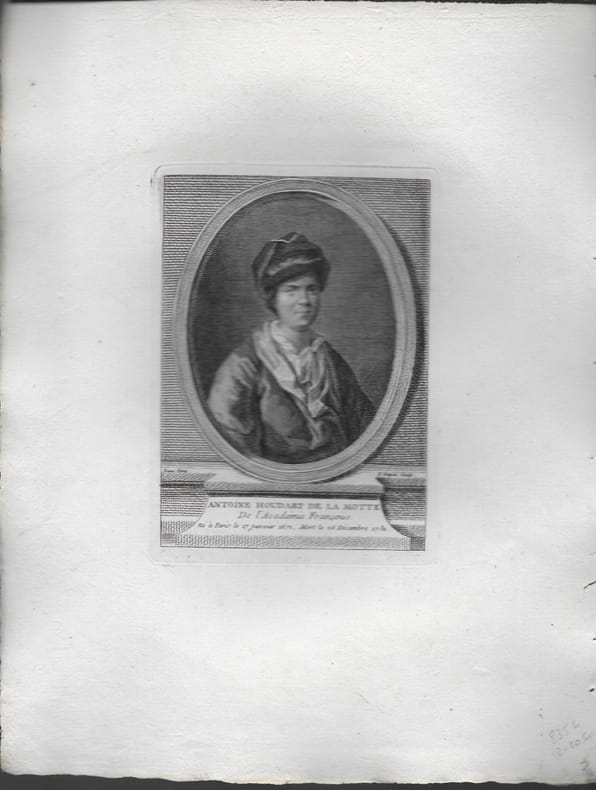
8356Épreuve du tirage d'Odieuvre. en feuille Bon Paris XVIIIè
14726Le Grand Arnauld, chef de file des Jansénistes. en feuille Très bon Paris Odieuvre 14 x 10 cm
8398Épreuve du tirage d'Odieuvre. en feuille Bon Paris XVIIIè
19961249241996 Editions Parkone / Aurora - 1996 - Grand in-4, cartonnage illustrée sous jaquette illustrée - 175 pages - Nombreuses illustrations en couleurs et en N&B, in et hors-texte, dans l'ouvrage
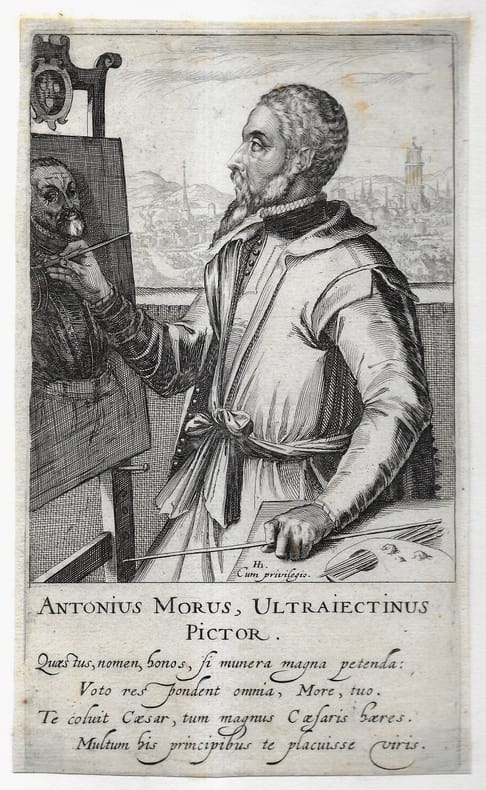
16105060“Pictorum aliquot celebrium praecipuae germaniae inferioris effigies” ;Toutes les planches de cette série porte l’excudit de Hondius, mais certaines ont été gravées par d’autres artistes; En feuille Très bon 1610 21 x 12
8189Épreuve contrecollée au dos. en feuille Paris Chez Bertrand 22,5 x 16,5 cm.
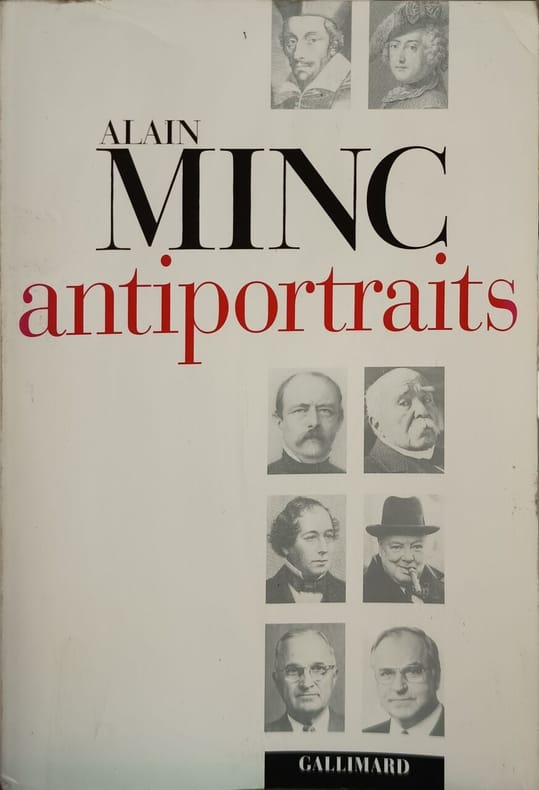
19969718Gallimard 1996 256 pages 20x14x2cm. 1996. Broché. 256 pages. Alain Minc propose dans cet essai un choix hédoniste de portraits croisés d'hommes d'État qui l'ont intéressé ou fasciné. Il met en regard des figures historiques comme Harry Truman et Helmut Kohl illustrant ce qu'il appelle 'la banalité du bien' un style de leadership auquel la France serait peu habituée
200541607Musée national des Beaux-Arts du Québec Couverture souple Québec 2005
1390264467.Gpaperback. Good. Access codes and supplements are not guaranteed with used items. May be an ex-library book. paperback
Incisione tratta dalla celebre raccolta Icones principum, virorum, doctorum, pictorum, chalcographorum, di Anton van Dyck, edita per la prima volta ad Anversa verso il 1640. Opera celebre ed importante, vero monumento dell’arte incisoria fiamminga del sec. XVIII, contiene le biografie ed i ritratti degli uomini illustri che Van Dyck aveva conosciuto e con i quali aveva avuto importanti rapporti. L’artista ne eseguì le effigi in numerosi dipinti e disegni che poi decise di pubblicare, affidandone la trasposizione calcografica ai migliori incisori del suo tempo, come Bolswert, Pontius, Vorsterman, de Jode, Hollar, molti dei quali aveva avuto come condiscepoli nell’atelier di Rubens. "Sir Anthony Van Dyck stands out as the solitary great etcher of the school. Portrait etching had scarcely had an existence before his time, and in his work it suddenly appears at the highest point ever reached in the art" (Hind, p. 165). "The plan of this publication took shape after Van Dyck returned from Italy (1626) and before he went to England (1632). He made careful preparatory drawings in chalk and brush for the publication. He directed and revised the work of the engravers, the best of the Rubens circle; he collaborated with his etching needle in some of the plates and himself etched the most beautiful set, mainly portraits of artists. One of the most brilliant in human characterization is the portrait of Peter Brueghel the Younger, son of the great Peasant Brueghel. It is remarkable that the etching appeared in this sketchy form in the book, proving that the master regarded it as finished. All interest is focussed on the wonderful had. The first edition was published in Antwerp in 1635-1636. Yet it was not complete, and the title-page did not appear before the Gillis Hendricx edition of 1645, engraved by Jacob Neels" (Benesch, Artistic and Intellectual Trends, p. 32.) Hofer, Baroque Book Illustrations 132. Acquaforte con ritocchi al bulino, stampata su carta vergata coeva, filigrana del “giullare”, con margini, in ottimo stato di conservazione. Etching and engraving, circa 1645, signed on plate at lower edge. A fine impression, printed on contemporary laid paper, with margins, very good condition. From Icones principum, virorum, doctorum, pictorum, chalcographorum by Anton van Dyck, printed for the first time in Antwerp, 1645. A famous and important work, a real monument of the Flemish engraving art of the XVIII century, containing the biographies and portraits of the famous artists Van Dyck had met and with whom he had worked. Following the success of his portrait paintings and in the tradition of Italian and Flemish portrait series, Van Dyck decided to organise a print publication containing portraits of the most prominent men during his lifetime, divided into three categories: princes, politicians and soldiers (16), statesmen and scholars (12), artists and art connoisseurs (52). The initial idea could have been that Van Dyck would etch the faces (a process possibly learnt from Vorsterman) while others would finish the plates in engraving. Designs were needed for the plates and several drawings and oil sketches (grisailles, sometimes in different versions) have survived. Van Dyck only etched 17 plates himself, while he commissioned others to complete the set, overseen by Lucas Vorsterman I (especially after Van Dyck settled in England in the Spring of 1632). Although this project was started by Van Dyck around 1630, he never saw it completed. The Antwerp publisher Maarten van den Enden may have been involved from the start as eighty early impressions bear Van den Enden's address. They are engraved by Paulus Pontius (30 plates), Lucas Vorsterman I (22), Pieter de Jode II (12), Schelte a Bolswert (7), Robert van Voerst (4), Willem Hondius (2), Willem Jacobsz Delff (1), Cornelis Galle (1), and Nicolaes Lauwers (1). It is known that Van den Enden was in debt to Gillis Hendricx around 1644, the Antwerp publisher who must have obtained Van den Enden's plates which he published in 1645 in the first edition of these plates (containing between 100 and 104 portrait plates). Hendricx continued to publish these plates until his death in 1677 when they were auctioned off by the St Luke guild (keeping the Iconography plates together). It is not clear who bought these plates but they re-appeared around 1720 when they were published by Hendrick and Cornelis Verdussen in Antwerp.
Incisione tratta dalla celebre raccolta Icones principum, virorum, doctorum, pictorum, chalcographorum, di Anton van Dyck, edita per la prima volta ad Anversa verso il 1640. Opera celebre ed importante, vero monumento dell’arte incisoria fiamminga del sec. XVIII, contiene le biografie ed i ritratti degli uomini illustri che Van Dyck aveva conosciuto e con i quali aveva avuto importanti rapporti. L’artista ne eseguì le effigi in numerosi dipinti e disegni che poi decise di pubblicare, affidandone la trasposizione calcografica ai migliori incisori del suo tempo, come Bolswert, Pontius, Vorsterman, de Jode, Hollar, molti dei quali aveva avuto come condiscepoli nell’atelier di Rubens. "Sir Anthony Van Dyck stands out as the solitary great etcher of the school. Portrait etching had scarcely had an existence before his time, and in his work it suddenly appears at the highest point ever reached in the art" (Hind, p. 165). "The plan of this publication took shape after Van Dyck returned from Italy (1626) and before he went to England (1632). He made careful preparatory drawings in chalk and brush for the publication. He directed and revised the work of the engravers, the best of the Rubens circle; he collaborated with his etching needle in some of the plates and himself etched the most beautiful set, mainly portraits of artists. One of the most brilliant in human characterization is the portrait of Peter Brueghel the Younger, son of the great Peasant Brueghel. It is remarkable that the etching appeared in this sketchy form in the book, proving that the master regarded it as finished. All interest is focussed on the wonderful had. The first edition was published in Antwerp in 1635-1636. Yet it was not complete, and the title-page did not appear before the Gillis Hendricx edition of 1645, engraved by Jacob Neels" (Benesch, Artistic and Intellectual Trends, p. 32.) Hofer, Baroque Book Illustrations 132. Acquaforte con ritocchi al bulino, stampata su carta vergata coeva, filigrana del “giullare”, con margini, in ottimo stato di conservazione. Etching and engraving, circa 1645, signed on plate at lower edge. A fine impression, printed on contemporary laid paper, with margins, very good condition. From Icones principum, virorum, doctorum, pictorum, chalcographorum by Anton van Dyck, printed for the first time in Antwerp, 1645. A famous and important work, a real monument of the Flemish engraving art of the XVIII century, containing the biographies and portraits of the famous artists Van Dyck had met and with whom he had worked. Following the success of his portrait paintings and in the tradition of Italian and Flemish portrait series, Van Dyck decided to organise a print publication containing portraits of the most prominent men during his lifetime, divided into three categories: princes, politicians and soldiers (16), statesmen and scholars (12), artists and art connoisseurs (52). The initial idea could have been that Van Dyck would etch the faces (a process possibly learnt from Vorsterman) while others would finish the plates in engraving. Designs were needed for the plates and several drawings and oil sketches (grisailles, sometimes in different versions) have survived. Van Dyck only etched 17 plates himself, while he commissioned others to complete the set, overseen by Lucas Vorsterman I (especially after Van Dyck settled in England in the Spring of 1632). Although this project was started by Van Dyck around 1630, he never saw it completed. The Antwerp publisher Maarten van den Enden may have been involved from the start as eighty early impressions bear Van den Enden's address. They are engraved by Paulus Pontius (30 plates), Lucas Vorsterman I (22), Pieter de Jode II (12), Schelte a Bolswert (7), Robert van Voerst (4), Willem Hondius (2), Willem Jacobsz Delff (1), Cornelis Galle (1), and Nicolaes Lauwers (1). It is known that Van den Enden was in debt to Gillis Hendricx around 1644, the Antwerp publisher who must have obtained Van den Enden's plates which he published in 1645 in the first edition of these plates (containing between 100 and 104 portrait plates). Hendricx continued to publish these plates until his death in 1677 when they were auctioned off by the St Luke guild (keeping the Iconography plates together). It is not clear who bought these plates but they re-appeared around 1720 when they were published by Hendrick and Cornelis Verdussen in Antwerp.
Incisione tratta dalla celebre raccolta Icones principum, virorum, doctorum, pictorum, chalcographorum, di Anton van Dyck, edita per la prima volta ad Anversa verso il 1640. Opera celebre ed importante, vero monumento dell’arte incisoria fiamminga del sec. XVIII, contiene le biografie ed i ritratti degli uomini illustri che Van Dyck aveva conosciuto e con i quali aveva avuto importanti rapporti. L’artista ne eseguì le effigi in numerosi dipinti e disegni che poi decise di pubblicare, affidandone la trasposizione calcografica ai migliori incisori del suo tempo, come Bolswert, Pontius, Vorsterman, de Jode, Hollar, molti dei quali aveva avuto come condiscepoli nell’atelier di Rubens. "Sir Anthony Van Dyck stands out as the solitary great etcher of the school. Portrait etching had scarcely had an existence before his time, and in his work it suddenly appears at the highest point ever reached in the art" (Hind, p. 165). "The plan of this publication took shape after Van Dyck returned from Italy (1626) and before he went to England (1632). He made careful preparatory drawings in chalk and brush for the publication. He directed and revised the work of the engravers, the best of the Rubens circle; he collaborated with his etching needle in some of the plates and himself etched the most beautiful set, mainly portraits of artists. One of the most brilliant in human characterization is the portrait of Peter Brueghel the Younger, son of the great Peasant Brueghel. It is remarkable that the etching appeared in this sketchy form in the book, proving that the master regarded it as finished. All interest is focussed on the wonderful had. The first edition was published in Antwerp in 1635-1636. Yet it was not complete, and the title-page did not appear before the Gillis Hendricx edition of 1645, engraved by Jacob Neels" (Benesch, Artistic and Intellectual Trends, p. 32.) Hofer, Baroque Book Illustrations 132. Acquaforte con ritocchi al bulino, stampata su carta vergata coeva, filigrana del “giullare”, con margini, in ottimo stato di conservazione. Etching and engraving, circa 1645, signed on plate at lower edge. A fine impression, printed on contemporary laid paper, with margins, very good condition. From Icones principum, virorum, doctorum, pictorum, chalcographorum by Anton van Dyck, printed for the first time in Antwerp, 1645. A famous and important work, a real monument of the Flemish engraving art of the XVIII century, containing the biographies and portraits of the famous artists Van Dyck had met and with whom he had worked. Following the success of his portrait paintings and in the tradition of Italian and Flemish portrait series, Van Dyck decided to organise a print publication containing portraits of the most prominent men during his lifetime, divided into three categories: princes, politicians and soldiers (16), statesmen and scholars (12), artists and art connoisseurs (52). The initial idea could have been that Van Dyck would etch the faces (a process possibly learnt from Vorsterman) while others would finish the plates in engraving. Designs were needed for the plates and several drawings and oil sketches (grisailles, sometimes in different versions) have survived. Van Dyck only etched 17 plates himself, while he commissioned others to complete the set, overseen by Lucas Vorsterman I (especially after Van Dyck settled in England in the Spring of 1632). Although this project was started by Van Dyck around 1630, he never saw it completed. The Antwerp publisher Maarten van den Enden may have been involved from the start as eighty early impressions bear Van den Enden's address. They are engraved by Paulus Pontius (30 plates), Lucas Vorsterman I (22), Pieter de Jode II (12), Schelte a Bolswert (7), Robert van Voerst (4), Willem Hondius (2), Willem Jacobsz Delff (1), Cornelis Galle (1), and Nicolaes Lauwers (1). It is known that Van den Enden was in debt to Gillis Hendricx around 1644, the Antwerp publisher who must have obtained Van den Enden's plates which he published in 1645 in the first edition of these plates (containing between 100 and 104 portrait plates). Hendricx continued to publish these plates until his death in 1677 when they were auctioned off by the St Luke guild (keeping the Iconography plates together). It is not clear who bought these plates but they re-appeared around 1720 when they were published by Hendrick and Cornelis Verdussen in Antwerp.
2010004085New York: The Studio Museum in Harlem 2010. Paperback. Very Good . 8vo. 76 p. Bound in illustrated wrappers. Full-color illustrations. Catalog for the exhibition held at The Studio Museum in Harlem from November 11 2010-March 13 2011. Includes essays by Naomi Beckwith and Okwui Enwezor a short story by the Yiadom-Boakye and a forward by Thelma Golden. Very Good rubbing to spine and extremities otherwise clean and sound. <br/><br/> [The Studio Museum in Harlem] paperback
1924013100Paris Editions de L'Esprit nouveau - Librairie Jean Budry 1924 In-8 broché, couverture illutrée
Bildformat: 535 x 340 mm. Blattgröße: 760 x 550 mm. *Winkler 573.104 (zu Muxel), Nagler Bd. XIX, S.443 (zu Stieler). Ausgezeichneter Druck auf Velin mit Wasserzeichen M.&.I.A. Huber auf dem vollen Bogen mit den originalen Schöpfrändern. Nach dem berühmten lebensgroßen Gemälde von Joseph Stieler, der die 1821 im Alter von 10 Jahren an Typhus verstorbene jüngste Tochter von König Max I. Joseph und der Karoline von Baden allegorisch über der nächtlichen Silhouette der Münchener Residenz mit dem Turm des Kaiserhofes, dessen Uhr die Sterbestunde festhält, zum Himmel emporschweben läßt. Ganz links erkennt man die Kuppel und die Türme der Theatinerkirche, in der 1825 ein monumentales Grabrelief für Maximiliane aufgestellt wurde. (Von Winkler irrtümlich als Porträt der 1796 verstorbenen vierjährigen Prinzessin Amalie über dem Darmstädter Schloß beschrieben). - Vollrandiges Blatt in übergroßem Format in unberührter Erhaltung (Provenienz Haus Wittelsbach). Graphiken de
Bildformat: 515 x 330 mm. Blattgröße: 820 x 570 mm. *Nach dem berühmten lebensgroßen Gemälde von Joseph Stieler, der die 1821 im Alter von 10 Jahren an Typhus verstorbene jüngste Tochter von König Max I. Joseph und der Karoline von Baden allegorisch über der nächtlichen Silhouette der Münchener Residenz mit dem Turm des Kaiserhofes, dessen Uhr die Sterbestunde festhält, zum Himmel emporschweben läßt. Ganz links erkennt man die Kuppel und die Türme der Theatinerkirche, in der 1825 ein monumentales Grabrelief für Maximiliane aufgestellt wurde. Wurde 1821 in München bereits von Muxel lithographiert und nun wohl anläßlich des 1825 errichteten Monuments auch in Pais von Mauzaisse noch einmal lithographiert. - Vollrandiges Blatt in übergroßem Format in unberührter Erhaltung (Provenienz Haus Wittelsbach). Graphiken de