131 résultats
177217012Rome 1772. Copper engraving by Ottaviani after drawings by Savorelli and Camporesi printed in light brown coloured ink with contemporary hand-colouring. Good condition. Sight size: 43 x 17 inches. A highly decorative print from the famous "Loggie di Rafaele nel Vaticano" series with contemporary colouring of the highest quality from the golden age of the hand-coloured print.<br/> <br/> A very fine image from the first part of a work titled "Loggie di Rafaele nel Vaticano" depicting the decorative work executed by Raphael and his assistants between 1518-1519 in the Vatican. This remarkable print one of the first to be published of the decoration of the Logge on the main storey of the Vatican apartments was probably planned as early as 1760 but was not executed until between 1772 and 1776. The project as a whole was carried out by the painter Gaetano Savorelli the draughtsman Ludovico Teseo the architect Pietro Camporesi and the engravers Giovanni Ottaviani and Giovanni Volpato. The plate is remarkable not only as the first important visual record of Raphael's work but also for the quality of the hand-colouring - the work on this image is in our opinion some of the greatest to be produced in Europe during the whole of the eighteenth century: the golden age of the hand-coloured print. The whole series was of importance not just for the size and magnificent colouring of the prints but also because of the influence they had on contemporary taste. The decision was made to "borrow" elements from Raphael's Vatican tapestries and insert them where the original frescoes were in too poor a state to be legible. The finished plates therefore represented an amalgam of design elements presented with a crisp freshness of colour that held enormous appeal and stimulated the taste for the "grotesque" in the neo-classical period.<br/> <br/> Cf. Brunet IV 1110; cf. Berlin Katalog 4068; cf. Lambert Pattern and Design V. & A.: 1983 p. 26; "Raphael Invenit: Stampe da Rafaello" 1985 Ottaviano 11; Raphael: Reproduktions-graphik aus vier Jahrhunderten Coburg: 1984 p. 104. unknown
177217013Rome 1772. Copper engraving by Ottaviani after drawings by Savorelli and Camporesi printed in light brown coloured ink with contemporary hand-colouring. Good condition. Three repaired tears to the left blank margin. Sight size: 31 1/8 x 18 1/4 inches. A highly decorative print from the famous "Loggie di Rafaele nel Vaticano" series with contemporary colouring of the highest quality from the golden age of the hand-coloured print.<br/> <br/> A very fine image from the first part of a work titled "Loggie di Rafaele nel Vaticano" depicting the decorative work executed by Raphael and his assistants between 1518-1519 in the Vatican. This remarkable print one of the first to be published of the decoration of the Logge on the main storey of the Vatican apartments was probably planned as early as 1760 but was not executed until between 1772 and 1776. The project as a whole was carried out by the painter Gaetano Savorelli the draughtsman Ludovico Teseo the architect Pietro Camporesi and the engravers Giovanni Ottaviani and Giovanni Volpato. The plate is remarkable not only as the first important visual record of Raphael's work but also for the quality of the hand-colouring - the work on this image is in our opinion some of the greatest to be produced in Europe during the whole of the eighteenth century: the golden age of the hand-coloured print. The whole series was of importance not just for the size and magnificent colouring of the prints but also because of the influence they had on contemporary taste. The decision was made to "borrow" elements from Raphael's Vatican tapestries and insert them where the original frescoes were in too poor a state to be legible. The finished plates therefore represented an amalgam of design elements presented with a crisp freshness of colour that held enormous appeal and stimulated the taste for the "grotesque" in the neo-classical period.<br/> <br/> Cf. Brunet IV 1110; cf. Berlin Katalog 4068; cf. Lambert Pattern and Design V. & A.: 1983 p. 26; "Raphael Invenit: Stampe da Rafaello" 1985 Ottaviano 17; Raphael: Reproduktions-graphik aus vier Jahrhunderten Coburg: 1984 p. 104. unknown
177417011Rome 1774. Copper engraving by Ottaviani after drawings by Savorelli and Camporesi printed in light brown coloured ink with contemporary hand-colouring. Good condition. Shaved within plate mark expert neat repairs to left margin one just affecting the image area. A stunning plate from "Logge di Rafaele nel Vaticano": with contemporary colouring of the highest quality from the golden age of the hand-coloured print.<br/> <br/> A very fine image from the second part of a work titled "Loggie di Rafaele nel Vaticano" depicting the decorative work executed by Raphael and his assistants between 1518-1519 in the Vatican. They were drawn by Gaetano Savorelli a Roman painter and draughtsman best known for his Raphael drawings and Pietro Camporesi a Roman architect who worked for Pope Clemens XIII and Pius VI on rooms for the Vatican Museum. The first to illustrate the famous frescoes these beautiful plates were probably planned as early as 1760 but were not executed until 1772 to 1776. The plate is remarkable not only as the first important visual record of Raphael's work but also for the quality of the hand-colouring - the work on this image is in our opinion some of the greatest to be produced in Europe during the whole of the eighteenth century: the golden age of the hand-coloured print. They were remarkable not just for their size and magnificent colouring but also because of the influence they had on contemporary taste. The decision was made to "borrow" elements from Raphael's Vatican tapestries and insert them where the original frescoes were in too poor a state to be legible. The finished plates therefore represented an amalgam of design elements presented with a crisp freshness of colour that held enormous appeal and did much to stimulate the taste for the "grotesque" in the Neo-classical period. A year after the death of his principal patron Julius II Raphael succeeded Donato Bramante in 1514 as the official Vatican architect. Having previously adorned the "Stanze" or chambers of Julius on the second floor of the papal apartments in the Vatican palace he was commissioned by Leo X in 1517 to decorate the adjacent Logge. He designed an elaborate cycle of ornamental frescoes for the room's ceiling vaults doors and auxiliary pillars which were executed by his assistants Giulio Romano and Giovanni da Udine. Twelve of the quadrilateral ceiling vaults were adorned with murals of familiar Old Testament scenes and one with a scene from the New Testament while the more decorative frescoes painted on the pilasters by Udine were covered with imaginative compositions of 'grotesque' motifs like foliage fruit and chimerical beasts. The biblical scene depicted shows the infant brothers Cain and Abel vying for their mother's attention. Adam is sowing nearby.<br/> <br/> Cf. Brunet IV 1110 & 1111; cf. Berlin Katalog. 4068 & 4066; "Raphael Invenit: Stampe da Rafaello" 1985 Ottaviano 22; cf. "Raphael: Reproduktions-graphik aus vier Jahrhunderten" Coburg 1984 104 & no. 245. unknown
177020166Rome 1770. Copper engraving on two joined sheets by Ottaviani after drawings by Savorelli and Camporesi printed in light brown coloured ink with contemporary hand-colouring. Neat marginal restoration. A stunning plate from "Logge di Rafaele nel Vaticano": with contemporary colouring of the highest quality from the golden age of the hand-coloured print. The main panel shows Jacob at Luza having a vision of the angels ascending and descending by a ladder which reached from earth to heaven.<br/> <br/> A very fine image from the second part of a work titled "Loggie di Rafaele nel Vaticano" depicting the decorative work executed by Raphael and his assistants between 1518-1519 in the Vatican. They were drawn by Gaetano Savorelli a Roman painter and draughtsman best known for his Raphael drawings and Pietro Camporesi a Roman architect who worked for Pope Clemens XIII and Pius VI on rooms for the Vatican Museum. The first to illustrate the famous frescoes these beautiful plates were probably planned as early as 1760 but were not executed until 1772 to 1776. The plate is remarkable not only as the first important visual record of Raphael's work but also for the quality of the hand-colouring - the work on this image is in our opinion some of the greatest to be produced in Europe during the whole of the eighteenth century: the golden age of the hand-coloured print. They were remarkable not just for their size and magnificent colouring but also because of the influence they had on contemporary taste. The decision was made to "borrow" elements from Raphael's Vatican tapestries and insert them where the original frescoes were in too poor a state to be legible. The finished plates therefore represented an amalgam of design elements presented with a crisp freshness of colour that held enormous appeal and did much to stimulate the taste for the "grotesque" in the Neo-classical period. A year after the death of his principal patron Julius II Raphael succeeded Donato Bramante in 1514 as the official Vatican architect. Having previously adorned the "Stanze" or chambers of Julius on the second floor of the papal apartments in the Vatican palace he was commissioned by Leo X in 1517 to decorate the adjacent Logge. He designed an elaborate cycle of ornamental frescoes for the room's ceiling vaults doors and auxiliary pillars which were executed by his assistants Giulio Romano and Giovanni da Udine. Twelve of the quadrilateral ceiling vaults were adorned with murals of familiar Old Testament scenes and one with a scene from the New Testament while the more decorative frescoes painted on the pilasters by Udine were covered with imaginative compositions of 'grotesque' motifs like foliage fruit and chimerical beasts.<br/> <br/> Cf. Brunet IV 1110 & 1111; cf. Berlin Katalog 4068 & 4066; "Raphael Invenit: Stampe da Rafaello" 1985 Ottaviano 22; cf. "Raphael: Reproduktions-graphik aus vier Jahrhunderten" Coburg 1984 104 & no. 245. unknown
177420167Rome 1774. Copper engraving on two joined sheets by Ottaviani after drawings by Savorelli and Camporesi printed in light brown coloured ink with contemporary hand-colouring. Neat marginal restoration. A stunning plate from "Logge di Rafaele nel Vaticano": with contemporary colouring of the highest quality from the golden age of the hand-coloured print. The main panel shows Joseph telling his brothers of his prophetic dreams "Hear my dream which I dreamed. I thought we were binding sheaves in the field: and my sheaf arose as it were and stood and your sheaves standing about bowed down before my sheaf . I saw in . another dream as it were the sun and the moon and eleven stars worshipping me."<br/> <br/> A very fine image from the second part of a work titled "Loggie di Rafaele nel Vaticano" depicting the decorative work executed by Raphael and his assistants between 1518-1519 in the Vatican. They were drawn by Gaetano Savorelli a Roman painter and draughtsman best known for his Raphael drawings and Pietro Camporesi a Roman architect who worked for Pope Clemens XIII and Pius VI on rooms for the Vatican Museum. The first to illustrate the famous frescoes these beautiful plates were probably planned as early as 1760 but were not executed until 1772 to 1776. The plate is remarkable not only as the first important visual record of Raphael's work but also for the quality of the hand-colouring - the work on this image is in our opinion some of the greatest to be produced in Europe during the whole of the eighteenth century: the golden age of the hand-coloured print. They were remarkable not just for their size and magnificent colouring but also because of the influence they had on contemporary taste. The decision was made to "borrow" elements from Raphael's Vatican tapestries and insert them where the original frescoes were in too poor a state to be legible. The finished plates therefore represented an amalgam of design elements presented with a crisp freshness of colour that held enormous appeal and did much to stimulate the taste for the "grotesque" in the Neo-classical period. A year after the death of his principal patron Julius II Raphael succeeded Donato Bramante in 1514 as the official Vatican architect. Having previously adorned the "Stanze" or chambers of Julius on the second floor of the papal apartments in the Vatican palace he was commissioned by Leo X in 1517 to decorate the adjacent Logge. He designed an elaborate cycle of ornamental frescoes for the room's ceiling vaults doors and auxiliary pillars which were executed by his assistants Giulio Romano and Giovanni da Udine. Twelve of the quadrilateral ceiling vaults were adorned with murals of familiar Old Testament scenes and one with a scene from the New Testament while the more decorative frescoes painted on the pilasters by Udine were covered with imaginative compositions of 'grotesque' motifs like foliage fruit and chimerical beasts.<br/> <br/> Cf. Brunet IV 1110 & 1111; cf. Berlin Katalog 4068 & 4066; "Raphael Invenit: Stampe da Rafaello" 1985 Ottaviano 22; cf. "Raphael: Reproduktions-graphik aus vier Jahrhunderten" Coburg 1984 104 & no. 245. unknown
177420169Rome 1774. Copper engraving on two joined sheets by Ottaviani after drawings by Savorelli and Camporesi printed in light brown coloured ink with contemporary hand-colouring. Neat marginal restoration. A stunning plate from "Logge di Rafaele nel Vaticano": with contemporary colouring of the highest quality from the golden age of the hand-coloured print. The main panel shows King David having subdued Syria returning to Jersusalem with armour made of gold.<br/> <br/> A very fine image from the second part of a work titled "Loggie di Rafaele nel Vaticano" depicting the decorative work executed by Raphael and his assistants between 1518-1519 in the Vatican. They were drawn by Gaetano Savorelli a Roman painter and draughtsman best known for his Raphael drawings and Pietro Camporesi a Roman architect who worked for Pope Clemens XIII and Pius VI on rooms for the Vatican Museum. The first to illustrate the famous frescoes these beautiful plates were probably planned as early as 1760 but were not executed until 1772 to 1776. The plate is remarkable not only as the first important visual record of Raphael's work but also for the quality of the hand-colouring - the work on this image is in our opinion some of the greatest to be produced in Europe during the whole of the eighteenth century: the golden age of the hand-coloured print. They were remarkable not just for their size and magnificent colouring but also because of the influence they had on contemporary taste. The decision was made to "borrow" elements from Raphael's Vatican tapestries and insert them where the original frescoes were in too poor a state to be legible. The finished plates therefore represented an amalgam of design elements presented with a crisp freshness of colour that held enormous appeal and did much to stimulate the taste for the "grotesque" in the Neo-classical period. A year after the death of his principal patron Julius II Raphael succeeded Donato Bramante in 1514 as the official Vatican architect. Having previously adorned the "Stanze" or chambers of Julius on the second floor of the papal apartments in the Vatican palace he was commissioned by Leo X in 1517 to decorate the adjacent Logge. He designed an elaborate cycle of ornamental frescoes for the room's ceiling vaults doors and auxiliary pillars which were executed by his assistants Giulio Romano and Giovanni da Udine. Twelve of the quadrilateral ceiling vaults were adorned with murals of familiar Old Testament scenes and one with a scene from the New Testament while the more decorative frescoes painted on the pilasters by Udine were covered with imaginative compositions of 'grotesque' motifs like foliage fruit and chimerical beasts.<br/> <br/> Cf. Brunet IV 1110 & 1111; cf. Berlin Katalog 4068 & 4066; "Raphael Invenit: Stampe da Rafaello" 1985 Ottaviano 22; cf. "Raphael: Reproduktions-graphik aus vier Jahrhunderten" Coburg 1984 104 & no. 245. unknown
177420170Rome 1774. Copper engraving on two joined sheets by Ottaviani after drawings by Savorelli and Camporesi printed in light brown coloured ink with contemporary hand-colouring. Neat marginal restoration. A stunning plate from "Logge di Rafaele nel Vaticano": with contemporary colouring of the highest quality from the golden age of the hand-coloured print. The main panel shows the moment during the Last Supper when Jesus announces that one of the twelve disciples will betray him.<br/> <br/> A very fine image from the second part of a work titled "Loggie di Rafaele nel Vaticano" depicting the decorative work executed by Raphael and his assistants between 1518-1519 in the Vatican. They were drawn by Gaetano Savorelli a Roman painter and draughtsman best known for his Raphael drawings and Pietro Camporesi a Roman architect who worked for Pope Clemens XIII and Pius VI on rooms for the Vatican Museum. The first to illustrate the famous frescoes these beautiful plates were probably planned as early as 1760 but were not executed until 1772 to 1776. The plate is remarkable not only as the first important visual record of Raphael's work but also for the quality of the hand-colouring - the work on this image is in our opinion some of the greatest to be produced in Europe during the whole of the eighteenth century: the golden age of the hand-coloured print. They were remarkable not just for their size and magnificent colouring but also because of the influence they had on contemporary taste. The decision was made to "borrow" elements from Raphael's Vatican tapestries and insert them where the original frescoes were in too poor a state to be legible. The finished plates therefore represented an amalgam of design elements presented with a crisp freshness of colour that held enormous appeal and did much to stimulate the taste for the "grotesque" in the Neo-classical period. A year after the death of his principal patron Julius II Raphael succeeded Donato Bramante in 1514 as the official Vatican architect. Having previously adorned the "Stanze" or chambers of Julius on the second floor of the papal apartments in the Vatican palace he was commissioned by Leo X in 1517 to decorate the adjacent Logge. He designed an elaborate cycle of ornamental frescoes for the room's ceiling vaults doors and auxiliary pillars which were executed by his assistants Giulio Romano and Giovanni da Udine. Twelve of the quadrilateral ceiling vaults were adorned with murals of familiar Old Testament scenes and one with a scene from the New Testament while the more decorative frescoes painted on the pilasters by Udine were covered with imaginative compositions of 'grotesque' motifs like foliage fruit and chimerical beasts.<br/> <br/> Cf. Brunet IV 1110 & 1111; cf. Berlin Katalog 4068 & 4066; "Raphael Invenit: Stampe da Rafaello" 1985 Ottaviano 22; cf. "Raphael: Reproduktions-graphik aus vier Jahrhunderten" Coburg 1984 104 & no. 245. unknown
177216447Rome 1772. Copper engraving with stunning early colour. Printed on laid paper with added wove margins. In excellent condition with the exception of some light foxing in the margins. Image size: 22 7/8 x 15 3/4 inches. This beautiful perspective view of Raphael's Loggia with contemporary colouring of the highest quality from the golden age of the hand-coloured print served as the frontispiece to the celebrated text "Loggie di Rafaele nel Vaticano".<br/> <br/> This arresting print is a general perspective view of Raphael's design for the Loggia at the Vatican with a large profile portrait of Raphael in a medallion over the entrance to the corridor. The plate served as the frontispiece to the first part of the "Logge di Rafaele nel Vaticano" which depicted the decorative work executed by Raphael and his assistants between 1518-1519 in the Vatican. The project as a whole was carried out by the painter Gaetano Savorelli the draughtsman Ludovico Teseo the architect Pietro Camporesi and the engravers Giovanni Ottaviani and Giovanni Volpato. The plate is remarkable not only as the first important visual record of Raphael's work but also for the quality of the hand-colouring - the work on this image is in our opinion some of the greatest to be produced in Europe during the whole of the eighteenth century: the golden age of the hand-coloured print. The whole series was remarkable not just for the size and magnificent colouring of the prints but also because of the influence they had on contemporary taste. The decision was made to "borrow" elements from Raphael's Vatican tapestries and insert them where the original frescoes were in too poor a state to be legible. The finished plates therefore represented an amalgam of design elements presented with a crisp freshness of colour that held enormous appeal and stimulated the taste for the "grotesque" in the neo-classical period.<br/> <br/> Cf. Brunet IV 1110; cf. Berlin Katalog 4068; Lambert Pattern and Design V. & A.: 1983 p. 26; "Raphael Invenit: Stampe da Rafaello" 1985 Volpato 1; Raphael: Reproduktions-graphik aus vier Jahrhunderten Coburg: 1984 p. 104; G. Marini editor Giovanni Volpato 1735-1803 1988 no. 198. unknown
177420168Rome 1774. Copper engraving on two joined sheets by Ottaviani after drawings by Savorelli and Camporesi printed in light brown coloured ink with contemporary hand-colouring. Neat marginal restoration. A stunning plate from "Logge di Rafaele nel Vaticano": with contemporary colouring of the highest quality from the golden age of the hand-coloured print. The main panel shows Moses coming down from Mount Sinai holding the tablets bearing the ten words of the Covenant his face "horned from the conversation of the Lord". Aaron and the children of Israel seeing the face of Moses "horned" are afraid to come near.<br/> <br/> A very fine image from the second part of a work titled "Loggie di Rafaele nel Vaticano" depicting the decorative work executed by Raphael and his assistants between 1518-1519 in the Vatican. They were drawn by Gaetano Savorelli a Roman painter and draughtsman best known for his Raphael drawings and Pietro Camporesi a Roman architect who worked for Pope Clemens XIII and Pius VI on rooms for the Vatican Museum. The first to illustrate the famous frescoes these beautiful plates were probably planned as early as 1760 but were not executed until 1772 to 1776. The plate is remarkable not only as the first important visual record of Raphael's work but also for the quality of the hand-colouring - the work on this image is in our opinion some of the greatest to be produced in Europe during the whole of the eighteenth century: the golden age of the hand-coloured print. They were remarkable not just for their size and magnificent colouring but also because of the influence they had on contemporary taste. The decision was made to "borrow" elements from Raphael's Vatican tapestries and insert them where the original frescoes were in too poor a state to be legible. The finished plates therefore represented an amalgam of design elements presented with a crisp freshness of colour that held enormous appeal and did much to stimulate the taste for the "grotesque" in the Neo-classical period. A year after the death of his principal patron Julius II Raphael succeeded Donato Bramante in 1514 as the official Vatican architect. Having previously adorned the "Stanze" or chambers of Julius on the second floor of the papal apartments in the Vatican palace he was commissioned by Leo X in 1517 to decorate the adjacent Logge. He designed an elaborate cycle of ornamental frescoes for the room's ceiling vaults doors and auxiliary pillars which were executed by his assistants Giulio Romano and Giovanni da Udine. Twelve of the quadrilateral ceiling vaults were adorned with murals of familiar Old Testament scenes and one with a scene from the New Testament while the more decorative frescoes painted on the pilasters by Udine were covered with imaginative compositions of 'grotesque' motifs like foliage fruit and chimerical beasts.<br/> <br/> Cf. Brunet IV 1110 & 1111; cf. Berlin Katalog 4068 & 4066; "Raphael Invenit: Stampe da Rafaello" 1985 Ottaviano 22; cf. "Raphael: Reproduktions-graphik aus vier Jahrhunderten" Coburg 1984 104 & no. 245. unknown
177420165Rome 1774. Copper engraving on two joined sheets by Ottaviani after drawings by Savorelli and Camporesi printed in light brown coloured ink with contemporary hand-colouring. Neat marginal restoration. A stunning plate from "Logge di Rafaele nel Vaticano": with contemporary colouring of the highest quality from the golden age of the hand-coloured print. In the main panel the Lord appears to Isaac and tells him not to go down into Egypt but to stay in Gerara.<br/> <br/> A very fine image from the second part of a work titled "Loggie di Rafaele nel Vaticano" depicting the decorative work executed by Raphael and his assistants between 1518-1519 in the Vatican. They were drawn by Gaetano Savorelli a Roman painter and draughtsman best known for his Raphael drawings and Pietro Camporesi a Roman architect who worked for Pope Clemens XIII and Pius VI on rooms for the Vatican Museum. The first to illustrate the famous frescoes these beautiful plates were probably planned as early as 1760 but were not executed until 1772 to 1776. The plate is remarkable not only as the first important visual record of Raphael's work but also for the quality of the hand-colouring - the work on this image is in our opinion some of the greatest to be produced in Europe during the whole of the eighteenth century: the golden age of the hand-coloured print. They were remarkable not just for their size and magnificent colouring but also because of the influence they had on contemporary taste. The decision was made to "borrow" elements from Raphael's Vatican tapestries and insert them where the original frescoes were in too poor a state to be legible. The finished plates therefore represented an amalgam of design elements presented with a crisp freshness of colour that held enormous appeal and did much to stimulate the taste for the "grotesque" in the Neo-classical period. A year after the death of his principal patron Julius II Raphael succeeded Donato Bramante in 1514 as the official Vatican architect. Having previously adorned the "Stanze" or chambers of Julius on the second floor of the papal apartments in the Vatican palace he was commissioned by Leo X in 1517 to decorate the adjacent Logge. He designed an elaborate cycle of ornamental frescoes for the room's ceiling vaults doors and auxiliary pillars which were executed by his assistants Giulio Romano and Giovanni da Udine. Twelve of the quadrilateral ceiling vaults were adorned with murals of familiar Old Testament scenes and one with a scene from the New Testament while the more decorative frescoes painted on the pilasters by Udine were covered with imaginative compositions of 'grotesque' motifs like foliage fruit and chimerical beasts.<br/> <br/> Cf. Brunet IV 1110 & 1111; cf. Berlin Katalog 4068 & 4066; "Raphael Invenit: Stampe da Rafaello" 1985 Ottaviano 22; cf. "Raphael: Reproduktions-graphik aus vier Jahrhunderten" Coburg 1984 104 & no. 245. unknown
1782287287London: Boydell 1782. Second. hardcover. very good. Raphael. Illustrated with 106 engraved plates 45 in outline some foxing throughout. Tall folio recently rebound in 1/2 crimson morocco marbled boards. London: Printed for John Boydell 1782. Second edition. A very good copy in a fine binding.<br/><br/> An elaborate artist's manual first published in 1759. It celebrates Raphael's cartoons purchased by William and Mary and then housed in their own gallery within Hampton Court. Ralph's book begins with 12 plates "of the Study of Geometrical Figures." These are followed by 4 plates of human bodies engraved as academic designs by B. Picart. The bulk of the book shows heads of figures from Raphael's cartoons. The plates each depict two heads which are shown in simple line drawings followed with a finished engraving of the same heads. This second edition contains one hundred and six plates as opposed to 75 plates in the first edition of 1759.<br/><br/> Boydell unknown books
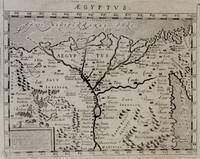
1713M8141Italy c.1713. Very Good. Notes: Savonarola used the pseudonym Alphonsus Lasor a Varea. Monk of Theatine order who worked in the monastery library in Padua. He was also Professor of Holy Scripture. Universes Terrarum Orbis Scriptorum. Size : 135x175 mm 5.31x6.89 Inches Coloring: Black & White Reference: Mickwitz A.M. Miekkavaara L. and Rantenen T. The A.E. Nordenskiold Collection in the Helsinki University Library Volume 2 1981 pp. 269- 276 Category: Maps Africa North Egypt; unknown
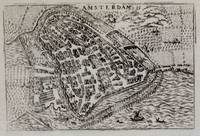
1713M8175Italy c.1713. Very Good. Notes: Amsterdam<br>Savonarola used the pseudonym Alphonsus Lasor a Varea. Monk of Theatine order who worked in the monastery library in Padua. He was also Professor of Holy Scripture. Universes Terrarum Orbis Scriptorum. Size : 85x125 mm 3.35x4.92 Inches Coloring: Black & White Reference: Mickwitz A.M. Miekkavaara L. and Rantenen T. The A.E. Nordenskiold Collection in the Helsinki University Library Volume 2 1981 pp. 269- 276 Category: Maps Europe Benelux; unknown
1713M8197Italy c.1713. Very Good. Notes: Savonarola used the pseudonym Alphonsus Lasor a Varea. Monk of Theatine order who worked in the monastery library in Padua. He was also Professor of Holy Scripture. Universes Terrarum Orbis Scriptorum. Size : 105x170 mm 4.13x6.69 Inches Coloring: Black & White Reference: Mickwitz A.M. Miekkavaara L. and Rantenen T. The A.E. Nordenskiold Collection in the Helsinki University Library Volume 2 1981 pp. 269- 276 Category: Maps Europe Greece Macedonia; unknown
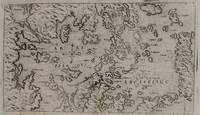
1713M8140Italy c.1713. Very Good. Notes: Eastern Greece.<br>Savonarola used the pseudonym Alphonsus Lasor a Varea. Monk of Theatine order who worked in the monastery library in Padua. He was also Professor of Holy Scripture. Universes Terrarum Orbis Scriptorum. Size : 99x171 mm 3.90x6.73 Inches Coloring: Black & White Reference: Mickwitz A.M. Miekkavaara L. and Rantenen T. The A.E. Nordenskiold Collection in the Helsinki University Library Volume 2 1981 pp. 269- 276 Category: Maps Europe Greece Macedonia; unknown
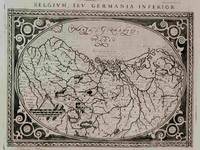
1713M8159Italy c.1713. Very Good. Notes: Savonarola used the pseudonym Alphonsus Lasor a Varea. Monk of Theatine order who worked in the monastery library in Padua. He was also Professor of Holy Scripture. Universes Terrarum Orbis Scriptorum. Size : 137x180 mm 5.39x7.09 Inches Coloring: Black & White Reference: Mickwitz A.M. Miekkavaara L. and Rantenen T. The A.E. Nordenskiold Collection in the Helsinki University Library Volume 2 1981 pp. 269- 276 Category: Maps Europe Benelux; unknown
1713M8172Italy c.1713. Very Good. Notes: Savonarola used the pseudonym Alphonsus Lasor a Varea. Monk of Theatine order who worked in the monastery library in Padua. He was also Professor of Holy Scripture. Universes Terrarum Orbis Scriptorum. Size : 90x130 mm 3.54x5.12 Inches Coloring: Black & White Reference: Mickwitz A.M. Miekkavaara L. and Rantenen T. The A.E. Nordenskiold Collection in the Helsinki University Library Volume 2 1981 pp. 269- 276 Category: Maps Europe Germany; unknown
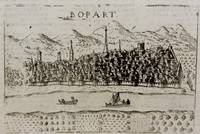
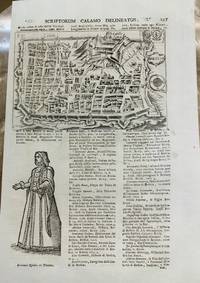
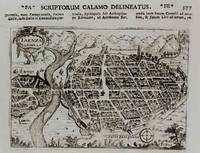
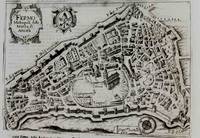
1713M8148Italy c.1713. Very Good. Notes: Brescia is a city and comune in the region of Lombardy in northern Italy. It is situated at the foot of the Alps between the Mella and the Naviglio. It is the second largest city in Lombardy after the capital Milan. Brescia is known as the Lioness of Italy Leonessa d'Italia after ten days of popular uprising that took place in the city in the Spring of 1849 against Austrian rule.<br><br>Savonarola used the pseudonym Alphonsus Lasor a Varea. Monk of Theatine order who worked in the monastery library in Padua. He was also Professor of Holy Scripture. Universes Terrarum Orbis Scriptorum. Size : 115x170 mm 4.53x6.69 Inches Coloring: Black & White Reference: Mickwitz A.M. Miekkavaara L. and Rantenen T. The A.E. Nordenskiold Collection in the Helsinki University Library Volume 2 1981 pp. 269- 276 Category: Maps Europe Italy; unknown
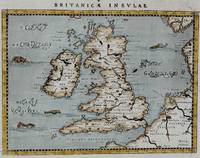
1713M8192Italy c.1713. Very Good. Notes: Savonarola used the pseudonym Alphonsus Lasor a Varea. Monk of Theatine order who worked in the monastery library in Padua. He was also Professor of Holy Scripture. Universes Terrarum Orbis Scriptorum. Size : 126x174 mm 4.96x6.85 Inches Coloring: Hand Colored Reference: Mickwitz A.M. Miekkavaara L. and Rantenen T. The A.E. Nordenskiold Collection in the Helsinki University Library Volume 2 1981 pp. 269- 276 Category: Maps Europe United Kingdom; unknown
1713M8149Italy c.1713. Very Good. Notes: Northern Italy.<br><br>Savonarola used the pseudonym Alphonsus Lasor a Varea. Monk of Theatine order who worked in the monastery library in Padua. He was also Professor of Holy Scripture. Universes Terrarum Orbis Scriptorum. Size : 90x129 mm 3.54x5.08 Inches Coloring: Black & White Reference: Mickwitz A.M. Miekkavaara L. and Rantenen T. The A.E. Nordenskiold Collection in the Helsinki University Library Volume 2 1981 pp. 269- 276 Category: Maps Europe Italy; unknown
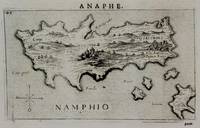
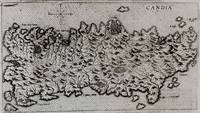
1713M8164Italy c.1713. Very Good. Notes: Crete Southern Greece in the Mediterranean. <br><br>Savonarola used the pseudonym Alphonsus Lasor a Varea. Monk of Theatine order who worked in the monastery library in Padua. He was also Professor of Holy Scripture. Universes Terrarum Orbis Scriptorum. Size : 97x175 mm 3.82x6.89 Inches Coloring: Black & White Reference: Mickwitz A.M. Miekkavaara L. and Rantenen T. The A.E. Nordenskiold Collection in the Helsinki University Library Volume 2 1981 pp. 269- 276 Category: Maps Europe Greece Macedonia; unknown
1713M8165Italy c.1713. Very Good. Notes: Savonarola used the pseudonym Alphonsus Lasor a Varea. Monk of Theatine order who worked in the monastery library in Padua. He was also Professor of Holy Scripture. Universes Terrarum Orbis Scriptorum. Size : 60x112 mm 2.36x4.41 Inches Coloring: Black & White Reference: Mickwitz A.M. Miekkavaara L. and Rantenen T. The A.E. Nordenskiold Collection in the Helsinki University Library Volume 2 1981 pp. 269- 276<br> Category: Maps Europe Germany; unknown
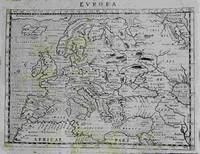
1713M8169Italy c.1713. Very Good. Notes: Savonarola used the pseudonym Alphonsus Lasor a Varea. Monk of Theatine order who worked in the monastery library in Padua. He was also Professor of Holy Scripture. Universes Terrarum Orbis Scriptorum. Size : 125x170 mm 4.92x6.69 Inches Coloring: Black & White Reference: Mickwitz A.M. Miekkavaara L. and Rantenen T. The A.E. Nordenskiold Collection in the Helsinki University Library Volume 2 1981 pp. 269- 276<br> Category: Maps Europe Continent; unknown
1713M8198Italy c.1713. Very Good. Notes: Savonarola used the pseudonym Alphonsus Lasor a Varea. Monk of Theatine order who worked in the monastery library in Padua. He was also Professor of Holy Scripture. Universes Terrarum Orbis Scriptorum. Size : 119x166 mm 4.69x6.54 Inches Coloring: Black & White Reference: Mickwitz A.M. Miekkavaara L. and Rantenen T. The A.E. Nordenskiold Collection in the Helsinki University Library Volume 2 1981 pp. 269- 276 Category: Maps Europe Italy; unknown
1713M8153Italy c.1713. Very Good. Notes: Savonarola used the pseudonym Alphonsus Lasor a Varea. Monk of Theatine order who worked in the monastery library in Padua. He was also Professor of Holy Scripture. Universes Terrarum Orbis Scriptorum. Size : 122x175 mm 4.80x6.89 Inches Coloring: Black & White Reference: Mickwitz A.M. Miekkavaara L. and Rantenen T. The A.E. Nordenskiold Collection in the Helsinki University Library Volume 2 1981 pp. 269- 276 Category: Maps Europe Italy; unknown