2 590 résultats
In 16, pp. 870, legatura tedesca in t. pelle di scrofa con impressioni a secco con nervi, mancanza parziale dei fermagli. Manca la prima c.b. Alcune segnature e note manoscritte. Alcune pagine brunite per il tipo di carta. Piccola mancanza al dorso e minime tracce d'uso. Molto raro (5693/ LEXICON - VOCABOLARIO - LATINO - GRECO - HELWIG GARTH)
2005Q-157826197xHatherleigh Press 2005-08-30. Paperback. New. In shrink wrap. Looks like an interesting title! Hatherleigh Press paperback

2005Q-1578261988Hatherleigh Press 2005-08-30. Paperback. New. In shrink wrap. Looks like an interesting title! Hatherleigh Press paperback
S.L. né D. In 8°pp.11n. cop.muta moderna.
(Codice LL/2110) In 8° XVI-874 pp. Sourlignures et notes au crayon. Toile éditeur, très bon état. ~~~ SPEDIZIONE IN ITALIA SEMPRE TRACCIATA
2009123551Naus Editoria. New. 2009. Paperback. 8874780125 . FREE UPGRADE to Courier/Priority Shipping Upon Request - IN STOCK AND IMMEDIATELY AVAILABLE FOR SHIPMENT - Flawless copy brand new pristine never opened. Text in Italian. with a bonus offer-- . Naus Editoria paperback
(Codice LL/2180) In 8° 219 pp. Brossura editoriale, sovraccoperta. Ottimo stato. ~~~ SPEDIZIONE IN ITALIA SEMPRE TRACCIATA
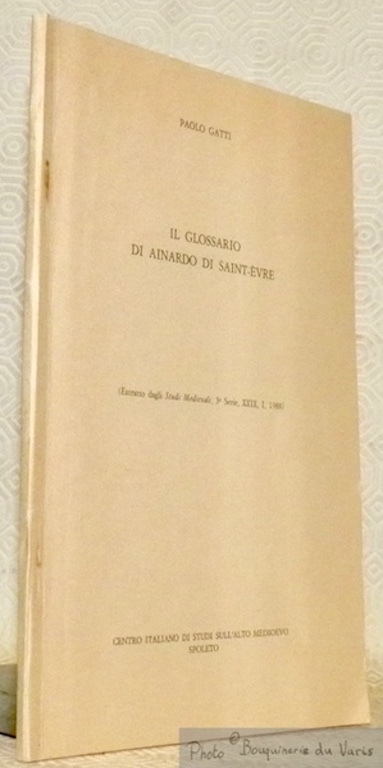
90254Spoleto, CISAM, Centro Italiano di Studi sull’Alto Medioevo 1988, 235x160mm, 58pagine, in brossura. Buono stato.
(Codice LL/1530) En 24° (14x8,5 cm) 214[2] pp. Ancien cachet ex-libris en page de titre. Cartonnage du temps, dos insolé mais en bon état. Pièce de titre en papier imprimé, tomaison à la plume se référant au cours complet. Très bon état. ~~~ SPEDIZIONE IN ITALIA SEMPRE TRACCIATA
(Codice LL/0184) In 4° (27,5 cm) VIII- 880 pp. Legatura mezza tela dell'epoca. Volume freschissimo, in ottimo stato. ~~~ SPEDIZIONE IN ITALIA SEMPRE TRACCIATA
27855bagaloni Ancona. Broschiert 359 Seiten Vordergelenk mit Geweband verstärkt das Buch ist gut erhalten -- Softcover 359 pagesfrontjoint with tape the book is in a good condition bagaloni Ancona paperback
In-4 (cm. 34,70), cartonato editoriale, sovracoperta editoriale illustrata, pp. XXII, 433, (1), con illustrazioni a colori nel testo. Catalogo della Mostra: Firenze, Biblioteca Medicea Laurenziana, 5 Febbraio - 9 Agosto 1997. Minime tracce d’uso ai tagli della sovracoperta; peraltro, volume in ottimo stato (nice copy).
(Codice LL/2173) In 8° 608 pp. Grande firma, timbro saggio. Brossura editoriale, etichetta. Buono stato ~~~ SPEDIZIONE IN ITALIA SEMPRE TRACCIATA
(Codice LL/2239) Due volumi in 8° VIII-2890(2) + VIII-1514 pp. Legature originali mezza pelle con fregi e titoli oro. In ottimo stato il diz. Italiano-la tino. Più usata la legatura del diz. Latino-italiano: piccola menda dorso, cerniera posteriore fessurata, ma solida. Qualche segno di studio all'Interno. Bon e valido esemplare. ~~~ SPEDIZIONE IN ITALIA SEMPRE TRACCIATA
4317Paris, A. Hatier, 1941, In 8°, rel., 608pp
(Codice LL/1817) In 16° 192 pp. Illustrations en noir. Broché, très bon état. ~~~ SPEDIZIONE IN ITALIA SEMPRE TRACCIATA
br. Il "romanzo del verbo greco" è un'epopea il cui eroe è il verbo greco antico, alla testa della sua falange di cinquecentodieci radici, e che diventa qui la saga della civiltà occidentale guardata attraverso la lente del sovrano delle parole, il verbo. Tante le intuizioni di cui l'opera è disseminata, strade tutte da aprire con gli strumenti della validazione scientifica nella selva ancora in gran parte inesplorata dell'antico. I cultori di civiltà classica (studenti, ex studenti, docenti, genitori curiosi di accostarsi al mondo dei propri figli in formazione) vi troveranno più di un'occasione di piacevole fascinazione, immergendosi in un'opera aperta che non è un libro solo per addetti ai lavori, dacché possiede duplice natura: quella di testo per iniziati, per docenti alle prime esperienze, per ex studenti bramosi di ritornare alle sfide del greco interrotte negli anni liceali; ma pure quella di saggio per chi, di indole culturalmente curiosa, escluso in età giovanile dal privilegio della cultura classica, desideri integrare la sua formazione con il greco (e con quanto il greco porta con sé).
(Codice LL/1972) In 8° (24 cm) 13 pp. Con alcune illustrazioni e 4 foto su una tavola. Brossura originale, ottimo. ~~~ SPEDIZIONE IN ITALIA SEMPRE TRACCIATA
1689C0924<p>343 pages with woodcut printer's device on title. Duodecimo 5 1/2 x 3 1/4. Bound in leather with raised spine bands and gilt to spine. Originally written in 1619 in Italian. From the library of Lothar Schmid. Biblioteca van Der Niemeijeriana: 400 Third French edition.<br /><br />Gioachino Greco also known as Il Calabrese was born around 1600 in Celico which near Cosenza in Calabria. Calabria had already produced such players as Leonardo di Bono and Michele di Mauro. From his writing it's apparent the he wasn't educated and likely came from a lower class family. Already in 1619 Greco started keeping a notebook of tactics and particularly clever games and he took up the custom of giving copies of his manuscripts to his wealthy patrons. In Rome Monsignor Corsino della casa Minutoli Tegrini Cardinal Savelli and Monsignor Francisco Buoncompagni all received copies of which there are extant copies dated 1620 in the Corsiniana library in Rome under the title Trattato del nobilissimo gioco de scacchi. Despite his popularity in Rome in 1621 Greco took off to test himself against the rest of Europe leaving this paper trail as he went. In 1621 he left a fine copy of his manuscripts with Duke Enrico of Lorraine in Nancy. He traveled to Paris where he played Arnauld Isaac de Corbeville Enrico di Savoia the Marquis of St. Sorlin and the Duke of Nemours and Geneva and others. He had apparently been quite successful because in traveling from Paris to England he was waylaid by robbers who divested him of 5000 scudi a princely sum. Finally making it to London he beat all the best players. Sir Francis Godolphin and Nicholas Mountstephen were given copies of his manuscripts. While in London Greco developed an idea to record entire games rather than positions for study and inclusion in his manuscripts. He returned to Paris in 1624 where he rewrote his manuscript collection to reflect his new ideas. He then went to Spain and played at the court of Philip IV. There he beat his mentor and the strongest player of the time other than himself don Mariano Morano. He finally returned to Italy where he was enticed to traveling to the New Indies the Americas by a Spanish nobleman. He seemingly contracted some disease there and died around 1630 possibly 1634 at the young age of 30 34. He generously left all the money he earned at chess to the Jesuits. Gioachino Greco stood head and shoulders above his contemporaries a feat seldom duplicated. David Hooper in The Oxford Companion to Chess states that Greco probably made up the games in his manuscripts. The question of whether he actually played the games or invented them is rather moot since if he invented them he was perfectly capable of playing them.<br /><br />Lothar Maximilian Lorenz Schmid 10 May 1928 – 18 May 2013 was a German chess grandmaster. He was born in Radebeul near Dresden into a family who were the co-owners of the Karl May Press which published the German Karl May adventure novels. He was best known as the chief arbiter at several World Chess Championship matches in particular the 1972 encounter between Bobby Fischer and Boris Spassky at Reykjavic. He was also an avid collector of chess books and paraphernalia. It was reputed that he owned the largest known private chess library in the world as well as a renowned collection of chess art chess boards and chess pieces from around the globe.</p><p><strong>Condition:</strong><br /><br />Leather rubbed and scuffed Lothar Schmid's label to front paste down. Spine label missing spine bands rubbed old neat signature to title some doodling to back end papers else a good copy.</p> Jacques le Febure hardcover
1713C0588<p>343 pages. Duodecimo 5 ½" x 3 ¼". Bound in vellum with black lettering to spine. Originally written in 1619 in Italian. Biblioteca van Der Niemeijeriana: 402<br /><br />Gioachino Greco also known as Il Calabrese was born around 1600 in Celico which near Cosenza in Calabria. Calabria had already produced such players as Leonardo di Bono and Michele di Mauro. From his writing it's apparent the he wasn't educated and likely came from a lower class family. Already in 1619 Greco started keeping a notebook of tactics and particularly clever games and he took up the custom of giving copies of his manuscripts to his wealthy patrons. In Rome Monsignor Corsino della casa Minutoli Tegrini Cardinal Savelli and Monsignor Francisco Buoncompagni all received copies of which there are extant copies dated 1620 in the Corsiniana library in Rome under the title Trattato del nobilissimo gioco de scacchi. Despite his popularity in Rome in 1621 Greco took off to test himself against the rest of Europe leaving this paper trail as he went. In 1621 he left a fine copy of his manuscripts with Duke Enrico of Lorraine in Nancy. He traveled to Paris where he played Arnauld Isaac de Corbeville Enrico di Savoia the Marquis of St. Sorlin and the Duke of Nemours and Geneva and others. He had apparently been quite successful because in traveling from Paris to England he was waylaid by robbers who divested him of 5000 scudi a princely sum. Finally making it to London he beat all the best players. Sir Francis Godolphin and Nicholas Mountstephen were given copies of his manuscripts. While in London Greco developed an idea to record entire games rather than positions for study and inclusion in his manuscripts. He returned to Paris in 1624 where he rewrote his manuscript collection to reflect his new ideas. He then went to Spain and played at the court of Philip IV. There he beat his mentor and the strongest player of the time other than himself don Mariano Morano. He finally returned to Italy where he was enticed to traveling to the New Indies the Americas by a Spanish nobleman. He seemingly contracted some disease there and died around 1630 possibly 1634 at the young age of 30 34. He generously left all the money he earned at chess to the Jesuits. Gioachino Greco stood head and shoulders above his contemporaries a feat seldom duplicated. David Hooper in The Oxford Companion to Chess states that Greco probably made up the games in his manuscripts. The question of whether he actually played the games or invented them is rather moot since if he invented them he was perfectly capable of playing them.<br /><br /><strong>Condition:</strong><br /><br />Old owner's inscription laid in to both front and back paste downs some slight foxing still has the original ribbon book mark. Other wise a good copy.</p> Chezz Jacques Le Febvre hardcover
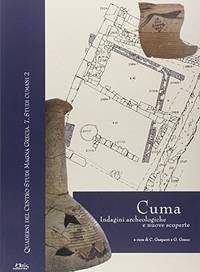
(Codice LG/1404) In 16º (21 cm) 99 pp. Studio sulla lingua della zona tarentino-metapontina in periodo preromano. Timbri doppione di biblioteca. Brossura editoriale, abrasioni alle copertine. Interno fresco. ~~~ SPEDIZIONE IN ITALIA SEMPRE TRACCIATA
in 8°, 18 cm, rilegatura coeva in cartone ricoperto da carta marmorizzata, titolo su etichetta al dorso; pp. XIX, (1), 275, (1); vignetta incisa al frontespizio, iniziale decorata. Leggero alone al taglio laterale delle ultime 5 carte lontano dal testo, macchia di inchiostro all'ultimo risguardo
in 8°, 18 cm, rilegatura coeva in cartone "alla rustica", titolo manoscritto al dorso; pp. XIX, (1), 275, (1); vignetta incisa al frontespizio, iniziale decorata
collana filosofia 1