Van Dyck, after Sir AnthonyBiblio.com
190 résultats
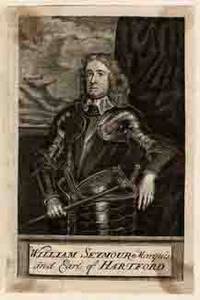
65-2196London 1713. William Seymour 2nd Duke of Somerset 1588-1660 Soldier and politician. Artist:Sir Anthony Van Dyck 1599-1641 Painter. Line engraving. Image size: 100 mm x 172 mm. Sheet size: 285 mm x 440 mm.Watermarked "Waldore". London, 1713. unknown
14091Munchen: Friedrich Bruckmann Photograph of portrait of Van Dyck; Sir Anthony Van Dyck 1599-1641 Flemish painter exerted a strong influence with his portraiture on English art being the court painter for Charles I; part of Bruckmann's Portrat-Kollektion; no date circa 19th c. albumen; some wear to tips & edges dustiness top edge with chip; good condition. Good. Friedrich Bruckmann unknown books
1889P3234Paris c. 1889. Very Good some minor scratches restored well. . Notes: To the lower left of the etching there is a blind stamp of the Print Sellers Association. In the lower right the engraver signed in pencil. Image Size : 615x780 mm 24.21x30.71 Inches Platemark Size : Paper Size : 650x842 mm 25.59x33.15 Inches Coloring: Black & White Medium: Etching Categories: Portraits Others;Natural History Zoology; unknown
1913mon0004115549see notes for publisher info 1913T. hardcover. Good. . see notes for publisher info hardcover
1995KFZZQ100250Kabushiki Kaisha 1995. Soft Cover. Fine. KFZZQ100250 Kabushiki Kaisha paperback
SLIVCN-9781628080636NOVA SCIENCE PUBLISHERS INC (7/2013)
54456RBRELIE SOUS JAQUETTE PAPIER
19981010721998 Leonardo Arte - 1998 - In-4 couverture cartonnée noire toilée recouverte par une jaquette illustrée de l'éditeur - 140 pages - nombreuses reproductions photographiques
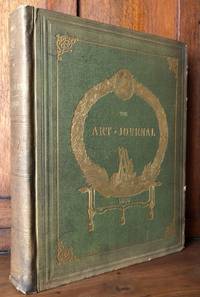
1860H31721London: Virtue 1860. First Printing. Hardcover. Very good. Large quarto 13.5 x 10 inches publisher's green cloth gilt. very good light wear discoloration and soil ink stamp from a Beaver County PA art gallery on flyleaf and short ink note contents very good. With 36 full page engravings including 7 from the Turner Gallery and works by numerous other well known artists. Virtue hardcover
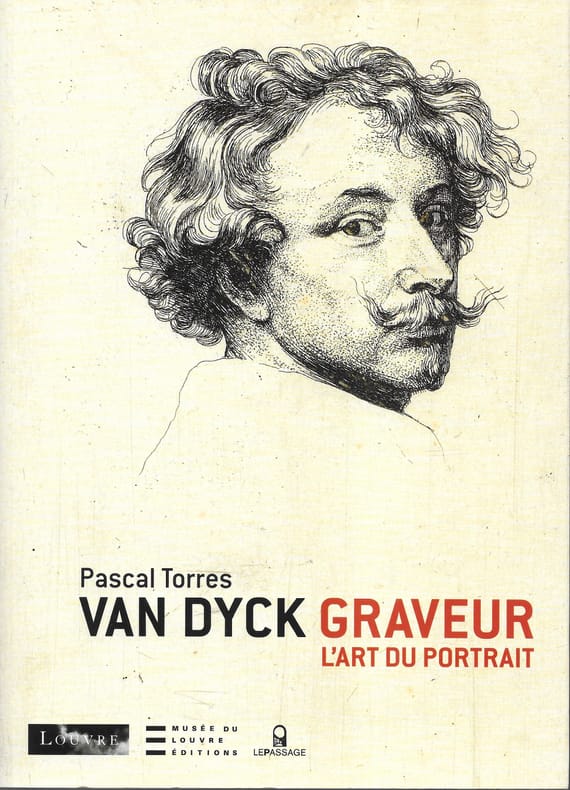
2007912623Paris: Musée du Louvre : le Passage, 2007. 159 S. Mit zahlr. auch farb. Abb. Broschiert.
200814448Cet ouvrage accompagne l'exposition du Musée du Louvre en 2008. Broché sous couverture illustrée Très bon Paris Louvre 2008 1 volume in-8°
Incisione tratta dalla celebre Icones principum, virorum, doctorum, pictorum, chalcographorum, di Anton van Dyck, edita per la prima volta ad Anversa nel 1645. Opera celebre ed importante, vero monumento dell’arte incisoria fiamminga del sec. XVIII, contiene le biografie ed i ritratti degli uomini illustri che Van Dyck aveva conosciuto econ i quali aveva avuto importanti rapporti. L’artista ne eseguì le effigi in numerosi dipinti e disegni che poi decise di pubblicare, affidandone la trasposizione calcografica ai migliori incisori del suo tempo, come Bolswert, Pontius, Vorsterman, de Jode, Hollar, molti dei quali aveva avuto come condiscepoli nell’atelier di Rubens. Acquaforte con ritocchi al bulino, stampata su carta vergata coeva, con margini, in ottimo stato di conservazione. Etching and engraving, circa 1645, signed on plate at lower edge. A fine impression, printed on contemporary laid paper, with margins, very good condition. From Icones principum, virorum, doctorum, pictorum, chalcographorum by Anton van Dyck, printed for the first time in Antwerp, 1645. A famous and important work, a real monument of the Flemish engraving art of the XVIII century, containing the biographies and portraits of the famous artists Van Dyck had met and with whom he had worked. Following the success of his portrait paintings and in the tradition of Italian and Flemish portrait series, Van Dyck decided to organise a print publication containing portraits of the most prominent men during his lifetime, divided into three categories: princes, politicians and soldiers (16), statesmen and scholars (12), artists and art connoisseurs (52). The initial idea could have been that Van Dyck would etch the faces (a process possibly learnt from Vorsterman) while others would finish the plates in engraving. Designs were needed for the plates and several drawings and oil sketches (grisailles, sometimes in different versions) have survived. Van Dyck only etched 17 plates himself, while he commissioned others to complete the set, overseen by Lucas Vorsterman I (especially after Van Dyck settled in England in the Spring of 1632). Although this project was started by Van Dyck around 1630, he never saw it completed. The Antwerp publisher Maarten van den Enden may have been involved from the start as eighty early impressions bear Van den Enden's address. They are engraved by Paulus Pontius (30 plates), Lucas Vorsterman I (22), Pieter de Jode II (12), Schelte a Bolswert (7), Robert van Voerst (4), Willem Hondius (2), Willem Jacobsz Delff (1), Cornelis Galle (1), and Nicolaes Lauwers (1). It is known that Van den Enden was in debt to Gillis Hendricx around 1644, the Antwerp publisher who must have obtained Van den Enden's plates which he published in 1645 in the first edition of these plates (containing between 100 and 104 portrait plates). Hendricx continued to publish these plates until his death in 1677 when they were auctioned off by the St Luke guild (keeping the Iconography plates together). It is not clear who bought these plates but they re-appeared around 1720 when they were published by Hendrick and Cornelis Verdussen in Antwerp.
Mm 215x280 Brossura editoriale di pp. 190 con 57 riproduzioni di filigrane nel testo e 130 tavole fuori testo. Segni d'uso alla copertina ma per il resto in buonissime condizioni. SPEDIZIONE IN 24 ORE DALLA CONFERMA DELL'ORDINE. WORLDWIDE DELIVERY
2009x-0521747597Cambridge University Press 2009. Paperback. New. 1st edition. 528 pages. 9.69x7.48x1.02 inches. Cambridge University Press paperback
2009x-0521766974Cambridge University Press 2009. Hardcover. New. 1st edition. 513 pages. 9.50x7.50x1.00 inches. Cambridge University Press hardcover
2009006533Cambridge Univ Press 2009. Color photos illustrations graphs maps bibliography index 513 pages. Small remainder mark. Hard Cover. Very Good. Cambridge Univ Press Hardcover
2010Q-1427209553Macmillan Audio 2010-03-16. Audio CD. New. New. In shrink wrap. Looks like an interesting title! Macmillan Audio unknown
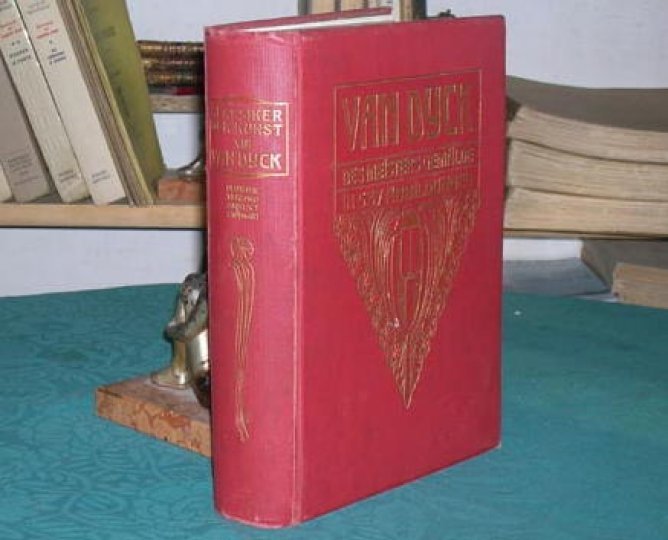
19097063L'oeuvre du maître en 537 illustrations.Stuttgart und Leipzig, Deutsche Verlags-Anstalt 1909.Reliure percaline rouge de l'éditeur. Tête dorée. Rares rousseurs. Bon état. Format in-4°(26x19).
23507P. Soutman effigiavit et Excud., J. Louys Sculpt. Van Sompel. Sans date (XVII ème siècle). Quatre gravure à l'eau-forte, 405 x 280 mm, bon état (une déchirure réparée dans le cartouche du portrait de Spinola, sans marge pour Ferdinand II).
199928755RL - Renaissance du Livre - Coll. References 1999 In-4 oblong, toilé, sous jaquette illustrée, 192 pp. 60 illustrations en couleurs et 80 en noir.
199989342ABMünchen, Bayerische Staatsgemäldesammlungen 1999. 4°. 109, (3) S. mit zahlr. (überwieg. ganzseit. farbigen) Abbildungen, farb. illustr. OKlappenkart. Tadelloses Exemplar. Beiliegen mehrere Zeitungsausschnitte zur Ausstellung. EA. farb. illustr. OKlappenkart. Tadelloses Exemplar. Beiliegen mehrere Zeitungsausschnitte zur Ausstellung. EA.
2652Editions et atelier d'art graphique Elsevier, Bruxelles, 1959. Fort in-4, reliure pleine toile éditeur, titre doré sur le plat supérieur et le dos, 293 p. Chap. I. Les légendes. - Chap. II. La vie de Van Dyck. - Chap. III. Le génie de Van Dyck : considérations préalables. - Chap. IV. Le génie de Van Dyck : la profondeur. - Chap. V. Le génie de ...
Incisione tratta dalla celebre raccolta Icones principum, virorum, doctorum, pictorum, chalcographorum, di Anton van Dyck, edita per la prima volta ad Anversa verso il 1640. Opera celebre ed importante, vero monumento dell’arte incisoria fiamminga del sec. XVIII, contiene le biografie ed i ritratti degli uomini illustri che Van Dyck aveva conosciuto e con i quali aveva avuto importanti rapporti. L’artista ne eseguì le effigi in numerosi dipinti e disegni che poi decise di pubblicare, affidandone la trasposizione calcografica ai migliori incisori del suo tempo, come Bolswert, Pontius, Vorsterman, de Jode, Hollar, molti dei quali aveva avuto come condiscepoli nell’atelier di Rubens. "Sir Anthony Van Dyck stands out as the solitary great etcher of the school. Portrait etching had scarcely had an existence before his time, and in his work it suddenly appears at the highest point ever reached in the art" (Hind, p. 165). "The plan of this publication took shape after Van Dyck returned from Italy (1626) and before he went to England (1632). He made careful preparatory drawings in chalk and brush for the publication. He directed and revised the work of the engravers, the best of the Rubens circle; he collaborated with his etching needle in some of the plates and himself etched the most beautiful set, mainly portraits of artists. One of the most brilliant in human characterization is the portrait of Peter Brueghel the Younger, son of the great Peasant Brueghel. It is remarkable that the etching appeared in this sketchy form in the book, proving that the master regarded it as finished. All interest is focussed on the wonderful had. The first edition was published in Antwerp in 1635-1636. Yet it was not complete, and the title-page did not appear before the Gillis Hendricx edition of 1645, engraved by Jacob Neels" (Benesch, Artistic and Intellectual Trends, p. 32.) Hofer, Baroque Book Illustrations 132. Acquaforte con ritocchi al bulino, stampata su carta vergata coeva, filigrana del “giullare”, con margini, in ottimo stato di conservazione. Etching and engraving, circa 1645, signed on plate at lower edge. A fine impression, printed on contemporary laid paper, with margins, very good condition. From Icones principum, virorum, doctorum, pictorum, chalcographorum by Anton van Dyck, printed for the first time in Antwerp, 1645. A famous and important work, a real monument of the Flemish engraving art of the XVIII century, containing the biographies and portraits of the famous artists Van Dyck had met and with whom he had worked. Following the success of his portrait paintings and in the tradition of Italian and Flemish portrait series, Van Dyck decided to organise a print publication containing portraits of the most prominent men during his lifetime, divided into three categories: princes, politicians and soldiers (16), statesmen and scholars (12), artists and art connoisseurs (52). The initial idea could have been that Van Dyck would etch the faces (a process possibly learnt from Vorsterman) while others would finish the plates in engraving. Designs were needed for the plates and several drawings and oil sketches (grisailles, sometimes in different versions) have survived. Van Dyck only etched 17 plates himself, while he commissioned others to complete the set, overseen by Lucas Vorsterman I (especially after Van Dyck settled in England in the Spring of 1632). Although this project was started by Van Dyck around 1630, he never saw it completed. The Antwerp publisher Maarten van den Enden may have been involved from the start as eighty early impressions bear Van den Enden's address. They are engraved by Paulus Pontius (30 plates), Lucas Vorsterman I (22), Pieter de Jode II (12), Schelte a Bolswert (7), Robert van Voerst (4), Willem Hondius (2), Willem Jacobsz Delff (1), Cornelis Galle (1), and Nicolaes Lauwers (1). It is known that Van den Enden was in debt to Gillis Hendricx around 1644, the Antwerp publisher who must have obtained Van den Enden's plates which he published in 1645 in the first edition of these plates (containing between 100 and 104 portrait plates). Hendricx continued to publish these plates until his death in 1677 when they were auctioned off by the St Luke guild (keeping the Iconography plates together). It is not clear who bought these plates but they re-appeared around 1720 when they were published by Hendrick and Cornelis Verdussen in Antwerp.
Incisione tratta dalla celebre raccolta Icones principum, virorum, doctorum, pictorum, chalcographorum, di Anton van Dyck, edita per la prima volta ad Anversa verso il 1640. Opera celebre ed importante, vero monumento dell’arte incisoria fiamminga del sec. XVIII, contiene le biografie ed i ritratti degli uomini illustri che Van Dyck aveva conosciuto e con i quali aveva avuto importanti rapporti. L’artista ne eseguì le effigi in numerosi dipinti e disegni che poi decise di pubblicare, affidandone la trasposizione calcografica ai migliori incisori del suo tempo, come Bolswert, Pontius, Vorsterman, de Jode, Hollar, molti dei quali aveva avuto come condiscepoli nell’atelier di Rubens. "Sir Anthony Van Dyck stands out as the solitary great etcher of the school. Portrait etching had scarcely had an existence before his time, and in his work it suddenly appears at the highest point ever reached in the art" (Hind, p. 165). "The plan of this publication took shape after Van Dyck returned from Italy (1626) and before he went to England (1632). He made careful preparatory drawings in chalk and brush for the publication. He directed and revised the work of the engravers, the best of the Rubens circle; he collaborated with his etching needle in some of the plates and himself etched the most beautiful set, mainly portraits of artists. One of the most brilliant in human characterization is the portrait of Peter Brueghel the Younger, son of the great Peasant Brueghel. It is remarkable that the etching appeared in this sketchy form in the book, proving that the master regarded it as finished. All interest is focussed on the wonderful had. The first edition was published in Antwerp in 1635-1636. Yet it was not complete, and the title-page did not appear before the Gillis Hendricx edition of 1645, engraved by Jacob Neels" (Benesch, Artistic and Intellectual Trends, p. 32.) Hofer, Baroque Book Illustrations 132. Acquaforte con ritocchi al bulino, stampata su carta vergata coeva, filigrana del “giullare”, con margini, in ottimo stato di conservazione. Etching and engraving, circa 1645, signed on plate at lower edge. A fine impression, printed on contemporary laid paper, with margins, very good condition. From Icones principum, virorum, doctorum, pictorum, chalcographorum by Anton van Dyck, printed for the first time in Antwerp, 1645. A famous and important work, a real monument of the Flemish engraving art of the XVIII century, containing the biographies and portraits of the famous artists Van Dyck had met and with whom he had worked. Following the success of his portrait paintings and in the tradition of Italian and Flemish portrait series, Van Dyck decided to organise a print publication containing portraits of the most prominent men during his lifetime, divided into three categories: princes, politicians and soldiers (16), statesmen and scholars (12), artists and art connoisseurs (52). The initial idea could have been that Van Dyck would etch the faces (a process possibly learnt from Vorsterman) while others would finish the plates in engraving. Designs were needed for the plates and several drawings and oil sketches (grisailles, sometimes in different versions) have survived. Van Dyck only etched 17 plates himself, while he commissioned others to complete the set, overseen by Lucas Vorsterman I (especially after Van Dyck settled in England in the Spring of 1632). Although this project was started by Van Dyck around 1630, he never saw it completed. The Antwerp publisher Maarten van den Enden may have been involved from the start as eighty early impressions bear Van den Enden's address. They are engraved by Paulus Pontius (30 plates), Lucas Vorsterman I (22), Pieter de Jode II (12), Schelte a Bolswert (7), Robert van Voerst (4), Willem Hondius (2), Willem Jacobsz Delff (1), Cornelis Galle (1), and Nicolaes Lauwers (1). It is known that Van den Enden was in debt to Gillis Hendricx around 1644, the Antwerp publisher who must have obtained Van den Enden's plates which he published in 1645 in the first edition of these plates (containing between 100 and 104 portrait plates). Hendricx continued to publish these plates until his death in 1677 when they were auctioned off by the St Luke guild (keeping the Iconography plates together). It is not clear who bought these plates but they re-appeared around 1720 when they were published by Hendrick and Cornelis Verdussen in Antwerp.