Alphonse M MuchaBiblio.com

292 résultats
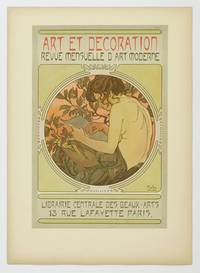
19014603Original lithograph.11 x 15 in mat 17 x 21 in. Librairie Central des Beaux Arts
19014862<p>Original lithograph.18 x 13 in mat 16 x 20 in.</p> Librairie Central des Beaux Arts
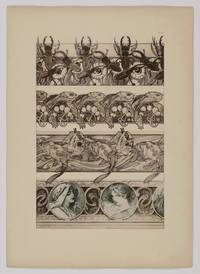
77936Paris Librairie Central des Beaux Arts 1901. Folio 46 x 33 cm. Original monochrome print. = A fine print from Alphonse Mucha's quintessential Art Nouveau book Documents décoratifs. Alfons Alphonse Maria Mucha 1860-1939 was a Czech decorative artist who wanted to bring aesthetic values into arts and crafts. He invented the Mucha Style which soon became known as Art Nouveau. His work immediately became immensely popular and has remained very sought after. This plate shows examples of horizontal bands with repeating patterns: the top one showing stag beetles and flowers the second showing turtles and flowers the third fish bubbles and "waves" and the fourth consisting of female portraits in circular frames and narrow ornamental bands suggesting a corniche frieze and architrave. Lower edge with a short tear; a few minute marginal spots; otherwise fine. Very rare especially in this excellent state. unknown
72445Paris Librairie Central des Beaux Arts 1901. Folio 46 x 33 cm. Original monochrome print. = A fine print from Alphonse Mucha's quintessential Art Nouveau book Documents décoratifs. Alfons Alphonse Maria Mucha 1860-1939 was a Czech decorative artist who wanted to bring aesthetic values into arts and crafts. He invented the Mucha Style which soon became known as Art Nouveau. His work immediately became immensely popular and has remained very sought after. This plate shows examples of how to apply his new highly decorative style in glassware. Edges with minimal wear and light toning; lower edge with a short crease and tear; a few minute marginal spots; otherwise fine. Very rare especially in this excellent state. unknown
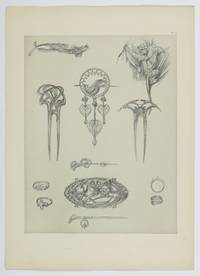
73317Paris Librairie Central des Beaux Arts 1901. Folio 46 x 33 cm. Original print. = A beautiful print from Alphonse Mucha's quintessential Art Nouveau book Documents décoratifs. Alfons "Alphonse" Maria Mucha 1860-1939 was a Czech decorative artist who wanted to bring aesthetic values into arts and crafts. He invented the "Mucha Style" which soon became known as Art Nouveau. His work immediately became immensely popular and remained very sought-after ever since. This plate shows two sides of this gifted artist: his ability to produce fine images in lithography but also his practical design skills in this case for jewelry including pins and rings. Slight toning towards the edges; outer edge with some light creasing; a few tiny spots otherwise fine. Very rare especially in this good state. unknown
69775Paris Librairie Central des Beaux Arts 1901. Two plates. Folio 46 x 33 cm. Original prints. = A fine set of print from Alphonse Mucha's quintessential Art Nouveau book Documents décoratifs. Alfons "Alphonse" Maria Mucha 1860-1939 was a Czech decorative artist who wanted to bring aesthetic values into arts and crafts. He invented the "Mucha Style" which soon became known as Art Nouveau. His work immediately became immensely popular and has remained very sought-after. This set of plates show two sides of this gifted artist: his ability to produce fine images in lithography but also his practical design skills in this case for cutlery and other silverware. Edges with minimal wear otherwise fine. Very rare especially in this excellent state. unknown
69785Paris Librairie Central des Beaux Arts 1901. Folio 46 x 33 cm. Original print. = A fine print from Alphonse Mucha's quintessential Art Nouveau book Documents décoratifs. Alfons "Alphonse" Maria Mucha 1860-1939 was a Czech decorative artist who wanted to bring aesthetic values into arts and crafts. He invented the "Mucha Style" which soon became known as Art Nouveau. His work immediately became immensely popular and has remained very sought-after. This plate shows examples of how to apply his new highly decorative style in books - hence the black and white printing. Edges with minimal wear otherwise fine. Very rare especially in this excellent state. Not in Schneider-Henn apparently due to its rarity. unknown
70604Paris Librairie Central des Beaux Arts 1901. Folio 46 x 33 cm. Original print in full colour. = A fine print from Alphonse Mucha's quintessential Art Nouveau book "Documents décoratifs". Alfons "Alphonse" Maria Mucha 1860-1939 was a Czech decorative artist who wanted to bring aesthetic values into arts and crafts. He invented the "Mucha Style" which soon became known as Art Nouveau. His work immediately became immensely popular and has remained very sought-after. This is one of the most iconic plates. Very light toning tiny bump to upper left outer corner otherwise fine. A rare print. unknown
70603Paris Librairie Central des Beaux Arts 1901. Folio 46 x 33 cm. Original print in black and red. = A fine print from Alphonse Mucha's quintessential Art Nouveau book Documents décoratifs. Alfons "Alphonse" Maria Mucha 1860-1939 was a Czech decorative artist who wanted to bring aesthetic values into arts and crafts. He invented the "Mucha Style" which soon became known as Art Nouveau. His work immediately became immensely popular and has remained very sought-after. This is one of the more peculiar plates: his alphabet with female figures. Very light toning tiny bump to upper left outer corner otherwise fine. Very rare. unknown
69774Paris Librairie Central des Beaux Arts 1901. Two plates. Folio 46 x 33 cm. Original prints. = A fine set of print from Alphonse Mucha's quintessential Art Nouveau book Documents décoratifs. Alfons "Alphonse" Maria Mucha 1860-1939 was a Czech decorative artist who wanted to bring aesthetic values into arts and crafts. He invented the "Mucha Style" which soon became known as Art Nouveau. His work immediately became immensely popular and remained very sought-after ever since. This set of plates show two sides of this gifted artist: his ability to produce fine images in lithography but also his practical design skills in this case for cutlery and other silverware. Edges with minimal wear otherwise fine. Very rare especially in this excellent state. unknown
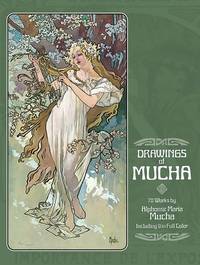
1978Q-0486236722Dover Publications 1978-11-01. Paperback. New. In shrink wrap. Looks like an interesting title! Dover Publications paperback
1994x-0313283753Praeger Pub Text 1994. Hardcover. New. 224 pages. 9.50x6.25x1.00 inches. Praeger Pub Text hardcover
411395-20Bloomsbury Publishing USA. Used - Good. Former library copy. Pages intact with minimal writing/highlighting. The binding may be loose and creased. Dust jackets/supplements are not included. Includes library markings. Stock photo provided. Product includes identifying sticker. Better World Books: Buy Books. Do Good. Bloomsbury Publishing USA unknown
1540835189.Gpaperback. Good. Access codes and supplements are not guaranteed with used items. May be an ex-library book. paperback
BN167677Verlag an der Ruhr. Erste Satzzeichen Handwerkszeug Grammatik <br/><br/>Erste Satzzeichen Handwerkszeug Grammatik Grabe Astrid and Mucha Andrea Verlag an der Ruhr unknown
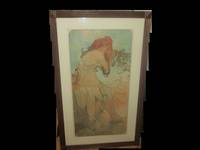
189615844AB1896. Paris F.Champenois 1896. 1003 : 505 cm image Lithograph in colours by Alphonse Mucha. Framed in contemporary wooden frame. Alphonse Mucha's poster "Été" "Summer" is part of his series titled The Seasons created in 1896. This poster captures the essence of summer with its warm golden hues and lush flowing forms. Mucha depicts a young woman draped in a light flowing garment that accentuates the curves of her body embodying the sensuality and warmth of the season. She is surrounded by an abundance of flowers and foliage symbolizing the fullness and fertility of summer. Her hair long and wavy cascades down her back adding to the natural unrestrained feel of the image. Mucha's characteristic use of intricate lines and decorative patterns is evident in the detailed borders and the swirling motifs that frame the central figure. The poster exudes a sense of harmony and beauty typical of Mucha's Art Nouveau style where nature femininity and elegance are central themes. The soft color palette dominated by shades of gold green and soft pastels further enhances the idyllic dream-like quality of the work making "Été" a quintessential representation of summer's warmth and beauty. Alphonse Mucha was known for his distinctive Art Nouveau style characterized by its use of natural forms flowing lines and elaborate decoration. His techniques combined both traditional and innovative approaches contributing to his iconic aesthetic. Here are some of the key techniques and elements in Mucha's work: Line Work: Mucha's use of lines is one of the most defining aspects of his style. He employed fine flowing outlines to create graceful organic shapes that mimic the curves found in nature. His lines were often decorative and stylized contributing to the overall harmony and unity of the composition. Color Palette: Mucha favored a soft pastel color palette often using muted tones of gold green pink and blue. These colors were carefully chosen to create a sense of harmony and to evoke specific moods often reflecting the seasons or the subject matter of the piece. Ornamentation and Patterns: Mucha's works are rich in decorative elements and intricate patterns. He incorporated floral motifs arabesques and geometric designs into his compositions often framing the central figure with these ornate details. This ornamentation was not merely decorative but also served to enhance the thematic elements of the piece. Use of Light and Shadow: Although Mucha's work is more stylized than realistic he employed light and shadow to add depth and dimension to his figures. His approach to light was subtle often using gentle shading rather than harsh contrasts which contributed to the soft ethereal quality of his work. Symbolism: Mucha frequently used symbolic elements in his paintings and posters. For example flowers seasons and zodiac signs often carried deeper meanings related to themes of nature femininity and the passage of time. These symbols were seamlessly integrated into the decorative elements of his work. Composition: Mucha's compositions were carefully balanced often centered around a single idealized figure. He employed symmetry and repetition to create a sense of order and harmony with the figure often surrounded by elaborate circular frames or halos that draw the viewer's eye. Media and Techniques: While Mucha is best known for his posters and prints which were typically lithographs he also worked in a variety of media including painting drawing and jewelry design. His lithographic technique involved multiple layers of color carefully aligned to create richly textured and vibrant images. In his paintings he used traditional techniques such as oil on canvas but applied them with the same decorative and stylized approach as in his graphic works. Mucha's techniques were instrumental in defining the Art Nouveau movement blending fine art with applied arts and his work remains a cornerstone of this decorative style. Alphonse Mucha holds a significant place in the history of art particularly as a leading figure of the Art Nouveau movement. His influence extends beyond his immediate contributions to the art world affecting design advertising and popular culture. Here are some key reasons why Mucha is important in the history of art: 1. Pioneer of Art Nouveau: Mucha is often credited with shaping and popularizing the Art Nouveau style which emerged in the late 19th century. This movement was characterized by its use of organic forms flowing lines and intricate decorative patterns all of which are hallmarks of Mucha's work. His designs especially his posters became synonymous with the Art Nouveau movement defining its aesthetic and helping it gain widespread recognition. 2. Innovative Use of Graphic Design: Mucha was a pioneer in using graphic design as a fine art form. His work in advertising and posters elevated these mediums to a new level blending commercial appeal with artistic integrity. His posters for Sarah Bernhardt the famous actress are particularly notable. They not only promoted her plays but also became collectible works of art in their own right. 3. Influence on Decorative Arts: Mucha's influence extended beyond painting and posters to various decorative arts including jewelry furniture and interior design. His aesthetic principles were applied to everyday objects making art more accessible to the public. This blending of fine art with applied arts helped bridge the gap between high art and popular culture a concept that has continued to evolve in modern design. 4. Impact on Visual Culture: Mucha's style has had a lasting impact on visual culture influencing everything from early 20th-century design to contemporary art and popular media. His work has inspired countless artists and designers in the realms of illustration fashion and graphic design. The Art Nouveau style as epitomized by Mucha has seen periodic revivals and continues to be referenced in various cultural contexts demonstrating its enduring appeal. 5. Symbolism and National Identity: Beyond his contributions to Art Nouveau Mucha was also deeply involved in the promotion of Czech national identity. His later works particularly the Slav Epic reflect his interest in Slavic history and mythology aiming to create a visual narrative that celebrated his cultural heritage. This aspect of his work underscores the role of art in expressing and shaping national and cultural identity adding another layer to his importance as an artist. 6. Legacy in Fine Arts: Mucha's ability to blend aesthetics with practical applications laid the groundwork for future movements in art and design particularly in how art could be integrated into everyday life. His legacy is evident in the continued appreciation and study of his work which remains a significant part of museum collections and exhibitions worldwide. Alphonse Mucha's contributions to the art world go beyond his beautiful and iconic images; he played a crucial role in defining an era shaping modern design and influencing the intersection of art culture and commerce. His work continues to inspire and resonate across disciplines making him a central figure in the history of modern art. The panel 'Ètè' Summer out of the series 'Four Seasons'. Mucha made a panel for each of the four seasons. He represents each season with characteristic flair here the sultry Summer. Four Seasons was Mucha's first series of decorative panels and one of his most popular ones. An classic Art Nouveau piece. A highlight in each Mucha collection. - Here contemporary framed therefore in very good condition. unknown
3738808183.Gpaperback. Good. Access codes and supplements are not guaranteed with used items. May be an ex-library book. paperback
ria9783738808186_inpPaperback. New. New Book; Fast Shipping from UK; Not signed; Not First Edition; N/A paperback
1997b23747Verlag der Buchhandlung Walther Konig 1997-11-01. Hardcover. Very Good. 0x0x0. Signed by Author. Signed and numbered by artist Reinhard Mucha on last page this being number 69. Hardcover with slipcase. Book is in excellent condition text is unmarked and pages are tight. Slipcase has very slight shelf wear. Verlag der Buchhandlung Walther Konig hardcover
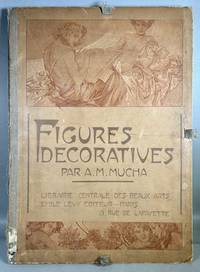
19059620<p>Complete with forty numbered lithographic plates and two preliminary leaves each measuring 13 x 18 in 33 x 46 cm. Housed in a quarter cloth illustrated portfolio with remnants of the original ribbon ties. Some wear to cloth on spine and around edges of the exterior. Plates remain bright and clean with bump to bottom right foredge & slight crease to lower fore edge. No previous owners' names stamps or other defacements. Scarce.</p> Libraire Centrale des Beaux Arts hardcover
2008SBS-9781593701116PENNWELL 2008. Hardcover. New. PENNWELL hardcover
2008SBS-9781593701116PENNWELL 2008. Hardcover. New. PENNWELL hardcover
2008DADAX159370111XPennwell Books 2008-03-18. hardcover. New. 6.25x0.75x9.25. Buy with confidence. Excellent Customer Service & Return policy. Pennwell Books hardcover
1897412Photo relief. Czechoslovakia. June and December 1897. LITHOGRAPH FROM L'ESTAMPE MODERNE. L'Estampe Moderne 1897-1898 a more commercial and later version of L'Estampe Originale was a monthly publication of print portfolios producing twenty-four issues containing four color lithographs each. Only a few prints exhibiting Japanese influence were issued mostly by minor artists yet they were equally as beautiful in image as their predecessors.one of 2000.
2025__1470475324John Wiley & Sons 2025. Paperback. New. 152 pages. 7.01x0.79x10.00 inches. John Wiley & Sons paperback