Fernand SIMEON - Octave MIRBEAUBiblio.com
417 résultats
192585649Paris: Editions Mornay 1925. Fine. Editions Mornay Paris 1925 15.50 x 20.50 cm broché Edition illustrated with original woodcuts by Fernand Siméon one of 895 numbered copies on Rives paper. Light foxing to endpapers otherwise a handsome copy. Editions Mornay unknown
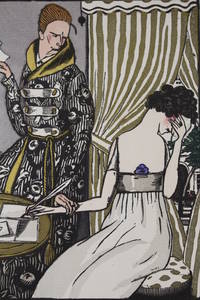
192054711Paris: Lucien Vogel éditeur 1920. Fine. Lucien Vogel éditeur Paris Février 1920 18 x 24 cm une feuille Original color print heightened with gold printed on vergé paper signed in the plate. An original print used to illustrate the Gazette du bon ton one of the most attractive and influential 20th century fashion magazines featuring the talents of French artists and other contributors from the burgeoning Art Deco movement. A celebrated fashion magazine established in 1912 by Lucien Vogel La Gazette du bon ton appeared until 1925 with a hiatus from 1915 to 1920 due to the war the editor-in-chief having been called up for service. It consisted of 69 issues printed in only 2000 copies each and notably illustrated with 573 color plates and 148 sketches of the models of the great designers. Right from the start this sumptuous publication was aimed at bibliophiles and fashionable society Françoise Tétart-Vittu La Gazette du bon ton in Dictionnaire de la mode 2016 and was printed on fine vergé paper using a type cut specially for the magazine by Georges Peignot known as Cochin later used in 1946 by Christian Dior. The prints were made using stencils heightened in colors some highlighted in gold or palladium. The story began in 1912 when Lucien Vogel a man of the world involved in fashion he had already been part of the fashion magazine Femina decided with his wife Cosette de Brunhoff the sister of Jean creator of Babar to set up the Gazette du bon ton subtitled at the time: Art fashion frivolities. Georges Charensol noted the reasoning of the editor-in-chief: In 1910 he observed there was no really artistic fashion magazine nothing representative of the spirit of the time. My dream was therefore to make a luxury magazine with truly modern artists I was assured of success because when it comes to fashion no country on earth can compete with France. Un grand éditeur dart. Lucien Vogel in Les Nouvelles littéraires no. 133 May 1925. The magazine was immediately successful not only in France but also in the United States and Latin America. At first Vogel put together a team of seven artists: André-Édouard Marty and Pierre Brissaud followed by Georges Lepape and Dammicourt as well as eventually his friends from school and the School of Fine Arts like George Barbier Bernard Boutet de Monvel and Charles Martin. Other talented people soon came flocking to join the team: Guy Arnoux Léon Bakst Benito Boutet de Monvel Umberto Brunelleschi Chas Laborde Jean-Gabriel Domergue Raoul Dufy Édouard Halouze Alexandre Iacovleff Jean Émile Laboureur Charles Loupot Chalres Martin Maggie Salcedo. These artist mostly unknown when Lucien Vogel sought them out later became emblematic and sought-after artistic figures. It was also they who worked on the advertising drawings for the Gazette. The plates put the spotlight on and celebrate dresses by seven designers of the age: Lanvin Doeuillet Paquin Poiret Worth Vionnet and Doucet. The designers provided exclusive models for each issue. Nonetheless some of the illustrations are not based on real models but simply on the illustrators conception of the fashion of the day. The Gazette du bon ton was an important step in the history of fashion. Combining aesthetic demands with the physical whole it brought together for the first time the great talents of the artistic literary and fashion worlds; and imposed through this alchemy a completely new image of women: slender independent and daring which was shared by the new generation of designers including Coco Chanel Jean Patou Marcel Rochas and so on Taken over in 1920 by Condé Montrose Nast the Gazette du bon ton was an important influence on the new layout and aesthetics of that little dying paper that Nast had bought a few years earlier: Vogue. Lucien Vogel éditeur unknown
192154839Paris: Lucien Vogel éditeur 1921. Fine. Lucien Vogel éditeur Paris 1921 18 x 24 cm une feuille Original color print heightened with gold printed on vergé paper signed in plate. An original print used to illustrate the Gazette du bon ton one of the most attractive and influential 20th century fashion magazines featuring the talents of French artists and other contributors from the burgeoning Art Deco movement. A celebrated fashion magazine established in 1912 by Lucien Vogel La Gazette du bon ton appeared until 1925 with a hiatus from 1915 to 1920 due to the war the editor-in-chief having been called up for service. It consisted of 69 issues printed in only 2000 copies each and notably illustrated with 573 color plates and 148 sketches of the models of the great designers. Right from the start this sumptuous publication was aimed at bibliophiles and fashionable society Françoise Tétart-Vittu La Gazette du bon ton in Dictionnaire de la mode 2016 and was printed on fine vergé paper using a type cut specially for the magazine by Georges Peignot known as Cochin later used in 1946 by Christian Dior. The prints were made using stencils heightened in colors some highlighted in gold or palladium. The story began in 1912 when Lucien Vogel a man of the world involved in fashion he had already been part of the fashion magazine Femina decided with his wife Cosette de Brunhoff the sister of Jean creator of Babar to set up the Gazette du bon ton subtitled at the time: Art fashion frivolities. Georges Charensol noted the reasoning of the editor-in-chief: In 1910 he observed there was no really artistic fashion magazine nothing representative of the spirit of the time. My dream was therefore to make a luxury magazine with truly modern artists I was assured of success because when it comes to fashion no country on earth can compete with France. Un grand éditeur dart. Lucien Vogel in Les Nouvelles littéraires no. 133 May 1925. The magazine was immediately successful not only in France but also in the United States and Latin America. At first Vogel put together a team of seven artists: André-Édouard Marty and Pierre Brissaud followed by Georges Lepape and Dammicourt as well as eventually his friends from school and the School of Fine Arts like George Barbier Bernard Boutet de Monvel and Charles Martin. Other talented people soon came flocking to join the team: Guy Arnoux Léon Bakst Benito Boutet de Monvel Umberto Brunelleschi Chas Laborde Jean-Gabriel Domergue Raoul Dufy Édouard Halouze Alexandre Iacovleff Jean Émile Laboureur Charles Loupot Chalres Martin Maggie Salcedo. These artist mostly unknown when Lucien Vogel sought them out later became emblematic and sought-after artistic figures. It was also they who worked on the advertising drawings for the Gazette. The plates put the spotlight on and celebrate dresses by seven designers of the age: Lanvin Doeuillet Paquin Poiret Worth Vionnet and Doucet. The designers provided exclusive models for each issue. Nonetheless some of the illustrations are not based on real models but simply on the illustrators conception of the fashion of the day. The Gazette du bon ton was an important step in the history of fashion. Combining aesthetic demands with the physical whole it brought together for the first time the great talents of the artistic literary and fashion worlds; and imposed through this alchemy a completely new image of women: slender independent and daring which was shared by the new generation of designers including Coco Chanel Jean Patou Marcel Rochas and so on Taken over in 1920 by Condé Montrose Nast the Gazette du bon ton was an important influence on the new layout and aesthetics of that little dying paper that Nast had bought a few years earlier: Vogue. Lucien Vogel éditeur unknown
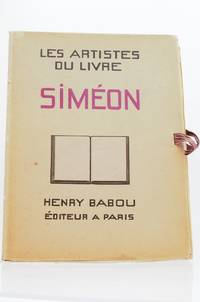
193075475Paris: Henri Babou 1930. Fine. Henri Babou Paris 1930 20.50 x 26.50 cm en feuilles sous chemise à lacets First edition one of 50 numbered copies on Japon ours unjustified deluxe copy. Fine copy spine and boards of the chemise marginally sunned and spotted. Letter-preface by Jean-Jacques Brousson. Photographic portrait of Fernand Siméon by Laure Albin Guillot. Work illustrated with a frontispiece black illustrations in the text as well as 15 hors-texte plates in black and colors extracted from works illustrated by the artist. Our copy lacks the original drawing by Fernand Siméon which should appear in the deluxe copies. Henri Babou hardcover
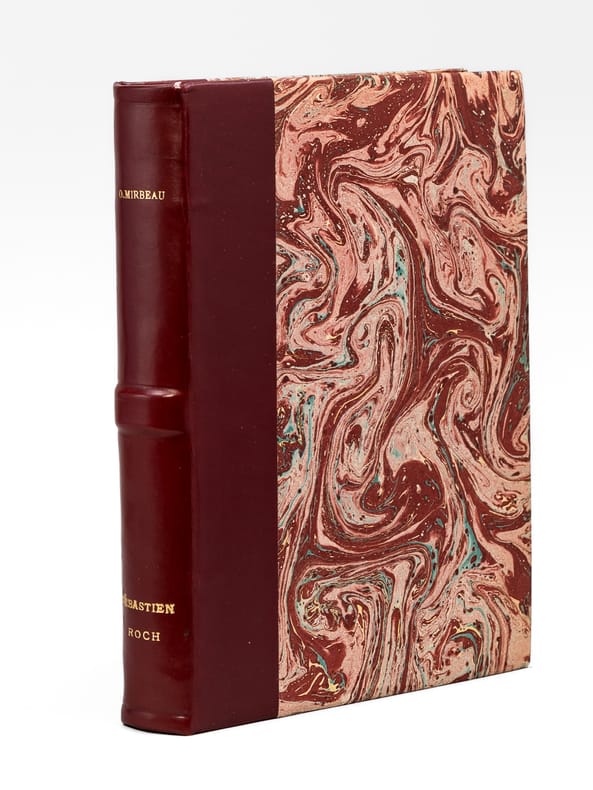
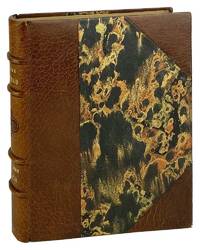
192670966Illustré par Fernand Siméon, exemplaire sur vélin de Rives numéroté, 1 vol. in-8 reliure demi-basane marron, dos à un nerf, couverture conservée, collection « Les Beaux Livres », Chez A. & G. Mornay, Libraires, Paris, 1926, 401 pp.
1926LIQ-371P. Mornay 1926. In-8° demi-basane chocolat à coins, dos à nerfs, titre et tête dorés, couverture conservée.
1921c53441921 Paris, Société littéraire de France, 1921; grand in-8°, demi-basane violine à coins, dos à nerfs, 2 étiquettes de titre et tomaison rouge, tête mouchetée, couverture et dos conservés ; 2ff., 257pp., 1p.nch., 3ff.nch.; dos passé uniformément, sinon bon exemplaire.Illustré d’un frontispice par Siméon et de vignettes en en-têtes par Belmondo.
192185744Editions Mornay | Paris 1921 | 15 x 20.50 cm | broché
192775233Léon Pichon | Paris 1927 | 16.50 x 23 cm | en feuilles
19305255HENRY BABOU 1930 1 Lettre-préface par Jean-Jacques Brousson. Portrait en frontispice par Laure Albin-Guillot. Paris, Henry Babou, 1930, in-8, en feuilles, sous couverture rempliée mauve, 32 pages.
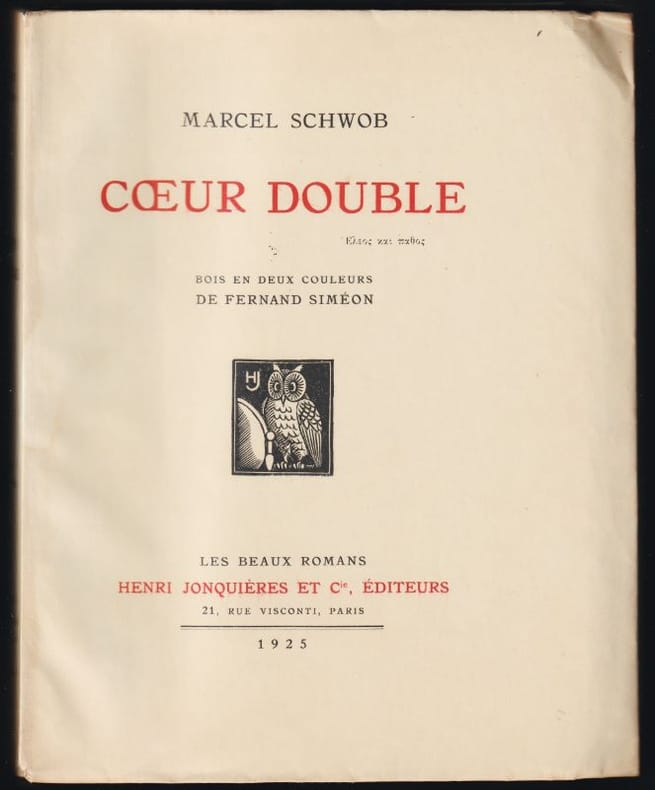
192519229Henri Jonquières 1925 Paris, Henri Jonquières et Cie éditeurs, collection Les Beaux Romans, 1925. Édition illustrée, un des 40 exemplaires numérotés sur vélin du Marais (celui-ci n° 23), premier grand papier sur trois. Comprenant 35 bois monochromes de Fernand Siméon dont un en frontispice, les autres étant en tête des chapitres. Grand in-8 broché de XX - 298 pp. Infimes défauts d'usage, coiffe inférieure émoussée, une petite tache brune en bordure de la page 83, petites pliures en coins. Bel exemplaire malgré les défauts signalés. Intérieur en très bon état, bien frais et exempt de rousseurs. A toutes marges, non coupé, non rogné.
1997429461London : Thames and Hudson 1997. New edition. Hardcover. Near fine cloth copy in a very good if slightly edge-nicked and dust-dulled dust-wrapper. Remains particularly well-preserved overall; tight bright clean and strong. Physical description: 40 98p. ; 38cm. Subjects: Haggadot Texts. Seder Texts. Judaism Liturgy Texts. Illumination of books and manuscripts Jewish Germany. Manuscripts Hebrew Facsimiles. London : Thames and Hudson hardcover
194668618Carl Fischer 1946. hardcover. Used good. Rated only "good" condition due to assignment dates written in pen next to nine exercises. This is a very large hardcover green heavy duty cloth cover with gold lettering on spine 1946 published by Carl Fischer revised edition 3 volumes bound as one 434pp. Cover has the slightest wear very lightly soiled from use. Binding just a liitle loose at a couple of places. Page edges have very slight foxing. HEAVY/OVERSIZE. We provide professional service and individual attention to your order daily shipments and sturdy packaging. Carl Fischer, hardcover
1979Q-0852494459Stainer and Bell 1979-01-01. Hardcover. New. In shrink wrap. Looks like an interesting title! Stainer and Bell hardcover
2000mon0000020473Brill Nijhoff 9/10/2020 12:00:01 A. hardcover. New. 1.2598 in x 9.4882 in x 6.4173 in. Hardback. No dust jacket. Cover edges and corners in good shape. Spine is tight. Pages are clean no markings notes or stains. Ships from Friends bookstore to benefit Beaverton Oregon library. Brill | Nijhoff hardcover
198613515Paris: J.-C. Bailly Editeur 1986. Limited Edition. Original Wraps. Near Fine in Wraps. Limited Edition. Original Wraps. Précédé de Alchémie cabale et kabbale: introduction à la "Cabala mineralis" par Jacques van Lennep; "Cabala mineralis": réflexions sur un titre par Nicolas Séd; Créations microcosmique et macrocosmique : la "Cabala mineralis" et l'interprétation alchimique de la Genèse par Sylvain Matton. Facsimile colors reprint of the manuscript. Originally published in the 1700s. A medieval neologism on urine work and alchemy.<br /> From the personal library collection of Brian Cotnoir alchemist artist and award-winning filmmaker. Author of Practical Alchemy: Guide to the Great Work The Emerald Tablet a series of Alchemical 'Zines Alchemical Meditations Alchemy: The Poetry of Matter and most recently On Alchemy: Essential Practices and Making Art as Alchemy. He has presented seminars and workshops around the world on various aspects of the alchemy. Khepri Press was started in 2014 as a place to organize and distribute his work. It is a very small press dedicated to alchemical book arts. Some of this work is publishable and others may exist only in manuscript or object form - alchemical results or talismans. Near fine light shelfwear light toning else tight bright and unmarred. 8vo. 268pp. Illus. b/w. Color printed wrappers. Former owner library stamp. Text in French. 500 examples this being 190. J.-C. Bailly Editeur unknown
194413370Biobooks Oakland & Grabhorn 1944. VG. Biobooks, Oakland & Grabhorn unknown
198527771NY: Harry N. Abrams. As New with No dust jacket as issued. 1985. First Edition Thus. First Printing. Hard Cover. 0810918196 . Publisher's full royal blue covers of both volume and slipcase gilt lettering in English of upper cover and Hebrew on lower cover. Profusely illustrated with magnificant full-page full-color facsimilies of a Hebrew Manuscript of the Mid-15th Century from the Collections of the British Library Written and Illuminated by Joel Ben Simeon called Feibusch Ashkenazi with a Commentary atributed to Eleazar Ben Judah of Worms. The first 40 pages provide the original Hebrew text and an English translation and Commentary. The next 49 pages are the full-color reproductions of the original manuscript. . The volume is in perfect immaculate condition still in its original shipping box from Harry N. Abrams; unmarked unread tight square and clean. An extremely large folio heavy book seven pounds - additional shipping charges may apply. AS NEW. . Color Facsimiles. Folio 13" - 23" tall. 40-text 49-plates pp . Harry N. Abrams hardcover
192631594Paris: Chez A. & G. Mornay 1926. Very Good. Paris: Chez A. & G. Mornay 1926. First Illustrated Edition Limited to 1000 copies of which this is no. 257. Small quarto; mid-century three-quarter brown crushed morocco over marbled boards gilt spine in five compartments top edge gilt marbled endpapers original wrappers bound in; 401pp.; illus. throughout. Very light wear to leather spine a shade sunned brief spotting at spine crown attractive Montreal bookseller ticket of Libraire Deom to front pastedown else a Very Good to Near Fine example. Chez A. & G. Mornay unknown
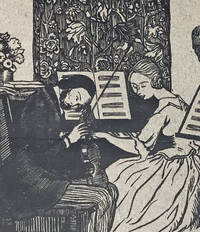
19181002959Paris: François-Louis Schmied 1918. Signed and numbered woodcut by Art Deco illustrator Fernand Siméon 1884-1928 printed on grey paper illustrating Leo Tolstoy's The Kreutzer Sonata. Drawn from the vantage point of the murderer Pozdnyshev the image depicts his unnamed wife at the piano talking with her violinist partner the sight that triggers Pozdnyshev's jealous rage. This woodcut was featured in Les Cent Frontispieces a portfolio of prints by modern artists issued in an edition of fifty numbered copies by François-Louis Schmied in 1918. A fine example. Woodcut printed in black on grey paper measuring 7.25 x 4.75 inches. Numbered 30/50 and signed by Siméon in pencil. Faint abrasion to verso evidence of previous mount. François-Louis Schmied unknown books
1914371020New York: Henry Holt and Company 1914. Hardcover. Very Good. First edition. Important New York book collector's bookplate small mark on front board very good without dustwrapper. Uncommon title. Henry Holt and Company hardcover
1996Q-0801090164Baker Pub Group 1996-01-01. Paperback. New. In shrink wrap. Looks like an interesting title! Baker Pub Group paperback
195435194Galerie "Le Soleil dans la Tête" 1954 1 vol. broché petit in-8, en feuilles, sous couverture rempliée illustrée d'un dessin, non paginé. Edition originale de cette plaquette réalisée à l'occasion de l'exposition du groupe de La Jeune Estampe, composée d'un texte de Pierre Mornand en préambule et d'une suite de 8 gravures originales par Avati, Michèle Bardet, Denis Morog, Pacanowska, Gabriel Paris, Peschard, J.J. Rigal et Michel Siméon, toutes signées par les artistes. Tirage unique à 99 exemplaires numérotés à la main. Très bon état.
195435194Galerie "Le Soleil dans la Tête" 1954 1 vol. broché petit in-8, en feuilles, sous couverture rempliée illustrée d'un dessin, non paginé. Edition originale de cette plaquette réalisée à l'occasion de l'exposition du groupe de La Jeune Estampe, composée d'un texte de Pierre Mornand en préambule et d'une suite de 8 gravures originales par Avati, Michèle Bardet, Denis Morog, Pacanowska, Gabriel Paris, Peschard, J.J. Rigal et Michel Siméon, toutes signées par les artistes. Tirage unique à 99 exemplaires numérotés à la main. Très bon état.
192368407Reliure demi-maroquin brun à coins bradel. Dos lisse avec frises, motifs floraux, titre et mention d'auteur dorés, sur lequel figure également une lyre mosaïquée. Tranche de tête dorée. Coiffes et champs du cartonnage légèrement frottés. Ex-libris sous forme d'étiquette sur le contre-plat. Couverture crème et dos conservés. Frontispice en couleurs sous serpentine. Excellent état du contenu orné de lettrines, bandes et culs-de-lampes en noir et blanc ainsi que d'illustrations en noir et blanc réalisées par F. SIMEON.