Locke, SimeonBiblio.com

2 748 résultats
9814299626.Gpaperback. Good. Access codes and supplements are not guaranteed with used items. May be an ex-library book. paperback
2011AME_9789814299626World Scientific Publishing 2011. 1ST. Hardcover. New/New. World Scientific Publishing hardcover
61420579World Scientific Publishing Company Incorporated pp. xv 127 . Hardback. Used. World Scientific Publishing Company, Incorporated hardcover
192039039Lucien Vogel éditeur | Paris 1920 | 19.50 x 25 cm | une feuille
192054773Lucien Vogel éditeur | Paris Juin 1920 | 18 x 24 cm | une feuille
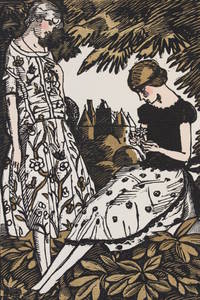
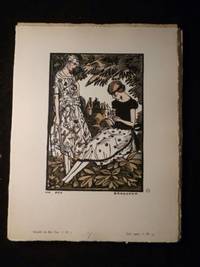
192054773Paris: Lucien Vogel éditeur 1920. Fine. Lucien Vogel éditeur Paris Juin 1920 18 x 24 cm une feuille Original color print printed on vergé paper non signed. An original print used to illustrate the Gazette du bon ton one of the most attractive and influential 20th century fashion magazines featuring the talents of French artists and other contributors from the burgeoning Art Deco movement. A celebrated fashion magazine established in 1912 by Lucien Vogel La Gazette du bon ton appeared until 1925 with a hiatus from 1915 to 1920 due to the war the editor-in-chief having been called up for service. It consisted of 69 issues printed in only 2000 copies each and notably illustrated with 573 color plates and 148 sketches of the models of the great designers. Right from the start this sumptuous publication was aimed at bibliophiles and fashionable society Françoise Tétart-Vittu La Gazette du bon ton in Dictionnaire de la mode 2016 and was printed on fine vergé paper using a type cut specially for the magazine by Georges Peignot known as Cochin later used in 1946 by Christian Dior. The prints were made using stencils heightened in colors some highlighted in gold or palladium. The story began in 1912 when Lucien Vogel a man of the world involved in fashion he had already been part of the fashion magazine Femina decided with his wife Cosette de Brunhoff the sister of Jean creator of Babar to set up the Gazette du bon ton subtitled at the time: Art fashion frivolities. Georges Charensol noted the reasoning of the editor-in-chief: In 1910 he observed there was no really artistic fashion magazine nothing representative of the spirit of the time. My dream was therefore to make a luxury magazine with truly modern artists I was assured of success because when it comes to fashion no country on earth can compete with France. Un grand éditeur dart. Lucien Vogel in Les Nouvelles littéraires no. 133 May 1925. The magazine was immediately successful not only in France but also in the United States and Latin America. At first Vogel put together a team of seven artists: André-Édouard Marty and Pierre Brissaud followed by Georges Lepape and Dammicourt as well as eventually his friends from school and the School of Fine Arts like George Barbier Bernard Boutet de Monvel and Charles Martin. Other talented people soon came flocking to join the team: Guy Arnoux Léon Bakst Benito Boutet de Monvel Umberto Brunelleschi Chas Laborde Jean-Gabriel Domergue Raoul Dufy Édouard Halouze Alexandre Iacovleff Jean Émile Laboureur Charles Loupot Chalres Martin Maggie Salcedo. These artist mostly unknown when Lucien Vogel sought them out later became emblematic and sought-after artistic figures. It was also they who worked on the advertising drawings for the Gazette. The plates put the spotlight on and celebrate dresses by seven designers of the age: Lanvin Doeuillet Paquin Poiret Worth Vionnet and Doucet. The designers provided exclusive models for each issue. Nonetheless some of the illustrations are not based on real models but simply on the illustrators conception of the fashion of the day. The Gazette du bon ton was an important step in the history of fashion. Combining aesthetic demands with the physical whole it brought together for the first time the great talents of the artistic literary and fashion worlds; and imposed through this alchemy a completely new image of women: slender independent and daring which was shared by the new generation of designers including Coco Chanel Jean Patou Marcel Rochas and so on Taken over in 1920 by Condé Montrose Nast the Gazette du bon ton was an important influence on the new layout and aesthetics of that little dying paper that Nast had bought a few years earlier: Vogue. Lucien Vogel éditeur unknown
192039039Paris: Lucien Vogel éditeur 1920. Fine. Lucien Vogel éditeur Paris 1920 19.50 x 25 cm une feuille Original color print printed on vergé paper signed in the plate. An original print used to illustrate the Gazette du bon ton one of the most attractive and influential 20th century fashion magazines featuring the talents of French artists and other contributors from the burgeoning Art Deco movement. A celebrated fashion magazine established in 1912 by Lucien Vogel La Gazette du bon ton appeared until 1925 with a hiatus from 1915 to 1920 due to the war the editor-in-chief having been called up for service. It consisted of 69 issues printed in only 2000 copies each and notably illustrated with 573 color plates and 148 sketches of the models of the great designers. Right from the start this sumptuous publication was aimed at bibliophiles and fashionable society Françoise Tétart-Vittu La Gazette du bon ton in Dictionnaire de la mode 2016 and was printed on fine vergé paper using a type cut specially for the magazine by Georges Peignot known as Cochin later used in 1946 by Christian Dior. The prints were made using stencils heightened in colors some highlighted in gold or palladium. The story began in 1912 when Lucien Vogel a man of the world involved in fashion he had already been part of the fashion magazine Femina decided with his wife Cosette de Brunhoff the sister of Jean creator of Babar to set up the Gazette du bon ton subtitled at the time: Art fashion frivolities. Georges Charensol noted the reasoning of the editor-in-chief: In 1910 he observed there was no really artistic fashion magazine nothing representative of the spirit of the time. My dream was therefore to make a luxury magazine with truly modern artists I was assured of success because when it comes to fashion no country on earth can compete with France. Un grand éditeur dart. Lucien Vogel in Les Nouvelles littéraires no. 133 May 1925. The magazine was immediately successful not only in France but also in the United States and Latin America. At first Vogel put together a team of seven artists: André-Édouard Marty and Pierre Brissaud followed by Georges Lepape and Dammicourt as well as eventually his friends from school and the School of Fine Arts like George Barbier Bernard Boutet de Monvel and Charles Martin. Other talented people soon came flocking to join the team: Guy Arnoux Léon Bakst Benito Boutet de Monvel Umberto Brunelleschi Chas Laborde Jean-Gabriel Domergue Raoul Dufy Édouard Halouze Alexandre Iacovleff Jean Émile Laboureur Charles Loupot Chalres Martin Maggie Salcedo. These artist mostly unknown when Lucien Vogel sought them out later became emblematic and sought-after artistic figures. It was also they who worked on the advertising drawings for the Gazette. The plates put the spotlight on and celebrate dresses by seven designers of the age: Lanvin Doeuillet Paquin Poiret Worth Vionnet and Doucet. The designers provided exclusive models for each issue. Nonetheless some of the illustrations are not based on real models but simply on the illustrators conception of the fashion of the day. The Gazette du bon ton was an important step in the history of fashion. Combining aesthetic demands with the physical whole it brought together for the first time the great talents of the artistic literary and fashion worlds; and imposed through this alchemy a completely new image of women: slender independent and daring which was shared by the new generation of designers including Coco Chanel Jean Patou Marcel Rochas and so on Taken over in 1920 by Condé Montrose Nast the Gazette du bon ton was an important influence on the new layout and aesthetics of that little dying paper that Nast had bought a few years earlier: Vogue. Lucien Vogel éditeur unknown
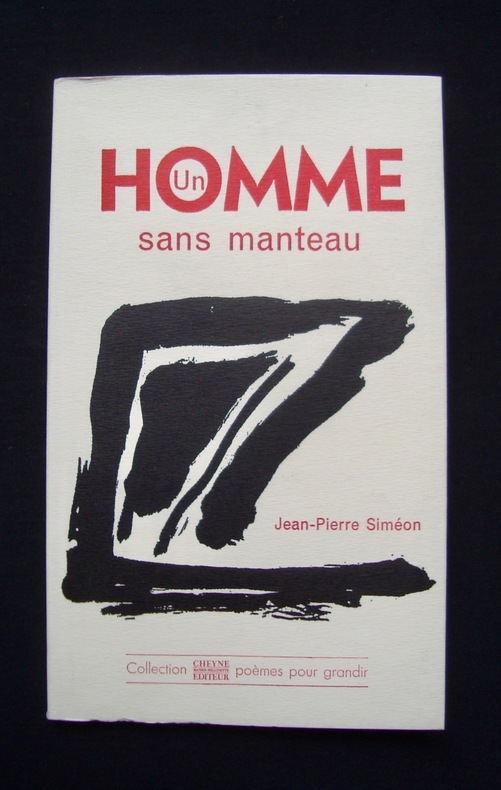
15169Chambon-sur-Lignon : Cheyne (Manier-Mellinette) Editeur, Collection "Poèmes pour grandir" 2000 (deuxième édition) - in-8 broché sous couverture illustrée à rabats, 44 pages illustrées de hors texte en couleurs par Martine Mellinette - très bon état - tirage à 2000 exemplaires sur Centaure ivoire -
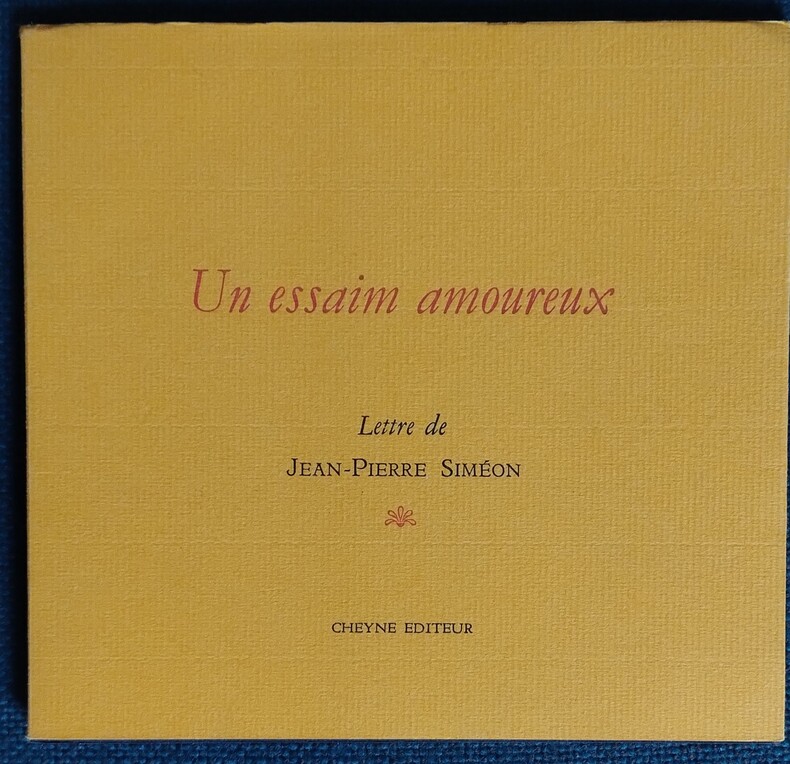
1995634Le Chambon-sur-Lignon, Cheyne éditeur, 1995 Couverture noire, jaquette orange, 16 pages, gravure de Martine Mellinette en frontispice.
6830Les images du temps Lapina 1928
1928782831928 Paris, Lapina (Collection "Images du Temps"), 1928, petit in 8° broché, 108 pages ; non coupé ; couverture rempliée, étui.
2014118540Flammarion, 2014, gr. in-8°, 378 pp, 16 pl. de photos en noir et en couleurs, un tableau généalogique, une carte, chronologie, biblio, broché, couv. illustrée, bon état
2014LFA-126739479Un ouvrage de 381 pages, format 155 x 240 mm, illustré, broché couverture couleurs, publié en 2014, Editions Flammarion, bon état
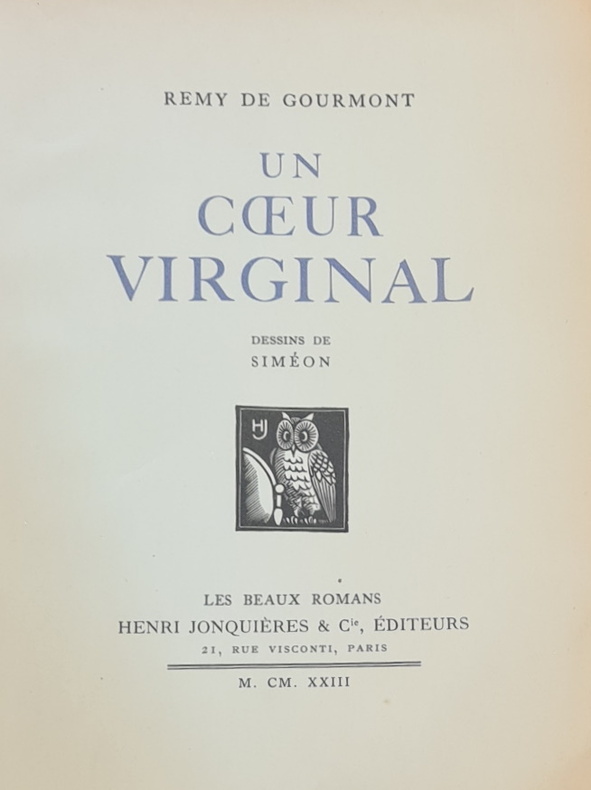
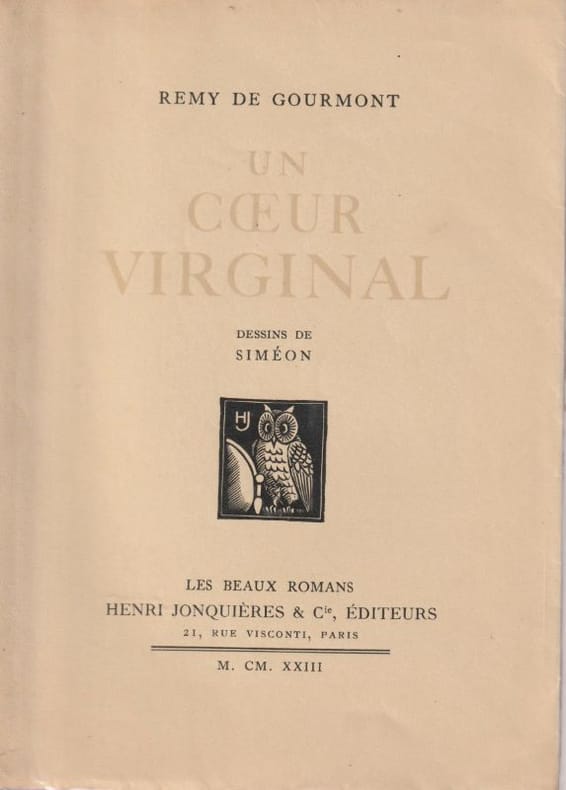
192347620Paris Jonquières, coll. "Les Beaux Romans" 1923 1 vol. broché in-8, broché, couverture rempliée, 248 pp. Edition illustrée d'un frontispice gravé sur cuivre et de vignettes in-texte et à pleine page coloriées au pochoir par Siméon. Exemplaire numéroté sur vélin de Rives. Dos légèrement gauchi.
192347620Paris Jonquières, coll. "Les Beaux Romans" 1923 1 vol. broché in-8, broché, couverture rempliée, 248 pp. Edition illustrée d'un frontispice gravé sur cuivre et de vignettes in-texte et à pleine page coloriées au pochoir par Siméon. Exemplaire numéroté sur vélin de Rives. Dos légèrement gauchi.
15811Small 8vo. Fine hmorocco, richly gilt back. (Flammarion Vaillant). Uncut. No 704 of 1100 ""sur velin de Rives"", a total of 1180 copies. Many fine coloured woodcuts by Siméon.
30504Paris Henri Jonquiere & Cie, éditeurs 1923 in 8 (20,5x15) 1 volume broché, couverture rempliée, une pointe-sèche en frontispice 248 pages [1], avec des dessins en couleurs par Fernand Siméon (coloriés au pochoir). Collection ''Les beaux romans'', 6. Tirage limité à 1180 exemplaires numérotés, celui-ci un des 1100 exemplaires numérotés sur vélin de rives. Notre exemplaire provient de la bibliothèque du peintre Maurice Asselin, il est enrichi d'un très beau dessin aquarellé signé par Siméon (Jeune danseuse assise, ce beau dessin hors texte à pleine page est inséré avant le frontispice, avec la signature de Maurice Asselin au verso). Fernand Siméon, Paris 1884 - 1928, peintre, graveur et illustrateur français. Bel exemplaire ( Photographies sur demande / We can send pictures of this book on simple request )
19234644Henry Jonquières & Cie, éditeurs . In-8 broché, II-248 pages, un frontispice au burin, 31 compositions aquarellées dont certaines à pleine page. Bel ouvrage (un peu gauchi)
19235309JONQUIERES 1923 1 Dessins de Simeon. Paris, Jonquières & Cie, Les Beaux Romans, 1923, in-8, broché, couverture rempliée, 248 pages.
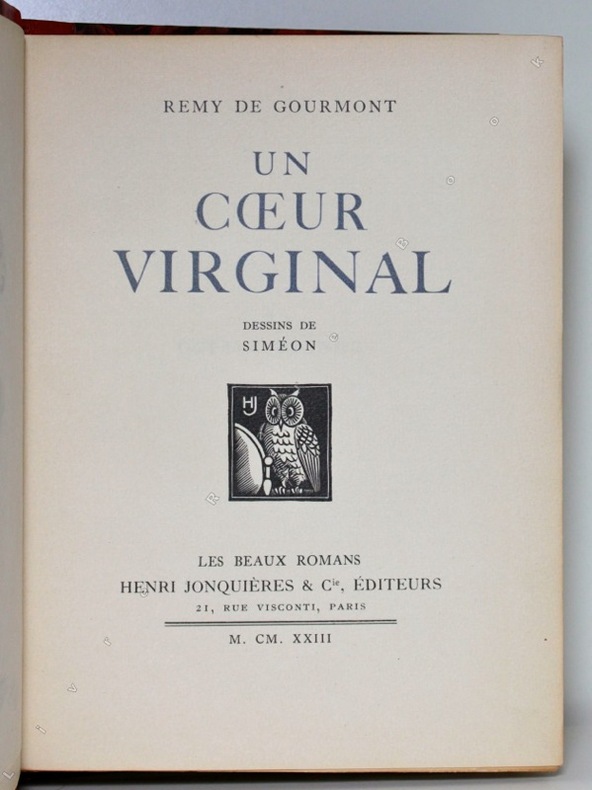
750Paris, Jonquières, 1923. In-8°, demi-chagrin bleu nuit, dos lisse orné de fleurons dorés et d'un décor à froid, tête dorée, couverture (Flammarion).
1923720Paris, Henri Jonquières coll. les Beaux Romans, 1923. 1 vol. in-8 (15,5x20,6) de II-249 p. demi-basane rouge, couvertures et dos conservés.
15811Small 8vo. Fine hmorocco richly gilt back. Flammarion Vaillant. Uncut. No 704 of 1100 "sur velin de Rives" a total of 1180 copies. Many fine coloured woodcuts by Siméon. unknown
192835954Sous étui cartonné avec pièce de titre avec nom d'auteur en lettres dorées. Couverture rempliée marbrée. Dos éclairci. Intérieur bien frais. Avec fac-similé d'une page manuscrite et corrigée de l'auteur, un portrait de l'auteur par L. Madrassi et des eaux-fortes originales et bois de SIMEON. Non rogné.
BIB-7249254Publisher: Kreativni centar Utg. 2022 28 p. This book is brand new. Original title: udovite u zekinoj umi Language: Serbiska We have this book in our store house - please allow for a couple of extra days for delivery. unknown
138558596X.Ghardcover. Good. Access codes and supplements are not guaranteed with used items. May be an ex-library book. hardcover