18 712 résultats
1961211203Berlin, Akad.-Vlg. 1961-90. Fehlen: Ausg. A Bd. 4 Aut.-Ind.; 17 H.2; 39 H. 2; 97 Aut.-Ind.; Ausg.B. Bd. 58 H. 1; Aut.-Ind. zu Bd. 133 u. 138.
1984211351Heidelberg, Leipzig u. Weinheim, Winter u. Vlg. Chemie, 1837-1984. Verschieden geb. u. brosch. Teils etwas berieben u. angestaubt. St. u. Sign. a. Tit. Fehlen: Bd. 759-761; TI zu Bd. 27; 3 Taf. zu Bd. 49.
19356911935 - reliure - Sanjian Shuwu 三閒書屋 - Yinyu ji 引玉集 (« Recueil pour attirer le jade ») 木刻五十九幅 - Deuxième tirage, avril 1935 - In-8 (19,5 × 15,5 cm) reliure cartonnée de l'éditeur, dos noir, pièce de titre contrecollée sur le premier plat - 68 pages - 59 reproductions de gravures sur bois soviétiques imprimées au procédé collotype (珂羅版) d'après les tirages originaux fournis par les artistes - Comprend un texte de Chen Jie (陳節), traduction abrégée d'un essai de A. D. Chegodaev consacré à la gravure soviétique contemporaine - Tirage limité à 215 exemplaires, dont 15 exemplaires hors commerce - Diffusion assurée par la librairie Uchiyama (內山書店), Shanghai - Ouvrage en chinois - Avec des œuvres de Dmitri Isidorovich Mitrokhin, A. Kravchenko, N. Piskarev, Vladimir Andreevich Favorsky, P. Pavlinov, A. Goncharov, M. Pikov, Sergei Mikhalovich Mocharov, L. Khizhinsky, Nikolai Vasilievich Alekseev et Sergei Mikhailovich Pozharsky - A PROPOS : Rare anthologie consacrée à la gravure soviétique moderne, publiée à Shanghai par 三閒書屋 et diffusée par la librairie Uchiyama (內山書店). L'ouvrage réunit cinquante-neuf reproductions en collotype de gravures sur bois réalisées par plusieurs figures majeures de l'école russe et soviétique de la gravure des années 1920-1930, parmi lesquelles Vladimir Favorsky, Dmitri Mitrokhin, Alexei Kravchenko et Pavel Pavlinov. Accompagné d'une traduction abrégée par Chen Jie d'un essai de l'historien de l'art soviétique A. D. Chegodaev, ainsi que d'une préface, d'un catalogue des planches et d'une postface, le volume fut conçu comme une introduction à l'estampe contemporaine soviétique pour le public chinois. Témoignage remarquable des échanges artistiques sino-soviétiques dans le Shanghai républicain des années 1930, il s'inscrit dans le contexte du mouvement de la Nouvelle Gravure (新興木刻運動), alors en plein essor sous l'influence des milieux intellectuels de gauche et des réseaux culturels gravitant autour de la librairie Uchiyama et de la figure de Lu Xun. Les reproductions furent réunies à partir de documents et publications soviétiques découverts au début des années 1930, notamment par l'intermédiaire de la revue Graphika. /// ENGLISH: Sanjian Shuwu (三閒書屋) - Yinyu ji (引玉集, “Collection to Draw Forth Jade”): Fifty-Nine Woodcuts (木刻五十九幅) - Second printing, April 1935 - Octavo (19.5 × 15.5 cm), publisher's boards with black spine and mounted title label on upper cover - 68 pages - 59 collotype (珂羅版) reproductions of Soviet woodcuts printed from original impressions supplied by the artists - Includes a text by Chen Jie (陳節), an abridged translation of an essay by A. D. Chegodaev on contemporary Soviet printmaking - Limited edition of 215 copies, including 15 non-commercial presentation copies - Distributed by Uchiyama Bookstore (內山書店), Shanghai - Text in Chinese - Featuring works by Dmitri Isidorovich Mitrokhin, Alexei Kravchenko, Nikolai Piskarev, Vladimir Andreevich Favorsky, Pavel Pavlinov, Aleksandr Goncharov, Mikhail Pikov, Sergei Mikhailovich Mocharov, Leonid Khizhinsky, Nikolai Vasilievich Alekseev and Sergei Mikhailovich Pozharsky. ABOUT: Rare anthology devoted to modern Soviet wood engraving and printmaking, published in Shanghai by Sanjian Shuwu and distributed through Uchiyama Bookstore (內山書店). The volume gathers fifty-nine collotype reproductions of woodcuts by several leading figures of the Russian and Soviet printmaking revival of the 1920s and 1930s, including Vladimir Favorsky, Dmitri Mitrokhin, Alexei Kravchenko and Pavel Pavlinov. Accompanied by Chen Jie's abridged translation of an essay by Soviet art historian A. D. Chegodaev, as well as a preface, plate catalogue and postface, the work was conceived as an introduction to contemporary Soviet printmaking for Chinese readers. A remarkable testimony to Sino-Soviet artistic exchanges in Republican-era Shanghai, it belongs to the context of the New Woodcut Movement (新興木刻運動), then flourishing under the influence of left-wing intellectual circles and cultural networks associated with Uchiyama Bookstore and the figure of Lu Xun. The reproductions were assembled from Soviet books, periodicals and documentary sources discovered in the early 1930s, notably through the journal Graphika. /// 中文:三閒書屋出版 — 《引玉集:木刻五十九幅》 — 1935年4月再版 — 32開(19.5 × 15.5厘米)精裝本,黑色書脊,封面貼書名籤 — 68頁 — 收錄蘇聯木刻作品59幅,以珂羅版工藝依據藝術家提供之原拓本複製印製 — 附陳節摘譯 A. D. Chegodaev(契戈達耶夫)論蘇聯現代版畫藝術之文章 — 限印215部,其中15部為非賣贈送本 — 上海內山書店代售 — 中文版 — 收錄 Dmitri Isidorovich Mitrokhin、Alexei Kravchenko、Nikolai Piskarev、Vladimir Andreevich Favorsky、Pavel Pavlinov、Aleksandr Goncharov、Mikhail Pikov、Sergei Mikhailovich Mocharov、Leonid Khizhinsky、Nikolai Vasilievich Alekseev 及 Sergei Mikhailovich Pozharsky 等藝術家作品。關於本書:本書為三閒書屋於上海出版、由內山書店代售之珍稀蘇聯現代木刻版畫選集。全書收錄59幅以珂羅版精印之蘇聯木刻作品,作者均為1920至1930年代俄羅斯及蘇聯版畫復興運動的重要藝術家,其中包括弗拉基米爾·法沃爾斯基(Vladimir Favorsky)、德米特里·米特羅欣(Dmitri Mitrokhin)、阿列克謝·克拉夫琴科(Alexei Kravchenko)及帕維爾·帕夫利諾夫(Pavel Pavlinov)等人。書中除收錄陳節摘譯之蘇聯藝術史家 A. D. Chegodaev 論文外,尚附序言、圖版目錄及後記,旨在向中國讀者介紹蘇聯當代版畫藝術。本書不僅是研究俄蘇版畫的重要文獻,亦是1930年代上海中蘇藝術交流的珍貴見證。其出版背景與中國新興木刻運動(新興木刻運動)密切相關,反映了左翼知識界、內山書店文化網絡以及魯迅所倡導之版畫思想的深遠影響。書中圖版主要彙集自1930年代初傳入中國之蘇聯書籍、期刊及藝術資料,其中包括《Graphika》等重要出版物。
1990211200Kiel, Berlin, 1840-1990. Versch. geb. (teilw. mehr. Jgg. zus.) u. in Heften. Einbde. teilw. beschabt od. leicht beschäd. Teilw. m. St. u. Rsign. Einige wenige Bde. in Nachdruck.
1976211350Braunschweig u. Berlin, Vieweg & Sohn u. Springer, 1920-1976. M. zahlr. Tab. u. Abb. 2 Hldrbde., Rest in verschied. Hlwdbdn. (ab Bd. 208 uniform geb.) sowie 260-279 in Heften. Einige Einbde. etwas verschmutzt bzw. berieben u. einige Rücken leicht angerissen. Teils Sign. a. Vors. bzw. St. a. Tit. Wenige Bde. m. leichter Nässespur, dadurch etwas verklebt.
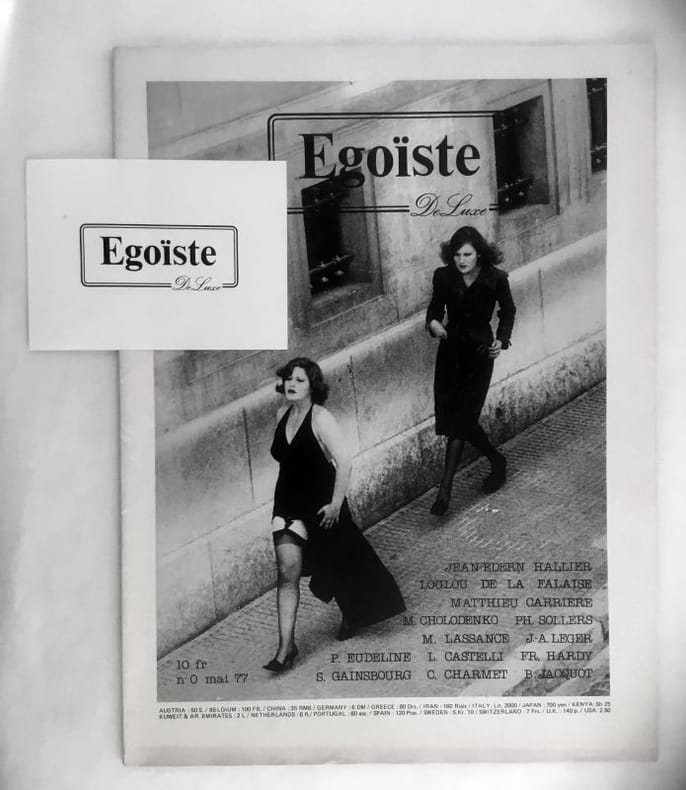
19771025331977 Dirigé par Gérard Julien Salvy, puis Nicole Wisniak, Philippe Morillon étant directeur artistique de la plupart des numéros.En novembre 1977 paraît le premier numéro du journal « Egoïste » sous l'impulsion de Nicole WisniakNotons également son exceptionnelle longévité de 44 ans, avec un tirage qui atteignit 35000 exemplaires.Très bel état général, quelques rares défauts aux premiers numéros.
1990211201Berlin, Akad.-Vlg. 1948-1990. Bd. 1-90 in einheitl. Bibl.-Einbdn., Rest brosch. Fehlen: Bd. 115-117, 119, 144.
1945100473Berlin, 1945-86. Versch. geb. u. in Heften. Teils etwas berieben u. angestaubt. Einige m. St. Fehlen: Jg. 1 H. 5-6; 5 H. 1-26; 6 H. 24 S. 7-10; 11 H. 53; 15 H. 14 S. 9-12; 21 So.-H.; 26 So.-Ausg.
1925211352Stuttgart u. Berlin, Cotta u. Dietze, 1826-1925. Spätere Bde. in 4°. M. zahlr. Taf. Lwd., Hldr., Hlwd. u. Pp. Einige Einbde. teilw. etwas beschäd. bzw. beschabt. Teils m. Rsign. , St. u. Sign. a. Vorsatz u. Tit. Teilw. in Doppelbdn. Fehlt: Bd. 19 Farbenmustertaf.
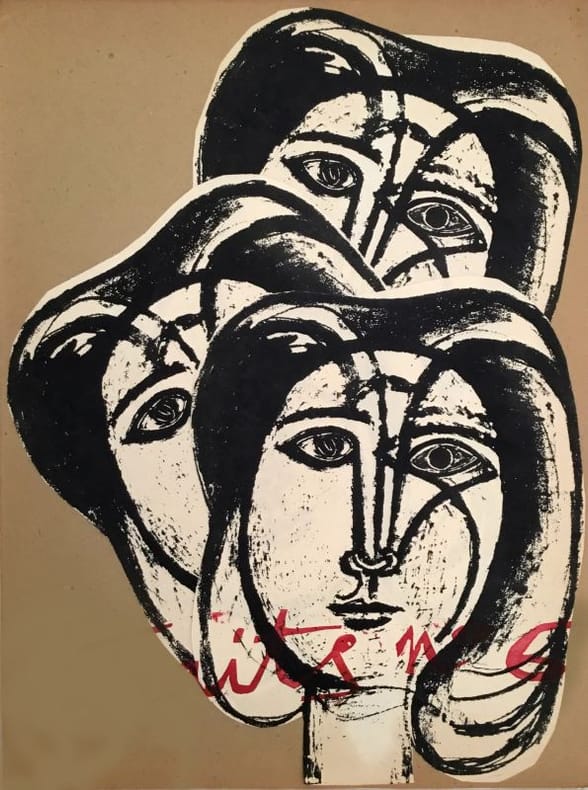
1947104416Paris 1947 10 Paris, Le cercle des arts de l'Union de la jeunesse républicaine de France, 1947-1952, formats et présentations divers.Publication artisanale, dirigée par F.Giusti, entièrement manufacturée par de jeunes artistes et des étudiants en art appartenant à v l'Union de la jeunesse républicaine de France proche du parti communiste français, TRAITS paraît à des dates difficiles à déterminer. Ses huit premiers numéros sont présentés dans des chemises aux couvertures illustrées notamment de bois gravés et de collages. Louis Aragon, Paul Colin, Gimond, Francis Jourdain, Fernand Léger, Marcel Lods, André Marchand, Matisse, Léopoldo Mendez, Henry Moore, Paul Nelson, Richard J. Neutra, Auguste Perret, Paul Eluard, Marcel Gromaire, Le Corbusier, Pablo Picasso, Candido Portinari, Marc Saint-Saëns y collaborèrent. (104416)
195097828452169471950-2007, Boxing News, in-4 brochés, Boxing News (divers numéros) lot environ 2000 numéros ou 6Eur pièce, hebdomadaire britannique | Etat : bon état (Ref.: G8692)
1958211195Berlin, Akad.-Vlg. 1958-90. Fehlen: Sachreg. zu Jg. 6 u. 7; TI zu Jg. 28.
1950211177Berlin, Akad.-Vlg. 1950-90. Hlwd. u. in Heften. Geb. Bde. teils m. Rsign. u. St. a. Tit. Hefte (meist neu) teils mit etwas gerosteter Klammerheft. Fehlt: Jg. 28 H. 10 (erschienen?).
1966211196Berlin, Akad.-Vlg. 1966-90. Fehlen: Jg. 3 H. 1 u. 2; Titelbl. zu mehr. Jgn. (wahrscheinl. nicht erschienen).
1962235341962. Virginia Prince's Chevalier Publications and allied mail order networks connected cross dressing and female impersonator readers through fiction editorials newsletters product advertising book notices and society formation notices at moments when public gender variance carried social legal and medical risk. This archive preserves two 1962 issues of Femme Mirror both issued by Chevalier Publications alongside a 1970s Female Impersonator Newsletter issue centered on Suzy's U.T.T.S. organization and a Queens Publications catalog advertising gender confirming products such as wigs clothing femme shape-wear informational books and magazines. The group traces a movement from early mimeographed reader fiction and moral instruction to a more developed 1970s market of periodicals social clubs apparel cosmetics and body-form products.<br /> <br /> Trans interest publications archive. Los Angeles and New York: Chevalier Publications Queens Publications and others 1962 to 1975. Archive of 4 publications: Femme Mirror Nos. 3 and 7 Female Impersonator Newsletter Vol. Two No. Eight and From Queens Publications 74-75.<br /> <br /> 1 Prince Virginia ed. Femme Mirror. Number Three. Los Angeles: Chevalier Publications March 1962. Early Chevalier periodical with cover text reading "reflections of FemmePersonators" "publishers of Transvestia magazine" and "Number Three." The issue opens with Prince's "It's March Girls." and includes fiction and personal writing such as "The Living Window" by Joyce Lane "That One Life" by Lee Joyce and "Martha's Path" by Lee Joyce.<br /> <br /> 2 Prince Virginia ed. Femme Mirror. Number Seven. Los Angeles: Chevalier Publications July 1962. Early issue with Prince's editorial "People Who Live in Glass Houses." and fiction including "Good Ole Julienne" with language addressed to "girls" and "F.P.s." Prince's editorial discusses "those heterosexual persons who do enjoy clothing and other expressions of the opposite sex" and argues for tolerance understanding and assimilation while distancing the publication from homosexuality and public scandal.<br /> <br /> 3 Female Impersonator Newsletter. Vol. Two No. Eight. 1970s. Issue priced one dollar with front page columns headed "Suzy Sez." and "T.V. of the Month" naming Karen Rigg. Suzy's column states that the newsletter began in October 1973 refers to the "United Transvestite and Transsexual Society" describes a first group meeting in Minneapolis in September and announces "A New TV/TS Society Formed" with proposed services including a newsletter reviews group listings entertainment notices and commercial listings for clothing hotels photo studios lawyers and related services.<br /> <br /> 4 From Queens Publications 74-75. New York: Queens Publications 1974 to 1975. Mail order catalog advertising Drag magazine and related publications with interior listings for Transvestia issues Man Woman & Girl by Jean Roberts Sex and Gender by Robert J. Stoller M.D. Regiment of Women by Thomas Berger Conundrum by Jan Morris wigs false eyelashes makeup party pants stretch lace lingerie boots and "Treasure Chest" latex forms. The catalog preserves the commercial side of 1970s transvestite and female impersonator culture where reading material appearance products and body-shaping goods circulated through the same mail order channels.<br /> <br /> These four publications record the infrastructure behind mid century and 1970s cross dressing culture aimed at people who often relied on postal exchange for privacy and continuity. The 1962 Femme Mirror issues carry Prince's reflections and observations on gender and sexuality while the other materials add the language of "TV/TS" group meetings catalog shopping and a broader marketplace around gender presentation and popular culture. Light toning fold lines handling wear minor edge wear; overall very good condition. A compact archive linking early Chevalier Publications to the later commercial and social networks that served cross dressing female impersonator and transvestite readers. unknown
1970211349Wien, Tempsky u. Springer, 1880-1970. M. graph. Darst., Taf. u. Abb. Hlwdbde. bzw. OBr. meist m. Bibl.-St. Sehr vereinzelt m. Bleistiftanstreich. Schnitt teilw. beschmutzt od. fleckig. Bd. 15 abweichend Hldr. Rücken geklebt. Stark berieben u. bestoßen. Bd. 32 sind Taf. braunfl. Bd. 39 fehlt TI u. letzte Lage wasserfl.
1920211205Braunschweig u. Berlin, Vieweg & Sohn u. Akad.-Vlg. 1920-77. Geb. u. in Heften. Teils etwas berieben u. angestaubt. Teils m. St. u. Sign. Fehlt: Bd. 55 H. 1.
1947216165Berlin, Paetel, 1875-1947. Versch geb. St. a. Tit. Zahlr. Einbde. bzw. Rücken stockfl. Wenige Einbde. lose bzw. ohne Rücken. 1 Bd. mehr. S. lose. Einige Bde. m. farb. Unterstreich. Teils m. schwacher Nässespur.
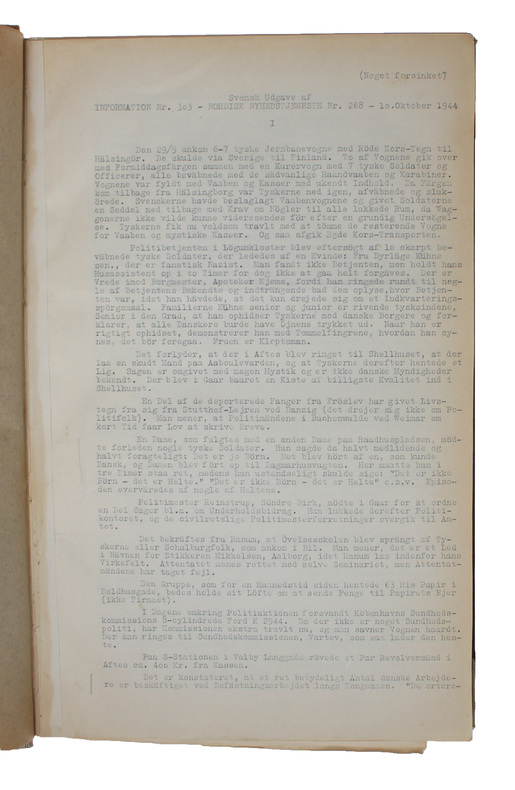
1944593091944-45. Folio. Indbundet i 4 ensartede hshirtbd. Alt i maskinskrevet gennemslagskopi (svensk stencil-udgave) og som derfor kun udkom i et ganske lille oplag.
193723304Berlin u. Hamburg, 1937-79. Lex8vo. Vol 1-8 in hcloth, 9-24 in stiched boards, rest in parts. With ""Generalregister 1-25 (1937-68)"" Lacks last issue of vol. 22.
1960211179Berlin, Akad.-Vlg. 1960/61-90. Fehlen: TI zu Bd. 14 u. 30.
1936219368Wien, Vlg. "Die Fackel", 1899-1936. Verschied. geb. u. in Heften. Häufig mehrere H. in 1 Bd. Einige OU. eingerissen od. lose. Rücken häufig verblichen od. leicht fleckig. 1 Einbd. locker in d. Bind. Teilw. St. a. Tit. od. m. Bleistiftanstreich. Fehlt: H. 82 S. 1/2. H. 437 S. 6, S. 127/28 u. S. 163 u. H. 472 S. 176-179 m. Druckfehlstellen. H. 48 m. Brandschaden. Einige Hefte aufgrund der Bindung doppelt.
19443611132Brünn, Selbstverlag, 1897-1944. Mit zahlreichen Karten, Tafeln und Stammtafeln. Lwdbde.
1970211202Berlin, Akad.-Vlg. 1970-90. Fehlen: Serie A Bd. 18 H. 1 u. 6; Serie B Bd. 15, TI zu Bd. 16, 17 H.1, 19 H. 2.
197196260Stuttgart, Verlag der Augenblick, ab Heft 7: Edition Rot, 1960-1971. Seitenzahl variierend. Mit zahlr. Illustrationen. 15 x15 cm. OBroschur (teils Blockbuchbindung, einige in Leporello-Form), ab Heft 32 mit Leinenrücken.