1 033 résultats
1785JC14369Edinburgh: John Bell & William Creech 1785. Third Edition Enlarged. Hardcover. Near Fine. 12mo; xvi; 317 pp. Previous owner's armorial bookplate Abercromby of Birkenbog Bart. Full contemporary calf a lovely copy. <br/><br/>An important work of Scottish Philosophy. It holds a distinction of being one of about a dozen books by Scottish authors that James Madison thought fit to import to America in 1782 for The Library of the U.S. Congress. John Bell & William Creech hardcover books
1834WRCAM50779Edinburgh & London 1834. iii-xvi426pp. plus folding map in front pocket. 19th-century polished calf gilt spine gilt extra leather label stamped in gilt. Minor soiling corners worn. Contemporary bookplate. Internally clean. Map backed on linen. Very good. Second edition with additional "notes made during a second visit to Canada in MDCCCXXXIII." "Visited Baltimore Washington Western N.Y. and devotes 32 pages to Michigan Territory. 2nd and best Edition containing Notes of a Second Visit made in 1833" - Wright Howes. The map shows the British North American provinces and the adjoining states in 1833. TPL 1641. SABIN 24102. WRIGHT HOWES 45:148. HOWES F86. hardcover books
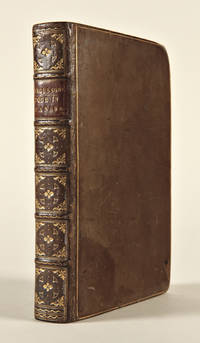
1749677611749. 1749 Treatise on the Game Laws of Bavaria Austria and Mainz Ickstatt Johann Adam von 1701-1776. Klett Johann Friedrich Editor and Translator. Grundliche Abhandlungen von den Jagdrechten: Wie sich Solche aus den Allgemeinen Naturlichen Und Besondern Staatsrechten Erweisen Lassen. Mit einer Vorrede von dem Verschiedenen Zustande der Jagden bey den Romern und Deutschen und einem Anhang von den Neuesten Mehrentheils Ungedruckten Churmaynzischen Churbayerischen Erzherzoglich-Oesterreichischen Und Andern Jagdordnungen. Nebst einem Entwurf von einer Vorteilhaft Eingerichteten Waldordnung. Herausgegeben und mit einem Register Versehen von Johann Friedrich Klett. Nuremberg: Auf Kosten Johann Georg Lochners 1749. xlvi 428 16; 172 pp. Two parts each with title page. Title page of second part with title beginning Wald-Ordnung dated 1748. Quarto 7-3/4" x 6-1/4". Contemporary speckled calf blind rules to boards raised bands and lettering piece to spine marbled pastedowns. Light rubbing and a few minor worm holes to boards moderate rubbing to extremities light chipping to spine ends corners bumped and somewhat worn later library bookplate to front pastedown later owner bookplate to front free endpaper. Title page of first part printed in red and black attractive woodcut head and tail-pieces. Light toning to text light foxing in places early owner signatures to verso of front free endpaper and head of title page later library stamp to title page's verso. A handsome copy. $850. Only edition Part II a reissue of a work first published in 1748. The first part is overview of Bavarian forestry hunting and fishing laws from 1664-1742 followed by similar sets of laws promulgated in Austria in 1743 and in Mainz in 1744. The second part is a translation of the Bavarian laws with editorial commentary by Klett who also translated Part I. Early game and land laws record the earliest attempts to preserve the environment. They also offer fascinating insights into social history due to their relevance to topics ranging from class structure to foodways. Das Verzeichnis Deutscher Drucke des 18. Jahrhunderts 14598590-006. unknown books
1830WRCAM34850Montreal: Printed at the Office of the Herald and New Gazette 1830. 216pp. Frontispiece. Original muslin-backed paper boards. Some minor foxing mostly in the first and final pages. A very good copy in original condition untrimmed. Kidd emigrated to Canada from Ireland at a young age and after being rejected for the priesthood he began publishing poetry. The epic main poem consumes over half the text with nearly forty shorter poems comprising the rest. Kidd claims that he travelled extensively among the Indians of Upper Canada and his poetry carries great sympathy for native peoples and their exploitation at the hands of European settlers. He writes that the "Huron Chief" was composed "on the inner rind of birch bark during my travels through the immense forests of America and under many difficulties and privations." He also claims that the poems would soon be published in native languages. SABIN 37700. TPL 1585. Printed at the Office of the Herald and New Gazette hardcover books
200710364Kolkata: Laurens & Co Press 2007. First edition. Hardcover. Fine. First edition. One of 333 hand numbered copies in slipcase. Folio. A book of daguerreotypes by Fuss based on engravings by William Blake. All elements in fine condition. "Signed" by Fuss with his fingerprint to colophon page. Beautiful artist book. Laurens & Co Press hardcover books
177517124London 1775. Engraving by Joshua Record. In excellent condition with the exception of some minor foxing across the sheet and some waterstaining along the upper margin. A decorative engraving by the celebrated architect Robert Adam depicting an elegant room in Lord Derby's house in Grosvenor Square London.<br/> <br/>Robert and his brother James Adam forever changed the face of British architecture by introducing innovative Classical design ideas. From 1754-57 Robert lived in Italy where he had a long productive friendship with Piranesi which was inspirational for both men. Adam's first book on Diocletian's palace in Dalmatia is clearly very like the archaeological investigations Piranesi was making at the same time of similar ruins. Piranesi's friendship and passion for Roman Classicism were seminal influences on Adam and the greatest single factor other than his own talent in the work Adam produced on his return to England. Upon his return the brothers launched their career by building the Adelphi from the Thames to the Strand in London which although not a commercial success at the time included one of London's most cherished buildings the Adlephi Theatre. Together the Adam brothers designed and built some of the most famous buildings in England including such bastions of English architecture as Kenwood House Keddlestone Manor and Syon House. To the interiors of their English country houses the Adams brought wonderful ornamental elements in niches lunettes festoons and reliefs. Their classically designed buildings were so numerous in London that they changed the prevailing feel of the city and established their brand of neo-Classicism as the model of elegance and importance. It is asserted that the brothers originated the concept of the uniform facade attached to the typical English row house an architectural device that distinguishes London buildings. This monumental contribution is evidenced in the Adams' designs for Portland Place and Fitzroy Square and these were used as architectural models for the whole city. The brothers brought their talents into other areas by designing furniture to complement their beautiful interiors and by creating and publishing a treatise of design entitled 'Works in Architecture'. The work was published in three volumes over an extended span of time beginning in 1773 with the final volume being published posthumously in 1822.<br/> <br/>Cf. Brunet I.47; cf. Lowndes I p.8; DNB; Wilton-Ely The Mind and Art of Giovanni Battista Piranesi. unknown books
1873100070Folio original cloth with leather spine and corners hinges reinforcedgilt title on front cover 49 maps. Binding in poor condition covers almost detached spine loose with two large pieces missing from top and bottom extremities very worn some aging to preliminaries but maps are very bright and clean overall. Previous owner laid down a few additional maps. One is glued to margin of Australia. Colorful general atlas with double page maps of Australia various countries in Europe South America India China and Africa.There is a very attractive general double page map of the United States. Assitionally there is a second map of the United Sates featuring the southern states. Adam & Charles Black, books
18171335432Boston: Wells and Lilly 1817. Early American Edition. Hardcover. Octavo xii 262 2 250 2; VG-; bound in publisher's blue-gray boards paper spine; some wear and rubbing to boards some chipping and cracking to spine most of the titling has worn off; text block uncut; mild foxing primarily to extremities; ownership name in ink to the title page; with half-title two title pages; two volumes in one; scarce; shelved case 10. Mizuta: TMS25;<br /> <br><br /> <br><br /> The first American edition was published in 1817 by Anthony Finley in Philadelphia. This edition came out later that year.;. 1335432. Shelved Dupont Bookstore. Wells and Lilly hardcover books
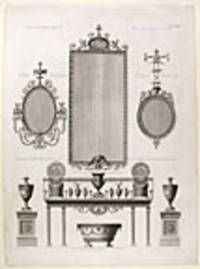
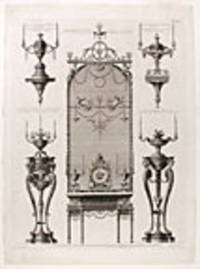
177517573London 1775. Engraving by P. Begbie. In excellent condition with the exception of two tears on right margin. A fine architectural engraving of ornate mirrors and tables from Robert Adam's seminal work on British architecture.<br/> <br/>Robert and his brother James Adam forever changed the face of British architecture by introducing innovative Classical design ideas. From 1754-57 Robert lived in Italy where he had a long productive friendship with Piranesi which was inspirational for both men. Adam's first book on Diocletian's palace in Dalmatia is clearly very like the archaeological investigations Piranesi was making at the same time of similar ruins. Piranesi's friendship and passion for Roman Classicism were seminal influences on Adam and the greatest single factor other than his own talent in the work Adam produced on his return to England. Upon his return the brothers launched their career by building the Adelphi from the Thames to the Strand in London which although not a commercial success at the time included one of London's most cherished buildings the Adlephi Theatre. Together the Adam brothers designed and built some of the most famous buildings in England including such bastions of English architecture as Kenwood House Keddlestone Manor and Syon House. To the interiors of their English country houses the Adams brought wonderful ornamental elements in niches lunettes festoons and reliefs. Their classically designed buildings were so numerous in London that they changed the prevailing feel of the city and established their brand of neo-Classicism as the model of elegance and importance. It is asserted that the brothers originated the concept of the uniform facade attached to the typical English row house an architectural device that distinguishes London buildings. This monumental contribution is evidenced in the Adams' designs for Portland Place and Fitzroy Square and these were used as architectural models for the whole city. The brothers brought their talents into other areas by designing furniture to complement their beautiful interiors and by creating and publishing a treatise of design entitled 'Works in Architecture'. The work was published in three volumes over an extended span of time beginning in 1773 with the final volume being published posthumously in 1822.<br/> <br/>Cf. Brunet I.47; cf. Lowndes I p.8; DNB; Wilton-Ely The Mind and Art of Giovanni Battista Piranesi. unknown books
177517101London 1775. Copper engraving with hand colour. Engraving by P. Begbie. In excellent condition with the exception of being trimmed just on the platemark on the left margin. Mild soiling mostly marginal. A fine engraving of an ornate harpsichord designed for the Empress of Russia.<br/> <br/>Robert and his brother James Adam forever changed the face of British architecture by introducing innovative Classical design ideas. From 1754-57 Robert lived in Italy where he had a long productive friendship with Piranesi which was inspirational for both men. Adam's first book on Diocletian's palace in Dalmatia is clearly very like the archaeological investigations Piranesi was making at the same time of similar ruins. Piranesi's friendship and passion for Roman Classicism were seminal influences on Adam and the greatest single factor other than his own talent in the work Adam produced on his return to England. Upon his return the brothers launched their career by building the Adelphi from the Thames to the Strand in London which although not a commercial success at the time included one of London's most cherished buildings the Adlephi Theatre. Together the Adam brothers designed and built some of the most famous buildings in England including such bastions of English architecture as Kenwood House Keddlestone Manor and Syon House. To the interiors of their English country houses the Adams brought wonderful ornamental elements in niches lunettes festoons and reliefs. Their classically designed buildings were so numerous in London that they changed the prevailing feel of the city and established their brand of neo-Classicism as the model of elegance and importance. It is asserted that the brothers originated the concept of the uniform facade attached to the typical English row house an architectural device that distinguishes London buildings. This monumental contribution is evidenced in the Adams' designs for Portland Place and Fitzroy Square and these were used as architectural models for the whole city. The brothers brought their talents into other areas by designing furniture to complement their beautiful interiors and by creating and publishing a treatise of design entitled 'Works in Architecture'. The work was published in three volumes over an extended span of time beginning in 1773 with the final volume being published posthumously in 1822.<br/> <br/>Cf. Brunet I.47; cf. Lowndes I p.8; DNB; Wilton-Ely The Mind and Art of Giovanni Battista Piranesi. unknown books
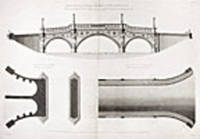
177517103London 1775. Engraving by T. Miller. In excellent condition with the exception of some very faint off-setting. A fine engraving of a proposed bridge over the river at Sion House in London.<br/> <br/>Robert and his brother James Adam forever changed the face of British architecture by introducing innovative Classical design ideas. From 1754-57 Robert lived in Italy where he had a long productive friendship with Piranesi which was inspirational for both men. Adam's first book on Diocletian's palace in Dalmatia is clearly very like the archaeological investigations Piranesi was making at the same time of similar ruins. Piranesi's friendship and passion for Roman Classicism were seminal influences on Adam and the greatest single factor other than his own talent in the work Adam produced on his return to England. Upon his return the brothers launched their career by building the Adelphi from the Thames to the Strand in London which although not a commercial success at the time included one of London's most cherished buildings the Adlephi Theatre. Together the Adam brothers designed and built some of the most famous buildings in England including such bastions of English architecture as Kenwood House Keddlestone Manor and Syon House. To the interiors of their English country houses the Adams brought wonderful ornamental elements in niches lunettes festoons and reliefs. Their classically designed buildings were so numerous in London that they changed the prevailing feel of the city and established their brand of neo-Classicism as the model of elegance and importance. It is asserted that the brothers originated the concept of the uniform facade attached to the typical English row house an architectural device that distinguishes London buildings. This monumental contribution is evidenced in the Adams' designs for Portland Place and Fitzroy Square and these were used as architectural models for the whole city. The brothers brought their talents into other areas by designing furniture to complement their beautiful interiors and by creating and publishing a treatise of design entitled 'Works in Architecture'. The work was published in three volumes over an extended span of time beginning in 1773 with the final volume being published posthumously in 1822.<br/> <br/>Cf. Brunet I.47; cf. Lowndes I p.8; DNB; Wilton-Ely The Mind and Art of Giovanni Battista Piranesi. unknown books
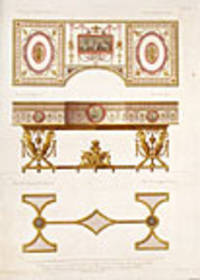
177717127London 1777. Copper engraving with lovely early colour. Engraved by B. Pastorini. In excellent condition. An elegant engraving depicting a collection of ornate furniture in the Earl of Derby's celebrated house in Grosvenor Square London.<br/> <br/>Robert and his brother James Adam forever changed the face of British architecture by introducing innovative Classical design ideas. From 1754-57 Robert lived in Italy where he had a long productive friendship with Piranesi which was inspirational for both men. Adam's first book on Diocletian's palace in Dalmatia is clearly very like the archaeological investigations Piranesi was making at the same time of similar ruins. Piranesi's friendship and passion for Roman Classicism were seminal influences on Adam and the greatest single factor other than his own talent in the work Adam produced on his return to England. Upon his return the brothers launched their career by building the Adelphi from the Thames to the Strand in London which although not a commercial success at the time included one of London's most cherished buildings the Adlephi Theatre. Together the Adam brothers designed and built some of the most famous buildings in England including such bastions of English architecture as Kenwood House Keddlestone Manor and Syon House. To the interiors of their English country houses the Adams brought wonderful ornamental elements in niches lunettes festoons and reliefs. Their classically designed buildings were so numerous in London that they changed the prevailing feel of the city and established their brand of neo-Classicism as the model of elegance and importance. It is asserted that the brothers originated the concept of the uniform facade attached to the typical English row house an architectural device that distinguishes London buildings. This monumental contribution is evidenced in the Adams' designs for Portland Place and Fitzroy Square and these were used as architectural models for the whole city. The brothers brought their talents into other areas by designing furniture to complement their beautiful interiors and by creating and publishing a treatise of design entitled 'Works in Architecture'. The work was published in three volumes over an extended span of time beginning in 1773 with the final volume being published posthumously in 1822.<br/> <br/>Cf. Brunet I.47; cf. Lowndes I p.8; DNB; Wilton-Ely The Mind and Art of Giovanni Battista Piranesi. unknown books
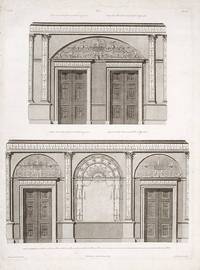
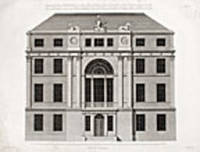
177517117London 1775. Engraving by R. Blyth. In excellent condition except for mild discolouration lower left. An elegant engraving showing the facade of a house in Whitehall used as the offices for Chelsea Hospital.<br/> <br/>Robert and his brother James Adam forever changed the face of British architecture by introducing innovative Classical design ideas. From 1754-57 Robert lived in Italy where he had a long productive friendship with Piranesi which was inspirational for both men. Adam's first book on Diocletian's palace in Dalmatia is clearly very like the archaeological investigations Piranesi was making at the same time of similar ruins. Piranesi's friendship and passion for Roman Classicism were seminal influences on Adam and the greatest single factor other than his own talent in the work Adam produced on his return to England. Upon his return the brothers launched their career by building the Adelphi from the Thames to the Strand in London which although not a commercial success at the time included one of London's most cherished buildings the Adlephi Theatre. Together the Adam brothers designed and built some of the most famous buildings in England including such bastions of English architecture as Kenwood House Keddlestone Manor and Syon House. To the interiors of their English country houses the Adams brought wonderful ornamental elements in niches lunettes festoons and reliefs. Their classically designed buildings were so numerous in London that they changed the prevailing feel of the city and established their brand of neo-Classicism as the model of elegance and importance. It is asserted that the brothers originated the concept of the uniform facade attached to the typical English row house an architectural device that distinguishes London buildings. This monumental contribution is evidenced in the Adams' designs for Portland Place and Fitzroy Square and these were used as architectural models for the whole city. The brothers brought their talents into other areas by designing furniture to complement their beautiful interiors and by creating and publishing a treatise of design entitled 'Works in Architecture'. The work was published in three volumes over an extended span of time beginning in 1773 with the final volume being published posthumously in 1822.<br/> <br/>Cf. Brunet I.47; cf. Lowndes I p.8; DNB; Wilton-Ely The Mind and Art of Giovanni Battista Piranesi. unknown books
177517575London 1775. Engraving by B. Pastorini. In excellent condition. A fine engraving of various pieces of ornate furniture from Robert Adam's seminal work on British architecture.<br/> <br/>Robert and his brother James Adam forever changed the face of British architecture by introducing innovative Classical design ideas. From 1754-57 Robert lived in Italy where he had a long productive friendship with Piranesi which was inspirational for both men. Adam's first book on Diocletian's palace in Dalmatia is clearly very like the archaeological investigations Piranesi was making at the same time of similar ruins. Piranesi's friendship and passion for Roman Classicism were seminal influences on Adam and the greatest single factor other than his own talent in the work Adam produced on his return to England. Upon his return the brothers launched their career by building the Adelphi from the Thames to the Strand in London which although not a commercial success at the time included one of London's most cherished buildings the Adlephi Theatre. Together the Adam brothers designed and built some of the most famous buildings in England including such bastions of English architecture as Kenwood House Keddlestone Manor and Syon House. To the interiors of their English country houses the Adams brought wonderful ornamental elements in niches lunettes festoons and reliefs. Their classically designed buildings were so numerous in London that they changed the prevailing feel of the city and established their brand of neo-Classicism as the model of elegance and importance. It is asserted that the brothers originated the concept of the uniform facade attached to the typical English row house an architectural device that distinguishes London buildings. This monumental contribution is evidenced in the Adams' designs for Portland Place and Fitzroy Square and these were used as architectural models for the whole city. The brothers brought their talents into other areas by designing furniture to complement their beautiful interiors and by creating and publishing a treatise of design entitled 'Works in Architecture'. The work was published in three volumes over an extended span of time beginning in 1773 with the final volume being published posthumously in 1822.<br/> <br/>Cf. Brunet I.47; cf. Lowndes I p.8; DNB; Wilton-Ely The Mind and Art of Giovanni Battista Piranesi. unknown books
177517122London 1775. Engraving by Joshua Record. In excellent condition. An elegant engraving showing the chimney in the anteroom of Lord Derby's house in Grosvenor Square London.<br/> <br/>Robert and his brother James Adam forever changed the face of British architecture by introducing innovative Classical design ideas. From 1754-57 Robert lived in Italy where he had a long productive friendship with Piranesi which was inspirational for both men. Adam's first book on Diocletian's palace in Dalmatia is clearly very like the archaeological investigations Piranesi was making at the same time of similar ruins. Piranesi's friendship and passion for Roman Classicism were seminal influences on Adam and the greatest single factor other than his own talent in the work Adam produced on his return to England. Upon his return the brothers launched their career by building the Adelphi from the Thames to the Strand in London which although not a commercial success at the time included one of London's most cherished buildings the Adlephi Theatre. Together the Adam brothers designed and built some of the most famous buildings in England including such bastions of English architecture as Kenwood House Keddlestone Manor and Syon House. To the interiors of their English country houses the Adams brought wonderful ornamental elements in niches lunettes festoons and reliefs. Their classically designed buildings were so numerous in London that they changed the prevailing feel of the city and established their brand of neo-Classicism as the model of elegance and importance. It is asserted that the brothers originated the concept of the uniform facade attached to the typical English row house an architectural device that distinguishes London buildings. This monumental contribution is evidenced in the Adams' designs for Portland Place and Fitzroy Square and these were used as architectural models for the whole city. The brothers brought their talents into other areas by designing furniture to complement their beautiful interiors and by creating and publishing a treatise of design entitled 'Works in Architecture'. The work was published in three volumes over an extended span of time beginning in 1773 with the final volume being published posthumously in 1822.<br/> <br/>Cf. Brunet I.47; cf. Lowndes I p.8; DNB; Wilton-Ely The Mind and Art of Giovanni Battista Piranesi. unknown books
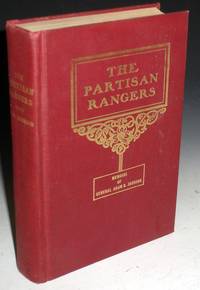
1904025984Louisville KY: G.G. Fetter Co 1904. First Edition. Octavo. xii 476 pages 64 leaves of plates illustrations portraits. The memoirs of Brigadier-General Adam Rankin Johnson trace the progress of the leading Kentuckian Confederate leader in the Civil War. After cavalry service in the commands of Nathan Bedford Forest and John Hunt Morgan Johnson established his own reputation for innovation and audacity; for instance he captured an Indiana town with only 12 men making fake cannons with stovepipe sections giving him the nickname "Stovepipe" Johnson. Authorized by the Confederate government to perate behind Union lines Johnson's Tenth Kentucky Cavalry conducted numerous raids in western Kentucky and Tennessee. His Partisan Ranger Brigade used irregular but highly flexible operations to succeed with smaller forces. He was blinded from a wound in 1864 but moved to Texas where he founded the town of Marble Falls and became one of the states' most honored citizens. This volume has sketches photographs roster brigades and much more. This copy has the bookplate of Texas Senator A.J. Wirtz who gave LBJ a helpful push in politics. His daughter remained Lady Bird's best friend from days at the University of Texas. A fine copy bound in maroon cloth lettered and decorated in gilt spine lettering gilt. Fine copies of this item are exceedingly rare. Nevins CWB I 113; Howes J122; Graff 2213; Jenkins Basic Texas Books 108. G.G. Fetter Co unknown books
1929WRCLIT59988Buffalo: Printed for the Author and New York and London: Oxford University Press 1929. Three volumes. Quarto. Gilt navy blue cloth t.e.g. others untrimmed. Portraits plates and facsimiles. Spines very slightly darkened very light wear at edges short crack to one inner hinge otherwise a very good set of a work most often seen worn and shaken. First edition. One of five hundred sets printed at the Volksfreund Press. A fourth supplemental volume was published in 1930 in an edition of only 225 copies. The monumental catalogue of Adams's collection consisting of: Volume I: Letters of Samuel Johnson James Boswell Edmund Burke Joshua Reynolds and David Garrick; Volume II: Catalogue of Books; and Volume III: Miscellaneous Autograph Letters. Oxford University Press hardcover books
1818027685London: Longman Hurst Rees Orme and Brown 1818. Quarto. Hand-colored frontispiece 295pp. 10 other hand color plates. With the errata sheet on the verso of the directions to the binder which shows where the following items all present are to be placed: The Greek Reis to face the title page Dresden Koenigstein on the Elbe Meissen the Margravite 2 views Prague Wissegorod of Prague and Brunn 2 views; Halietz on the Dniester and Greek palace at Terapia 2 views Jassy Capitol of Moldavia; and on the Black Sea Agatopoli the Promentory of Eneada and finally The Turkish boatmen and barber. In all there are 15 aquatints on the 11 plates Dr. Adam Neale's travels covered several neglected areas especially in Moldavia and the Ottoman Empire. His travels commenced in July 1805 until March 1806. His vivid English text details observations and descriptons of the regions especially those suffering as a result of the Napoleonic wars. the battle of Austerlitz had just taken place in December 1805. In addition he provides statistical data on population rulers and related points of interest. This is one of the best accounts on Romania at the time as well as the Balkan region. Bound in a later 3/4 black morocco over marbled paper covered boards with matching endpapers raised bands lettering within three compartments gilt top edge gilt light off-setting to plates and a few text pages. A very handsome copy. see Abbey Travel 19; Tooley 1954 No. 344; Cat. Russica No. N261. Longman, Hurst, Rees, Orme and Brown unknown books
178328002Dublin: printed for Price Whitestone Colles et al. 1783. First Dublin edition 3 vols. 8vo pp. 10 492 2; 8 608; 8 600; first page of table of contents in vol. I misbound at the back; all else very good in contemporary full calf red and brown morocco labels on spines. This edition is printed the same year as the first London edition. <br/><br/> printed for Price, Whitestone, Colles, [et al.] unknown books
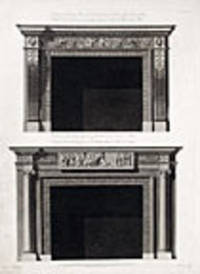
177517099London 1775. Engraving by D. Cunego. In excellent condition with the exception of being trimmed just outside the platemark on left margin. Some paper discolouration on left margin and 1" loss lower left corner. A fine engraving of the fireplaces at St. James's Palace and the Queen's House in London.<br/> <br/>Robert and his brother James Adam forever changed the face of British architecture by introducing innovative Classical design ideas. From 1754-57 Robert lived in Italy where he had a long productive friendship with Piranesi which was inspirational for both men. Adam's first book on Diocletian's palace in Dalmatia is clearly very like the archaeological investigations Piranesi was making at the same time of similar ruins. Piranesi's friendship and passion for Roman Classicism were seminal influences on Adam and the greatest single factor other than his own talent in the work Adam produced on his return to England. Upon his return the brothers launched their career by building the Adelphi from the Thames to the Strand in London which although not a commercial success at the time included one of London's most cherished buildings the Adlephi Theatre. Together the Adam brothers designed and built some of the most famous buildings in England including such bastions of English architecture as Kenwood House Keddlestone Manor and Syon House. To the interiors of their English country houses the Adams brought wonderful ornamental elements in niches lunettes festoons and reliefs. Their classically designed buildings were so numerous in London that they changed the prevailing feel of the city and established their brand of neo-Classicism as the model of elegance and importance. It is asserted that the brothers originated the concept of the uniform facade attached to the typical English row house an architectural device that distinguishes London buildings. This monumental contribution is evidenced in the Adams' designs for Portland Place and Fitzroy Square and these were used as architectural models for the whole city. The brothers brought their talents into other areas by designing furniture to complement their beautiful interiors and by creating and publishing a treatise of design entitled 'Works in Architecture'. The work was published in three volumes over an extended span of time beginning in 1773 with the final volume being published posthumously in 1822.<br/> <br/>Cf. Brunet I.47; cf. Lowndes I p.8; DNB; Wilton-Ely The Mind and Art of Giovanni Battista Piranesi. unknown books
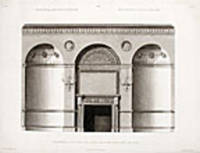
17745385London 1774. Engraving by J. Zucchi. A fine architectural engraving of the interior of Kenwood House in Hampstead London re-modelled in 1761-1773 and now home to the Iveagh Bequest picture collection.<br/> <br/>Robert and his brother James Adam forever changed the face of British architecture by introducing innovative Classical design ideas. From 1754-57 Robert lived in Italy where he had a long productive friendship with Piranesi which was inspirational for both men. Adam's first book on Diocletian's palace in Dalmatia is clearly very like the archaeological investigations Piranesi was making at the same time of similar ruins. Piranesi's friendship and passion for Roman Classicism were seminal influences on Adam and the greatest single factor other than his own talent in the work Adam produced on his return to England. Upon his return the brothers launched their career by building the Adelphi from the Thames to the Strand in London which although not a commercial success at the time included one of London's most cherished buildings the Adelphi Theatre. Together the Adam brothers designed and built some of the most famous buildings in England including such bastions of English architecture as Kenwood House Keddlestone Manor and Syon House. To the interiors of their English country houses the Adams brought wonderful ornamental elements in niches lunettes festoons and reliefs. Their classically designed buildings were so numerous in London that they changed the prevailing feel of the city and established their brand of neo-Classicism as the model of elegance and importance. It is asserted that the brothers originated the concept of the uniform facade attached to the typical English row house an architectural device that distinguishes London buildings. This monumental contribution is evidenced in the Adams' designs for Portland Place and Fitzroy Square and these were used as architectural models for the whole city. The brothers brought their talents into other areas by designing furniture to complement their beautiful interiors and by creating and publishing a treatise of design entitled 'Works in Architecture'. The work was published in three volumes over an extended span of time beginning in 1773 with the final volume being published posthumously in 1822.<br/> <br/>Cf. Brunet I.47; cf. Lowndes I p.8; DNB; Wilton-Ely The Mind and Art of Giovanni Battista Piranesi. unknown books
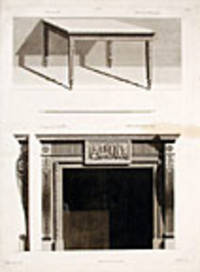
177817139London 1778. Copper engraving. Engraved by Caldwell. In excellent condition with the exception of a waterstain in middle of sheet. Left margin is trimmed just outside platemark. An elegant engraving of a fireplace and table at Shelburne House in Berkeley Square in London.<br/> <br/>Robert and his brother James Adam forever changed the face of British architecture by introducing innovative Classical design ideas. From 1754-57 Robert lived in Italy where he had a long productive friendship with Piranesi which was inspirational for both men. Adam's first book on Diocletian's palace in Dalmatia is clearly very like the archaeological investigations Piranesi was making at the same time of similar ruins. Piranesi's friendship and passion for Roman Classicism were seminal influences on Adam and the greatest single factor other than his own talent in the work Adam produced on his return to England. Upon his return the brothers launched their career by building the Adelphi from the Thames to the Strand in London which although not a commercial success at the time included one of London's most cherished buildings the Adlephi Theatre. Together the Adam brothers designed and built some of the most famous buildings in England including such bastions of English architecture as Kenwood House Keddlestone Manor and Syon House. To the interiors of their English country houses the Adams brought wonderful ornamental elements in niches lunettes festoons and reliefs. Their classically designed buildings were so numerous in London that they changed the prevailing feel of the city and established their brand of neo-Classicism as the model of elegance and importance. It is asserted that the brothers originated the concept of the uniform facade attached to the typical English row house an architectural device that distinguishes London buildings. This monumental contribution is evidenced in the Adams' designs for Portland Place and Fitzroy Square and these were used as architectural models for the whole city. The brothers brought their talents into other areas by designing furniture to complement their beautiful interiors and by creating and publishing a treatise of design entitled 'Works in Architecture'. The work was published in three volumes over an extended span of time beginning in 1773 with the final volume being published posthumously in 1822.<br/> <br/>Cf. Brunet I.47; cf. Lowndes I p.8; DNB; Wilton-Ely The Mind and Art of Giovanni Battista Piranesi. unknown books
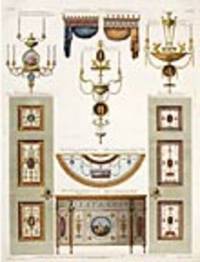
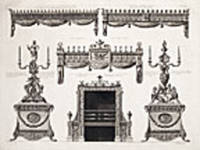
177517116London 1775. Engraving by B. Pastorini. In excellent condition. An elegant engraving showing the decorations of the chimney piece and curtain cornices at Sutton Park House in North Yorkshire.<br/> <br/>Robert and his brother James Adam forever changed the face of British architecture by introducing innovative Classical design ideas. From 1754-57 Robert lived in Italy where he had a long productive friendship with Piranesi which was inspirational for both men. Adam's first book on Diocletian's palace in Dalmatia is clearly very like the archaeological investigations Piranesi was making at the same time of similar ruins. Piranesi's friendship and passion for Roman Classicism were seminal influences on Adam and the greatest single factor other than his own talent in the work Adam produced on his return to England. Upon his return the brothers launched their career by building the Adelphi from the Thames to the Strand in London which although not a commercial success at the time included one of London's most cherished buildings the Adlephi Theatre. Together the Adam brothers designed and built some of the most famous buildings in England including such bastions of English architecture as Kenwood House Keddlestone Manor and Syon House. To the interiors of their English country houses the Adams brought wonderful ornamental elements in niches lunettes festoons and reliefs. Their classically designed buildings were so numerous in London that they changed the prevailing feel of the city and established their brand of neo-Classicism as the model of elegance and importance. It is asserted that the brothers originated the concept of the uniform facade attached to the typical English row house an architectural device that distinguishes London buildings. This monumental contribution is evidenced in the Adams' designs for Portland Place and Fitzroy Square and these were used as architectural models for the whole city. The brothers brought their talents into other areas by designing furniture to complement their beautiful interiors and by creating and publishing a treatise of design entitled 'Works in Architecture'. The work was published in three volumes over an extended span of time beginning in 1773 with the final volume being published posthumously in 1822.<br/> <br/>Cf. Brunet I.47; cf. Lowndes I p.8; DNB; Wilton-Ely The Mind and Art of Giovanni Battista Piranesi. unknown books
177517118London 1775. Engraving by T. Vivares. In excellent condition with the exception of some paper discolouration in the bottom right corner of the sheet. A fine architectural engraving of a part of the vast Adelphi development in London; the largest project undertaken by the Adam brothers.<br/> <br/>Robert and his brother James Adam forever changed the face of British architecture by introducing innovative Classical design ideas. From 1754-57 Robert lived in Italy where he had a long productive friendship with Piranesi which was inspirational for both men. Adam's first book on Diocletian's palace in Dalmatia is clearly very like the archaeological investigations Piranesi was making at the same time of similar ruins. Piranesi's friendship and passion for Roman Classicism were seminal influences on Adam and the greatest single factor other than his own talent in the work Adam produced on his return to England. Upon his return the brothers launched their career by building the Adelphi from the Thames to the Strand in London which although not a commercial success at the time included one of London's most cherished buildings the Adlephi Theatre. Together the Adam brothers designed and built some of the most famous buildings in England including such bastions of English architecture as Kenwood House Keddlestone Manor and Syon House. To the interiors of their English country houses the Adams brought wonderful ornamental elements in niches lunettes festoons and reliefs. Their classically designed buildings were so numerous in London that they changed the prevailing feel of the city and established their brand of neo-Classicism as the model of elegance and importance. It is asserted that the brothers originated the concept of the uniform facade attached to the typical English row house an architectural device that distinguishes London buildings. This monumental contribution is evidenced in the Adams' designs for Portland Place and Fitzroy Square and these were used as architectural models for the whole city. The brothers brought their talents into other areas by designing furniture to complement their beautiful interiors and by creating and publishing a treatise of design entitled 'Works in Architecture'. The work was published in three volumes over an extended span of time beginning in 1773 with the final volume being published posthumously in 1822.<br/> <br/>Cf. Brunet I.47; cf. Lowndes I p.8; DNB; Wilton-Ely The Mind and Art of Giovanni Battista Piranesi. unknown books
176640581Vindobonae: Jo. Thom. Nob. de Trattnern 1766. 8vo 20.3 cm 8". 24 246 2 pp. <br><br>Uncommon first edition. The Belgian-born physician Chenot 17211789 who studied medicine at the University of Vienna before being sent by imperial command to Transylvania to assist in fighting outbreaks of the plague was a prominent voice in the debate over how to conduct quarantines hygiene and sanitary treatments and other protective measures; he was a staunch opponent of the theory that air itself could carry the disease. Here he offers his firsthand perspective on the plague having contracted it himself and survived!<br>Â Â Â Â WorldCat finds => only six U.S. institutions Harvard National Library of Medicine New York Academy of Medicine Stanford University of Pennsylvania University of Wisconsin reporting holding a hard copy. In the present example as in others reported the last leaf of the preface appears at the back of the volume where it was originally printed being leaf Q4.<br>Â Â Â Â Provenance: From the residue of the stock of the F. Thomas Heller bookselling firm est. ca. 1928. <br>Â Â Â Â <br>Â Â Â Â Blake NLM 18th Century p. 86; Wellcome II 334. Not in Garrison & Morton. Early plain papercovered boards spine with hand-inked paper shelving label; binding much worn overall with joints cracked loss of paper at corners and spine head. Pages waterstained. Early underlining and occasional marks of emphasis in red pencil to roughly first half of volume. => Another sort of survivor Jo. Thom. Nob. de Trattnern hardcover books